

Reviewed · 3-DAY EXPERIENCES
Siem Reap: Angkor and Ta Prohn Ancient Temples 3-Day Tour
Angkor rewards an unhurried visit. This three-day private tour gives you time for Angkor Wat, Angkor Thom, and Ta Prohm, then adds quieter temples, a floating village, and the early Rolous sites. I like the sensible rhythm of temple-heavy days followed by a change of scenery, and I like that an English-speaking guide and private air-conditioned transport are included. The main drawback is the pace: sunrise, sunset, long temple walks, and early starts make this a demanding trip in Cambodia’s heat.
Guide Soca received especially warm praise for his patience, temple knowledge, flexibility, and photography skills. That kind of guide can make a major difference at Angkor, where a good explanation helps you see more than stones and trees. Still, remember that the advertised price of $155 does not include temple admission, the Kampong Phluk boat, or meals.
In This Review
- Key points before you book
- Why three days works better than a rushed temple visit
- Day one: Angkor Thom, Bayon, Ta Prohm, and Angkor Wat
- Day two: Angkor Wat sunrise and the outlying temples
- Day three: Kampong Phluk and the Rolous Group
- The guide and vehicle can shape the whole experience
- What to bring for three demanding days
- Who should book this Angkor tour?
- Should you book it?
- FAQ
- Is the temple admission included?
- Is the Kampong Phluk boat ticket included?
- Are meals included?
- What time does the tour begin each day?
- Is the tour private?
- Is hotel pickup included?
Key points before you book
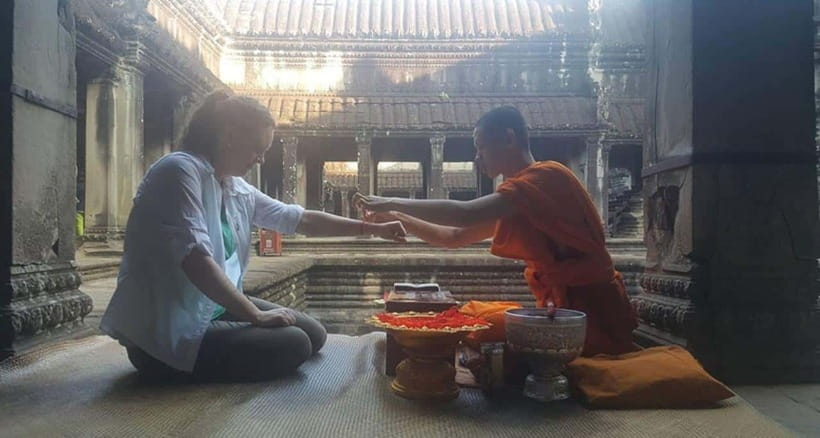
- Sunrise and sunset are both included: Start before dawn at Angkor Wat, then finish the first day at Bakheng Mountain for sunset.
- A private vehicle keeps the long days manageable: Hotel pickup, an air-conditioned vehicle, cool water, and towels are included.
- The itinerary covers more than the famous trio: You also visit Preah Khan, Neak Pean, Ta Som, East Mebon, Banteay Srei, Banteay Samre, Pre Rup, and the Rolous Group.
- Kampong Phluk adds a local-life stop: The boat ride passes stilted homes, fishing areas, and flooded mangrove forest on Tonle Sap Lake.
- The real cost is higher than $155: Add the $62 three-day temple pass, $20 boat ticket, and your meals.
- This suits active sightseers: Expect uneven temple paths, stairs, heat, and a 5:00 AM start on the second day.
Why three days works better than a rushed temple visit
Angkor is not one temple. It is a huge archaeological area with monuments spread across different routes, and this tour uses three days to divide the experience into manageable sections. The first day focuses on the major central temples, the second reaches farther out to smaller and more decorative sites, and the third shifts toward Tonle Sap and the Rolous Group.
I like this arrangement because it gives the famous monuments their proper time without making every hour feel identical. You get grand entrances, carved faces, jungle ruins, Hindu sanctuaries, Buddhist temples, a lake community, and early Khmer architecture.
The cost requires a careful look. At $155 per person, the guiding, private transport, hotel pickup and drop-off, parking, tolls, water, and towels provide a useful base. A three-day temple pass adds $62, while the Kampong Phluk cruise adds $20. That brings the known cost to $237 per person before meals.
You could buy a one-day temple ticket for $37 or a seven-day ticket for $72, but a three-day pass at $62 fits this program best. Check the ticket arrangement before you go, since temple admission is not included in the tour price.
More multi-day routes in Siem Reap:
- Siem Reap: Angkor Wat 2-Day Tour with Sunrise and Sunset
★ 4.9 · 4,429 reviews - Angkor 2-Day Sunset & Sunrise Small-Group Tour
★ 5.0 · 2,567 reviews - Siem Reap: Angkor Sunrise 1- or 2-Day Guided Temples Tour
★ 4.9 · 1,132 reviews
Day one: Angkor Thom, Bayon, Ta Prohm, and Angkor Wat
The first morning begins at 8:00 AM after breakfast. Your guide meets you in your hotel lobby, and you head toward the temples in the small circuit area. Starting after breakfast is convenient, though you will already need energy because the day runs through sunset.
Angkor Thom is an ancient city rather than a single monument. Its gates feature large carved faces, with the image reflected in the water below. This is one of those places where a guide adds useful context, since the gate is not merely a grand entrance. It introduces the religious imagery and scale of the city before you enter its inner area.
Inside Angkor Thom, Bayon is the major stop. Built in the late 12th to early 13th centuries, this Buddhist temple is known for its smiling stone faces. From a distance, the towers look dense and confusing. Up close, the faces appear from different angles, creating a memorable sense of being watched over by the temple itself.
The route also includes the palace area, Phimeanakas, the Elephant Terrace, and the Leper King Terrace. These sites help fill out the picture of Angkor Thom as a royal and ceremonial city, rather than leaving you with only one famous temple in your memory.
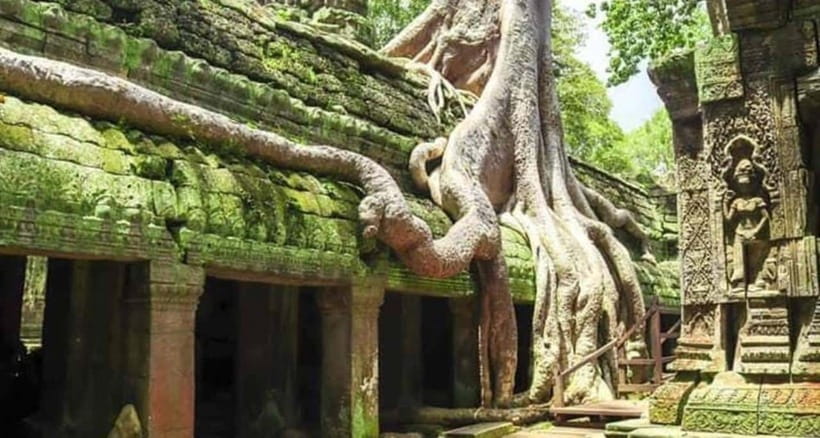
Ta Nei and Ta Prohm follow. Ta Prohm is the better-known stop, often called the Tomb Raider temple. Its appeal comes from the collision between architecture and forest, with trees growing over and around the ruins. I would not expect a quiet, empty ruin, but the weathered stone and tangled roots give Ta Prohm a mood that the larger, more formal temples do not.
Lunch is at a local restaurant near the next temple, though meals are not included. Bring cash or confirm meal choices with your guide. A local meal break is practical, but the cost and menu are yours to manage.
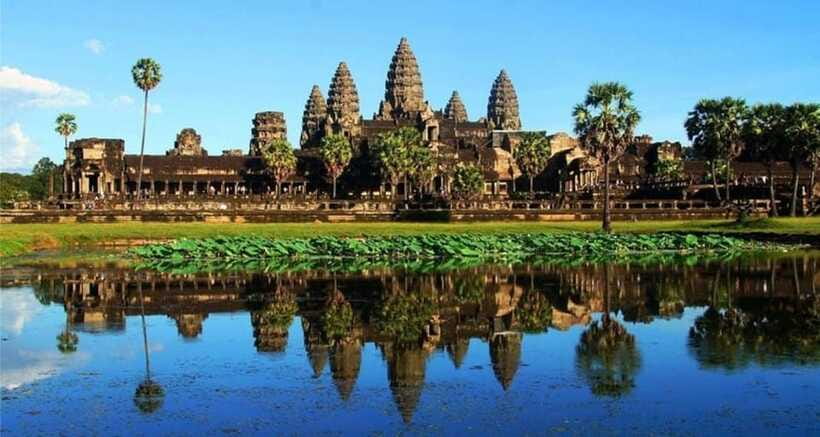
The afternoon continues at Angkor Wat, the monumental centerpiece of the area and a UNESCO World Heritage Site. Seeing it after Angkor Thom and Ta Prohm helps you compare different forms of Khmer design. Angkor Wat feels ordered and immense, while Ta Prohm feels broken open by nature.
The day ends at Bakheng Mountain for sunset. You climb to the temple and viewpoint, then descend after sunset for the ride back to your hotel or guesthouse. This is a beautiful way to close the day, but it also makes Day One long. Wear shoes with a firm sole, carry water, and do not treat the sunset climb as a casual stroll.
Day two: Angkor Wat sunrise and the outlying temples
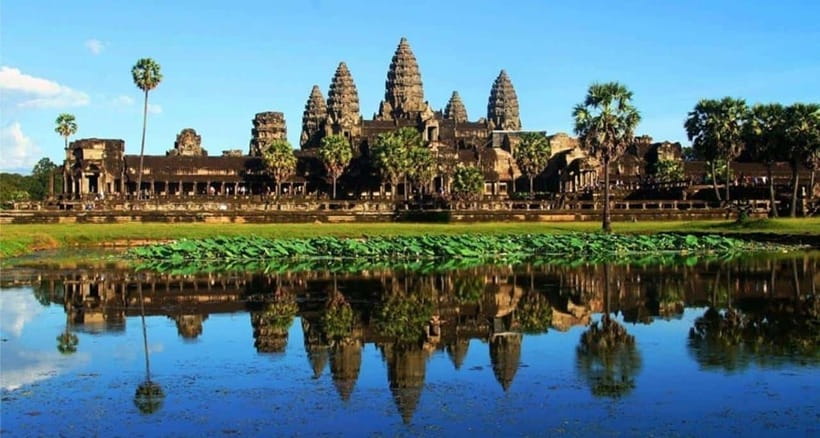
The second day starts at 5:00 AM for sunrise over Angkor Wat. This is the tour’s earliest morning, and you should plan for a short night. The reward is the chance to see the temple silhouette and sky change before the main heat of the day.
After sunrise, you return to the hotel for breakfast. That break matters. It gives you a chance to eat, rest briefly, and refill before another full temple circuit.
Preah Khan is the first major stop on the second day’s route. It is a large temple complex with corridors, courtyards, and detailed stonework. Compared with Angkor Wat, its appeal is more about exploring a layered maze of spaces than taking in one huge view.
Neak Pean offers a different experience. The temple is associated with water and sits in a setting designed around pools. It is a useful contrast to the massive stone structures elsewhere, though the stop may feel shorter and more focused than the larger monuments.
Ta Som is another smaller temple, known for its compact scale and stonework. East Mebon adds another Hindu temple to the route. Together, these stops keep the day varied and prevent the itinerary from becoming a parade of only the largest monuments.
The second day then reaches Banteay Srei, one of the most important highlights outside the central Angkor area. It was built in the late 10th century during the reign of King Rajendravarman II and dedicated to Shiva. Its carvings are especially fine, making it a strong choice for anyone who enjoys close details rather than only monumental size.
Because Banteay Srei is farther from the central group, the drive takes time. That is the trade-off for seeing it. You exchange some time in the vehicle for a temple with a distinct character and finely worked decoration.
Lunch again takes place at a local restaurant near the next temple, at your own expense. The tour information places Banteay Srei, Banteay Samre, and Pre Rup in the later part of the day, so expect another extended afternoon.
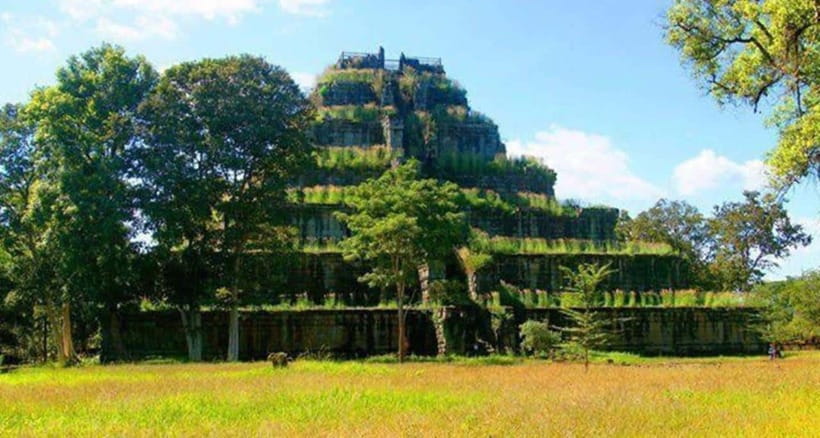
Banteay Samre gives you a less famous but worthwhile stop. It has a more enclosed feel and helps show how temple styles vary across the Angkor area. Pre Rup, also called the Crematorium Temple, is an artificial mountain temple built in the late 10th century and dedicated to Shiva.
Pre Rup’s raised structure makes it feel different from a flat sanctuary. You climb up through the temple levels and look across the surrounding area. Take care on the steps, especially after two days of walking and heat.
Day three: Kampong Phluk and the Rolous Group
The final day begins at 8:00 AM after breakfast. Instead of heading straight to another major stone complex, you travel toward Kampong Phluk, a floating village on Tonle Sap Lake.
The boat trip passes fishermen’s houses, long stilted homes, and flooded mangrove forest. This is valuable because it shifts your attention from royal temples to the water-based way of life that remains important in the region. You see how homes and daily routines adapt to the lake’s changing conditions.
The cruise ticket costs $20 per person and is not included. That extra fee is worth considering when comparing the total price. If you are mainly interested in temples, the boat ride may feel like a side trip. If you want a broader picture of Cambodia beyond monuments, it gives the three-day program better balance.
The itinerary also includes lunch at a local restaurant, with meals paid separately. After the lake visit, you continue to the Rolous Group: Lolei, Prasat Kor, and Bakong Temple.
The Rolous temples are among the earlier Khmer monuments in the program. They offer a useful contrast with Angkor Wat and Bayon, which belong to later periods. Lolei and Prasat Kor are smaller sites, while Bakong gives the group its strongest visual presence.
You may find the Rolous Group quieter and less overwhelming than the central Angkor temples. That is part of the appeal. After two packed days, the older sites allow you to slow down and pay attention to the basic structure, stonework, and religious purpose of the temples.
On the return to Siem Reap, the route stops at Phsar Leu, the Old Market, and d’Angkor Artisan School. The artisan school is known for lacquerware, silk products, stone carving, wood carving, gilding, and silk processing. These stops add shopping and craft production to the final afternoon.
You should treat the market and artisan visits as optional-value stops rather than the core reason to book. They are useful if you want souvenirs or an introduction to traditional handicrafts. If you are tired after three days of early mornings and temple walks, they may feel less essential.
A few more options around Siem Reap worth reading up on
- Angkor Wat Sunrise or Sunset Tour with Guide from Siem Reap
★ 5.0 · 12,109 reviews - Siem Reap: Angkor Wat: Small-Group Sunrise or Sunset Tour
★ 5.0 · 9,444 reviews - From Siem Reap: Kampong Phluk Floating Village Tour by Boat
★ 4.9 · 6,979 reviews - Sunset tour of Kampong Phluk stilts home village on the Tonle Sap
★ 5.0 · 4,865 reviews
The guide and vehicle can shape the whole experience
A private group is one of the strongest features here. You are not tied to strangers’ pace, and you can ask your guide to explain a carving, pause for photos, or adjust the rhythm within the planned route.
Soca was praised for professionalism, warmth, patience, and flexibility. He also has a talent for photography, which is a welcome extra at places such as Angkor Wat, Bayon, and Ta Prohm. A guide who can help with both context and photographs adds real value, especially if you are traveling without a companion who can take pictures.
The tour also includes a skilled driver and a comfortable air-conditioned vehicle. That matters in Siem Reap. You will walk outdoors for hours, and a cool ride between temple areas gives your feet and body a break.
Cool water and towels are included, along with parking fees and road tolls. These are small details, but they reduce the need to organize basic transport costs during a busy day.
What to bring for three demanding days
Comfortable shoes are essential. The itinerary includes temple paths, uneven surfaces, and climbs such as Bakheng Mountain and Pre Rup. This tour is not suitable for people with back problems or wheelchair users.
Bring a hat and sunscreen. The temple zones offer plenty to see, but you should not assume constant shade. A camera is also worthwhile, especially for sunrise, the carved faces of Bayon, the roots at Ta Prohm, and the fine details at Banteay Srei.
The schedule is ambitious. Day One runs from morning to sunset, Day Two starts at 5:00 AM, and Day Three adds a boat trip and more temples. I would choose this tour if you want broad coverage and do not mind an active plan. I would choose a slower private itinerary if you prefer long meals, extended time at each monument, or late mornings.
Who should book this Angkor tour?

I recommend it most for first-time visitors who want the major temples covered without arranging several separate day trips. The private format, hotel pickup, English guide, and air-conditioned transport make the long distances easier to handle.
It also suits photographers and curious sightseers. Sunrise and sunset provide strong light, while the mix of grand temples, carved faces, jungle ruins, lake homes, and traditional crafts gives you plenty of visual variety.
Families with very young children, people with mobility limitations, and anyone who dislikes early starts should think carefully before booking. The tour covers a lot, and the temple terrain is not gentle.
Should you book it?
Book this tour if you want a full Angkor program with a private guide, major temples, less famous sites, Kampong Phluk, and the Rolous Group. At $155 before admission, the boat, and meals, it is not an all-inclusive bargain, but the private transport and three days of guiding give the price solid value.
The strongest reason to book is the structure. You get Angkor Wat and Angkor Thom, a sunrise and sunset, Ta Prohm, Banteay Srei, a lake village, and early Khmer temples without having to plan the routes yourself. If you can handle the heat, stairs, and 5:00 AM start, it is a practical and well-rounded way to see Siem Reap.
FAQ
Is the temple admission included?
No. You must buy your own temple ticket. The listed prices are $37 for one day, $62 for three days, and $72 for seven days.
Is the Kampong Phluk boat ticket included?
No. The cruise boat ticket costs $20 per person.
Are meals included?
No. Lunches are taken at local restaurants near the temples, but meals are paid for separately.
What time does the tour begin each day?
Day One and Day Three begin at 8:00 AM after breakfast. Day Two begins at 5:00 AM for sunrise at Angkor Wat, followed by breakfast at the hotel.
Is the tour private?
Yes. It is arranged as a private group with an English-speaking guide.
Is hotel pickup included?
Yes. The guide meets you in the lobby of your accommodation, and hotel drop-off is also included.
Newest reviews from Siem Reap
- War Museum, Killing Field, and APOPO Hero RATs Tour★ 5.0 · 7 reviews
- Angkor Wat at Sunrise★ 4.0 · 7 reviews
- Siem Reap Angkor Airport Taxis (from Airport to Hotel)★ 5.0 · 44 reviews
- Cambodian Cooking Class and Oxcart Ride with Local Village Tour★ 5.0 · 4 reviews
- Secret Temples of Angkor – Guided Tour in Siem Reap★ 5.0 · 6 reviews
- Short Cycling at Countryside★ 5.0 · 29 reviews
- SIEM REAP E-BIKE HALF-DAY COUNTRYSIDE (25-30 km)★ 4.0 · 1 review
- Unveiling the Mystical Beauty of Phnom Kulen National Park★ 5.0 · 6 reviews
3-Day Experiences, compared.
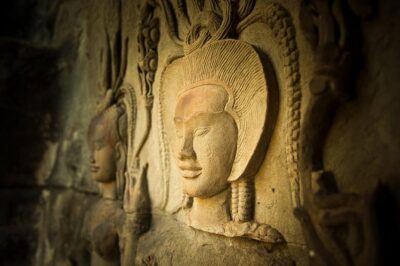
3-Day Angkor Wat with All Interesting Major Temples, Banteay Srei & Beng Mealea
Read our review →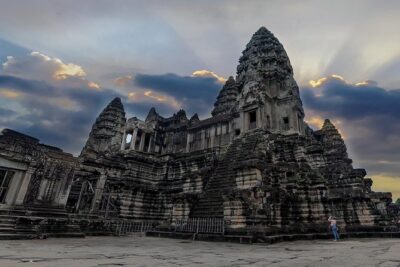
3-Day Angkor Wat & All Interesting Major Temples & Kulen Mount Waterfall
Read our review →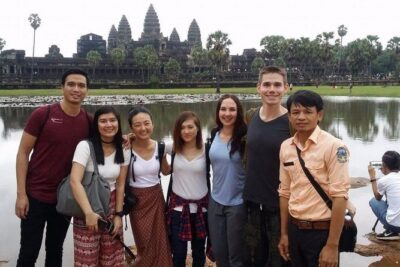
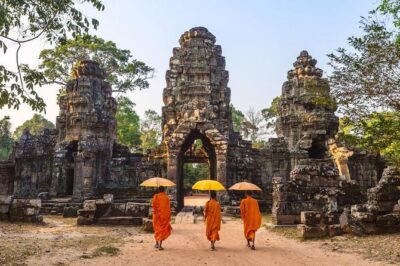
Best of Siem Reap 3-Day Private Tour to Angkor Wat & Tonle Sap
Read our review →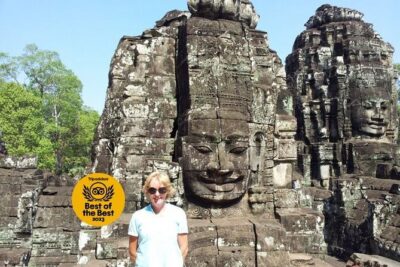
Private Siem Reap 3 Day Tour Discover All Highlight Angkor Temple
Read our review →
Private 3-Day Mekong Delta River Tour from Phnom Penh to Ho Chi Minh City
Read our review →Browse the lists this tour appears in