Reviewed · 2-DAY EXPERIENCES
Private Two Days Siem Reap Temples Discovery Guided Tour
Angkor Wat is only the beginning. This private two-day tour pairs Siem Reap’s famous temples with Phnom Kulen, palm-sugar making, a stilt-house village, and Tonle Sap Lake. I like the broad mix: you get major Khmer monuments on day one, then a closer look at rural life and sacred mountain sites on day two. Guides such as Ngoun, Ran, Lux, and Chang have been praised for friendly explanations and personal local insight.
I also like the private format, since your group can travel by its own vehicle and discuss the pace with the guide. The main drawback is cost: the advertised $150 per person does not include $77 in listed entrance and boat fees, so the known minimum rises to $227 before meals and any sunrise supplement.
In This Review
- Key points to know before booking
- What this two-day plan gets right
- Day one: Angkor Wat before the jungle temples
- Angkor Wat, 1 hour 30 minutes
- Angkor Thom, 30 minutes
- Bayon Temple, 1 hour 30 minutes
- Ta Nei, 15 minutes
- Srah Srang lunch break, 1 hour
- Ta Prohm, 45 minutes
- Optional local stops on the way back
- Day two: Phnom Kulen and Tonle Sap
- Phnom Kulen National Park, 3 hours
- Prasat Bakong and lunch, 1 hour
- Kompong Phluk, 1 hour 30 minutes
- Tonle Sap Lake, 30 minutes
- The guide can shape the whole experience
- What the $150 price really means
- Timing, fitness, and practical comfort
- Who should book this tour?
- Should you book the two-day Siem Reap tour?
- FAQ
- What is included in the $150 tour price?
- Are temple entrance fees included?
- How much is the Phnom Kulen entrance fee?
- Is the Kompong Phluk boat ride included?
- What time does the first day start?
- Can I visit Angkor Wat at sunrise?
- Is this a group tour?
- What level of fitness is required?
- Is hotel pickup available?
Key points to know before booking
- Angkor Wat, Bayon, Ta Prohm, and Ta Nei form the core of the first day, with both famous sights and a quieter jungle temple.
- Phnom Kulen takes three hours, making day two a full outing rather than a relaxed temple morning.
- Kompong Phluk includes a boat ride and access to Tonle Sap Lake, but the $20 boat fee is extra.
- The tour is private, with hotel pickup, drop-off, transportation, water, and an English-speaking guide included.
- Sunrise at Angkor Wat is optional and costs extra, with the standard second-day departure around 10 AM if you return for breakfast.
- Moderate fitness is needed, especially across temple grounds and during the long day on the road.
What this two-day plan gets right
Siem Reap can easily become a blur of sandstone towers, tuk-tuk rides, and hurried photo stops. This plan gives you two different views of the area. Day one stays close to the Angkor complex, while day two reaches the countryside, Phnom Kulen National Park, and the Tonle Sap region.
That variety matters. You are not spending two straight days walking among temples in the heat. You are also not treating Angkor as a quick photo stop. The guide is scheduled to explain the buildings, point out details, and connect the monuments to Cambodian culture.
The private setup is useful here. You can ask questions without waiting for a large group, and you have a better chance of discussing the plan as the day develops. The tour provides private transport, hotel pickup and drop-off, drinking water, and an English-speaking guide for both days.
The itinerary is ambitious. Several stops have short visits, and day two includes long drives. You should book this as an efficient introduction to Siem Reap, not as a slow archaeological study.
A few more options around Siem Reap worth reading up on
- Angkor Wat Sunrise or Sunset Tour with Guide from Siem Reap
★ 5.0 · 12,109 reviews - Siem Reap: Angkor Wat: Small-Group Sunrise or Sunset Tour
★ 5.0 · 9,444 reviews - From Siem Reap: Kampong Phluk Floating Village Tour by Boat
★ 4.9 · 6,979 reviews
Day one: Angkor Wat before the jungle temples
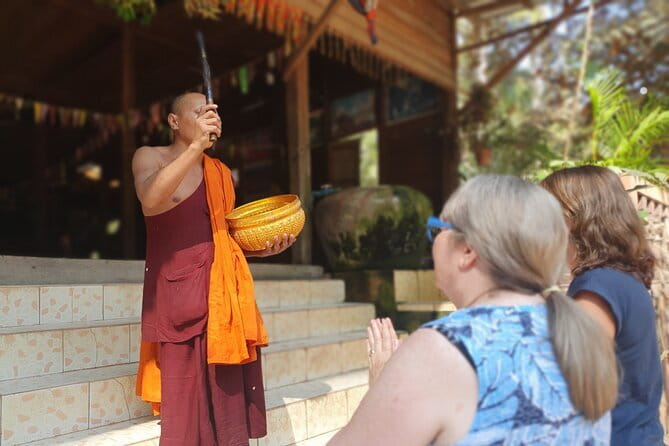
Pickup begins at your Siem Reap hotel at 9 AM. The guide meets you, explains the day’s plan, and introduces the route. That opening is helpful if this is your first morning in town, since you can get the basic schedule and practical details before reaching the monuments.
Angkor Wat, 1 hour 30 minutes
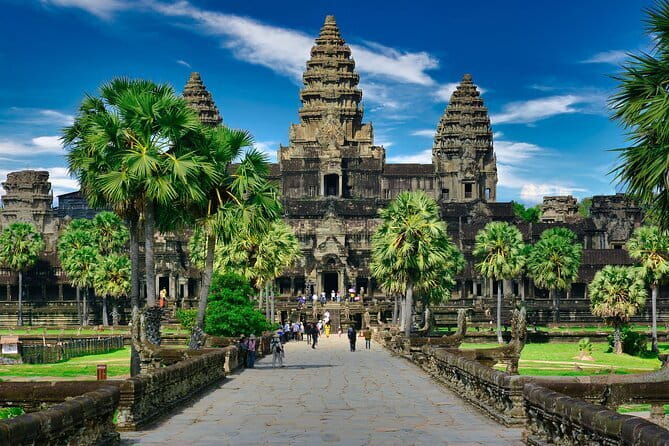
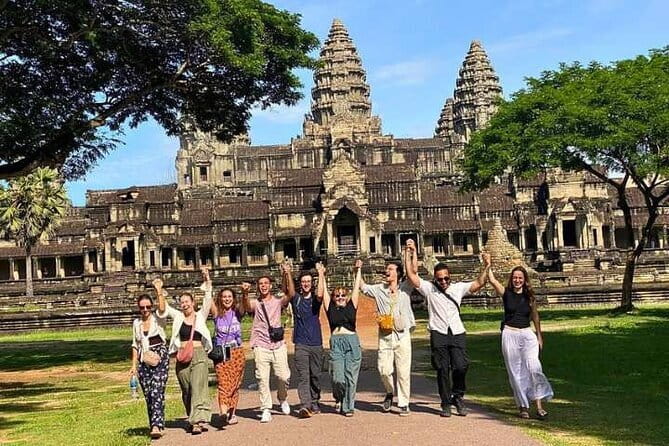
Angkor Wat is the major event of the morning. It is the world’s largest religious building, and the scale can be hard to grasp until you walk through its galleries and courtyards. A good guide helps you read the temple rather than simply walk around it.
You have about 90 minutes here. That is enough for an introduction and a focused visit, but it is not a leisurely examination of every gallery. Expect the guide to provide historical background and help you notice architectural details that are easy to miss alone.
The temple entrance is not included. The listed day-one temple ticket costs $37 per person. Keep that separate from the tour price when working out your budget.
Angkor Thom, 30 minutes
After Angkor Wat, a short drive takes you to Angkor Thom, the old capital city. The site was once home to almost one million people in the 13th century, according to the tour description.
The half-hour stop is more of a framework for the larger Angkor Thom area than a full visit to every corner. The guide can explain how the city was organized and how its temples fit together. You will also pass several important monuments around the old capital.
Something completely different for another day:
- Sunset tour of Kampong Phluk stilts home village on the Tonle Sap
★ 5.0 · 4,865 reviews - Siem Reap: Angkor Wat 2-Day Tour with Sunrise and Sunset
★ 4.9 · 4,429 reviews - Siem Reap: Kampong Phluk Floating Village Tour with Boat
★ 4.9 · 3,843 reviews - Siem Reap: Full-Day Angkor Wat Guided Tour with Sunset
★ 4.9 · 3,803 reviews
Bayon Temple, 1 hour 30 minutes
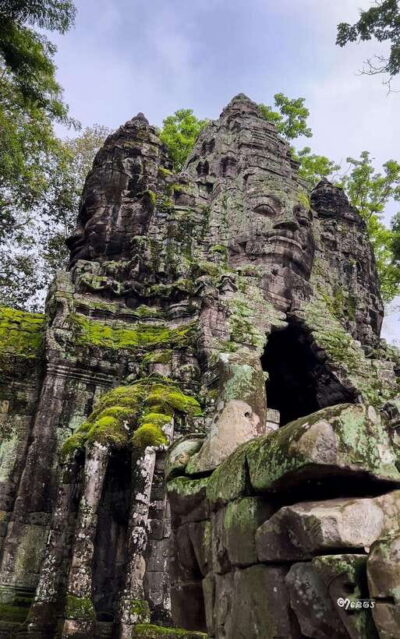
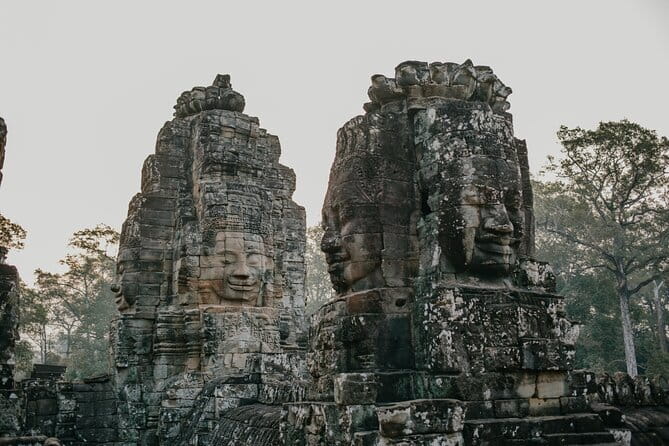
Bayon sits at the center of Angkor Thom and receives the longest visit of the morning. Its famous carved faces give the temple a mood that is different from Angkor Wat’s grand symmetry.
The surrounding area includes Baphuon Temple, the Elephant Terrace, the old Royal Palace area, and Phimeanakas. The schedule names Bayon as the main stop, so ask your guide how much time can be given to the nearby remains. The listed 90 minutes should allow a useful look at Bayon and some explanation of the nearby sites, though you will not cover every structure in depth.
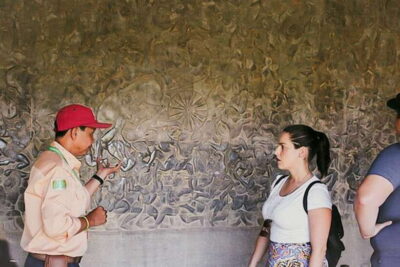
This is one of the places where a private guide earns the fee. The carved faces and stone reliefs reward a slower eye, and an English explanation can make the site easier to understand.
Ta Nei, 15 minutes
Ta Nei is the day’s quieter temple. It is described as a lost jungle temple, and the short stop offers a change from the more heavily visited monuments.
Fifteen minutes is brief. You should think of Ta Nei as a scenic and atmospheric pause, not a full exploration. Its value comes from the contrast: after Angkor Thom’s broad historical scale, you see a smaller monument surrounded by trees and a sense of distance from the main route.
Srah Srang lunch break, 1 hour
The group pauses near Srah Srang for lunch. Restaurants in the area offer Khmer and Western food, and the guide can recommend a place.
Lunch is not listed as included, so plan to pay separately. The one-hour break gives you time to eat and rest before Ta Prohm. Since the morning includes several temple grounds, this pause is practical, not wasted time.
Ta Prohm, 45 minutes
Ta Prohm is the famous temple associated with the film Tomb Raider. Its appeal comes from the trees and roots entwined with the stone buildings. Nature has become part of the way many people remember the site.
You have 45 minutes here. That is enough to see the main atmosphere and hear the guide’s explanation, though the stop may feel short if you want a careful look at every corridor. The temple is one of the day’s headline sights, so keep your camera ready, but give yourself time to look beyond the movie connection.
Optional local stops on the way back
On the return to Siem Reap, you may have the option to visit Sacha, an antique shop and incubation center, or the Apopo Rat Center, which explains how rats are used in landmine detection. You can also choose to call it a day.
These options are valuable because they shift attention from royal temples to present-day Cambodia. They are not listed as required stops, so confirm the plan with your guide. If your legs are tired after Ta Prohm, heading back to the hotel may be the better choice.
Day two: Phnom Kulen and Tonle Sap
The second day reaches beyond the Angkor complex. It combines religious sites on Phnom Kulen with village life and the waters of Tonle Sap Lake.
If you want sunrise at Angkor Wat, the operator can arrange it for an additional charge. You return to the hotel for breakfast, then leave again around 10 AM. The sunrise supplement is not specified, so ask for the exact amount before agreeing to it.
Phnom Kulen National Park, 3 hours
Phnom Kulen is the longest stop of day two, with about three hours scheduled. On the way, the route includes a local palm-fruit village where sugar palm is made. That detail gives you a look at a working rural tradition rather than another stone monument.
At the mountain, the program includes the largest reclining Buddha carved into the hillside and the 1,000 Lingas. These religious carvings make Phnom Kulen different from the Angkor temples. The guide can explain the meaning of the sites and the mountain’s place in Cambodian culture.
The national park ticket costs $20 per person and is not included. The three-hour visit, combined with driving time, makes this a physically demanding day. The tour asks for moderate fitness, and you should take that seriously. Wear practical shoes, carry water, and be ready for uneven ground and a long schedule.
Prasat Bakong and lunch, 1 hour
On the way down from the mountain, the route heads toward Kompong Phluk. You stop for lunch at the Steong Trocheak Restaurant before continuing.
Prasat Bakong is included in this part of the route, with about an hour allocated. The schedule gives fewer details about the stop than it does for Angkor Wat or Bayon, so treat it as a short temple visit within a larger countryside day. Lunch is separate, and the restaurant stop provides a needed break before the village and boat trip.
Kompong Phluk, 1 hour 30 minutes
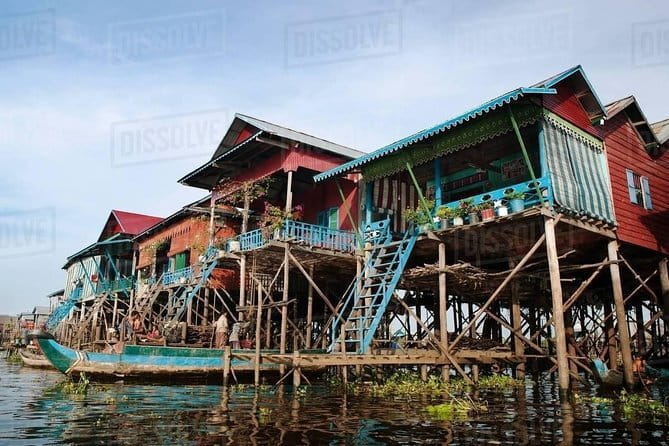
After lunch, you visit Kompong Phluk, a local community of stilt houses connected with Tonle Sap Lake. The village offers a different view of life around Siem Reap, with homes built to cope with changing water levels.
The planned boat ride follows the river toward the lake. The boat ticket costs $20 per person and is not included. This is an important budget point because it is one of the largest extra charges on the second day.
The one-and-a-half-hour visit allows time for the village, the boat, and an explanation of the local setting. Boat conditions and the exact experience can vary, so listen to the guide’s instructions and keep valuable belongings secure.
Tonle Sap Lake, 30 minutes
Tonle Sap is the largest freshwater lake in Southeast Asia. You stop at a floating restaurant to see the lake, take photos, and learn about its geography.
Thirty minutes is enough for a viewpoint and an introduction, but not a full lake excursion. The stop works best as the closing part of the Kompong Phluk visit. You see how the village connects to the larger body of water rather than treating the lake as an isolated photo stop.
The group then returns to Siem Reap, with about 45 minutes listed for the final return segment. The tour ends after the two-day program.
The guide can shape the whole experience
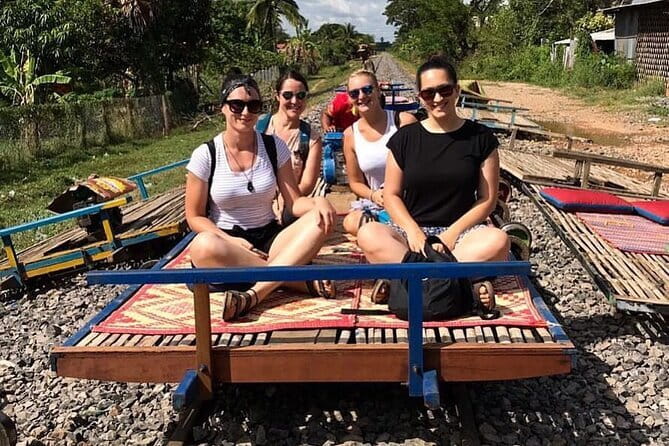
The strongest part of this tour is likely to be the guide. Several guides have been praised by name, including Lux, Ngoun, Ran, and Chang. The most useful praise is specific: guides explained history and culture, shared personal insights, answered questions, and adjusted plans when needed.
Ngoun is especially associated with a strong knowledge of the local area and Cambodia as a whole. Ran is praised for his friendly manner and detailed temple explanations. One guide, Ran, and driver, Leak, even waited through a three-hour flight delay and used the drive to explain the area and the upcoming plan.
You should not assume you will receive a particular guide unless the operator confirms it. Still, the repeated emphasis on guide quality is a good sign for a tour that depends heavily on interpretation. The stonework is impressive on its own, but the right explanation helps you see why each place matters.
The drivers also contribute to comfort. The tour is private, and the vehicle includes cool drinking water. The long second day makes dependable transport more important than it might seem on paper.
What the $150 price really means
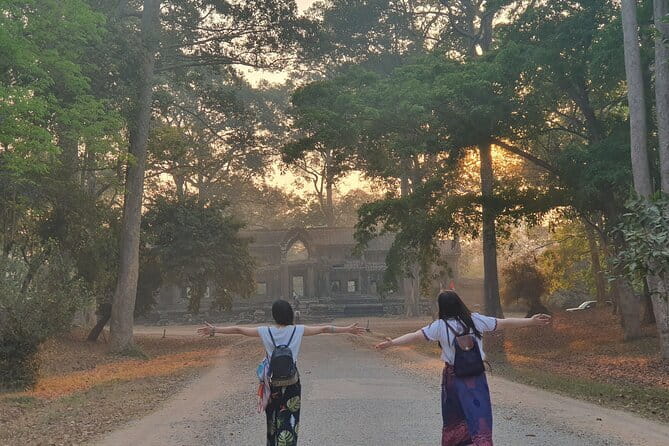
The advertised price is $150 per person. It includes:
- Private transportation
- An English-speaking guide for two days
- Drinking water
- Hotel pickup and drop-off
The listed extras are:
- Angkor temple ticket: $37 per person
- Phnom Kulen National Park ticket: $20 per person
- Kompong Phluk boat ticket: $20 per person
That adds $77 in required listed fees, bringing the known total to $227 per person before lunch and any optional sunrise charge. Meals are not included, and the price of the sunrise service is not stated.
Is that good value? For two people or a small private group, it can be reasonable if you value direct transport, a dedicated guide, and a broad itinerary. You are paying for convenience and interpretation, not just admission to temples.
The tour becomes less attractive if you only want Angkor Wat and two nearby temples. In that case, a shorter Angkor-focused outing may suit you better. This two-day plan earns its price through the countryside day, the local village, and the private format.
Group discounts are available, though the amount is not specified. Ask for the discount before booking, especially if you are traveling with several people.
Timing, fitness, and practical comfort
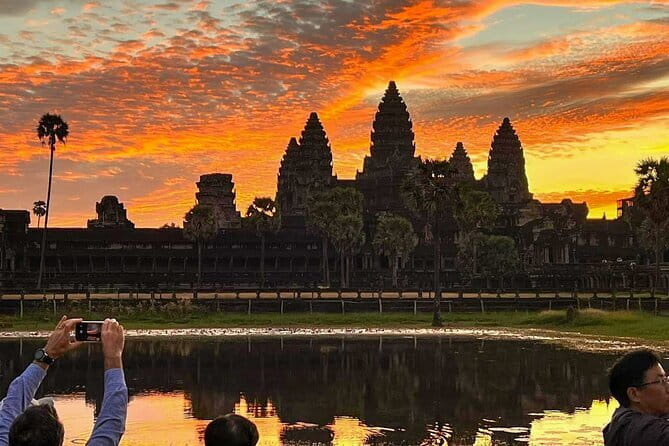
The first day begins at 9 AM and covers several sites with short drives between them. The second day is longer and more spread out, with Phnom Kulen, lunch, Kompong Phluk, and Tonle Sap all in one program.
You should be comfortable walking over temple grounds and handling a full sightseeing day. The tour specifies moderate physical fitness, but it does not give detailed accessibility information. If you have mobility concerns, ask the operator how the temple paths, mountain visit, and boat boarding will work for your group.
The optional sunrise plan adds an early start, a return to the hotel for breakfast, and a second departure around 10 AM. It can make the day more tiring, so choose it because sunrise matters to you, not because you feel obliged to add every possible stop.
Free cancellation is available until 24 hours before the start time. Changes or cancellations made within 24 hours are not accepted for a refund.
Who should book this tour?
I would choose this tour if you have two full days, want the major Angkor temples, and also want to see life beyond the temple zone. It suits couples, families, and small groups who prefer private transport and the ability to talk directly with a guide.
It is also a good fit if you want cultural context rather than a simple transfer between monuments. The palm-sugar village, Apopo option, Kompong Phluk, and Tonle Sap add useful variety.
I would hesitate if you dislike long day trips, want a slow pace, or are mainly interested in photographing Angkor Wat at length. The schedule covers a lot, and some stops receive only 15 or 30 minutes.
Should you book the two-day Siem Reap tour?
Book it if you want an efficient, private introduction to both Angkor and the wider Siem Reap region. The best reasons are the mix of famous temples and local places, the guide-led explanations, and the convenience of hotel pickup and private transport.
Before booking, budget for the extra $77 in listed tickets, plus meals and possible sunrise costs. Confirm the guide, the exact vehicle arrangements, the group discount if relevant, and how much time you will have at optional stops.
For many first visits, this is a strong way to cover a lot without arranging separate transport each day. Just understand the tradeoff: broad coverage and local variety in exchange for long hours and limited time at some individual sites.
FAQ
What is included in the $150 tour price?
The price includes private transportation, an English-speaking guide for both days, cool drinking water, and pickup and drop-off at your hotel.
Are temple entrance fees included?
No. The Angkor temple ticket costs $37 per person and must be paid separately.
How much is the Phnom Kulen entrance fee?
The Phnom Kulen National Park ticket costs $20 per person and is not included in the tour price.
Is the Kompong Phluk boat ride included?
No. The boat ticket for Kompong Phluk costs $20 per person.
What time does the first day start?
The first day starts with hotel pickup at 9 AM.
Can I visit Angkor Wat at sunrise?
Yes. Sunrise pickup can be arranged for an additional charge. You return to the hotel for breakfast and leave again around 10 AM. The additional price is not specified.
Is this a group tour?
No. This is a private activity, so only your group participates.
What level of fitness is required?
The tour states that you should have a moderate physical fitness level. The program includes temple grounds, a Phnom Kulen visit, and a boat trip.
Is hotel pickup available?
Yes. Pickup and drop-off at your hotel in Siem Reap are included.
Newest reviews from Siem Reap
- Village walking & Cooking class in Siem Reap★ 5.0 · 2 reviews
- Ultimate Sunrise to Angkor Wat, Angkor Thom and Bayon Temple★ 5.0 · 3 reviews
- Angkor Wat Sunrise Shared Tours: Bayon, Ta Prohm And Kravan★ 5.0 · 1 review
- Twilight Tastes of Siem Reap Include Dinner★ 5.0 · 13 reviews
- Two Days Tour Angkor Complex; Banteay Srei, and Kulen Hill★ 5.0 · 1 review
- Trekking Tour at Phnom Kulen National Park from Siem Reap★ 5.0 · 3 reviews
- Trip to Big Circle included Banteay Srey and Banteay Samre★ 5.0 · 1 review
- Full-Day Private Tour of Angkor Wat with Pick Up★ 5.0 · 12 reviews
2-Day Experiences, compared.
Angkor Wat 2-Day Tour with Sunrise and Sunset
Read our review →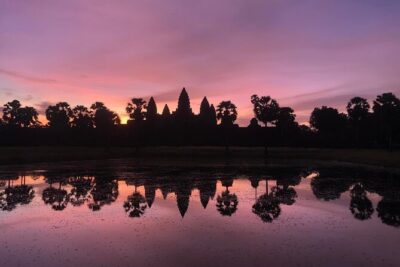
Angkor 2-Day Sunset & Sunrise Small-Group Tour
Read our review →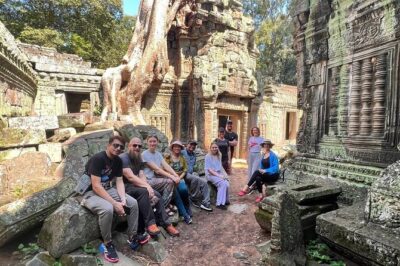
2 Days Exclusive Temple Highlights with Sunset and Sunrise Tour
Read our review →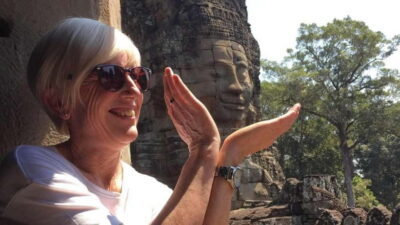
Angkor Sunrise 1- or 2-Day Guided Temples Tour
Read our review →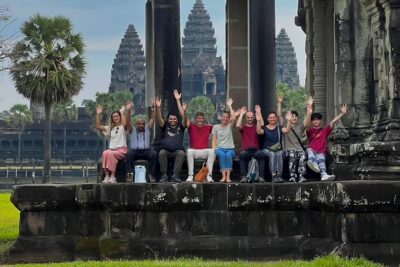
2-Day Angkor Wat With Small, Big Circuit and Banteay Srei Tour
Read our review →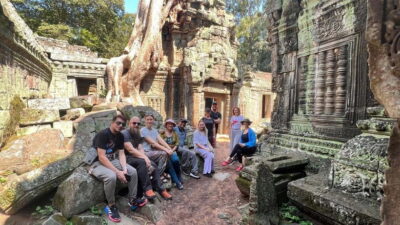
2-Day Temple Highlights Sunrise and Sunset Option
Read our review →