
Reviewed · HISTORICAL TOURS
2 Days Guided Historical Tour in Angkor
Wake before dawn for Cambodia’s greatest sunrise. This two-day Angkor tour gives you a broad look at the temple complex, from the famous towers of Angkor Wat to quieter ruins such as Ta Som and Preah Khan. I like the balance between major sights and lesser-visited temples, plus the air-conditioned vehicle, hotel pickup, cold water, and wet towels. The main drawback is that the $35 price does not include the required $62 temple pass, and the advertised 11 temples do not neatly match the ten named stops in the schedule.
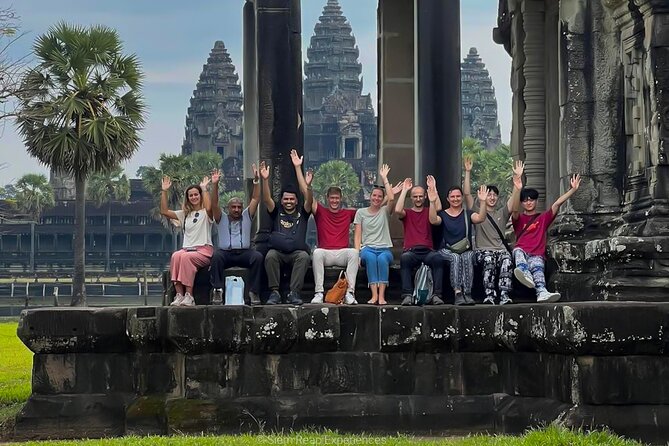
The small-group limit of 15 helps keep the day manageable, especially when guides such as Sam, Vone, Sok, Heang, and Sayon are explaining carvings and royal stories. I also like that the guides leave time for your own photos and exploring instead of talking nonstop. Still, this is an early, hot, walking-heavy experience, and the 4:30 am start on day one will test your enthusiasm before breakfast.
In This Review
- Key points before you book
- Why two days works better than one
- Day one begins before sunrise at Angkor Wat
- Angkor Thom and Bayon show royal power
- Ta Keo brings a steep change of pace
- Ta Prohm supplies the famous jungle setting
- Day two trades crowds for quieter ruins
- Neak Pean and Preah Khan add variety
- Phnom Bakheng is the sunset stop to clarify
- What the $35 price really covers
- Guides, heat, and the small comforts
- Who should book this Angkor tour
- Should you book it?
- FAQ
- How long is the Angkor tour?
- What time does the first day begin?
- Is hotel pickup included?
- Is the Angkor temple ticket included?
- Are meals included?
- How many people can join the group?
- What temples are visited?
- What is included for comfort during the tour?
Key points before you book
- Sunrise at Angkor Wat: Day one begins around 4:30 am, giving you an early look at the temple before the regular daytime heat.
- A wide temple mix: The route includes Angkor Wat, Bayon, Ta Prohm, Preah Khan, Pre Rup, Ta Som, Neak Pean, Ta Keo, Angkor Thom, and Phnom Bakheng.
- Small-group travel: The maximum group size is 15, a useful limit for questions, walking, and keeping track of the group.
- Comfort in the heat: An air-conditioned vehicle, cold water, and wet towels are included, with clean restroom stops noted during the day.
- Bring extra money: The $35 tour fee excludes meals and the $62 temple admission ticket.
- Guides add much of the value: Sam, Vone, Sok, Heang, Sayon, Pheap, and Sem are praised for clear explanations, humor, patience, and help with photographs.
Why two days works better than one
Angkor is not one temple. It is a huge collection of religious buildings, gates, reservoirs, terraces, and ruins spread around Siem Reap. Trying to see only Angkor Wat and Bayon gives you the headline sights, but it misses how Khmer rulers changed the site over several centuries.
This tour uses two different days for two different moods. Day one focuses on the best-known places, including sunrise at Angkor Wat, Angkor Thom, Bayon, Ta Keo, and Ta Prohm. Day two moves farther into the temple area, with Pre Rup, Ta Som, Neak Pean, Preah Khan, and a sunset stop at Phnom Bakheng.
I like this plan because the first day gives you the essential images, while the second helps you understand the scale of the Angkor complex. You also get a better chance to slow down at smaller temples. The cost is time and stamina. You need to be comfortable with early mornings, walking, heat, steps, and two full sightseeing days.
The exact schedule appears to include ten named temple stops, while the tour description says 11 temples. Ask the operator to confirm the final count before booking if that detail matters to you.
More History Tours in Siem Reap
- Siem Reap: Banteay Srei and Grand Circuit Heritage Tour
★ 4.9 · 163 reviews - Banteay Srei and Grand Circuit Heritage Tour from Siem Reap
★ 5.0 · 142 reviews - Angkor World Heritage with Sunrise – Small Group
★ 5.0 · 32 reviews
Day one begins before sunrise at Angkor Wat
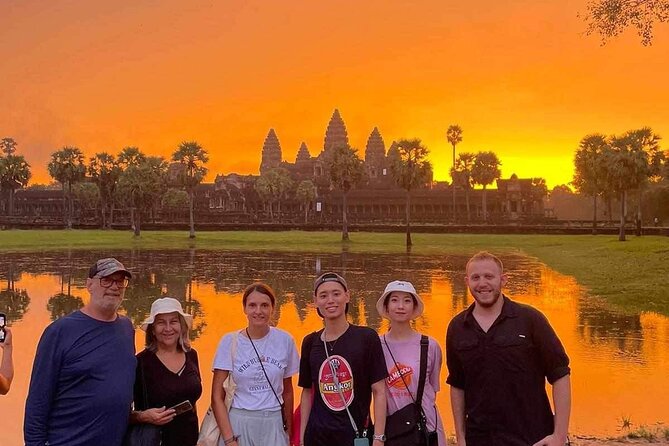
Pickup starts around 4:30 am from your hotel or an arranged meeting point near Pub Street and the Angkor Night Market. The vehicle is air-conditioned, which matters once the sun climbs, though the first ride may feel more like a quiet transfer than a social start to the day.
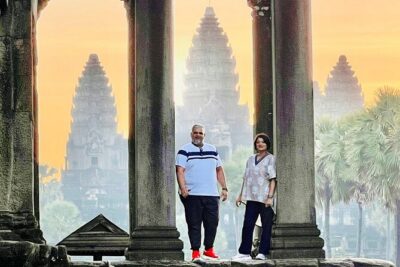
At Angkor Wat, you watch the sky brighten near the famous towers before entering the temple with your guide. The visit is scheduled for about two hours. That gives you time to see the outer areas, walk through the galleries, and hear about the temple’s design and purpose.
Bring a flashlight for the walk before daylight. One French-speaking visitor found the English explanations difficult to follow, so you should request a guide who matches your language needs before the tour if possible. The supplied information confirms guides in English-oriented groups, but it does not promise French or other language service.
Sunrise is beautiful, but it is also the busiest and most popular part of the day. Your guide can help explain the temple, but you should expect to share the viewing area with other early risers. Wear shoes suited to uneven ground, and keep your camera ready without letting photography replace the temple itself.
Angkor Thom and Bayon show royal power
After Angkor Wat, the route moves to the South Gate of Angkor Thom. This 12th-century entrance has carved faces and a causeway lined with stone figures. The stop lasts about 30 minutes, which is enough for an explanation and photographs, but not a long exploration.
The gate works as a useful introduction to Angkor Thom, a former royal city rather than a single temple. Your guide can help you notice the faces and the arrangement of the causeway instead of treating the gate as a quick photo stop.
Bayon follows, with about two hours scheduled. This Buddhist temple is famous for its huge carved faces, often described as smiling. It is also a place where the route can become confusing, with towers, galleries, narrow passages, and layers of carved stone.
This is one of the stops where a guide makes a real difference. Sam, Vone, Sok, Heang, and other guides receive repeated praise for explaining Cambodian history, temple details, and stories connected with the Khmer Empire. Several guides also allow you to explore on your own after the main explanation, a good arrangement for anyone who wants both context and quiet time.
Ta Keo brings a steep change of pace
The group stops for breakfast before entering Ta Keo. Breakfast is not included, so plan to pay for your own meal. The break is practical, not decorative. By this point you have been awake for hours, and eating before the heat builds is wise.
Ta Keo is a temple-mountain built mainly from sandstone and linked with the early development of that building method. The visit lasts about an hour. Its strong, stepped form feels more severe than Ta Prohm, with less of the jungle-covered appearance that attracts people to other Angkor sites.
The height and stairs can be tiring. You should take your time and avoid rushing simply because the group is moving on. The vehicle provides a place to cool down, and one person who struggled in temperatures near 40 degrees appreciated being able to sit in the air conditioning when needed.
Something completely different for another day:
- Angkor Wat Sunrise or Sunset Tour with Guide from Siem Reap
★ 5.0 · 12,109 reviews - Siem Reap: Angkor Wat: Small-Group Sunrise or Sunset Tour
★ 5.0 · 9,444 reviews - From Siem Reap: Kampong Phluk Floating Village Tour by Boat
★ 4.9 · 6,979 reviews - Sunset tour of Kampong Phluk stilts home village on the Tonle Sap
★ 5.0 · 4,865 reviews
Ta Prohm supplies the famous jungle setting
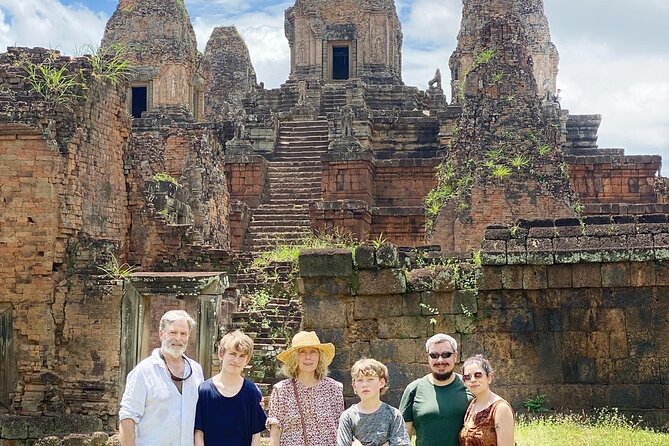
Ta Prohm is the day one stop many people picture when they imagine Angkor. Trees grow around the ruins, roots press against stone, and galleries open into shadowy courtyards. The temple is linked with the Bayon style and sits near Angkor Thom.
The scheduled visit is about an hour. That is enough to see the key sections, but you may feel it passes quickly if you want many photographs. Follow your guide’s route first, then use free time for your own pictures.
Ta Prohm can be crowded, particularly around its most recognizable tree-covered walls. The tour’s small-group size helps, but it cannot remove other groups from the site. The reward is the contrast with Angkor Wat and Bayon: here, nature and architecture share attention.
Day one includes four or five major stops depending on how the operator counts them, and it can feel full. Guides are praised for keeping the group moving without making the visits feel rushed. Cold water is handed out during the day, and restroom breaks are part of the practical rhythm.
Day two trades crowds for quieter ruins
Day two begins with Pre Rup, a Hindu temple built as the state temple of King Rajendravarman around 961 or 962. The visit is planned for about two hours. Its brick, laterite, and sandstone construction gives it a different look from the sandstone-heavy temples you see elsewhere.
Pre Rup is a temple-mountain, so stairs and exposed stone are part of the experience. The upper levels offer broad views over the surrounding area, but the morning heat can make the climb harder than it appears from below.
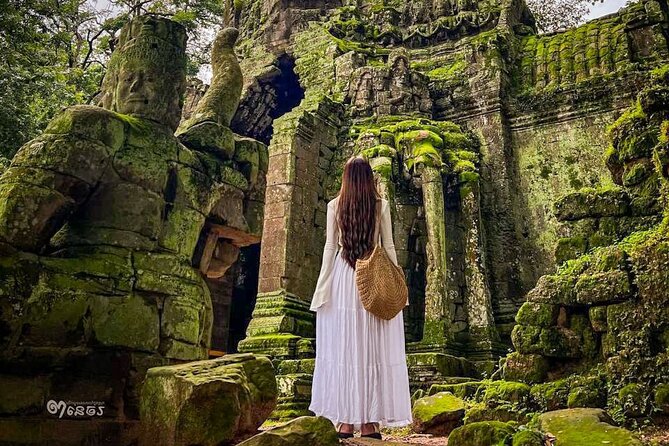
Ta Som is smaller and usually feels calmer than Angkor Wat, Bayon, or Ta Prohm. Built at the end of the 12th century for King Jayavarman VII, it gives you a chance to notice details without the same pressure to move through a crowded landmark.
I especially like the second day’s quieter pace. In low season, the smaller temples can offer better photo opportunities with fewer people behind you. That does not mean you have the ruins to yourself, but the setting is more relaxed.
Neak Pean and Preah Khan add variety
Neak Pean is an artificial island with a temple on a circular island in a reservoir associated with the reign of Jayavarman VII. The approach and water setting make it different from the temple-mountains and enclosed galleries elsewhere on the route.
The scheduled visit lasts about an hour. You should expect more of a planned walk toward the central temple than a long interior exploration. The water and island design are the main point, so listen for the explanation of how the site was arranged.
Preah Khan receives about two hours, making it one of the longer visits on day two. Built in the 12th century for Jayavarman VII in honor of his father, it has long galleries, courtyards, and many details that reward patient looking.
This is where a guide’s storytelling matters most. Sam is praised for explaining the Khmer Empire and Cambodian history in a way that makes the stones easier to understand. Sem is noted for mixing historical facts with personal stories, while Vone is praised for pointing out small details and helping with photos and videos.
The group format also helps at large sites such as Preah Khan. You hear the main explanation, then have time to walk, take photographs, and catch up with the group. Stay aware of the meeting point, since one unhappy participant had trouble reconnecting with the guide after trying to meet the group at different stops.
Phnom Bakheng is the sunset stop to clarify
The final listed stop is Phnom Bakheng, a Hindu temple-mountain dedicated to Shiva and built during the reign of King Yasovarman in the late ninth century. The schedule lists only two minutes here, which clearly does not describe a full sunset visit.
The tour description says you stay for sunset, so confirm how long the group actually remains and where the sunset viewing takes place. This is the one part of the timetable that needs clarification. A two-minute stop cannot provide a meaningful sunset experience.
You should also ask about the sunset timing for your date. The start and finish times can vary with the season, and the provided schedule does not give a precise return time to Siem Reap.
What the $35 price really covers
At $35 per person, the tour is inexpensive for two days of transport and guiding. The price includes an air-conditioned vehicle, hotel pickup and drop-off, a guide, cold water, wet towels, and visits to the listed temples.
The important extra cost is the Angkor temple ticket, stated as $62 per person. Meals are also excluded, including the breakfast break at Ta Keo. Once you add the temple pass, your basic admission and tour cost becomes $97 per person before food.
That can still be good value if you want transport, an organized route, and explanations at each major site. Hiring separate transport and arranging a guide may cost more, though no comparison price is supplied here. The real value is convenience: you do not need to plan the order of ten or more temples or manage transport between them.
The tour had more than ten bookings in the previous month and carries a maximum of 15 people. The group may be smaller, but you should not assume a private experience. Ask about group size if a quieter or more personal visit is important to you.
Guides, heat, and the small comforts
The strongest part of this experience is the guide service. Sam is repeatedly praised for his temple knowledge, clear stories, and answers to questions. Vone is described as funny, generous with his time, and willing to take photographs and videos. Sok, Heang, Sayon, Pheap, and Sem also receive strong praise for patience, information, and personal attention.
That range of guide names suggests the exact experience depends partly on who leads your group. You should expect a licensed guide, but you cannot choose a particular guide unless the operator confirms it.
Heat is the main physical challenge. You will walk through temple grounds for hours, often on uneven surfaces and stairs. Cold water, wet towels, air conditioning, and clean toilet stops are not small luxuries here. They help you keep going when the afternoon becomes difficult.
Wear light clothing that covers the shoulders and knees as required at religious sites, though the supplied information does not list a formal dress code. Bring sun protection and a flashlight for the pre-dawn start. Pack light, since you will repeatedly get in and out of the vehicle.
Who should book this Angkor tour
I would choose this tour if you are visiting Siem Reap for the first time and want the major temples explained in a logical two-day plan. It suits people who value history, transport, and practical support more than setting their own timetable.
It is also a good match for families and friends who want to travel together without arranging a tuk-tuk or guide for each day. The air-conditioned vehicle and frequent water help, though the walking and heat still require reasonable fitness.
You may want something else if you dislike early starts, fixed group schedules, or busy landmark sites. Independent visitors who want long, quiet hours at one temple could find the pace too structured. You should also confirm the temple count, language, sunset timing, and pickup details before paying.
Free cancellation is available when you cancel at least 24 hours before the start time. Changes or cancellations inside that window are not accepted for a refund.
Should you book it?
Yes, if you want a low-cost, well-organized introduction to Angkor with sunrise, sunset, famous temples, and smaller ruins in one package. The guides and practical care receive the strongest praise, especially the clear explanations, photography help, cold water, and patience in extreme heat.
Book with your eyes open about the extra $62 ticket, meals, long days, and crowded headline sites. Confirm why the schedule says 11 temples while naming ten, and ask how the two-minute Phnom Bakheng entry becomes a sunset visit. If those points are clear, this is a strong value for seeing a large part of Angkor without handling every transport and historical detail yourself.
FAQ
How long is the Angkor tour?
The experience lasts approximately two days. Day one starts at about 4:30 am, while the exact end time is not provided.
What time does the first day begin?
Pickup or meeting begins at approximately 4:30 am.
Is hotel pickup included?
Yes. Hotel pickup and drop-off are included. Drop-off can be at your hotel or another requested location around Pub Street.
Is the Angkor temple ticket included?
No. The temple ticket is not included and is listed at $62 per person.
Are meals included?
No. Meals are not included. The breakfast stop before Ta Keo is paid for separately.
How many people can join the group?
The tour has a maximum of 15 travelers.
What temples are visited?
The named stops are Angkor Wat, Angkor Thom South Gate, Bayon, Ta Keo, Ta Prohm, Pre Rup, Ta Som, Neak Pean, Preah Khan, and Phnom Bakheng. The tour description says 11 temples, so confirm the final count with the provider.
What is included for comfort during the tour?
The tour includes an air-conditioned vehicle, a guide, cold water, wet towels, and hotel pickup and drop-off.
Newest reviews from Siem Reap
- War Museum, Killing Field, and APOPO Hero RATs Tour★ 5.0 · 7 reviews
- Angkor Wat at Sunrise★ 4.0 · 7 reviews
- Siem Reap Angkor Airport Taxis (from Airport to Hotel)★ 5.0 · 44 reviews
- Cambodian Cooking Class and Oxcart Ride with Local Village Tour★ 5.0 · 4 reviews
- Secret Temples of Angkor – Guided Tour in Siem Reap★ 5.0 · 6 reviews
- Short Cycling at Countryside★ 5.0 · 29 reviews
- SIEM REAP E-BIKE HALF-DAY COUNTRYSIDE (25-30 km)★ 4.0 · 1 review
- Unveiling the Mystical Beauty of Phnom Kulen National Park★ 5.0 · 6 reviews
Historical Tours, compared.
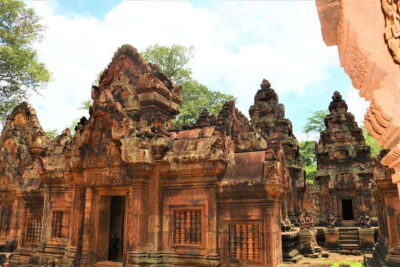
Banteay Srei and Grand Circuit Heritage Tour from Siem Reap
Read our review →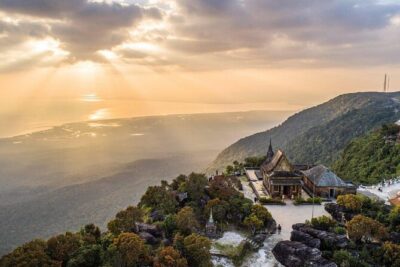
Bokor Mountain Adventure – History, Sights and Waterfalls
Read our review →
Angkor World Heritage with Sunrise – Small Group
Read our review →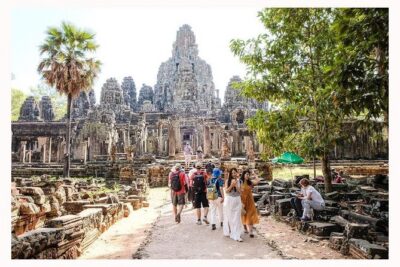
Private Angkor Wat Tour & Angkor Park/Heritage With Local Guide
Read our review →Browse the lists this tour appears in