
Reviewed · MULTI-DAY TOURS
Angkor Temples Highlights: 2-Day Private Tour with Sunrise
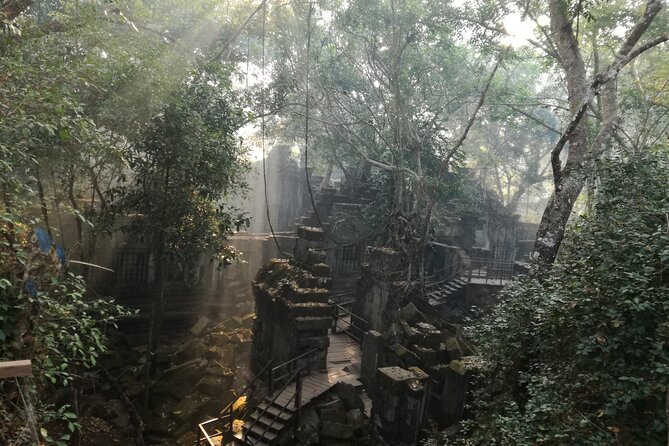
Angkor wakes before the crowds do. This two-day private tour makes that early start worthwhile with sunrise at Angkor Wat, a flexible pace, and air-conditioned transport between the major temples. I especially like the personal guide service and the small comforts, including cold water, chilled towels, and hotel pickup.
I also like the range of temples. You get the essential Angkor Wat, Bayon’s stone faces, and tree-covered Ta Prohm on the first day, then quieter Grand Circuit temples and finely carved Banteay Srei on the second. The main drawback is the 4:30 a.m. start, followed by long hours on foot in heat and sun. The Angkor Pass is also not included unless you choose that option, so check the final price carefully.
In This Review
- Key points at a glance
- Why two days works better than one
- Day one: Angkor Wat before sunrise
- Entering Angkor Thom through the South Gate
- Bayon and its many stone faces
- Ta Prohm, where trees claim the stone
- Day two on the Grand Circuit
- Neak Pean and the meaning of water
- Ta Som, a quieter temple stop
- East Mebon and its guardian elephants
- Banteay Srei, the detailed finale
- The local sugar growers add a useful human note
- Guide, driver, and the small comforts
- Who should book this tour?
- Should you book the Angkor two-day private tour?
- FAQ
- What time does the tour start?
- Is this a private tour?
- Is hotel pickup included?
- Is the Angkor Pass included?
- What temples are visited on day one?
- What temples are visited on day two?
- What is provided during the tour?
- What clothing should I wear?
- Can I cancel for a full refund?
Key points at a glance
- Sunrise begins at 4:30 a.m.: You reach Angkor Wat before dawn and spend about four hours around the temple complex.
- A genuinely private format: Only your own group takes part, so you are not tied to strangers’ pace or photo stops.
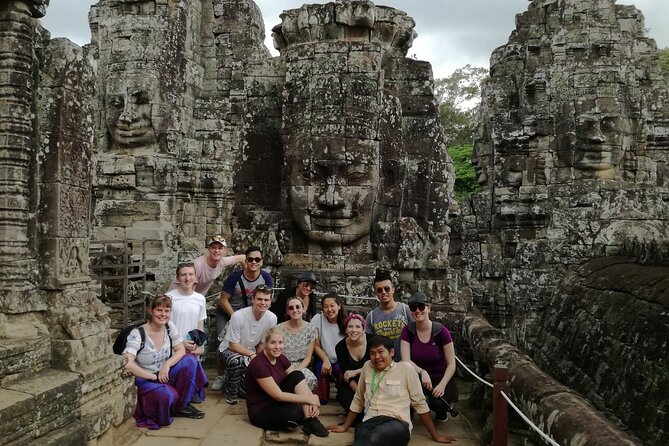
- Strong two-day temple mix: The plan includes Angkor Wat, Angkor Thom, Bayon, Ta Prohm, Preah Khan, Neak Pean, Ta Som, East Mebon, and Banteay Srei.
- Useful heat protection: Air-conditioning, mineral water, and cold tissues matter in Cambodia’s hot temple zone.
- Local contact beyond the ruins: The tour includes a meeting with local sugar growers, adding a glimpse of daily life near Siem Reap.
- A guide can shape the whole visit: Past praise has focused on guides Mork and Moaung, along with driver Hak, for their explanations, care, and friendly manner.
Why two days works better than one
Angkor is not one temple. It is a huge area of ceremonial avenues, reservoirs, former city gates, towers, galleries, and forest-covered ruins. Trying to see the headline sites in a single day often turns the visit into a hot race from one photo stop to the next.
This tour spreads the main sights over two days. Day one focuses on the best-known core sites, while day two moves through the Grand Circuit and ends at Banteay Srei. That division gives you a better chance to look closely at carvings instead of simply collecting temple names.
The private setup is important. You can ask your English-speaking guide to explain a bas-relief, slow down at a gate, or help you understand how one temple differs from another. You are not waiting for a large group to finish every stop. The tour is still busy, but the schedule feels more manageable because the vehicle and guide are reserved for your party.
The published price is $39 per person, which is attractive for private transport, a guide, hotel pickup, water, and two full sightseeing days. The key condition is the Angkor Pass. A two or three-day pass costs US$62 per person if you choose to buy it separately. Since the pass may be added as an option, confirm exactly what your booking total includes before paying.
More Sunrise Tours in Siem Reap:
- Angkor Wat Sunrise or Sunset Tour with Guide from Siem Reap
★ 5.0 · 12,109 reviews - Siem Reap: Angkor Wat: Small-Group Sunrise or Sunset Tour
★ 5.0 · 9,444 reviews - Siem Reap: Angkor Wat 2-Day Tour with Sunrise and Sunset
★ 4.9 · 4,429 reviews
Day one: Angkor Wat before sunrise
Pickup begins at 4:30 a.m. That means you should prepare clothes, shoes, and anything you need the night before. The early departure is not a minor detail. You will be starting in darkness, then walking for hours once the sun comes up.
The reward is Angkor Wat at sunrise. The temple’s towers and reflecting pools are the classic opening scene for a reason, but the real value of arriving early is the changing mood. You first see the outline of the complex in low light, then watch details appear as the morning brightens.
The Angkor Wat stop is scheduled for about four hours, giving you more than a quick exterior photograph. Your guide can help place the temple in its religious and architectural setting, point out carved scenes, and explain how to approach the galleries and central sanctuary.
Keep your expectations sensible. Sunrise is a popular time, so early arrival does not guarantee solitude. The tour does, however, place you in the right setting for the best light and cooler temperatures. After sunrise, the day becomes progressively hotter, making the provided water and cold tissues especially useful.
Angkor Wat requires respectful clothing. Knees and shoulders must be covered, and good walking shoes are needed. Sandals may be comfortable for transport, but uneven stone, steps, and long paths make sturdy footwear the safer choice.
Entering Angkor Thom through the South Gate
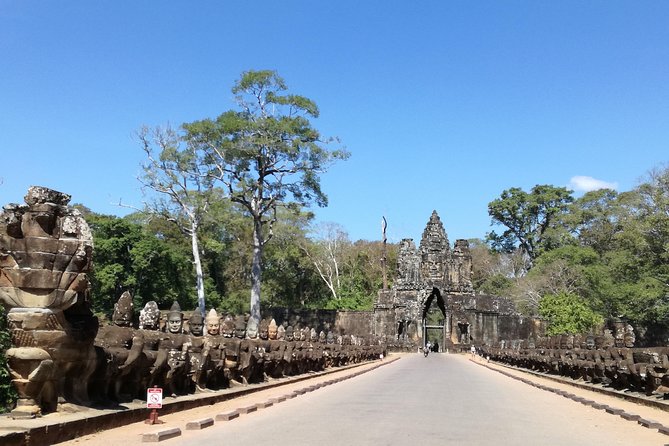
The next stop is the South Gate of Angkor Thom, scheduled for about 30 minutes. This is more than a simple entrance. The causeway is lined with enormous stone figures connected to the Hindu story of the Churning of the Ocean of Milk.
Your guide can help you read the gate as part of a larger plan rather than as an isolated monument. The approach shows how the Khmer builders used roads, gates, water, and sculpture to make arrival feel ceremonial.
Half an hour is enough for photographs and an explanation, but you may wish the stop were longer if you like architectural detail. The gate is also a place where the morning heat begins to matter, so use the short visit well and keep water close.
Bayon and its many stone faces
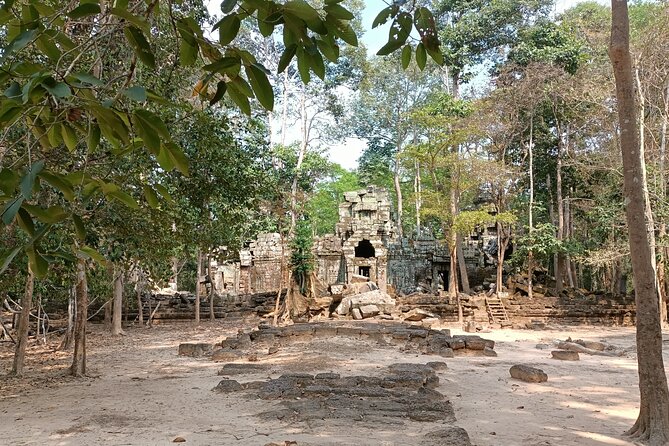
Inside Angkor Thom, you spend about an hour at Bayon Temple. Bayon is famous for its serene stone faces, which appear from towers and seem to watch the paths below.
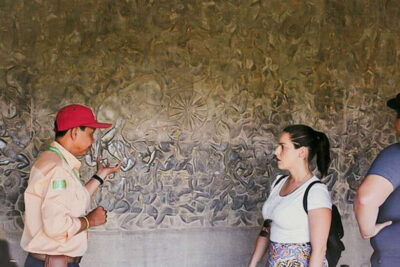
The temple can feel confusing at first. Towers overlap, corridors turn unexpectedly, and the structure is less immediately orderly than Angkor Wat. That is where a guide adds real value. With help, you can focus on the carved faces and the bas-reliefs showing everyday life, historical events, and Khmer mythology.
I would allow time to look at the lower galleries, not only the famous faces. The carvings offer small human scenes alongside formal religious imagery. They help turn a grand stone complex into a record of people, work, ceremonies, and conflict.
An hour is a useful introduction, though not enough for every corner. If photography is your main interest, ask your guide where to pause. If you prefer context, request an explanation of the bas-reliefs before moving toward the towers.
More multi-day routes in Siem Reap:
- Angkor 2-Day Sunset & Sunrise Small-Group Tour
★ 5.0 · 2,567 reviews - Siem Reap: Angkor Sunrise 1- or 2-Day Guided Temples Tour
★ 4.9 · 1,132 reviews - 2-Day Angkor Wat With Small, Big Circuit and Banteay Srei Tour
★ 5.0 · 545 reviews - Siem Reap: 2-Day Temple Highlights Sunrise and Sunset Option
★ 4.9 · 445 reviews
Ta Prohm, where trees claim the stone
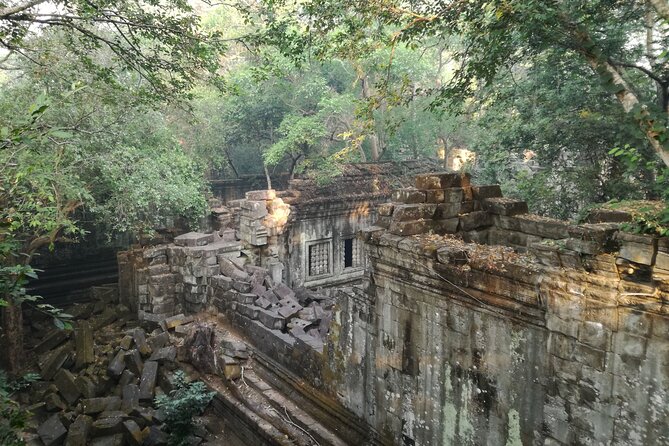
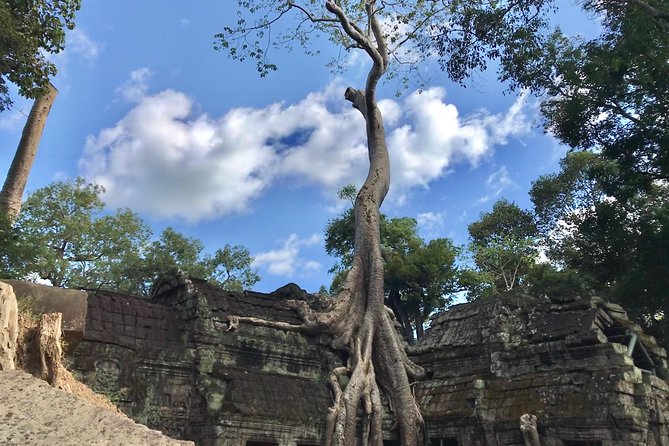
The final stop on day one is Ta Prohm, with about 90 minutes to explore. This is the temple many people associate with enormous tree roots curling over walls and doorways. It is also known as a filming location for Tomb Raider.
The appeal is not only visual. Ta Prohm was left largely unrestored, so you see a strong contrast between carved stone and nature reclaiming the site. Roots press through walls, shaded corridors create a cooler atmosphere, and the ruined structure feels less formal than Angkor Wat.
That same raw quality creates practical problems. Narrow passages and uneven surfaces can slow you down, and popular sections may become crowded. Follow your guide’s instructions and watch your footing rather than looking only through a camera screen.
After Ta Prohm, you return to your hotel. The break matters. Day one starts before dawn and combines four major stops, so a shower, food, and sleep are not optional luxuries. They are what make the second day enjoyable.
Day two on the Grand Circuit
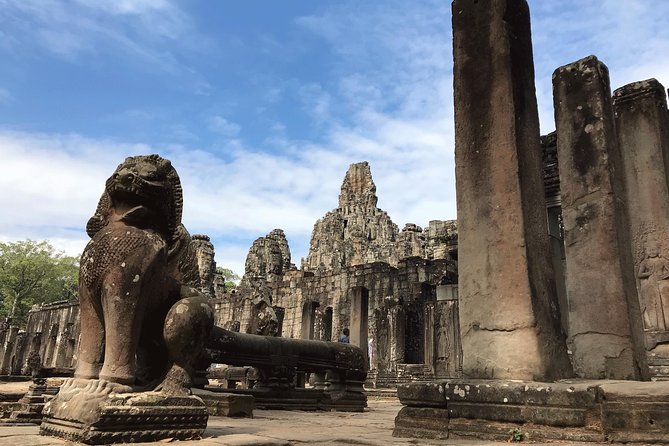
Day two begins with Preah Khan and then follows a quieter route through several distinctive temples. The schedule is less dominated by one enormous monument, which lets you compare different designs and settings.
Preah Khan receives about 90 minutes. This is a large complex with long corridors, courtyards, carved details, and a sense of scale that rewards an unhurried walk. It helps you understand that Angkor was not built as a collection of isolated photo spots. Each temple formed part of a much larger religious and royal center.
The size can also be tiring. Wear shoes with good support, carry sun protection, and use the vehicle as a chance to cool down between stops. An English-speaking guide can help you avoid wandering without context through a maze of doorways.
Neak Pean and the meaning of water
Neak Pean is a short 30-minute visit. This unusual island temple was once associated with healing, purification, balance, and spiritual harmony.
The approach and design make it different from the larger temple compounds. Rather than offering a long series of galleries, Neak Pean centers on water and symbolism. Your guide’s explanation is particularly useful here because the site’s meaning is not as obvious as Bayon’s faces or Ta Prohm’s roots.
Thirty minutes is enough for the main view and a brief explanation. It is not a long exploration stop, and that is sensible given the compact nature of the site. Treat it as a carefully chosen pause on the Grand Circuit rather than a major half-day visit.
Ta Som, a quieter temple stop
Ta Som also receives about 30 minutes. Its most memorable feature is an elegant gateway with large tree roots growing over the stone.
This stop offers a calmer mood after the larger complexes. You can take photographs, look at the surviving carvings, and appreciate how small details change from temple to temple. It is a good place to ask your guide about restoration and the tension between preserving ruins and allowing the setting to remain atmospheric.
The short duration means you should not expect a full architectural study. Still, Ta Som earns its place because it gives you a quieter view of Angkor’s less grand, more intimate side.
East Mebon and its guardian elephants
East Mebon is another 30-minute stop. It was built on an island in the former East Baray reservoir, a reminder of how closely Khmer temple design was linked to water management.
The temple is known for its stone towers, carvings, and guardian elephant statues at the corners. Those elephants give the site a distinct character and offer an easy detail to look for as you explore.
The old reservoir is central to understanding the setting, even though the original watery surroundings are no longer experienced in the same way. Ask your guide to explain how the temple once related to the baray. That context makes the stop far more interesting than a quick look at another set of towers.
Banteay Srei, the detailed finale
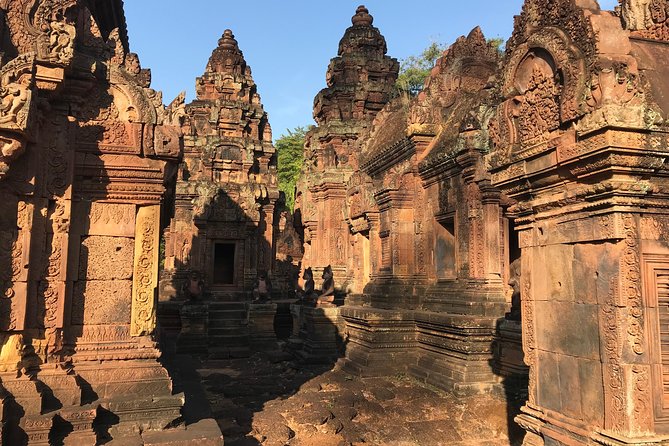
The final temple is Banteay Srei, with about two hours scheduled. It is often called the Citadel of Women and is known for pink sandstone and exceptionally fine carvings.
Banteay Srei feels different from the larger Angkor monuments. The scale is smaller, but the carved decoration is remarkably precise. Doorways, lintels, and figures reward close viewing, and the warm pink stone gives the site a distinct appearance.
Two hours is generous compared with the half-hour stops on the Grand Circuit. You can slow down here, compare carving styles, and ask questions without feeling that the vehicle is waiting after only a few minutes.
The location also means you spend more time moving through the wider temple zone on day two. That is part of the value, but it makes the air-conditioned vehicle welcome. At the end, you return to your hotel rather than arranging your own ride back.
The local sugar growers add a useful human note
The tour includes a meeting with local sugar growers. This is a worthwhile addition because Angkor can otherwise feel like a string of monumental ruins separated from modern Cambodia.
The sugar-growing visit offers a look at local life and work outside the temple courtyards. It will not replace a full cultural tour, but it gives you a chance to see something connected to the present day. If you enjoy learning how people live near major heritage sites, this part may stay with you as much as another carved doorway.
The supplied details do not give a precise time for this stop, so treat it as an additional insight rather than a fixed main attraction. Your guide can clarify when it fits into the two-day schedule.
Guide, driver, and the small comforts
A good guide can make Angkor readable. The experience includes an English-speaking guide, and praise has centered on Mork and Moaung for clear explanations, cultural insight, and an obvious interest in the subject. The driver named Hak has also been singled out for helping create a friendly, comfortable day.
Those names are useful when you communicate after booking. Ask who will lead your group and whether the same guide and driver will be with you for both days. The supplied information does not guarantee a particular person, but knowing the names associated with strong past experiences can help you set expectations.
The air-conditioned vehicle is more than a pleasant extra. You will move between exposed temple sites in a hot climate, often after walking over stone and through open courtyards. A cool vehicle gives your body a reset before the next stop.
Water and cold tissues are provided. Small treats have also been appreciated during the day. Bring your own sunscreen and mosquito repellent, since those are specifically recommended rather than included.
Who should book this tour?
I would recommend this tour to a couple, family, or small group that wants the major Angkor temples without joining strangers. It suits you if you value a guide’s explanations, want hotel pickup, and prefer a set plan instead of negotiating transport at every turn.
It is also a good fit for first-time visitors who want the essential sites plus less famous stops. The balance between Angkor Wat, Ta Prohm, and Banteay Srei gives you the icons, while Preah Khan, Ta Som, Neak Pean, and East Mebon add variety.
You should think twice if you dislike pre-dawn starts or long walking days. The private format gives you control, but it cannot change the distance between the temples or the need to cover your knees and shoulders. Anyone with limited stamina should discuss the pace with the operator before booking, since the available information says most people can participate but does not describe special mobility arrangements.
Book ahead if your dates are fixed. The tour is booked about 50 days in advance on average, which suggests that popular travel periods may fill early.
Should you book the Angkor two-day private tour?
Book it if you want strong coverage, a private vehicle, and human guidance at a low advertised price. The route includes the temples most people hope to see, plus enough quieter sites to keep the second day from feeling repetitive. Mork, Moaung, and Hak are names worth asking about, given the warm praise attached to their guiding and driving.
Before you commit, confirm the Angkor Pass cost. At US$62 for two or three days, it can exceed the advertised $39 tour price, though the combined cost can still offer good value for two days of transport and guiding.
I would choose this tour for a first visit to Siem Reap, especially if you are comfortable waking before dawn and walking in the heat. The cold water, towels, private pace, and hotel pickup solve several small problems that can otherwise distract from the temples. Free cancellation is available up to 24 hours before the start time, which gives you some useful flexibility if your plans change.
FAQ
What time does the tour start?
Pickup starts at 4:30 a.m. on the first day for the Angkor Wat sunrise visit.
Is this a private tour?
Yes. Only your own group participates in the activity.
Is hotel pickup included?
Yes. Hotel pickup is included, allowing you to focus on the sightseeing rather than arranging transport to a meeting point.
Is the Angkor Pass included?
The Angkor Pass is optional. If purchased separately, the two or three-day pass costs US$62 per person.
What temples are visited on day one?
Day one includes Angkor Wat, Angkor Thom South Gate, Bayon Temple, and Ta Prohm Temple.
What temples are visited on day two?
Day two includes Preah Khan, Neak Pean, Ta Som, East Mebon, and Banteay Srei.
What is provided during the tour?
The tour provides air-conditioned transport, an English-speaking guide, mineral water, and cold tissues.
What clothing should I wear?
Your knees and shoulders must be covered. Good walking shoes, sunscreen, and mosquito repellent are also recommended.
Can I cancel for a full refund?
Yes, if you cancel at least 24 hours before the experience start time. Cancellations made less than 24 hours before the start time are not refunded.
Newest reviews from Siem Reap
- War Museum, Killing Field, and APOPO Hero RATs Tour★ 5.0 · 7 reviews
- Angkor Wat at Sunrise★ 4.0 · 7 reviews
- Siem Reap Angkor Airport Taxis (from Airport to Hotel)★ 5.0 · 44 reviews
- Cambodian Cooking Class and Oxcart Ride with Local Village Tour★ 5.0 · 4 reviews
- Secret Temples of Angkor – Guided Tour in Siem Reap★ 5.0 · 6 reviews
- Short Cycling at Countryside★ 5.0 · 29 reviews
- SIEM REAP E-BIKE HALF-DAY COUNTRYSIDE (25-30 km)★ 4.0 · 1 review
- Unveiling the Mystical Beauty of Phnom Kulen National Park★ 5.0 · 6 reviews
Multi-Day Tours, compared.
Angkor Wat 2-Day Tour with Sunrise and Sunset
Read our review →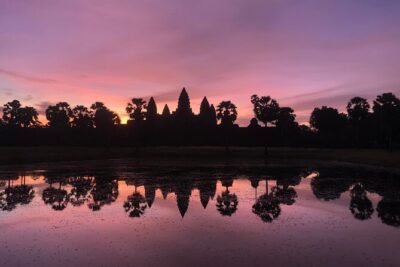
Angkor 2-Day Sunset & Sunrise Small-Group Tour
Read our review →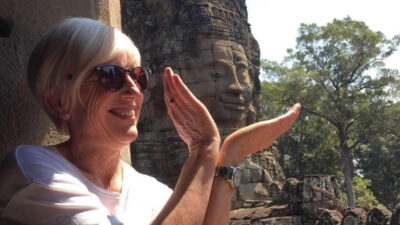
Angkor Sunrise 1- or 2-Day Guided Temples Tour
Read our review →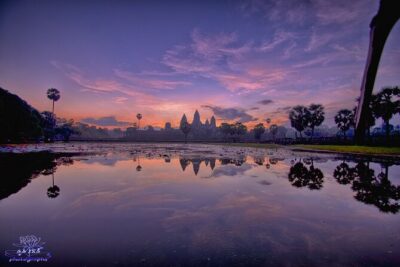
2-Day Angkor Wat With Small, Big Circuit and Banteay Srei Tour
Read our review →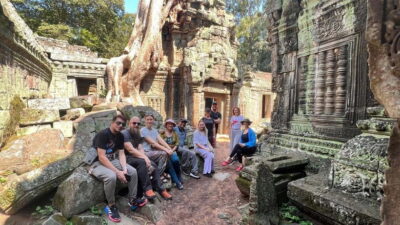
2-Day Temple Highlights Sunrise and Sunset Option
Read our review →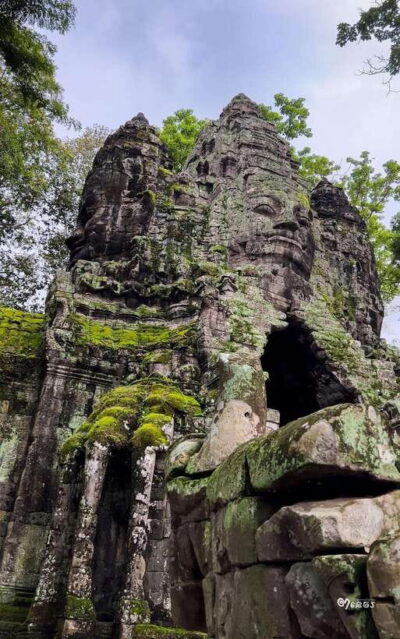
Angkor Wat 2-Day complex Sun rise & Sun set with Guided Tour
Read our review →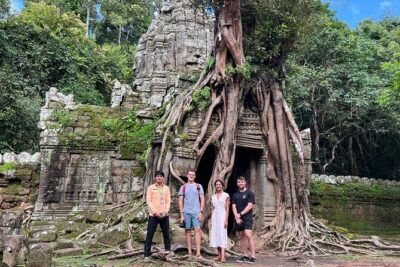
2-Day Angkor Wat Tour with Banteay Srei and Floating Village
Read our review →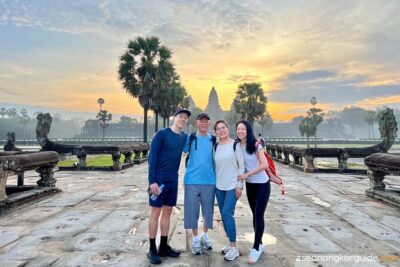
Browse the lists this tour appears in