
Reviewed · 2-DAY EXPERIENCES
2 Days Temples with Sunrise-Small Group
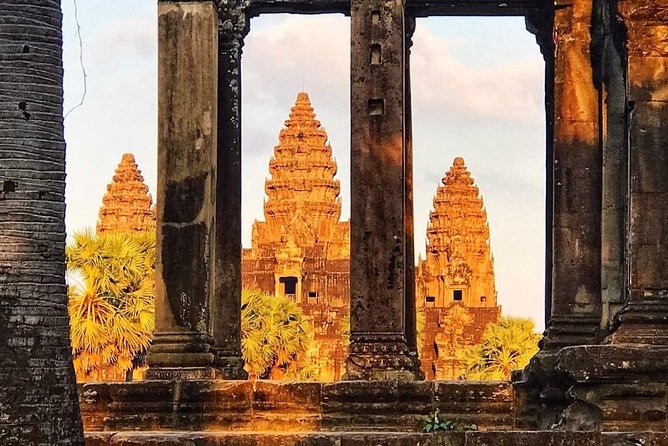
Sunrise makes Angkor Wat feel almost unreal. This compact Siem Reap tour pairs that early start with Banteay Srei’s fine carvings and the major temples around Angkor, using a small group capped at 15 people. I like the air-conditioned transport and hotel pickup, and I also like the chance to explore with an English-speaking local guide such as Sok, whose explanations cover temple details as well as local flora and fauna. The main drawback is the extra $62 temple pass, which makes the real cost $105 per person before meals.
You will walk a lot, rise before dawn, and spend two full days among old stone structures in the heat. That is a fair trade for the variety here, but you need covered shoulders and knees, good shoes, water, and a little patience when the schedule moves from remote temples to the busiest monuments in Angkor.
In This Review
- Key points to know before booking
- What the two-day plan gets right
- Day one: Pre Rup begins the temple story
- Banteay Srei rewards close attention
- Preah Khan brings the jungle atmosphere
- Neak Pean offers a very different setting
- Angkor Wat sunrise requires a smart start
- Srah Srang is the sensible breakfast pause
- Ta Prohm is the day’s atmospheric centerpiece
- The terraces and Bayon finish the central circuit
- What $43 really buys you
- Who will enjoy this temple tour most
- FAQ
- Is the $62 temple pass included in the $43 tour price?
- Does the tour include hotel transportation?
- How early does the Angkor Wat sunrise visit begin?
- Is breakfast included?
- What should I wear to the temples?
- How many people can join the tour?
- Should you book this two-day Angkor experience?
Key points to know before booking
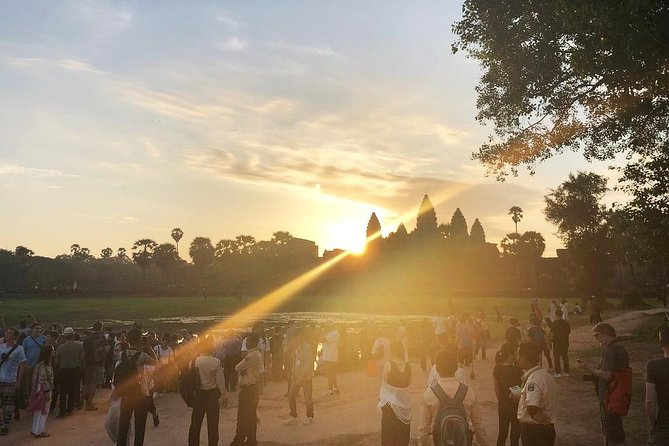
- Sunrise at Angkor Wat starts before dawn: Bring a torch, and confirm your exact pickup time because the general meeting time is listed as 8:00 am even though sunrise requires an earlier departure.
- Banteay Srei is the artistic highlight: Its smaller scale and detailed sandstone carvings offer a sharp contrast to Angkor Wat’s huge galleries.
- The $43 price is not the final cost: Add the required $62 pass for two or three days, plus meals, for a realistic total of $105 per person before food.
- A small group keeps the tour practical: The maximum group size is 15, with hotel pickup, drop-off, an air-conditioned vehicle, and mineral water included.
- Day two covers Angkor’s headline sights: Angkor Wat, Ta Prohm, the Terrace of the Elephants, the Terrace of the Leper King, and Bayon all appear in one long morning and afternoon.
- The guide can make the difference: Sok received especially warm praise for explaining the temples, plants, and animals, while Richard was appreciated as a careful driver and reliable provider of water and cool flannels.
What the two-day plan gets right
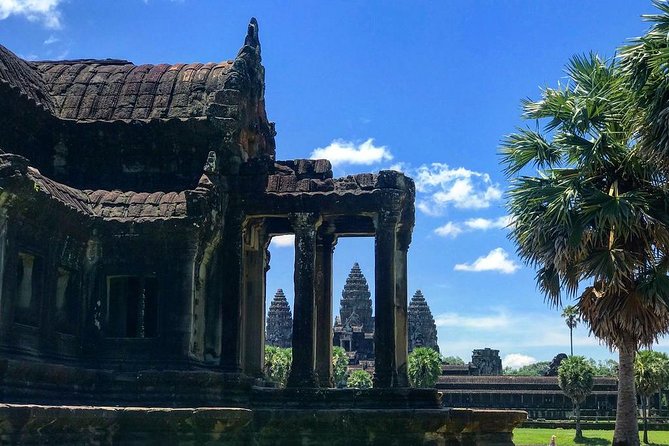
I like the shape of this experience. The first day reaches temples farther from Angkor Thom, while the second focuses on the famous central sites. You get more than a quick Angkor Wat visit, but you do not commit to a week of temple touring.
The route also mixes styles. Pre Rup gives you a high, formal Hindu temple with broad views. Banteay Srei brings delicate reliefs. Preah Khan offers crumbling corridors and tree roots. Neak Pean is unusual for its island setting. Then day two brings the familiar icons, from Angkor Wat to the smiling faces of Bayon.
That variety matters because temple fatigue is real. If every stop were another large stone enclosure, the details would begin to blur. Here, each place has a different mood and purpose.
The tour is described as small group, with no more than 15 people. That is not the same as a private tour, but it is a manageable size for a guide speaking outdoors and for getting in and out of the vehicle. Pickup and drop-off at your hotel remove much of the daily transport hassle.
The included air-conditioned vehicle is not a luxury extra in Siem Reap. It gives you a place to cool down between walks. Mineral water is included, and the supplied information also notes water and cool flannels from the driver Richard. Those simple comforts become important after a hot temple walk.
More Sunrise Tours in Siem Reap:
- Angkor Wat Sunrise or Sunset Tour with Guide from Siem Reap
★ 5.0 · 12,109 reviews - Siem Reap: Angkor Wat: Small-Group Sunrise or Sunset Tour
★ 5.0 · 9,444 reviews - Siem Reap: Angkor Wat 2-Day Tour with Sunrise and Sunset
★ 4.9 · 4,429 reviews
Day one: Pre Rup begins the temple story
The first stop is Pre Rup, a Hindu state temple built by Khmer King Rajendravarman. It is a strong opening because it introduces the grand vertical style of Angkor without immediately placing you in the crowds and scale of Angkor Wat.
Allow about 30 minutes here. That is enough for a focused look, some photographs, and an explanation of the temple’s role. The towers and brickwork are the main draw, while the broad upper levels help you understand how Khmer temples were designed to suggest a sacred mountain.
The short visit is also a warning about the pace. You will not have unlimited time at every monument. If you want long photo sessions or quiet personal exploration, a private tour may suit you better. If you prefer a guide to keep the day moving, this timing is useful.
Admission is not included at each stop because the separate temple pass is required. Keep that $62 cost in your calculations from the start.
Banteay Srei rewards close attention
The drive to Banteay Srei is worthwhile for one clear reason: the carving. This smaller sandstone temple is known for exceptionally detailed reliefs, with figures and patterns cut into the stone at a scale that rewards careful looking.
You get about an hour here. I would use that time slowly rather than rushing from one corner to the next. Banteay Srei does not have the massive galleries of Angkor Wat, so its appeal comes from craftsmanship, proportion, and the way the carvings cover the structure.
This is one of the best stops for a guide’s commentary. A good explanation can help you notice the stories and decorative details instead of seeing only a pretty red sandstone building. Sok was praised for making the temples more understandable and for adding observations about plants and animals, so this is the sort of stop where his local knowledge can add real value.
The supplied stop information marks admission as free, but the general temple-pass rule still applies. Treat the $62 pass as a required overall site charge, not as a collection of separate free entries.
Preah Khan brings the jungle atmosphere
After Banteay Srei, the route moves to Preah Khan for about two hours. This is a generous amount of time and one of the better allocations in the two-day plan.
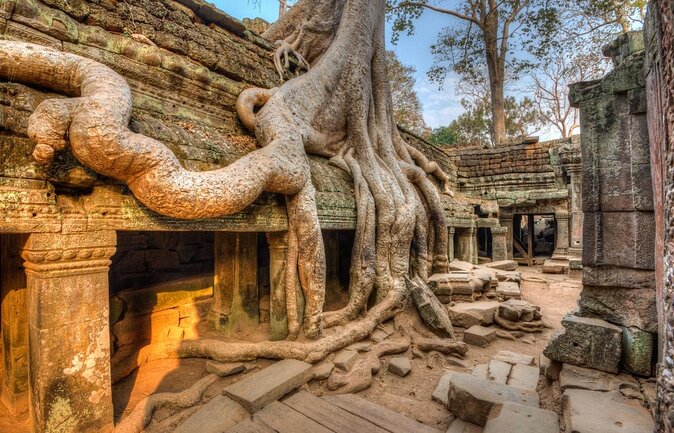
Preah Khan is a large, ruined complex with corridors, stone structures, and tree roots. It feels less polished than the monuments that appear on postcards, and that is exactly why I like it. The damage and vegetation give you a clearer sense of an old site being reclaimed by nature rather than presented as a perfectly restored monument.
Two hours lets you move beyond the first photo stop. You can study the carvings, pass through the long galleries, and notice how the site shifts between open courtyards and darker passageways. Wear shoes with a good grip and expect uneven walking surfaces.
The drawback is simple: Preah Khan can be tiring after the morning’s drive and temple visits. The benefit is that it is atmospheric and spacious enough to slow the day down. If you care more about mood and old stone than famous photographs, this may be your favorite stop on day one.
A few more options around Siem Reap worth reading up on
- From Siem Reap: Kampong Phluk Floating Village Tour by Boat
★ 4.9 · 6,979 reviews - Sunset tour of Kampong Phluk stilts home village on the Tonle Sap
★ 5.0 · 4,865 reviews - Siem Reap: Kampong Phluk Floating Village Tour with Boat
★ 4.9 · 3,843 reviews - Siem Reap: Full-Day Angkor Wat Guided Tour with Sunset
★ 4.9 · 3,803 reviews
Neak Pean offers a very different setting
Neak Pean takes about 50 minutes and sits on an artificial island in the Jayatataka Baray, with a Buddhist temple on a circular island. The setting is the point. After several land-based temple complexes, the approach and water around the monument give the visit a different rhythm.
Do not expect the same scale as Preah Khan or Angkor Wat. Neak Pean is a shorter, more contained stop. I see it as a useful visual change rather than the main event of the day.
The time allocation should suit you if you want a guided explanation and photographs without another long circuit. Admission is not separately included, so again, your temple pass is essential.
By the end of day one, you will have seen formal brick architecture, fine sandstone carving, forest-covered ruins, and a temple on an island. That is a strong spread for a single day, though the long drives and walking mean you should plan a quiet evening afterward.
Angkor Wat sunrise requires a smart start
Day two begins before dawn for sunrise at Angkor Wat. The early start is the emotional center of the experience, but it also demands the most preparation.
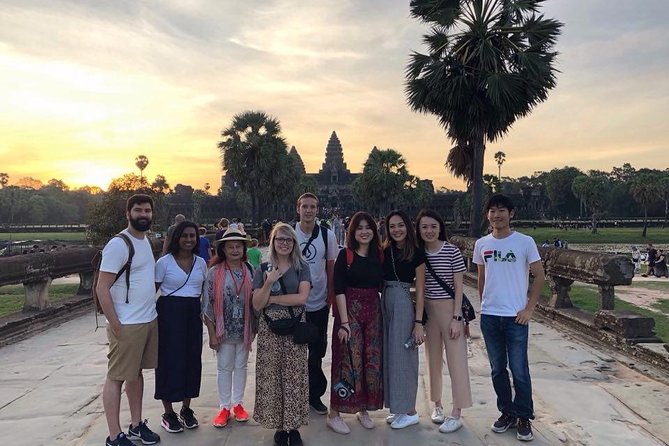
Bring a torch. The plan calls for entering in darkness from the less-used eastern side and moving through the cloisters before the temple fills with morning light. This approach offers a more atmospheric beginning than simply arriving after breakfast, though you need to watch your footing and stay close to the guide.
The listed visit lasts about two hours and five minutes. That gives you time to see the temple from the outside, enter the galleries, and listen to an explanation of the design and religious meaning. Sunrise conditions can change with the weather, so keep your expectations flexible. The tour requires good weather, and poor conditions may lead to a new date or a full refund.
There is one practical point I would settle before booking: the general start time is shown as 8:00 am, but a sunrise departure must happen earlier. Ask Tourme ANGKOR for your exact hotel pickup time. Set a hotel wake-up call, and request a breakfast pack if your room includes breakfast.
The sunrise stop is not a relaxed morning outing. You may be sleepy, the ground may be dark, and many people will be aiming for the same view. Still, beginning with Angkor Wat at first light gives the day a memorable anchor.
Srah Srang is the sensible breakfast pause
After Angkor Wat, the tour ends its first temple section with breakfast near Srah Srang. You can bring a takeaway breakfast from your hotel or order at the Khmer local restaurant.
This break is more than a meal stop. It gives you time to sit down before the next group of monuments. Meals are not included, so budget separately for breakfast and lunch, or arrange the hotel pack in advance.
Srah Srang itself is connected with a broad reservoir setting and works well as a pause after the darkness and excitement of sunrise. The supplied plan allows about 50 minutes. That is enough for food and a short rest, but not an extended café morning.
I like that breakfast is placed here rather than forcing you to complete several more temples while hungry. Just remember that the tour price does not cover the meal.
Ta Prohm is the day’s atmospheric centerpiece
After the break, you visit Ta Prohm for about an hour. This is the temple where stone corridors and tree roots compete for attention. It is one of Angkor’s most atmospheric places, and its partly overgrown appearance gives it a strong sense of age.
Ta Prohm was once home to 2,740 monks and has been kept close to the appearance recorded in the early 1850s. Those facts make the ruins more than a collection of dramatic photographs. You can look for signs of its former religious community while also noticing how the trees have become part of the visual identity of the site.
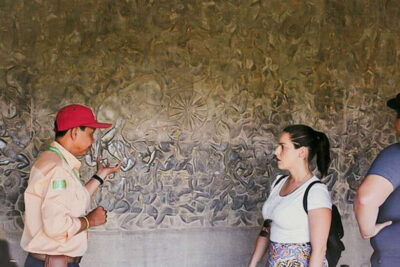
An hour is enough for the main experience, but it can feel short if you want every corridor. Follow the guide’s route and save time for the parts he considers most important. Sok’s explanations about the temples, plants, and animals would be especially useful here because the vegetation is not just decoration.
The walk can be uneven, and the heat may already be building. Covered clothing, comfortable shoes, and the included water are practical necessities, not packing suggestions to ignore.
The terraces and Bayon finish the central circuit
The tour passes the Terrace of the Leper King and the Terrace of the Elephants, with about 20 minutes assigned to this section. These are viewed more as part of the Angkor Thom circuit than as long, separate temple visits.
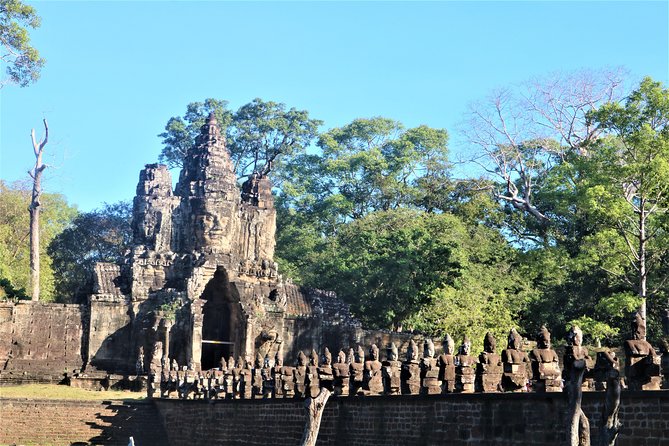
The Terrace of the Elephants is known for its carved elephant figures and served as a major ceremonial viewing platform. The Terrace of the Leper King adds another layer of carved stone and imagery. You may not have time for a slow inspection, but the guide can point out what to look for as you pass.
Bayon receives about an hour and is one of the strongest final stops. Its central towers carry more than 200 enormous carved faces, creating a monument that feels different from Angkor Wat’s long galleries and Ta Prohm’s roots.
I would not rush Bayon. Look up, look across the towers, and notice how the faces appear from changing angles. An hour is a reasonable visit, though you may wish it were longer after the early start and several previous stops.
Ending with Bayon gives the second day a clear finish. You move from sunrise at the best-known temple to a jungle ruin, then through Angkor Thom’s terraces and finally to the face towers.
What $43 really buys you
The advertised price is $43 per person, but the required two or three-day temple pass costs another $62. That brings the unavoidable tour and admission total to $105 per person before meals.
At that price, the value depends on how much you want transport and structure. You receive two days of hotel pickup and drop-off, an air-conditioned vehicle, mineral water, local tax, and a licensed English-speaking guide. For someone who would otherwise arrange transport, temple entry, route planning, and sunrise timing separately, that is a fair package.
The price is less attractive if you already have a driver, know the temples well, or want complete control over how long you stay. The schedule is compact, and group travel means you will follow a shared pace.
Group discounts are offered, but no discount amount is provided. Ask for the exact price if you are booking several places. Mobile tickets and booking confirmation at the time of purchase make the process straightforward, but your temple pass remains a separate payment made directly at the site.
Who will enjoy this temple tour most
I would recommend this experience to a first-time visitor with only two days for Angkor. It covers the major names while adding Banteay Srei, Pre Rup, Preah Khan, and Neak Pean.
It also suits you if you want a guide to explain what you are seeing rather than simply being delivered to the gates. Sok’s ability to discuss temple details, flora, and fauna adds the kind of local context that can turn a long day of ruins into a connected story.
Families should note that children must be with an adult, and children younger than five are not allowed. Most people can participate, but the walking, early start, heat, and uneven temple surfaces may be demanding for anyone who needs a slower pace.
I would hesitate to recommend it to someone who dislikes dawn departures, fixed visit times, or shared transport. The two-day plan is active, and the sunrise morning begins long before a normal breakfast.
Wear clothing that covers your shoulders and knees inside the temples. Comfortable walking shoes are essential. Ask your hotel for a wake-up call, arrange breakfast ahead of time, and confirm the pickup hour in writing.
Free cancellation is available up to 24 hours before the start time. Changes or cancellations inside that window are not refunded, and poor weather may lead to another date or a full refund.
FAQ
Is the $62 temple pass included in the $43 tour price?
No. The required two or three-day temple pass costs $62 per person and is paid directly at the site. Meals are also excluded.
Does the tour include hotel transportation?
Yes. Hotel pickup and drop-off are included, along with an air-conditioned vehicle.
How early does the Angkor Wat sunrise visit begin?
The plan calls for a pre-dawn departure, but the general meeting time is listed as 8:00 am. Confirm your exact pickup time with Tourme ANGKOR before the tour.
Is breakfast included?
No. You may bring a breakfast pack from your hotel or order at the Khmer local restaurant near Srah Srang.
What should I wear to the temples?
Shoulders and knees must be covered inside the temples. Comfortable walking shoes are recommended.
How many people can join the tour?
The group has a maximum of 15 people. Children must be accompanied by an adult, and children younger than five are not allowed.
Should you book this two-day Angkor experience?
I would book it if you want a practical introduction to Siem Reap’s main temples without arranging each ride yourself. The strongest reasons are the pre-dawn Angkor Wat visit, the excellent carving at Banteay Srei, the atmospheric ruins of Preah Khan and Ta Prohm, and the guide support from people such as Sok and Richard.
Go in knowing the true price is $105 before food, the days are busy, and the sunrise pickup time needs confirmation. If you can handle the early alarm and steady walking, this is a well-shaped two-day introduction with enough variety to keep the temple circuit from becoming a blur of stone.
Newest reviews from Siem Reap
- War Museum, Killing Field, and APOPO Hero RATs Tour★ 5.0 · 7 reviews
- Angkor Wat at Sunrise★ 4.0 · 7 reviews
- Siem Reap Angkor Airport Taxis (from Airport to Hotel)★ 5.0 · 44 reviews
- Cambodian Cooking Class and Oxcart Ride with Local Village Tour★ 5.0 · 4 reviews
- Secret Temples of Angkor – Guided Tour in Siem Reap★ 5.0 · 6 reviews
- Short Cycling at Countryside★ 5.0 · 29 reviews
- SIEM REAP E-BIKE HALF-DAY COUNTRYSIDE (25-30 km)★ 4.0 · 1 review
- Unveiling the Mystical Beauty of Phnom Kulen National Park★ 5.0 · 6 reviews
2-Day Experiences, compared.
Angkor Wat 2-Day Tour with Sunrise and Sunset
Read our review →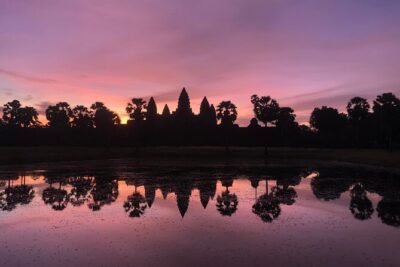
Angkor 2-Day Sunset & Sunrise Small-Group Tour
Read our review →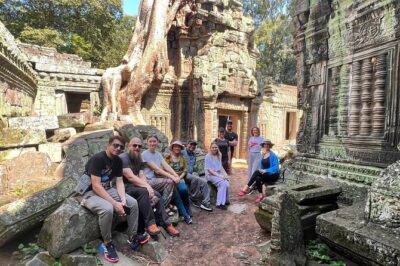
2 Days Exclusive Temple Highlights with Sunset and Sunrise Tour
Read our review →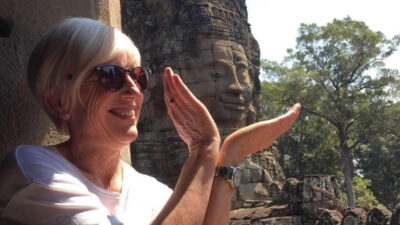
Angkor Sunrise 1- or 2-Day Guided Temples Tour
Read our review →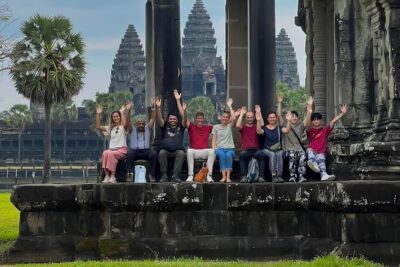
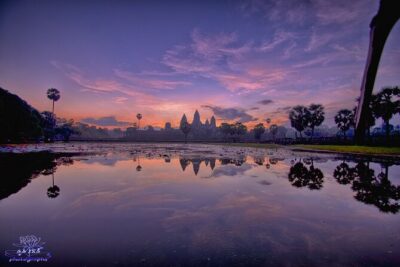
2-Day Angkor Wat With Small, Big Circuit and Banteay Srei Tour
Read our review →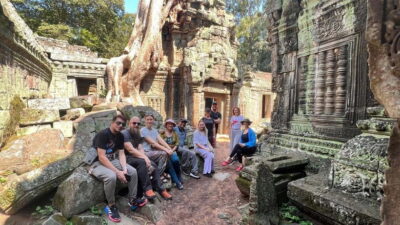
2-Day Temple Highlights Sunrise and Sunset Option
Read our review →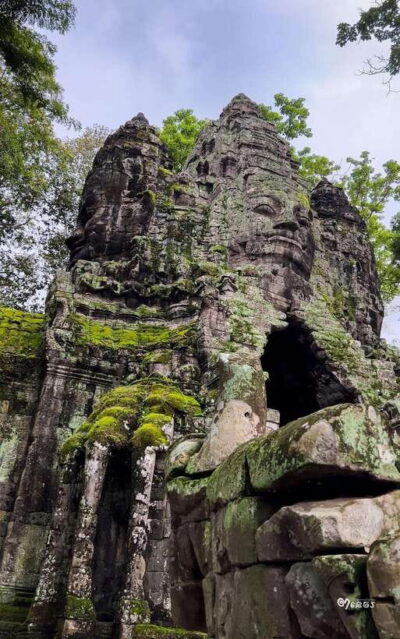
Angkor Wat 2-Day complex Sun rise & Sun set with Guided Tour
Read our review →Browse the lists this tour appears in