
Reviewed · 2-DAY EXPERIENCES
2 Days Angkor temples with Sunrise & Sunset
Angkor rewards an early start. This private two-day tour packs in the major temples around Siem Reap, from tree-covered Ta Prohm and the faces of Bayon to the delicate carvings at Banteay Srei. I especially like the chance to see Angkor Wat at sunrise and the personal service provided by English-speaking guides such as Bunpheng, who has helped shape routes around short stays and special requests.
I also like the private format, since only your group joins the activity and the guide can adjust the pace. Air-conditioned transport and cold drinking water matter in Cambodia’s heat. The main drawback is the long list of temples and the very early second morning. You will need a three-day Angkor Pass, priced at $62 per person, so the real cost is higher than the advertised $115.
In This Review
- Key Points to Know Before Booking
- What This Two-Day Angkor Tour Is Really Like
- Day 1: Brick Towers, Tree Roots, and Angkor Thom
- Prasat Kravan: A Small Start with Strong Brickwork
- Banteay Kdei: A Buddhist Temple with a Quieter Feel
- Ta Prohm: The Famous Temple of Stone and Trees
- Ta Keo: A Stark Temple Mountain
- Angkor Thom: Two Hours Inside the Ancient Capital
- Phnom Bakheng: A Sunset Finish with a Practical Question
- Day 2: Sunrise at Angkor Wat and the Outer Temples
- Angkor Wat at Sunrise: Worth the Alarm?
- Pre Rup and the East Mebon Schedule
- Banteay Srei: The Artistic High Point
- Banteay Samre: A Smaller Echo of Angkor Wat
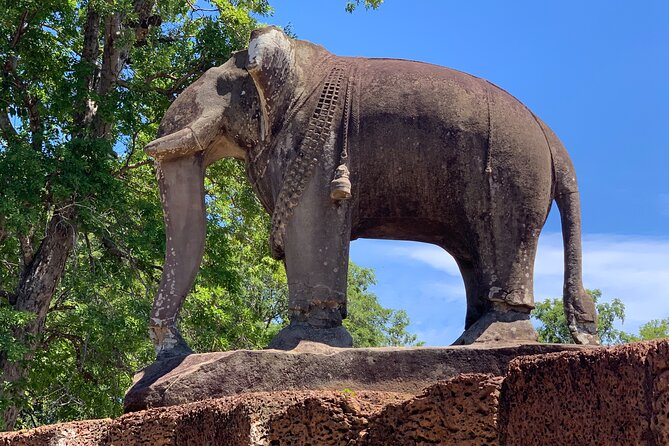
- Eastern Mebon: Early Khmer Architecture
- Ta Som: A Compact Buddhist Temple
- Neak Pean: A Temple on a Man-Made Island
- Preah Khan: A Fitting Final Temple
- Price, Pass, and What You Receive
- Guide Quality and the Private Touring Advantage
- Who Should Book This Experience?
- Should You Book the Two-Day Angkor Program?
- FAQ
- How long is the Angkor temple tour?
- What time does the sunrise visit begin?
- Is transportation included?
- Is the tour private?
- Is an Angkor Pass included?
- Are meals and accommodation included?
- What clothing is required at the temples?
- Can I cancel for a full refund?
Key Points to Know Before Booking
- Sunrise starts around 4:30 or 5:00 a.m. on Day 2, depending on the season.
- Bunpheng is a particularly praised guide, noted for friendly service, photography help, and adapting the tour to different needs.
- The private vehicle keeps the tour flexible, with an air-conditioned car, minivan, or minibus.
- Banteay Srei is the artistic highlight, with finely cut pink sandstone carvings far beyond the central Angkor circuit.
- The $115 price excludes the $62 three-day Angkor Pass, as well as meals, drinks beyond the supplied water, and accommodation.
- The schedule is ambitious, combining major temples with smaller, quieter sites over two full days.
What This Two-Day Angkor Tour Is Really Like
This is a fast but well-rounded introduction to the Angkor archaeological area. You move through temples from several periods of Khmer history, while the guide explains how each site served a different religious or political purpose.
The private setup is important. You are not tied to a large coach group, and the guide can spend more time at a favorite carving or move along when the heat and crowds begin to wear you down. The experience is still busy, though. In two days, you cover many temples, and some stops last only 20 or 30 minutes.
The tour includes an English-speaking guide, transportation in an air-conditioned car, minivan, or minibus, and bottles of cold drinking water. Food, drinks apart from the supplied water, accommodation, and temple admission are not included.
The stated meeting time is 9:00 a.m., but the sunrise portion begins around 4:30 or 5:00 a.m. Day 2 clearly requires an earlier hotel pickup, so confirm the exact pickup time before you go. This is one practical point worth settling in advance.
More Sunrise Tours in Siem Reap:
- Angkor Wat Sunrise or Sunset Tour with Guide from Siem Reap
★ 5.0 · 12,109 reviews - Siem Reap: Angkor Wat: Small-Group Sunrise or Sunset Tour
★ 5.0 · 9,444 reviews - Siem Reap: Angkor Wat 2-Day Tour with Sunrise and Sunset
★ 4.9 · 4,429 reviews
Day 1: Brick Towers, Tree Roots, and Angkor Thom
Prasat Kravan: A Small Start with Strong Brickwork
Prasat Kravan is a compact 10th-century temple made up of five reddish brick towers on a raised terrace. You have about 20 minutes here, which is enough to see the basic layout and inspect the unusual brick carvings inside the towers.
This stop works well as an introduction because it is smaller and less overwhelming than Angkor Wat. The brick construction also gives you an early look at how varied Khmer temple design can be. The original Sanskrit name is not known, and the modern Khmer name is Prasat Kravan.
The short visit is a limitation. If you enjoy architectural details, you may want to ask your guide to point out the most important features quickly rather than trying to see everything on your own.
Banteay Kdei: A Buddhist Temple with a Quieter Feel
The tour then continues to Banteay Kdei, whose name means Citadel of Chambers. King Jayavarman VII built this Buddhist temple in the late 12th or early 13th century.
You have around 40 minutes here. That gives you time to walk through the chambers and get a feel for the temple’s more enclosed design. Compared with the grand scale of Angkor Wat, Banteay Kdei feels more intimate and maze-like.
This is a good place to listen closely to the guide. The value is not only in photographing doorways and galleries, but in understanding how a Buddhist foundation built under Jayavarman VII differs from earlier Hindu temples.
A few more options around Siem Reap worth reading up on
- From Siem Reap: Kampong Phluk Floating Village Tour by Boat
★ 4.9 · 6,979 reviews - Sunset tour of Kampong Phluk stilts home village on the Tonle Sap
★ 5.0 · 4,865 reviews - Siem Reap: Kampong Phluk Floating Village Tour with Boat
★ 4.9 · 3,843 reviews - Siem Reap: Full-Day Angkor Wat Guided Tour with Sunset
★ 4.9 · 3,803 reviews
Ta Prohm: The Famous Temple of Stone and Trees
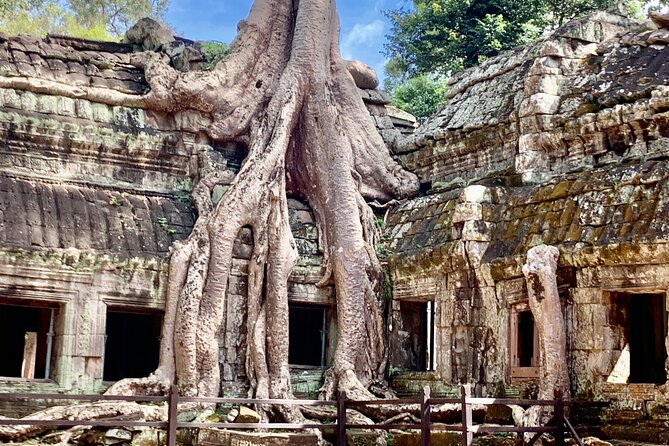
Ta Prohm receives about an hour, and that is sensible. Built in the Bayon style during the late 12th and early 13th centuries, it began as a Buddhist monastery and university under Jayavarman VII.
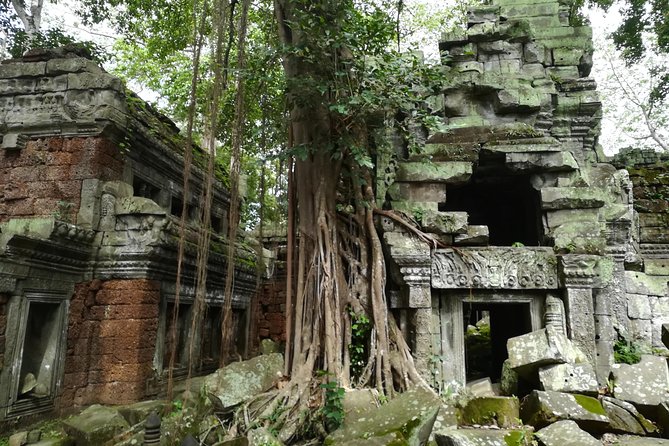
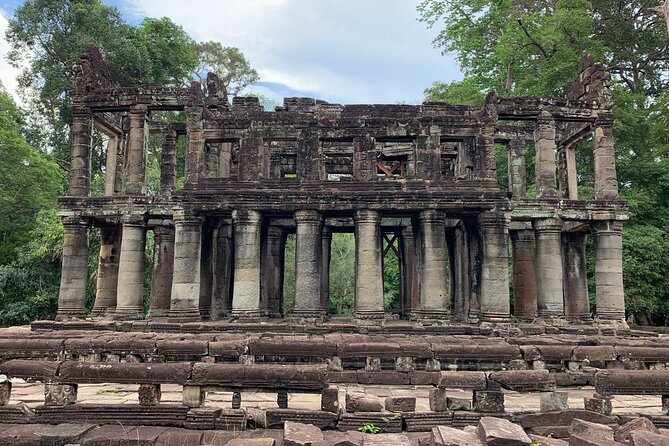
The temple is especially known for its trees growing across stone walls and galleries. Those roots are the feature most people come to see, but Ta Prohm is more than a dramatic photograph. Its corridors, courtyards, carved surfaces, and damaged sections show how a large religious complex changes over time.
I would use this hour carefully. Let the guide help you find the most notable areas, then leave time to look around without rushing. The site can be visually confusing, and the private format helps because you can ask questions as you go.
Ta Keo: A Stark Temple Mountain
Ta Keo was begun in 975 as the state temple of Jayavarman V, but construction was never completed. You have roughly 30 minutes to examine its steep, plain-looking structure.
The unfinished condition is the point. Ta Keo lacks some of the refined decorative finish seen at Banteay Srei, yet its large geometric form feels powerful. Stories about why work stopped vary, and your guide can explain the traditional accounts.
The steep steps may require care. Even if you do not spend long climbing, the temple’s design is easier to appreciate from several angles rather than from one quick photograph.
Angkor Thom: Two Hours Inside the Ancient Capital
Angkor Thom is the longest stop on Day 1, with about two hours. It was the ancient capital of the Khmer Empire and contains several major sights, including Bayon, the Royal Palace area, the Terrace of the Elephants, the Terrace of the Leper King, and the South Gate.
This is where the schedule becomes dense. Angkor Thom is not one temple but a large former capital, so two hours gives you a useful overview without allowing unlimited time at each feature.
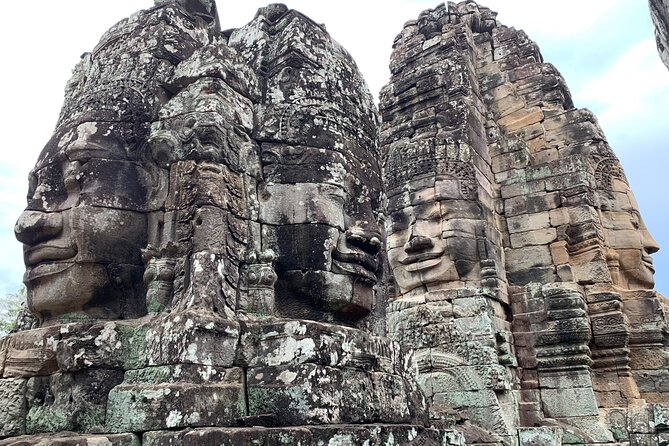
Bayon is the centerpiece, with its carved faces looking out from the temple towers. The terraces offer a different experience, with long sculpted surfaces and ceremonial spaces. The South Gate, with its bridge and sculptural figures, provides one of the clearest entrances into the old capital.
Ask your guide to explain how the parts fit together. Without context, you can easily see Angkor Thom as a series of disconnected ruins. With help, the royal and religious planning becomes much easier to follow.
Phnom Bakheng: A Sunset Finish with a Practical Question
Phnom Bakheng is a temple mountain dedicated to Shiva and was built by King Yasovarman near the end of the ninth century. It sits on a hill, and the tour allows about 40 minutes.
The overview describes sunset at either the South Gate of Angkor Thom or Phnom Bakheng. The detailed schedule lists Phnom Bakheng, so confirm the final sunset location with the operator. That choice can affect walking time and the rhythm of your afternoon.
Phnom Bakheng is appealing because of its hilltop setting, but the visit may feel more tiring after a full day of temples. If you prefer a calmer end to Day 1, ask whether the South Gate is the planned alternative. A private tour gives you a better chance of discussing that choice.
Day 2: Sunrise at Angkor Wat and the Outer Temples
Angkor Wat at Sunrise: Worth the Alarm?
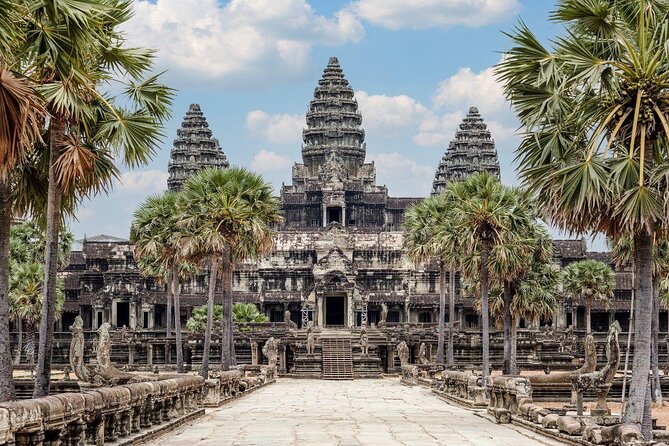
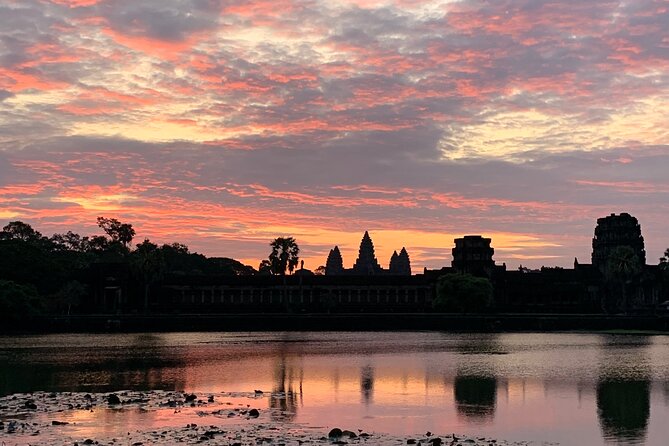
Day 2 begins around 4:30 or 5:00 a.m., depending on the season. You go to Angkor Wat for sunrise, then continue into the main temple complex for about three hours in total.
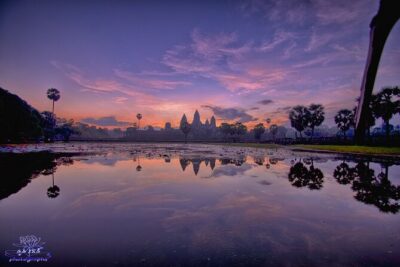
This early start is the signature moment of the tour. Sunrise gives Angkor Wat a different mood from a daytime visit, and the changing light can make the towers and surrounding water especially memorable. Still, sunrise is not guaranteed to produce dramatic color, and the early alarm is real. You should book this only if you are willing to trade sleep for one of Cambodia’s classic sights.
The three-hour period is useful because Angkor Wat deserves more than a quick stop. You can see the great outer form, galleries, courtyards, towers, and carved details, while the guide explains the temple’s religious role and design.
Wear clothing that follows the temple rules. Thighs and shoulders must be covered when entering the complex, and visitors without suitable clothing may be refused entry.
Pre Rup and the East Mebon Schedule
The next section needs clarification. The stop is labeled Pre Rup, but the description refers to East Mebon, and East Mebon appears again later in the schedule. Both are 10th-century temple sites, but they are not the same place.
Ask the operator to confirm whether Pre Rup is included, whether East Mebon replaces it, or whether both are planned. This is not a minor detail if you are interested in early Khmer architecture, since the two temples offer different settings and designs.
The listed visit time is 30 minutes for the first stop and 20 minutes for Eastern Mebon later in the day. That suggests short, focused visits rather than long explorations.
Banteay Srei: The Artistic High Point
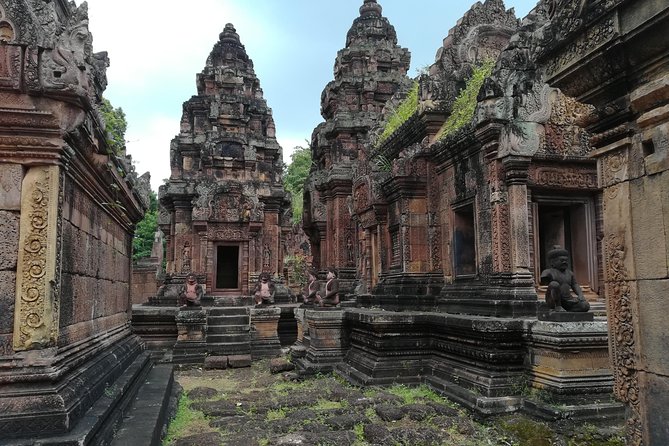
Banteay Srei is known as the Citadel of the Women and is one of the most distinctive stops on the tour. Built during the Khmer Empire, it is known for fine carvings and pink sandstone.
You have about an hour here, which is enough time to appreciate the small scale and close decorative work. Compared with Angkor Wat and Angkor Thom, Banteay Srei feels more delicate. Its carvings are the reason this temple is so often treated as a special destination rather than just another stop.
The provided information lists admission as free for this stop, but the tour still requires a three-day Angkor Pass overall. Plan your temple entry costs around the pass, not around the individual notation for Banteay Srei.
Banteay Srei is also farther from the central group of temples than several Day 1 stops, so the full day can feel long. The payoff is the change in style and scale.
Banteay Samre: A Smaller Echo of Angkor Wat
Banteay Samre is a Hindu temple built in the early 12th century under Suryavarman II and Yasovarman II, and it was dedicated to Vishnu. The temple is described as a smaller replica of Angkor Wat.
The visit lasts about 40 minutes. That makes Banteay Samre a useful comparison point. After seeing the vast scale of Angkor Wat, you can notice similar ideas in a more compact setting.
This stop also gives the day some variety. You are not simply repeating the same large temple pattern. The smaller setting lets you concentrate on the overall arrangement and decorative style without the size of Angkor Wat taking over.
Eastern Mebon: Early Khmer Architecture
Eastern Mebon is described as a good example of early Khmer architecture, built in the 10th century. The planned stop lasts about 20 minutes.
That is enough for a brief inspection, but not a long, relaxed visit. I would rely on the guide to direct your attention to the most important structural features, especially since the day already includes many sites.
Again, confirm the schedule because the earlier Day 2 stop is also described as East Mebon. The tour may include a labeling error, or the route may have been adjusted.
Ta Som: A Compact Buddhist Temple
Ta Som was built by Jayavarman VII near the end of the 12th century and dedicated to Lokesvara Buddha. You have about 20 minutes.
Ta Som is a short stop, but it adds another example of Jayavarman VII’s Buddhist building program. The smaller scale can be welcome after the broad spaces of Angkor Wat and Angkor Thom.
You will get the most from this visit by looking at the temple’s plan and carvings rather than expecting a long walk. Twenty minutes passes quickly.
Neak Pean: A Temple on a Man-Made Island
Neak Pean dates to the 12th century and was also built by Jayavarman VII. Its name means Entwined Serpents, and the temple sits on a man-made island in the middle of a man-made lake.
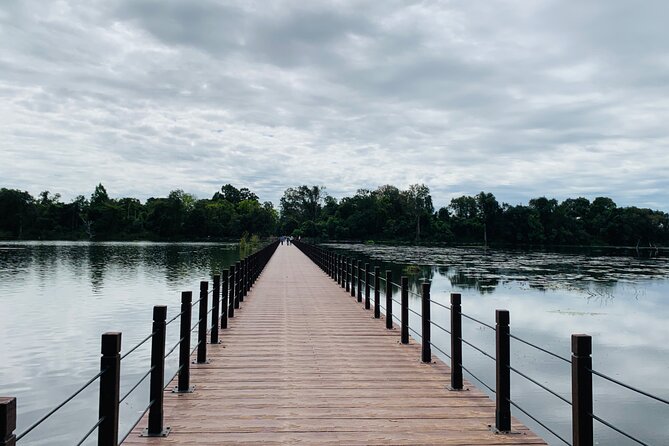
The planned visit is about 30 minutes. The setting makes Neak Pean different from the other temples, since water and the island design are central to the experience.
This stop is best understood as a planned sacred setting, not simply a freestanding tower. Your guide can help explain why the water arrangement matters and how the site fits into Jayavarman VII’s religious building program.
Preah Khan: A Fitting Final Temple
Preah Khan means Royal Sword. Jayavarman VII built this 12th-century temple in honor of his late father, and it lies about one kilometer north of ancient Angkor Thom.
The tour allows around 50 minutes here. That is a good closing visit because Preah Khan has enough scale and detail to feel substantial without repeating Angkor Wat exactly.
After two full days, you may be tired by this point. The private vehicle and cold water are more than small comforts here. They help make the final temple manageable rather than a forced march.
Price, Pass, and What You Receive
The tour costs $115 per person. That includes the guide, air-conditioned transport, and bottled cold water, but not the three-day Angkor Pass, which is listed at $62 per person.
That brings the basic combined cost to $177 per person before food and any drinks beyond the supplied water. Accommodation is also separate. For a private two-day program covering the central temples, Banteay Srei, and several quieter sites, the price can be reasonable if you value personal transport and an adjustable pace.
The value is less clear if you only want Angkor Wat and a few nearby temples. In that case, this schedule may include more sites than you need. It makes better financial sense for someone with only two days in Siem Reap who wants a broad introduction without arranging separate transport.
The information also notes group discounts, but the activity is described as private, with only your own group participating. Ask how any discount applies to your party before paying.
Guide Quality and the Private Touring Advantage
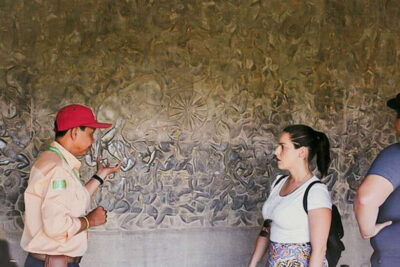
The strongest praise centers on the guide service, particularly Bunpheng. He is described as punctual, professional, friendly, adaptable, and able to adjust the plan for short stays. One detailed account also highlights his photography help and his ability to make visitors feel at home.
That matters at Angkor. The temples are large, the route is tiring, and a good guide can turn a string of ruins into a clear story. Bunpheng is also described as helping guests learn about Cambodian history and culture, not simply transporting them between photo stops.
The private format gives you room to request changes. The company has handled airport pickup, hotel transfers, and specific routes for people with only 48 hours in Siem Reap. Those services should be confirmed directly if you need them, since the listed tour itself specifically includes transportation for the temple program.
Who Should Book This Experience?
I would recommend it to:
- First-time visitors with only two days for Angkor
- Couples seeking a private tour, including honeymoon visitors
- Families or small groups that want their own vehicle
- People who want both famous temples and less central sites
- Visitors who prefer a guide rather than researching every temple alone
- Anyone willing to wake early for sunrise at Angkor Wat
I would be more cautious if you dislike early mornings, long touring days, or a tightly packed schedule. You may also prefer another plan if you want deep, unhurried time at only two or three temples.
The dress code is strict. Cover your shoulders and thighs before entering the temple complex. Confirmation is received at booking, and cancellation is free if made at least 24 hours before the start time. Changes or cancellations inside that period are not accepted for a refund.
Should You Book the Two-Day Angkor Program?
Book this tour if you want a private, broad introduction to Angkor and are prepared for two demanding days. The combination of sunrise at Angkor Wat, Ta Prohm, Angkor Thom, Banteay Srei, and the outer temples gives you a strong sense of the area’s range.
Before booking, confirm the sunrise pickup time, the sunset location, and the apparent Pre Rup and East Mebon duplication. Also budget the extra $62 Angkor Pass and decide if the packed schedule suits your energy.
For a short Siem Reap stay, the tour offers useful structure and personal guidance. For a slower temple holiday, ask the guide to remove a few minor stops and give you more time at the places you care about most.
FAQ
How long is the Angkor temple tour?
The experience lasts approximately two days.
What time does the sunrise visit begin?
The sunrise visit starts around 4:30 or 5:00 a.m. on Day 2, depending on the season.
Is transportation included?
Yes. Transportation is provided in an air-conditioned car, minivan, or minibus.
Is the tour private?
Yes. Only your group participates in the activity.
Is an Angkor Pass included?
No. A three-day Angkor Pass is listed at $62 per person and must be purchased separately.
Are meals and accommodation included?
No. Food, drinks beyond the supplied cold water, and accommodation are not included.
What clothing is required at the temples?
Visitors must cover their thighs and shoulders when entering the temple complex. Entry may be refused if clothing does not meet the rules.
Can I cancel for a full refund?
Yes, if you cancel at least 24 hours before the experience start time. Cancellations or changes made less than 24 hours in advance are not accepted for a refund.
Newest reviews from Siem Reap
- War Museum, Killing Field, and APOPO Hero RATs Tour★ 5.0 · 7 reviews
- Angkor Wat at Sunrise★ 4.0 · 7 reviews
- Siem Reap Angkor Airport Taxis (from Airport to Hotel)★ 5.0 · 44 reviews
- Cambodian Cooking Class and Oxcart Ride with Local Village Tour★ 5.0 · 4 reviews
- Secret Temples of Angkor – Guided Tour in Siem Reap★ 5.0 · 6 reviews
- Short Cycling at Countryside★ 5.0 · 29 reviews
- SIEM REAP E-BIKE HALF-DAY COUNTRYSIDE (25-30 km)★ 4.0 · 1 review
- Unveiling the Mystical Beauty of Phnom Kulen National Park★ 5.0 · 6 reviews
2-Day Experiences, compared.
Angkor Wat 2-Day Tour with Sunrise and Sunset
Read our review →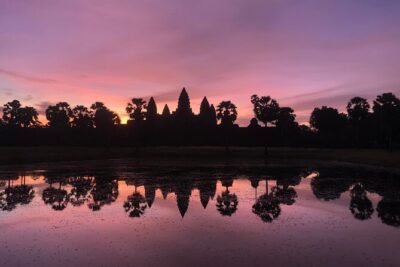
Angkor 2-Day Sunset & Sunrise Small-Group Tour
Read our review →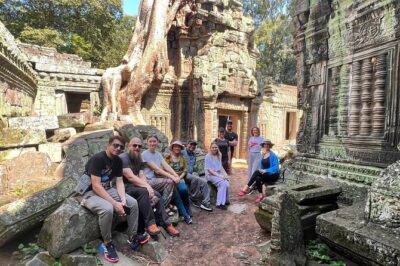
2 Days Exclusive Temple Highlights with Sunset and Sunrise Tour
Read our review →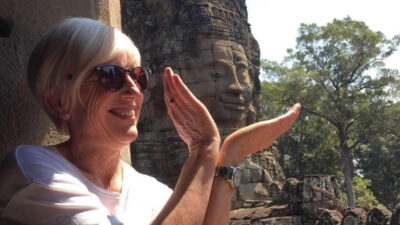
Angkor Sunrise 1- or 2-Day Guided Temples Tour
Read our review →
2-Day Angkor Wat With Small, Big Circuit and Banteay Srei Tour
Read our review →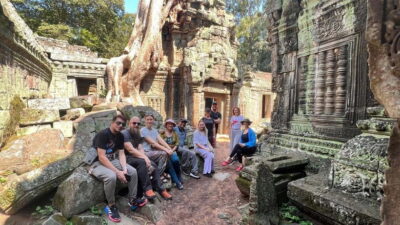
2-Day Temple Highlights Sunrise and Sunset Option
Read our review →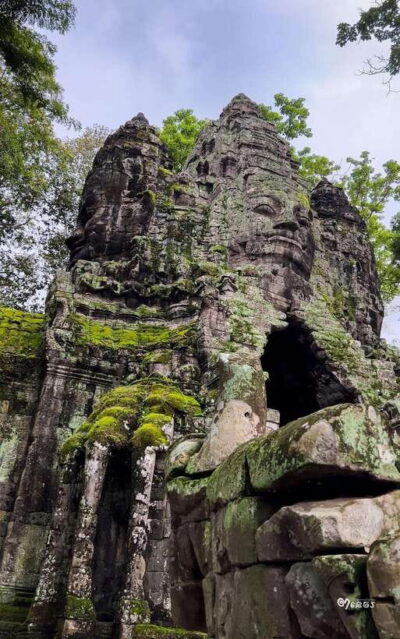
Angkor Wat 2-Day complex Sun rise & Sun set with Guided Tour
Read our review →Browse the lists this tour appears in