
Reviewed · ANGKOR WAT TOURS
2-Day Angkor Wat, Banteay Srei & Floating Village K-Pluk
Two full days make Angkor easier to read. This private tour combines the grand scale of Angkor Wat with smaller jungle temples, a sunrise start, and a boat trip through Kampong Pluk on Tonle Sap Lake. I like the flexible private format, and I like that an English-speaking guide travels with you through a large, complicated temple area rather than leaving you to guess what each stone meant. The air-conditioned vehicle, cold water, and cool towels also matter in Cambodia’s heat.
The main thing to watch is the price. At $144 per person, the tour includes transport, driver, guide, parking, road tolls, water, and towels, but temple passes, the floating village ticket and private boat, and meals cost extra. The floating village is also seasonal. In April, one party skipped it because the dry conditions left too little water for cruising.
In This Review
- Key points at a glance
- Why this two-day plan works well
- Day one: Angkor Wat before the jungle temples
- Ta Prohm and the appeal of ruins in the trees
- Lunch, then the towers of Angkor Thom
- Phnom Bakheng and the first sunset
- Day two begins with Angkor Wat sunrise
- Kampong Pluk and the changing Tonle Sap
- Banteay Srei and the pink sandstone carvings
- Banteay Samre, Pre Rup, and Banteay Kdei
- Guide, driver, and comfort on the road
- Is $144 per person good value?
- Who should book this experience?
- FAQ
- How long does the tour last?
- Is hotel pickup included?
- Is this a private tour?
- Is an English-speaking guide included?
- Are temple entrance passes included?
- Is the Kampong Pluk boat ticket included?
- Are meals included?
- What is included in the vehicle service?
- Should you book it?
Key points at a glance
- Angkor Wat begins the first morning: You get several hours at Cambodia’s most famous temple before moving on.
- Ta Prohm brings the movie connection: Giant tree roots cover parts of the temple made famous by Tomb Raider.
- Angkor Thom packs in several major sights: Bayon, Baphuon, the terraces, Royal Enclosure Wall, and Phimeanakas fill the afternoon.
- The second day starts at 5:00am: Sunrise at Angkor Wat gives you a memorable view, but the early alarm is real.
- Kampong Pluk depends on water levels: The private cruise shows stilt houses and fishing life when conditions allow.
- Banteay Srei adds fine pink sandstone detail: This temple is far smaller than Angkor Wat, but its carvings reward close attention.
Why this two-day plan works well
Angkor is not one temple. It is a vast archaeological area with temples spread across roads, forest, and former royal centers. Trying to see the famous sites in a single rushed day can leave you with a blur of towers and steps. This plan gives you two mornings and two afternoons, so the main temples get proper attention.
The private setup is useful here. You are collected from your hotel at 8:00am on the first day, and the schedule can be adjusted to suit your requirements. That does not mean every stop can be shortened without affecting the rest of the day, but it does give you more control than a fixed group departure.
You travel in an air-conditioned vehicle with a driver, then walk around each temple with an English-speaking licensed guide. The driver waits while you explore and provides cold drinking water and towels when you return. After hours on hot stone paths, that small service feels practical rather than decorative.
The two-day schedule is busy. Day one runs roughly from 8:00am until 6:00pm or 7:00pm, while day two begins at 5:00am and ends around 4:00pm or 5:00pm. You get a lot for the time, but you should not expect a slow, empty-calendar experience.
More ways to see Angkor Wat:
- Angkor Wat Sunrise or Sunset Tour with Guide from Siem Reap
★ 5.0 · 12,109 reviews - Siem Reap: Angkor Wat: Small-Group Sunrise or Sunset Tour
★ 5.0 · 9,444 reviews - Siem Reap: Angkor Wat 2-Day Tour with Sunrise and Sunset
★ 4.9 · 4,429 reviews
Day one: Angkor Wat before the jungle temples
Your first stop is Angkor Wat, the largest religious temple in the Angkor area and the visual centerpiece of the trip. Built in the 12th century, it was dedicated to the Hindu god Vishnu and later became an important Buddhist site. The scale is the first surprise: long galleries, broad stone approaches, towers, courtyards, and carved walls take time to understand.
The best use of your morning is to let the guide explain the temple as you move through it. Look for the long bas-reliefs and the careful progression from outer areas toward the central towers. Angkor Wat is not just a single photo stop. You need several hours to see its main parts without sprinting from one view to the next.
The temple grounds can be hot and tiring, especially when the sun rises higher. Wear practical clothing that covers shoulders and knees, and use the provided water. The temple pass is not included, so arrange that separately. Buying it online ahead of time is a sensible tip, especially if you want to reduce delays at the ticket stage.
Ta Prohm and the appeal of ruins in the trees
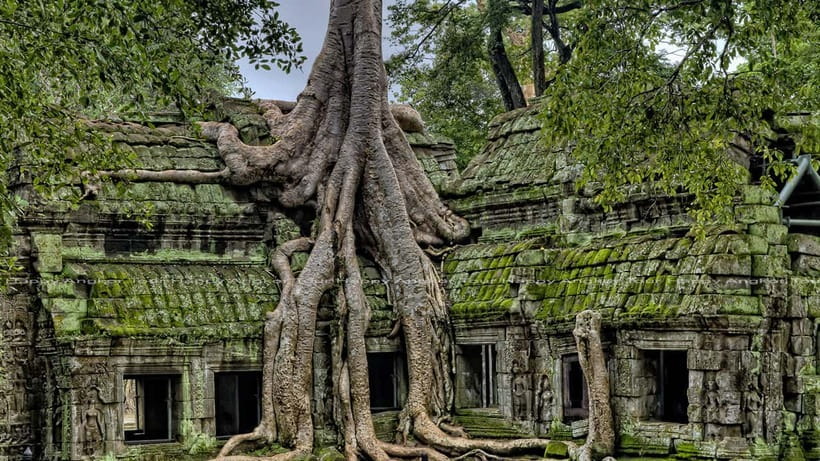
After Angkor Wat, the route continues to Ta Prohm, one of the most atmospheric stops on the Small Circle. The temple is known for enormous tree roots that have grown over walls and doorways. Nature has not simply decorated the ruins. It has pushed through them, pulled at them, and made the building look caught between stone and forest.
Ta Prohm is also linked to the Hollywood film Tomb Raider. That connection can bring extra attention, but the temple does not need a movie tie-in to be worth seeing. The mix of collapsed galleries, carved stone, narrow passages, and tree roots gives it a different mood from the formal order of Angkor Wat.
I would pay attention to the contrast. Angkor Wat shows control, geometry, and grand planning. Ta Prohm feels more exposed and irregular. The guide can help explain what you are seeing, while you still have time to take in the roots and ruined chambers at your own pace.
The route also includes Ta Nei, a smaller temple in a forested setting. It is a useful change of scale after the major sites. The schedule does not give a detailed stop length, so your time there may depend on the day’s pace and your chosen priorities.
Lunch, then the towers of Angkor Thom

Around 12:30pm, you stop for lunch at a local restaurant. Meals are not included, so plan for this as an extra expense. The break splits the day at a useful point, since the afternoon involves several sites inside Angkor Thom and a great deal of walking.
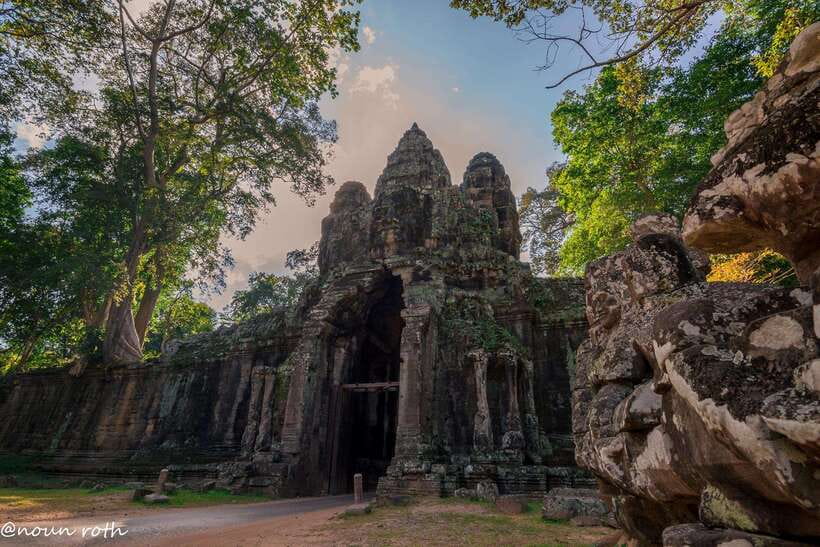
The afternoon begins at Angkor Thom, the great city area at the heart of the old Angkor complex. The route enters through either the Victory Gate or the Gate of the Dead, described as the Victory or Death gate. That detail gives the afternoon a strong sense of place before you reach the central monuments.
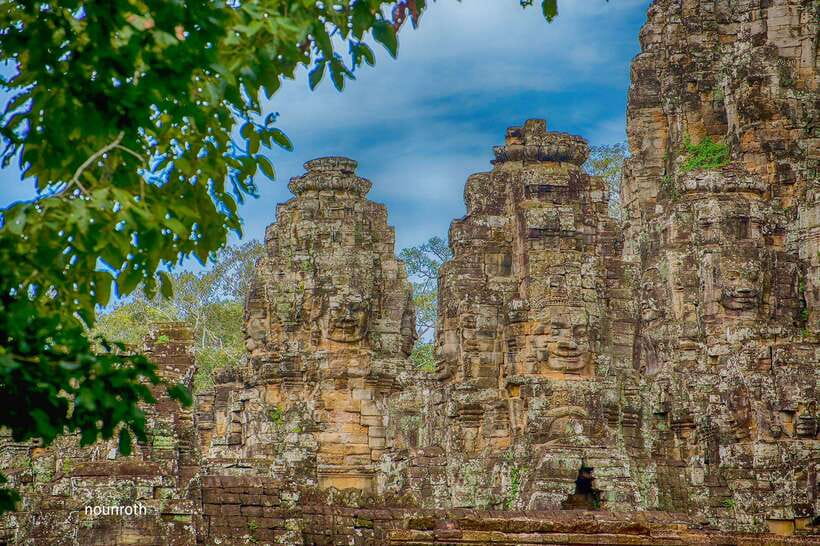
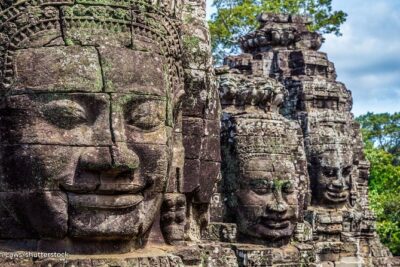
Bayon is the highlight. Its towers carry four smiling faces, and the tour description counts 49 towers. From different angles, the faces seem to watch the paths and courtyards below. The stonework is crowded and sometimes confusing, so this is one place where a good explanation makes a real difference. Guide Chhay received particular praise for clear explanations and for bringing stories about the monuments to life.
Nearby Baphuon gives you a different experience. This Hindu temple has a long approach and a tall central structure, and at the rear you can see a large reclining Buddha. The Buddha is easy to miss if you only focus on the front entrance, so keep moving around the monument rather than treating it as a single viewpoint.
The route then continues along the Royal Enclosure Wall, past Phimeanakas, and to the Elephant Terrace and Leper King Terrace. These sites are close enough to work naturally as one walking circuit. The terraces are especially useful for understanding how the ceremonial center connected architecture, royal display, and public space.
This part of the day can feel demanding. You have already walked through Angkor Wat and Ta Prohm, and the afternoon heat may be strong. The advantage of a private vehicle is that you can return to air conditioning between clusters of temples instead of walking every road.
More trips out to Banteay Srei:
- Full-Day Banteay Srei & 4 Temples – Grand Tours Join-in Tour
★ 5.0 · 1,155 reviews - Siem Reap Tour: Angkor Wat Sunrise, Bayon, Ta Prohm, Banteay Srei
★ 5.0 · 931 reviews - 2-Day Angkor Wat With Small, Big Circuit and Banteay Srei Tour
★ 5.0 · 545 reviews - From Siem Reap: Banteay Srei Temple & Grand 5 Temple Tour
★ 4.8 · 262 reviews
Phnom Bakheng and the first sunset
The first day ends at Phnom Bakheng for sunset. The hill gives you a higher viewpoint over the surrounding area, but sunset access and conditions can vary. The tour plans to finish back at your hotel between 6:00pm and 7:00pm.
Do not treat Phnom Bakheng as a guaranteed grand finale. The day is long, and the climb or waiting time may feel less appealing after so many temples. Still, the elevated setting offers a change from close-up stonework and shaded corridors. If you are tired, this is the point where the private schedule may help you decide how much energy you want to spend.
Day two begins with Angkor Wat sunrise
The second day starts at 5:00am for sunrise at Angkor Wat. This is the earliest part of the tour and should be considered carefully. You are not only setting an alarm. You are beginning another full day after a long first day.
After sunrise, the driver can take you back to your hotel for breakfast if your accommodation includes it. You can also take a breakfast break at a restaurant near the temple. That choice is useful because it avoids forcing every group into the same breakfast arrangement.
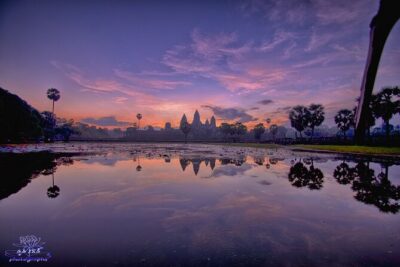
Sunrise itself is weather dependent, but the early start gives you a quieter-feeling introduction to Angkor Wat than the middle of the day. You see the temple in changing light, then have another chance to notice details you may have missed on day one. For many people, this is the emotional high point of the schedule.
Kampong Pluk and the changing Tonle Sap
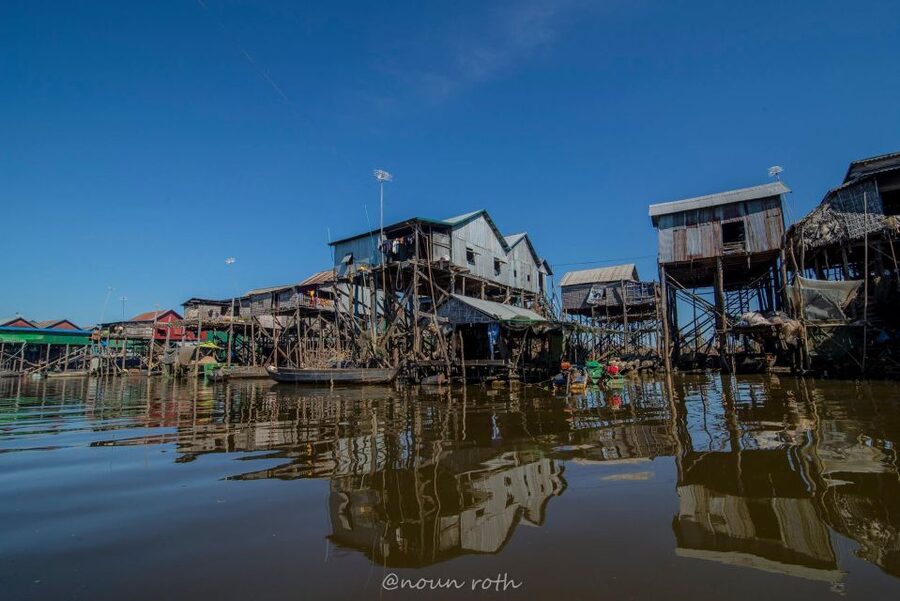
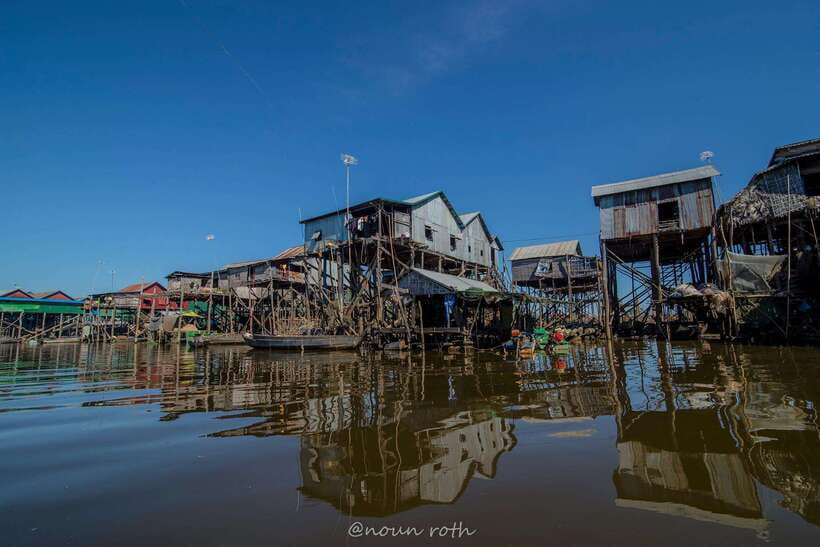
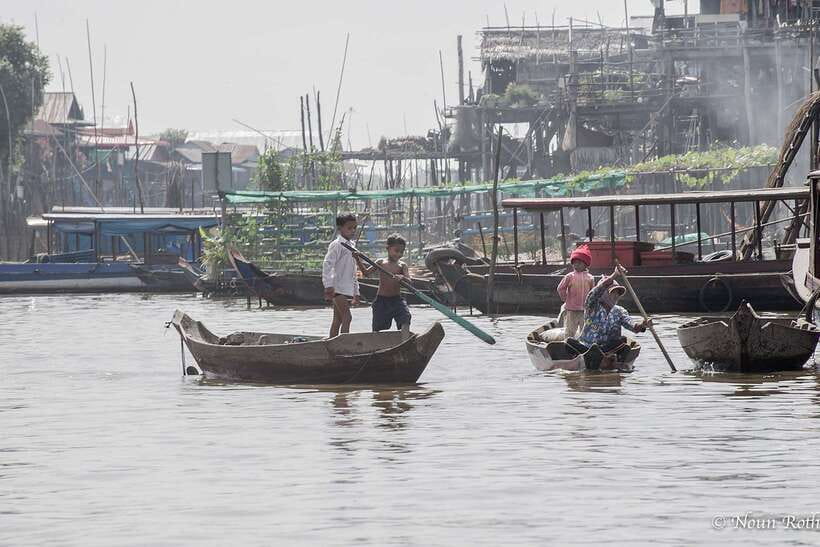
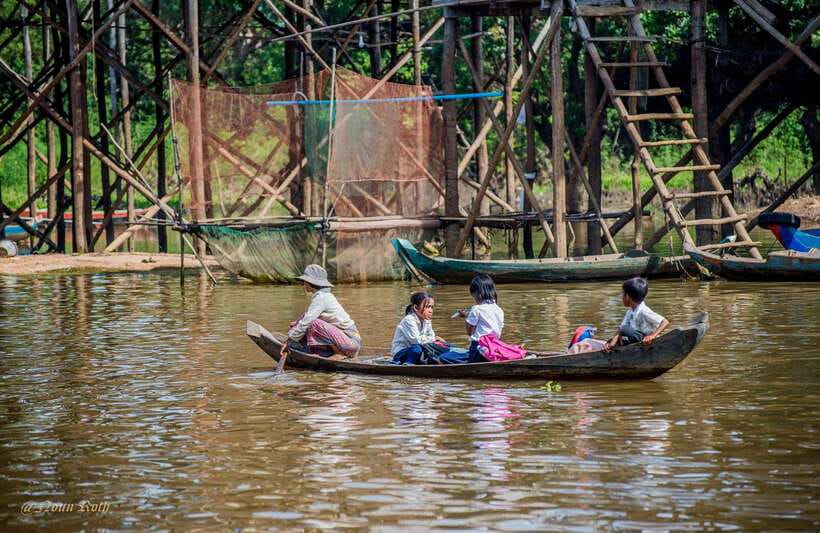
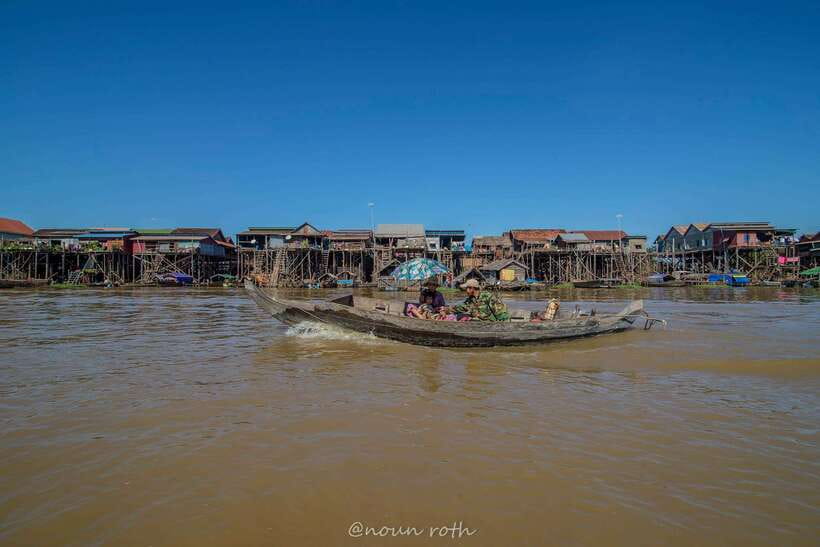
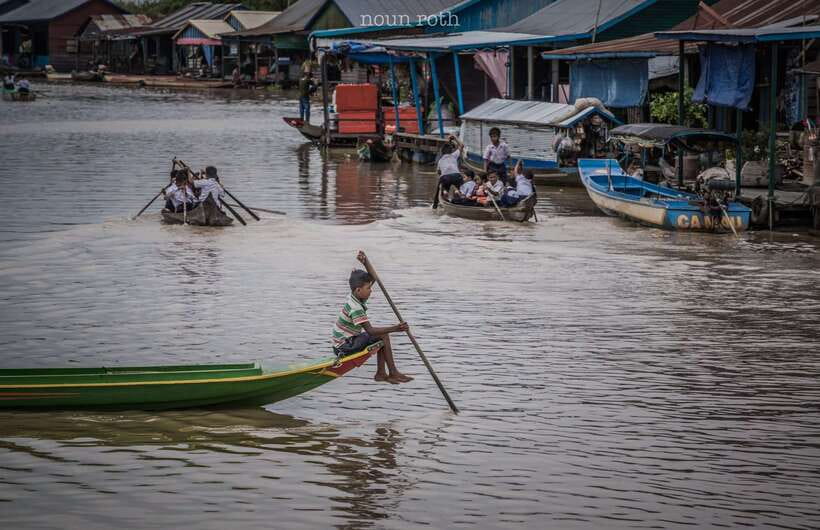
After breakfast, you travel south toward Tonle Sap Lake and Kampong Pluk. The village visit uses a private boat and takes you through stilt houses associated with fishing communities. The point is not simply a boat ride. It is a look at how homes and daily life adapt to a lake whose water levels change through the year.
This stop adds a human and environmental side to a tour otherwise focused on stone monuments. You see an older way of life connected to fishing and the lake rather than royal temples and religious sculpture.
Conditions matter. During the dry season, there may not be enough water for the boat trip. One April booking skipped the floating village for that reason. This is the clearest limitation in the tour, and you should not book the lake visit as if it were guaranteed in every season.
The floating village ticket and private cruise boat are separate from the tour price. Ask for the current cost and operating conditions before you commit. Around 12:30pm, you stop for lunch at a local restaurant, with meals again paid separately.
Banteay Srei and the pink sandstone carvings
After lunch, the vehicle travels more than 30 kilometers through villages and rice fields in the countryside to Banteay Srei. The drive makes this temple feel like a separate outing rather than another stop around the central Angkor circuit.
Banteay Srei is often called the Ladies Temple. It was built from pink sandstone and dedicated to the Hindu trinity, with a major connection to Shiva. Its fame comes from the fine detail of its carvings. Unlike the huge mass of Angkor Wat, Banteay Srei rewards you for standing close and looking carefully at the door frames, figures, and decorative patterns.
The longer drive is part of the bargain. You spend more time in the vehicle, but you also see villages and rice-paddy country beyond the most visited temple roads. If your priority is only the biggest monuments, the distance may feel costly in time. If you want a broader view of the area, it gives the day a useful change of pace.
Banteay Samre, Pre Rup, and Banteay Kdei
The route continues to Banteay Samre, another Hindu temple. It is less famous than Angkor Wat and Ta Prohm, but adding it helps you compare different temple designs and settings rather than repeating the same kind of stop.
Pre Rup brings a more monumental, stepped form. Its tall brick towers and rising terraces give it a strong outline, and the visit helps show how temple architecture could be built upward as well as spread across broad courtyards.
The final temple is Banteay Kdei. Coming at the end of a long day, it offers one last set of galleries and courtyards before you return to Siem Reap. The tour finishes around 4:00pm to 5:00pm, which leaves a little more breathing room than the first evening.
The number of temples is a strength and a weakness. You see a wide range of sites, but the sheer count can blur together. Use the guide’s explanations to focus on differences: Hindu and Buddhist connections, small and large layouts, carved detail versus massive scale, and restored areas versus weathered ruins.
Guide, driver, and comfort on the road
The guide is central to the quality of this experience. Chhay is specifically praised for his explanations, enthusiasm, and clear interest in the temples. That matters because Angkor’s stonework can be beautiful without being easy to interpret. A guide helps connect the carvings, gods, rulers, and building plans.
The driver also shapes the day. Path is praised for smooth journeys and for helping keep the outings comfortable. Since you return to the vehicle several times, a dependable driver makes the long schedule easier to manage.
The tour includes an English licensed guide, an air-conditioned vehicle with driver, hotel pickup and drop-off, parking fees, road tolls, drinking water, and towels. Pickup requires your hotel address, name, phone number, and website, and you should wait in the lobby about 10 minutes before the scheduled time.
Is $144 per person good value?
The $144 price is fair if you value private transport and a guide across two demanding days. You are not paying only for entrance to monuments. You are paying for hotel transfers, an air-conditioned vehicle, a driver, road costs, and a guide who stays with your group through the major sites.
Still, the headline price is not the full trip cost. Add the temple pass, meals, and the floating village ticket with private boat. Because those items are excluded, compare the final total rather than the advertised starting figure.
The value improves for people who want flexibility and personal attention. It may be less compelling if you prefer to explore independently, spend long quiet periods at one temple, or avoid the early start. The private format is best used actively: tell the guide what matters most and discuss the pace before the day gets hot.
Who should book this experience?
I would choose this tour if you have two days in Siem Reap and want the main Angkor sights plus Banteay Srei and Tonle Sap. It suits first-time visitors who want history explained in plain English, couples or families who prefer a private vehicle, and anyone who values hotel pickup and a flexible plan.
It is less suitable if you dislike long touring days, early mornings, or repeated walking on temple grounds. It is also not the right choice if the floating village is your main reason for booking and you are visiting during a dry period when boat access may be limited.
The strongest features are the range of stops, the private schedule, and the care provided by the guide and driver. The main cautions are the extra costs, the packed itinerary, and the seasonal lake conditions.
FAQ
How long does the tour last?
The experience lasts two days. Day one generally runs from 8:00am until 6:00pm or 7:00pm. Day two begins at 5:00am and usually ends between 4:00pm and 5:00pm.
Is hotel pickup included?
Yes. Hotel pickup and drop-off are included. You need to provide your accommodation address, name, phone number, and website, and wait in the lobby about 10 minutes before pickup.
Is this a private tour?
Yes. The tour is for a private group, and the itinerary can be adjusted to meet your requirements.
Is an English-speaking guide included?
Yes. An English licensed guide is included. English is the listed tour language.
Are temple entrance passes included?
No. Temple passes are not included in the $144 price. Buying the temple pass online in advance is recommended.
Is the Kampong Pluk boat ticket included?
No. The floating village ticket and private cruise boat are separate costs. Boat access can also depend on water levels.
Are meals included?
No. Breakfast, lunch, and dinner are not included. Lunch stops are planned at local restaurants, and you pay for meals separately.
What is included in the vehicle service?
The tour includes an air-conditioned vehicle with driver, parking fees, road tolls, cool drinking water, and towels. The driver waits while you visit the temples.
Should you book it?
Book this tour if you want a well-filled two-day introduction to Angkor, with Angkor Wat, Ta Prohm, Bayon, Banteay Srei, and a possible Tonle Sap boat trip in one private plan. The guide and driver pairing of Chhay and Path received especially strong praise, and the cold water and towels are welcome after long walks.
Before booking, confirm the total cost after temple passes, meals, and the boat ticket. Also ask about current water conditions at Kampong Pluk. If you accept the early mornings and packed schedule, this is a practical way to see far more than the headline temples without giving up private transport or a guide.
More Multi-day Routes in Siem Reap
- Angkor 2-Day Sunset & Sunrise Small-Group Tour
★ 5.0 · 2,567 reviews - Siem Reap: Angkor Sunrise 1- or 2-Day Guided Temples Tour
★ 4.9 · 1,132 reviews - Siem Reap: 2-Day Temple Highlights Sunrise and Sunset Option
★ 4.9 · 445 reviews - Angkor Wat 2-Day complex Sun rise & Sun set with Guided Tour
★ 4.9 · 439 reviews
More Floating Village Trips
- From Siem Reap: Kampong Phluk Floating Village Tour by Boat
★ 4.9 · 6,979 reviews - Sunset tour of Kampong Phluk stilts home village on the Tonle Sap
★ 5.0 · 4,865 reviews - Siem Reap: Kampong Phluk Floating Village Tour with Boat
★ 4.9 · 3,843 reviews - Siem Reap Floating Village Kampong Phluk Sunset with Boat
★ 5.0 · 1,962 reviews
Newest reviews from Siem Reap
- War Museum, Killing Field, and APOPO Hero RATs Tour★ 5.0 · 7 reviews
- Angkor Wat at Sunrise★ 4.0 · 7 reviews
- Siem Reap Angkor Airport Taxis (from Airport to Hotel)★ 5.0 · 44 reviews
- Short Cycling at Countryside★ 5.0 · 29 reviews
- Cambodian Cooking Class and Oxcart Ride with Local Village Tour★ 5.0 · 4 reviews
- Secret Temples of Angkor – Guided Tour in Siem Reap★ 5.0 · 6 reviews
- SIEM REAP E-BIKE HALF-DAY COUNTRYSIDE (25-30 km)★ 4.0 · 1 review
- Unveiling the Mystical Beauty of Phnom Kulen National Park★ 5.0 · 6 reviews
Angkor Wat Tours, compared.
Angkor Wat Sunrise or Sunset Tour with Guide from Siem Reap
Read our review →
Angkor Wat: Small-Group Sunrise or Sunset Tour
Read our review →
Angkor Wat 2-Day Tour with Sunrise and Sunset
Read our review →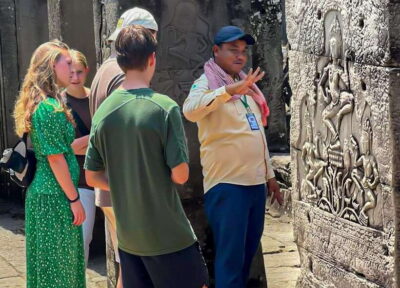
Angkor Wat Sunrise tour with Small – Group and Guide tours
Read our review →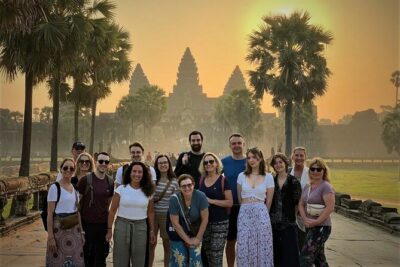
Angkor Wat Highlights and Sunrise Guided Tour from Siem Reap
Read our review →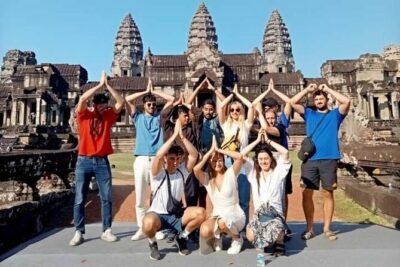
Angkor Wat Sunset Small Group Tour with Lunch Included
Read our review →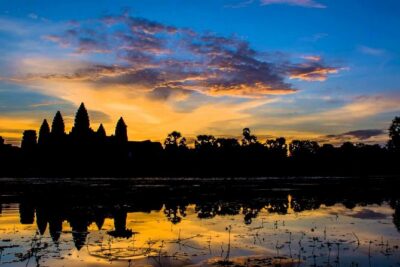
Full-Day Angkor Wat Sunrise Private Tour with Guide from Siem Reap
Read our review →Browse the lists this tour appears in