
Reviewed · COOKING CLASSES
Khmer Cooking Class Half Day (AM or PM)
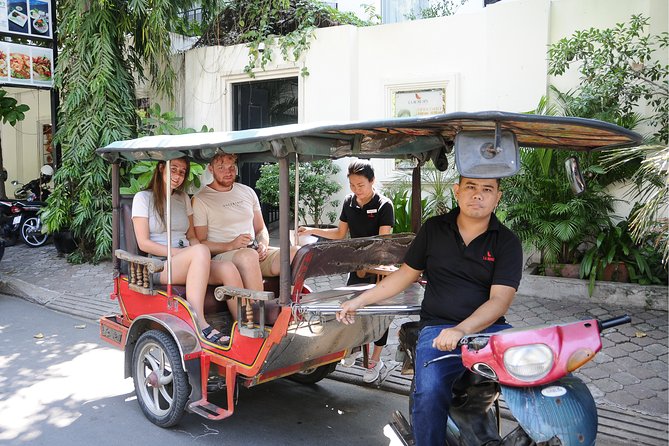
Fresh food, friendly teaching, and a meal you cook yourself make this four-hour Khmer cooking class a fine way to meet Cambodian cuisine. You ride by tuk-tuk to a local market, choose ingredients with your chef, then return to Banana Cooking Class for hands-on work at your own station.
I like the market visit because it adds real local life to what could otherwise be a standard kitchen lesson. I also like the personal format, with one instructor guiding your group and each student using an individual wok. The main point to consider is that a solo booking can feel quiet at mealtime, and you may have more food than you can comfortably eat alone.
In This Review
- Key points at a glance
- Why this class is a good Phnom Penh food experience
- Starting at Banana Cooking Class
- The market visit and tuk-tuk ride
- Learning the recipes in a private kitchen
- What you might cook
- Eating what you prepared
- Timing, group size, and comfort
- Who will enjoy this most
- Is the $31 price worth it?
- Should you book the Khmer Cooking Class?
- FAQ
- Where does the Khmer cooking class begin?
- How long does the cooking class last?
- What time does the morning class start?
- What time does the afternoon class start?
- Is transportation to the market included?
- What happens at the market?
- How many dishes will I prepare?
- Does each student have an individual cooking station?
- Do I receive recipes to take home?
- Is the activity private?
- Is cancellation free?
Key points at a glance
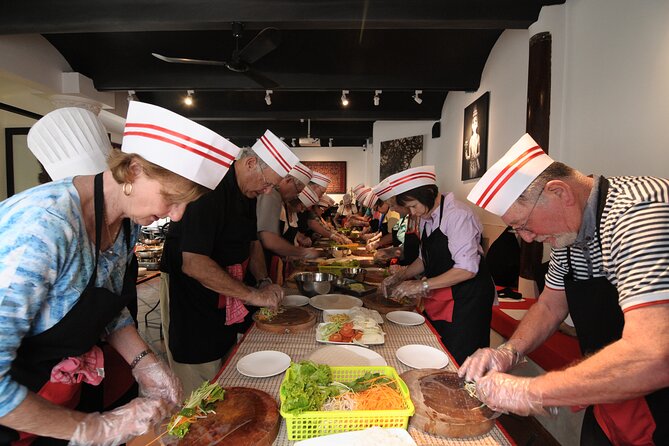
- A local market comes first: Learn about Cambodian vegetables, fruit, herbs, and spices while buying the ingredients for your meal.
- Tuk-tuk transport is included: The short ride links the market and cooking school and adds a distinctly Phnom Penh touch.
- You cook three dishes: The menu can include such Khmer favorites as fish amok, chicken curry, spring rolls, green mango salad, and banana palm sugar dessert.
- Every student gets a cooking station: You prepare your own portion with a wok and direct help from the chef.
- Recipes go home with you: Printed recipes and ingredient lists make it possible to repeat the meal later, including advice on substitutions.
- The format is private: Only your own group takes part, with morning and afternoon start times.
Why this class is a good Phnom Penh food experience
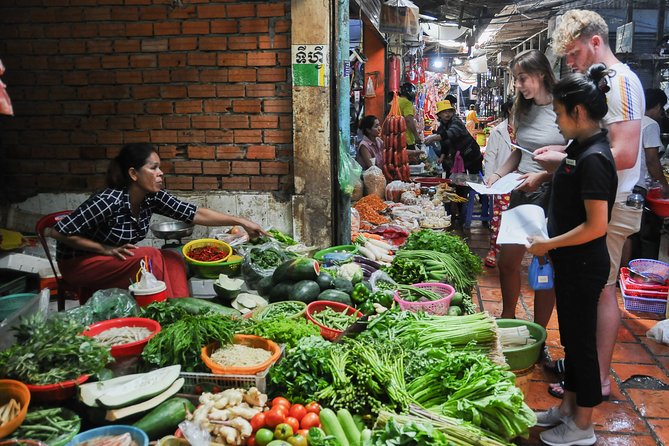
Cambodian food is often overshadowed by better-known Thai and Vietnamese cooking. That is a shame. Khmer cooking uses fragrant curry pastes, fresh herbs, coconut, palm sugar, fish, and crisp vegetables, but the balance is usually gentler than many visitors expect.
This class gives you more than a plate of Cambodian food. You see the ingredients before they are cleaned and chopped, learn what the chef looks for when buying them, and then use those same items yourself. That connection is useful. After one market visit, a bundle of herbs or an unfamiliar vegetable becomes less mysterious.
The class also keeps the scale small. Since only your group participates, the chef can watch your knife work, adjust your seasoning, and help when your wok gets too hot. This matters more than a polished demonstration. You are not simply watching someone else cook while standing at the back of a crowd.
The experience is priced at $31. For about four hours, that includes the tuk-tuk ride to and from the market, ingredients, instruction, a three-dish meal, recipes, a certificate, and a refreshing drink with a cold towel on arrival. That is good value, especially if you enjoy practical activities rather than another sightseeing stop.
More Cooking Classes in Phnom Penh:
- Khmer Cooking Class Full Day
★ 5.0 · 13 reviews - Cooking Class in Phnom Penh
★ 5.0 · 7 reviews - Khmer Cooking Class at a Local’s Home in Krong Siem Reap
★ 5.0 · 2,731 reviews
Starting at Banana Cooking Class
The class begins at Banana Cooking Class at 4b Abdul Carime Street (21) in Phnom Penh. The morning session starts at 9:00 a.m.; the afternoon option starts at 3:00 p.m. Both versions follow the same basic plan and finish back at the school.
The starting point is more than a place to check in. You receive the ingredient list before heading out, so you know what you will be looking for at the market. This simple step gives the shopping trip a purpose instead of making it a quick ride through town.
The setting has also been described as calm and clean, with the cooking area connected to a boutique hotel. Some sessions take place in an air-conditioned kitchen, which can be welcome in Phnom Penh. The class is practical, but it does not sound rough or improvised.
After the market trip, you return to the school at about 10:15 a.m. for the morning class or 4:15 p.m. for the afternoon class. A cold towel and drink provide a sensible pause before the cooking begins.
The market visit and tuk-tuk ride
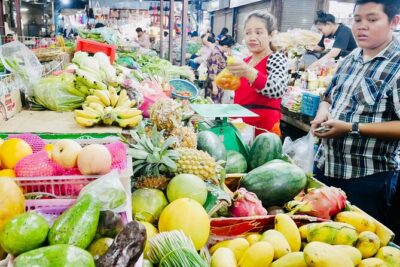
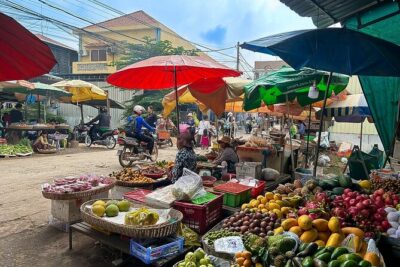
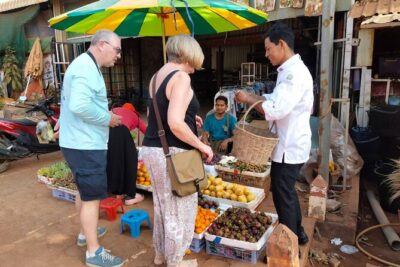
The market is one of the best parts of the experience. You travel there by tuk-tuk, then walk through stalls with the chef while gathering the produce needed for the recipes. The chef explains Cambodian fruits, vegetables, spices, and herbs, along with the qualities to look for when buying fresh items.
This is where the class feels most connected to daily life in Phnom Penh. You see ingredients in their normal setting, not lined up in neat bowls in a cooking studio. Market smells can be strong, and some sights may be unfamiliar, but that is part of the point. You get a more honest look at how food shopping works locally.
You are not left to guess what to buy. The chef leads the process and handles the communication, while you watch and take part. That is helpful if you are interested in markets but do not speak Khmer or feel comfortable bargaining on your own.
The tuk-tuk ride is included in the $31 cost. It is not a long excursion, but it adds character and saves you from arranging transport between two parts of the class. Bring a little patience for Phnom Penh traffic, as the schedule is approximate rather than timed like a train journey.
Learning the recipes in a private kitchen
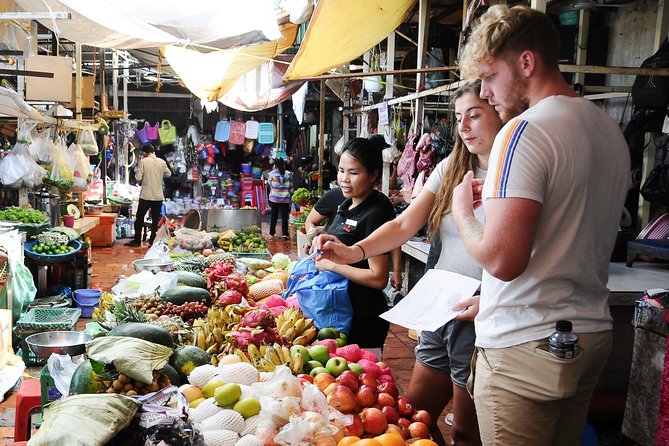
Once back at Banana Cooking Class, the chef gives a demonstration of the dishes you will prepare. The theory portion begins around 10:30 a.m. in the morning and 4:30 p.m. in the afternoon. You see the basic methods before handling your own ingredients.
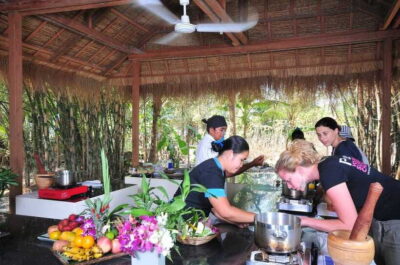
The teaching style is step by step. The chef demonstrates how to clean, peel, cut, season, and cook, then you repeat the process at your own station. This works well for beginners because you can copy each stage without needing to understand the whole recipe at once.
It also suits people who already cook. One person described receiving useful cultural context along with clear reasons for each cooking step. Another appreciated advice about which ingredients could be replaced at home and which could not. That sort of guidance is far more useful than a recipe that assumes every Cambodian ingredient is easy to find abroad.
The instructors named in the feedback include Lom Ang and Sophen. Lom Ang is especially praised for being patient, welcoming, and clear. Sophen is described as an excellent teacher with a lively manner. English may be understandable rather than perfect in every moment, so watch the demonstration closely and ask for help when you need it.
Each student has an individual cooking station and wok. This is a real advantage. You control your own food, learn by doing, and can see how small changes in heat or timing affect the result. The chef and staff remain nearby to assist.
A few more options around Phnom Penh worth reading up on
- The Killing Field and Toul Sleng Genocide Museum (S21) Tour
★ 5.0 · 1,977 reviews - Phnom Penh: Sunset Cruise with Unlimited Beers & BBQ Buffet
★ 4.5 · 727 reviews - Aroma Therapy Massage, Relaxation therapeutic aromatherapy oil massages.
★ 5.0 · 645 reviews - Killing field and Toul Sleng genocide museum Tour
★ 5.0 · 610 reviews
What you might cook
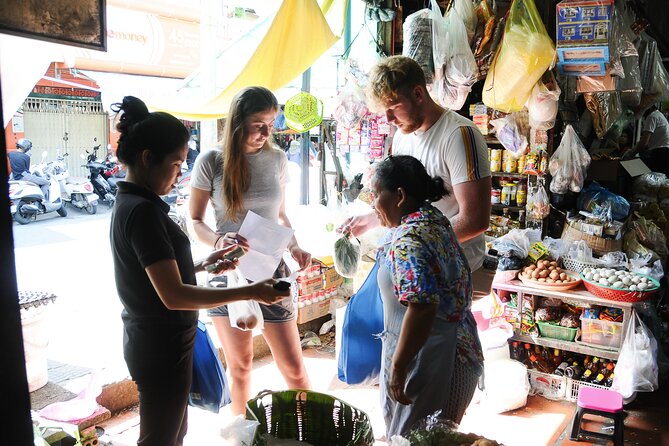
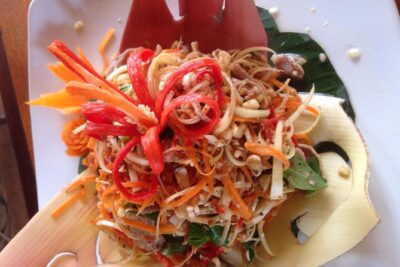
The menu is built around three traditional Cambodian dishes, usually a starter, main course, and dessert. Exact dishes can vary, but the examples include fresh spring rolls, fish amok, chicken curry, green mango salad, and banana palm sugar dessert.
Fish amok is one of the most important dishes to look for. It is a classic Khmer preparation with a soft, fragrant curry profile, and several people singled it out as a favorite. If the menu includes it, pay close attention to the curry paste and the balance of seasoning. Those details make the dish.
The yellow chicken curry also receives strong praise. It was described as especially delicious, with fresh ingredients making a noticeable difference. Curry is a good class dish because you can learn how spices, coconut, and aromatics build flavor without relying on a ready-made sauce.
Spring rolls provide a lighter, more hands-on starter. Green mango salad adds a fresh, crisp contrast to the richer dishes. For dessert, banana cooked with palm sugar is a fitting Cambodian finish, although it may taste too sweet for some people. You can ask how to reduce the sugar when making it at home.
The meal is generous. Since you cook full portions, a solo participant may not finish everything. One useful possibility is asking whether leftovers can be packed, as an instructor did this for a participant who could not eat the full meal. Do not assume that is always available, but it is worth asking before you sit down.
Eating what you prepared
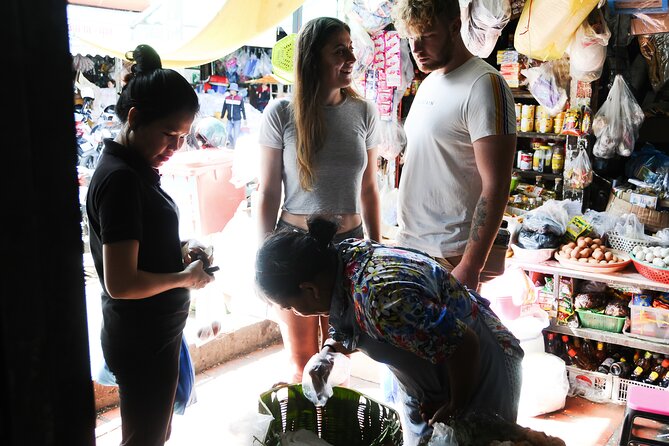
Cooking ends around noon in the morning session and 6:00 p.m. in the afternoon session. You then sit down to eat the three dishes you made.
This is the satisfying part of the class, but it also gives you a chance to judge your own work. The food is fresh, served soon after preparation, and tailored by your own hands. If your curry is too sweet or your vegetables are unevenly cut, that becomes part of the lesson rather than a failure.
The dining setup is comfortable, and the school has been praised for its pleasant surroundings and professional staff. Music and a relaxed atmosphere can make the cooking feel more like a meal with friends than a formal lesson.
If you book alone, the meal may feel less social. A solo participant asked if a driver could join for dinner and was told no, so you should not count on bringing someone who is not part of the booking. For couples, families, and friends, the private format should feel more natural.
At the end, you receive a certificate and take-home recipes. A photo session is also included. The recipes are one of the most practical souvenirs because they let you repeat the dishes for friends and family instead of leaving the experience behind in Phnom Penh.
Timing, group size, and comfort
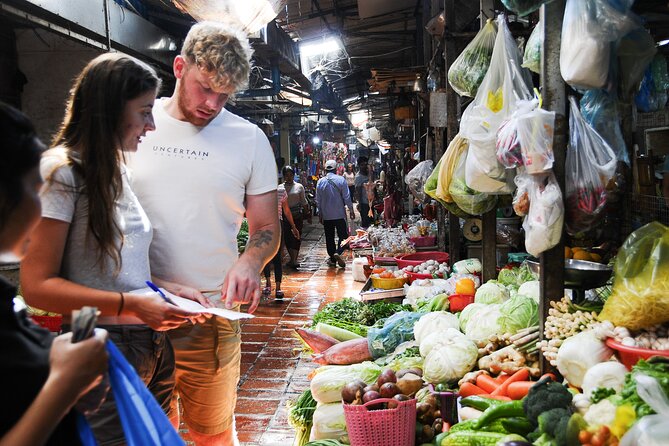
The advertised duration is about four hours. The schedule gives you a clear idea of the flow:
- 9:00 a.m. or 3:00 p.m.: Meet at Banana Cooking Class
- About 10:00 a.m. or 4:00 p.m.: Return from the market
- 10:15 a.m. or 4:15 p.m.: Drink, cold towel, and recipes
- 10:30 a.m. or 4:30 p.m.: Cooking demonstration
- 11:00 a.m. or 5:00 p.m.: Hands-on cooking
- Noon or 6:00 p.m.: Lunch or dinner, certificate, and photos
The schedule is useful when planning the rest of your day. The morning option leaves the afternoon open. The afternoon class is a good choice if you want to sightsee first and end the day with a meal you prepared yourself.
The activity is private, but private does not always mean a one-on-one class. Your booking includes only your own group, and group size can vary. Some sessions have been very small, including one or two students. That allows close instruction, though a solo participant should expect a quieter meal.
The class is near public transportation, and the experience ends back at the meeting point. Confirmation is provided when you book. You can cancel for a full refund if you do so at least 24 hours before the start time. Cancellations or changes inside that window are not refunded or accepted.
Who will enjoy this most
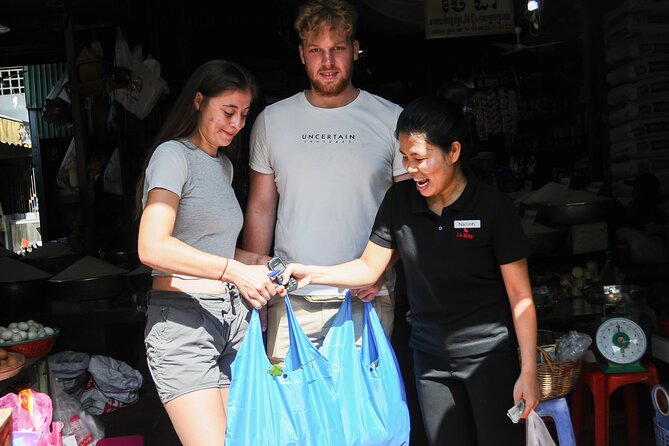
I would recommend this class to anyone who likes food and wants an activity with real participation. You get market shopping, transport, instruction, cooking, and a sit-down meal in one half-day.
It is particularly good for:
- Couples seeking a relaxed shared activity
- Families with children who enjoy hands-on tasks
- Solo cooks who value direct instruction
- People curious about Cambodian food beyond restaurant menus
- Home cooks who want recipes and substitution advice
- Visitors who prefer a small private activity to a large group tour
It may be less suitable if you dislike markets, strong food smells, or cooking in warm conditions. You should also avoid booking it only for a social group atmosphere, since the class can be very small and solo bookings may include a meal eaten alone.
Is the $31 price worth it?
Yes, for most people. The fee covers much more than a short demonstration. You receive a tuk-tuk ride, a guided market visit, fresh ingredients, a private lesson, your own cooking station, three dishes, a full meal, recipes, a certificate, and photographs.
The best value comes from the teaching. A restaurant meal might cost less, but it will not show you how to choose herbs, prepare curry, manage a wok, or adapt ingredients at home. You are paying for a skill you can carry with you.
The price also compares well with the time involved. Four hours is long enough to make the class feel worthwhile without taking an entire day from your Phnom Penh plans. If you are deciding between this and another food activity, choose this one if you want to cook rather than simply taste.
Should you book the Khmer Cooking Class?
Book it if you want a friendly, practical introduction to Khmer food and like the idea of eating a meal you prepared yourself. The market visit, individual cooking station, patient instruction from chefs such as Lom Ang and Sophen, and useful take-home recipes make this more than a quick tourist demonstration.
Think twice if you need a guaranteed menu, dislike sweet desserts, or are booking alone mainly for company at dinner. For everyone else, $31 buys a well-filled half-day with local shopping, tuk-tuk transport, three dishes, and skills you can use long after leaving Cambodia.
FAQ
Where does the Khmer cooking class begin?
It begins at Banana Cooking Class, 4b Abdul Carime Street (21), Phnom Penh, Cambodia.
How long does the cooking class last?
The class lasts approximately four hours.
What time does the morning class start?
The morning class starts at 9:00 a.m.
What time does the afternoon class start?
The afternoon class starts at 3:00 p.m.
Is transportation to the market included?
Yes. The itinerary includes a tuk-tuk ride from Banana Cooking Class to the local market and a return ride.
What happens at the market?
The chef shows you Cambodian fruits, vegetables, and spices while you help collect the fresh ingredients used in the class.
How many dishes will I prepare?
You will prepare and eat three traditional Cambodian dishes.
Does each student have an individual cooking station?
Yes. Each student has an individual cooking station and wok, with assistance from the chef.
Do I receive recipes to take home?
Yes. Recipes and an ingredient list are provided so you can recreate the dishes later.
Is the activity private?
Yes. Only your own group participates in the activity.
Is cancellation free?
You can receive a full refund if you cancel at least 24 hours before the experience start time. Cancellations within 24 hours are not refunded.
Newest reviews from Phnom Penh
- 10 Day Ethical Animals Tour Where the Wild Things Roam★ 5.0 · 1 review
- Watch Khmer Kickboxing with Free Beers by Ringside Seats★ 5.0 · 11 reviews
- The killing field and Toul Sleng Genocide museum (S21) Tour★ 4.5 · 19 reviews
- Watch Live Khmer Traditional boxing in Phnom Penh★ 5.0 · 46 reviews
- Private Transfer from Phnom Penh to Siem Reap by VIP Alphard 2005★ 5.0 · 2 reviews
- Warm Stone Massage★ 5.0 · 23 reviews
- S-21 Prison and Killing Fields★ 5.0 · 8 reviews
- Private Taxi Between Phnom Penh – Siem Reap Stop Sightseeing★ 5.0 · 23 reviews
Cooking Classes, compared.
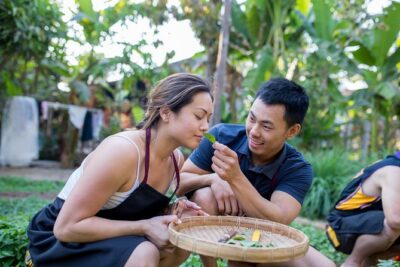
Khmer Cooking Class at a Local’s Home in Krong Siem Reap
Read our review →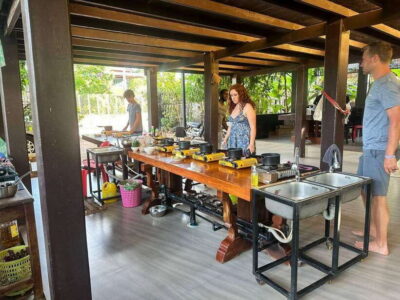
Award-Winning Cooking Class Experience with Professional Teacher
Read our review →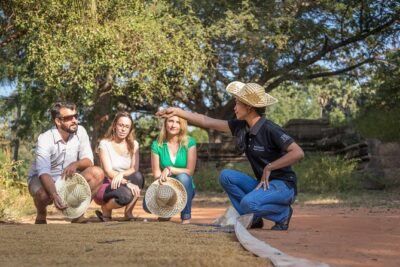
Browse the lists this tour appears in