
Reviewed · COOKING CLASSES
Cambodian Cooking Class from Siem Reap
Food opens doors. This half-day Cambodian cooking class takes you beyond Siem Reap’s main streets and into village life, where you learn about Khmer ingredients, visit a local home, and cook a full meal beside a quiet pond. I especially like the small groups of no more than six and the way every person gets a private cooking station, rather than simply watching a demonstration.
I also like the market and garden focus, which gives meaning to the ingredients before you start chopping. You may meet guides such as Sophia, Sophie, or Sopheap, all praised for clear English and patient help. The main drawback is practical: the outdoor setting can feel hot, especially on warmer days, and the short village walk has limited shade. Bring a hat and wear comfortable shoes.
In This Review
- Key points at a glance
- Leaving Siem Reap by tuk tuk
- Starting with a market visit
- Visiting a Khmer family home and garden
- Cooking beside the pond
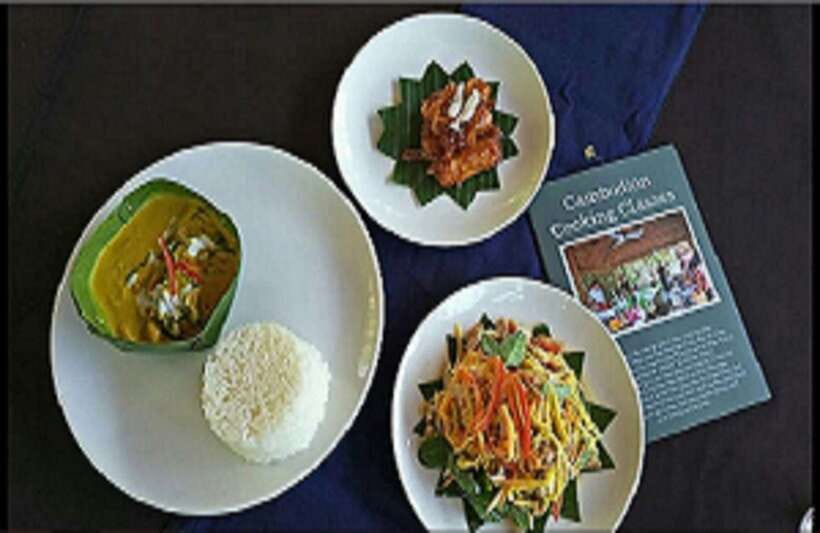
- Morning menu: mango salad, fish amok, and sticky rice
- Afternoon menu: sugar cane fish, curry, and brandy snaps
- Sitting down to eat what you made
- What the $32 price really covers
- Guides, chefs, and the human side
- Who should book this class?
- Practical advice before you go
- Should you book it?
- FAQ
- How long does the Cambodian cooking class last?
- How much does the cooking class cost?
- What language is the class conducted in?
- Is tuk tuk transportation included?
- How many people can join the class?
- Do I need cooking experience?
- What dishes are included in the morning class?
- What dishes are included in the afternoon class?
- Is food and a drink included?
- Can children join the cooking class?
Key points at a glance
- A real hands-on class: You prepare the dishes yourself at your own station, with equipment and direct help from the chef.
- A market and village connection: Depending on the day’s arrangement, you may begin by exploring a local market, then visit a Khmer family home, kitchen, and vegetable garden.
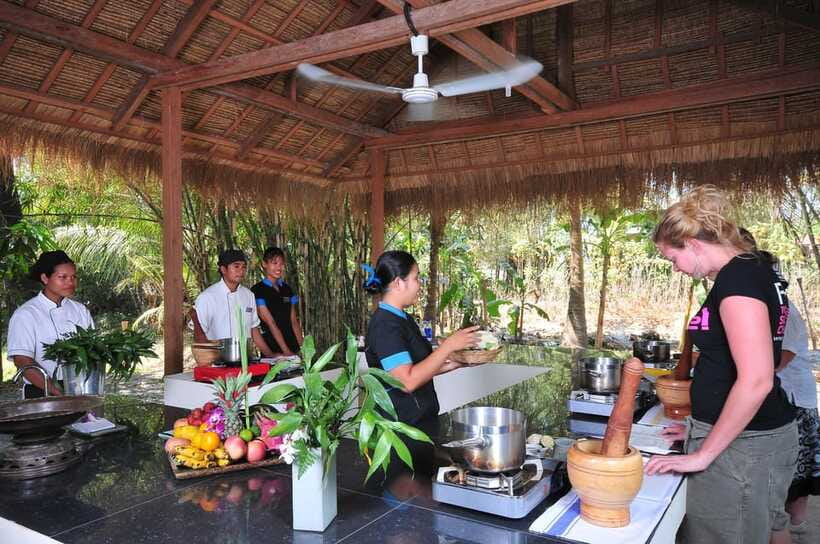
- A peaceful cooking setting: The class takes place in an open wooden pavilion beside a pond, often with turtles in the water.
- Classic Khmer dishes: Morning classes may include mango salad, fish amok, and sticky rice balls. Afternoon classes may feature minced fish on sugar cane, Cambodian curry, and Khmer brandy snaps.
- A useful take-home gift: The recipe booklet includes the dishes you prepare plus additional Cambodian recipes.
- Good value for a half-day: For $32, you receive tuk tuk transport, instruction, a village visit, a drink, lunch, and recipes.
Leaving Siem Reap by tuk tuk
The experience begins with pickup from your hotel in Siem Reap. You travel by tuk tuk toward a rural village outside the city, often using smaller roads that give you a look at everyday Cambodia away from the main sightseeing circuit.
The ride is part of the appeal. It is not just a transfer to a cooking school. You get a short change of scene, from central Siem Reap to a quieter setting with village homes, gardens, and open countryside. One reported ride lasted about 20 minutes, though your exact timing will depend on your hotel and the day’s route.
The tuk tuk brings you to the class area, and transport is included back to the centrally located Beyond office after the meal. That last detail matters. The return is not described as hotel drop-off, so you should be prepared to make your own way onward from the office.
More Cooking Classes in Siem Reap
- Khmer Cooking Class at a Local’s Home in Krong Siem Reap
★ 5.0 · 2,731 reviews - Siem Reap: Khmer Cooking Class at a Local’s Home
★ 5.0 · 1,108 reviews - Award-Winning Cooking Class Experience with Professional Teacher
★ 5.0 · 745 reviews
Starting with a market visit
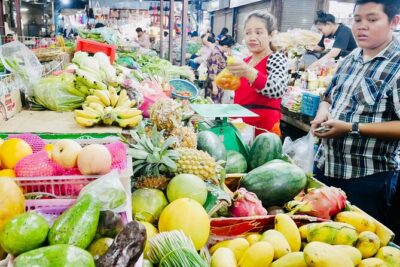
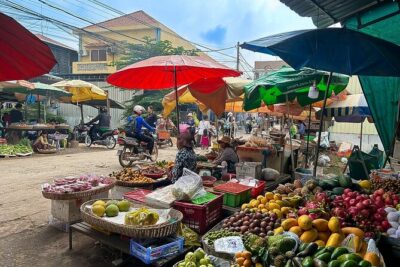
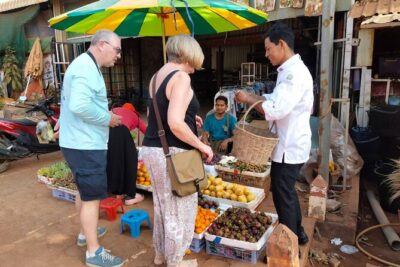
Several recent class arrangements begin at a local market, where your guide introduces the produce and ingredients used in the recipes. This is one of the most useful parts of the morning because Cambodian cooking can be hard to understand when you only see finished dishes on a restaurant menu.
You may smell leaves, herbs, spices, fruit, and other ingredients before using them at the cooking station. Guides have also helped participants identify unfamiliar produce and try local treats. If you are curious about something at the market, ask. The guides have been praised for taking time to explain unusual ingredients and even helping people buy items they want to taste.
The market visit also gives you a clearer idea of how Cambodian food is built. Khmer dishes often rely on layers of fragrant ingredients rather than the strong heat associated with some neighboring cuisines. The food uses spices, but it is generally not as hot as Thai cooking.
The market can be a lively sensory stop, but it is not a polished food tour with a long formal lecture. You walk, look, smell, and ask questions. The pace is informal, which suits the cooking class well.
Visiting a Khmer family home and garden
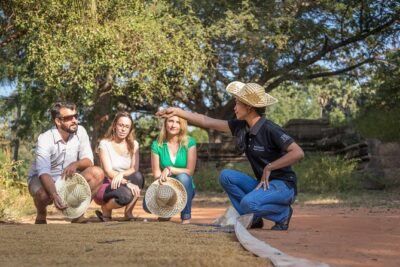
The village portion continues with a visit to a local family. You learn how food preparation works in a Khmer household and see the home kitchen and vegetable garden. You may also hear about herbs and vegetables grown around village homes for daily use.
This is where the experience gains its cultural value. You are not simply handed a recipe card and asked to copy a chef. You get a small glimpse of how food fits into home life, local work, and family routines.
The visit is short, so you should not expect a detailed study of rural Cambodian life. It is better understood as a respectful introduction. The focus remains cooking, and the family visit helps connect the ingredients to the people and place that produce them.
The activity is also linked with an organization that helps local people develop skills and improve their economic prospects. That gives the $32 fee some added purpose, though you should still treat the family visit as a genuine cultural encounter rather than a photo stop.
Cooking beside the pond
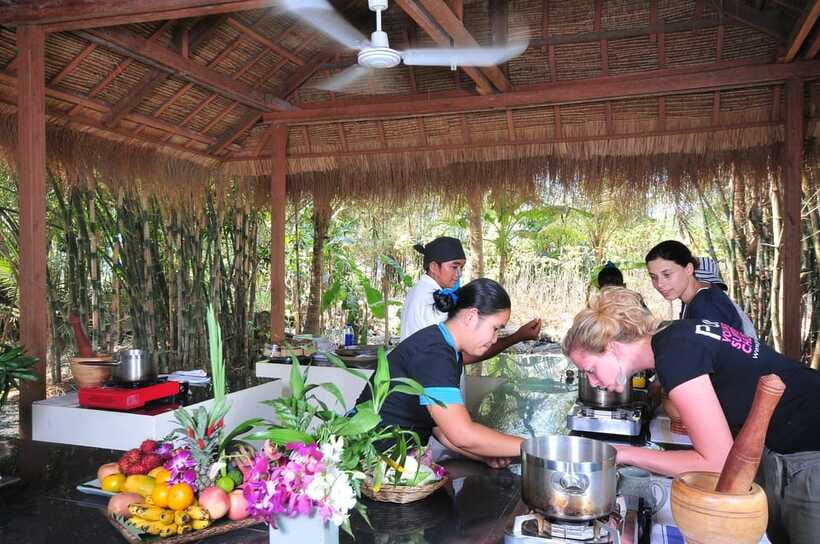
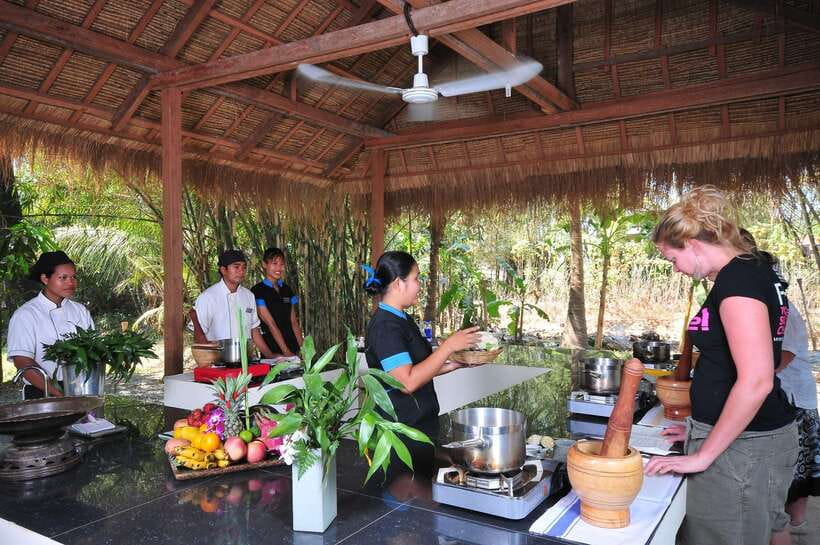
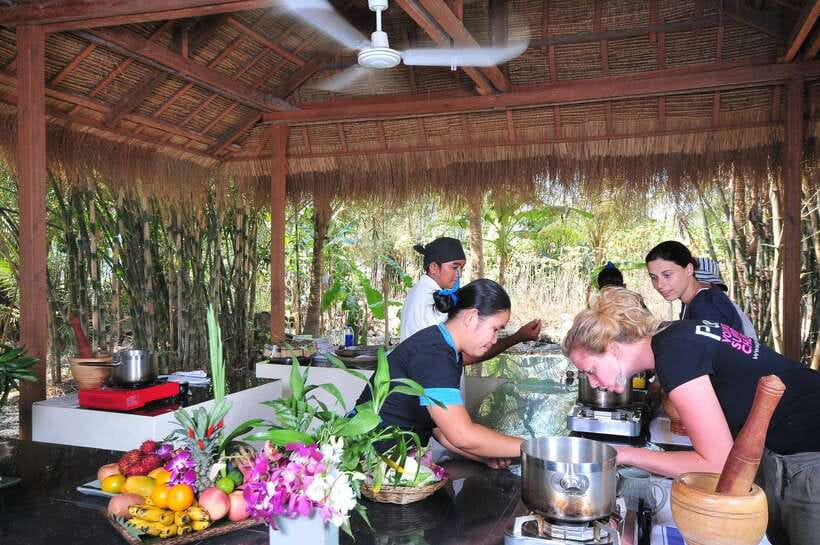
After the village visit, you move to an outdoor pavilion near a pond. The setting is a major part of the experience. You cook under cover, with the water and garden area in front of you, then eat your meal in the same peaceful location.
The kitchen is designed for participation. Each person has an individual station and cooking equipment, so you are not left standing behind a crowd trying to see the chef’s hands. The class size is capped at six, which allows the chef and guide to move around and help when needed.
You do not need special cooking skills. Instructions are given one step at a time, and the class has been described as relaxed and easy to follow. The chefs are patient, and the guides explain both the method and the reason behind the ingredients.
Expect hands-on work such as chopping, mixing, shaping, and preparing curry ingredients. One especially useful technique is making a curry base with a mortar and pestle. You learn how separate herbs and spices become a smooth, fragrant paste, which is the heart of many Cambodian dishes.
The open-air arrangement has one clear trade-off: heat. A previous participant described the class as hot in warmer weather. Wear light clothing, bring water, and use the included drink when you need a break. The pavilion offers cover from the sun, but you should not expect an air-conditioned classroom.
Something completely different for another day:
- Angkor Wat Sunrise or Sunset Tour with Guide from Siem Reap
★ 5.0 · 12,109 reviews - Siem Reap: Angkor Wat: Small-Group Sunrise or Sunset Tour
★ 5.0 · 9,444 reviews - From Siem Reap: Kampong Phluk Floating Village Tour by Boat
★ 4.9 · 6,979 reviews - Sunset tour of Kampong Phluk stilts home village on the Tonle Sap
★ 5.0 · 4,865 reviews
Morning menu: mango salad, fish amok, and sticky rice
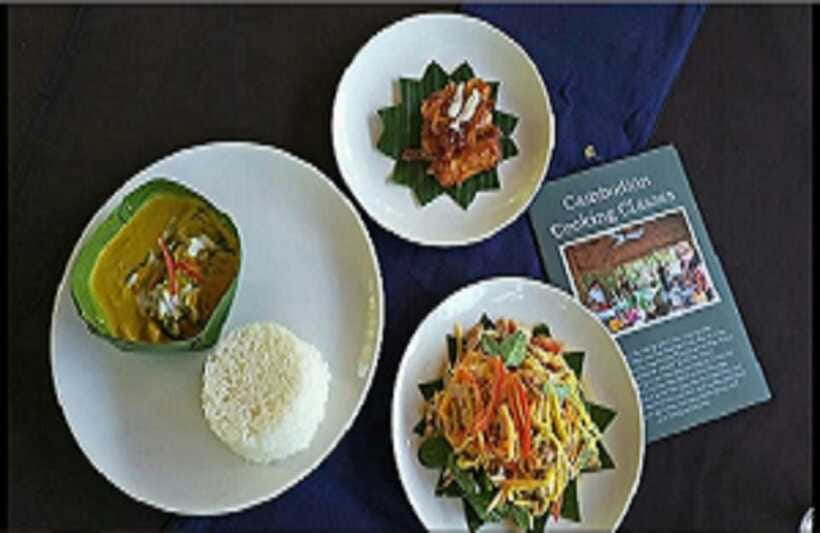
The morning class centers on three familiar Khmer dishes.
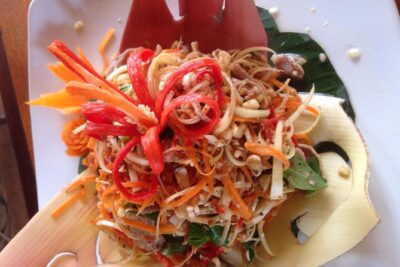
Cambodian mango salad uses fresh, light ingredients and works well as a first dish. It gives you a quick introduction to the balance of crisp texture, fruit, herbs, and seasoning found in Cambodian food.
Fish amok is the signature dish on the menu. Amok is a smooth curry prepared with fish, chicken, or tofu, and the class presents it cooked in a young coconut. The dish is fragrant and gentle rather than fiery, making it a good introduction to Cambodian curry.
You also prepare sticky rice balls with palm sugar and grated young coconut. This dessert shows the sweeter side of Khmer cooking and uses familiar local flavors in a simple form.
The recipes are chosen with home cooking in mind. The chefs explain possible substitutions for ingredients that may be hard to find outside Cambodia. That advice is important. A recipe is much more useful when you know what to do if a particular leaf, spice, or type of fish is unavailable.
Afternoon menu: sugar cane fish, curry, and brandy snaps
The afternoon menu offers a different group of dishes.
Prahet Chien is minced fish formed on sugar cane. The sugar cane adds an attractive presentation and a subtle sweetness, while the fish provides a savory center.
Cambodian curry gives you another look at Khmer spice blends. Unlike many Thai curries, Cambodian food usually builds flavor without relying on intense chili heat. The lesson is less about setting your mouth on fire and more about combining fragrant spices in the right order.
For dessert, you make Nom Tong Noun, a Khmer version of brandy snaps. It is a lightly sweet treat with a crisp texture, a fitting finish to the meal.
You do not choose every dish from a long restaurant-style menu. The class is organized around either the morning or afternoon set. If you have dietary restrictions, tell the operator ahead of time. The class has accommodated different dietary needs, including requests involving fish, meat, and other ingredients, but arrangements should be made before arrival.
Sitting down to eat what you made
Once cooking is finished, you sit in the wooden pavilion and the dishes are served one by one. This makes lunch feel like part of the lesson rather than an afterthought.
Eating in courses helps you compare the results. You can see how a fresh salad balances a creamy curry and how the dessert changes the pace of the meal. The food is prepared from fresh local ingredients, and the dishes are substantial enough that some people have needed containers for leftovers.
A complimentary beer, soft drink, or bottled water is included. One older booking record reported being charged for a beer despite the included-drink information, so it is sensible to confirm what is covered when you arrive. The published details say one drink is included, but personal expenses are not.
The meal is also a useful test of the recipes. Some cooking classes produce food that is difficult to recreate at home because the chef does most of the work. Here, the class is structured so you can understand each stage and leave with a realistic chance of preparing the dishes again.
What the $32 price really covers
At $32 per person, this is a strong value for a 3.5-hour experience. You receive hotel pickup by tuk tuk, transport to the class area, a local market or village introduction depending on the schedule, an English-speaking guide and chef, all cooking equipment, lunch, one drink, and a recipe book.
The value is not just the food. A restaurant meal would cost less in some parts of Cambodia, but it would not include the village walk, family visit, cooking instruction, or transport. You are paying for access and context as much as for lunch.
The small group limit improves the value. With six people or fewer, the chef can correct your technique and answer questions. On quiet days, you might even have a private class. Several solo participants received full attention when no one else had booked that session.
The recipe booklet adds lasting value. It includes more recipes than the dishes prepared during your class, so you can keep exploring Khmer food after leaving Cambodia.
Guides, chefs, and the human side
The staff are central to the experience. Guides including Sophia, Sophie, and Sopheap have been praised for friendly conversation, clear English, humor, and patient explanations. Sophia Lauren received especially warm praise for explaining produce at the market, checking on participants, and keeping the class cheerful without rushing it.
The chefs provide practical instruction rather than a formal culinary lecture. They show you how to handle the ingredients, explain alternatives, and step in when a technique needs help. The small group makes it easier to ask basic questions without feeling embarrassed.
Transport staff also form part of the day. Tuk tuk drivers have been described as punctual and friendly, and the ride helps set a relaxed tone before the cooking begins.
The class is connected with local community support, which may appeal to you if you prefer activities that put money and skills into the local area. Still, the strongest reason to book is the quality of the experience itself: good food, direct participation, and contact with people who know the cuisine from daily life.
Who should book this class?
I would recommend it to anyone who enjoys food but does not want a formal, high-pressure culinary course. You need no previous experience, and the instructions are designed for beginners.
It suits solo visitors particularly well because the group is small and a quiet session may become private. Couples and friends also get enough individual space to cook together without losing personal attention.
Families should note the age rule. Children over 12 can join the regular class. Private family classes may be arranged on request, and past arrangements have included younger children, but you should contact the operator before booking rather than assume a child can attend the standard session.
The class works well early in a Siem Reap stay. You learn what ingredients and dishes to look for at restaurants later, and you gain a better feel for Cambodian food before spending more time in the city.
Practical advice before you go
Wear comfortable shoes for the village walk and market visit. A hat is strongly recommended, and you should expect some heat because the cooking area is outdoors under a covered pavilion.
Tell the operator about dietary restrictions in advance. The class has made changes for different needs, but the more notice you provide, the easier it is to prepare a safe alternative.
The schedule lasts about 3.5 hours, but starting times vary. Check availability for the morning or afternoon session before you book, especially if you are fitting the class around temple visits.
The tour includes a return to the Beyond office, not necessarily to your hotel. Plan your next activity from that central location.
Free cancellation is available up to 24 hours before the class for a full refund. You can also reserve now and pay later, which is useful if your Siem Reap plans are still shifting.
Should you book it?
Book this class if you want more than a recipe demonstration. The best parts are the small group, the market and village setting, the patient staff, and the chance to eat a meal you prepared yourself.
Skip it if you dislike outdoor heat, walking through local markets, or participating in every stage of a meal. This is not a passive lunch. You will chop, stir, shape, taste, and work at the station.
For most people, $32 is fair value for the transport, instruction, meal, drink, and cultural introduction. If you want to understand Cambodian food instead of simply ordering it, this is one of the better half-day activities available from Siem Reap.
FAQ
How long does the Cambodian cooking class last?
The activity lasts approximately 3.5 hours.
How much does the cooking class cost?
The price is $32 per person.
What language is the class conducted in?
The live guide and cooking instruction are provided in English.
Is tuk tuk transportation included?
Yes. Tuk tuk pickup from your hotel to the cooking venue is included. The return is provided to the centrally located Beyond office at the end of the tour.
How many people can join the class?
Each class is capped at a maximum of six participants.
Do I need cooking experience?
No. The class is hands-on but suitable for people without particular cooking skills. The chef and guide provide step-by-step help.
What dishes are included in the morning class?
The morning menu may include Cambodian mango salad, fish amok, and sticky rice balls with palm sugar and grated young coconut.
What dishes are included in the afternoon class?
The afternoon menu may include Prahet Chien, minced fish on sugar cane, Cambodian curry, and Nom Tong Noun, a Khmer brandy snap dessert.
Is food and a drink included?
Yes. Lunch consists of the food you prepare, and one complimentary beer, soft drink, or bottled water is included.
Can children join the cooking class?
Children above 12 can join the regular class. Private classes for families may be arranged on request.
Newest reviews from Siem Reap
- War Museum, Killing Field, and APOPO Hero RATs Tour★ 5.0 · 7 reviews
- Angkor Wat at Sunrise★ 4.0 · 7 reviews
- Siem Reap Angkor Airport Taxis (from Airport to Hotel)★ 5.0 · 44 reviews
- Cambodian Cooking Class and Oxcart Ride with Local Village Tour★ 5.0 · 4 reviews
- Secret Temples of Angkor – Guided Tour in Siem Reap★ 5.0 · 6 reviews
- Short Cycling at Countryside★ 5.0 · 29 reviews
- SIEM REAP E-BIKE HALF-DAY COUNTRYSIDE (25-30 km)★ 4.0 · 1 review
- Unveiling the Mystical Beauty of Phnom Kulen National Park★ 5.0 · 6 reviews
Cooking Classes, compared.
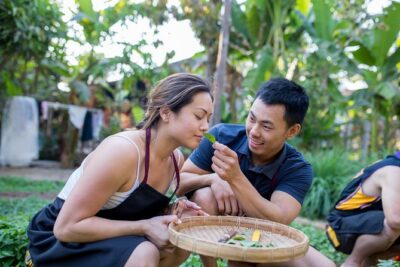
Khmer Cooking Class at a Local’s Home in Krong Siem Reap
Read our review →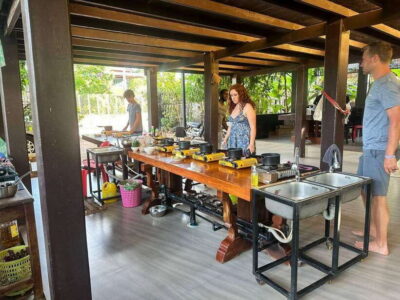
Award-Winning Cooking Class Experience with Professional Teacher
Read our review →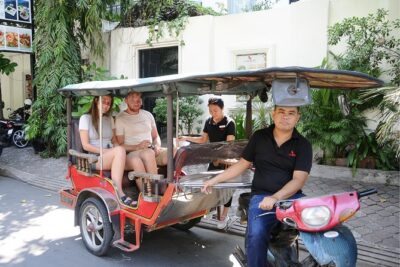
Browse the lists this tour appears in