
Reviewed · COOKING CLASSES
Battambang: Cooking Class and Market Touring
Start with the market, not the menu. This four-hour experience gives you a friendly introduction to Khmer food through a local market visit, a tuk-tuk ride, and hands-on cooking in a family home. I like the way you choose the ingredients before learning to use them, and I like that you prepare three complete dishes, including a dessert, rather than watching a quick demonstration.
The class costs $25 per person, which is fair for hotel pickup, transport, a market tour with an English-speaking guide, a welcome drink, instruction, and a meal. The main consideration is that the day begins with a 9:30 AM pickup and the class takes four hours, so it fills a good part of your morning. Also, the available feedback supplied for this booking contains comments about a separate Phnom Penh walking tour, so I would not use those guide names or sightseeing claims to judge this Battambang cooking experience.
In This Review
- Key points at a glance
- Why this class works well in Battambang
- The 9:30 AM tuk-tuk pickup
- Choosing ingredients at a local market
- Cooking in a local home
- What you actually eat
- Is $25 good value?
- Who should book this experience?
- What the available feedback can and cannot tell you
- Booking and cancellation tips
- Should you book the Battambang cooking class?
- FAQ
- How long does the Battambang cooking class last?
- What time does hotel pickup begin?
- Is tuk-tuk transportation included?
- What does the cooking class include?
- Is a vegetarian option available?
- Is the class taught in English?
- Are drinks and personal expenses included?
Key points at a glance
- Fresh ingredients come first: You visit a local market and help select the produce used in class.
- Three dishes, not just a sample: You prepare two savory Khmer dishes and one sweet dessert.
- A real local setting: The lesson takes place in your host’s home rather than a formal restaurant kitchen.
- Tuk-tuk transport is included: Pickup and return to your hotel make the morning simple.
- Vegetarians can join: A vegetarian option is available, but mention your preference when booking.
- Good value at $25: The price covers transport, guiding, instruction, ingredients, and your three-course meal.
Why this class works well in Battambang
Battambang is a good place for a food class because the experience can feel tied to ordinary local life rather than built around a polished tourist venue. Here, the market is part of the lesson. You see the raw materials, ask questions through your English-speaking guide, and then watch those ingredients change into finished dishes.
That order matters. A cooking demonstration often gives you a plate and a recipe. This experience gives you the small decisions behind the plate: what looks fresh, how ingredients are selected, and how a Cambodian meal comes together.
I also like the balance of activity. You are not sitting in one room for four hours. The tuk-tuk ride gets you moving, the market gives you a short cultural outing, and the home kitchen gives you a practical task. Then you eat what you made. It is a simple formula, but it works.
Do not expect a grand culinary school with rows of stainless-steel workstations. The appeal is the home setting and the personal instruction. If you want a formal cooking studio, this may feel basic. If you want a closer look at food as it is prepared in a local household, the setting is the point.
More Cooking Classes in Battambang:
- Battambang: Cooking Class and Market Touring
★ 5.0 · 29 reviews - Khmer Cooking Class at a Local’s Home in Krong Siem Reap
★ 5.0 · 2,731 reviews - Siem Reap: Khmer Cooking Class at a Local’s Home
★ 5.0 · 1,108 reviews
The 9:30 AM tuk-tuk pickup
Your morning starts with hotel pickup at 9:30 AM. Be ready 15 minutes early, since the transport is included and the activity has a fixed schedule. The tuk-tuk ride is not merely a transfer. It gives you an early look at Battambang from an open-sided seat and adds a distinctly Cambodian touch to the morning.
Tuk-tuks are practical here, especially for a short outing. You avoid arranging separate transport to the market or trying to find the host’s home yourself. At the end of the class, the same basic arrangement takes you back to your hotel.
The exact pickup time is important if you are planning other activities later. The class lasts four hours, so a 9:30 AM start takes you to about 1:30 PM. Add a little flexibility for the final return and you have most of the morning and part of the early afternoon committed.
The provided details do not state the group size, the exact pickup radius, or the dishes offered on a particular date. I would confirm those points if they matter to your planning. The important fixed facts are clear: pickup is included, English is the teaching language, and the starting time is 9:30 AM.
Choosing ingredients at a local market
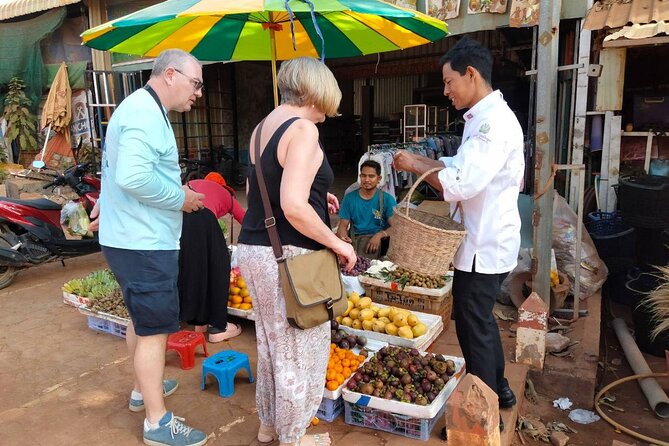
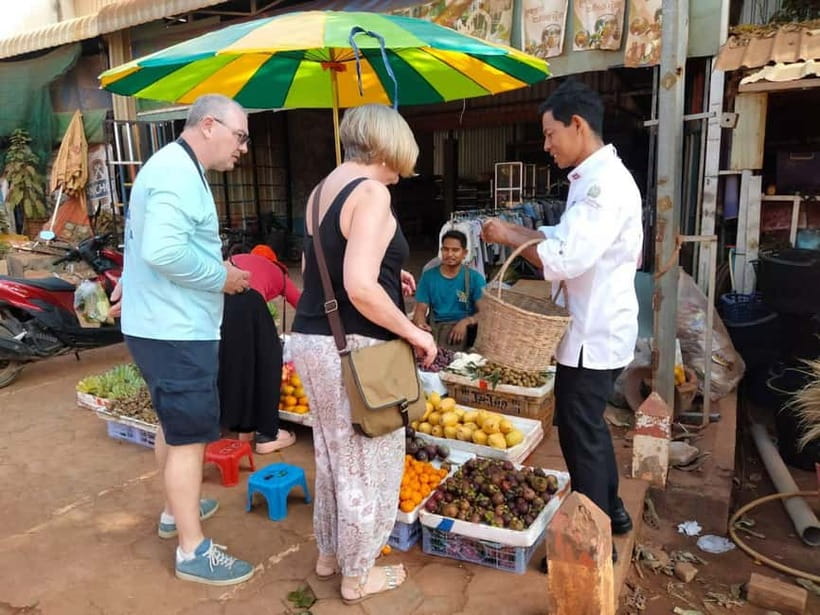
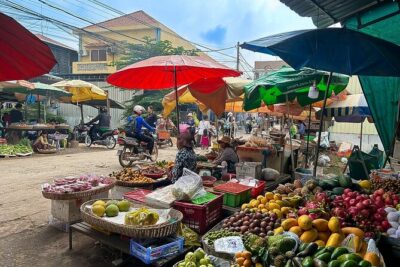
The market visit is the best part for anyone who wants context with their meal. You walk through local stalls with a guide, meet sellers, and help choose the ingredients for the cooking session. This turns shopping into a useful lesson instead of a quick stop for photographs.
Markets can be busy, warm, and crowded. That is part of their value, but it also means you should wear light clothing and comfortable shoes. Keep your belongings close, and expect the experience to be more active than a quiet guided tour.
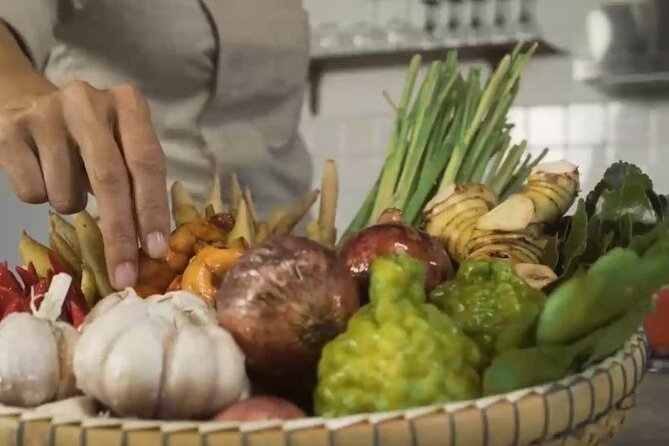
You will see food before it is cleaned, chopped, seasoned, and cooked. That helps you understand Cambodian dishes in a way a restaurant meal cannot. Colorful ingredients make more sense when you know where they came from and how they are handled.
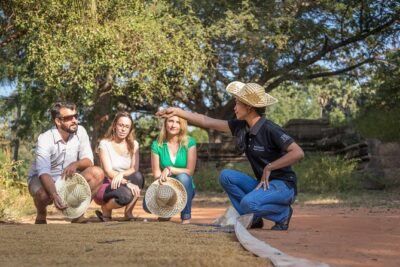
The market portion is also a chance to ask questions. You can find out what an ingredient is called, how it is used, and why it belongs in a certain dish. Since the guide speaks English, you should be able to follow the explanation and take part in choosing the food.
One limitation is that the details do not name the market or list the ingredients. That means you should not book this expecting a particular market specialty or a fixed shopping list. The benefit is a more flexible outing, but anyone with a very specific culinary goal should ask in advance.
Cooking in a local home
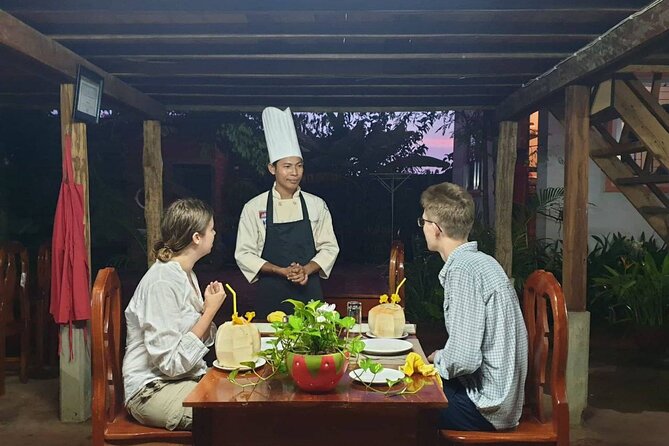
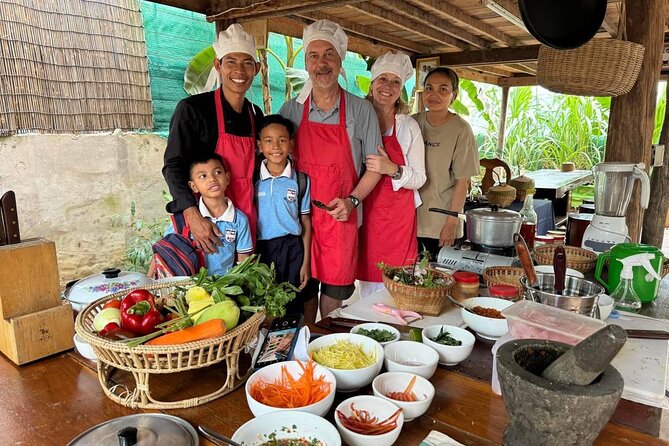
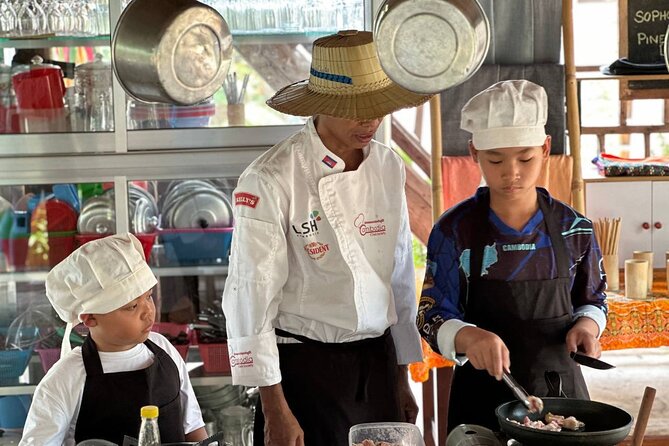
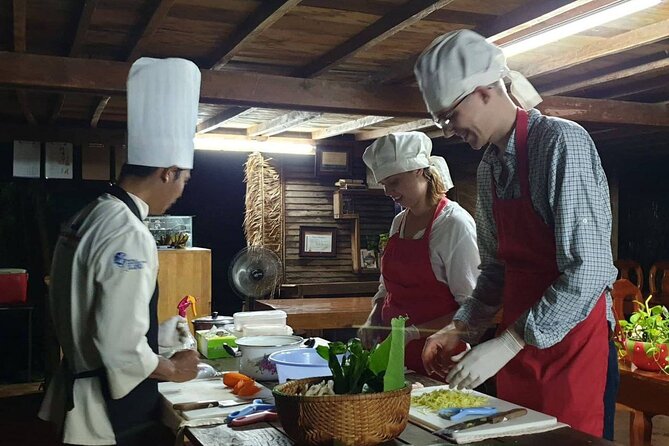
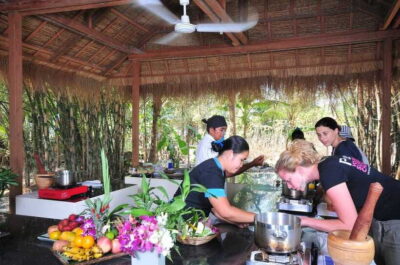
After the market, you go to the host’s home for the class. This changes the tone from sightseeing to participation. You are not only watching a professional chef work at speed. You are rolling up your sleeves and learning the basic steps from a local cooking teacher.
The class includes two savory dishes and one sweet dessert. The exact recipes are not provided, so you should think of this as an introduction to Khmer home cooking rather than a guaranteed lesson in three named dishes.
That uncertainty is worth noting, but it is not necessarily a weakness. Popular Cambodian dishes vary by season, available ingredients, and the teacher’s own kitchen traditions. The market visit suggests that the food is built around what is fresh that day.
You should expect instruction aimed at helping you repeat the recipes, not a highly technical chef’s course. The teacher shows you straightforward methods and offers practical tips. For most people, that is exactly what makes a holiday cooking class useful. You want to remember the steps once you are back home, not master restaurant-level knife work in one morning.
A welcome drink is included before or during the class. Alcoholic drinks and other beverages are not included, so budget separately if you want anything beyond the provided drink and meal.
More Market Tours in Battambang:
- Kampot: Tuk Tuk Trip to Pepper Farm, Kep, Crab Market & More
★ 4.9 · 143 reviews - Phnom Penh’s Morning Market and Street Art Tour by Tuk tuk
★ 5.0 · 128 reviews - Phnom Penh Morning Market & Food Tour by Tuktuk – Includes All Food & Drinks!
★ 5.0 · 99 reviews - KAMPOT TRAVEL-Pepper farm. Cave.Secret lake-Crab market & Salt…
★ 5.0 · 87 reviews
What you actually eat
The reward comes after the preparation. You sit down and eat the three-course meal you helped make. This is more satisfying than receiving food prepared entirely by someone else, because you have seen each stage from market stall to plate.
The meal includes two savory dishes and one sweet dessert. That gives you a rounded taste of the cooking session, with more variety than a single recipe lesson. It also makes the $25 price easier to assess: you are paying for an activity and a meal, not just a short class.
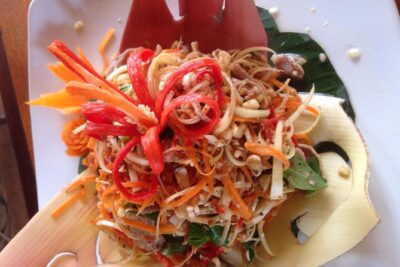
Cambodian cooking is often appreciated for its balance of flavors and its colorful ingredients. The class is designed to show you how those elements work together. Your teacher can explain the role of the ingredients as you prepare them, and you can taste the results at the table.
Food restrictions deserve attention. A vegetarian option is available, which makes the experience suitable for vegetarians. The information does not specify vegan, gluten-free, nut-free, or allergy procedures, so you should contact the operator before booking if you have a serious allergy or a strict dietary requirement.
The meal is likely to be the social heart of the morning. In a home setting, eating together feels less staged than a restaurant stop. Still, the information does not say how long the meal lasts or whether recipes are provided to take home. If recipe cards matter to you, ask before the class.
Is $25 good value?
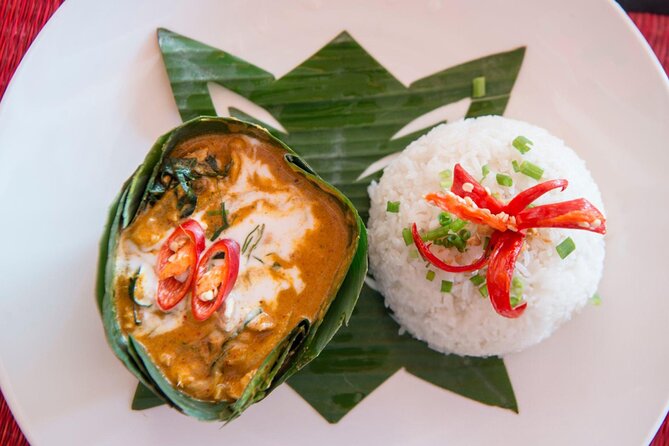
At $25 per person, this is a strong value if you want several small experiences in one morning. You receive hotel pickup and drop-off, tuk-tuk transport, a guided market visit, a welcome drink, instruction, preparation of three dishes, and the meal itself.
The value improves if you are staying in Battambang only briefly. Instead of paying separately for transport, finding a market on your own, buying ingredients, and arranging a cooking lesson, you handle those pieces in one booking.
The price is less attractive if you only want to eat Cambodian food. Battambang has other ways to enjoy a meal for less money. This class earns its cost through participation, local contact, and the chance to learn recipes you can use later.
You should also remember that personal expenses, alcoholic drinks, and extra beverages are not included. The supplied information does not mention shopping at the market, so do not assume you will buy ingredients or souvenirs there as part of the tour.
For a four-hour activity, I would call $25 reasonable and easy to justify, especially for solo visitors or couples who want a structured morning. Families and small groups may find it even more useful because the transport and teaching are arranged in one package.
Who should book this experience?
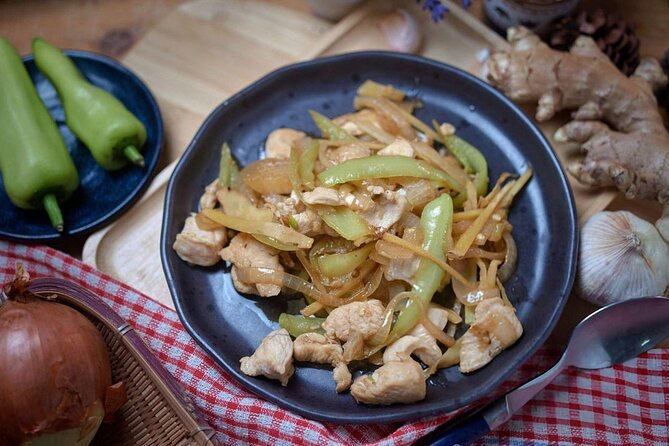
I would recommend this class to first-time visitors who want a gentle introduction to Cambodian food. You get a little transport, a little market life, a little conversation, and a full meal without having to organize the pieces yourself.
It suits people who learn by doing. If you enjoy chopping, mixing, tasting, and asking questions, you will get more from it than someone who prefers to sit back and watch. It also works well for couples, friends, and families who want an activity they can share.
Vegetarians have a clear reason to consider it, since an alternative menu is available. Still, communicate your needs ahead of time rather than waiting until the market visit.
This may not suit you if you dislike warm markets, open-air transport, or informal home settings. You may also prefer another activity if your main goal is an advanced lesson, a fixed set of famous recipes, or a professional kitchen.
The four-hour length is manageable, but the morning is not passive. You will move from hotel to market to home kitchen and back again. Wear comfortable clothes and shoes that can handle a market walk and a cooking session.
What the available feedback can and cannot tell you
The supplied comments praise guides named Vichet, Martin, Ka, Kom, Hai, Sovann, and Vichheka for a Phnom Penh walking tour. Those comments describe city walks, street food, history, railway stops, and local neighborhoods. They do not describe this Battambang cooking class, so I would not treat them as evidence about this activity’s teacher or route.
That mismatch is worth pointing out because guide quality matters in a hands-on class. The booking information confirms an English-speaking instructor, but it does not provide the instructor’s name or the class size. You can ask for those details before paying if personal instruction is important to you.
The broader pattern in the supplied feedback is that warm, attentive guiding makes a major difference in Cambodian experiences. That is useful general advice, but it should not be confused with a direct assessment of this particular kitchen session.
Booking and cancellation tips
You can cancel up to 24 hours before the activity for a full refund. You can also reserve now and pay later, which helps if your Battambang schedule may change.
Check availability for the available starting time, then plan around the stated 9:30 AM pickup. Be ready 15 minutes early. Since hotel pickup is included, give accurate accommodation details when booking and confirm the meeting point if your hotel has more than one entrance.
Before you go, confirm the three recipes if you have a particular dish in mind. You should also mention vegetarian needs and ask about other dietary restrictions. The class is conducted in English, so it is best suited to people comfortable following spoken instruction in that language.
Should you book the Battambang cooking class?
Book it if you want to do more than order Khmer food. The market visit gives the meal a local setting, the home kitchen makes the lesson personal, and the three-dish format gives you enough hands-on work to feel involved. At $25, the included transport and food make the package good value.
Skip it if you want a formal culinary school, a named menu guaranteed in advance, or a short activity that leaves your morning open. The class is informal, practical, and tied to the ingredients available for the session.
For most visitors who have four hours to spare in Battambang, I would choose it as an approachable way to meet local food on its own terms. Just confirm the menu, dietary arrangements, and instructor details before booking.
FAQ
How long does the Battambang cooking class last?
The activity lasts four hours, including the market visit, cooking class, meal, and tuk-tuk transportation.
What time does hotel pickup begin?
Hotel pickup starts at 9:30 AM. You should be ready 15 minutes before pickup.
Is tuk-tuk transportation included?
Yes. Hotel pickup and drop-off by traditional tuk-tuk are included.
What does the cooking class include?
You prepare three Khmer dishes: two savory dishes and one sweet dessert. You then sit down and eat the meal you prepared.
Is a vegetarian option available?
Yes. A vegetarian option is available. Mention your dietary preference when booking.
Is the class taught in English?
Yes. The market tour and cooking instruction are provided in English.
Are drinks and personal expenses included?
A welcome drink is included. Alcoholic drinks, additional beverages, and personal expenses are not included.
Newest reviews from Battambang
- Private Taxi Transfer From Battambang – Kampot★ 5.0 · 1 review
- Private Taxi Transfer Battambang from/to Phnom Penh★ 5.0 · 7 reviews
- Private Taxi Transfer From Battambang – Siem Reap City★ 5.0 · 4 reviews
- Afternoon tour to Original Bamboo train. Bat cave. Killing cave★ 5.0 · 25 reviews
- Afternoon Tour BambooTrain & Bat Cave★ 5.0 · 57 reviews
- Private Boat from Battambang to Siem Reap via Tonle Sap Lake★ 4.5 · 3 reviews
- Tuk Tuk Tour (Full-Day)★ 5.0 · 7 reviews
- Private Half-Day Tuk Tuk Tour in Battambang★ 5.0 · 2 reviews
Cooking Classes, compared.
Khmer Cooking Class at a Local’s Home in Krong Siem Reap
Read our review →
Award-Winning Cooking Class Experience with Professional Teacher
Read our review →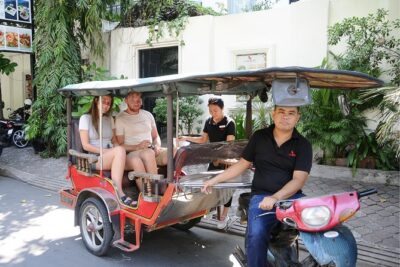
Browse the lists this tour appears in