
Reviewed · COOKING CLASSES
Cooking Class in Phnom Penh
Come hungry and ready to work. Phnom Penh Spice Cooking Class gives you a hands-on introduction to Khmer food, from pounding fresh spices into a paste to grilling Cambodian-style barbecue. I like the small maximum of eight people, which should make it easier to follow each step, and I like that the meal comes with a food presentation rather than ending when the cooking is done. The main consideration is the fixed evening schedule, which runs from 5:00 to about 8:00 p.m. and leaves little room for late arrival.
The $31 price is fair for a three-hour class that includes ingredients, instruction, the food you prepare, coconut water, seasonal fruit, and water, soft drink, or one or two beers with dinner. I also appreciate the balance between practical cooking and cultural background. This is not just a meal with a recipe card attached, but it is still a simple class rather than a full market tour or advanced culinary course.
In This Review
- What Makes This Phnom Penh Cooking Class Worth Your Evening
- Arriving at Phnom Penh Spice
- Cutting and Pounding the Spice Paste
- Seasoning Vegetables and Meat at 5:30
- Steaming the Prepared Food at 6:45
- Cambodian-Style Barbecue at 7:00
- Dessert Before the Final Food Talk
- The 7:30 Presentation on Cambodian Food
- Dinner at 8:00 With Your Own Cooking
- Is $31 a Good Price?
- Who Will Get the Most From This Class?
- Should You Book Phnom Penh Spice Cooking Class?
- FAQ
- Where does the cooking class begin?
- What time does the class start?
- How long does the experience last?
- Where does the class end?
- How many people can join?
- What happens at the beginning?
- Do participants prepare the food themselves?
- Is dinner included?
- Are drinks included?
- Can I cancel for a full refund?
What Makes This Phnom Penh Cooking Class Worth Your Evening
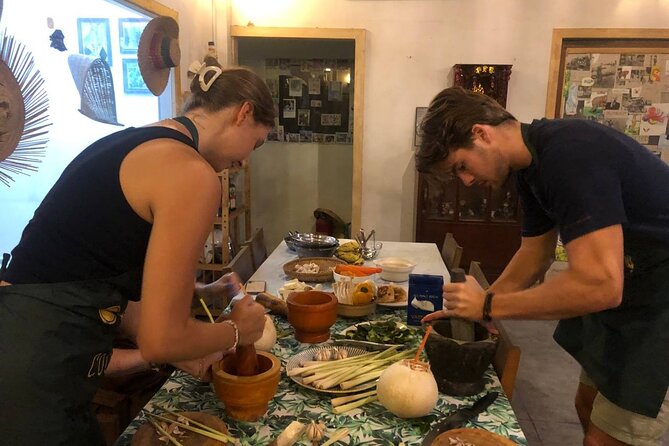
- Fresh spices become the lesson: You cut and pound the seasonings yourself, giving you a direct feel for the base of Khmer cooking.
- The class stays small: With a maximum of eight participants, you should have a better chance to see the demonstrations and take part.
- The meal is built in stages: The schedule moves from spice paste to seasoned vegetables and meat, steaming, barbecue, and dessert.
- Food culture gets its own time: A slide presentation explains the role of rice, fish, herbs, spices, and outside influences on Cambodian cooking.
- Dinner is included: You eat the dishes you helped prepare, with water, a soft drink, and one or two beers included.
- The host is praised for warmth and teaching: Sreng is named in the class correspondence, and the strongest praise centers on excellent hosting, useful information, and delicious food.
Arriving at Phnom Penh Spice
The class begins at 5:00 p.m. at Phnom Penh Spice cooking class, 111, St 1MC, in Phnom Penh. You meet at the venue rather than being collected from a hotel, so allow enough time to reach the address and settle in before the first activity.
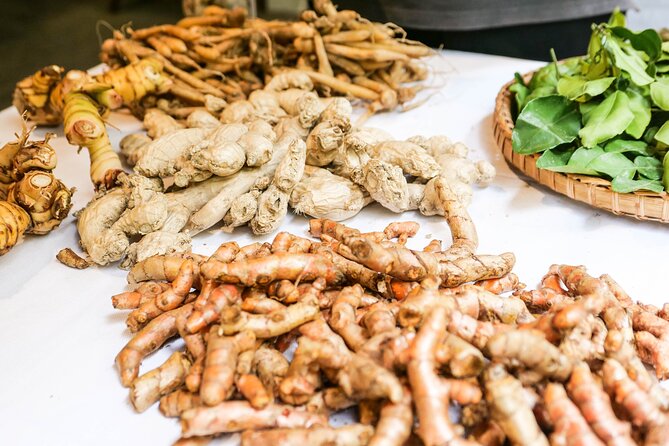
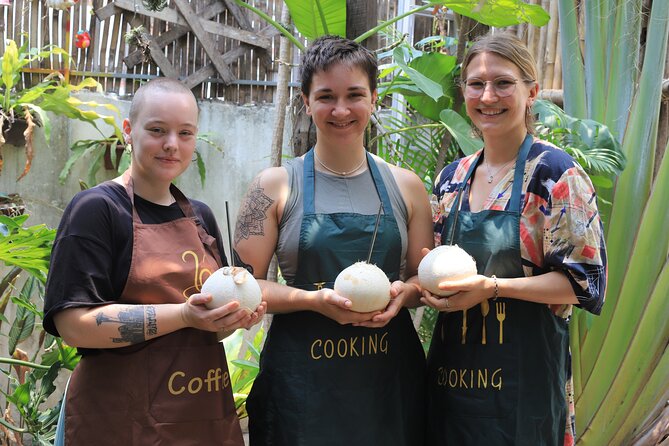
The opening is gentle. You receive coconut water and seasonal fruit while learning about Cambodian spices. This is a useful start because it gives you a little time to get comfortable before the hands-on work begins.
I like that the class starts with ingredients instead of a long lecture. You can see and discuss the seasonings before they become part of a dish. The fruit and coconut water also make the first few minutes feel welcoming, especially if you have been out sightseeing in Phnom Penh during the afternoon.
The meeting point is also the finishing point. No sightseeing stops or transfers are part of the schedule, so you should think of this as a focused cooking evening, not a city tour with food added on.
More Cooking Classes in Phnom Penh:
- Khmer Cooking Class Half Day (AM or PM)
★ 5.0 · 316 reviews - Khmer Cooking Class Full Day
★ 5.0 · 13 reviews - Khmer Cooking Class at a Local’s Home in Krong Siem Reap
★ 5.0 · 2,731 reviews
Cutting and Pounding the Spice Paste
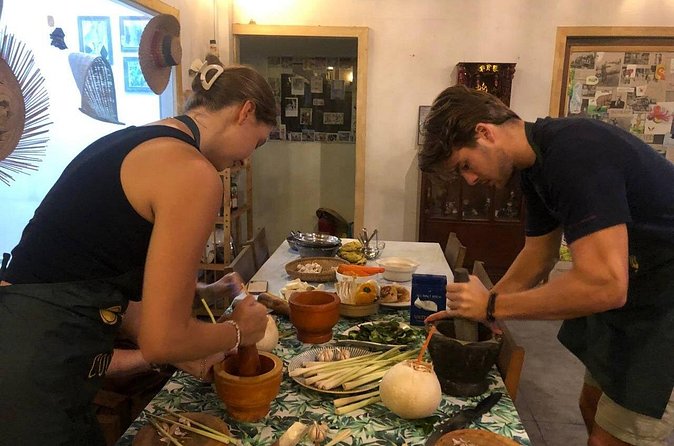
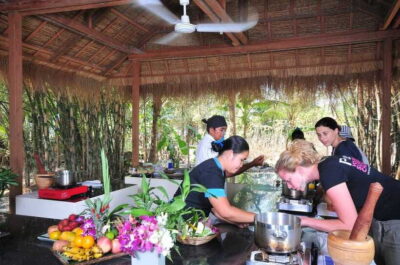
At about 5:15 p.m., you begin cutting spices and pounding them into a paste. This is one of the most useful parts of the class because it shows how flavor is built before meat or vegetables reach the pan, grill, or steamer.
Pounding gives you a better sense of texture than simply watching someone blend ingredients. You notice how the spices change as they break down and combine. The work is basic enough for beginners, but active enough to keep the class from feeling like a demonstration where you sit and watch.
The pace matters here. The class has roughly three hours to cover several dishes, so the instructor needs to keep everyone moving. If you enjoy asking many detailed questions, you may need to choose your moments. With only eight people, though, the group size should help the instructor keep an eye on each participant.
This part also gives you a practical memory to take home. You may forget the exact order of every dish, but the idea of building a paste from fresh spices is easier to remember after you have made it yourself.
Seasoning Vegetables and Meat at 5:30
Around 5:30 p.m., the spice paste is mixed with vegetables and meat. This is where the early preparation begins to make sense. You see how the paste changes the flavor of the main ingredients and how seasoning is spread through the dish.
The class description does not specify the exact meat, vegetables, or recipes offered on a particular night. That is worth keeping in mind if you have a strict diet or want to learn one named Cambodian dish. The focus is clearly on classic Khmer cooking, but the precise menu is not stated.
I would treat this as a strength for people who want a general introduction to Cambodian food. You get a sense of several cooking methods and flavor combinations instead of spending the entire session on one recipe. If your priority is mastering one dish in technical detail, the brisk timetable may feel less satisfying.
The best value comes from taking part at each stage. Ask about the spices as you work, and pay attention to how the instructor explains the balance of flavors. The point is not just to copy movements. It is to understand why the ingredients are combined.
Steaming the Prepared Food at 6:45
At approximately 6:45 p.m., part of the meal goes into steaming. This pause in the hands-on work is useful because it lets the food cook while the class turns to another preparation.
Steaming also shows a side of Cambodian cooking that can be missed if you only think about grilled or stir-fried food. It is a slower, gentler method, and it gives the evening a change of pace after the cutting, pounding, and mixing.
The schedule is tightly arranged. You move from one method to another without a long break, so the class feels active from start to finish. If you prefer a relaxed dinner class with plenty of time between tasks, this may seem a little quick. If you like having several things to do, the steady rhythm should suit you.
Because the food is cooked in stages, you get a better sense of how a Cambodian meal can include different textures and methods. That is more instructive than preparing one item and waiting for it to finish.
A few more options around Phnom Penh worth reading up on
- The Killing Field and Toul Sleng Genocide Museum (S21) Tour
★ 5.0 · 1,977 reviews - Phnom Penh: Sunset Cruise with Unlimited Beers & BBQ Buffet
★ 4.5 · 727 reviews - Aroma Therapy Massage, Relaxation therapeutic aromatherapy oil massages.
★ 5.0 · 645 reviews - Killing field and Toul Sleng genocide museum Tour
★ 5.0 · 610 reviews
Cambodian-Style Barbecue at 7:00
At 7:00 p.m., you make barbecue in a Cambodian style. This adds a grilled element to the steamed food and gives the class another way to understand how seasoning works with meat and vegetables.
The available information does not name the barbecue dish or specify the cooking equipment. You should therefore expect a guided preparation rather than a detailed lesson in grilling technique. The important part is the local approach to seasoning and the chance to cook the food yourself.
This is likely to be one of the more social parts of the evening. Grilling keeps everyone involved, and the smell of food cooking helps mark the shift from preparation to dinner. Still, the class is held in the same Phnom Penh location throughout, so do not book it expecting an outdoor food market or street-food stop.
The barbecue also helps round out the meal. The class is not built around a single soft or steamed dish. By the end, you should have worked with several flavors and textures before sitting down to eat.
Dessert Before the Final Food Talk
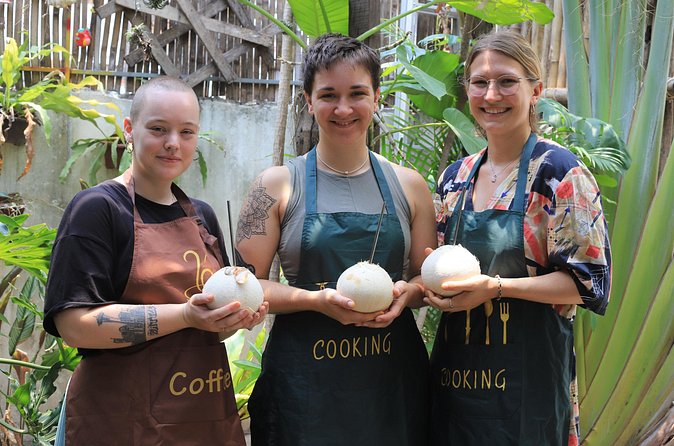
At about 7:15 p.m., the class turns to dessert. This is a welcome choice because Cambodian food is often discussed only in terms of savory dishes, herbs, fish, and rice. Making something sweet gives the meal a fuller finish.
The exact dessert is not provided, so you should not book this expecting a named specialty. What you can count on is a dessert-making step included in the evening schedule, followed by the cultural presentation.
The order is practical. By preparing dessert before the presentation, the class can let the main food finish and bring the evening toward dinner without a long idle period. You continue working, but the pace should feel lighter than the earlier spice preparation.
If you are cooking with children, this may be a particularly appealing part of the class, though the supplied details do not set a minimum age or describe child-specific teaching. For any dietary concern, ask before booking because the menu and substitutions are not specified.
The 7:30 Presentation on Cambodian Food
At 7:30 p.m., the class shifts to a slide presentation about Cambodian food. This is where the cooking connects to everyday life and regional food traditions.
The talk covers the importance of rice and fish, along with the herbs and spices that shape Khmer cooking. It also explains influences from neighboring countries. That context helps you understand that Cambodian food is not a random collection of recipes. Its ingredients reflect local farming, waterways, climate, and long contact with nearby food traditions.
I value this part because it gives meaning to the ingredients you have just handled. You are not only learning how to make a paste or season meat. You are also learning why rice, fish, and aromatic seasonings matter so much in Cambodia.
The presentation is described as general, not as a specialized history lecture. That makes it a good fit for someone new to Cambodian cuisine. If you already have a strong background in Khmer food, you may find the slides introductory. For most first-time visitors, the short talk should add useful context without taking over the evening.
The timing also makes sense. You have already prepared the food, so the information arrives when the ingredients are still fresh in your mind. It is easier to connect the discussion of herbs and spices with the work on your own table.
Dinner at 8:00 With Your Own Cooking
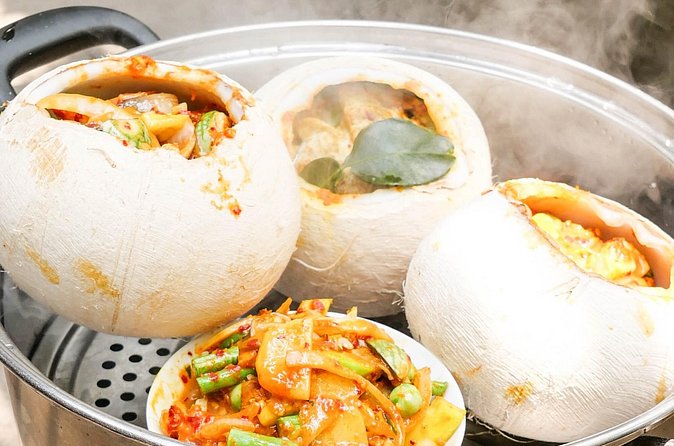
Dinner begins at about 8:00 p.m. You eat the food prepared during the class, which is the payoff for all the cutting, pounding, seasoning, steaming, grilling, and dessert work.
That personal connection matters. A restaurant can serve you an excellent Cambodian meal, but this class lets you taste the result of your own effort. You can compare the different dishes and think back to which spice or cooking step shaped each one.
Water and soft drinks are included, along with one or two beers. The wording allows for one or two beers, so I would not assume an unlimited drinks package. The main value remains the class, ingredients, instruction, and meal rather than the beverages.
The dinner should also give you a chance to talk with the host and other participants. The strongest praise for the class focuses on excellent hosting, useful information, and delicious food. Sreng, the named host contact, responds warmly and highlights the shared energy of preparing food while learning about Cambodia.
Because dinner comes at the end, the three-hour length feels well used. You are not paying for a short cooking demonstration followed by a separate meal. The meal is built into the class and follows the work you have done.
Is $31 a Good Price?
At $31 per person, the class offers reasonable value for a three-hour evening. You receive a welcome drink and fruit, hands-on instruction, ingredients, several cooking stages, a food presentation, dinner, and included drinks.
The small group limit improves that value. A class capped at eight people should provide more direct participation than a large session where you only watch from the back. The exact level of individual attention will depend on the group and instructor, but the limit is a clear advantage.
You are also paying for local interpretation, not just food. The presentation explains rice, fish, herbs, spices, and regional influences, while the cooking shows how those ideas work in practice. That combination makes the class useful for anyone who wants more than a pleasant meal.
The price may feel less worthwhile if you want an all-day market visit, hotel pickup, a named menu, or advanced culinary training. None of those features is included in the supplied details. This is a compact evening activity with a clear focus on Khmer cooking.
Who Will Get the Most From This Class?
I would recommend it to food lovers, first-time visitors to Cambodia, couples, small groups, and anyone who learns best by doing. The mix of cooking and explanation gives you both a practical activity and a better understanding of the food you are eating in Phnom Penh.
It should also suit people who want a social evening without committing to a full-day food program. The 5:00 p.m. start leaves the daytime open, and the class ends back at the meeting point around 8:00 p.m.
You may want to think twice if you need a confirmed vegetarian, vegan, gluten-free, or allergy-friendly menu. The available details do not identify the dishes or list substitutions. Contact the provider before reserving if ingredients are important to your decision.
You should also arrive on time. The class moves from welcome drinks to spice preparation within fifteen minutes, and late arrival could mean missing the foundation of the cooking lesson.
Booking is usually made about seven days ahead, and confirmation arrives within 48 hours, subject to availability. The class accepts a maximum of eight participants, so advance planning is sensible. Free cancellation is available if you cancel at least 24 hours before the 5:00 p.m. start. Inside that window, refunds and changes are not accepted.
Should You Book Phnom Penh Spice Cooking Class?
Book this class if you want a friendly, hands-on introduction to Khmer food in one evening. The best reasons are the small group size, the chance to pound and season your own spices, the included meal, and the short presentation that explains the role of key Cambodian ingredients.
I would skip it only if you need a highly specific menu, extensive market access, transport, or an advanced cooking course. For most people, $31 buys a useful mix of food, instruction, culture, and dinner. Sreng’s warm hosting, along with the praise for the educational content and food, adds confidence that the class is more than a routine meal stop.
FAQ
Where does the cooking class begin?
It begins at Phnom Penh Spice cooking class, 111, St 1MC, Phnom Penh, Cambodia.
What time does the class start?
The class starts at 5:00 p.m.
How long does the experience last?
It lasts approximately three hours and ends around 8:00 p.m.
Where does the class end?
The activity ends back at the meeting point.
How many people can join?
The maximum group size is eight participants.
What happens at the beginning?
You receive coconut water and seasonal fruit, then learn about Cambodian spices.
Do participants prepare the food themselves?
Yes. You cut and pound spices, make a spice paste, mix it with vegetables and meat, prepare steamed food, make Cambodian-style barbecue, and prepare dessert.
Is dinner included?
Yes. You eat the food prepared during the class.
Are drinks included?
Water, a soft drink, and one or two beers are included with dinner.
Can I cancel for a full refund?
Yes. You can receive a full refund if you cancel at least 24 hours before the experience start time. Cancellations within 24 hours are not refunded.
Newest reviews from Phnom Penh
- 10 Day Ethical Animals Tour Where the Wild Things Roam★ 5.0 · 1 review
- Watch Live Khmer Traditional boxing in Phnom Penh★ 5.0 · 46 reviews
- Watch Khmer Kickboxing with Free Beers by Ringside Seats★ 5.0 · 11 reviews
- The killing field and Toul Sleng Genocide museum (S21) Tour★ 4.5 · 19 reviews
- Private Transfer from Phnom Penh to Siem Reap by VIP Alphard 2005★ 5.0 · 2 reviews
- Warm Stone Massage★ 5.0 · 23 reviews
- S-21 Prison and Killing Fields★ 5.0 · 8 reviews
- Private Taxi Between Phnom Penh – Siem Reap Stop Sightseeing★ 5.0 · 23 reviews
Cooking Classes, compared.
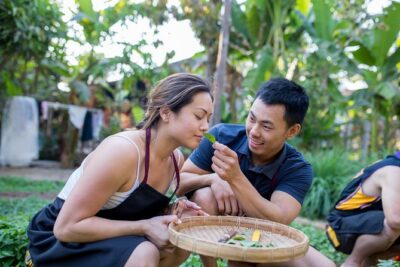
Khmer Cooking Class at a Local’s Home in Krong Siem Reap
Read our review →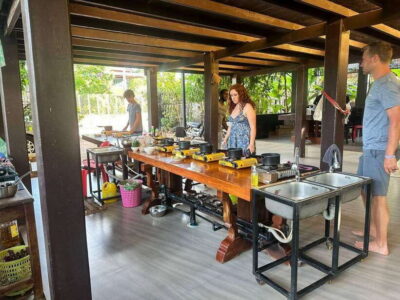
Award-Winning Cooking Class Experience with Professional Teacher
Read our review →
Browse the lists this tour appears in