
Reviewed · WORKSHOPS
Half-Day: Silk Farm, Senteur Angkor, and Satcha Workshop
Craft comes alive in Siem Reap. This four-hour private tour links a silk farm, Satcha Handicraft Center, Senteurs d’Angkor, and Artisan d’Angkor in one tidy outing. I like the clear look at how Cambodian goods are made, especially the silk process from mulberry trees to finished fabric, and the chance to see many crafts without arranging separate rides.
I also like that the price is $25 per group of up to two, including hotel pickup and drop-off. The main caution is shopping: several stops sell attractive goods, and one workshop was described as expensive, so bring a firm budget if you prefer browsing without buying.
In This Review
- Key points to know before you go
- Why this half-day craft tour works in Siem Reap
- Angkor Silk Farm: seeing how silk begins
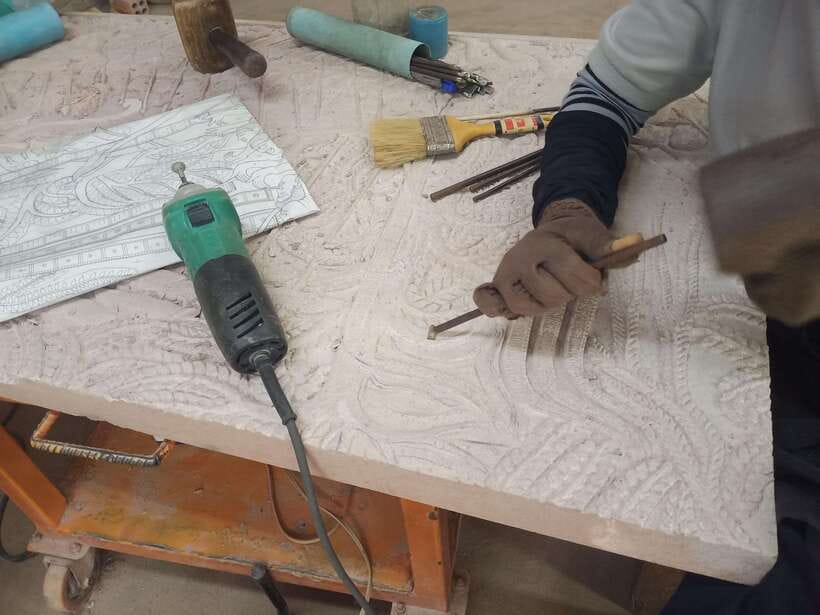
- Satcha Handicraft Center: six workshops under one roof
- Senteurs d’Angkor: Cambodian products with a sustainable focus
- Artisan d’Angkor: a final look at Cambodian handicrafts
- Transport, timing, and what the four hours feel like
- Is $25 good value for two people?
- Who should book this experience?
- Should you book this Siem Reap craft tour?
- FAQ
- How long does the tour last?
- How much does the tour cost?
- What places are included?
- Is hotel transportation included?
- What language is offered?
- Is the tour private?
- Is the tour suitable for wheelchair users?
Key points to know before you go
- Silk from mulberry tree to loom: Follow the work of raising silkworms and turning their silk into traditional fabric during a guided visit of about 50 minutes.
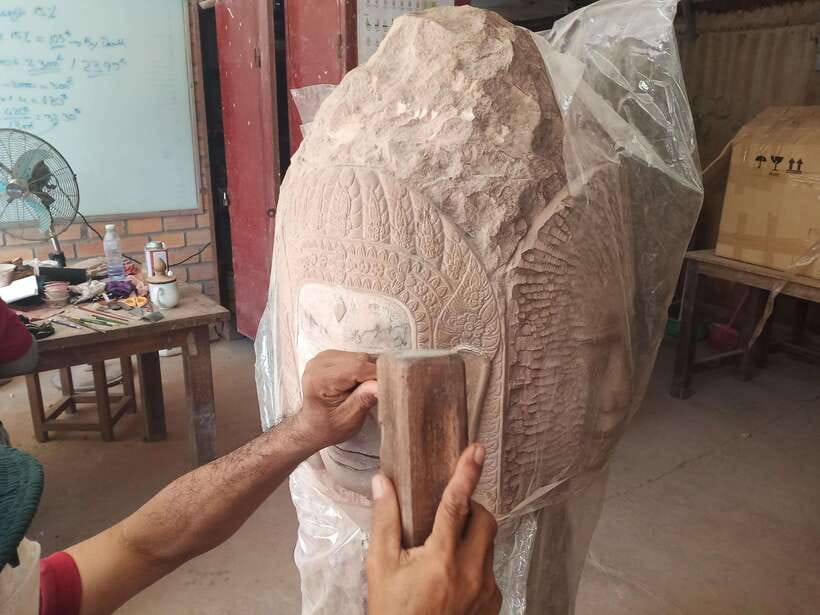
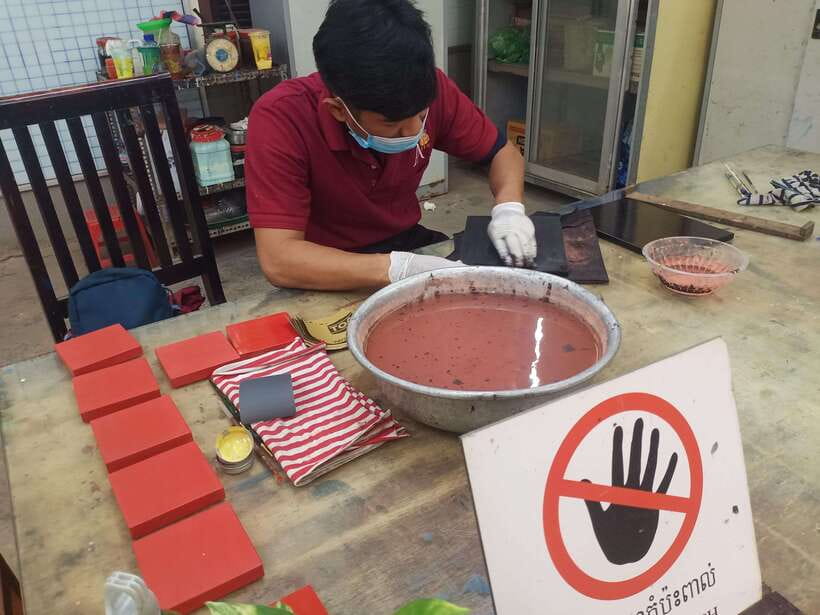
- Six workshops at Satcha: See Cambodian bamboo architecture and more than 15 craft skills, including wood, stone, leather, weaving, rattan, silk, lacquer, jewelry, and silver plating.
- Four stops in four hours: Short van rides keep the day moving, with transport between the silk farm, craft centers, and shops.
- Private price for two: At $25 per group, the tour offers strong value for couples or two friends who want a focused craft day.
- Good souvenir range: Senteurs d’Angkor and the artisan stops offer practical gifts and decorative goods tied to Cambodian production.
- Plan for walking and heat: Wear comfortable shoes, use sunscreen, and bring a hat and camera. The tour is not suitable for wheelchair users.
Why this half-day craft tour works in Siem Reap
Most people come to Siem Reap for Angkor, but Cambodia is not only temples. This tour gives you a useful look at the hands, tools, materials, and small-scale production behind the country’s craft traditions.
The route is also easy to fit into a busy stay. It lasts four hours, begins with hotel pickup in Krong Siem Reap, and returns you to the same general area. You are not committing a full day to a distant village or a long road trip. Instead, you get four compact visits with short transfers between them.
I see the private format as a major plus. The quoted price is $25 for up to two people, not $25 per person. For a couple or two friends, that is a low-cost way to have transport arranged and several admissions included. You should still budget for purchases, since shopping is part of each stop, but the basic tour itself is inexpensive.
The pace is fairly brisk. Each main visit lasts about 50 minutes, while the listed drives take roughly 15 minutes to the silk farm, 15 minutes onward, and only about five minutes between the later stops. That means you will see a lot, but you will not have unlimited time at any one workshop.
A few more options around Siem Reap worth reading up on
- Angkor Wat Sunrise or Sunset Tour with Guide from Siem Reap
★ 5.0 · 12,109 reviews - Siem Reap: Angkor Wat: Small-Group Sunrise or Sunset Tour
★ 5.0 · 9,444 reviews - From Siem Reap: Kampong Phluk Floating Village Tour by Boat
★ 4.9 · 6,979 reviews
Angkor Silk Farm: seeing how silk begins
The silk farm is the strongest educational stop. Rather than seeing only finished scarves or clothing, you follow the process from its first stage.
The tour introduces the cultivation of mulberry trees, which provide food for silkworms. You then learn about the silkworm life cycle before seeing how the material moves toward weaving. This sequence helps you understand that silk is not simply a luxury fabric on a shop shelf. It is the result of careful growing, raising, handling, and skilled textile work.
The visit lasts around 50 minutes and includes a guided tour, walking, sightseeing, a craft market visit, and time for shopping. You should have your camera ready, but pay attention to the explanation first. The value here is in connecting the stages, from living creatures and plants to thread and cloth.
I especially like this stop for anyone who has admired Cambodian silk but never understood its production. It also suits families and first-time visitors who want a cultural activity with something concrete to watch. The farm gives the tour a clear starting point before you move on to design and finished products.
There is a practical point to keep in mind. Parts of the visit involve walking and outdoor activity, so comfortable shoes, sunscreen, and a hat matter. The supplied information does not give a detailed weather plan, so you should be prepared for Siem Reap’s heat rather than treating this as a fully indoor museum visit.
Satcha Handicraft Center: six workshops under one roof
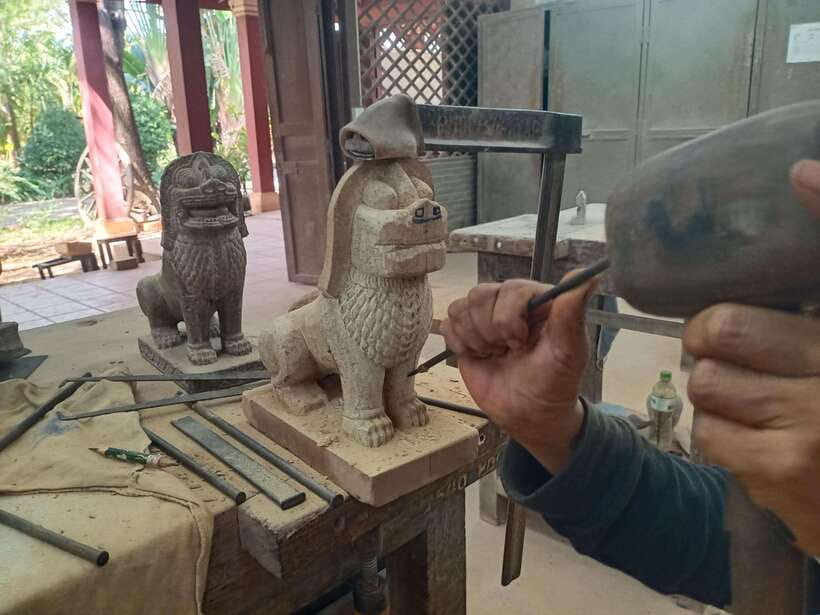
Satcha is the broadest stop on the route. The center has six workshops built with Cambodian bamboo from Kampong Cham, and it brings together more than 50 artisans working across 15 types of craft knowledge.
That range is what makes the center useful. You may see work involving carving, stone, wood, bamboo, leather, weaving, rattan, seagrass, water hyacinth, silk, cotton, painting, lacquer, jewelry, and silver plating. You cannot expect a long lesson in every skill during a 50-minute visit, but you can see how older Cambodian methods are being paired with modern design.
The buildings themselves are part of the visit. Bamboo from Kampong Cham is not just a decorative detail. It gives the center a Cambodian material identity and helps connect the setting with the objects being produced there.
The designs draw on Khmer ornaments, so look for the link between traditional shapes and newer household or gift items. That is more interesting than simply walking through a salesroom. You get a sense of how local makers can use familiar motifs in products intended for present-day buyers.
One of the strongest practical benefits is the range of prices and products you might find across the workshops. A verified visitor described the first workshop as producing a large variety of goods at good prices and bought several souvenirs and gifts. The same visitor found a second workshop interesting but expensive. That is sound advice: browse first, compare carefully, and do not assume every item is priced for casual souvenir shopping.
Satcha should appeal to you if you want the widest view of Cambodian craft in one place. It is also the stop most likely to tempt your wallet. If you are trying to keep luggage light, decide in advance what kinds of gifts you actually want.
Senteurs d’Angkor: Cambodian products with a sustainable focus
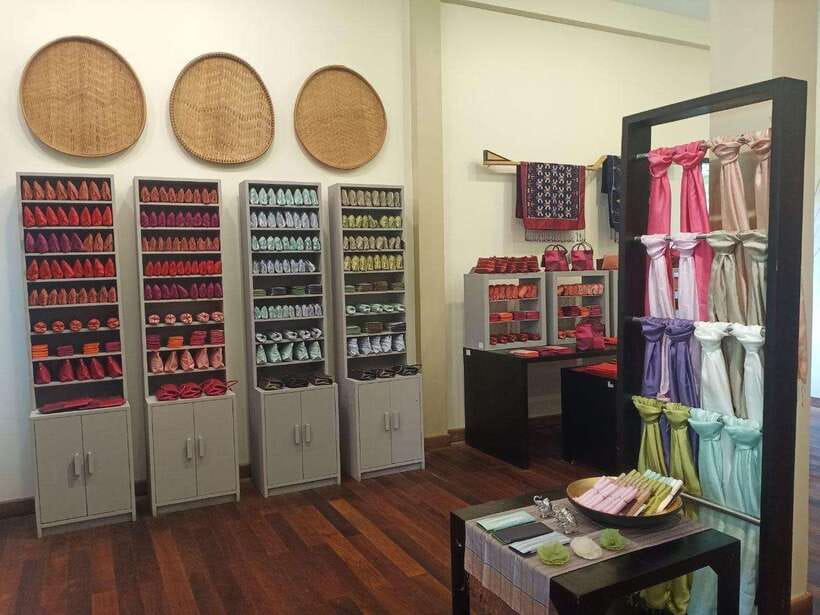
Senteurs d’Angkor brings the tour into the world of scented and artisanal Cambodian goods. It is described as a hub for sustainable Cambodian treasures, with products connected to local culture and handmade production.
The stop lasts about 50 minutes and includes a visit, walking, shopping, sightseeing, a workshop, and a craft market element. The exact product range can change, so I would treat it as a chance to see and compare locally made goods rather than expecting one fixed demonstration.
This is a good place to think about the difference between a souvenir and a useful reminder of your trip. The sustainable focus gives the shopping a wider context. You are not only looking at attractive packaging or pleasant scents. You are also being shown how Cambodian materials and craft skills can become items for daily use or gifts.
Still, shopping stops are not automatically better because they have a cultural setting. You should check prices, quality, and whether an item is practical to carry home. The tour includes personal expenses but no meals, so any purchase is extra.
If you like food, fragrance, household products, or small gifts, Senteurs d’Angkor may be one of your favorite stops. If you prefer long historical explanations, it may feel more commercial than the silk farm or Satcha. That difference is worth knowing before you book.
Something completely different for another day:
- Sunset tour of Kampong Phluk stilts home village on the Tonle Sap
★ 5.0 · 4,865 reviews - Siem Reap: Angkor Wat 2-Day Tour with Sunrise and Sunset
★ 4.9 · 4,429 reviews - Siem Reap: Kampong Phluk Floating Village Tour with Boat
★ 4.9 · 3,843 reviews - Siem Reap: Full-Day Angkor Wat Guided Tour with Sunset
★ 4.9 · 3,803 reviews
Artisan d’Angkor: a final look at Cambodian handicrafts
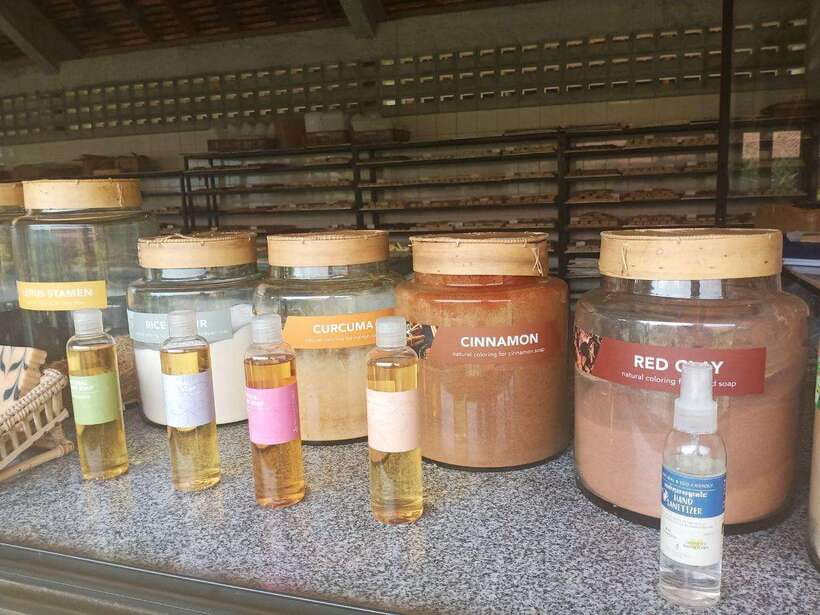
The final craft visit is Artisan d’Angkor, where local handicrafts are made. It gives you another chance to watch production and shop for Cambodian-made goods before returning to your hotel.
The activity details describe this stop as including a guided visit, walking, sightseeing, a workshop, and an arts and crafts market visit. Like the other stops, it is allotted about 50 minutes. The timing makes sense: by this point, you have already seen raw materials and a wide range of workshop skills, so you can look at finished handicrafts with a better understanding of the work behind them.
I would use this last stop to make comparisons. Think back to the silk farm and Satcha. Ask yourself which materials, designs, or techniques best represent what you want to take home. Since shopping appears throughout the route, the final stop is not your only chance to buy something.
The main limitation is that the supplied details do not identify a specific craft demonstration at Artisan d’Angkor. You should expect local handicraft production and a chance to browse, but not assume that a particular item or technique will be shown during every visit.
Transport, timing, and what the four hours feel like
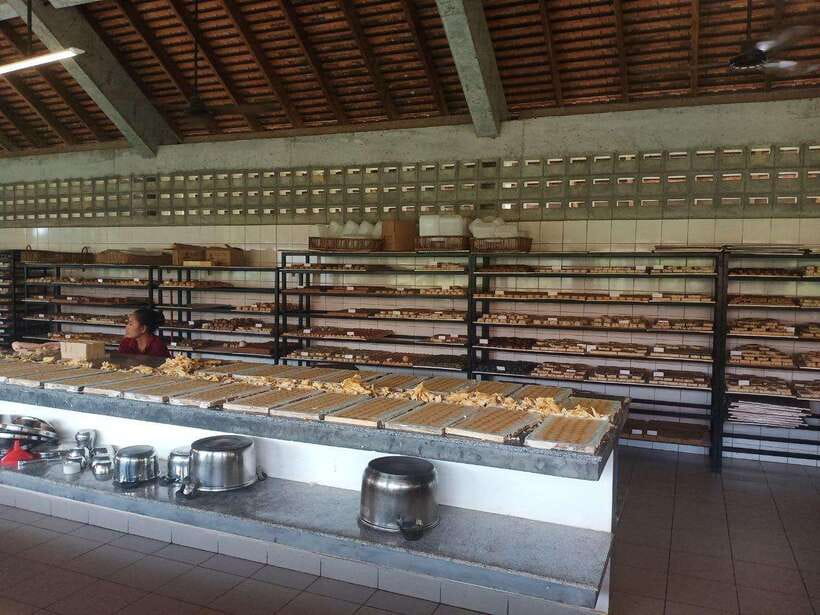
The tour begins with pickup at your Siem Reap hotel. The first listed transfer takes about 15 minutes, followed by a visit of around 50 minutes. Another 15-minute van ride takes you to the next workshop, then the remaining stops are linked by short drives of about five minutes.
That layout keeps wasted time low. You spend most of the half-day at the sites instead of sitting in traffic. It also makes the tour manageable after a morning at Angkor or before an evening meal.
The driver speaks English, and the activity is offered as a private group. One French-speaking visitor received explanations in French during a visit, but English is the stated tour language, so you should not book on the assumption that French guidance is guaranteed.
The schedule includes walking at every stop. Comfortable shoes are more important than stylish ones here. A hat, camera, and sunscreen are also recommended. Smoking is not allowed, and you should not plan to eat or drink during the tour.
The tour is not suitable for wheelchair users. That is an important limitation, since the route includes workshops, walking, and craft-market areas rather than a fully described step-free program.
Is $25 good value for two people?
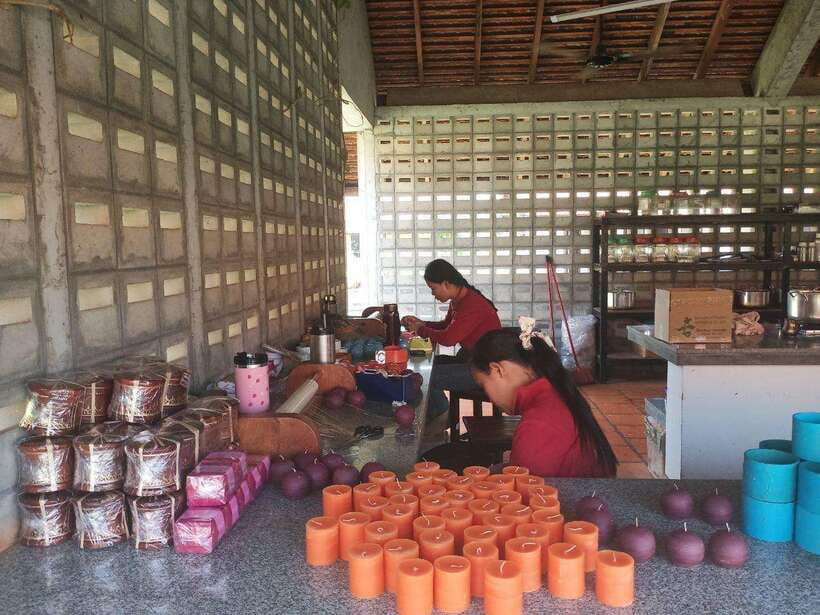
For two people, yes. At $25 per group of up to two, the cost works out to $12.50 each before shopping, with hotel pickup and drop-off included. You also receive visits to four craft locations in one organized half-day.
The value is strongest if you already want to see Cambodian handicrafts. Booking separate transport to four sites would take time and could cost more, while this route provides a simple plan with a driver and private scheduling.
It is less useful if shopping is not part of your interests. Several stops combine demonstrations with markets and purchases, so the tour is not designed as a quiet art lecture. You will see production, but you will also be invited to browse goods.
There are no meals included, which is easy to manage because the tour lasts only four hours. Eat before or after, and keep some cash or payment method available only if you genuinely want to buy something.
Who should book this experience?
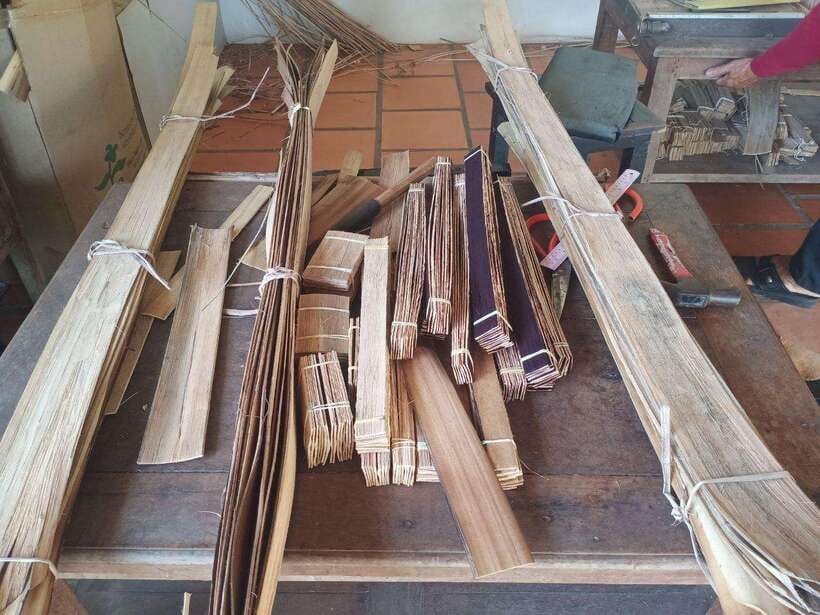
I would recommend it to couples, friends, and families who want a short cultural outing beyond Angkor Wat. It is especially useful for first-time visitors who want an introduction to silk, bamboo, weaving, lacquer, jewelry, and other Cambodian crafts without spending a full day on the subject.
It also suits gift hunters. The silk farm and Satcha center offer plenty to look at, while Senteurs d’Angkor focuses on sustainable Cambodian products and Artisan d’Angkor adds another local handicraft stop.
You may want to skip it if you dislike shopping, need wheelchair access, or want a slow, single-subject workshop. Four stops in four hours provide variety, not lengthy hands-on instruction. The tour also does not list a meal or a hands-on activity that you can count on at every location.
The overall rating is 4.6 from seven verified bookings, with especially positive praise for the informative silk-farm visit, well-kept sites, welcoming staff, and easy access to local products. One French-speaking visitor found explanations available in French, but English remains the stated language. The consistent lesson is simple: expect a pleasant, educational craft route with shopping built into the day.
Should you book this Siem Reap craft tour?
Book it if you want a well-priced private half-day that explains how Cambodian goods are made and gives you several places to shop for gifts. The silk farm is the best reason to go, while Satcha provides the widest range of crafts and materials.
Go with realistic expectations. This is not a deep workshop course, and some goods may be expensive. Bring comfortable shoes, sun protection, and a spending limit. If those details suit your plans, the tour is an efficient way to see the creative side of Siem Reap.
FAQ
How long does the tour last?
The tour lasts four hours, including hotel pickup and drop-off in Siem Reap.
How much does the tour cost?
The price is $25 per private group of up to two people.
What places are included?
The tour includes Angkor Silk Farm, Satcha Handicraft Center, Senteurs d’Angkor, and Artisan d’Angkor.
Is hotel transportation included?
Yes. Hotel pickup and drop-off are included for locations in Krong Siem Reap.
What language is offered?
English is the stated tour language, and the driver speaks English.
Is the tour private?
Yes. It is offered for a private group.
Is the tour suitable for wheelchair users?
No. The activity is not suitable for wheelchair users.
Newest reviews from Siem Reap
- War Museum, Killing Field, and APOPO Hero RATs Tour★ 5.0 · 7 reviews
- Angkor Wat at Sunrise★ 4.0 · 7 reviews
- Siem Reap Angkor Airport Taxis (from Airport to Hotel)★ 5.0 · 44 reviews
- Short Cycling at Countryside★ 5.0 · 29 reviews
- Cambodian Cooking Class and Oxcart Ride with Local Village Tour★ 5.0 · 4 reviews
- Secret Temples of Angkor – Guided Tour in Siem Reap★ 5.0 · 6 reviews
- SIEM REAP E-BIKE HALF-DAY COUNTRYSIDE (25-30 km)★ 4.0 · 1 review
- Unveiling the Mystical Beauty of Phnom Kulen National Park★ 5.0 · 6 reviews
Workshops, compared.

Khmer Cooking Class at a Local’s Home in Krong Siem Reap
Read our review →

Award-Winning Cooking Class Experience with Professional Teacher
Read our review →



Browse the lists this tour appears in