
Reviewed · ANGKOR WAT TOURS
Siem Reap Angkor Wat 2-Day Tour with professional Tour Guide
Temples reward an early start. This two-day Angkor tour packs Cambodia’s major sights into a clear route, from sunrise at Angkor Wat to the giant faces of Bayon and the tree-covered ruins of Ta Prohm. I like the English-speaking guide and the small-group format, which make a huge temple complex easier to understand. I also like that the tour uses two days, rather than forcing every stop into one exhausting run.
The main consideration is the pace. Eleven temples, two early starts, and a possible sunset climb make this a full program. The $65 price is reasonable for transport, guiding, water, and two days of sightseeing, but you still need to add the $37 Angkor Archaeological Park pass, food, drinks, and a tip.
In This Review
- Key points to know before booking
- Two days gives Angkor room to breathe
- Sunrise at Angkor Wat starts the first day
- Banteay Kdei and Ta Keo add contrast
- Ta Prohm brings the jungle atmosphere
- Day two reaches Preah Khan and Neak Pean
- Ta Som is small but easy to remember
- East Mebon and Pre Rup explain ancient royal ambition
- Phnom Bakheng offers the sunset finish
- What the $65 price really covers
- Who should book this temple tour
- Booking details worth checking
- Should you book the Siem Reap Angkor Wat tour?
- FAQ
- How much does the two-day tour cost?
- Is the Angkor entry ticket included?
- How many temples does the tour visit?
- Is hotel pickup included?
- What language does the guide speak?
- How large is the group?
- Does the tour include sunrise?
- Does the tour include sunset?
- Are food and drinks included?
Key points to know before booking
- Sunrise begins at Angkor Wat: You get an early view of the temple before spending the cooler morning hours exploring.
- Two different temple circuits: Day one covers the small circuit, while day two follows the larger circuit with Preah Khan, Neak Pean, Ta Som, East Mebon, and Pre Rup.
- Eleven temple visits are included: The route combines famous stops with less-restored sites that give you a broader sense of Angkor.
- Small groups are limited to 10 people: Private tours are also available, giving you more control over breaks and timing.
- Sunset at Phnom Bakheng is included in the plan: The hilltop temple has 33 towers representing the heavens, though sunset access and timing can be affected by site rules and crowds.
- The guide helps with context: A Japanese-language guest specifically praised the guide’s clear explanations and the relaxed feeling of not having to watch the clock.
Two days gives Angkor room to breathe
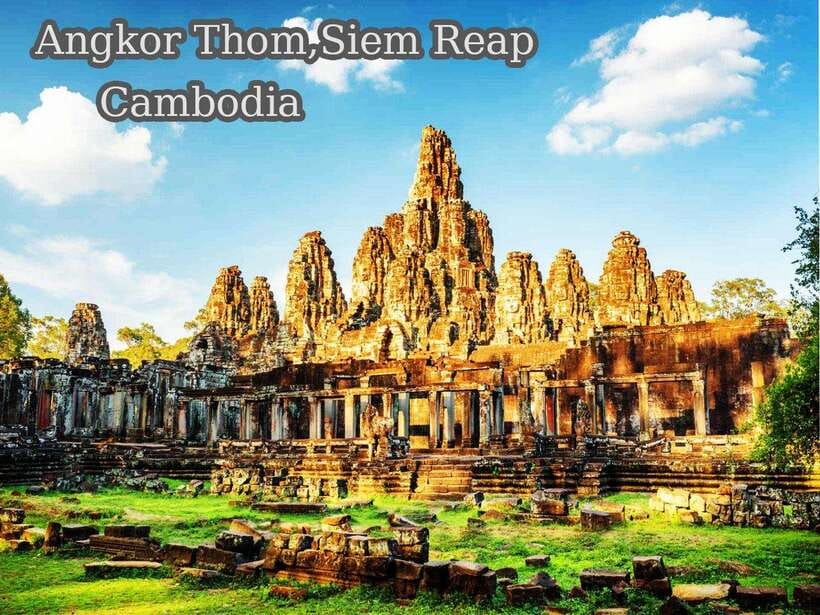
Angkor is not one temple. It is a large archaeological park filled with monuments spread across several routes. You can see Angkor Wat and Bayon on your own, but without help, the carved faces, reservoirs, royal projects, and religious changes can blur together.
This tour solves that problem with two separate days. Day one follows the small circuit, focusing on Angkor Wat, Angkor Thom, Bayon, Banteay Kdei, Ta Keo, and Ta Prohm. Day two moves farther out on the larger circuit and includes Preah Khan, Neak Pean, Ta Som, East Mebon, Pre Rup, and Phnom Bakheng.
The guide speaks English or Japanese, and the group can be private or small. With a maximum of 10 people, you should get a more personal experience than you would on a large coach trip. Hotel pickup and drop-off in Krong Siem Reap are included, along with an air-conditioned minibus and chilled bottled water.
The timing matters. Angkor is hot, and many temple courtyards offer little shade. Early morning visits are not just good for photographs. They make the walking more comfortable and help you see major sites before the strongest heat.
More ways to see Angkor Wat:
- Angkor Wat Sunrise or Sunset Tour with Guide from Siem Reap
★ 5.0 · 12,109 reviews - Siem Reap: Angkor Wat: Small-Group Sunrise or Sunset Tour
★ 5.0 · 9,444 reviews - Siem Reap: Angkor Wat 2-Day Tour with Sunrise and Sunset
★ 4.9 · 4,429 reviews
Sunrise at Angkor Wat starts the first day
The first pickup takes place at your hotel in Siem Reap. You are asked to wait in the lobby about 10 minutes before the scheduled time, with the driver holding a sign showing your last name.
You can buy the Angkor pass online in advance or at the ticket office after pickup. The tour uses a three-day temple pass, which gives you an extra day if you want to rest, return to a favorite site, or hire a private tuk-tuk for more exploring after the guided portion ends.
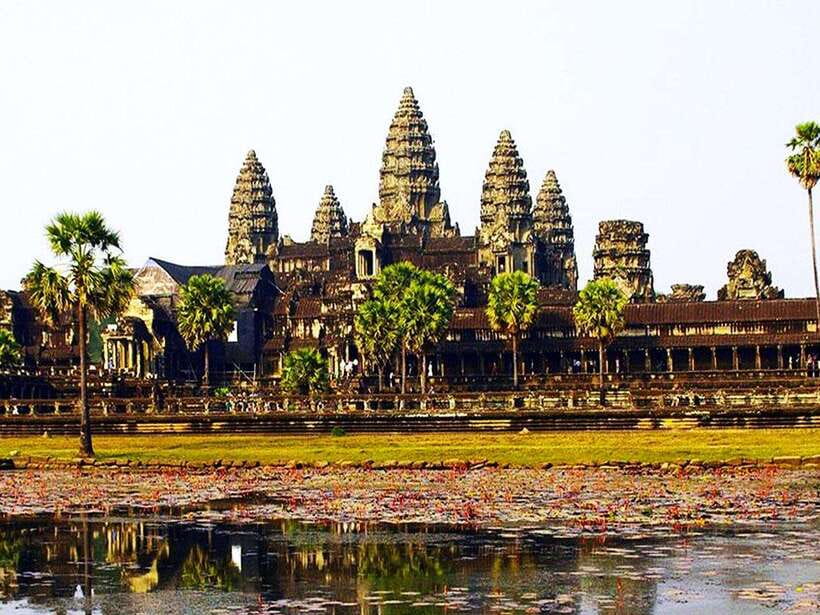
The sunrise stop is Angkor Wat, Cambodia’s best-known monument. The temple’s towers and reflecting pools are especially striking in the changing early light. Keep your expectations sensible, though. The famous sunrise is weather-dependent, and the experience involves an early departure followed by several hours of walking.
The guide then takes you through Angkor Wat for about two hours. This is where a guide earns the fee. The temple is large, and its galleries contain long scenes carved into stone. Clear explanations help you understand what you are looking at instead of simply moving from one photo stop to the next.
After Angkor Wat, the morning continues at Angkor Thom. This huge walled city was once a royal center, and the South Gate provides a strong introduction. Look for the monumental gate figures and the broad approach across the moat.
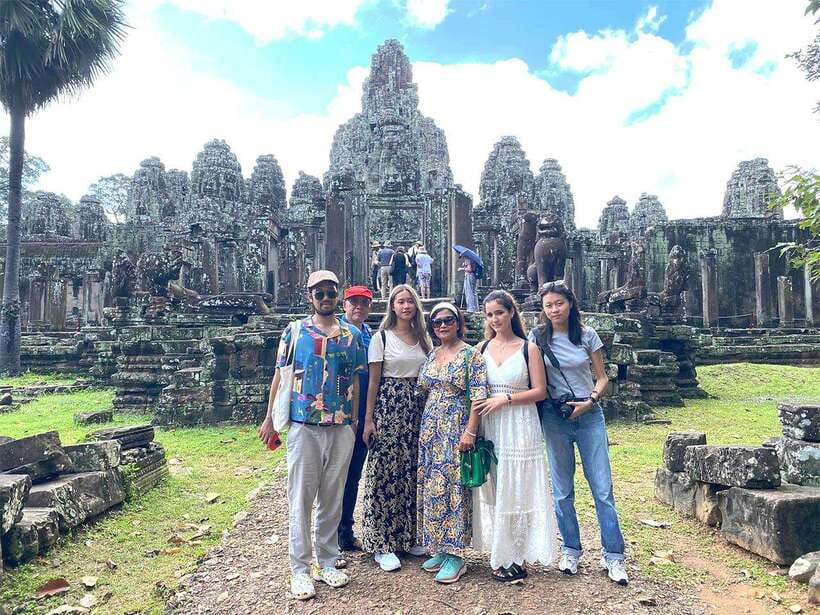
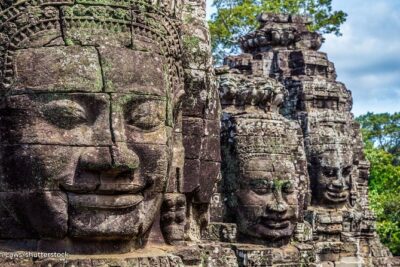
Bayon sits inside Angkor Thom and receives about an hour of guided attention. Its many large, calm faces are among the most memorable sights in the park. The pleasure here comes from looking up, moving around the towers, and watching the faces change as your angle changes.
The route may feel crowded at these famous sites, especially around the best-known viewpoints. The guide’s role is useful because you can spend your time studying details instead of trying to work out the route alone.
Banteay Kdei and Ta Keo add contrast
Banteay Kdei receives about 30 minutes. Compared with Angkor Wat and Bayon, it is a quieter and less imposing stop, but that is part of its value. It is a Buddhist temple with worn corridors and a more subdued feel.
I like the inclusion of Banteay Kdei because it keeps the tour from becoming a parade of only the most famous monuments. You get a sense of how different temples can feel even when they share related architectural ideas.
Ta Keo follows, also for about 30 minutes. This pyramid temple dates to the 10th century and is built in strong, simple levels. The climb gives you a physical change of pace after the enclosed galleries and courtyards of the earlier stops.
Be ready for steps and uneven surfaces. The tour includes walking through ruins, and Ta Keo is not a place to visit in smooth-soled shoes if you want maximum confidence. The available details do not promise a gentle route, so anyone with mobility concerns should ask about the day’s walking before booking.
Ta Prohm brings the jungle atmosphere
Ta Prohm is the most cinematic stop on the first circuit. It is famous for its appearance in Tomb Raider, but its appeal goes beyond the film connection. Large trees grow over sections of the ruins, and roots press into the stonework.
The tour allows about an hour here. That is enough time to see the best-known areas with a guide and take in the strange relationship between the temple and the trees. The site can be busy, so patience helps. The most photographed corners may require waiting rather than a quick, empty picture.
Ta Prohm also provides an important lesson about preservation. The trees are part of the site’s identity, but they also place pressure on the old structures. You are seeing a temple shaped by both human construction and long natural change.
At this point, you may be ready for a proper food break. Food and soft drinks are not included, so budget for meals during both days. Chilled bottled water is included, which is helpful, but it does not replace lunch or a personal supply of water.
More multi-day routes in Siem Reap:
- Angkor 2-Day Sunset & Sunrise Small-Group Tour
★ 5.0 · 2,567 reviews - Siem Reap: Angkor Sunrise 1- or 2-Day Guided Temples Tour
★ 4.9 · 1,132 reviews - 2-Day Angkor Wat With Small, Big Circuit and Banteay Srei Tour
★ 5.0 · 545 reviews - Siem Reap: 2-Day Temple Highlights Sunrise and Sunset Option
★ 4.9 · 445 reviews
Day two reaches Preah Khan and Neak Pean
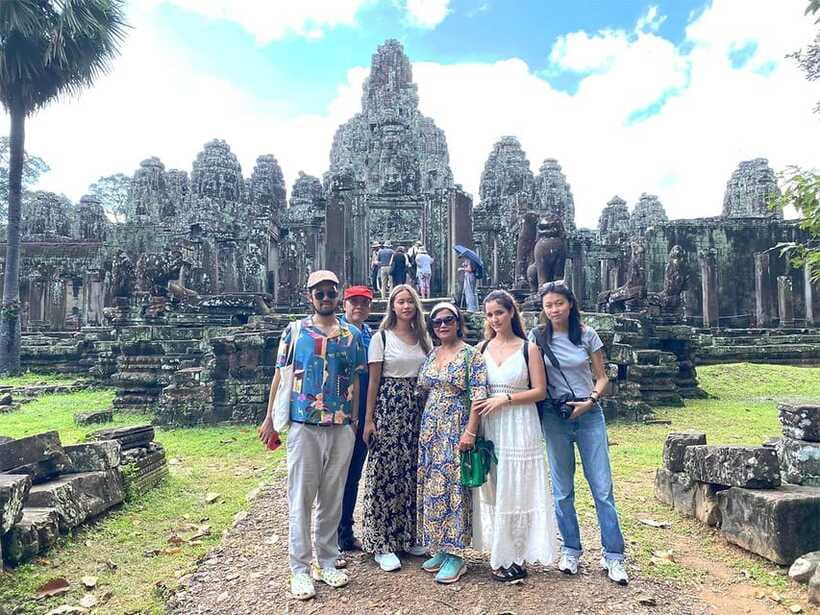
The second day visits the larger circuit. This is a good reason to choose the two-day plan instead of trying to add every major site to a single day.
Preah Khan is the largest temple on this loop and receives about an hour. It was built by King Bayon for his father. Long corridors, worn carvings, and large spaces make this a site where a guide can explain how the temple functioned and why it was built.
Preah Khan rewards slow looking. You can compare open areas with narrow passages and notice how the structure changes as you walk through it. The one-hour visit is useful, but it may feel short if you enjoy examining carvings in detail.
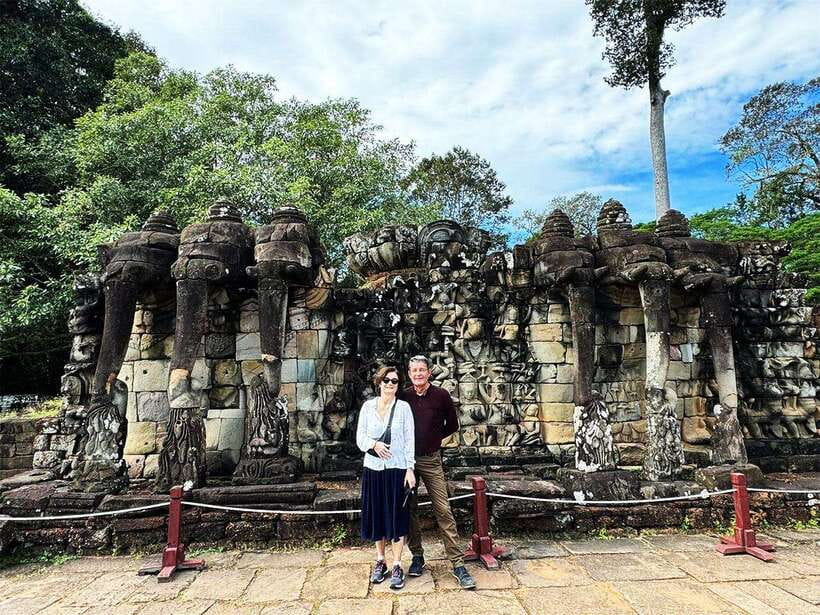
Neak Pean takes about an hour as well. The small island temple is reached through a raised walkway over water. During the Angkor period, the surrounding water was used for bathing and health.
Neak Pean is different from the larger temple complexes. Its setting and water system are the main story, so the guide’s explanation helps connect the small monument to the larger engineering work around Angkor.
Ta Som is small but easy to remember
Ta Som gets about 30 minutes and is known for the large tree growing over its east gate. It also has many sculptures of dancers with long hair.
The site was built for the king’s sister, giving it a more personal connection than the huge royal monuments. Its smaller scale makes it easier to take in quickly, and the tree-covered gate creates one of the clearest visual memories of the second day.
You may find 30 minutes enough for the main feature, but not enough for a very slow inspection of every carving. That is one of the trade-offs of a fixed group schedule. If Ta Som becomes a favorite, the extra day on your three-day pass gives you a chance to return independently.
East Mebon and Pre Rup explain ancient royal ambition
East Mebon was built for the ancestors and originally stood in the middle of a reservoir. It dates as early as the 10th century. Today, its elevated position helps you understand how water once shaped the setting, even though the old reservoir is no longer experienced in the same way.
The visit lasts about 30 minutes. The stop is compact, but the guide can help connect the temple to the water systems and royal planning that made Angkor possible.
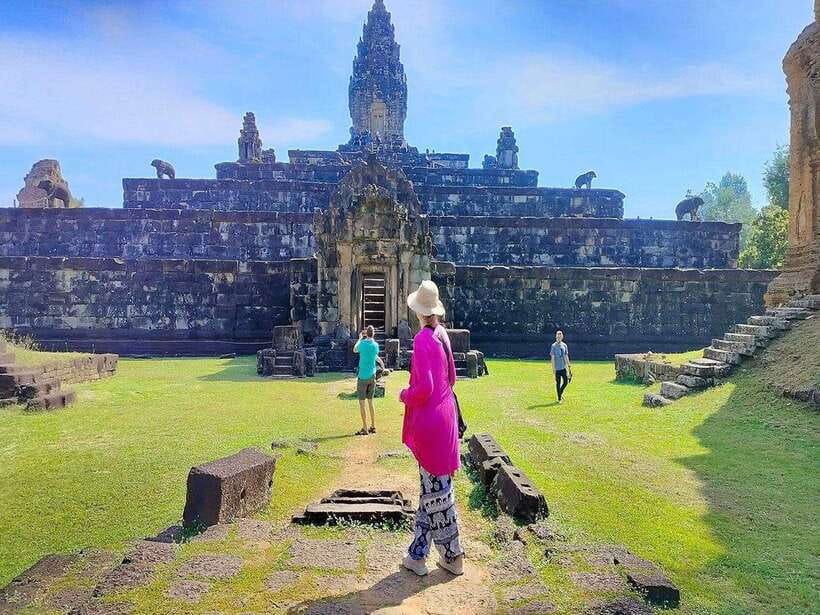
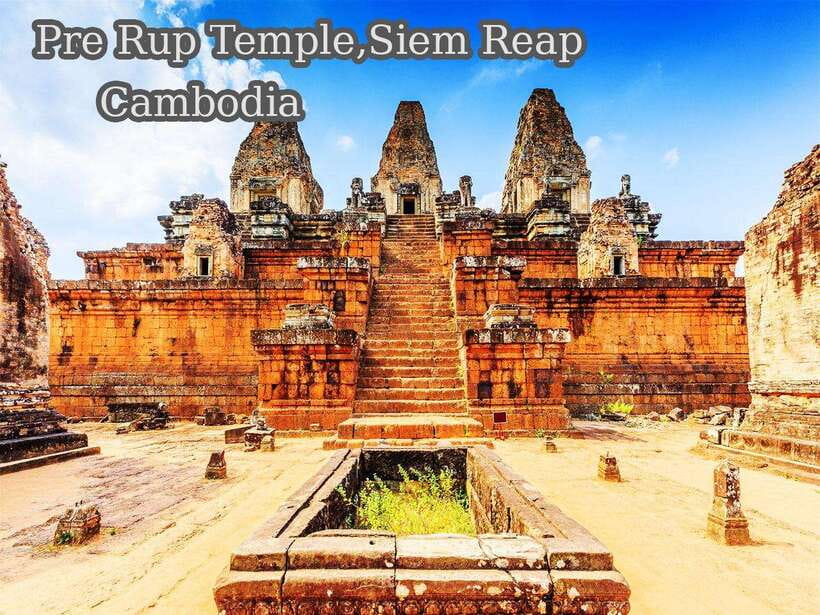
Pre Rup follows for another 30 minutes. The temple was built by a king for himself. It is sometimes mistaken for a crematorium because of a stone structure that resembles a coffin, but the supplied explanation identifies it as a place Hindus used for meditation during the full moon.
That detail makes Pre Rup more interesting than a simple pyramid photo stop. You are not just looking at stairs and towers. You are seeing a place tied to royal identity, Hindu practice, and ideas about death and meditation.
The climbs at East Mebon and Pre Rup can be tiring late in the day. Take the stairs slowly, and use the included water. The schedule includes short visits, so you may not have much time to recover between stops.
Phnom Bakheng offers the sunset finish
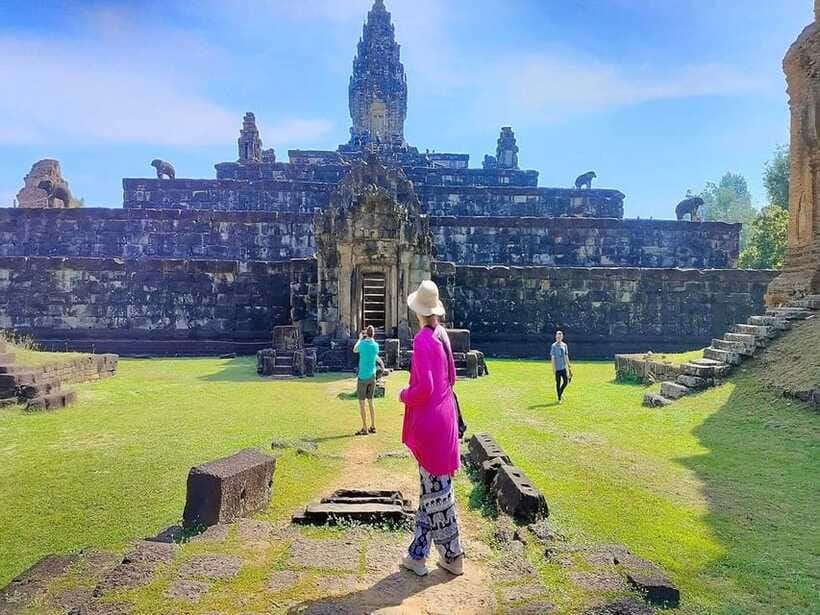
Phnom Bakheng is built on a hill and has 33 towers representing the heavens. The final visit is planned for about an hour and includes sunset.
This is a fitting end to a two-day temple route. After seeing royal cities, jungle ruins, water temples, and stone faces, you finish above the surrounding area with a monument linked to the sky.
The sunset option is described as optional, while the included services also list sunrise and sunset. That wording means you should confirm the exact sunset arrangement when booking. Phnom Bakheng access can also be controlled at busy times, so sunset is not something I would treat as guaranteed in the same way as hotel pickup.
The climb is another reason to judge your energy honestly. If you have spent two days walking in heat, the hill and steps may feel like a final test. For many people, the view will be worth it. For others, an earlier finish may be wiser.
What the $65 price really covers
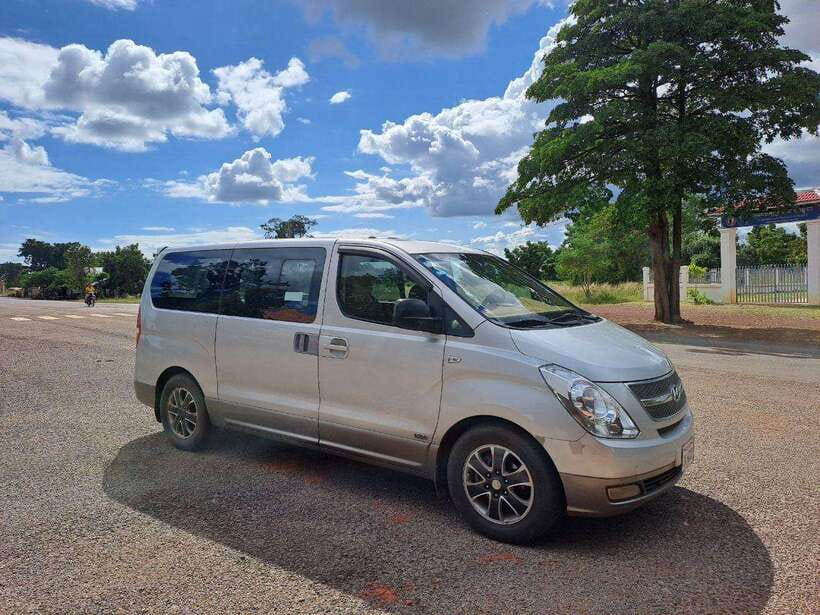
The tour costs $65 per person. The Angkor Archaeological Park entry ticket costs an additional $37 per person, bringing the basic combined cost to $102 before food, drinks, and a tip.
That total is not cheap by local transport standards, but it can be good value if you want two full days of guidance and organized transport. You are paying for hotel pickup and drop-off, an air-conditioned minibus, an English-speaking or Japanese-speaking guide, bottled water, and visits to 11 temples.
The real value is the interpretation. Without a guide, you can still admire the carvings, but you may miss why certain temples were built, how water shaped the site, and how Buddhist and Hindu traditions appear across the monuments.
A private tour should give you more flexibility, but the price may differ, so confirm the final cost before booking. The small-group version is likely the better value if you are comfortable following a set route and sharing the vehicle with up to nine other people.
Who should book this temple tour
I would choose this tour if you want to see the essential Angkor sites without spending hours planning routes, transport, and temple order. It suits first-time visitors who want a guide to explain what they are seeing.
It also works well if you have three days available for the pass but want only two guided days. You can use the third day for rest, a repeat visit, or additional sites in a private tuk-tuk.
You should think twice if you dislike early mornings, long walking days, or scheduled group stops. The itinerary is full, and the sunrise start is followed by several temples rather than a leisurely morning.
Families can book, but children must be accompanied by an adult. Most people can participate, though the information does not provide detailed accessibility guidance. Ask about stairs, uneven ground, and walking distances if those details matter to you.
Booking details worth checking
Free cancellation is available up to 24 hours before the tour for a full refund. You can also reserve now and pay later, which helps if your Siem Reap plans are still changing.
Pickup is included from Krong Siem Reap. Confirmation is provided when you book, and the stated maximum group size is 10 people. English and Japanese guiding are available.
The one available Japanese-language booking response praised the clear explanations and the fact that the sightseeing did not feel rushed by time pressure. That is exactly the quality I would look for here. Angkor is far more rewarding when you can stop, listen, and look carefully instead of racing between monuments.
Should you book the Siem Reap Angkor Wat tour?
Book it if you want a well-planned introduction to Angkor, especially if this is your first visit. The two-day structure, guide, air-conditioned transport, sunrise, and wide temple selection give you a strong first look at the park.
The best reason to choose it is the balance between famous monuments and less familiar stops. You get Angkor Wat, Bayon, and Ta Prohm, but also Banteay Kdei, Ta Som, East Mebon, and Neak Pean.
Skip it if you want complete freedom over timing or prefer exploring at your own pace. In that case, a private option may suit you better. For most first-time visitors who want context and dependable transport, the $65 tour is a sensible starting point, provided you budget separately for the $37 temple pass, meals, and a tip.
FAQ
How much does the two-day tour cost?
The tour costs $65 per person. The Angkor Archaeological Park entry ticket costs an additional $37 per person.
Is the Angkor entry ticket included?
No. You must buy the $37 park entry ticket separately. You can purchase it online in advance or at the ticket office after pickup.
How many temples does the tour visit?
The tour visits 11 different temples and major temple sites across two days.
Is hotel pickup included?
Yes. Hotel pickup and drop-off are included in Krong Siem Reap. You should wait in the hotel lobby 10 minutes before pickup.
What language does the guide speak?
Guiding is available in English and Japanese.
How large is the group?
The maximum group size is 10 people. Private tours and small-group options are available.
Does the tour include sunrise?
Yes. The first day begins with sunrise at Angkor Wat.
Does the tour include sunset?
Sunset at Phnom Bakheng is included in the listed plan, though the description also calls it optional. Confirm the exact sunset arrangement when booking.
Are food and drinks included?
Food and soft drinks are not included. Chilled bottled water is included.
Newest reviews from Siem Reap
- War Museum, Killing Field, and APOPO Hero RATs Tour★ 5.0 · 7 reviews
- Angkor Wat at Sunrise★ 4.0 · 7 reviews
- Siem Reap Angkor Airport Taxis (from Airport to Hotel)★ 5.0 · 44 reviews
- Cambodian Cooking Class and Oxcart Ride with Local Village Tour★ 5.0 · 4 reviews
- Secret Temples of Angkor – Guided Tour in Siem Reap★ 5.0 · 6 reviews
- Short Cycling at Countryside★ 5.0 · 29 reviews
- SIEM REAP E-BIKE HALF-DAY COUNTRYSIDE (25-30 km)★ 4.0 · 1 review
- Unveiling the Mystical Beauty of Phnom Kulen National Park★ 5.0 · 6 reviews
Angkor Wat Tours, compared.
Angkor Wat Sunrise or Sunset Tour with Guide from Siem Reap
Read our review →
Angkor Wat: Small-Group Sunrise or Sunset Tour
Read our review →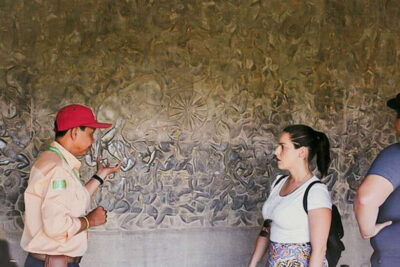
Angkor Wat 2-Day Tour with Sunrise and Sunset
Read our review →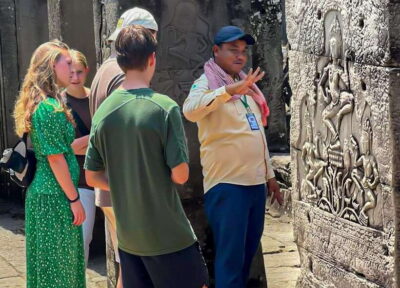
Angkor Wat Sunrise tour with Small – Group and Guide tours
Read our review →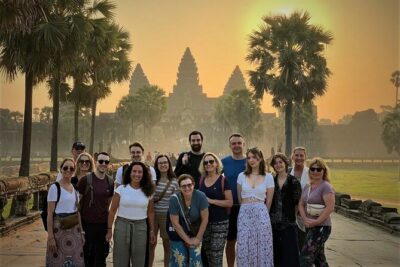
Angkor Wat Highlights and Sunrise Guided Tour from Siem Reap
Read our review →
Angkor Wat Sunset Small Group Tour with Lunch Included
Read our review →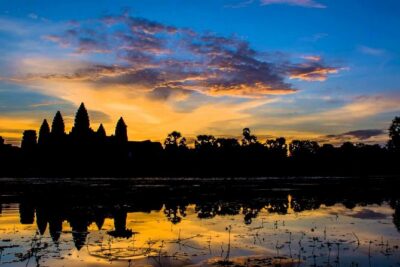
Full-Day Angkor Wat Sunrise Private Tour with Guide from Siem Reap
Read our review →Browse the lists this tour appears in