
Reviewed · BANTEAY SREI TOURS
Kulen Waterfall and Banteay Srei Off Beaten Track
Ancient carvings and cool mountain water make a fine day out. This private Siem Reap tour pairs the sacred sites of Phnom Kulen and Kbal Spean with the delicate sandstone work at Banteay Srei, giving you a fuller picture of Cambodia beyond the main Angkor temples. I like the early focus on Kulen, which helps you reach the mountain before the busiest part of the day, and I like having a private guide and vehicle for the long route through local villages.
The tour also earns points for its human touch. Guide Panha is praised for excellent English, warm service, useful advice, and clear explanations of the symbols carved beside the holy river and waterfall. The main drawback is practical: the day includes a long drive, walking on uneven ground, separate entrance fees, and no included lunch, so you need to budget and prepare properly.
In This Review
- Key points to know before you book
- Why this two-stop day is worth your time
- The 8:00 am departure from Siem Reap
- Phnom Kulen, the mountain where Khmer power began
- The walk to Kbal Spean and the waterfall
- Banteay Srei and the finest sandstone carving near Siem Reap
- What the $159 group price really means
- Who will enjoy this day most
- Simple preparation for a better day
- FAQ
- How long does the Kulen Waterfall and Banteay Srei tour last?
- Where does the tour start and finish?
- Is this a private tour?
- Are entrance fees included?
- Is lunch included?
- What is included in the tour price?
- Can I cancel for a full refund?
- Should you book this Kulen and Banteay Srei tour?
Key points to know before you book
- Phnom Kulen comes first: The drive from Siem Reap takes about one and a half hours, with village views along the way.
- Kbal Spean combines ruins and nature: You see the River of a Thousand Lingas, jungle scenery, and a waterfall in one stop.
- Banteay Srei is the artistic highlight: Its 10th-century red sandstone carvings are unusually fine and detailed.
- This is a private outing: Your group has its own driver and guide, with the advertised capacity listed as up to seven people.
- The price can work well for groups: At $159 per group, the cost is shared rather than charged per person, but admission tickets and lunch are extra.
- Plan for moderate exertion: The tour is not a simple vehicle sightseeing loop. You should be comfortable walking to the river and waterfall.
Why this two-stop day is worth your time
The main Angkor temples near Siem Reap can fill an entire trip, but they do not tell the whole story. Phnom Kulen was the birthplace of the ancient Khmer Empire, and Banteay Srei shows a different side of Khmer architecture from the grand royal monuments.
I like this pairing because the two stops feel different. Kulen is tied to religious power, water, and the founding of the empire. Banteay Srei is smaller and more intimate, with carvings that reward slow looking rather than a quick photograph.
You also get a sense of distance. The Angkor capital was not a small cluster of temples around one central building. Sacred mountains, reservoirs, roads, settlements, and outlying sanctuaries formed a much wider world. The drive and the remote setting help make that scale easier to understand.
This is not the right choice if you want a relaxed morning with little walking. It is an eight-hour outing, and the road journey alone takes a substantial part of the day. Still, the private format lets you ask questions, adjust the pace within reason, and spend more time on the places that interest you most.
More trips out to Banteay Srei:
- Full-Day Banteay Srei & 4 Temples – Grand Tours Join-in Tour
★ 5.0 · 1,155 reviews - Siem Reap Tour: Angkor Wat Sunrise, Bayon, Ta Prohm, Banteay Srei
★ 5.0 · 931 reviews - 2-Day Angkor Wat With Small, Big Circuit and Banteay Srei Tour
★ 5.0 · 545 reviews
The 8:00 am departure from Siem Reap
Pickup is listed for 8:00 am at Prince Angkor Hotel & Spa on Sivutha Boulevard, with the tour returning to the same meeting point. If you are staying elsewhere, confirm the pickup details when booking rather than assuming hotel collection is included.
The vehicle and guide are part of the package, along with bottled water. A comfortable car matters here because the route covers a fair distance before you even begin the main walks. One particularly positive detail from the available feedback is that Panha kept water on hand and provided a comfortable vehicle.
The first drive lasts around one and a half hours. Instead of treating it as dead time, use it to watch the change from Siem Reap’s town streets to smaller villages and countryside. The route offers views of local life and everyday activity, which adds useful context to a day otherwise focused on monuments.
The early start has a clear purpose. Phnom Kulen can attract visitors, and reaching it first is intended to reduce the chance of arriving at the busiest point of the day. The timing is sensible, though you should not expect complete solitude at a major Cambodian sacred site.
Phnom Kulen, the mountain where Khmer power began
Phnom Kulen has special meaning in Cambodian history. In 802 CE, King Jayavarman II proclaimed independence from Java here, an event linked with the beginning of the ancient Khmer Empire. The mountain also became associated with the Devaraja tradition and the worship of the linga, a symbol connected with Shiva and divine kingship.
Those facts become more interesting when you see the mountain as more than a scenic outing. Kulen was a place of political declaration and religious authority. The setting helps explain why rulers gave sacred meaning to water, stone, and elevated places.
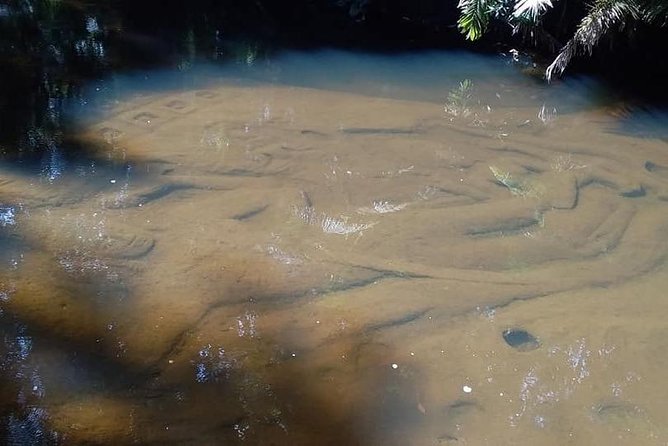
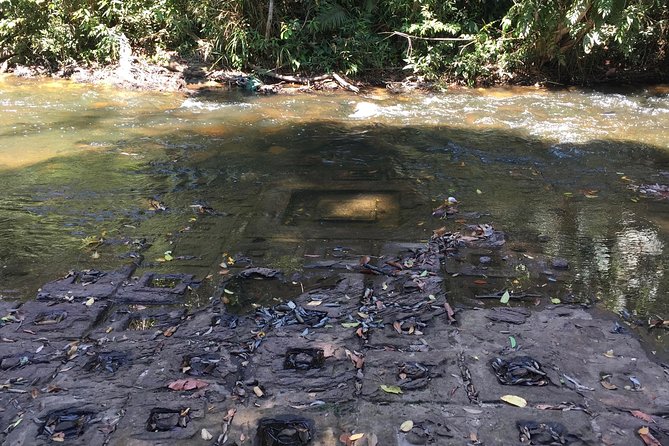
The stop lasts about two hours, with the admission ticket paid separately. The exact order of the sights may vary, but the main draw is Kbal Spean, commonly known for the River of a Thousand Lingas. Here, carvings in the riverbed turn flowing water into a sacred feature rather than simply a natural stream.
Look carefully at the stone surfaces. The lingas are not presented like a standard temple wall, and the meaning comes from their placement in the river. Water passing over sacred carvings connected religious belief with daily life, farming, and royal power.
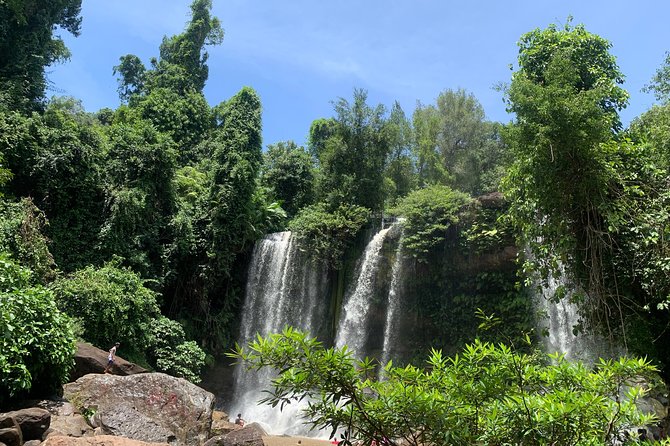
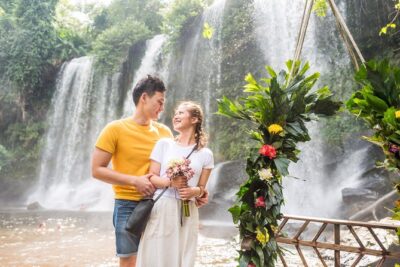
You then continue to the waterfall. The combination is the special appeal of this stop: one moment you are considering ancient religious symbols, and the next you are looking at falling water in a forest setting. One visitor specifically enjoyed bathing in the sacred water, but you should follow local guidance and any posted rules before entering.
The walk to Kbal Spean and the waterfall
The tour requires a moderate level of physical fitness. That wording matters. You should expect a walk over uneven ground and a route that is more active than a temple visit where you step straight out of a car onto a paved terrace.
Wear secure walking shoes, bring sun protection, and keep the supplied water close. The forest setting can be attractive, but roots, stones, and changing surfaces make sandals or flimsy footwear a poor choice.
The walk is part of the experience, not an inconvenience to rush through. Feedback about butterflies and exotic plant life suggests that the route can offer small natural pleasures alongside the major sights. You might notice insects, foliage, and changes in the sound of the forest as you move toward the water.
Do not judge Kbal Spean by the size of its ruins. This is not another Angkor Wat. Its interest lies in the relationship between carved stone, river, belief, and setting. A guide can add real value here by explaining the symbols instead of leaving you to identify them as abstract patterns.
Panha is repeatedly praised for his English, friendly manner, and explanations of the sacred river and waterfall carvings. If he is assigned to your outing, his style appears suited to people who want both facts and conversation. As with any private service, the individual guide makes a difference, so confirm the guide arrangement if a particular person is important to you.
More days on Phnom Kulen:
- Kulen Waterfall Join-in Tour (local Picnic lunch)
★ 5.0 · 2,434 reviews - Kulen Mountain: Small-Group Tour and Picnic lunch
★ 4.9 · 1,802 reviews - Siem Reap: Kulen Mountain, Beng Mealea and Tonle Sap Tour
★ 5.0 · 1,483 reviews - Phnom Kulen Waterfall & the Sacred 1000 Lingas (with Lunch)
★ 4.8 · 974 reviews
Banteay Srei and the finest sandstone carving near Siem Reap
After Phnom Kulen, the tour returns toward Banteay Srei. The temple visit is listed at about one hour, and the admission ticket is not included.
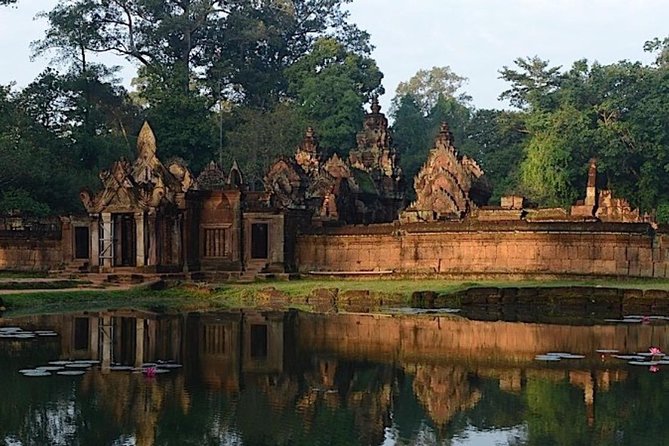
Banteay Srei was consecrated on April 22, 967 AD. Unlike the major royal temples at Angkor, it was not built by a monarch. Its construction is linked to Yajnavaraha and Vishnukumara, courtiers associated with King Rajendravarman II. Yajnavaraha was described as a scholar and philanthropist who helped people facing illness, injustice, and poverty.
That background gives Banteay Srei an unusual place in Angkorian history. It was connected to court life, but it was not simply a king’s monument. The temple was originally part of a settlement called Isvarapura, so the site also points to the wider community that once surrounded a religious center.
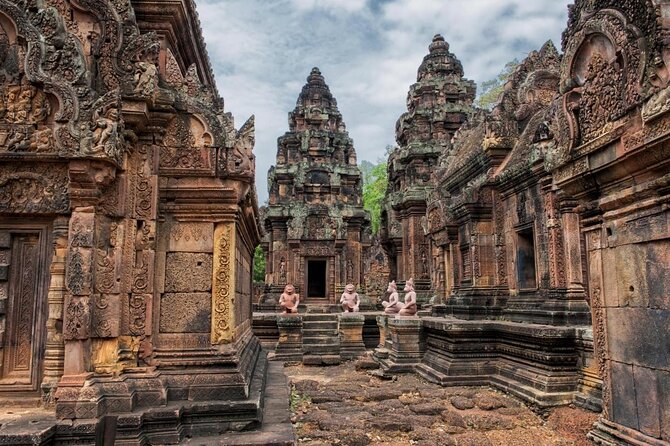
The name Banteay Srei is often translated as Citadel of the Women, though the temple’s real appeal is its craftsmanship rather than a simple label. The sandstone is pinkish to red, and the carvings are small-scale, crisp, and packed with detail. Floral designs, figures, and scenes from Hindu mythology cover the structure.
I would save your most patient looking for this temple. At larger sites, scale can overwhelm detail. Here, the opposite is true. Move slowly and examine door frames, pediments, and lintels. The ornate work is easy to miss if you treat the stop as a quick photo break.
One major advantage is contrast. After the open mountain setting and waterfall, Banteay Srei brings you back to carefully ordered architecture. The two places do not compete with each other. They help you see different parts of Cambodia’s religious and artistic world.
The one-hour allocation is useful but not generous for anyone who enjoys close study. A private guide may help you make the most of it by pointing out the strongest carvings and explaining the stories behind them. If photography is your main goal, the rich stone color and fine reliefs provide plenty to work with, though the available time may feel short.
What the $159 group price really means
The advertised cost is $159 per group, with the private activity described for up to seven people. That makes the arithmetic much better for a family or group of friends than for a solo visitor.
For example, seven people would pay about $23 each before entrance fees and lunch. A couple would pay roughly $79.50 each, so the value depends heavily on your group size. You are paying for private transport, a driver and guide, bottled water, and a full day on a route that is awkward to arrange as a simple independent outing.
The price does not include entrance fees, lunch, or anything not specifically listed. This is the most important budget warning. Add the required admission costs before deciding that the advertised rate is your full tour budget.
The private setup is valuable if you want explanations on the road and at the sites. It also avoids joining strangers for a long day in a vehicle. On the other hand, a large group sharing the vehicle may have less flexibility than a couple or small family, even within a private booking.
Who will enjoy this day most
I would recommend this tour to you if you have already seen, or plan to see, the central Angkor temples and want a more varied day. It suits people who enjoy combining archaeology, religious history, countryside views, and a natural stop.
It is also a good match for families or friends who can divide the $159 cost. The private format makes it easier to keep your own group together, and Panha’s warm, conversational guiding style has been a strong part of the experience for many people.
You should think twice if you dislike uneven paths, heat, long drives, or separate admission charges. The waterfall does not turn this into a light resort excursion. You need to be ready for walking and for a full day away from Siem Reap.
Service animals are allowed, according to the supplied tour information. The activity is rated for a moderate physical fitness level, so anyone with mobility concerns should ask for more detail before booking rather than relying on the private vehicle alone.
Simple preparation for a better day
Bring comfortable walking shoes, sun protection, and clothing suitable for a sacred site. Bottled water is supplied, but carrying your own extra water may be sensible on a warm day.
Pack money for entrance fees and lunch. Since neither is included, you should not leave your wallet behind simply because transport and guiding are covered.
A waterproof bag can be useful around the waterfall, especially if you hope to bathe in the water and local conditions allow it. Keep electronics protected during the walk and near the falls.
Finally, leave room in your schedule after returning to Siem Reap. The tour is advertised at approximately eight hours, but road conditions and time spent at the sites can affect the exact return time.
FAQ
How long does the Kulen Waterfall and Banteay Srei tour last?
The tour lasts approximately eight hours, beginning at 8:00 am and ending back at the meeting point.
Where does the tour start and finish?
It starts and ends at Prince Angkor Hotel & Spa, Sivutha Boulevard, Sivatha Road, Siem Reap.
Is this a private tour?
Yes. Only your group participates in the activity. The advertised capacity is up to seven people.
Are entrance fees included?
No. Entrance fees for Phnom Kulen and Banteay Srei are not included in the tour price.
Is lunch included?
No. Lunch is not included, so you need to arrange or pay for it separately.
What is included in the tour price?
The tour includes bottled water, a private tour, and a driver and guide.
Can I cancel for a full refund?
Yes, if you cancel at least 24 hours before the experience start time. Cancellations or changes made less than 24 hours before the start time are not refunded or accepted.
Should you book this Kulen and Banteay Srei tour?
Book it if you want a private, full-day outing that moves beyond Siem Reap’s most familiar temple circuit. Kbal Spean gives you sacred carvings and a waterfall, while Banteay Srei supplies some of the finest small-scale stonework in the Angkor region. The two stops make a strong pair.
The best value comes with a group large enough to share the $159 fee. Add entrance tickets and lunch to your calculation, and be honest about your comfort with a long drive and moderate walking.
If those conditions suit you, this is a thoughtful choice for seeing Cambodia’s ancient culture in more than one setting. You get mountain water, forest paths, local village views, religious symbols, and finely carved sandstone in one well-planned day.
Newest reviews from Siem Reap
- War Museum, Killing Field, and APOPO Hero RATs Tour★ 5.0 · 7 reviews
- Angkor Wat at Sunrise★ 4.0 · 7 reviews
- Siem Reap Angkor Airport Taxis (from Airport to Hotel)★ 5.0 · 44 reviews
- Cambodian Cooking Class and Oxcart Ride with Local Village Tour★ 5.0 · 4 reviews
- Secret Temples of Angkor – Guided Tour in Siem Reap★ 5.0 · 6 reviews
- Short Cycling at Countryside★ 5.0 · 29 reviews
- SIEM REAP E-BIKE HALF-DAY COUNTRYSIDE (25-30 km)★ 4.0 · 1 review
- Unveiling the Mystical Beauty of Phnom Kulen National Park★ 5.0 · 6 reviews
Banteay Srei Tours, compared.
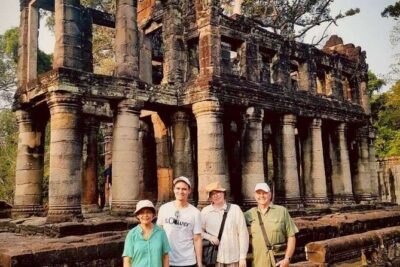
Full-Day Banteay Srei & 4 Temples – Grand Tours Join-in Tour
Read our review →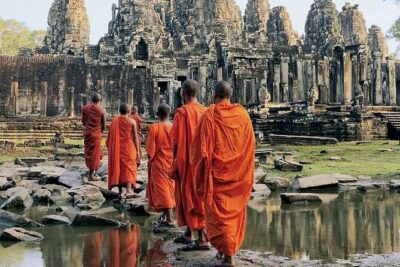
Siem Reap Tour: Angkor Wat Sunrise, Bayon, Ta Prohm, Banteay Srei
Read our review →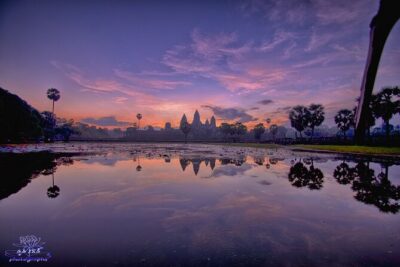
2-Day Angkor Wat With Small, Big Circuit and Banteay Srei Tour
Read our review →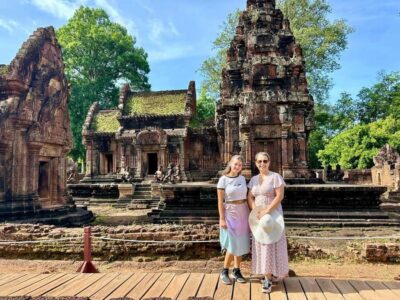
3-Days Discovery Of Angkor: Waterfalls,Floating Village and Banteay Srei temple
Read our review →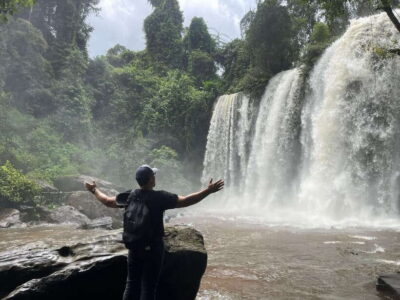
Banteay Srei, Kulen Waterfall & Beng Mealea Exploration
Read our review →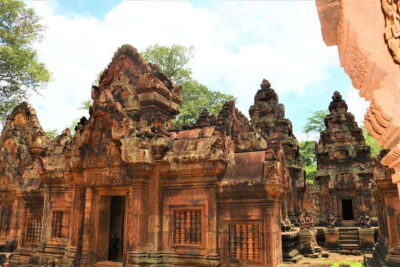
Banteay Srei and Grand Circuit Heritage Tour from Siem Reap
Read our review →Browse the lists this tour appears in