
Reviewed · BANTEAY SREI TOURS
3-Days Discovery Of Angkor: Waterfalls,Floating Village and Banteay Srei temple
Three days can cover a lot in Siem Reap. This private tour links Angkor Thom, Angkor Wat, Ta Prohm, Banteay Srei, Phnom Kulen, and Kampong Phluk without making you follow a large group. I like the mix of famous temples and rural Cambodia, and I especially like having hotel pickup, air-conditioned transport, cold water, and cool towels built into all three days.
The main drawback is the cost of the extras. The listed price is $183.08 per person, but temple admission, Phnom Kulen charges, the Tonle Sap boat, meals, and soft drinks are separate. Day one is also long and hot, while day three begins with a 4:40 AM pickup, so this is not a gentle sightseeing holiday.
Still, the design is smart. You see the major Angkor monuments, add a waterfall and a floating village, then return to Angkor for sunrise and quieter outlying temples. A private guide can adjust the pace, help with photographs, and change the order when weather or crowds make that sensible.
In This Review
- What Makes This Three-Day Tour Worth Considering
- Day One: Angkor Thom, Bayon, and a Possible Phnom Bakheng Sunset
- Day Two: Phnom Kulen’s Waterfall and Banteay Srei
- Day Three: Angkor Wat Sunrise and the Smaller Temples
- Guides, Drivers, and the Private-Tour Advantage
- Price, Extra Costs, and What You Really Receive
- Heat, Clothing, and Physical Demands
- Who Should Book This Angkor Tour?
- Should You Book It?
- FAQ
- How long is the Angkor discovery tour?
- Is hotel pickup and return included?
- Is this a private tour?
- What type of transportation is provided?
- Are the Angkor temple admission fees included?
- Is the Tonle Sap boat ride included?
- How much are the Phnom Kulen charges?
- Is breakfast provided every day?
- Can you swim at the Phnom Kulen waterfall?
What Makes This Three-Day Tour Worth Considering
- Private transport each day: Your group receives hotel pickup and return in an air-conditioned car or minivan, rather than joining a large coach.
- Sunrise and sunset on separate days: Angkor Wat sunrise comes on day three, while Phnom Bakheng sunset is attempted on day one if time, weather, and energy allow.
- Kulen National Park adds variety: The waterfall, riverbed lingas, and forest setting provide a sharp change from temple corridors.
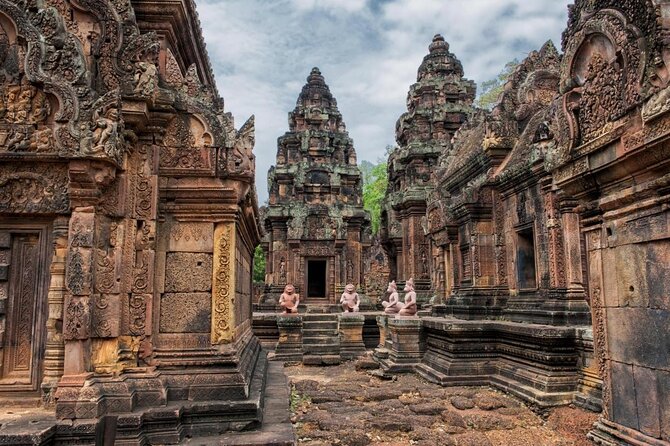
- Banteay Srei is a highlight for sculpture: This 10th-century temple dedicated to Shiva is smaller than Angkor Wat but known for its finely carved details.
- Tonle Sap comes with a real extra charge: The private boat costs $15 per person and is not included in the advertised tour price.
- Guide and driver service gets strong praise: Guides such as Sam, Seila, Sean, Saroun, Samath, and Sunny have been especially appreciated for clear explanations, flexibility, and photography help.
Day One: Angkor Thom, Bayon, and a Possible Phnom Bakheng Sunset
Pickup begins at 8:00 AM in your hotel lobby. Before entering the Angkor Archaeological Park, you stop to buy your Angkor pass. The pass is not included, so budget for it separately and confirm the current rate when booking.
The first stop is the South Gate of Angkor Thom. The gate gives you an immediate sense of the scale of the old Khmer capital, though the listed visit is brief at about 15 minutes. Your guide can explain the sculptures and the approach to the walled city before you continue to Bayon.
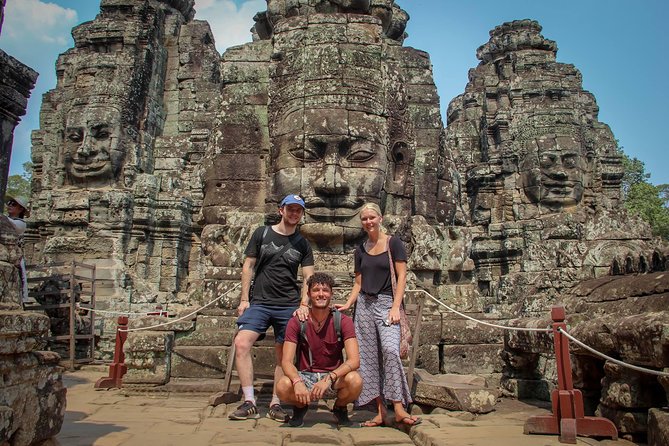
Bayon deserves more than a rushed glance. Its famous carved faces appear from the central towers, and the temple feels more enclosed and intricate than Angkor Wat. You have about 45 minutes here, enough to see the main areas, take photographs, and hear how Bayon served as the state temple of King Jayavarman VII.
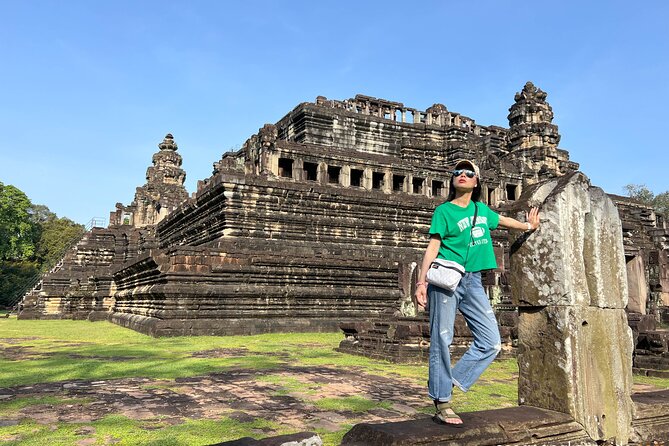
Next comes Baphuon, a three-tiered temple mountain built in the 11th century. Its elevated form gives you a different experience from Bayon, with stairs and uneven surfaces requiring comfortable shoes. The planned visit lasts about 35 minutes.
The Terrace of the Elephants and Terrace of the Leper King are shorter stops, about 15 minutes each. They work well as pieces of a larger Angkor Thom visit rather than as destinations requiring a long stay. The Elephant Terrace was used as a viewing platform, while the Leper King Terrace has layered carvings that reward a close look.
Lunch takes place at a local restaurant in the park and lasts roughly 45 to 60 minutes. You pay for your own food and drinks. This is one point where you should be clear about your needs, especially if you are vegetarian, since one booking reported limited vegetarian choices. Ask your guide to help select a suitable restaurant.
After lunch, you visit Angkor Wat for about 90 minutes. That may sound generous, but Angkor Wat is enormous, and the heat can slow you down. Your guide can help you focus on the central galleries, major carvings, and the best viewpoints instead of trying to inspect every corner.
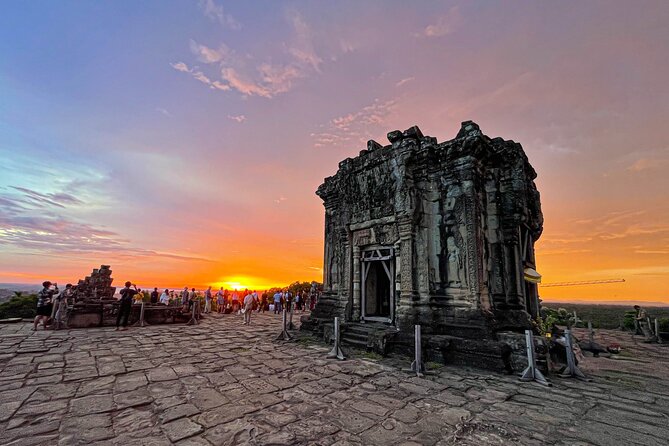
Phnom Bakheng is the final planned stop, with up to two hours listed for the visit. The climb normally begins around 4:00 PM, and the sunset visit depends on your energy, the weather, and the conditions at the hilltop. The tour description presents it as an option, not a guarantee.
That flexibility matters. After Bayon, Baphuon, the terraces, lunch, and Angkor Wat, you may be ready for a cool drink rather than another uphill walk. If you do continue, bring water and expect a slower finish to an already full day.
More trips out to Banteay Srei:
- Full-Day Banteay Srei & 4 Temples – Grand Tours Join-in Tour
★ 5.0 · 1,155 reviews - Siem Reap Tour: Angkor Wat Sunrise, Bayon, Ta Prohm, Banteay Srei
★ 5.0 · 931 reviews - 2-Day Angkor Wat With Small, Big Circuit and Banteay Srei Tour
★ 5.0 · 545 reviews
Day Two: Phnom Kulen’s Waterfall and Banteay Srei
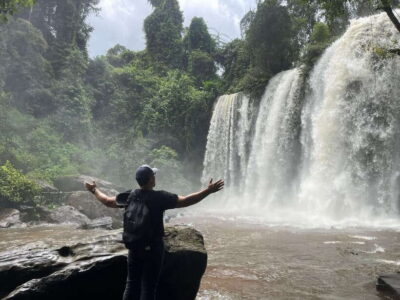
Day two begins at 8:00 AM with a drive to Phnom Kulen National Park. The park section lasts about three hours, making this the most nature-focused part of the program.
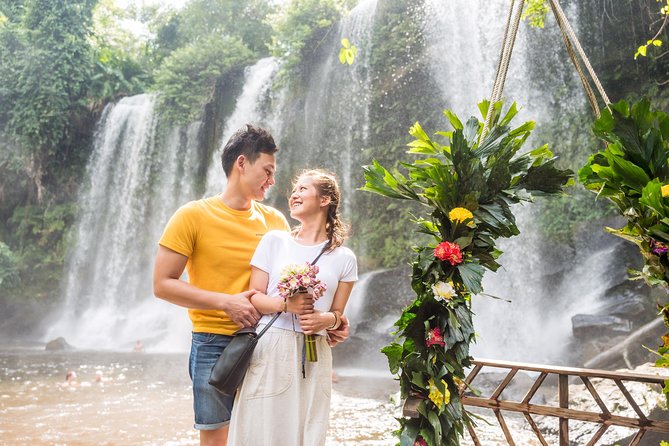
The major attraction is the waterfall, where swimming is allowed. Water levels are not consistent, and the tour information warns that the falls may have little water from March through July during the dry season. If swimming is important to you, ask about conditions before setting out rather than assuming the waterfall will look full.
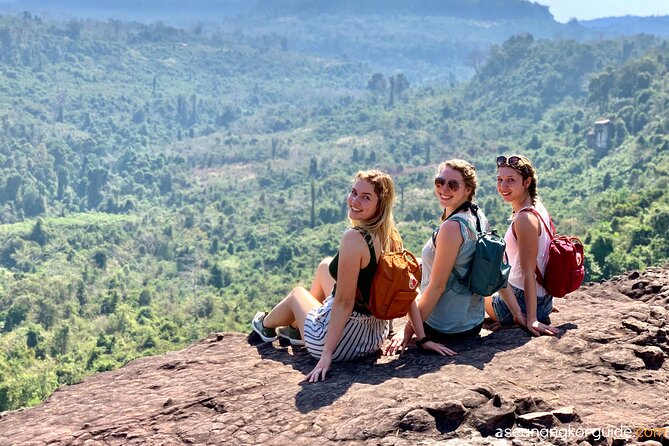
Kbal Spean is another key reason to make the trip to Kulen. Here, carvings of lingas appear in the riverbed, linking the natural setting with Hindu religious symbolism. This is a different kind of historical site from the monumental temples, and it helps explain how sacred meaning was placed into water, stone, and forest.
The Kulen visit involves driving and walking, so wear shoes you can manage on uneven ground. Pack sun protection, insect spray, and a change of clothes if you plan to swim. The heat can be intense, and there is less comfort in the park than in the air-conditioned vehicle.
Two separate charges are listed for Phnom Kulen: $20 per person for the national park and $20 per person for the Kulen Mountain pass. Since admission arrangements can change, confirm exactly how these fees apply before the tour begins.
After Kulen, the route continues to Banteay Srei for about 45 minutes. This 10th-century temple is dedicated to Shiva and is famous for its detailed sculpture. Its smaller scale makes the carving easier to appreciate up close, especially after the larger spaces at Angkor Wat and Angkor Thom.
Banteay Srei is often one of the most rewarding stops for people who care about stonework. You are not looking at vast galleries here. You are looking at carefully carved lintels, pediments, and figures, with the detail doing most of the talking.
The day ends at Kampong Phluk, a flooded village on Tonle Sap. The tour includes a private boat ride lasting about an hour, but the Tonle Sap pass and boat cost $15 per person extra. This is important to factor into the real price.
Tonle Sap changes with the seasons, and the village setting reflects life built around the lake’s shifting water levels. The boat ride gives you a view of the homes and waterways that a temple-only tour cannot provide. It also adds a human element to the trip, though you should approach the village respectfully and remember that this is a lived-in community, not a stage set.
Day two is described as a gentler day than day one, but the driving time to Kulen and the uneven walking can still make it tiring. The payoff is variety: waterfall, sacred river carvings, delicate temple sculpture, and a floating village in one day.
Day Three: Angkor Wat Sunrise and the Smaller Temples
The alarm comes early. Hotel pickup is scheduled for 4:40 AM so you can reach Angkor Wat before sunrise. Breakfast is included on day three only, so clarify when and where it will be provided. It is not included on days one and two.
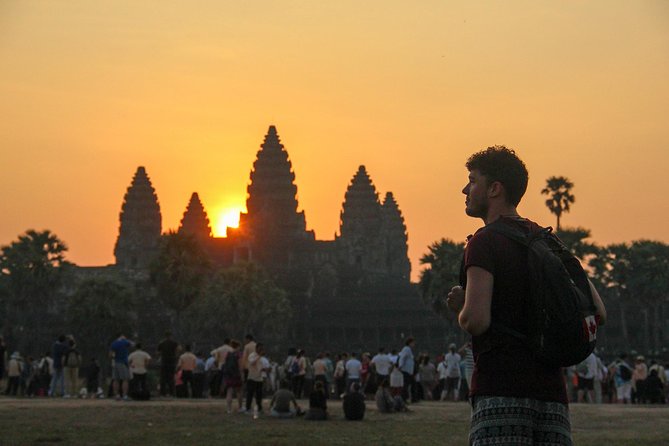
Sunrise at Angkor Wat is the emotional centerpiece of the schedule. The temple’s towers and reflection pool create the classic view, but the experience depends heavily on weather, crowds, and where you are positioned. Guides such as Sam have been praised for choosing useful photo spots and helping visitors get into position at the right time.
Do not expect sunrise to be a quiet private moment. Angkor Wat is one of the world’s best-known monuments, and the popular viewing areas can be busy. The benefit of a private guide is not that the crowds disappear, but that you have someone who knows the site and can help you use your limited morning time well.
After sunrise, the tour moves to Ta Prohm for about an hour. Tree roots and old stonework make it one of Angkor’s most memorable temples. It is also associated with the film Tomb Raider, although the temple itself is more interesting than its movie connection.
Ta Prohm can be visually dramatic but physically awkward. Narrow passages, broken stone, and uneven ground mean you should avoid flimsy footwear. Your guide may also suggest routes that reduce time spent waiting at the most popular photo points.
Pre Rup follows, with about 35 minutes planned. This pyramid temple was built as a state temple for King Rajendravarman and dedicated to Shiva. Its upper levels give you another strong example of the temple-mountain form, though the stairs can be steep.
Ta Som is smaller and more relaxed. The temple was built for Jayavarman VII, and its most memorable feature is the tree growing around part of the structure. You have about 35 minutes, enough to look closely without the scale of Angkor Wat taking over the visit.
Neak Pean is a compact temple on an artificial island. The visit lasts about 20 minutes, so think of it as a focused stop rather than a long exploration. Its setting around water makes it a welcome visual change after several large stone complexes.
The final major stop is Preah Khan, with about an hour planned. Built in the 12th century for Jayavarman VII in honor of his father, it has long corridors, carved chambers, and a more extended route through the ruins. It is a fitting end because it combines the scale of a major temple with the tangled, weathered character found at Ta Prohm.
This day has good rhythm. The early start handles Angkor Wat before the worst heat, then the itinerary shifts through famous and lesser-known monuments. The downside is simple: sunrise followed by five temples can leave you worn out, especially if you also climbed Phnom Bakheng the previous afternoon.
Guides, Drivers, and the Private-Tour Advantage
The strongest part of the service is the guide and driver pairing. The guide is not simply there to point out names. The best guide assignments explain Cambodian kingship, Buddhist and Hindu symbols, temple purpose, and the stories behind the carvings.
Sam and Samath have been singled out for detailed explanations, humor, and help with photographs. Seila has been praised for clear history lessons and kindness. Sean, Saroun, Sunny, and Phon Seiha have also received strong praise for patience, timing, and adapting the route to individual needs.
Names are not guaranteed, so you cannot book a particular guide unless the operator confirms it. You can, however, tell the company what matters to you: history, photography, slower walking, family needs, or help with older members of your group.
The driver matters just as much on this itinerary. Days one and three involve repeated temple walks, while day two includes longer roads and rougher sections toward Kulen. Drivers including Tha, Leap, Sophat, Kim, Samady, May, and Handsome have been praised for safe driving, punctual pickups, and offering cold water and wet towels after hot walks.
That small comfort is genuinely useful in Cambodia. You return to the vehicle sweaty and dusty, and a cold towel changes your mood quickly. Air conditioning, hotel return, and a private vehicle also mean you can carry extra water, clothing, and personal items without managing a large group.
More floating village trips:
- From Siem Reap: Kampong Phluk Floating Village Tour by Boat
★ 4.9 · 6,979 reviews - Sunset tour of Kampong Phluk stilts home village on the Tonle Sap
★ 5.0 · 4,865 reviews - Siem Reap: Kampong Phluk Floating Village Tour with Boat
★ 4.9 · 3,843 reviews - Siem Reap Floating Village Kampong Phluk Sunset with Boat
★ 5.0 · 1,962 reviews
Price, Extra Costs, and What You Really Receive
At $183.08 per person, the tour offers substantial value for a private three-day program, particularly if you are sharing the vehicle with family or friends. You receive a professional English-speaking guide, driver, hotel pickup and return, private air-conditioned transport, cool water, cool towels, and breakfast on day three.
The advertised price is not the final trip cost. You need to add:
- Angkor admission
- Phnom Kulen National Park, listed at $20 per person
- Kulen Mountain pass, listed at $20 per person
- Tonle Sap pass and private boat, $15 per person
- Lunches, dinners, snacks, and soft drinks
The operator does not include food except for day three breakfast. Plan ahead if you have dietary restrictions, and tell the guide before lunch rather than waiting until you are hungry.
The value is strongest when you want a private schedule and guidance at major archaeological sites. It is less attractive if you only want Angkor Wat and Bayon, since a shorter temple package could cost less and feel less tiring.
Heat, Clothing, and Physical Demands
Wear clothing covering your shoulders and knees at the temples. Loose, light clothing is the practical choice, since modest dress is expected and the weather can be hot. The park authority can refuse entry to areas if clothing is considered immodest.
Comfortable walking shoes are essential. You will handle temple stairs, uneven stone, forest paths, and outdoor sites under strong sun. Bring sunscreen, mosquito spray, and water every day, even though the driver supplies cool water.
The itinerary suits most people who can walk for extended periods, but it is not ideal for anyone seeking a low-effort holiday. Day one combines several Angkor Thom stops with Angkor Wat and a possible sunset climb. Day two adds Kulen walking and driving. Day three starts before dawn and continues through five temple sites.
The private format helps. You can ask for a slower pace, a short rest, or a change in the order when the guide agrees. Past bookings also describe the service as accommodating to older family members and personal dietary needs, but you should explain those needs before departure.
Who Should Book This Angkor Tour?
I would choose this tour if you have three days in Siem Reap and want more than the standard Angkor Wat circuit. It suits first-time visitors who want the major temples explained properly, families who value a private vehicle, and photographers who want help with timing and viewpoints.
It also suits people who like variety. One day is dominated by great monuments, one day by Kulen and Tonle Sap, and one day by sunrise followed by smaller temples. That spread keeps the trip from becoming three identical days of stone corridors.
I would hesitate if you dislike early starts, long drives, heat, or walking on rough ground. I would also compare other options if your budget cannot absorb the extra admission and boat charges.
Should You Book It?
Book this tour if you want a well-filled private introduction to Siem Reap and can handle the pace. The best reasons are the varied schedule, strong guide service, air-conditioned transport, and the chance to see both Angkor’s headline temples and places such as Kbal Spean, Banteay Srei, and Kampong Phluk.
Before paying, confirm the total admission costs, breakfast arrangements, the Tonle Sap boat fee, and the likely walking level for your group. If those details fit your budget and energy, this is a practical way to cover the area without spending three days repeating the same temple circuit.
FAQ
How long is the Angkor discovery tour?
The experience lasts approximately three days.
Is hotel pickup and return included?
Yes. Pickup and return to your hotel are included on all three days.
Is this a private tour?
Yes. Only your group participates in the activity.
What type of transportation is provided?
Private transportation is provided in an air-conditioned car or minivan.
Are the Angkor temple admission fees included?
No. Admission fees for the Angkor sites are not included in the listed price.
Is the Tonle Sap boat ride included?
No. The Tonle Sap pass and private boat ride cost $15 per person separately.
How much are the Phnom Kulen charges?
The supplied tour information lists $20 per person for Phnom Kulen National Park and $20 per person for the Kulen Mountain pass.
Is breakfast provided every day?
No. Breakfast is included on day three only. Food and soft drinks on the other days are not included.
Can you swim at the Phnom Kulen waterfall?
Yes, swimming is allowed at the waterfall. Water levels may be low during the dry season from March through July.
Newest reviews from Siem Reap
- War Museum, Killing Field, and APOPO Hero RATs Tour★ 5.0 · 7 reviews
- Angkor Wat at Sunrise★ 4.0 · 7 reviews
- Siem Reap Angkor Airport Taxis (from Airport to Hotel)★ 5.0 · 44 reviews
- Cambodian Cooking Class and Oxcart Ride with Local Village Tour★ 5.0 · 4 reviews
- Secret Temples of Angkor – Guided Tour in Siem Reap★ 5.0 · 6 reviews
- Short Cycling at Countryside★ 5.0 · 29 reviews
- SIEM REAP E-BIKE HALF-DAY COUNTRYSIDE (25-30 km)★ 4.0 · 1 review
- Unveiling the Mystical Beauty of Phnom Kulen National Park★ 5.0 · 6 reviews
Banteay Srei Tours, compared.
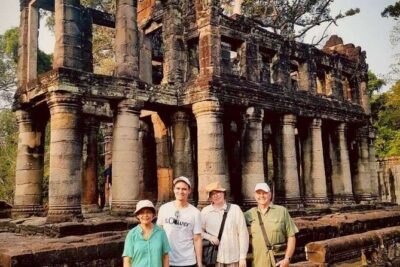
Full-Day Banteay Srei & 4 Temples – Grand Tours Join-in Tour
Read our review →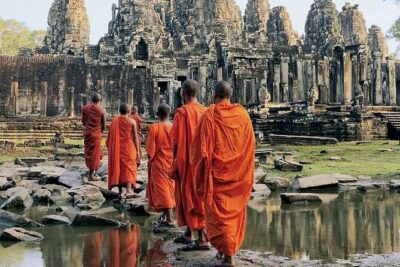
Siem Reap Tour: Angkor Wat Sunrise, Bayon, Ta Prohm, Banteay Srei
Read our review →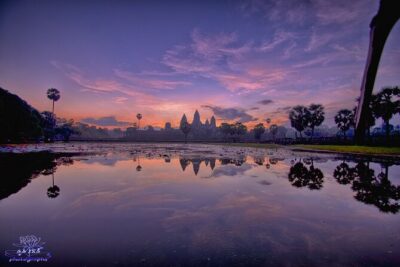
2-Day Angkor Wat With Small, Big Circuit and Banteay Srei Tour
Read our review →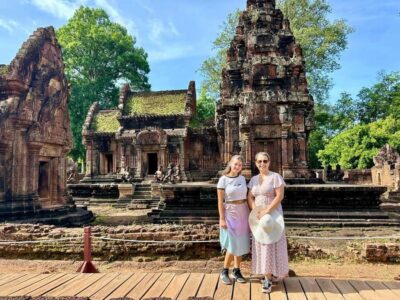
Banteay Srei, Kulen Waterfall & Beng Mealea Exploration
Read our review →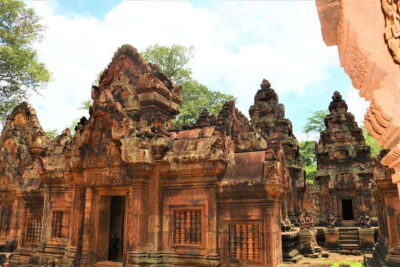
Banteay Srei and Grand Circuit Heritage Tour from Siem Reap
Read our review →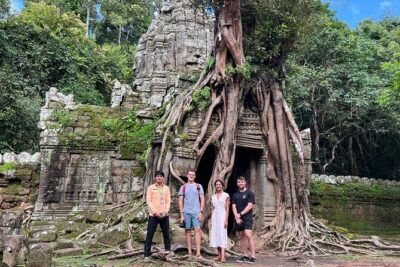
2-Day Angkor Wat Tour with Banteay Srei and Floating Village
Read our review →Browse the lists this tour appears in