
Reviewed · MUSEUMS
Siem Reap: Khmer Rogue, War museum &landmine museum Day Tour
History here asks you to pay attention. This eight-hour Siem Reap tour connects Wat Thmei’s Killing Fields, the Cambodia Landmine Museum, and the War Museum in one serious, well-planned day. I like the clear focus on Cambodia’s Khmer Rouge period and later conflicts, and I like that an English-speaking guide helps place the difficult exhibits in context. Guides Mr. Sok Vuthy and Buth Veasna have earned especially warm praise for their expert, passionate explanations.
The main drawback is the amount of time spent in the minivan. The route includes several drives, including stretches of about an hour, so this is not a fast museum hop. The subject matter is also painful, with little room for light sightseeing until you return to Siem Reap. Still, the tour offers a useful look at Cambodia beyond Angkor’s temples, with hotel pickup, entry fees, cold water, and a wet towel included for $78.
In This Review
- Key points to know before you book
- Why this Siem Reap history tour matters
- Starting in Krong Siem Reap
- Wat Thmei and the weight of the Killing Fields
- The Cambodia Landmine Museum and a former child soldier’s mission
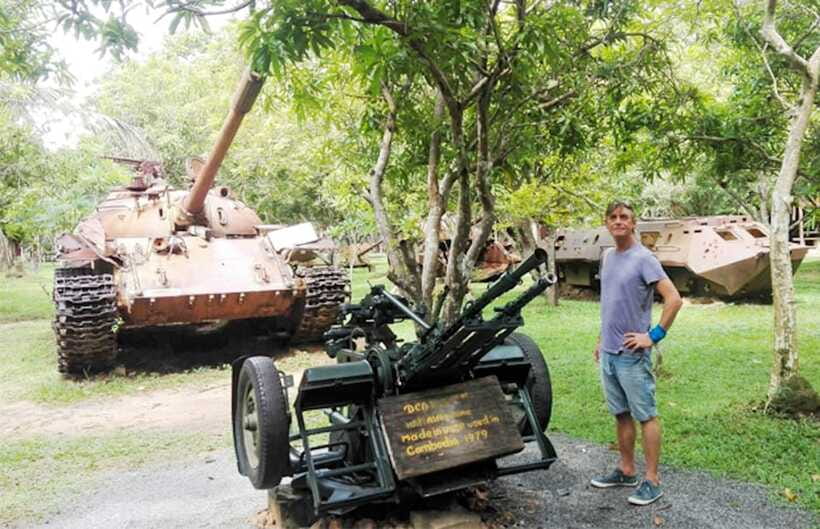
- The War Museum’s collection of weapons and conflict history
- The road time: useful, but not insignificant
- What the $78 price really covers
- Who should take this tour
- Practical advice for a respectful visit
- Should you book it?
- FAQ
- How long does the Siem Reap war history tour last?
- Which attractions are included?
- Is hotel pickup and drop-off included?
- Is a guide included?
- Are museum entry fees included?
- Can I cancel the tour for a refund?
Key points to know before you book
- Three serious sites in one day: Visit Wat Thmei, the Cambodia Landmine Museum, and the War Museum.
- A guide gives the day its value: Mr. Sok Vuthy and Buth Veasna are praised for clear, passionate explanations.
- Expect a full eight hours: The route includes several coach rides, with some drives lasting around an hour.
- The Landmine Museum has a personal story: It was founded by a former child soldier and displays thousands of decommissioned mines and weapons.
- The day is about recovery as well as conflict: You learn about Cambodia’s suffering, the dangers left behind, and the country’s efforts to move forward.
- Practical extras are covered: Hotel pickup and drop-off, museum admission, cold water, and a wet towel are included.
Why this Siem Reap history tour matters
Siem Reap is best known for Angkor Wat, but Cambodia’s modern past is close at hand. The Khmer Rouge period from 1975 to 1979 caused enormous suffering, and later fighting left the country with unexploded weapons and landmines. This tour gives you a way to understand that past through places, objects, and personal stories.
I see the value in visiting all three sites together. Wat Thmei gives you a quiet place of remembrance. The Landmine Museum shows the physical remains of war and the dangers they created long after fighting stopped. The War Museum brings together weapons and military objects from several parts of Cambodia.
The experience does not treat the past as a detached history lesson. You see the results in real locations and collections built from objects found in former conflict areas. The day also leaves room for a hopeful message: Cambodia has suffered greatly, but it has worked to recover and remove the hazards left by war.
This is not a casual excursion. You may find the material upsetting, especially at Wat Thmei. I would choose it when you want to understand present-day Cambodia more fully, not when you are looking for a relaxed break between temple visits.
More Museum Visits in Siem Reap
- Bantey Srei, Kbal Spean and Landmine museum Private Tuk-Tuk
★ 4.7 · 30 reviews - Siem Reap City Tour with War Museum and Killing Field
★ 5.0 · 27 reviews - Private Tour: HERO Rats & Angkor National Museum
★ 4.5 · 16 reviews
Starting in Krong Siem Reap
Your guide picks you up at your hotel in a minivan. The pickup area covers Krong Siem Reap, and you should wait in the hotel lobby 20 minutes before the scheduled time. Since starting times vary, check availability before booking and keep the full eight-hour window open.
The minivan format makes the long route easier than arranging several separate rides. You can also return directly to your hotel at the end, which is useful after a demanding day. The tradeoff is that the exact group size is not specified, so you should not assume a private tour or a small party.
The order of the visits may involve several road sections. The planned schedule lists a one-hour ride before the War Museum, another one-hour ride afterward, a 45-minute ride before Wat Thmei, and a final 30-minute return. That is a substantial amount of time on the road, but it also shows why combining the sites with one vehicle is practical.
Wat Thmei and the weight of the Killing Fields
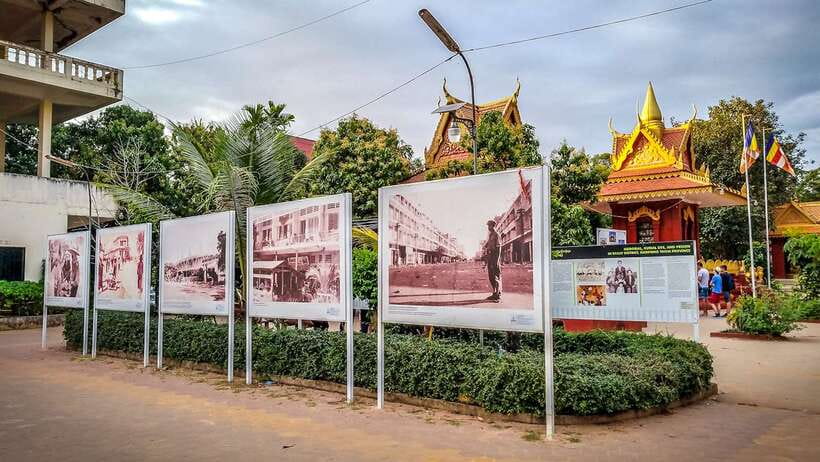
Wat Thmei is the most emotionally difficult stop. It is a temple site associated with the Killing Fields, and your guide explains its place in the Khmer Rouge period. Like other memorial sites connected with that era, it is intended for quiet reflection as well as learning.
You should expect a heavy atmosphere rather than a polished museum experience. The point is not spectacle. It is to face the human cost of political violence and to understand why this period remains so important to Cambodia’s identity.
The planned visit lasts about two hours, making it the longest stop. That gives your guide time to explain the site and answer questions without forcing the visit into a rushed walk-through. I would allow yourself some quiet time here. You do not need to fill every moment with conversation.
Wat Thmei can also help frame the rest of the day. At the Landmine Museum, you see what war left behind. At the War Museum, you see the tools and machinery of conflict. Here, you confront the suffering those conflicts caused.
Because the subject is serious, think carefully about the age and temperament of anyone in your group. The supplied information does not set an age limit, but this is plainly an adult subject in tone. Flash photography is not allowed, so bring a respectful approach rather than treating the site as a standard sightseeing stop.
The Cambodia Landmine Museum and a former child soldier’s mission
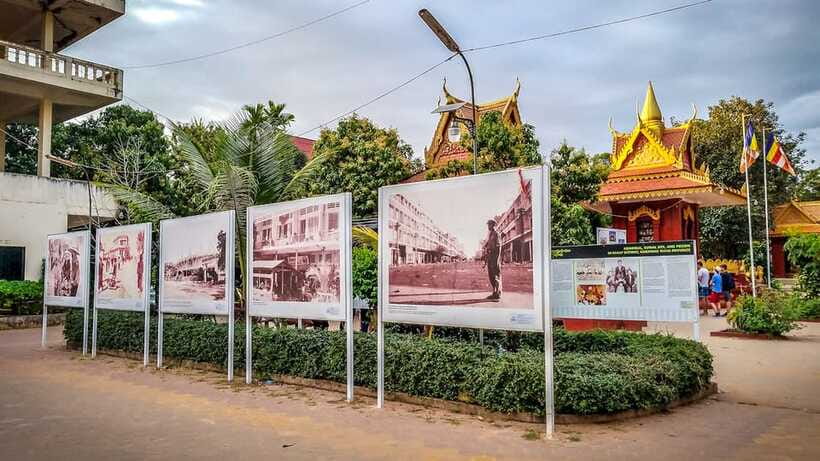
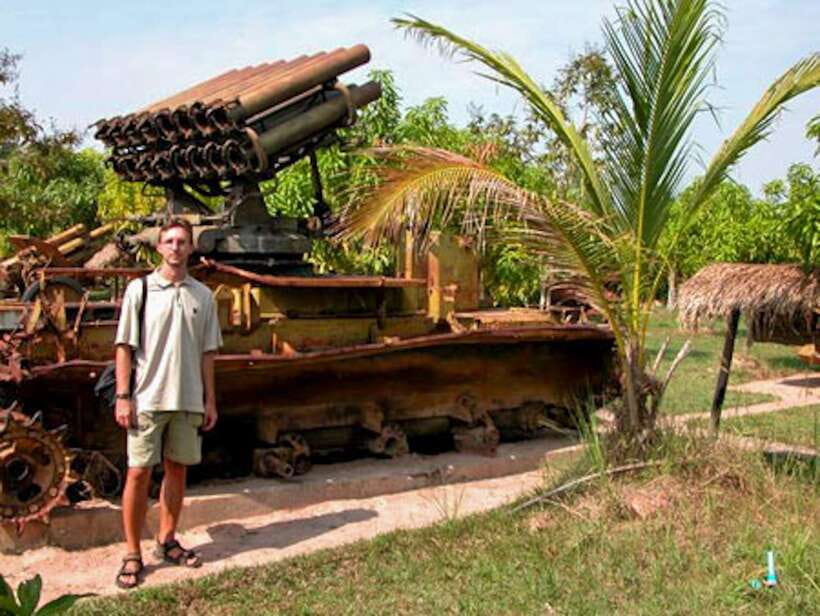
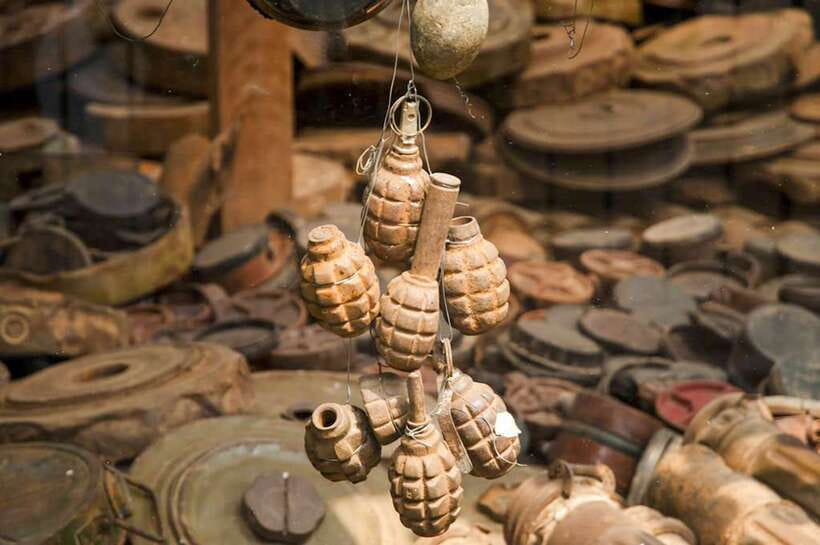
The Cambodia Landmine Museum offers a different kind of lesson. The museum was established by a former child soldier and contains thousands of decommissioned landmines and other weapons of war. That personal link gives the visit a strong focus: these are not just old objects, but remnants of a danger that affected Cambodian communities long after the battles ended.
Your guided visit lasts about 1.5 hours. That is enough time to look closely at the collection and learn why landmines remain such a serious problem. The museum also explains how people can support efforts to clear these weapons from the world.
I like this stop because it connects Cambodia’s past with an ongoing task. The Khmer Rouge period is history, but the effects of war did not end when the fighting stopped. Mines and other weapons can continue to injure people years later. The museum helps you understand that recovery means more than rebuilding roads and towns. It also means making the ground safe.
Do not expect a conventional military museum with a neat timeline and glossy displays. The emphasis here is on decommissioned weapons, their effects, and the work of removal. Your guide helps make the collection easier to understand, especially if you do not already know much about Cambodia’s wars.
This is also a useful place to ask questions. Guides Mr. Sok Vuthy and Buth Veasna have been singled out for their strong command of the subject and their enthusiasm for explaining it. A guide who can connect an object to its human impact makes a major difference in a museum like this.
Something completely different for another day:
- Angkor Wat Sunrise or Sunset Tour with Guide from Siem Reap
★ 5.0 · 12,109 reviews - Siem Reap: Angkor Wat: Small-Group Sunrise or Sunset Tour
★ 5.0 · 9,444 reviews - From Siem Reap: Kampong Phluk Floating Village Tour by Boat
★ 4.9 · 6,979 reviews - Sunset tour of Kampong Phluk stilts home village on the Tonle Sap
★ 5.0 · 4,865 reviews
The War Museum’s collection of weapons and conflict history
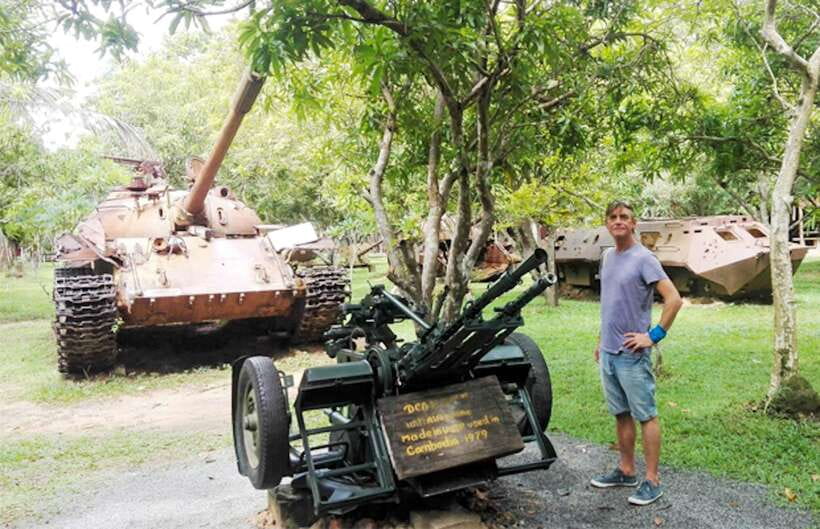
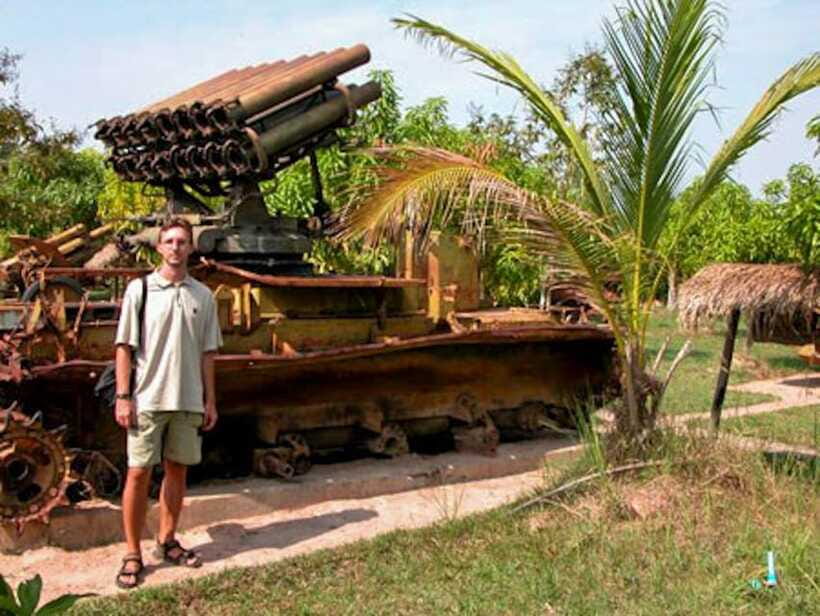
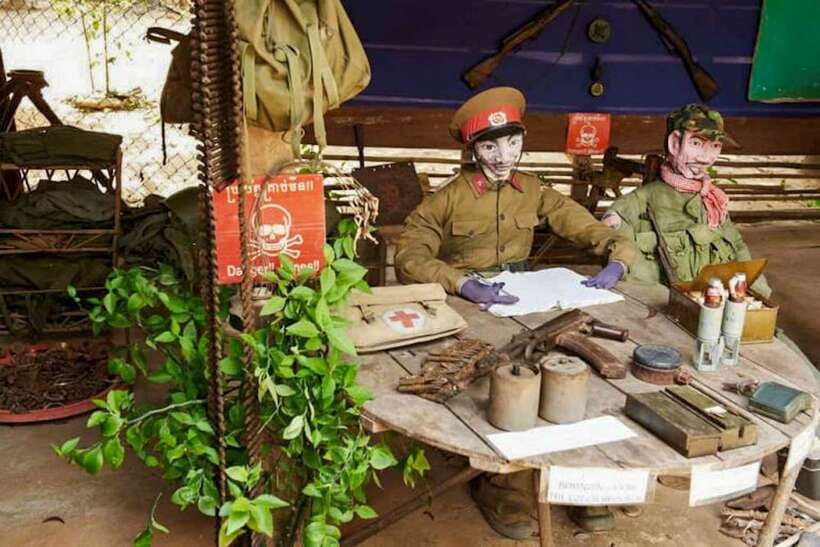
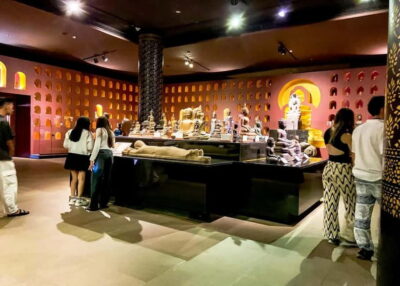
The War Museum Cambodia holds a collection gathered since 1999 from areas where fighting took place, including Anlong Veng, Siem Reap, and Odor Meangchey. The collection includes weaponry and other military pieces, giving you a physical view of Cambodia’s complex conflict history.
Your guided visit lasts about 1.5 hours. You will have time to walk through the displays, examine the objects, and hear how they relate to different periods of fighting. The material may appeal to anyone interested in military history, but the value is broader than the machinery itself.
Weapons can look abstract when they appear in a textbook. Here, they help show the scale and nature of the conflict. Your guide adds the missing human and political context, so the visit is not simply a parade of guns and equipment.
The War Museum works best after the Landmine Museum because the two collections complement one another. One focuses closely on landmines and their lasting danger. The other offers a wider collection tied to fighting in several areas. Together, they show both the tools of war and the long work of recovery.
I would not expect a museum with the presentation style of a major international institution. The appeal lies in the objects, the stories attached to them, and the guide’s explanations. The quality of your visit depends heavily on how well the information is presented, which is why the praise for Sok Vuthy and Buth Veasna is worth noting.
The road time: useful, but not insignificant
The schedule includes several bus or minivan sections. One ride is listed at an hour before the War Museum, another at an hour afterward, then 45 minutes before Wat Thmei, and 30 minutes for the final return. These estimates make transport a major part of the day.
I would treat the road time as part of the tour rather than an annoying gap. The museums are not all in one compact cluster, and hotel pickup means you do not need to plan the connections yourself. The air-conditioned vehicle is also a practical relief in Siem Reap’s heat, though the supplied details do not specify air conditioning or the size of the group, so it is best not to assume either.
Cold water and a wet towel are included. That sounds small, but after walking through three serious sites and spending much of the day on the road, these simple comforts matter.
Food and soft drinks are not included. Plan to handle meals and other drinks separately, although the exact meal arrangements are not specified. Souvenirs also cost extra. Since the schedule is full, I would confirm how the day handles any meal break before setting other plans around it.
What the $78 price really covers
At $78 per person, this is not the cheapest way to see a few museums. The value comes from the full-day structure and the transport between sites. You are paying for hotel pickup and drop-off, an English-speaking guide, admission to all three museums or attractions, and practical refreshments.
Booking separate transport could be inconvenient, especially when the route includes several longer drives. You would also need to arrange entry fees and find someone to explain the historical setting. Here, those pieces are combined into one service.
The price makes more sense if you value explanation. Without a guide, the weapons and memorial sites could feel disconnected. With a strong guide, the day forms a clear story: mass suffering under the Khmer Rouge, the continuing danger of mines, the wider history of armed conflict, and Cambodia’s efforts to recover.
The tour is less good value if you only want a quick look at one site or prefer to explore museums independently. Eight hours is a large commitment, and the subject matter is intense. I would compare it with your other Siem Reap plans before booking, especially if your schedule already includes several long excursions.
The free cancellation policy allows you to cancel up to 24 hours before the tour for a full refund. You can also reserve now and pay later, which helps if your Cambodia plans are still changing.
Who should take this tour
I would recommend it to first-time visitors who want more than temple architecture. It suits you if you are interested in modern Cambodian history, human rights, military history, or the practical work of postwar recovery.
It can also suit repeat visitors to Siem Reap. After seeing Angkor’s monuments, you may want to understand the country you are visiting today. This tour gives you that chance without requiring you to arrange a complicated route.
Families should consider the tone carefully. The activity is wheelchair accessible, but the information provided does not explain the surface conditions at each site or the exact vehicle setup. If accessibility is important for your group, confirm those details before booking.
I would skip it if you want a light sightseeing day, dislike museums with weapons, or know that memorial sites will be too upsetting. The guide can make the material easier to follow, but no guide can make the subject cheerful.
The English-language guiding is an important part of the experience. Guides Sok Vuthy and Buth Veasna receive specific praise for being well informed, passionate, and enjoyable to listen to. That matters here because the objects alone cannot explain Cambodia’s political history or the human cost behind them.
Practical advice for a respectful visit
Wear comfortable clothing for walking and be ready for a long day. The itinerary includes guided sightseeing and walking at each main stop, along with multiple vehicle transfers.
Bring water if you prefer more than the included supply, and plan for your own food and soft drinks. Keep your schedule clear after the tour, too. Wat Thmei can leave you needing quiet time rather than another busy activity.
Photography rules are simple: flash photography is not allowed. Follow your guide’s instructions, especially at Wat Thmei, and use a calm, respectful manner throughout the day.
Most important, arrive ready to listen. Ask questions when the guide invites them, but give memorial spaces the quiet they require. The purpose of the tour is not to collect dramatic photos. It is to understand how Cambodia endured violence and how recovery continues.
Should you book it?
Book this tour if you want a serious, guided look at Cambodia’s modern past and you are willing to give up a full day. The strongest reasons are the combination of three meaningful sites, the personal focus of the Landmine Museum, and the praised guiding from Sok Vuthy and Buth Veasna.
Think twice if you want a short outing, a private experience, or a relaxed day away from difficult subjects. The drives are long, food is not included, and the emotional weight is real.
For the right visitor, $78 is a fair price for an organized day that links memorials, museums, transport, admissions, and expert explanation. I would schedule it away from your busiest temple days, leave room to reflect afterward, and choose it as a way to see the strength and survival behind modern Cambodia.
FAQ
How long does the Siem Reap war history tour last?
The tour lasts eight hours, including transportation between Krong Siem Reap and the three main stops.
Which attractions are included?
The tour includes Wat Thmei, the Cambodia Landmine Museum, and War Museum Cambodia.
Is hotel pickup and drop-off included?
Yes. Pickup and drop-off in Krong Siem Reap are included. You should wait in your hotel lobby 20 minutes before the scheduled pickup time.
Is a guide included?
Yes. An English-speaking live guide accompanies the tour. The experience provider is Angkor Wat Share Tours.
Are museum entry fees included?
Yes. Museum entries are included in the $78 per-person price.
Can I cancel the tour for a refund?
Yes. You can cancel up to 24 hours in advance for a full refund. You can also reserve now and pay later.
Newest reviews from Siem Reap
- War Museum, Killing Field, and APOPO Hero RATs Tour★ 5.0 · 7 reviews
- Angkor Wat at Sunrise★ 4.0 · 7 reviews
- Siem Reap Angkor Airport Taxis (from Airport to Hotel)★ 5.0 · 44 reviews
- Cambodian Cooking Class and Oxcart Ride with Local Village Tour★ 5.0 · 4 reviews
- Secret Temples of Angkor – Guided Tour in Siem Reap★ 5.0 · 6 reviews
- Short Cycling at Countryside★ 5.0 · 29 reviews
- SIEM REAP E-BIKE HALF-DAY COUNTRYSIDE (25-30 km)★ 4.0 · 1 review
- Unveiling the Mystical Beauty of Phnom Kulen National Park★ 5.0 · 6 reviews
Museums, compared.
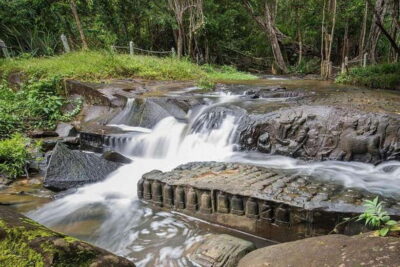
Bantey Srei, Kbal Spean and Landmine museum Private Tuk-Tuk
Read our review →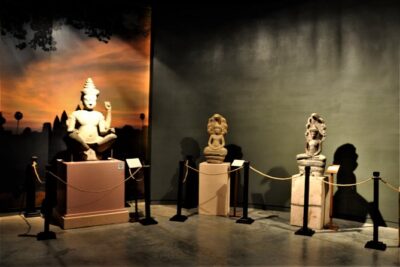
Private Tour: HERO Rats & Angkor National Museum
Read our review →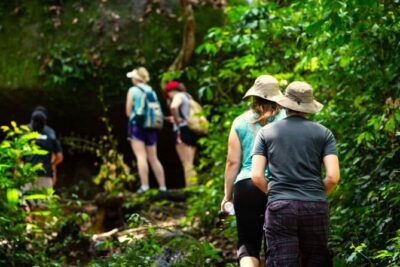
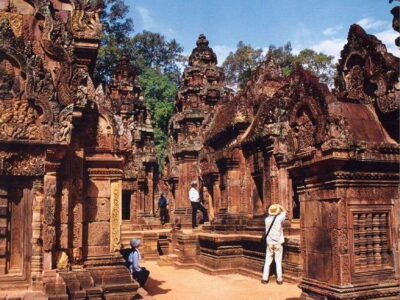
Kbal Spean Trekking Tour with Banteay Srei and Landmine Museum
Read our review →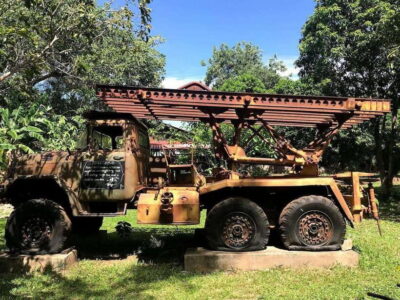
Bantreay Srei , Kbal Spean and Landmine Museum with Tuk Tuk
Read our review →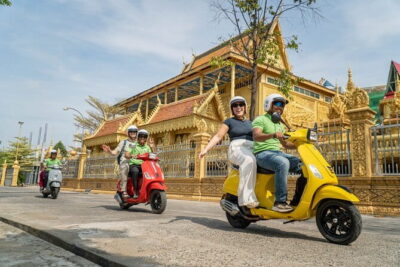
Browse the lists this tour appears in