
Reviewed · ANGKOR WAT SUNRISE TOURS
Siem Reap Angkor Wat Sunrise or Sunset Explore The Temples +Guide
Angkor Wat rewards an early start. This $18 temple tour packs Angkor Wat, Banteay Kdei, Ta Prohm, Bayon, and Angkor Thom into about eight and a half hours, with hotel pickup, air-conditioned minibus transport, drinking water, and an English-speaking guide. I like the broad route and the chance to see both famous monuments and a quieter temple.
I also like the practical structure: pickup and drop-off are included, the group can reach up to 25 people, and guides such as Prem and Chamrong have been praised for clear English and strong knowledge of the temples. The main drawback is simple but important: your Angkor entrance ticket and food are not included, so the $18 headline price is not the full cost of the day.
In This Review
- Key points before you book
- A full day among Angkor’s best-known temples
- Angkor Wat with three hours to look up
- Banteay Kdei, a quieter hour
- Ta Prohm and the famous tree roots
- Bayon’s smiling stone faces
- Tonle Om Gate and Angkor Thom’s grand approach
- What the $18 price really covers
- Guide quality can shape the whole day
- Who should choose this temple route?
- Practical details for a smoother day
- Should you book this Angkor Wat tour?
- FAQ
- What is included in the $18 tour price?
- Is the Angkor entrance ticket included?
- Is food included?
- How long does the experience last?
- Which temples and sites are visited?
- How many people can join the tour?
- Can I cancel for a full refund?
Key points before you book
- Five major temple stops: You see Angkor Wat, Banteay Kdei, Ta Prohm, Bayon, and the South Gate of Angkor Thom in one full day.
- Sunrise or sunset format: The experience is presented as a sunrise or sunset tour, while the detailed schedule begins with an early hotel pickup. Confirm the exact departure time when booking.
- Guide-led sightseeing: An English-speaking guide explains the buildings, carvings, religious meaning, and local history instead of leaving you to wander alone.
- Tickets cost extra: You must buy your own Angkor Archaeological Park entrance ticket, and the tour price does not cover meals.
- Air-conditioned transport: The minibus matters in Cambodia’s heat, especially after several hours among exposed stone courtyards.
- Free cancellation: You can cancel at least 24 hours before the start for a full refund. Poor weather may lead to a new date or a full refund.
A full day among Angkor’s best-known temples
This is a route for someone who wants a strong first look at the Angkor complex without arranging separate rides between each temple. The schedule gives three hours to Angkor Wat, one hour at Banteay Kdei, two hours at Ta Prohm, two hours at Bayon, and 30 minutes at Angkor Thom’s South Gate.
That is a useful mix. Angkor Wat gives you scale and ceremony. Banteay Kdei slows the pace. Ta Prohm supplies the famous tree roots. Bayon brings the giant stone faces and detailed carvings. The South Gate provides a dramatic final stop and a good sense of how Angkor Thom was entered.
The day is long, though. Eight and a half hours is a serious outing, and the temples involve walking on uneven stone, climbing steps, and standing in the heat. I would choose this trip for a first visit when you want to see the major sights in one push. If you prefer lingering quietly at one or two temples, the schedule may feel tight.
More ways to see Angkor Wat:
- Angkor Wat Sunrise or Sunset Tour with Guide from Siem Reap
★ 5.0 · 12,109 reviews - Siem Reap: Angkor Wat: Small-Group Sunrise or Sunset Tour
★ 5.0 · 9,444 reviews - Siem Reap: Angkor Wat 2-Day Tour with Sunrise and Sunset
★ 4.9 · 4,429 reviews
Angkor Wat with three hours to look up
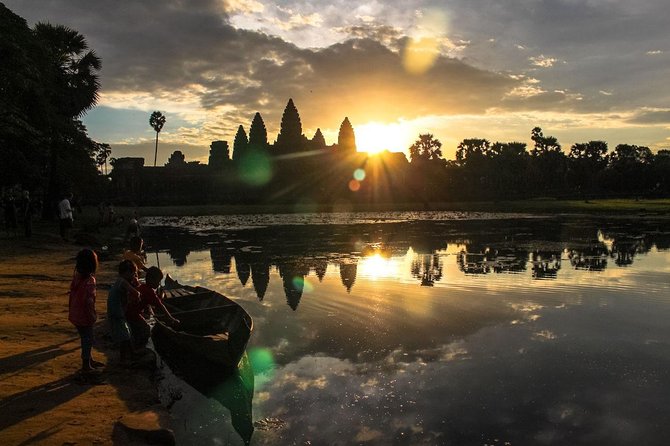
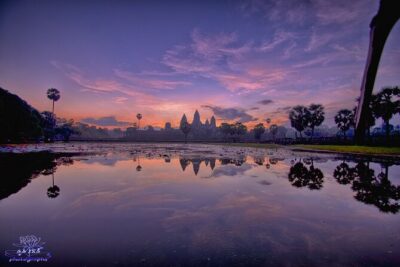
Angkor Wat is the anchor of the day, and three hours gives you enough time to do more than take a quick photograph at the entrance. You can expect grand galleries, intricate carvings, courtyards, and sacred spaces arranged around the central temple.
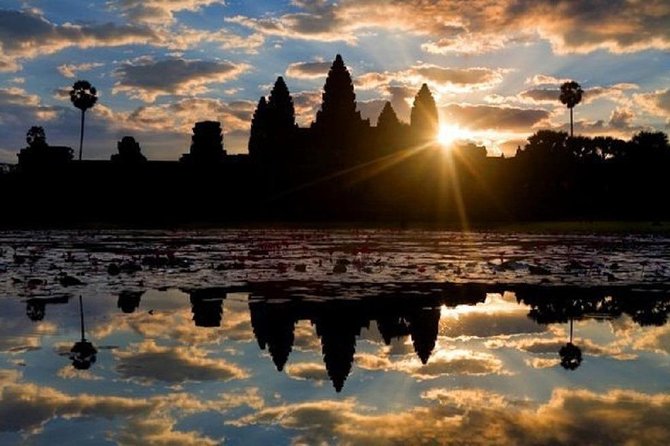
If you choose the sunrise option, the early pickup is part of the bargain. The appeal is the changing light around the temple and the cooler start to the day. Sunrise conditions are never guaranteed, and the weather policy specifically allows a different date or full refund if poor weather cancels the experience.
The title also presents a sunset option, but the detailed schedule describes an early morning pickup. That makes the exact timing worth checking before you commit. A sunrise outing and a sunset outing create very different days, particularly when the route includes five stops.
Your entrance ticket is separate. The tour takes you to the park, but you must purchase admission at your own expense before entering. Since the ticket price is not supplied here, check the current official rate when planning your total budget.
Three hours sounds generous, but Angkor Wat can absorb it easily. A guide can help you notice carvings and explain why the temple feels different from the later Buddhist sites. Without a guide, it is easy to see only the famous front view and miss the details along the galleries.
Banteay Kdei, a quieter hour
Banteay Kdei means Citadel of Chambers. Built in the late 12th century, this Buddhist monastery is known for its corridors, carvings, and calmer atmosphere compared with the headline monuments.
I like its place in the route. After the scale of Angkor Wat, Banteay Kdei offers a change of mood. The one-hour stop is long enough to walk through its serene passages and study the architecture without turning the visit into another major expedition.
The tradeoff is that Banteay Kdei may not deliver the instant visual drama of Ta Prohm or Bayon. Its appeal comes through the layout and quieter details. If your time in Siem Reap is limited, this stop gives you a useful example of a less famous temple. If you only care about the biggest photographic moments, it may feel like the least essential part of the day.
This is where a guide can add real value. A good explanation helps you understand Banteay Kdei as a Buddhist monastic complex rather than just another pile of weathered stones. Past praise for guides such as Prem focused on clear English and strong explanations of both the buildings and the area’s history.
Ta Prohm and the famous tree roots
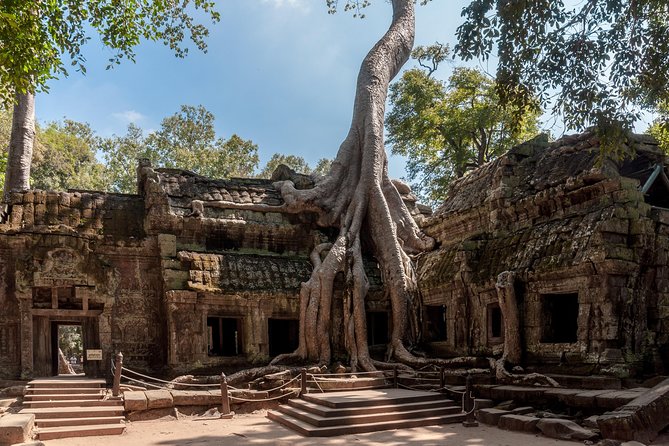
Ta Prohm is the stop most likely to match the image you already have in your head: stone walls tangled with enormous tree roots. The temple was left largely unrestored, which gives it a powerful jungle-temple character.
Two hours here is helpful. You have time to move beyond the first dramatic root-covered wall and look at the wider complex, including its doorways, galleries, and damaged sections. The setting makes Ta Prohm highly photogenic, but the temple is more than a backdrop. Its incomplete, overgrown appearance shows how nature and masonry now share the same space.
I would listen closely to the guide here. The roots attract attention, but the surrounding structure explains why the temple feels so complex. You can also compare Ta Prohm with Banteay Kdei, which has a more orderly and peaceful character.
The practical issue is footing. The information provided does not promise specific accessibility arrangements, and the tour involves historic temple grounds. Wear shoes suitable for uneven surfaces, and expect a lot of walking. Most people can participate, but the length of the stop and the stone terrain may be tiring for anyone with mobility concerns.
More sunrise starts at Angkor Wat:
- Angkor Wat Sunrise tour with Small – Group and Guide tours
★ 5.0 · 3,655 reviews - Full-Day Angkor Wat Sunrise Private Tour with Guide from Siem Reap
★ 5.0 · 2,920 reviews - Angkor Wat Sunrise & 3 Main Temples with Breakfast – Small Group
★ 5.0 · 2,857 reviews - Siem Reap: Angkor Wat Sunrise and Full-Day Sightseeing Tour
★ 4.9 · 2,828 reviews
Bayon’s smiling stone faces
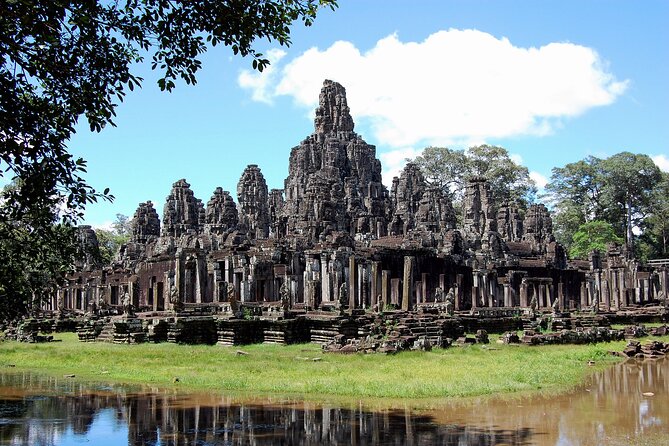
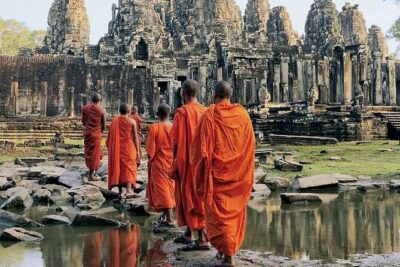
Bayon sits at the center of Angkor Thom and is known for its 54 towers, each decorated with four large, calm faces associated with Avalokiteshvara. The faces are the main attraction, but the temple’s carvings also show scenes of daily life and historical events.
The two-hour stop lets you study Bayon from several angles. At close range, the faces appear one after another, sometimes partly hidden behind other towers. That layered design is what makes the temple so engaging. You do not simply walk toward one monument and leave. You move through a dense arrangement of towers, passages, and carved surfaces.
A guide is especially useful at Bayon because the visual field can become confusing. Someone who knows the site can point out the different types of carvings and explain how the temple fits into Angkor Thom.
By this stage of the day, fatigue may be your biggest challenge. You have already spent hours at three other temples. The air-conditioned minibus provides welcome relief between stops, but you should still pace yourself and keep drinking the supplied water.
Tonle Om Gate and Angkor Thom’s grand approach
The final stop is Tonle Om Gate, also called the South Gate of Angkor Thom. The entrance is approached by a causeway lined with statues of gods and demons, creating one of the most theatrical arrivals in the Angkor area.
The gate itself is crowned with four giant stone faces, echoing the faces at Bayon. Thirty minutes is enough for a look, photographs, and a guide’s explanation of the causeway and entrance design. It is not a full temple visit, so the short stop makes sense.
I like ending here because the gate puts the earlier sights into a larger setting. Angkor is not just a collection of isolated temples. Roads, walls, causeways, and gates shaped how people entered and moved through the ancient city.
The drawback is that the South Gate can feel brief after the two-hour Bayon visit. Treat it as a final visual punctuation mark rather than a major stand-alone attraction.
What the $18 price really covers
At $18, this is inexpensive for a full-day guided route with transport. The price includes the minibus, professional English-speaking guide, drinking water, hotel pickup, and drop-off.
The value depends on how you view transport and planning. You are not paying only for access to the temples. You are paying for a vehicle between sites, a planned route, and someone to explain what you are seeing. For a first visit, that can save time and reduce the stress of arranging separate transport.
Still, the price requires careful budgeting. Food is not included, and neither is the Angkor entrance fee. The supplied information does not name a dining stop or meal arrangement, so plan for your own food expenses and confirm how the day handles meal timing.
A group of up to 25 people keeps the price low, but it can affect the feel of the tour. You may not receive constant one-to-one attention, and staying with the group matters at each temple. The upside is that a larger shared minibus makes this a practical choice for solo visitors or anyone who does not want to hire a private car.
Guide quality can shape the whole day
The strongest praise connected with this experience focuses on guide quality, clear English, friendly service, and smooth organization. Prem has been described as highly qualified, with a strong grasp of the temple buildings and their history. Chamrong has also been associated with an easy-to-follow route and straightforward organization.
That matters at Angkor. The monuments are spectacular, but the site is large and the symbolism is not always obvious. A guide can turn a wall of carvings into a scene with meaning and help you understand why one temple was built as a Buddhist monastery while another has a different layout and mood.
The practical service also appears reliable. Pickup was reported as on time and at the correct location, even when the booking had been made online without prior communication with the agency. That is reassuring in Siem Reap, where a very early pickup leaves little room for confusion.
Your exact guide is not guaranteed in the information provided, so I would not book solely on the hope of having Prem or Chamrong. Instead, treat the guide service as one of the tour’s main strengths and use the booking confirmation to verify pickup details.
Who should choose this temple route?
I would recommend this tour to you if you want:
- A first introduction to the main Angkor sights
- A lower-cost alternative to a private temple tour
- Hotel pickup and drop-off
- An English-speaking guide to explain the architecture
- A full day with both famous and quieter temples
- Air-conditioned transport between widely separated stops
It suits people who want a broad sample rather than a slow, highly personal visit. It also works well if you are traveling alone and want a ready-made route with transport included.
I would think twice if you dislike early starts, long outings, shared groups, or fixed schedules. The tour covers a lot of ground, and the entrance fee and meals add to the advertised price. Anyone who wants a quiet sunrise with plenty of time for photography may prefer a smaller or private arrangement, though that would likely cost more.
Practical details for a smoother day
Bring water beyond the supplied bottle if you can, especially for a full day of walking. Wear comfortable shoes, and dress suitably for temple visits and changing weather.
Keep your booking confirmation handy. Pickup is offered, but the exact time and meeting point are important, particularly for the sunrise version. The experience accepts mobile tickets, and confirmation is provided at booking.
Most people can participate, but expect uneven temple surfaces and extended walking. The tour is near public transportation, though the included pickup means you should not need to arrange that part yourself.
Cancellation is free if you cancel at least 24 hours before the local start time. Changes or cancellations made inside that window are not refunded, and late changes are not accepted. If bad weather causes cancellation, you can receive a different date or a full refund.
Should you book this Angkor Wat tour?
Book it if you want the major Angkor highlights in one organized day for a modest starting price. The combination of Angkor Wat, Ta Prohm, Bayon, Banteay Kdei, and the South Gate gives you a solid overview, while the guide and air-conditioned minibus remove much of the day’s practical work.
Just budget separately for admission and food, confirm whether you are choosing sunrise or sunset, and prepare for a long day. If those conditions suit you, this is a sensible, good-value introduction to the temples, especially for a first visit to Siem Reap.
FAQ
What is included in the $18 tour price?
The price includes minibus transportation, a professional English-speaking guide, drinking water, hotel pickup, and drop-off.
Is the Angkor entrance ticket included?
No. The entrance ticket is not included and must be purchased at your own expense.
Is food included?
No. Food is not included in the tour price.
How long does the experience last?
The tour lasts approximately 8 hours and 30 minutes.
Which temples and sites are visited?
The route includes Angkor Wat, Banteay Kdei, Ta Prohm, Bayon Temple, and Tonle Om Gate, also called the South Gate of Angkor Thom.
How many people can join the tour?
The tour can have a maximum of 25 participants.
Can I cancel for a full refund?
Yes. You can cancel at least 24 hours before the experience start time for a full refund. If poor weather causes cancellation, you will be offered another date or a full refund.
More Sunrise Tours in Siem Reap
- Angkor Wat Highlights and Sunrise Guided Tour from Siem Reap
★ 5.0 · 3,213 reviews - Angkor 2-Day Sunset & Sunrise Small-Group Tour
★ 5.0 · 2,567 reviews - Siem Reap: Angkor Wat Sunrise or Sunset Guided Tour
★ 4.9 · 2,123 reviews - Angkor Wat: Highlights and Sunrise Guided Tour
★ 4.9 · 1,586 reviews
Newest reviews from Siem Reap
- War Museum, Killing Field, and APOPO Hero RATs Tour★ 5.0 · 7 reviews
- Angkor Wat at Sunrise★ 4.0 · 7 reviews
- Siem Reap Angkor Airport Taxis (from Airport to Hotel)★ 5.0 · 44 reviews
- Cambodian Cooking Class and Oxcart Ride with Local Village Tour★ 5.0 · 4 reviews
- Secret Temples of Angkor – Guided Tour in Siem Reap★ 5.0 · 6 reviews
- Short Cycling at Countryside★ 5.0 · 29 reviews
- SIEM REAP E-BIKE HALF-DAY COUNTRYSIDE (25-30 km)★ 4.0 · 1 review
- Unveiling the Mystical Beauty of Phnom Kulen National Park★ 5.0 · 6 reviews
Angkor Wat Sunrise Tours, compared.
Angkor Wat Sunrise or Sunset Tour with Guide from Siem Reap
Read our review →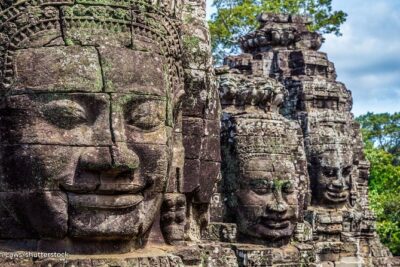
Angkor Wat Sunrise tour with Small – Group and Guide tours
Read our review →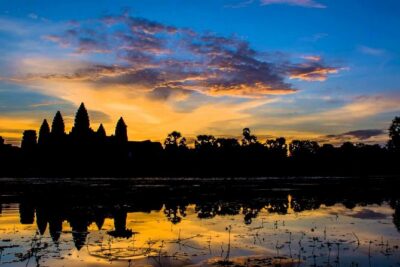
Full-Day Angkor Wat Sunrise Private Tour with Guide from Siem Reap
Read our review →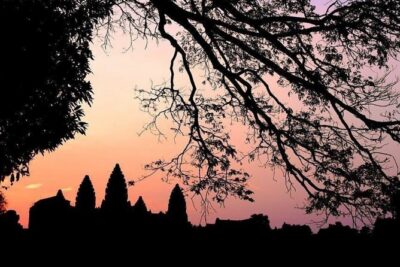
Angkor Wat Sunrise & 3 Main Temples with Breakfast – Small Group
Read our review →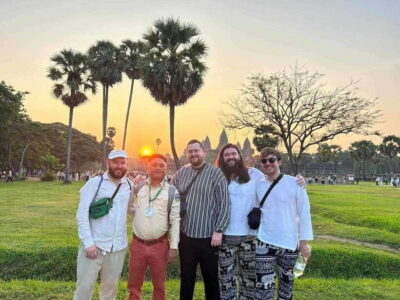
Angkor Wat Sunrise and Full-Day Sightseeing Tour
Read our review →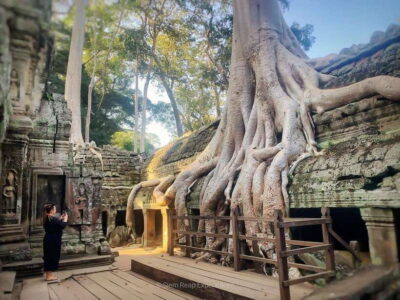
Siem Reap Tour: Angkor Wat Sunrise, Bayon, Ta Prohm, Banteay Srei
Read our review →
Angkor Wat Sunrise Explore The Most Iconic Temples
Read our review →Browse the lists this tour appears in