
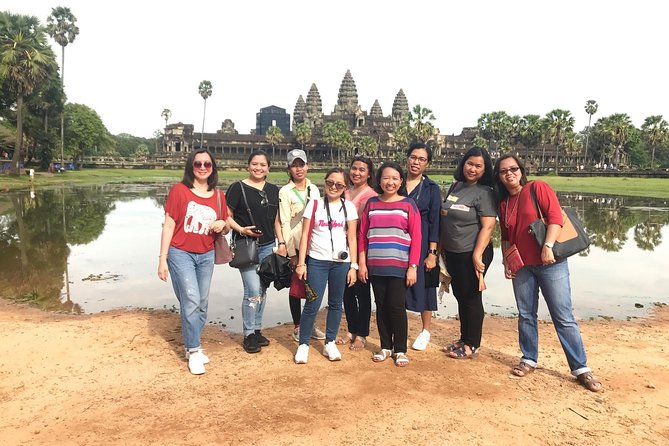
Reviewed · ANGKOR WAT SUNRISE TOURS
Siem Reap: Angkor Wat Sunrise Explore The Most Iconic Temples
Wake up early for Cambodia’s greatest view. This $26 Angkor Wat sunrise tour gives you hotel pickup, an English-speaking guide, air-conditioned transport, and a full morning at several major temples. I like the efficient route, which brings together Angkor Wat, Banteay Kdei, Ta Prohm, Bayon, and an Angkor Thom gate. I also like that drinking water, hotel drop-off, and transport are included. The main concern is group size: the advertised maximum is 25, and one account describes a group of that size sharing one guide.
The start time is 4:30 a.m., so this is not a gentle holiday morning. You also pay the Angkor Archaeological Park admission separately, and the tour does not include a meal. Still, the excellent 4.9 rating from 879 reviews and 99 percent recommendation rate suggest that the basic service usually works well. Guide Channoun earned praise for his friendly manner, while Nuon was singled out for clear explanations about Cambodia’s past.
In This Review
- Key points before you book
- Why the $26 price can make sense
- 4:30 a.m. pickup and the road to Angkor Wat
- Banteay Kdei, a quieter change of mood
- Ta Prohm and the famous tree roots
- Bayon’s stone faces at Angkor Thom
- The Angkor Thom gate and its dramatic causeway
- What the guide and group size mean
- Heat, rain, food, and practical comfort
- Who should choose this Angkor morning?
- Should you book the Angkor Wat sunrise tour?
- FAQ
- What time does the tour start?
- How long does the experience last?
- Is hotel pickup included?
- Is hotel drop-off included?
- Is transportation provided?
- Is the Angkor Archaeological Park admission ticket included?
- Is a meal included?
- Is a tour guide included?
- How many people can join the tour?
- Can I cancel for a full refund?
Key points before you book
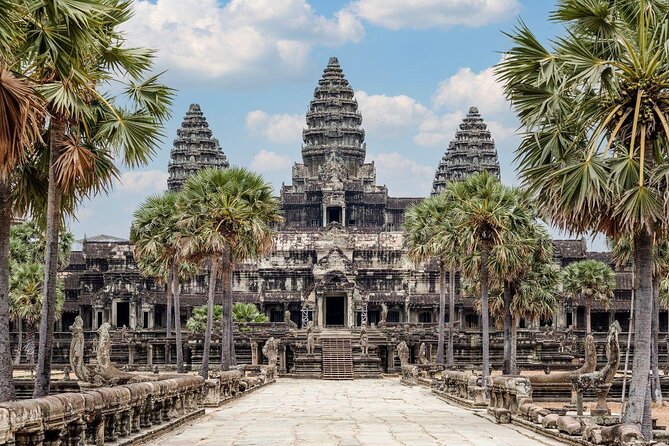
- Sunrise begins the day at Angkor Wat: You arrive before dawn, giving you a chance to see the temple in its most famous setting.
- Five major stops fit into about eight hours: The route covers Angkor Wat, Banteay Kdei, Ta Prohm, Bayon, and an Angkor Thom entrance.
- Tickets cost extra: Your Angkor Archaeological Park admission is not included in the $26 price.
- Hotel pickup and drop-off simplify the morning: An air-conditioned minibus collects you from your Siem Reap hotel and returns you afterward.
- The group may reach 25 people: This can affect how closely you hear the guide and how much time you get for questions.
- Rain can change the sunrise: Umbrellas were provided during one wet outing, but clouds and rain may block the view.
Why the $26 price can make sense
At $26, this is a low-cost way to organize a demanding Angkor morning. You are not paying only for a ride. The price also covers hotel pickup and drop-off, an English-speaking guide, transport, and drinking water.
That matters at 4:30 a.m. Siem Reap is the base for the temples, but Angkor Archaeological Park is spread over a large area. Having a vehicle ready at your hotel saves you from arranging separate transport before sunrise. The air conditioning also becomes useful later, when the heat builds and you have already been walking for hours.
The admission ticket is the major extra cost. You need to buy it yourself before entering the park, so the advertised price is not the final cost of the morning. Meals are also excluded. Bring enough water and plan to pay for food separately, especially because the schedule lasts about eight hours.
The value depends on what you want from Angkor. If you mainly need transport between famous temples and a guide to explain what you are seeing, $26 is attractive. If you want a private guide, a small group, a slow photographic visit, or a carefully planned meal stop, this basic group tour may feel limited.
The group-size detail deserves attention. The stated maximum is 25 people, but one booking group expected no more than 15 and found a minivan plus another small bus, with 25 people in total. The guide reportedly rode with the other vehicle, leaving some people without direct explanations at certain stops. That may not happen every day, but it is a real reason to ask about the expected group size before paying.
More ways to see Angkor Wat:
- Angkor Wat Sunrise or Sunset Tour with Guide from Siem Reap
★ 5.0 · 12,109 reviews - Siem Reap: Angkor Wat: Small-Group Sunrise or Sunset Tour
★ 5.0 · 9,444 reviews - Siem Reap: Angkor Wat 2-Day Tour with Sunrise and Sunset
★ 4.9 · 4,429 reviews
4:30 a.m. pickup and the road to Angkor Wat
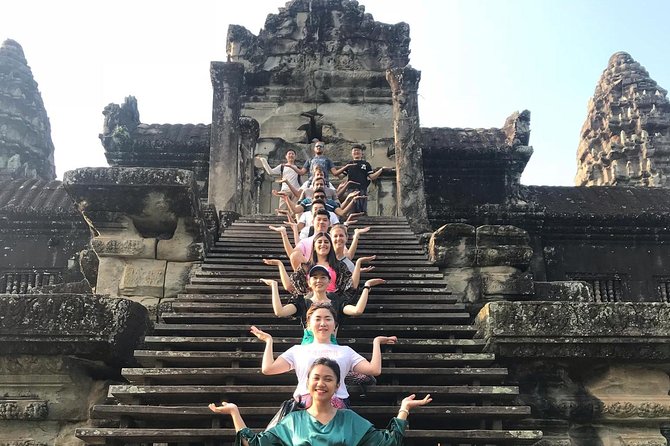
The morning begins with pickup at your Siem Reap hotel. The tour uses an air-conditioned minibus, and hotel return transport is included. Confirmation is provided at booking, but you should still be ready before the stated 4:30 a.m. start because the sunrise schedule leaves little room for delay.
Angkor Wat is the first and longest stop, with about three hours allocated to it. You purchase your entrance ticket at your own expense, then enter the park and make your way toward the temple complex before sunrise.
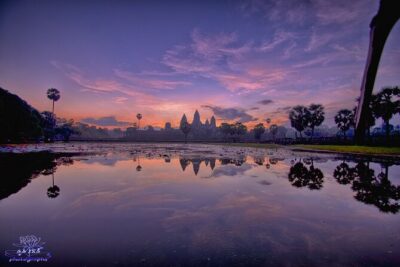
The famous view is the reason most people choose this experience. Angkor Wat’s towers and reflection pool can create a striking dawn scene, but nature makes no promises. One outing took place in heavy rain, and the sunrise could not be seen. Umbrellas were supplied, which is helpful, but no tour operator can control clouds.
You should treat sunrise as a possibility, not a guarantee. The temple itself remains worthwhile in poor weather, and the early start can give you cooler conditions than a late-morning visit. Still, if your entire decision depends on a perfect pink sky, consider the weather cancellation terms and keep your expectations sensible.
Three hours sounds generous, but Angkor Wat is large and the light changes quickly. A guide can help you use the time well by pointing out architectural details and explaining the temple’s place in the Khmer Empire. Nuon received especially strong praise for his explanations and for helping connect the buildings to Cambodian history.
The drawback is pace. With a fixed route and several temples still ahead, you may not get unlimited time for photographs or quiet exploration. The guide’s role is particularly important here. In a smaller group, it is easier to stay close and ask questions. In a group of 25, you may need to keep an eye on where the guide is standing.
Banteay Kdei, a quieter change of mood
After Angkor Wat, the route continues to Banteay Kdei for about an hour. Its name means Citadel of Chambers, and this late 12th-century Buddhist monastery has corridors, carvings, and a calmer feel than the best-known temples.
This is a useful stop because the morning is not limited to the biggest names. Banteay Kdei gives you a chance to see a less famous site and notice the way temple plans can feel enclosed, layered, and maze-like. The quieter setting may also give you a break from the most crowded photo areas.
Do not expect the same visual impact as Angkor Wat or Ta Prohm. That is part of the point. Banteay Kdei works as a slower middle chapter, especially if the guide provides context about Buddhist worship and the temple’s later 12th-century construction.
The one-hour allowance is enough for an introduction, but not for a long, unhurried study of every corridor. You will get more from the stop if you listen for the larger story instead of trying to photograph every carving.
Ta Prohm and the famous tree roots
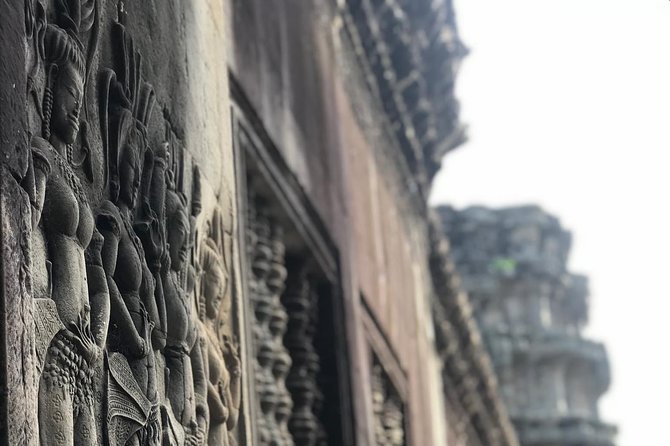
Ta Prohm receives about two hours, making it one of the major stops. This is the temple associated with enormous tree roots spreading over stone walls, and it is probably the most instantly recognizable site after Angkor Wat.
The appeal comes from the tension between architecture and jungle. Ta Prohm was left largely unrestored, so fallen stones, roots, and weathered walls create a less tidy view of the Angkor complex. You can see why it has become one of the area’s most photographed temples.
Two hours gives you more breathing room than the one-hour visits at Banteay Kdei and Bayon. It should allow time to walk through the temple, take photographs, and hear the guide explain what you are seeing. Even so, the group arrangement matters. If the guide is with another vehicle, you may spend part of the stop exploring without commentary.
Ta Prohm is also where patience helps. The most famous root-covered sections attract attention, while less celebrated corners may provide a quieter look at the site. Stay aware of the schedule, though. The driver and group must continue to Bayon and Angkor Thom.
More sunrise starts at Angkor Wat:
- Angkor Wat Sunrise tour with Small – Group and Guide tours
★ 5.0 · 3,655 reviews - Full-Day Angkor Wat Sunrise Private Tour with Guide from Siem Reap
★ 5.0 · 2,920 reviews - Angkor Wat Sunrise & 3 Main Temples with Breakfast – Small Group
★ 5.0 · 2,857 reviews - Siem Reap: Angkor Wat Sunrise and Full-Day Sightseeing Tour
★ 4.9 · 2,828 reviews
Bayon’s stone faces at Angkor Thom
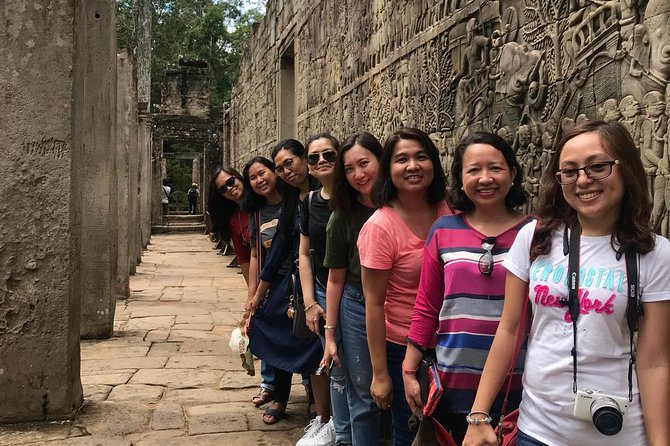
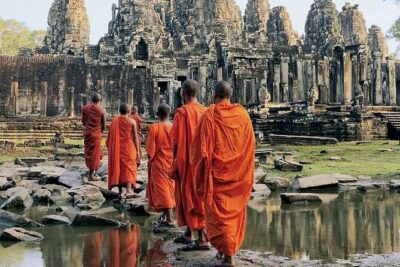
Bayon is scheduled for about one hour and sits at the center of Angkor Thom. Its towers carry large serene faces associated with Avalokiteshvara, and the temple’s carved scenes also show details of daily life and historic events.
This stop shifts the focus from jungle atmosphere to sculpture and symbolism. The faces appear from different angles as you move around the temple, creating one of the most memorable visual experiences in the park. Your guide can add useful context about the Khmer Empire and explain why Bayon differs from the more orderly appearance of Angkor Wat.
An hour is brief for a complex temple. You will need to listen carefully at the start, then choose whether you want to follow the explanation or walk independently for photographs. If you are interested in bas-reliefs, ask your guide to point out specific scenes rather than trying to take in every wall at once.
Bayon is also a good test of the tour’s group management. A large group can spread out quickly among the towers. Keep track of the guide and transport meeting point so that the final part of the visit does not become a hurried search.
The Angkor Thom gate and its dramatic causeway
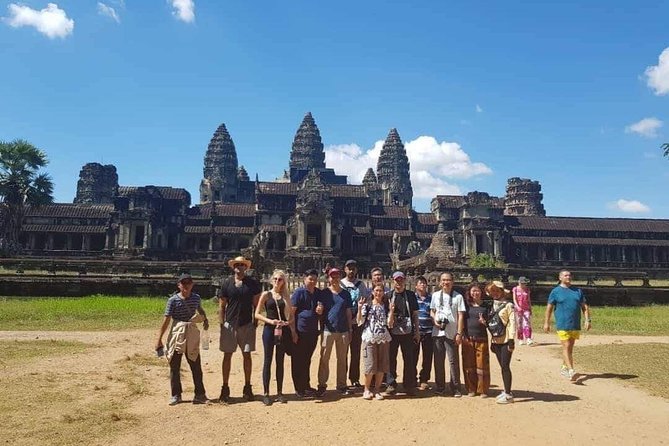
The final listed stop is an Angkor Thom entrance, described as Tonle Om Gate, also called the South Gate, with a causeway lined by statues of gods and demons. The itinerary also labels this stop North Gate Bridge, so the exact gate or bridge should be confirmed before departure.
The entrance is memorable because the causeway presents a formal procession of stone figures leading toward the massive gate. Giant faces crown the structure, echoing the facial imagery at Bayon. This stop is less about entering a large temple and more about understanding how the city was approached and defended.
The one-hour allocation may include time for photographs and a guide explanation. Since the description uses two different names for this stop, ask the guide which entrance you will visit. That small clarification prevents confusion, particularly if you have already seen Angkor Thom on another day.
Even if the stop is shorter than expected, it adds useful variety to the route. You finish not with another enclosed sanctuary, but with a broad ceremonial approach that helps you picture Angkor Thom as an important royal city.
What the guide and group size mean
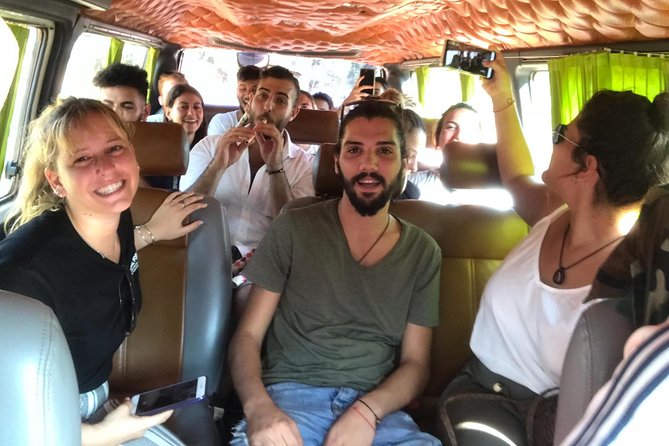
A guide can change this experience from a sequence of old stones into a connected story. The advertised service includes an English-speaking guide, and strong comments singled out Channoun for his pleasant manner and Nuon for detailed explanations about Cambodia and the Khmer Empire.
The quality of your day may depend on which guide leads your vehicle. A good guide helps you understand why Angkor Wat, Banteay Kdei, Ta Prohm, and Bayon feel so different. A rushed or distant guide leaves you with photographs but fewer answers.
The maximum group size is 25. That is not a small-group experience, and you should not book it expecting private attention. A larger group can make the cost attractive and may let you meet people from different countries, but it can also make it harder to hear, ask questions, or move at your own speed.
One serious complaint described disorganized pickup and poor service. Another account praised the tour for starting on time and returning people to their hotels. That contrast tells you what to watch: confirm your hotel address, be ready early, and keep the operator’s contact information available. Most days may run normally, but early-morning coordination matters.
Heat, rain, food, and practical comfort
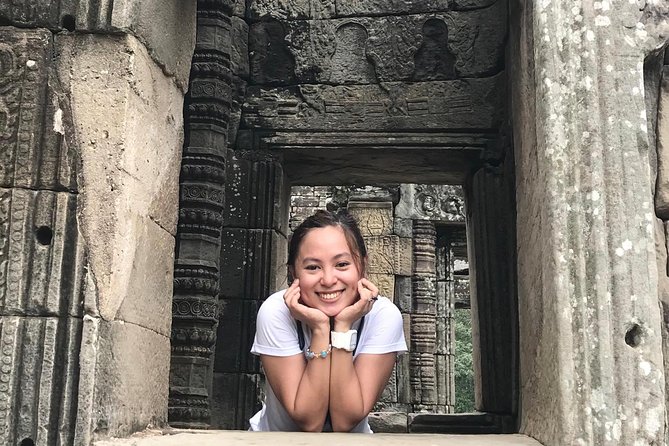
The air-conditioned vehicle is one of the tour’s most useful features. Angkor involves outdoor walking, and the day can feel long after a pre-dawn start. The vehicle gives you a cool place to recover between sites.
Drinking water is included, but meals are not. Bring extra water if you need more than the supplied amount, and carry money for food. One poor account described spending two hours at an expensive restaurant, although the provided tour details do not identify a restaurant as a standard scheduled stop. If a meal break is proposed, ask whether it is included in the schedule and check prices before ordering.
Rain is possible, and the tour requires good weather. During one rainy outing, umbrellas were provided, but the sunrise disappeared behind clouds. If poor weather causes cancellation, you are offered another date or a full refund. The same applies if the minimum number of participants is not reached.
The normal cancellation rule allows a full refund if you cancel at least 24 hours before the start. Changes or cancellations inside that period are not accepted for a refund.
Who should choose this Angkor morning?
I would recommend this tour to someone visiting Siem Reap for the first time who wants the main temples arranged in one day. It suits you if you value hotel transport, a guide, and a low upfront price more than privacy or a flexible schedule.
It is also a sensible choice if you do not want to negotiate an early-morning ride or plan the temple route yourself. The combination of sunrise, four major temple areas, and an Angkor Thom gate gives you a broad first look at the park.
I would be more cautious if you are a serious photographer, dislike large groups, or want detailed discussion at every stop. The itinerary is full, the ticket is extra, and the group can reach 25. You may prefer a private guide or a smaller tour if quiet time and close instruction matter most.
Families and most able participants can join, according to the supplied details. The start time is the main challenge. You need to be comfortable waking well before dawn and spending much of the day moving between temple sites.
Should you book the Angkor Wat sunrise tour?
Book it if you want an affordable, organized introduction to Angkor and can accept a large group. The strongest reasons are simple: hotel pickup, air-conditioned transport, an English-speaking guide, drinking water, and a route that includes the park’s most famous names.
Before booking, budget separately for the Angkor ticket and food. Confirm the expected group size, ask which guide will be in your vehicle, and clarify whether the final stop is the North Gate Bridge or Tonle Om South Gate.
The sunrise may be spectacular, or rain may turn the morning gray. The temples remain impressive either way, but the tour is best for practical sightseeing rather than a slow, private encounter. At $26, it offers good value for a first visit, provided you understand what the low price includes and what it leaves out.
FAQ
What time does the tour start?
The tour starts at 4:30 a.m.
How long does the experience last?
The tour lasts approximately eight hours.
Is hotel pickup included?
Yes. Pickup from your Siem Reap hotel is included.
Is hotel drop-off included?
Yes. Drop-off at your hotel is included.
Is transportation provided?
Yes. Transportation is provided in an air-conditioned vehicle.
Is the Angkor Archaeological Park admission ticket included?
No. You must purchase the Angkor ticket separately.
Is a meal included?
No. Meals are not included in the tour price.
Is a tour guide included?
Yes. An English-speaking tour guide is included.
How many people can join the tour?
The stated maximum is 25 travelers.
Can I cancel for a full refund?
Yes, if you cancel at least 24 hours before the experience start time. Cancellations made less than 24 hours before the start are not refunded.
More Sunrise Tours in Siem Reap
- Angkor Wat Highlights and Sunrise Guided Tour from Siem Reap
★ 5.0 · 3,213 reviews - Angkor 2-Day Sunset & Sunrise Small-Group Tour
★ 5.0 · 2,567 reviews - Siem Reap: Angkor Wat Sunrise or Sunset Guided Tour
★ 4.9 · 2,123 reviews - Angkor Wat: Highlights and Sunrise Guided Tour
★ 4.9 · 1,586 reviews
Newest reviews from Siem Reap
- War Museum, Killing Field, and APOPO Hero RATs Tour★ 5.0 · 7 reviews
- Angkor Wat at Sunrise★ 4.0 · 7 reviews
- Siem Reap Angkor Airport Taxis (from Airport to Hotel)★ 5.0 · 44 reviews
- Short Cycling at Countryside★ 5.0 · 29 reviews
- Cambodian Cooking Class and Oxcart Ride with Local Village Tour★ 5.0 · 4 reviews
- Secret Temples of Angkor – Guided Tour in Siem Reap★ 5.0 · 6 reviews
- SIEM REAP E-BIKE HALF-DAY COUNTRYSIDE (25-30 km)★ 4.0 · 1 review
- Unveiling the Mystical Beauty of Phnom Kulen National Park★ 5.0 · 6 reviews
Angkor Wat Sunrise Tours, compared.
Angkor Wat Sunrise or Sunset Tour with Guide from Siem Reap
Read our review →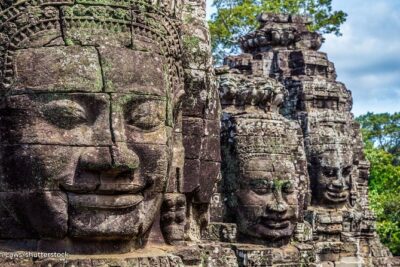
Angkor Wat Sunrise tour with Small – Group and Guide tours
Read our review →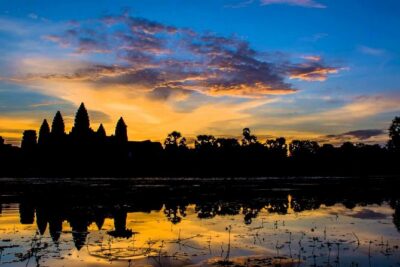
Full-Day Angkor Wat Sunrise Private Tour with Guide from Siem Reap
Read our review →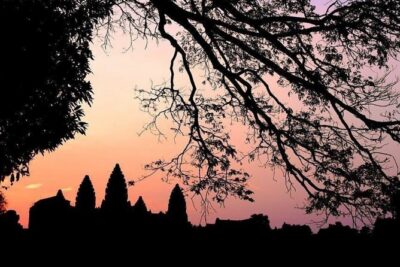
Angkor Wat Sunrise & 3 Main Temples with Breakfast – Small Group
Read our review →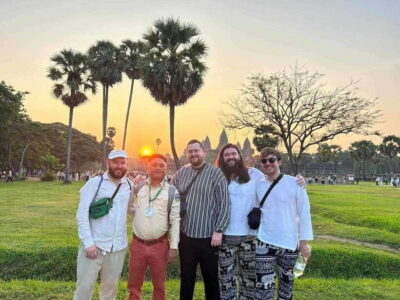
Angkor Wat Sunrise and Full-Day Sightseeing Tour
Read our review →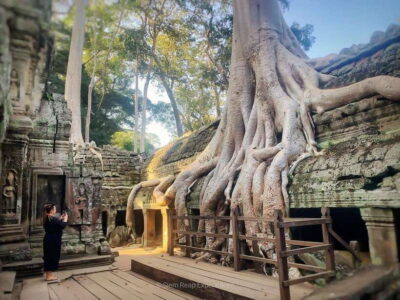
Siem Reap Tour: Angkor Wat Sunrise, Bayon, Ta Prohm, Banteay Srei
Read our review →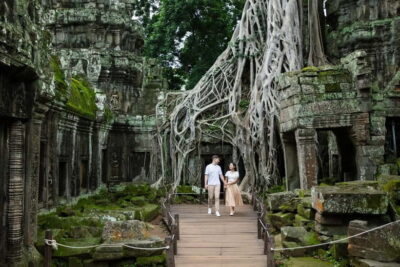
Angkor Wat Sunrise Small Group tour and Breakfast
Read our review →Browse the lists this tour appears in