
Reviewed · ANGKOR WAT TOURS
Angkor Wat Cycling Tour
Start with temples, then lose the crowds. This private Angkor Wat cycling tour gives you a more personal way to see Siem Reap’s ancient complex, mixing the famous monuments with forest paths, rural back roads, and smaller temples that are easy to miss by car. I especially like the quiet cycling routes and the chance to see everyday rural life between major stops. The tour also uses mountain bikes and helmets, with cold drinking water included.
The guide, Mr. K, receives the warmest praise for being friendly, careful, and able to adjust the amount of riding to suit the group. I also like that only your own party joins the tour, so you are not tied to the pace of a large bus group. The main drawback is the long day: six to eight hours on a bicycle, with the $37 Angkor temple pass charged separately.
In This Review
- Key things to know before you book
- Why cycling changes your day at Angkor
- A 7:30 a.m. start from your hotel
- Angkor Wat: two hours at Cambodia’s great monument
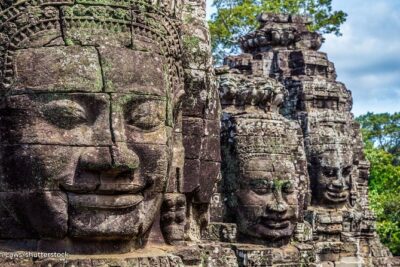
- Bayon Temple and the face towers of Angkor Thom
- Chau Say Tevoda: a short stop with a different scale
- Ta Prohm: tree-covered ruins and a two-hour visit
- Ta Nei: a quieter temple reached through the trees
- The East, or Death, Gate of Angkor Thom
- The guide makes the private format worthwhile
- What the $45 price really includes
- Who should choose this Angkor cycling tour?
- Booking, cancellation, and practical planning
- Should you book it?
- FAQ
- What time does the Angkor Wat Cycling Tour start?
- How long does the tour last?
- Is the Angkor temple pass included?
- What is included in the $45 tour price?
- Is this a private tour?
- Can I cancel for a full refund?
Key things to know before you book
- The day starts at 7:30 a.m. from your hotel, giving you an early start at Angkor Wat.
- You cycle beyond the headline temples, using back roads and forest trails around the park.
- The tour is private, so only your group participates.
- Mountain bikes, helmets, cold water, hotel pickup, and drop-off are included.
- The $45 price does not include the $37 temple pass, making the basic total $82 per person.
- Mr. K is the guide most often praised, especially for his care, route knowledge, and flexible pace.
Why cycling changes your day at Angkor
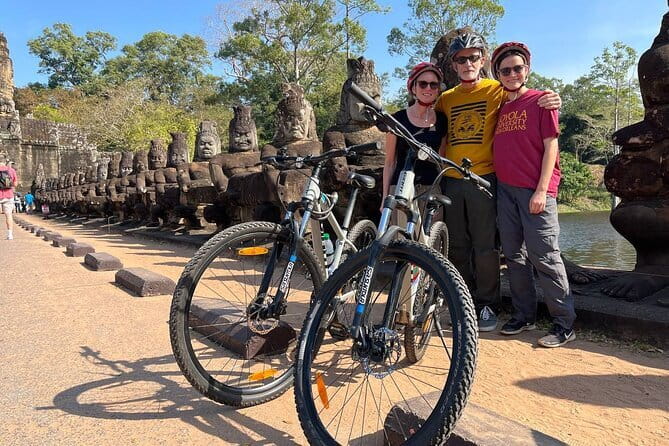
Angkor Wat can be tiring on foot. The temples are spread across a large area, and a standard sightseeing day often means moving between monuments in a car or tuk-tuk, then walking across hot stone courtyards. A bicycle gives you another rhythm. You ride through the trees, stop when a temple appears, and get a closer sense of the space between the monuments.
I like this kind of sightseeing because the ride is not just transport. The roads and paths become part of the experience. You may pass rural homes, see local life outside the main tourist route, and reach smaller stone temples that feel quieter than Angkor Wat or Ta Prohm.
The tour is described as leisurely, not a race. That matters. You are not being asked to cover a huge distance at speed. The guide can adjust how much cycling you do, which is useful if one person in your group is enthusiastic about bikes and another is more interested in the temples.
Still, you should be honest about your stamina. The day can last up to eight hours, and the itinerary includes four major temple visits plus smaller sites and gates. Even at an easy pace, this is a full day outdoors.
More Bike Tours in Siem Reap
- Siem Reap Countryside Bike Tour / E-Bike or Tuk Tuk
★ 5.0 · 935 reviews - Angkor Sunrise Bike Tour / E-Bike or Tuk Tuk
★ 5.0 · 615 reviews - Siem Reap: Bike the Angkor Temples – Full-Day 30km Tour
★ 5.0 · 463 reviews
A 7:30 a.m. start from your hotel
Pickup is offered from your hotel, with the cycling beginning at about 7:30 a.m. The early start gives the day structure and gets you moving before the heat of the afternoon becomes a concern. The tour then returns you to your hotel after the outing.
You receive a mountain bike, helmet, and cold drinking water. Those basics are important here. A helmet gives you some added protection on shared or uneven routes, while water means you do not have to begin the day carrying your own supply.
The route is intended to be easygoing, but the supplied details do not specify bike sizes, child equipment, or electric-bike options. If those details matter to your group, ask before booking. The strongest practical point is that the bikes are described as high quality, and the guide can adapt the amount of riding.
Because this is a private activity, you can keep your own pace more easily than on a large group outing. You can ask for more time at a temple, or spend less time at a stop that does not appeal to you. That flexibility is one of the tour’s better values.
Angkor Wat: two hours at Cambodia’s great monument
The first major stop is Angkor Wat, the largest and most famous Khmer temple. It was built between 1113 and 1150 during the reign of Suryavarman II and rises about 65 meters above its setting.
Two hours is a useful amount of time here. You should have time to take in the scale, study the carved details, and walk through the main areas without treating the visit as a quick photo stop. Angkor Wat rewards patience. Its size can be hard to grasp at first, so the chance to move through it slowly is valuable.
The temple pass is not included. The stated cost is $37 per person, so add that to the $45 tour price. Your minimum listed cost becomes $82 per person before any other personal spending. That is not a bargain basement outing, but the price includes the guide, bike, helmet, water, and hotel transportation, and the private format adds value for couples or families who want control over the day.
The first stop may also be the busiest and most demanding. Two hours inside a major monument can feel long if you are already tired from the ride, so pace yourself early rather than trying to see every corner at once.
Bayon Temple and the face towers of Angkor Thom
The next major stop is Bayon, the Buddhist temple built in the late 12th or early 13th century by Jayavarman VII. Its 54 towers represent the 54 provinces associated with the Khmer Empire during the period described for the temple.
Bayon has a different mood from Angkor Wat. Angkor Wat feels broad and ordered, while Bayon is more compact and visually busy. The stone faces are the main reason to visit, but the surrounding corridors and towers also reward a slow look.
The itinerary allows two hours here, which is generous. You can examine the reliefs, follow the changing views through the towers, and avoid feeling pushed along. A private guide is particularly useful at a place like Bayon because the temple’s layout can seem confusing.
The information lists admission as free at this stop, but you still need the Angkor temple pass for the overall park. Think of the pass as the required entry cost for the temple area, not a separate charge at every monument.
More ways to see Angkor Wat:
- Angkor Wat Sunrise or Sunset Tour with Guide from Siem Reap
★ 5.0 · 12,109 reviews - Siem Reap: Angkor Wat: Small-Group Sunrise or Sunset Tour
★ 5.0 · 9,444 reviews - Siem Reap: Angkor Wat 2-Day Tour with Sunrise and Sunset
★ 4.9 · 4,429 reviews - Siem Reap: Full-Day Angkor Wat Guided Tour with Sunset
★ 4.9 · 3,803 reviews
Chau Say Tevoda: a short stop with a different scale
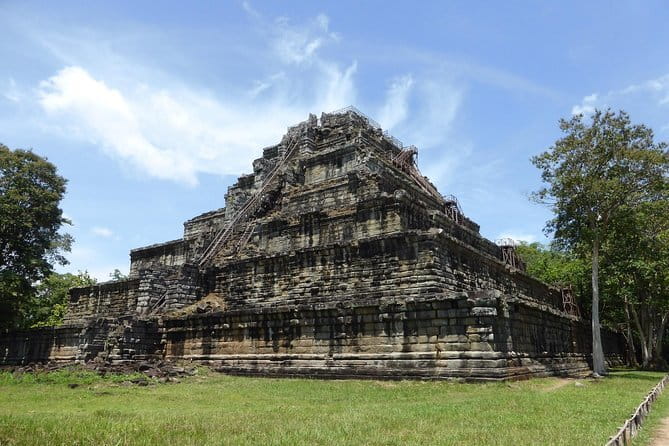
Chau Say Tevoda receives about 30 minutes. This smaller Hindu temple sits east of Angkor Thom, south of Thommanon across Victory Way, and dates from the mid-12th century, during the Angkor Wat period.
Half an hour will not give you the same extended visit as Angkor Wat or Bayon, but that is part of the route’s appeal. You see a smaller monument without giving up most of the day. The stop helps break up the larger temple visits and shows that Angkor is not only about its three best-known names.
I would treat Chau Say Tevoda as a compact architectural pause rather than a centerpiece. If you are fascinated by temple details, ask the guide to point out the parts that best explain its period and design. If you are ready to ride again, the short visit keeps the day moving.
Ta Prohm: tree-covered ruins and a two-hour visit
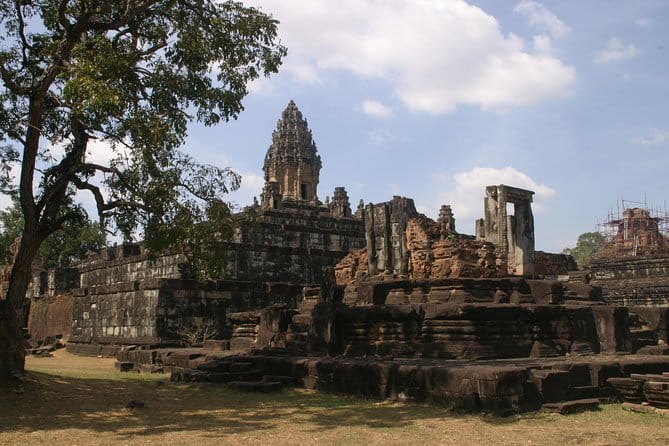
Ta Prohm is one of the most recognizable stops in Angkor. Jayavarman VII built it in the late 12th century and dedicated it to his mother in 1186. It began with a Buddhist purpose and was later changed to Hindu use, with some Buddhist galleries altered over time.
The temple is known for its trees and jungle setting, but the attraction is more than a few dramatic roots. Ta Prohm shows how the forest and stone have shared the same space over a long period. The effect is especially strong when you move beyond the most photographed corners.
Two hours gives you room to look carefully. You can study the galleries, notice the changes in the structure, and understand why this temple feels different from Angkor Wat and Bayon. The bicycle also helps here because you arrive through the surrounding park rather than treating Ta Prohm as an isolated stop reached only by road vehicle.
Ta Prohm can be a tiring visit. Its passages and courtyards require walking after you have already been cycling for much of the day. I would save some energy for this stop, since it is one of the tour’s main rewards.
Ta Nei: a quieter temple reached through the trees
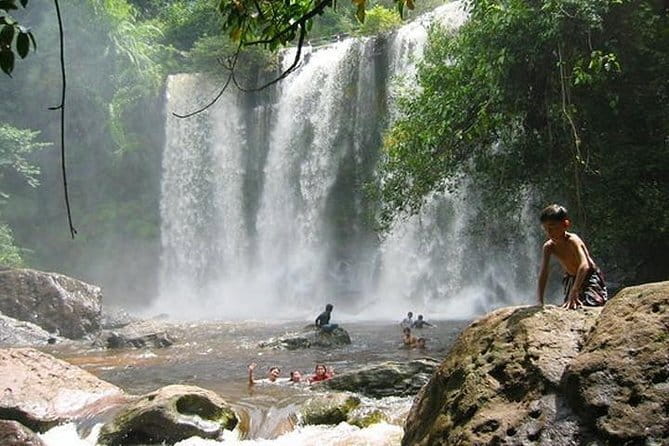
Ta Nei is a late 12th-century stone temple built during the reign of Jayavarman VII. It was dedicated to the Buddha and sits near the northwest corner of the East Baray, a large sacred reservoir.
The itinerary allows one hour here. That is enough time to make the stop feel substantial without turning it into another long circuit. Ta Nei is the kind of place that gives this tour its character. It is less famous than Angkor Wat, Bayon, and Ta Prohm, and the route through the trees helps you feel that you are seeing another side of the Angkor complex.
The tour description specifically emphasizes back roads and temples that are partly lost in the jungle. Ta Nei fits that promise better than the headline monuments. You should not expect the same scale or polished presentation as Angkor Wat. Instead, the reward is a quieter setting and a closer look at a smaller temple.
A bicycle is especially useful for this part of the day. You are not just ticking off famous names. You are moving through the wider park and seeing how the monuments sit among the forest.
The East, or Death, Gate of Angkor Thom
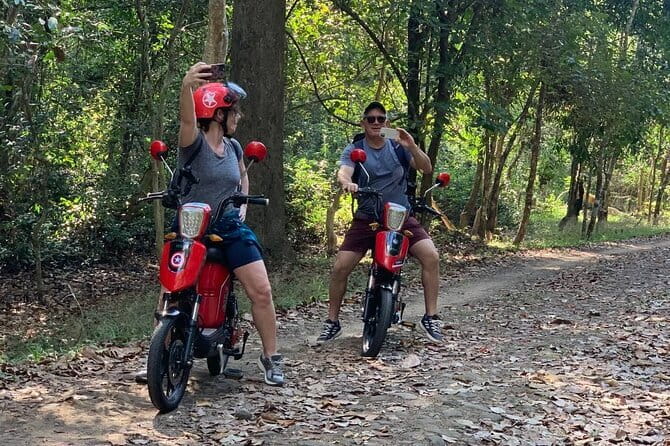
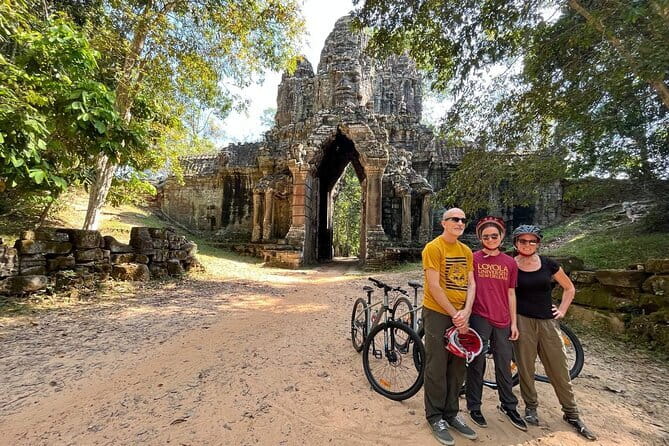
The final listed stop is described as the East, or Death, Gate, one of the five gates guarding the ancient city of Angkor Thom. It was built by Jayavarman VII in the late 12th century as part of the city’s rebuilding after a military victory.
This stop is listed under Bayon Temple in the schedule, but the description clearly identifies the East Gate rather than another visit inside Bayon. The planned time is about 30 minutes.
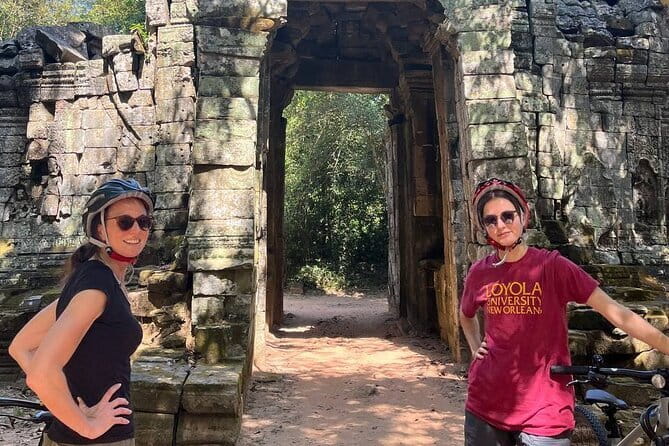
That short stop works well near the end of a long cycling day. You get a final look at Angkor Thom’s defensive and ceremonial layout without another two-hour temple visit. The gate also gives the route a sense of place. Angkor was not simply a group of separate temples. It was a major city with entrances, walls, roads, and religious buildings.
The guide makes the private format worthwhile
The guide most closely associated with this tour is Mr. K. The strongest praise focuses on his punctuality, kindness, route choices, and ability to adjust the riding to the group. That combination matters more on a cycling tour than a simple transfer tour.
A good cycling guide has to manage two jobs at once. He must explain the monuments, but he also needs to choose routes that feel comfortable and keep the group together. The feedback describes Mr. K as especially attentive and compassionate, with a calm approach that suits families and couples.
One family described the outing as engaging because cycling brought them closer to the forested areas around the temples. Another couple valued the chance to stretch their legs and reach places they might have skipped during a full day of walking. Those are useful clues about the tour’s best audience.
You can also request Mr. K when booking if guide choice is important to you, though the supplied information does not promise that every departure will have him. The provider is Easy Angkor Trip.
What the $45 price really includes
At $45 per person, the tour is not simply a bike rental. The fee covers:
- An English-speaking guide
- Hotel pickup and drop-off
- Mountain bike and helmet
- Cold drinking water
- A private tour for your group
The separate $37 temple pass is the main extra cost. That brings the basic listed total to $82 per person. The pass is not a minor detail, so include it when comparing this tour with a tuk-tuk or car-based day.
I think the price is strongest for two or more people who value a private guide and an active route. If you only want quick visits to Angkor Wat and Bayon, a cheaper transport option may be enough. If you want the back roads, smaller temples, and the freedom to adjust the pace, the package makes more sense.
Group discounts are offered, but no discount amount is provided. Ask for the current rate if you are booking for a larger party. The tour is also mobile-ticket friendly, and confirmation is received at the time of booking.
Who should choose this Angkor cycling tour?
I would choose this tour if you like riding, prefer smaller private outings, and want more than the standard three-temple circuit. It is also a good fit if you want to break up long walks with stretches on a bike.
Families may appreciate the private format and the guide’s ability to adjust the amount of cycling. Couples can enjoy the quieter routes and smaller temples without having to match the speed of strangers. Anyone who wants to see the jungle paths around Angkor will get more from this tour than from a direct vehicle transfer between monuments.
I would think twice if you dislike cycling, find six to eight hours outdoors too long, or want a tightly focused visit to only Angkor Wat. The itinerary is broad, and the ride is a central part of the experience, not a small extra.
The tour is described as suitable for most people, but the information does not give a detailed accessibility assessment. If you have mobility, bike-fit, or equipment concerns, confirm the arrangements before paying.
Booking, cancellation, and practical planning
You can cancel up to 24 hours before the start time for a full refund. Cancellations or changes made within 24 hours are not refunded or accepted, and the cut-off follows local Siem Reap time.
The tour is commonly booked about 42 days ahead. That does not guarantee every date will sell out, but it suggests you should reserve early if you have a fixed Angkor schedule or specifically want a private morning outing.
Plan the day around the 7:30 a.m. pickup and the full six to eight-hour duration. Keep the temple pass cost in your budget, and make sure everyone in your group is comfortable with a long but leisurely bicycle day.
Should you book it?
Book the Angkor Wat Cycling Tour if you want the famous temples plus the quieter roads between them. The best reasons are the private format, the mountain bikes, the flexible pace, and the chance to reach Ta Nei and other less familiar corners of the park.
Skip it if your main goal is the shortest possible temple visit or if cycling sounds like work rather than fun. For the right group, though, the $45 fee offers a thoughtful way to see Angkor, especially when you value the guide and the route as much as the monuments themselves.
FAQ
What time does the Angkor Wat Cycling Tour start?
Pickup from your hotel is scheduled for 7:30 a.m.
How long does the tour last?
The tour lasts approximately six to eight hours.
Is the Angkor temple pass included?
No. The Angkor temple pass costs $37 per person and is not included in the tour price.
What is included in the $45 tour price?
The price includes an English-speaking guide, hotel pickup and drop-off, cold drinking water, a mountain bike, and a helmet.
Is this a private tour?
Yes. Only your own group participates in the activity.
Can I cancel for a full refund?
Yes. You can cancel at least 24 hours before the experience starts for a full refund. Cancellations and changes made less than 24 hours before the start time are not accepted and are not refunded.
Newest reviews from Siem Reap
- War Museum, Killing Field, and APOPO Hero RATs Tour★ 5.0 · 7 reviews
- Angkor Wat at Sunrise★ 4.0 · 7 reviews
- Siem Reap Angkor Airport Taxis (from Airport to Hotel)★ 5.0 · 44 reviews
- Cambodian Cooking Class and Oxcart Ride with Local Village Tour★ 5.0 · 4 reviews
- Secret Temples of Angkor – Guided Tour in Siem Reap★ 5.0 · 6 reviews
- Short Cycling at Countryside★ 5.0 · 29 reviews
- SIEM REAP E-BIKE HALF-DAY COUNTRYSIDE (25-30 km)★ 4.0 · 1 review
- Unveiling the Mystical Beauty of Phnom Kulen National Park★ 5.0 · 6 reviews
Angkor Wat Tours, compared.
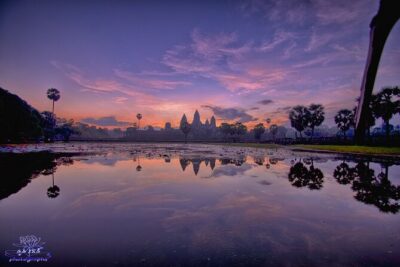
Angkor Wat Sunrise or Sunset Tour with Guide from Siem Reap
Read our review →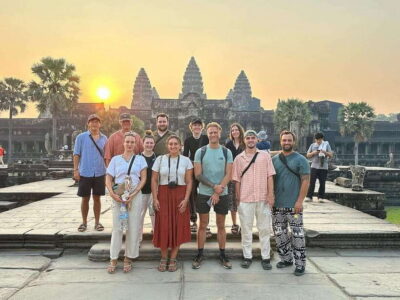
Angkor Wat: Small-Group Sunrise or Sunset Tour
Read our review →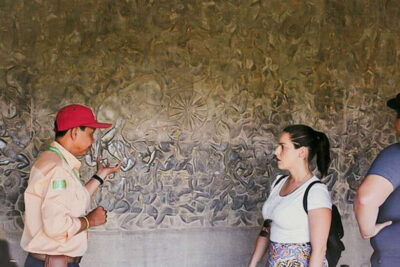
Angkor Wat 2-Day Tour with Sunrise and Sunset
Read our review →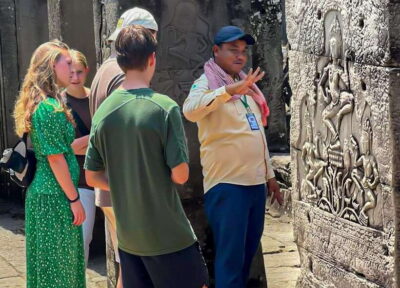
Angkor Wat Sunrise tour with Small – Group and Guide tours
Read our review →
Angkor Wat Highlights and Sunrise Guided Tour from Siem Reap
Read our review →
Angkor Wat Sunset Small Group Tour with Lunch Included
Read our review →
Full-Day Angkor Wat Sunrise Private Tour with Guide from Siem Reap
Read our review →Browse the lists this tour appears in