
Reviewed · ANGKOR WAT TOURS
Angkor Wat & Banteay Srey Tour
Ancient temples, smiling faces, and jungle-covered stones make this a memorable day in Siem Reap. I like the private format, which gives your own group a guide and vehicle, and I like the useful comforts of air-conditioning, cold water, and cool towels. The main drawback is the long schedule: the listed temple visits add up to about 10 hours before you count driving, meals, and the ticket stop.
This $50 tour gives you a broad look at the Angkor area, from the grand symmetry of Angkor Wat to the fine pink carvings of Banteay Srei. Guides such as Kosorl Oun, Sinann, and Bros have been praised for friendly service, clear historical explanations, patience, and help with photographs, although the exact guide assigned to you is not guaranteed.
In This Review
- Key points to know before booking
- What the $50 price really covers
- Hotel pickup and the road to Angkor
- Three hours at Angkor Wat
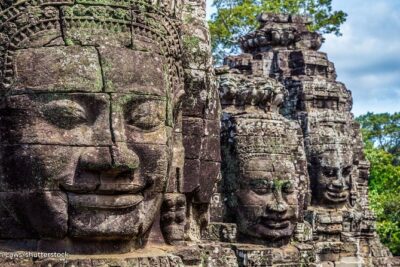
- Bayon and the faces of Angkor Thom
- Ta Prohm and the trees over the walls
- The long ride to Banteay Srei
- Banteay Samre, a quieter final temple
- The guide service and personal touch
- Who should book this full temple day
- Should you book the Angkor Wat and Banteay Srei tour?
- FAQ
- How much does the tour cost?
- How long does the tour last?
- Is hotel pickup included?
- Is this a private tour?
- Which temples are included?
- Is the Angkor temple pass included?
- Is transportation air-conditioned?
- Are water and towels provided?
- Is sunrise at Angkor Wat included?
- Can I cancel for a full refund?
Key points to know before booking
- Five important temples in one day: You visit Angkor Wat, Bayon, Ta Prohm, Banteay Srei, and Banteay Samre.
- A private experience: Only your own group takes part, rather than joining a large shared coach.
- The temple pass costs extra: The $50 price does not include entrance fees.
- Banteay Srei adds driving time: This pink sandstone temple is about 35 kilometers from the main temple area.
- Comfort matters in Cambodia: Air-conditioning, drinking water, and cool towels are included.
- Sunrise is not included: An early sunrise departure costs extra, so check the arrangement before booking.
What the $50 price really covers
At $50 per person, this tour offers fair value if you want a full day with private transport and a guide. You are paying for the vehicle, driver, guide, hotel pickup, water, and cool towels, rather than simply paying for transportation between temples.
The price does not include the Angkor entrance pass. It also excludes meals, personal expenses, travel insurance, and any extra sunrise charge. Since the ticket price is not supplied here, you should add the current temple pass cost to your budget before deciding how this compares with other tours.
The private setup is especially useful for couples, families, or small groups with different walking speeds. You can ask to pause, spend longer at a favorite temple, or cut a stop short if the heat begins to win. The tour is still a packed day, though, and five temple stops require energy.
Group discounts are offered, but the details are not stated. If you are booking for several people, ask the provider how the discount works before payment. Confirmation is provided at booking, and free cancellation is available up to 24 hours before the start time. Inside that 24-hour window, the payment is not refunded and changes are not accepted.
More ways to see Angkor Wat:
- Angkor Wat Sunrise or Sunset Tour with Guide from Siem Reap
★ 5.0 · 12,109 reviews - Siem Reap: Angkor Wat: Small-Group Sunrise or Sunset Tour
★ 5.0 · 9,444 reviews - Siem Reap: Angkor Wat 2-Day Tour with Sunrise and Sunset
★ 4.9 · 4,429 reviews
Hotel pickup and the road to Angkor
Your guide or driver picks you up at the time selected during booking. The meeting point is your hotel lobby, which keeps the beginning simple. You then go to the ticket office to buy the temple pass before heading into the Angkor area.
The vehicle has air-conditioning, a welcome feature during a long day in Cambodia. Cold drinking water and cool towels are included too. These sound like small extras, but after walking across open courtyards and stone paths, they become genuinely useful.
The ride between sites gives you a break from the temples. It also lets you watch the countryside around Siem Reap, including local activity connected with sugar palms. At Banteay Srei, the route may include a stop to see locals making natural sugar products. This is a worthwhile addition because it gives the day some connection to present-day Cambodian life, not only royal monuments.
The schedule is described as lasting about seven to ten hours. The listed stops total roughly ten hours on their own, so treat the timing as approximate. Driving, ticket purchase, food, photographs, and the pace of your group will affect the final finish time.
Three hours at Angkor Wat
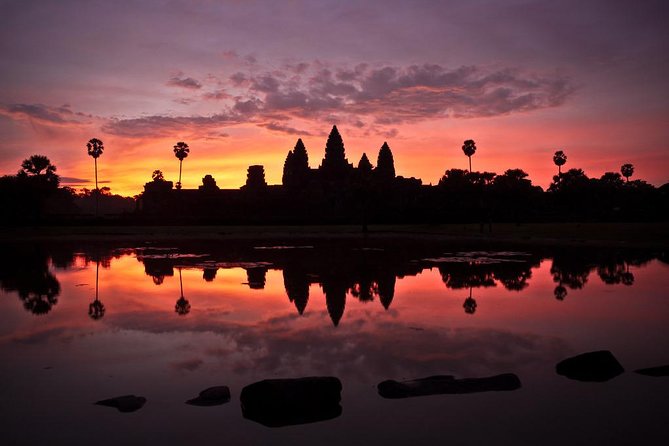
Angkor Wat is the grand opening act and the temple that gives the wider site its name. Built between 1113 and 1150 during the reign of Suryavarman II, it was designed on a huge scale, with a moat called Ko Tek around the main complex.
I like having three hours here because Angkor Wat needs time. You can look first at the overall design, then move closer to the walls and study the carved scenes. The exterior and interior walls contain extensive base-reliefs, so a guide can help you notice details that are easy to miss when you are focused only on the central towers.
The temple rises to about 65 meters and has a strong sense of order. Long galleries, stone corridors, towers, and the moat create the kind of setting that can feel almost too large to take in at once. Three hours gives you room to stop for photographs without turning the visit into a hurried march.
The trade-off is that Angkor Wat can be the busiest part of the day. Your guide’s timing and route matter here, but the tour description does not promise a particular arrival hour. If you want sunrise, ask about the extra charge before booking, since sunrise is not included in the standard price.
Entrance is also not included at this stop or in the tour price overall. You buy your pass at the ticket office on the way in.
Bayon and the faces of Angkor Thom
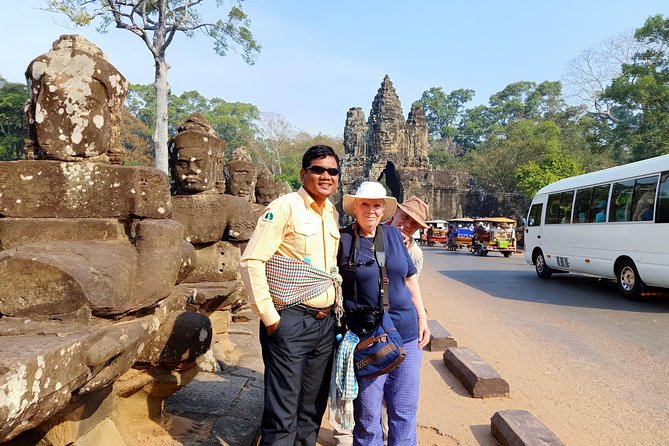
The next major stop is Bayon, described here as Angkor Thom. More precisely, Bayon is the temple at the heart of Angkor Thom, the former capital associated with Jayavarman VII. It was built in the late 12th or early 13th century in a Buddhist style.
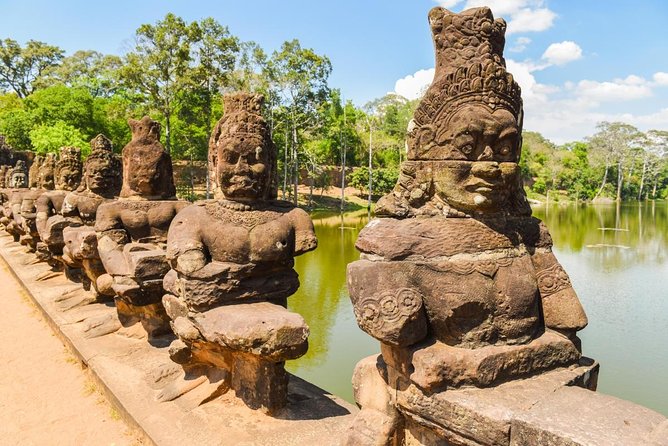
Bayon is famous for its towers and the calm faces carved into them. The supplied description refers to 54 towers and more than 200 smiling faces. Those faces are the reason this temple feels different from Angkor Wat. Angkor Wat presents grand lines and long reliefs, while Bayon surrounds you with close-set stone towers and repeated human features.
The two-hour visit is generous enough to examine the towers and carved galleries. Your guide can add context about Jayavarman VII, the former capital, and the damage caused by Cham invaders in 1811, all subjects included in the tour’s historical explanation.
The site is visually confusing in the best way. Corridors turn, towers overlap, and the faces appear from different angles. I would stay near your guide at the beginning, then take a little time to look independently. With many similar passages, it is easy to lose track of where you have been.
Admission is listed as free for this stop, but you still need the wider Angkor temple pass.
More trips out to Banteay Srei:
- Full-Day Banteay Srei & 4 Temples – Grand Tours Join-in Tour
★ 5.0 · 1,155 reviews - Siem Reap Tour: Angkor Wat Sunrise, Bayon, Ta Prohm, Banteay Srei
★ 5.0 · 931 reviews - 2-Day Angkor Wat With Small, Big Circuit and Banteay Srei Tour
★ 5.0 · 545 reviews - From Siem Reap: Banteay Srei Temple & Grand 5 Temple Tour
★ 4.8 · 262 reviews
Ta Prohm and the trees over the walls
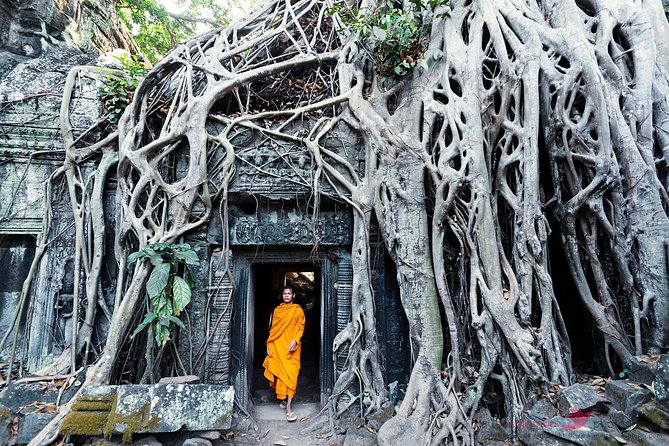
Ta Prohm is the most atmospheric stop on this route. Built in the late 12th century by Jayavarman VII and dedicated to his mother in 1186, it began with a Buddhist connection and was later converted to Hindu use. Some Buddhist galleries were destroyed and replaced with Hindu symbols, including yoni and lingam carvings.
The temple is best known for the Spung trees growing up, on, and over its sandstone walls. Roots push across the masonry, making the boundary between living trees and old stone hard to separate. This is the place where the Angkor ruins feel most closely tied to the forest.
Two hours gives you time to appreciate both the architecture and the trees. Do not rush straight toward the most photographed root-covered wall. The damaged galleries and carved details are part of the story too, and a guide can explain how religious changes altered the temple.
Ta Prohm is also a good reason to wear practical shoes. The day involves repeated walking over uneven temple surfaces, and the heat can build by this point. The tour is described as suitable for most participants, but anyone with mobility concerns should discuss the steep steps and walking needs with the provider before departure.
One useful detail comes from the experiences of earlier clients: Kosorl Oun was praised for taking photographs and for helping someone with arthritic knees manage the steep temple steps. That does not guarantee special assistance, but it suggests that asking for a slower pace is sensible.
The long ride to Banteay Srei
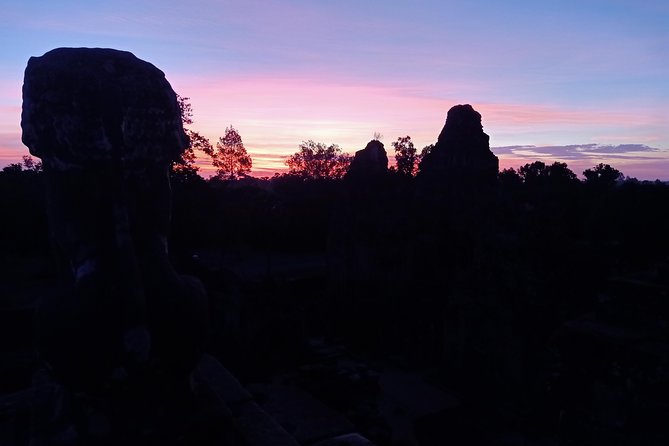
Banteay Srei is about 35 kilometers from the main temple area, so this is not a quick add-on. The drive changes the rhythm of the day and takes you farther from the central Angkor circuit.
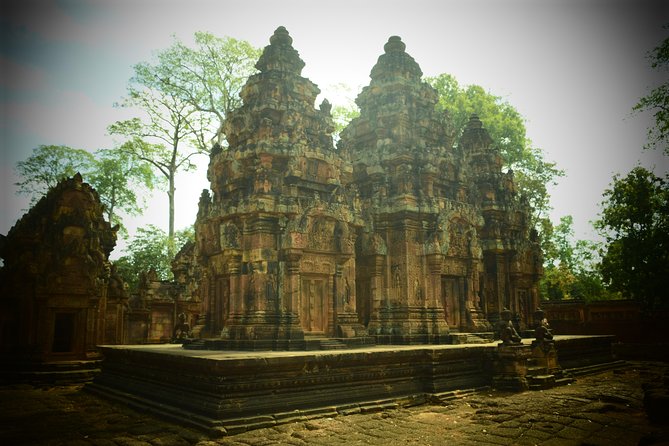
The temple is built from pink sandstone and is known for unusually detailed carvings. It is often called the Lady Temple, a name linked to its delicate decoration. Compared with Angkor Wat and Bayon, Banteay Srei feels smaller in scale, but its carved surfaces reward close attention.
The two-hour stop is well judged for a site where detail matters more than size. Look closely at the doorways, lintels, and carved figures rather than trying to cover a large set of courtyards. The pink stone can also give the temple a different appearance from the gray sandstone buildings earlier in the day.
The distance is the main disadvantage. If you want only the classic Angkor highlights and dislike long drives, Banteay Srei may make this day feel too full. If you have enough time in Siem Reap, though, it adds a distinct style of architecture and a chance to see more of the area beyond the central temples.
The possible sugar-palm stop is another plus. You may see local producers making natural sugar products along the way. It is not presented as a guaranteed fixed stop, so ask the guide on the day if this interests you.
Banteay Samre, a quieter final temple
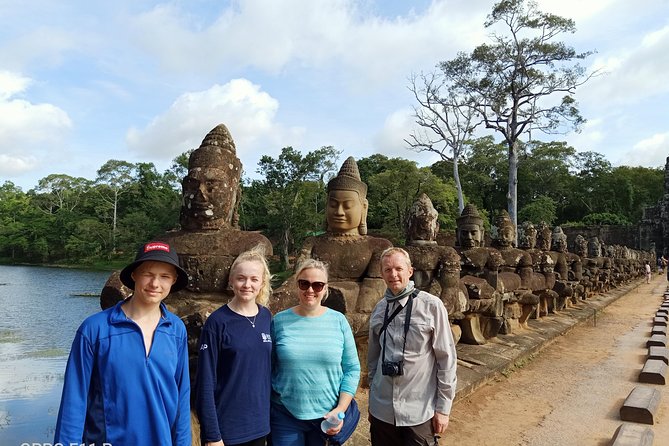
Banteay Samre is scheduled for one hour and is located about 400 meters east of the East Baray. Built during the reigns of Suryavarman II and Yasovarman II in the early 12th century, it is a Hindu temple in the Angkor Wat style.
This final stop gives you a chance to compare styles. After seeing Angkor Wat itself, you can look for related design ideas at Banteay Samre without the same scale. One hour is enough for a focused visit, though it may feel short if you are tired or taking many photographs.
Banteay Samre is not as famous as the first three temples, and that is part of its appeal. It gives the day a less predictable finish instead of ending only with the biggest names. On the other hand, five temple stops can lead to temple fatigue. If you have already spent several days at Angkor, you might prefer to ask for more time at one major site rather than adding another brief visit.
The guide service and personal touch
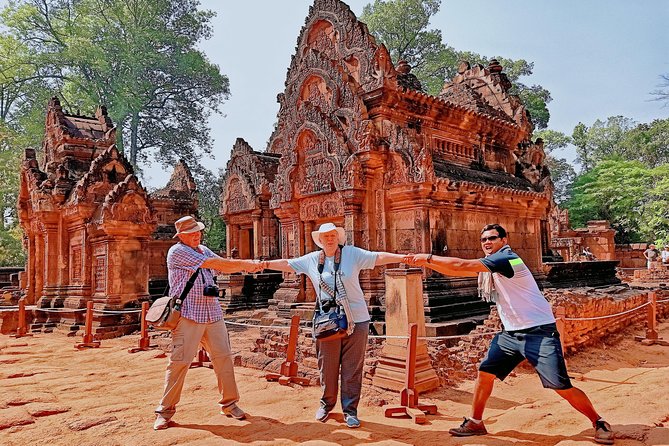
The strongest part of this experience is likely to be the guide. Kosorl Oun is repeatedly praised for his friendly manner, strong grasp of Cambodian history, care with photographs, and willingness to adjust the day to individual needs. He is also described as the founder of Easy Angkor Trip.
Other named guides receive warm praise as well. Sinann is described as polite and helpful, while Bros is credited with explaining temple history and Cambodia’s Khmer Rouge period. The exact guide assigned to you is not guaranteed, so book this tour for the overall service rather than expecting one specific person.
The best guiding here goes beyond naming dates and kings. A good guide can explain how Buddhist and Hindu traditions shaped Ta Prohm, why Bayon’s faces matter, and how the temples connect to Cambodia’s past and present. Kosorl has also been praised for arranging village visits and sharing local life when clients wanted a break from temple sightseeing.
Photography is another useful touch. Several experiences highlight Kosorl’s ability to take creative photographs, which can be valuable when you are traveling as a couple or group and want more than quick phone snapshots. Again, this is a reported strength of particular guides, not a formal service promised in the tour details.
Who should book this full temple day
I would choose this tour if you want the major Angkor sights plus Banteay Srei in one organized day. It suits first-time visitors who have limited time in Siem Reap and prefer a guide to explain what they are seeing.
It also fits people who value private transport and personal attention. Families, couples, and small groups can benefit from a vehicle reserved for their own party. The included water, towels, and air-conditioning matter when the schedule runs long.
I would hesitate if you prefer slow travel. Five stops, long walking periods, and a drive to Banteay Srei can make the day tiring. I would also hesitate if your main goal is a quiet sunrise at Angkor Wat, since sunrise carries an extra charge and is not part of the standard experience.
Wear comfortable clothing suitable for temple visits and plan for a full day. Bring money for the entrance pass, meals, and personal expenses. If you have knee problems or find steep temple steps difficult, tell the provider before the tour so the pace and route can be discussed.
Should you book the Angkor Wat and Banteay Srei tour?
Book it if you want a well-rounded private day covering Angkor Wat, Bayon, Ta Prohm, Banteay Srei, and Banteay Samre, with a guide, driver, air-conditioning, water, and towels included.
The $50 fee is reasonable for that level of transport and service, but it is not the complete cost because the temple pass and food are extra. The day is long, and the Banteay Srei drive adds time. For a first visit with only one full day available, I think the range of temples makes this a strong choice. For a slower second or third day, consider asking for fewer stops and more time at the places that interest you most.
FAQ
How much does the tour cost?
The tour costs $50 per person. Entrance fees, meals, personal expenses, travel insurance, and the extra sunrise charge are not included.
How long does the tour last?
The experience lasts approximately seven to ten hours. The timing can vary because of driving, ticket purchase, meals, photographs, and the pace of your group.
Is hotel pickup included?
Yes. Your guide or driver picks you up from your hotel lobby at the time selected during booking.
Is this a private tour?
Yes. Only your group participates in the private tour or activity.
Which temples are included?
The tour visits Angkor Wat, Bayon, Ta Prohm, Banteay Srei, and Banteay Samre.
Is the Angkor temple pass included?
No. You go to the ticket office to buy the temple pass, and the entrance fee is paid separately.
Is transportation air-conditioned?
Yes. Air-conditioned transportation is included.
Are water and towels provided?
Yes. Cool drinking water and cool towels are included.
Is sunrise at Angkor Wat included?
No. Sunrise requires an extra charge.
Can I cancel for a full refund?
Yes, if you cancel at least 24 hours before the experience start time. Cancellations or changes made less than 24 hours before the start time are not accepted for a refund.
Newest reviews from Siem Reap
- War Museum, Killing Field, and APOPO Hero RATs Tour★ 5.0 · 7 reviews
- Angkor Wat at Sunrise★ 4.0 · 7 reviews
- Siem Reap Angkor Airport Taxis (from Airport to Hotel)★ 5.0 · 44 reviews
- Cambodian Cooking Class and Oxcart Ride with Local Village Tour★ 5.0 · 4 reviews
- Secret Temples of Angkor – Guided Tour in Siem Reap★ 5.0 · 6 reviews
- Short Cycling at Countryside★ 5.0 · 29 reviews
- SIEM REAP E-BIKE HALF-DAY COUNTRYSIDE (25-30 km)★ 4.0 · 1 review
- Unveiling the Mystical Beauty of Phnom Kulen National Park★ 5.0 · 6 reviews
Angkor Wat Tours, compared.
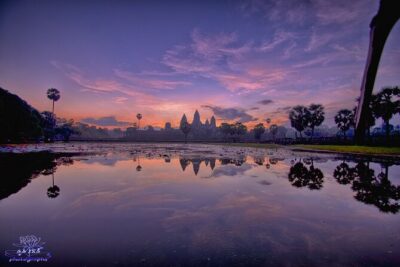
Angkor Wat Sunrise or Sunset Tour with Guide from Siem Reap
Read our review →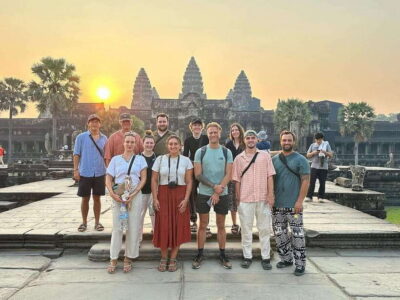
Angkor Wat: Small-Group Sunrise or Sunset Tour
Read our review →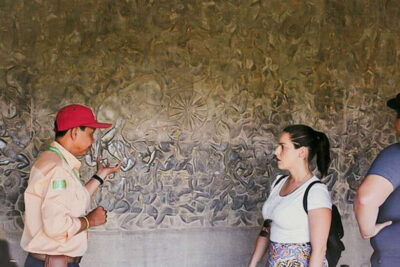
Angkor Wat 2-Day Tour with Sunrise and Sunset
Read our review →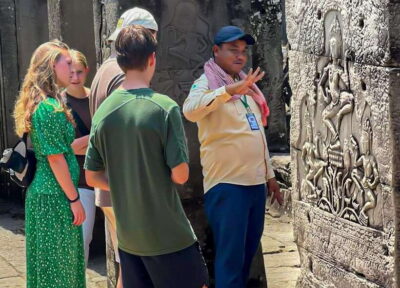
Angkor Wat Sunrise tour with Small – Group and Guide tours
Read our review →
Angkor Wat Highlights and Sunrise Guided Tour from Siem Reap
Read our review →
Angkor Wat Sunset Small Group Tour with Lunch Included
Read our review →
Full-Day Angkor Wat Sunrise Private Tour with Guide from Siem Reap
Read our review →Browse the lists this tour appears in