
Reviewed · PHNOM KULEN TOURS
3-Day Tour of Siem Reap, Angkor Temples & Phnom Kulen Waterfall
The temples are only the beginning. This three-day private tour pairs the famous Angkor circuit with sunrise at Angkor Wat, distant temples, Phnom Kulen Waterfall, and Tonle Sap Lake. I like the private guide arrangement, which lets your group ask questions and adjust the pace, and I like the mix of grand monuments and quieter countryside stops. The main drawback is the early start on Day 2 and the fact that temple, Phnom Kulen, and accommodation costs are extra.
The guide, Mr. Hok, receives especially strong praise for his storytelling, humor, kindness, and care. He explains religion and Cambodian history in a clear, personal way rather than simply pointing out stones. At $250 per person, the value depends on your group size, but the air-conditioned vehicle, two lunches, drinks, water, towels, and three full days of guiding make this a useful option for anyone who wants the major sights organized without joining a large group.
In This Review
- Five details that shape the experience
- A three-day plan that covers far more than Angkor Wat
- Day 1: Angkor Wat, royal capitals, and jungle roots
- Angkor Wat at 8am
- Angkor Thom and Bayon
- Baphuon and the Terrace of the Elephants
- Ta Prohm, where nature shares the frame
- Pre Rup and Phnom Bakheng
- Day 2: Sunrise, pink sandstone, and the northern temples
- A 4:30am start at Angkor Wat
- Banteay Srei and its detailed carvings
- Preah Khan, Ta Som, and Neak Pean
- Banteay Samre, a well-preserved final stop
- Day 3: Phnom Kulen, Beng Mealea, and life on Tonle Sap
- Phnom Kulen National Park and the waterfall
- Beng Mealea, a remote jungle temple
- Tonle Sap Lake and the floating village
- What the private guide adds
- What $250 per person really buys
- Practical points before you book
- Who should choose this three-day tour?
- Should you book it?
- FAQ
- Is this a private tour?
- Is hotel pickup available?
- Is accommodation included?
- Are Angkor temple tickets included?
- Is the Phnom Kulen entrance ticket included?
- What meals and refreshments are provided?
- How long is the tour?
- Can I cancel for a full refund?
Five details that shape the experience
- Sunrise and sunset are both included: You visit Angkor Wat at 4:30am on Day 2 and Phnom Bakheng on Day 1.
- The route goes beyond the main temples: Banteay Srei, Banteay Samre, Beng Mealea, Phnom Kulen, and Tonle Sap add variety.
- You have a private vehicle and guide: Only your own group takes part, with hotel pickup offered.
- Tickets are not included: Angkor temple admission and Phnom Kulen admission must be paid separately.
- Accommodation is your choice: You book your own hotel in Siem Reap rather than taking a fixed property.
- Mr. Hok is a major part of the appeal: His humor, enthusiasm, clear explanations, and attention to guests receive repeated praise.
A three-day plan that covers far more than Angkor Wat
This is an ambitious schedule. It covers the best-known temples around Siem Reap, several less central sites, a sacred mountain, a remote jungle temple, and Cambodia’s great lake. You will see a lot, but you will also spend plenty of time walking, climbing steps, and riding between stops.
The private format helps. If your group wants more time at Ta Prohm or fewer minutes at a smaller temple, you can discuss that with your guide. The published schedule gives you a framework, but it does not read like a rigid large-coach tour.
The tour includes hotel pickup, so you do not need to arrange transport to the first stop. The vehicle is air-conditioned, an important comfort in Cambodia’s heat. Cool water and towels are also supplied. Two lunches and drinks are included, while breakfast is not listed, so you should plan around the early morning departure.
More days on Phnom Kulen:
- Kulen Waterfall Join-in Tour (local Picnic lunch)
★ 5.0 · 2,434 reviews - Kulen Mountain: Small-Group Tour and Picnic lunch
★ 4.9 · 1,802 reviews - Siem Reap: Kulen Mountain, Beng Mealea and Tonle Sap Tour
★ 5.0 · 1,483 reviews
Day 1: Angkor Wat, royal capitals, and jungle roots
Angkor Wat at 8am
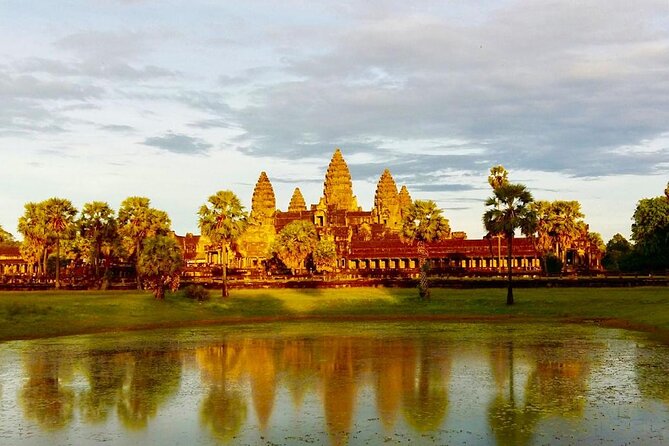
Pickup begins at about 8am. The first major stop is Angkor Wat, where you have roughly two hours. That is enough to get a meaningful introduction to the temple, though not enough to explore every corner at a slow pace.
Your guide can place the monument in its religious and historical setting, then help you notice the details that are easy to miss alone. The tour also includes local villages and forest around Angkor Wat, giving the morning a broader sense of place rather than treating the temple as an isolated photo stop.
The main limitation is timing. Angkor Wat is enormous, and two hours passes quickly. If you want an exhaustive visit inside every gallery, you may find this part brisk. Still, the separate sunrise visit on Day 2 gives you another chance to see the temple from a different angle.
Angkor Thom and Bayon
The route continues to Angkor Thom, the former capital city of the Khmer Empire. The stop is listed at about 30 minutes, followed by an hour at Bayon Temple.
Angkor Thom was a fortified royal city, and entering its gates gives you a sense of the scale of the old capital. Bayon, at its center, is the visual prize here. Its carved faces are instantly recognizable, but the temple is more than a collection of giant stone smiles. The monument was built by King Jayavarman VII and connected with Mahayana Buddhism and the compassionate figure Lokesvara.
This is where an informed guide adds real value. The faces, carvings, and layout can blur together when you are moving quickly. Mr. Hok is praised for explaining these places as stories, with humor and enthusiasm, while still treating the religious meaning seriously.
More multi-day routes in Siem Reap:
- Siem Reap: Angkor Wat 2-Day Tour with Sunrise and Sunset
★ 4.9 · 4,429 reviews - Angkor 2-Day Sunset & Sunrise Small-Group Tour
★ 5.0 · 2,567 reviews - Siem Reap: Angkor Sunrise 1- or 2-Day Guided Temples Tour
★ 4.9 · 1,132 reviews - 2-Day Angkor Wat With Small, Big Circuit and Banteay Srei Tour
★ 5.0 · 545 reviews
Baphuon and the Terrace of the Elephants
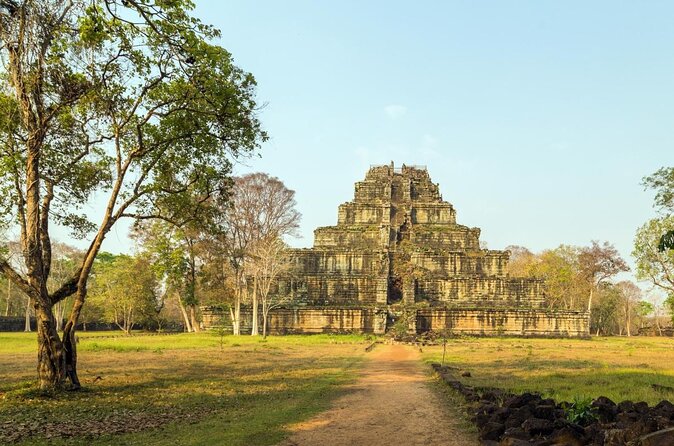
Baphuon receives about 45 minutes. This pyramid-shaped Hindu temple was built in the 11th century and dedicated to Shiva. Its height and tiered structure make it a useful contrast to Bayon’s enclosed galleries and carved faces.
Next comes the Terrace of the Elephants, with about 30 minutes. This was a royal conference and ceremonial area in front of the palace zone. The elephant carvings help explain its name, but the terrace also gives you a sense of how public and royal life was organized in the ancient capital.
These two stops are shorter, yet they help connect the temples into a city rather than a string of unrelated ruins. You are not simply checking off monuments. You are following the layout of an old center of power.
Ta Prohm, where nature shares the frame
Ta Prohm gets about an hour, and it is one of the day’s essential visits. King Jayavarman VII built it in 1186 and dedicated it to his mother. Its fame also comes from its appearance in Tomb Raider, but the cinematic association should not overshadow the temple itself.
Trees grow over and around the stonework, creating the dramatic meeting of roots and ruins that many people picture when they think of Angkor. The setting is memorable, though it can also be one of the more crowded stops. Your guide can help you focus on the carvings and structure instead of only searching for the most photographed tree.
Pre Rup and Phnom Bakheng
Pre Rup is a brick temple built in 961 for King Rajendravarman II and dedicated to Shiva. The visit lasts about 30 minutes. It is a strong stop for understanding the older Hindu temple style before the later Buddhist monuments become the main focus.
The day ends at Phnom Bakheng, with about an hour scheduled. This hilltop temple is associated with sunset visits, and the itinerary is designed to give you that evening experience. It is also one of the most popular sunset locations in the Angkor area, so the atmosphere may be busy.
That popularity is the trade-off. You get a memorable closing view and a temple on a natural rise, but not a quiet, private sunset. The long first day also matters. By the time you reach Phnom Bakheng, you may be more interested in sitting down than climbing another temple.
Day 2: Sunrise, pink sandstone, and the northern temples
A 4:30am start at Angkor Wat
The second day begins very early. Pickup from your hotel lobby is set for 4:30am so you can reach Angkor Wat for sunrise. The sunrise visit lasts about 90 minutes.
This is one of the tour’s strongest features because it avoids putting sunrise and the full Angkor circuit into the same exhausting morning. You see the temple at dawn, then return to the wider program of temples and countryside.
You should treat the early start seriously. Pack what you need the night before and confirm the pickup details with the operator. Breakfast is not included in the stated meals, so arrange your morning food with your hotel or guide.
Banteay Srei and its detailed carvings
Banteay Srei lies about 37 kilometers north of Angkor Wat and receives roughly an hour. It is often called the Lady Temple, and its pink sandstone carvings are the reason it has such a strong reputation.
The smaller scale makes Banteay Srei feel different from Angkor Wat or Bayon. The decoration is exceptionally fine, and the compact layout allows you to examine the stonework without the overwhelming scale of the larger complexes.
The distance is part of the cost in time. You ride farther from the main Angkor group, but that is precisely why this stop adds something new. If your priority is detailed carving rather than monumental size, Banteay Srei may become one of your favorite visits.
Preah Khan, Ta Som, and Neak Pean
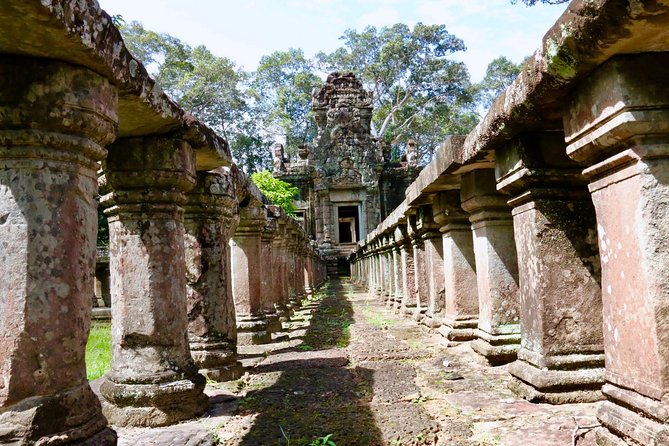
Preah Khan is a large temple complex dedicated to the sacred sword. About an hour is planned here. Much of the site remains in good condition, and its carvings reward a slower look.
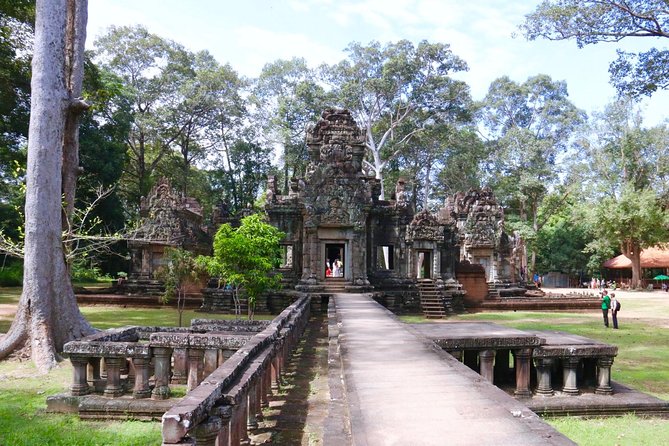
Ta Som follows for about 30 minutes. This Buddhist temple was built by Jayavarman VII and dedicated to members of his family and religious circle. It is smaller than Preah Khan, so the shorter visit makes sense, though you may wish you had more time if you enjoy quiet corners and close inspection of the stone.
Neak Pean takes another 30 minutes. The temple sits in the center of a lake and is surrounded by water. Its name refers to entwined serpents, and its original design was connected with ancient ideas about healing.
The three stops work well together. Preah Khan gives you scale, Ta Som gives you a more intimate ruin, and Neak Pean offers a watery setting. None should be judged only by size. The variety is the point.
Banteay Samre, a well-preserved final stop
Banteay Samre is scheduled for about 30 minutes. Located east of an ancient reservoir, it was built during the era of King Suryavarman II and is noted for its well-preserved stonework.
This temple is a useful addition because it is not simply another version of Angkor Wat. Its setting and compact form give you a final change of pace after the morning’s larger complexes. Still, Day 2 covers a great deal, and the combination of sunrise, long rides, and six temple areas can leave you tired.
Day 3: Phnom Kulen, Beng Mealea, and life on Tonle Sap
Phnom Kulen National Park and the waterfall
Day 3 leaves the main Angkor zone for Phnom Kulen National Park. About two hours are planned here, with admission charged separately.
Phnom Kulen is a sacred mountain with several points of interest. The program identifies the holy waterfall, a reclining Buddha, a sacred river with a thousand lingas, Srash Damrei, and Bat Cave. This is a different side of Cambodia from the carefully arranged temple avenues around Angkor.
The two-hour allocation means you will not have unlimited time for every feature. Ask your guide how the visit will be divided, particularly if the waterfall is your main reason for coming. The stop is worthwhile because it connects religious tradition, natural scenery, and local sacred places in one outing.
Beng Mealea, a remote jungle temple
After Phnom Kulen, the route continues to Prasat Beng Mealea, about 66 kilometers northeast of Siem Reap. The visit lasts roughly an hour.
Beng Mealea is known as a remote jungle temple, and its distance makes it feel more separate from the central Angkor circuit. You see a ruin shaped by time, vegetation, and partial collapse rather than a fully ordered monument.
This is a good choice for anyone who wants a less polished temple experience. The trade-off is the road time. You spend part of Day 3 getting there and back, so the stop works best if you value atmosphere and a sense of remoteness more than adding another central Angkor temple.
Tonle Sap Lake and the floating village
The final stop is Tonle Sap Lake, the large freshwater lake at the center of Cambodia, with about an hour scheduled. The itinerary includes a floating village.
This provides a welcome change after three days of stone monuments. You see a water-based setting connected with the wider life of the country, rather than another royal or religious complex. The visit is brief, so you should view it as an introduction rather than a long lake excursion.
It also gives the tour a more balanced ending. Angkor explains a great deal about Cambodia’s past, while Tonle Sap helps you think about the country beyond its ancient capitals.
What the private guide adds
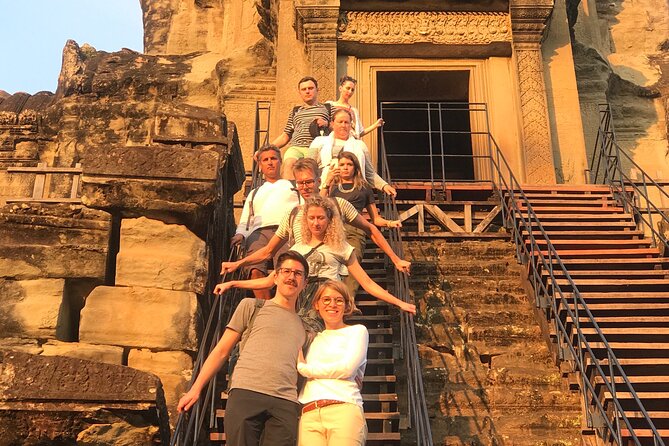
The guide may be the most important part of the tour. Several comments praise Mr. Hok’s warmth, humor, patience, and ability to explain sites clearly. One particularly useful quality is his storytelling. Instead of giving disconnected dates, he presents the monuments as part of Cambodia’s religious and royal past.
That matters at Angkor. Without context, Bayon can become a wall of faces, Ta Prohm a famous movie location, and Banteay Srei a collection of pretty carvings. A guide who explains the people, beliefs, and purposes behind the buildings gives the stones meaning.
The private format also suits first-time visitors who want help with planning and transport. Some praise specifically notes that Mr. Hok organized itineraries, cared for the group throughout the trip, and helped people feel safe, including two women visiting Siem Reap for the first time.
What $250 per person really buys
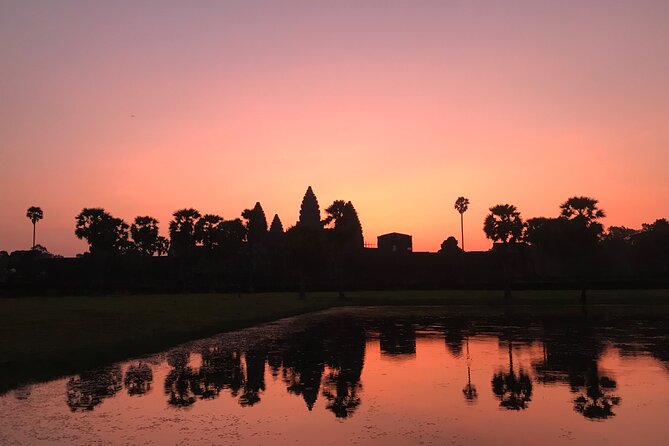
At $250 per person, the price is not a complete three-day holiday because lodging and major entrance tickets are excluded. You must pay separately for the Angkor temple ticket and Phnom Kulen ticket, and you choose and fund your own accommodation.
The value improves when shared among a larger private group, though the exact group-size pricing is not provided. You are paying for a private vehicle, an English-speaking guide, hotel pickup, cool water and towels, two lunches, drinks, and the convenience of having a planned route across three days.
The tour also saves you from arranging separate transport for distant places such as Banteay Srei, Phnom Kulen, Beng Mealea, and Tonle Sap. If you would otherwise hire cars and guides for each day, the package may be a sensible choice. If you already have transport and prefer to explore independently, the extra cost may be harder to justify.
Practical points before you book
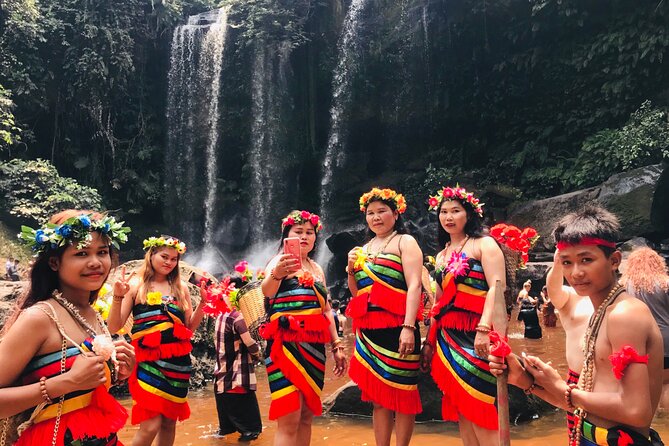
The schedule is active, with long walking days and a 4:30am start. You should be comfortable with early mornings and repeated temple visits before choosing the full itinerary.
Admission is not included at any of the listed temple stops. The same applies to Phnom Kulen. Confirm current ticket arrangements and costs before you go, since the supplied price does not cover them.
Accommodation is also not included, but that gives you control over where you stay in Siem Reap. Pickup is offered from your hotel, and the tour is described as suitable for most people. It is near public transportation, although the private pickup and vehicle mean you may not need to use it.
Booking confirmation is provided at the time of booking, and a mobile ticket is available. Cancellation is free if you cancel at least three full days before the start time. Cancellations or changes made later are not accepted for a refund.
Who should choose this three-day tour?
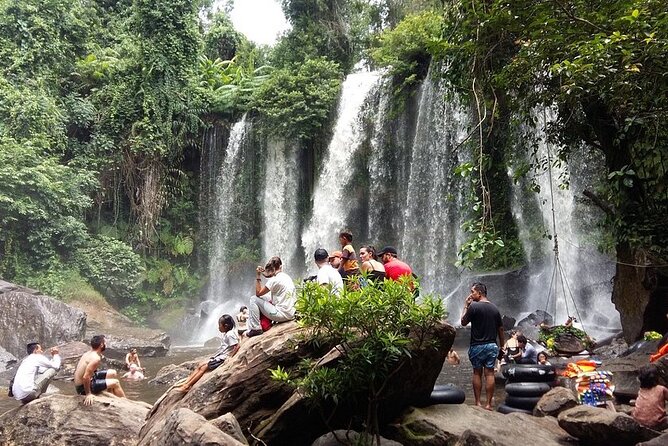
I would recommend it to a first-time visitor who wants the major Angkor temples but also wants to see Cambodia beyond the central ruins. It suits couples, families, and small private groups that value personal attention and do not want to share a large coach.
It is especially good for people who want a guide to explain religious symbols, royal history, and temple design. Mr. Hok’s reported style, friendly, funny, serious when needed, and attentive to individual needs, is a strong reason to consider this particular arrangement.
I would be more cautious if you dislike packed schedules, long drives, or early starts. You may prefer to split the temple visits over more days, particularly if you want time for photography or quiet exploration. The sunset stop at Phnom Bakheng can also be busy, so do not expect solitude there.
Should you book it?
Book this tour if you want three efficiently planned days with a private guide, air-conditioned transport, sunrise and sunset, and a broad look at Siem Reap. The combination of Angkor Wat, Banteay Srei, Ta Prohm, Phnom Kulen, Beng Mealea, and Tonle Sap gives you much more than a standard one-day temple outing.
Skip it if the $250 price feels misleading because you still need to pay for accommodation and entrance tickets, or if you want a slow, unhurried temple experience. For most first visits, though, the private format and Mr. Hok’s widely praised personal approach make this a strong way to see the region.
FAQ
Is this a private tour?
Yes. Only your own group participates in the activity, and a private vehicle and English-speaking guide are provided.
Is hotel pickup available?
Yes. Pickup is offered from your hotel. Day 1 pickup is scheduled for about 8am, and Day 2 pickup is scheduled for 4:30am.
Is accommodation included?
No. You choose and pay for your own hotel accommodation in Siem Reap.
Are Angkor temple tickets included?
No. Admission to the Angkor temples is not included in the price.
Is the Phnom Kulen entrance ticket included?
No. The Phnom Kulen ticket is listed separately and is not included.
What meals and refreshments are provided?
The tour includes two lunches and drinks, along with cool water and towels. Breakfast is not listed as included.
How long is the tour?
The tour lasts approximately three days. Day 1 includes eight listed stops, Day 2 includes six, and Day 3 includes Phnom Kulen, Beng Mealea, and Tonle Sap Lake.
Can I cancel for a full refund?
Yes, if you cancel at least three full days before the experience start time. Cancellations or changes made less than three full days before the start time are not refunded.
Newest reviews from Siem Reap
- Village walking & Cooking class in Siem Reap★ 5.0 · 2 reviews
- Ultimate Sunrise to Angkor Wat, Angkor Thom and Bayon Temple★ 5.0 · 3 reviews
- Angkor Wat Sunrise Shared Tours: Bayon, Ta Prohm And Kravan★ 5.0 · 1 review
- Twilight Tastes of Siem Reap Include Dinner★ 5.0 · 13 reviews
- Two Days Tour Angkor Complex; Banteay Srei, and Kulen Hill★ 5.0 · 1 review
- Trekking Tour at Phnom Kulen National Park from Siem Reap★ 5.0 · 3 reviews
- Trip to Big Circle included Banteay Srey and Banteay Samre★ 5.0 · 1 review
- Full-Day Private Tour of Angkor Wat with Pick Up★ 5.0 · 12 reviews
Phnom Kulen Tours, compared.
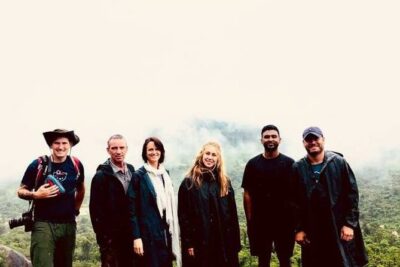
Kulen Waterfall Join-in Tour (local Picnic lunch)
Read our review →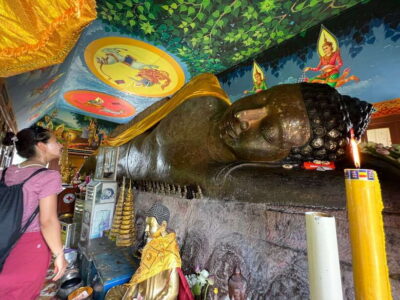
Kulen Mountain: Small-Group Tour and Picnic lunch
Read our review →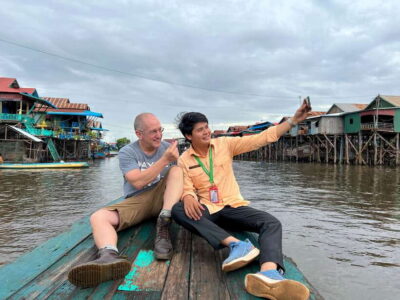
Kulen Mountain, Beng Mealea and Tonle Sap Tour
Read our review →
Phnom Kulen Waterfall & the Sacred 1000 Lingas (with Lunch)
Read our review →
Kulen Mountain with Beng Mealea and Tonle Sap Small Group Tour
Read our review →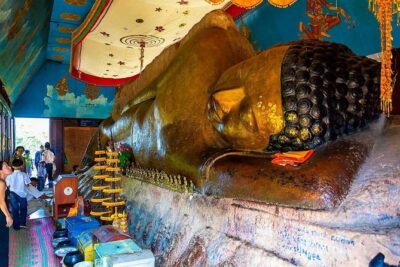
Guided Small-Group Tour in Kulen Mountain Park Waterfall
Read our review →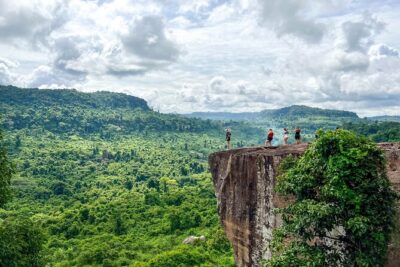
Kulen Mountain Waterfall Tour with Picnic Lunch from Siem Reap
Read our review →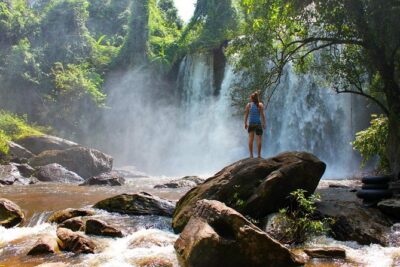
Kulen Waterfall & 1000 Linga River Small-Group Tours
Read our review →Browse the lists this tour appears in