
Reviewed · ANGKOR WAT SUNRISE TOURS
1 Day Discover Angkor Wat Sunrise Private Tour
Sunrise makes Angkor Wat feel almost unreal. This private eight-hour outing gives you an early start, a cool-air temple tour, and access to several major monuments around Siem Reap with your own English-speaking guide. I especially like the private vehicle and flexible pace, plus the chance to visit Angkor Wat before the midday heat becomes tiring.
I also like that the route covers more than the famous main temple. Ta Prohm, Bayon, Angkor Thom, the Terrace of the Elephants, and Ta Keo give you a useful first look at the scale and variety of the Khmer capital. The main drawback is the 5:00 am pickup, and the $110 group price does not include the separate $37-per-person temple admission.
- Sunrise at Angkor Wat begins with a 5:00 am pickup, so you reach the temple before the day heats up.
- The private format covers up to 10 people, making the group price particularly appealing for families and friends.
- Six major stops fit into about eight hours, including Angkor Wat, Ta Prohm, Bayon, Angkor Thom, the Terrace of the Elephants, and Ta Keo.
- Guides Praim, Sieng Kei, and Kim receive especially strong praise for storytelling, timing, photography help, and personal attention.
- Cold water, cold towels, air conditioning, hotel pickup, and drop-off make the long morning easier.
- The $37 temple pass is extra, and modest clothing plus comfortable walking shoes are required.
In This Review
- Why the 5:00 am start is worth the lost sleep
- Angkor Wat: allow two hours for the main event
- Ta Prohm and the appeal of the jungle temple
- Angkor Thom introduces the former Khmer capital
- Bayon’s stone faces reward a slower look
- The Terrace of the Elephants brings royal ceremony into view
- Ta Keo finishes with a high pyramid temple
- What the private format adds for $110
- Practical details that shape the day
- Who should book this Angkor Wat tour?
- Should you book it?
- FAQ
- What time does the tour start?
- How long does the tour last?
- Is the tour private?
- Is the Angkor entrance fee included?
- What is included in the tour price?
- What should I wear?
- Can I cancel for a refund?
Why the 5:00 am start is worth the lost sleep
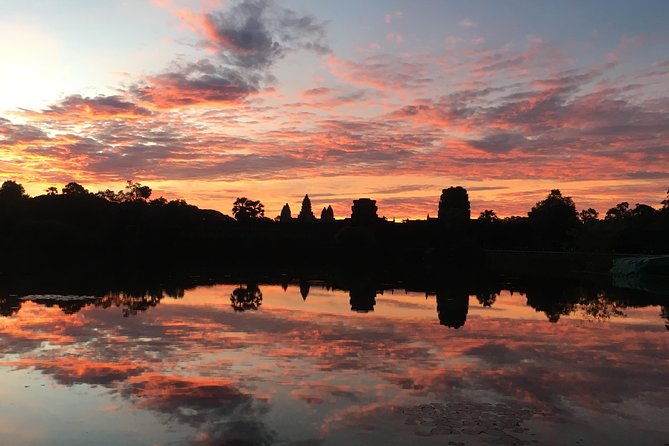
The tour begins around 5:00 am, usually with pickup from your hotel in Siem Reap. You then head toward Angkor Wat in the dark, arriving in time to wait for dawn. One account describes reaching the site around 5:30 am and seeing the sun rise near 6:00 am, though exact timing changes with the season and weather.
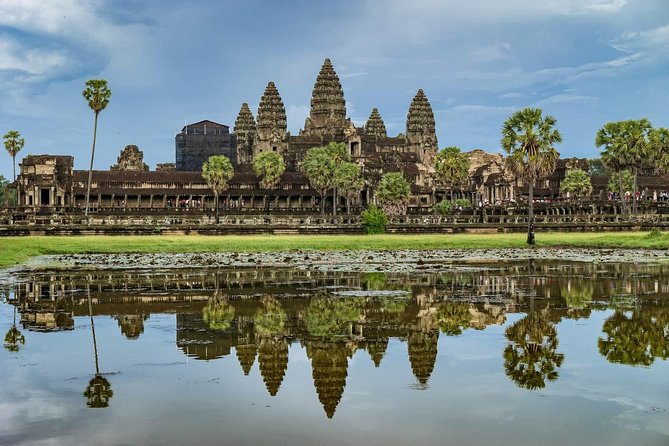
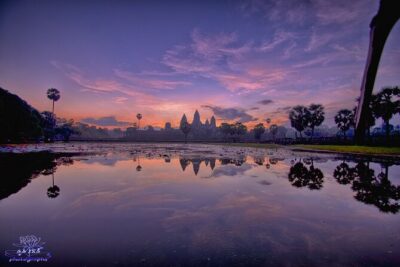
That wait is part of the experience. You are not simply stepping out of a vehicle for a quick photograph. The towers slowly appear as the sky brightens, and the outline of Angkor Wat gains detail by the minute. If the sky cooperates, the reflection pool and temple silhouette provide the classic image most people hope to capture.
The practical gain is just as important. Early morning means cooler conditions, which matters when you still have several temples ahead. You also get a better chance of reaching important viewpoints before the busiest part of the day. The guide can suggest photo positions, and Praim was praised for keeping the group ahead of other tours and finding less crowded places for pictures.
Still, sunrise is not a private event. Angkor Wat is famous for a reason, and the best-known viewing areas can attract plenty of people. Go for the atmosphere and changing light, not the promise of an empty temple.
Angkor Wat: allow two hours for the main event
The first stop receives about two hours, which is sensible. Angkor Wat is far too large for a rushed visit, and its scale only becomes clear once you move beyond the familiar front view.
The complex was built as a Hindu temple dedicated to Vishnu and covers about 162.6 hectares. That figure helps explain why a short photo stop would miss much of the point. You have time to admire the towers, walk through the major areas, and listen as your guide explains how the temple was designed and used.
A private guide makes a difference here. Praim is repeatedly praised for clear storytelling and for adding both historical and modern perspectives on Cambodia and Siem Reap. Sieng Kei and Kim also receive strong praise, with Kim helping a family find good photo locations and taking pictures for them.
You should expect walking on uneven temple surfaces, with stairs and exposed areas. The tour requires a moderate level of fitness, so comfortable walking shoes are a sensible choice. Bring patience, too. The sunrise portion involves arriving in darkness and waiting for the light, then continuing on foot after the sun is up.
Angkor Wat is also a place where respectful clothing matters. Your shirt should cover your shoulders, and trousers or shorts should reach at least the knees. This is not just a packing suggestion. Dress rules apply at the temples, and covering up is part of showing respect for an active religious site.
More ways to see Angkor Wat:
- Angkor Wat Sunrise or Sunset Tour with Guide from Siem Reap
★ 5.0 · 12,109 reviews - Siem Reap: Angkor Wat: Small-Group Sunrise or Sunset Tour
★ 5.0 · 9,444 reviews - Siem Reap: Angkor Wat 2-Day Tour with Sunrise and Sunset
★ 4.9 · 4,429 reviews
Ta Prohm and the appeal of the jungle temple
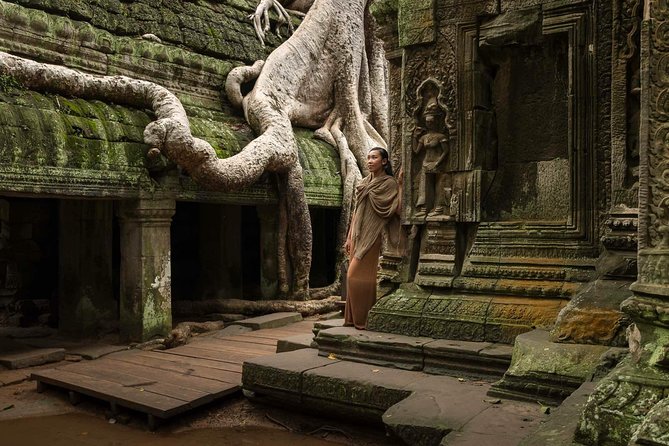
After Angkor Wat, the route moves to Ta Prohm for about an hour. This is the temple most associated with huge trees and roots growing over stone walls. It is also known for its appearance in the film Tomb Raider, though the real attraction is the way architecture and vegetation have become tangled together over time.
Ta Prohm provides a useful contrast with Angkor Wat. The first temple feels broad, ordered, and monumental. Ta Prohm feels more enclosed and dramatic, with galleries, fallen stones, and tree roots creating a less formal mood. Your guide can help you understand what you are seeing rather than reducing the stop to a series of famous photo points.
The one-hour allocation gives you enough time for a meaningful look, but not every corner. If you love photography, you may wish the stop were longer. The private setup helps because you can ask for a little more time at a particular section, although the overall route still has several stops to fit into the morning.
This is also where sturdy shoes matter most. The ground can be irregular, and you will be walking through a ruined complex rather than along smooth city paths. The supplied cold water and towels are small comforts, but they become welcome ones as the hours pass.
Angkor Thom introduces the former Khmer capital
Angkor Thom is scheduled for about an hour. It was an ancient city of the Khmer Empire, built around 1181 under King Jayavarman VII. The walled city is nearly square, with walls about eight meters high and extending for more than 12 kilometers.
That scale changes your understanding of the site. Angkor is not just a collection of separate temples scattered in the woods. Angkor Thom shows you the setting of an enormous royal city, complete with walls, gateways, ceremonial spaces, and important temples within its boundaries.
The stop is valuable because the guide can connect the separate monuments into one larger story. Without that context, you might see a gate, a terrace, and a temple as unrelated ruins. With an explanation of Jayavarman VII and the city’s purpose, the layout begins to make more sense.
An hour is enough for an overview, particularly because Bayon and the Terrace of the Elephants are visited separately. If you prefer slow photography or detailed architectural study, this route will feel brisk. If this is your first visit to Angkor, the broad coverage is a fair trade.
Bayon’s stone faces reward a slower look
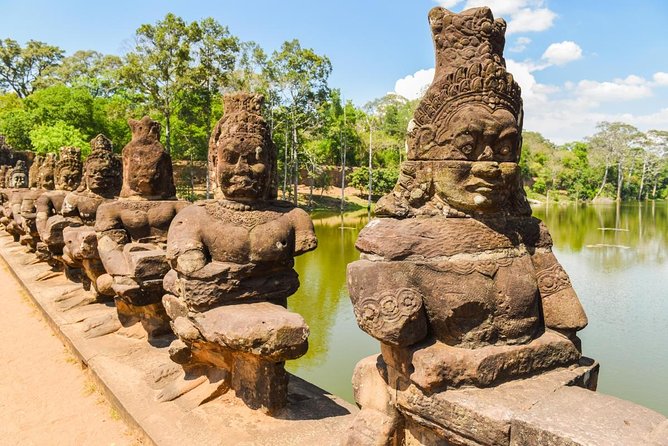
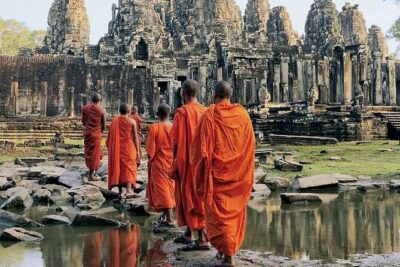
Bayon receives its own one-hour stop, and it deserves it. The temple is famous for its large carved stone faces, often described as smiling or four-sided faces associated with Buddha imagery. These faces appear from different angles as you move through the temple, making Bayon feel more personal and mysterious than Angkor Wat.
The structure is richly decorated, but the faces are the main reason people remember it. Look up, then look back as you move through the galleries. The expressions change with the light and your position, so this is not a monument you fully understand from one viewpoint.
A guide is especially useful here because Bayon can feel confusing. Its passages, towers, carvings, and narrow spaces do not present themselves as neatly as Angkor Wat. A good explanation gives order to what might otherwise seem like a maze of stone.
The schedule allows enough time to see the main features without turning the stop into a long architectural study. The private arrangement means you can ask questions and adjust the pace within reason. Just remember that a full morning at Angkor involves plenty of walking, and the cumulative effort can be greater than any single temple suggests.
More sunrise starts at Angkor Wat:
- Angkor Wat Sunrise tour with Small – Group and Guide tours
★ 5.0 · 3,655 reviews - Full-Day Angkor Wat Sunrise Private Tour with Guide from Siem Reap
★ 5.0 · 2,920 reviews - Angkor Wat Sunrise & 3 Main Temples with Breakfast – Small Group
★ 5.0 · 2,857 reviews - Siem Reap: Angkor Wat Sunrise and Full-Day Sightseeing Tour
★ 4.9 · 2,828 reviews
The Terrace of the Elephants brings royal ceremony into view
The Terrace of the Elephants takes about 25 minutes. It was used by King Jayavarman VII as a platform from which to view victorious armies. The terrace forms part of Angkor Thom and is decorated with elephant imagery and other carvings.
This is a shorter, more focused stop. You are mainly looking at the long ceremonial platform and its sculpted details rather than entering a large temple complex. Twenty-five minutes is enough for an explanation, photographs, and a quick look at the carvings.
I like this stop because it adds a public and political side to the visit. Angkor was not only a religious center. Kings used its spaces for display, ceremony, and power. The terrace helps you picture that royal world without requiring another long walk through a major ruin.
The short visit also helps the overall timing. By this point, you have already seen the main temple and several substantial sites. A brief stop keeps the eight-hour route from becoming exhausting while still giving you another piece of Angkor Thom.
Ta Keo finishes with a high pyramid temple
The final listed stop is Ta Keo, with about 30 minutes set aside. It is one of the taller monuments at Angkor, a mountain temple built by Jayavarman V just east of Angkor Thom. Its five sanctuaries sit on top of a five-stepped pyramid about 22 meters high.
Ta Keo has a strong vertical character. Instead of spreading across a broad complex, it draws your eye upward. The stepped pyramid form makes the temple feel powerful and severe, and it provides a different architectural experience from the enclosed corridors of Ta Prohm or the carved faces of Bayon.
Because the visit is short, you should treat Ta Keo as a final introduction rather than a complete study. The height and steps may also make this stop more demanding for anyone with mobility or knee problems. One particularly useful detail from the guide service is that Praim adjusted the vehicle access for a person dealing with a knee issue, bringing the car closer where possible. That kind of attention cannot remove every physical challenge, but it can make the day more manageable.
After Ta Keo, the tour returns you to Siem Reap. The full outing lasts about eight hours, though the exact finish can vary with road conditions, walking speed, and the amount of time you spend at each site.
What the private format adds for $110
The price is $110 per group of up to 10 people. That is a strong value if you are traveling with several relatives or friends. Split among 10 people, the transport and guide cost is modest. Even a smaller group may find the privacy worthwhile if you value personal questions, photo help, and a less rigid pace.
The price does not include temple admission. The Angkor pass costs $37 per person, so you need to add that to your budget. Food and drinks are also not included, as are personal expenses. The tour does provide cold drinking water and cold towels, which helps, but you should plan separately for anything you want to eat.
The included air-conditioned vehicle matters in Siem Reap. After hours outside among stone temples, a cool ride between stops is more than a luxury. Hotel pickup and drop-off also remove the need to arrange separate transport before dawn, when the early hour can make local planning less convenient.
The tour is private, so only your own group participates. That is the main reason to choose it over a larger shared outing. You can ask for explanations, request help with photographs, and discuss the pace directly with the guide. The strongest guide feedback centers on Praim, Sieng Kei, and Kim, with praise for punctuality, politeness, history explanations, photo suggestions, and attention to individual needs.
Practical details that shape the day
Book with the early start in mind. A 5:00 am pickup is not a minor detail, especially if you have spent the previous day arriving in Siem Reap or exploring the town. The reward is cooler weather and sunrise, but you need to be comfortable functioning early.
Wear shoes made for walking, not just photographs. The tour has a moderate physical requirement, and six stops add up. Clothing should cover shoulders and knees, and you should carry only what you need because walking through temple areas with a heavy bag becomes tiring.
Weather matters because the experience requires outdoor time and a sunrise view. If poor weather causes cancellation, you are offered another date or a full refund. You can cancel for a full refund up to 24 hours before the start time. Cancellations or changes within 24 hours are not refunded or accepted.
The experience has a 99 percent recommendation rate and a five-star rating based on 88 reviews. The most consistent praise is not simply for the temples. It is for the guides, especially their storytelling, timing, ability to avoid some crowds, and willingness to help with photos or physical limitations.
Who should book this Angkor Wat tour?
I would choose this tour if you have only one full day for Angkor and want a solid first look at the major sites. The route gives you the famous sunrise, the best-known jungle temple, the stone faces of Bayon, the former city of Angkor Thom, and two shorter architectural stops.
It also suits families and small groups who want a private vehicle. The group price becomes more attractive as your party grows, and the air conditioning is useful after the morning heat rises. People who want clear explanations rather than simply being dropped at temple entrances should also consider it.
I would hesitate if you dislike early mornings, prefer slow and detailed visits, or want to spend most of a day at Angkor Wat alone. Six stops in eight hours is an overview. You will see a great deal, but you will not study every carving or explore every corridor.
Should you book it?
Book this private tour if sunrise, guide attention, and broad coverage matter most to you. The strongest reason to choose it is the combination of an early start, private transport, and guides such as Praim, Sieng Kei, and Kim, who are praised for history, photographs, crowd timing, and personal care.
Skip it if you want an unhurried temple study or cannot manage a 5:00 am departure. For everyone else, the $110 group cost is fair, provided you remember the additional $37-per-person admission fee. Bring proper clothing, good shoes, and realistic expectations about the crowds, and this makes a practical first day at Angkor.
FAQ
What time does the tour start?
The tour starts at 5:00 am, with pickup offered from your accommodation in Siem Reap.
How long does the tour last?
The experience lasts about eight hours.
Is the tour private?
Yes. Only your own group participates, with a maximum group size of 10 people.
Is the Angkor entrance fee included?
No. Admission to Angkor Wat and the other temples costs $37 per person and is paid separately.
What is included in the tour price?
The price includes an air-conditioned vehicle, a licensed English-speaking guide, cold drinking water, cold towels, pickup, and drop-off.
What should I wear?
You should wear a shirt that covers your shoulders and trousers or shorts that reach the knees. Comfortable walking shoes are recommended.
Can I cancel for a refund?
Yes. You can cancel at least 24 hours before the start time for a full refund. Cancellations or changes made within 24 hours are not refunded or accepted. If poor weather causes the tour to be canceled, you will be offered another date or a full refund.
More Sunrise Tours in Siem Reap
- Angkor Wat Highlights and Sunrise Guided Tour from Siem Reap
★ 5.0 · 3,213 reviews - Angkor 2-Day Sunset & Sunrise Small-Group Tour
★ 5.0 · 2,567 reviews - Siem Reap: Angkor Wat Sunrise or Sunset Guided Tour
★ 4.9 · 2,123 reviews - Angkor Wat: Highlights and Sunrise Guided Tour
★ 4.9 · 1,586 reviews
Newest reviews from Siem Reap
- War Museum, Killing Field, and APOPO Hero RATs Tour★ 5.0 · 7 reviews
- Angkor Wat at Sunrise★ 4.0 · 7 reviews
- Siem Reap Angkor Airport Taxis (from Airport to Hotel)★ 5.0 · 44 reviews
- Cambodian Cooking Class and Oxcart Ride with Local Village Tour★ 5.0 · 4 reviews
- Secret Temples of Angkor – Guided Tour in Siem Reap★ 5.0 · 6 reviews
- Short Cycling at Countryside★ 5.0 · 29 reviews
- SIEM REAP E-BIKE HALF-DAY COUNTRYSIDE (25-30 km)★ 4.0 · 1 review
- Unveiling the Mystical Beauty of Phnom Kulen National Park★ 5.0 · 6 reviews
Angkor Wat Sunrise Tours, compared.
Angkor Wat Sunrise or Sunset Tour with Guide from Siem Reap
Read our review →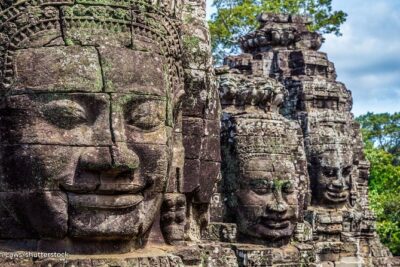
Angkor Wat Sunrise tour with Small – Group and Guide tours
Read our review →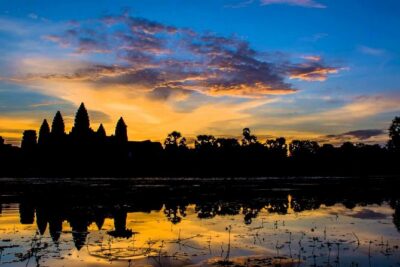
Full-Day Angkor Wat Sunrise Private Tour with Guide from Siem Reap
Read our review →
Angkor Wat Sunrise & 3 Main Temples with Breakfast – Small Group
Read our review →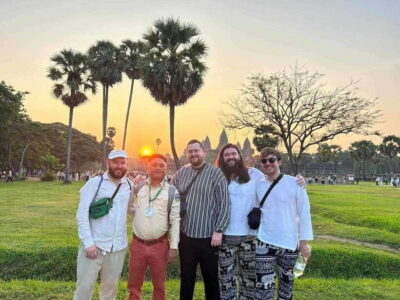
Angkor Wat Sunrise and Full-Day Sightseeing Tour
Read our review →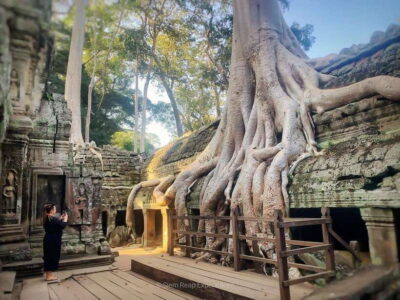
Siem Reap Tour: Angkor Wat Sunrise, Bayon, Ta Prohm, Banteay Srei
Read our review →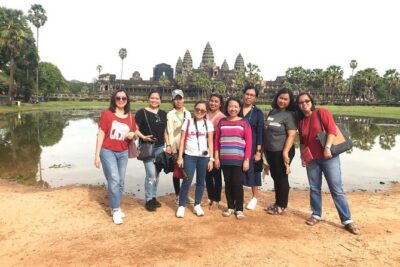
Angkor Wat Sunrise Explore The Most Iconic Temples
Read our review →Browse the lists this tour appears in