
Reviewed · TONLE SAP TOURS
Siem Reap: Tonle Sap Lake – Fishing Village & Flooded Forest
Water changes everything here. Tonle Sap Lake expands and contracts so dramatically that villages, forests, farms, and roads all follow its yearly rhythm. This four-hour trip from Siem Reap takes you to Kampong Phluk, where stilt houses, fishing work, canals, and seasonal forest show a side of Cambodia far removed from the temples.
I like the slow boat ride through the fishing villages and the chance to see real work, from fish smoking and fish paste making to rice farming and duck raising. I also like the back-road route, which adds local snacks, rural markets, and a Buddhist monastery instead of making the lake visit a quick photo stop.
The main catch is the water level. In the dry season, especially around March and the months before the rains, the flooded forest may not be flooded at all. You can still see the village, but the promised forest experience may be limited.
In This Review
- Key points to know before you go
- Why Tonle Sap matters to Cambodia
- The 40-minute ride through Siem Reap’s countryside
- Arriving at Kampong Phluk’s stilt villages
- The 2.5-hour visit and boat ride
- Seeing fishing, farming, and food production
- A short visit to a Buddhist monastery
- What the guides and transport add
- Is $45 a fair price?
- When to go and what to expect
- Who should book this Tonle Sap trip?
- Should you book it?
- FAQ
- Where does the tour start?
- How long does the experience last?
- Can I choose a morning or afternoon departure?
- What is included in the $45 price?
- Is the mangrove rowboat included?
- What language does the guide speak?
- Is the tour suitable for wheelchair users?
- Can I cancel for a full refund?
- Can I reserve now and pay later?
Key points to know before you go
- Kampong Phluk has three fishing villages: The boat passes stilt houses and community life in an unusual setting shaped by the lake’s changing water level.
- The flooded forest depends on the season: High water creates the most atmospheric boat ride, while low water can leave parts of the forest dry and inaccessible.
- The tour goes beyond the lake: Rural roads may reveal rice work, cricket catching, fish smoking, duck farming, and fish paste production.
- Sargon Pal and Chhay receive special praise: Both guides are described as friendly and helpful, with Sargon singled out for clear explanations and Chhay for his strong local knowledge.
- The $45 price covers the main practical costs: Hotel pickup, an air-conditioned vehicle, guide, boat cruise, entrance fee, water, and cool towels are included.
- The mangrove rowboat costs extra: If conditions allow and you want that smaller boat ride, budget separately for it.
Why Tonle Sap matters to Cambodia
Tonle Sap is not simply a lake at the edge of Siem Reap. It is one of the world’s most productive freshwater systems, supporting fishing communities, agriculture, birds, and seasonal forests.
Its size changes sharply through the year. During the wet season, it can spread to about 12,000 square kilometers. In the dry half of the year, it may shrink to roughly 2,500 square kilometers, with water flowing out through the Tonle Sap River.
That cycle controls daily life. Fish spawn in the seasonally flooded forest, water birds gather around the lake, and villages adapt to high and low water. UNESCO classified the wider ecosystem as a biosphere reserve in 1997, recognizing its importance beyond Cambodia.
I find this background important because it changes how you read the scenery. A stilt house is not just an unusual building. It is a practical answer to rising water. A boat is not just transport. It is part of the road system. A fish-smoking shed or a patch of rice is part of a food chain tied to the lake.
More time out on the Tonle Sap:
- Sunset tour of Kampong Phluk stilts home village on the Tonle Sap
★ 5.0 · 4,865 reviews - Siem Reap: Kulen Mountain, Beng Mealea and Tonle Sap Tour
★ 5.0 · 1,483 reviews - Tonle Sap Lake & Kampong Phluk Village Half-Day Tour
★ 5.0 · 1,045 reviews
The 40-minute ride through Siem Reap’s countryside
Pickup is from your hotel in Siem Reap city. The air-conditioned van takes about 40 minutes to reach the first rural stop, giving you a look at the countryside beyond the temple zone.
This transfer is useful, not wasted time. The tour follows back roads on part of the route, and the scenery shifts from town activity to seasonal farm work. Depending on the time of year, you might see rice planting or harvesting, cricket catching, duck farming, fish smoking, or the preparation of prahoc, Cambodia’s strongly flavored fermented fish paste.
The exact activities are seasonal, so you should not book this expecting every one of them. That uncertainty is part of the nature of the trip. A rural community is not a staged exhibit, and the work changes with the calendar.
You may also stop at a local village to look at Khmer snacks and foods sold in a rural setting. This is a small part of the morning or afternoon, but it gives the tour a more grounded feel. The lake is not isolated from daily life. Food, farming, and fishing all connect.
Arriving at Kampong Phluk’s stilt villages
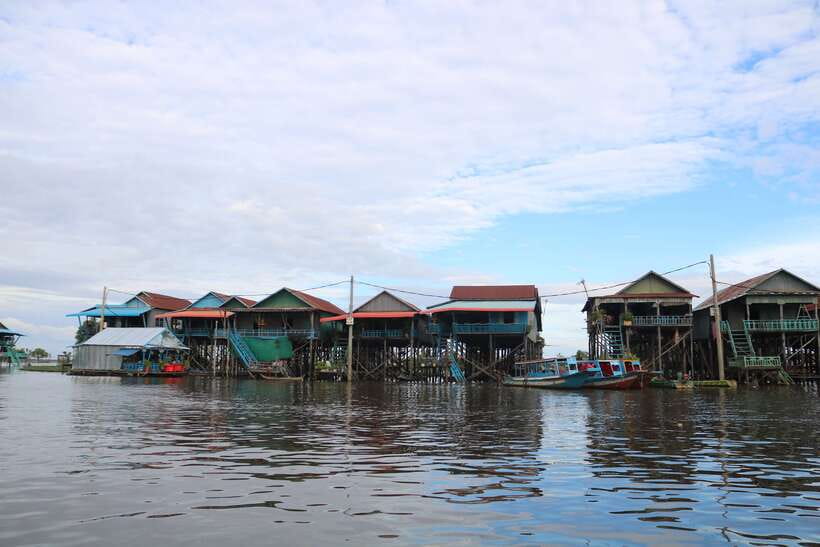
Kampong Phluk is a group of three small fishing villages in a flooded forest setting. The first impression is the unusual height of the houses. During the wet season, water rises around the tall stilts, allowing boats to move through areas that may be dry ground in other months.
The boat cruise lasts about 30 minutes on the river and forms the heart of the experience. You pass through the village, look at homes built for changing water levels, and watch local activity from the boat.
I like this part because it shows adaptation rather than spectacle. The houses and boats make sense only when you understand the lake’s yearly movement. You are seeing a community designed around water, not a village that happens to sit beside it.
Still, keep your expectations measured. One account of the trip found that the boat could be seen from outside but could not enter the village as hoped. Low water also left the forest dry and meant that the forest was barely discussed. This is the tour’s most important limitation, and it is tied to nature rather than simply the guide or vehicle.
The 2.5-hour visit and boat ride
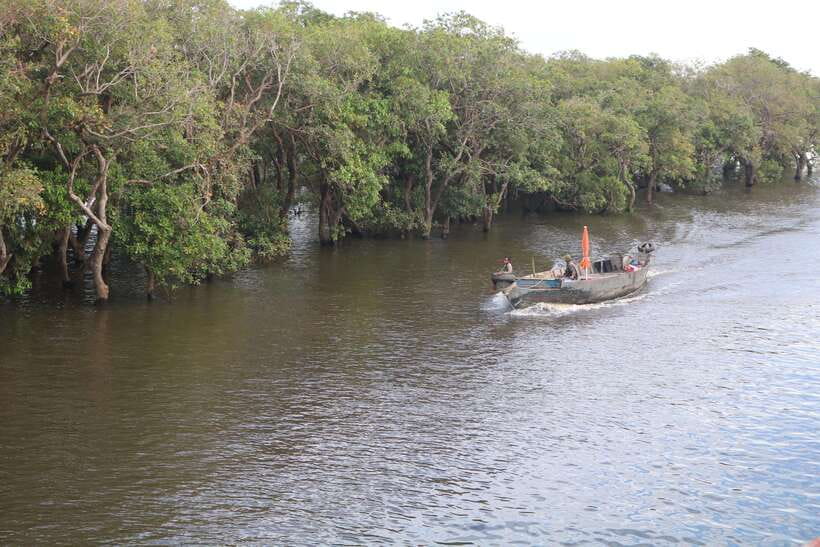
The scheduled Kampong Phluk visit takes about two and a half hours, including guided sightseeing, walking, and the boat cruise. That gives you time to look around rather than rush from van to boat and back again.
The boat moves slowly through canals and village waterways. You might catch views of plants, birds, houses, fishing activity, and the edges of the flooded forest. The pace is gentle, which suits the setting. This is a trip for looking closely, not checking off a long list of attractions.
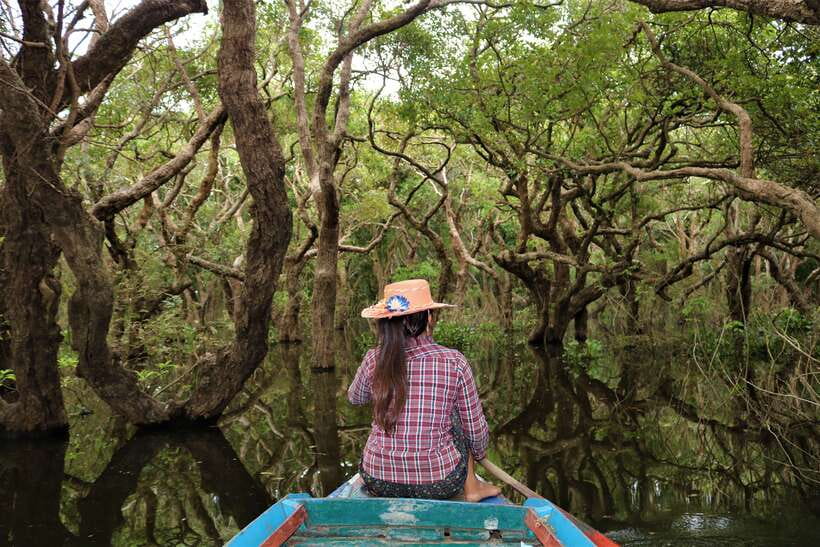
High water is the best time for the forest portion. When the seasonal forest is flooded, the boat can pass through narrow channels among trees and other wetland growth. The setting becomes quieter and more enclosed, with the boat acting as your path through a place that would be difficult to enter on foot.
The supplied information suggests a preferred visit period from the end of July through early March. That is a broad window, not a guarantee of high water. Water levels can still vary, and the March experience may be much drier than a visit during or soon after the wet season.
There is also a rowboat at the mangrove forest, but it is not included in the $45 cost. Ask about current conditions and the extra price before agreeing to it. If the forest is dry, the rowboat may not offer the experience you imagined.
A few more options around Siem Reap worth reading up on
- Angkor Wat Sunrise or Sunset Tour with Guide from Siem Reap
★ 5.0 · 12,109 reviews - Siem Reap: Angkor Wat: Small-Group Sunrise or Sunset Tour
★ 5.0 · 9,444 reviews - From Siem Reap: Kampong Phluk Floating Village Tour by Boat
★ 4.9 · 6,979 reviews - Siem Reap: Angkor Wat 2-Day Tour with Sunrise and Sunset
★ 4.9 · 4,429 reviews
Seeing fishing, farming, and food production
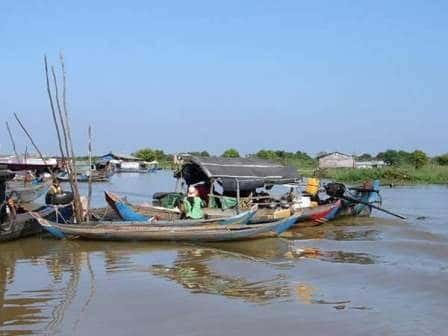
The strongest part of this tour is the link between scenery and work. Tonle Sap supports fishing, but the surrounding communities also rely on farming and small-scale food production.
The route may show people smoking fish, making prahoc, tending ducks, planting rice, or bringing in a harvest. Cricket catching is another seasonal activity listed for the countryside. These details help you understand that the lake is a working environment, not only a scenic attraction.
Prahoc is especially worth noting. Fermented fish paste is a familiar part of Khmer cooking, and its production can be pungent. You may not love the smell, but it tells you something useful about local food habits and preservation methods.
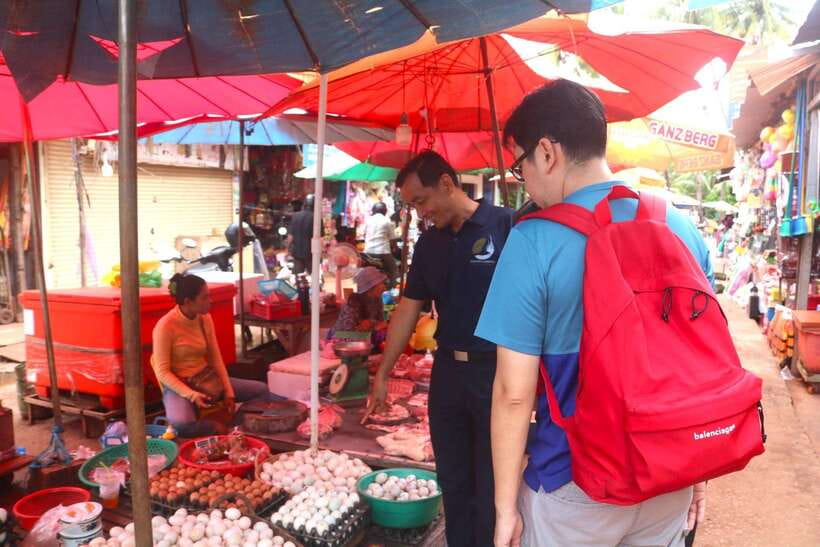
The rural food stop adds another layer. You may see Khmer snacks and vegetables that are less familiar than the food served around Siem Reap’s main streets. The stop is not presented as a formal cooking class or market tour, so think of it as a short chance to look, ask questions, and try something local if available.
I would approach this section with respect and curiosity. The value is in seeing ordinary work and understanding its place in the local economy. It is not in treating people’s homes or jobs as a photo backdrop.
A short visit to a Buddhist monastery
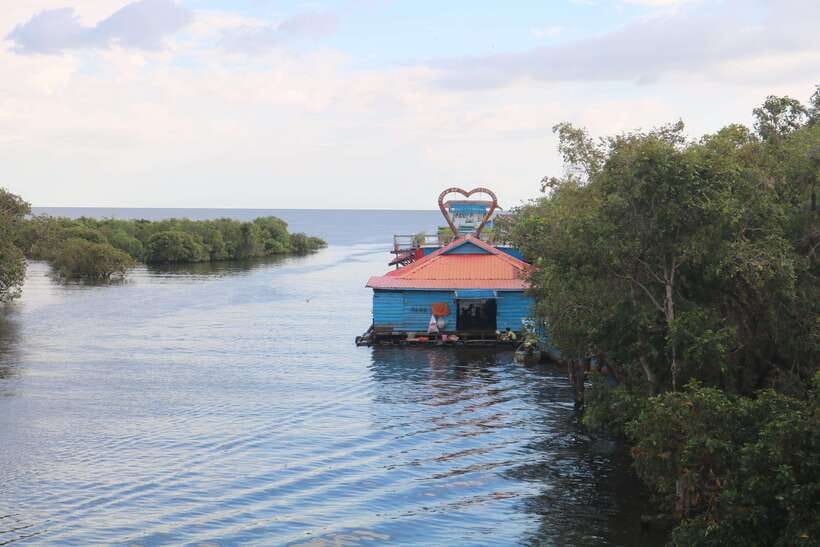
Before returning to town, the route includes a visit to a Buddhist monastery. The supplied details do not specify how long you stay or which monastery you visit, so do not expect a major temple tour on the scale of Angkor.
Instead, this stop offers a brief look at another part of community life. Cambodia’s Buddhist monasteries often serve as religious and social centers, and the visit gives the half-day a wider focus than fishing alone.
Because the stop is short, listen to your guide for context. This is where a good guide can make a difference. Sargon Pal is specifically praised for explaining many interesting details, while Chhay is praised for making an afternoon both helpful and informative.
What the guides and transport add
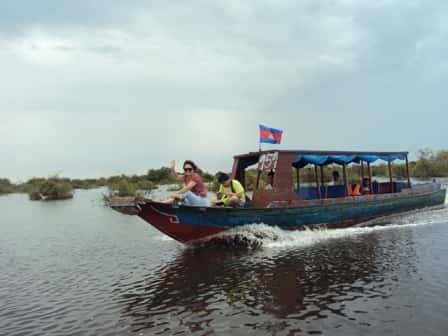
The tour includes a local English-speaking guide, an air-conditioned vehicle, hotel pickup and drop-off, mineral water, and cool towels. Those basics matter in Siem Reap, where a morning or afternoon outside can feel hot and dusty.
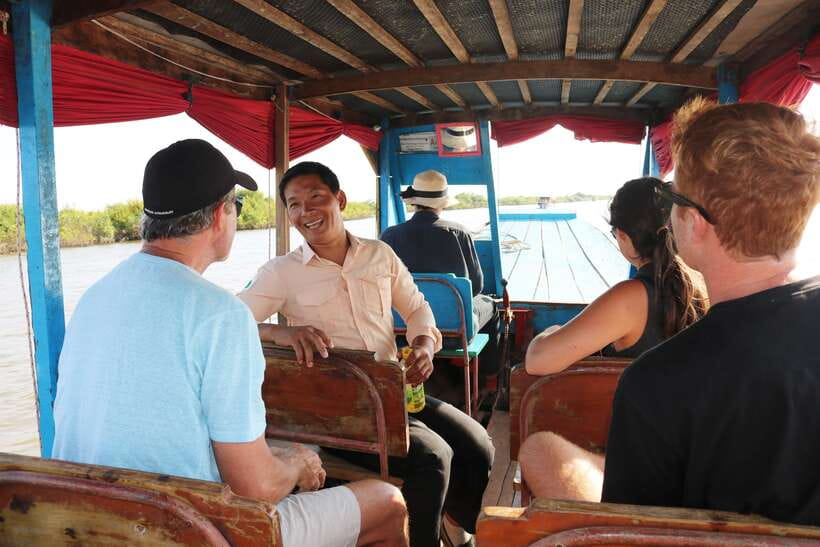
The driver and guide also shape the mood of the trip. Sargon Pal is described as friendly and clear in his explanations. Chhay is praised for his help and for explaining the harder parts of daily life, including the ways the community supports itself and tries to improve living conditions.
The trip is not sold as a private experience, and no group size is provided. You should therefore avoid assuming you will have a quiet boat or one-to-one guide time.
The drive sections total about 80 minutes, with roughly 40 minutes each way. That leaves the larger share of the four hours for the village, countryside stops, and boat ride. The air-conditioned van and included hotel pickup make the timing easier, especially if you have only one free half-day.
Is $45 a fair price?
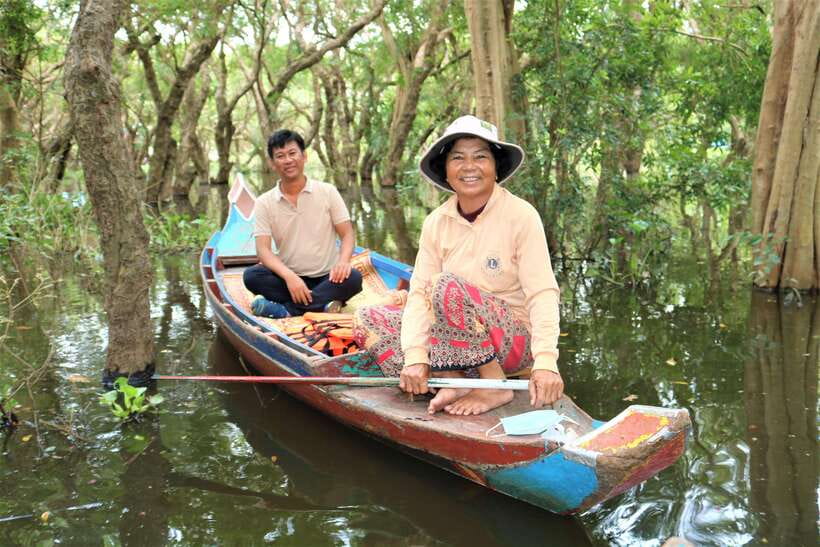
At $45 per person, the value is reasonable if you want more than a boat ticket. The price includes transport from your Siem Reap hotel, an English-speaking guide, the main boat cruise, entrance fee, water, and a cool towel.
Those inclusions remove several small costs that can otherwise add up. You also receive interpretation of the village, lake system, and rural activities, which is important because much of what you see is easy to misunderstand without context.
The price is less compelling if your only goal is to take a quick boat ride on Tonle Sap. The experience depends heavily on water levels, and the flooded forest may not be available in the form you expect. The additional mangrove rowboat is another cost to consider.
I would view the $45 as payment for a half-day introduction to a working ecosystem, not a guaranteed wildlife or forest spectacle. The value is highest for someone who wants local life, transport, and explanation in one compact outing.
When to go and what to expect
You can choose a morning or afternoon departure. The tour lasts four hours, so either option fits neatly around other Siem Reap plans.
For the best chance of seeing flooded forest canals, aim for a period with higher water. The suggested visit period runs from the end of July to early March, but the experience can still vary within those months.
The dry season deserves special caution. One March visit found very low water, limited access, and little to see in the forest. That does not make the trip worthless, but it shifts the focus toward the stilt village, countryside, food, and farming activity.
Wear practical clothing and shoes suitable for walking and boarding a boat. The data does not specify equipment or facilities at the landing points, so simple, comfortable clothing is the safest choice.
The tour is not suitable for wheelchair users. Cancellation is free up to 24 hours before departure, and you can reserve now and pay later, which helps if you are still arranging your Siem Reap schedule.
Who should book this Tonle Sap trip?
I recommend it to you if you have already seen some of Siem Reap’s temples and want a different view of Cambodia. It suits people who enjoy quiet boat rides, community life, rural food, farming, and practical local details.
It is also a good choice for anyone who wants an organized half-day without arranging a vehicle, guide, and boat separately. The included hotel pickup and air-conditioned transport make the outing simple.
I would be more cautious if you want a guaranteed flooded forest, close access to every village, or a strong wildlife experience. Those parts depend on water conditions, and the trip may feel less satisfying during the lowest levels.
Should you book it?
Book this tour if you want to understand how Tonle Sap supports people and changes with the seasons. The fishing villages, stilt houses, rural work, Khmer foods, and monastery make it more than a standard lake cruise.
Before booking, check the likely water level and ask if the flooded forest can be reached on your date. If the answer is yes, the boat portion may be the most memorable part. If the water is low, book it for the village and countryside experience, not for a forest ride.
The strongest reasons to go are the calm pace, the useful transport package, and guides such as Sargon Pal or Chhay, who can explain what you are seeing. The honest reason to hesitate is simple: Tonle Sap makes the schedule, and nature does not follow the brochure.
FAQ
Where does the tour start?
Pickup is included from your hotel in Krong Siem Reap, also called Siem Reap city.
How long does the experience last?
The full tour lasts four hours, including transport, countryside stops, the Kampong Phluk visit, and the boat cruise.
Can I choose a morning or afternoon departure?
Yes. The experience offers a choice of morning or afternoon departure. Starting times depend on availability.
What is included in the $45 price?
The price includes a local English-speaking guide, air-conditioned vehicle, hotel pickup and drop-off, boat cruise, entrance fee, mineral water, and a cool towel.
Is the mangrove rowboat included?
No. The rowboat at the mangrove forest is not included in the tour price.
What language does the guide speak?
The live guide speaks English.
Is the tour suitable for wheelchair users?
No. The experience is listed as not suitable for wheelchair users.
Can I cancel for a full refund?
Yes. You can cancel up to 24 hours in advance for a full refund.
Can I reserve now and pay later?
Yes. The reserve now and pay later option lets you hold your place without paying immediately.
Newest reviews from Siem Reap
- War Museum, Killing Field, and APOPO Hero RATs Tour★ 5.0 · 7 reviews
- Angkor Wat at Sunrise★ 4.0 · 7 reviews
- Siem Reap Angkor Airport Taxis (from Airport to Hotel)★ 5.0 · 44 reviews
- Short Cycling at Countryside★ 5.0 · 29 reviews
- Cambodian Cooking Class and Oxcart Ride with Local Village Tour★ 5.0 · 4 reviews
- Secret Temples of Angkor – Guided Tour in Siem Reap★ 5.0 · 6 reviews
- SIEM REAP E-BIKE HALF-DAY COUNTRYSIDE (25-30 km)★ 4.0 · 1 review
- Unveiling the Mystical Beauty of Phnom Kulen National Park★ 5.0 · 6 reviews
Tonle Sap Tours, compared.
Sunset tour of Kampong Phluk stilts home village on the Tonle Sap
Read our review →
Kulen Mountain, Beng Mealea and Tonle Sap Tour
Read our review →
Tonle Sap Lake & Kampong Phluk Village Half-Day Tour
Read our review →
Kulen Mountain with Beng Mealea and Tonle Sap Small Group Tour
Read our review →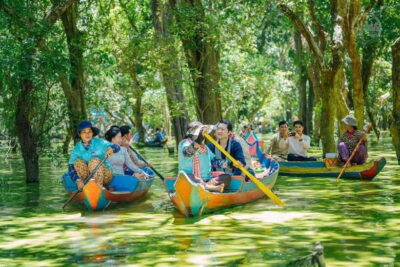
Tonle Sap, Kampong Phluk & Floating Village Tour
Read our review →
Sunset Dinner Tour: Tonle Sap Lake Floating Village
Read our review →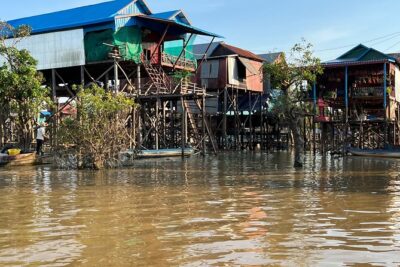
Half Day Kompong Pluck stilt home Village on Tonle Sap & Sunset
Read our review →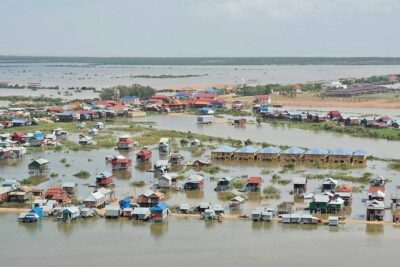
Tonle Sap Lake and Kampong Phluk Village Private Half Day Tour
Read our review →Browse the lists this tour appears in