
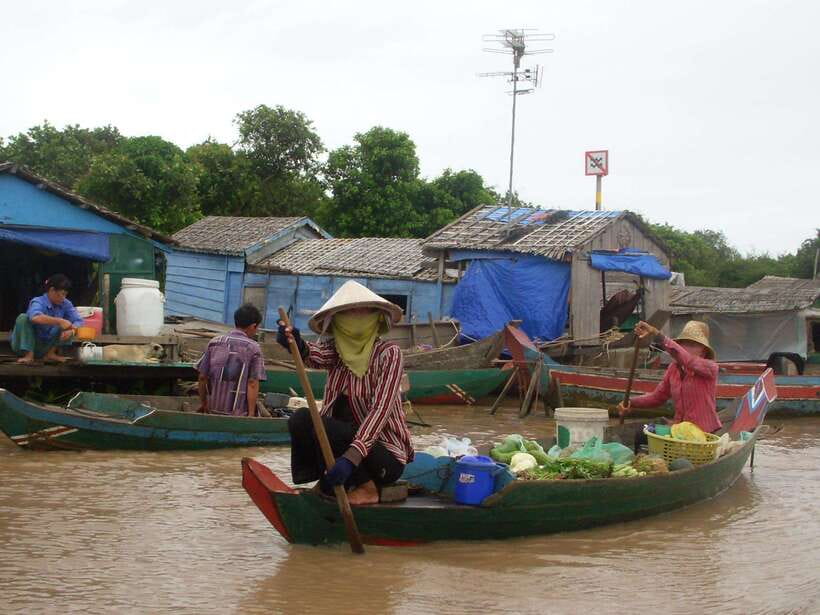
Reviewed · FLOATING VILLAGE TOURS
Siem Reap: Floating Village Tour
The lake changes direction twice a year. That strange fact gives this three-hour boat trip real purpose. You travel about 14 kilometers from Siem Reap to Tonle Sap, stopping at a lotus farm before boarding a flat-bottomed boat through floating villages and out onto the enormous lake.
I like the free hotel pick-up and drop-off, which removes a fair bit of fuss, and I like the chance to see daily life from the water rather than from a bus window. The local guides come from the village area, and guides such as Mr. Friday, whose full name is Poun Poss, and Vanna have earned praise for explaining Cambodian life clearly. The main thing to consider is that the village can sometimes be viewed mostly from the boat, so the experience may feel less personal than you expect.
This is a good family outing and a useful break from Siem Reap’s temples and traffic. You get transport, an English-speaking guide, boat fees, and checkpoint costs for $65 per person. Drinks and meals cost extra, and children aged 10 and under pay half price while children aged 5 and under go free.
In This Review
- Key points to know before booking
- Why Tonle Sap is more than a floating village photo stop
- From Siem Reap to the lotus fields
- Boarding the flat-bottomed riverboat
- Seeing a floating community at work
- Meeting Queen Tara on the lake
- What the $65 price really covers
- Timing, families, and practical comfort
- The guide makes the difference
- Who should book this three-hour outing?
- Should you book the Siem Reap Floating Village Tour?
- FAQ
- How long does the floating village tour last?
- What is included in the price?
- Are meals and drinks included?
- Is hotel pick-up included?
- What languages does the guide speak?
- Are children allowed on the tour?
- Does the tour operate in bad weather?
- Can I cancel the booking?
Key points to know before booking
- Tonle Sap changes direction twice yearly: Water flows out toward Vietnam during the dry season and north into the lake during the wet season.
- A lotus farm comes first: You can learn how the flower and its stems are used in Buddhist culture and local life.
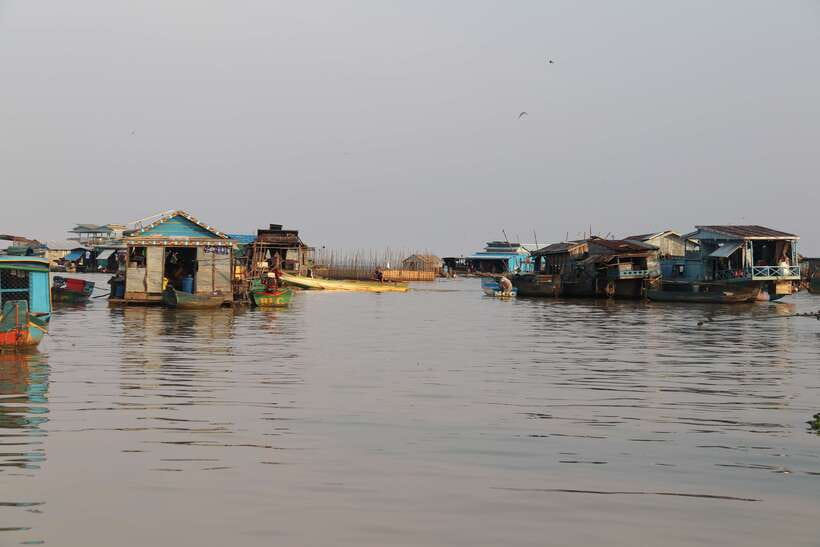
- The floating villages are working communities: Schools, churches, markets, police facilities, vegetable gardens, and homes all adapt to changing water levels.
- The guide can shape the whole trip: Mr. Friday, also known as Poun Poss, and Vanna received especially warm praise for their explanations.
- The trip ends with refreshments on Queen Tara: This former cargo boat is about 100 years old and provides a pleasant place for drinks and fresh fruit.
- The boat view has limits: If you want close contact with village life, ask how much of the visit is spent cruising and how much is spent stopping.
Why Tonle Sap is more than a floating village photo stop
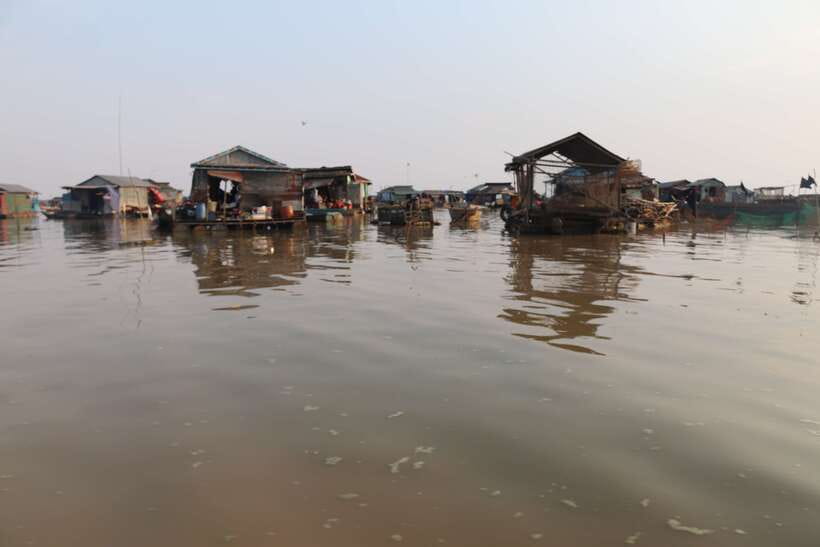
Tonle Sap is the largest freshwater lake in Southeast Asia and one of the most important fishing areas in the region. Its unusual water cycle controls life around it.
During the dry season, water drains south toward the Mekong system and eventually through the Vietnam delta. During the wet season, swollen waterways push water north into Tonle Sap. The lake can cover about 2,700 square kilometers at the start of the wet season and more than 12,000 square kilometers at its peak. Water depth can rise from roughly 1.5 meters to more than 10 meters.
That change is not a side note. It determines where homes sit, where boats travel, and when fishing takes place. Floating homes and businesses move as the water rises. In the wet season, nearby forests can fill quickly, creating a much larger watery world.
The lake is also a UNESCO biosphere reserve, designated in 1997 because of its high biodiversity. More than 120 bird species are associated with the lake, including many large water birds. Your guide may point out some of the natural life, but this is not advertised as a specialist bird-watching trip, so bring modest expectations if birds are your main reason for going.
The human story is just as important. Fishing stocks have declined over the years, placing pressure on families who depend on the lake. The tour operator presents the trip as a way to support local jobs and the nearby community. That gives your ticket a purpose beyond transport and sightseeing, though it is still wise to listen carefully and treat homes, schools, and working areas with respect.
More floating village trips:
- From Siem Reap: Kampong Phluk Floating Village Tour by Boat
★ 4.9 · 6,979 reviews - Sunset tour of Kampong Phluk stilts home village on the Tonle Sap
★ 5.0 · 4,865 reviews - Siem Reap: Kampong Phluk Floating Village Tour with Boat
★ 4.9 · 3,843 reviews
From Siem Reap to the lotus fields
The tour begins with hotel, guesthouse, or hostel collection in an air-conditioned minivan, car, or tuk-tuk. The exact vehicle can depend on the group. One booking that was expected to be a group outing ended up being a private tuk-tuk trip, which added a more personal feel.
The road to the lake passes rice paddies and open Cambodian countryside. This part of the ride helps you see how quickly Siem Reap gives way to rural Cambodia. It is not a long sightseeing drive, but it adds context to the village visit.
The first stop is a lotus flower farm. Lotus flowers have a strong place in Buddhist culture, and the guide explains the uses of the flower and the plant. Even the stem has a purpose. The fields also provide one of the trip’s best photo settings, especially when the flowers are in bloom.
I like this stop because it is simple and local. You are not rushing straight from the city to a boat. You get a short introduction to a plant that has cultural, practical, and visual importance in Cambodia.
Still, the lotus farm is a brief stop rather than a full farm visit. The flowers may not be at their best on every date, and the experience depends on seasonal conditions. Think of it as a worthwhile pause, not the main event.
Boarding the flat-bottomed riverboat
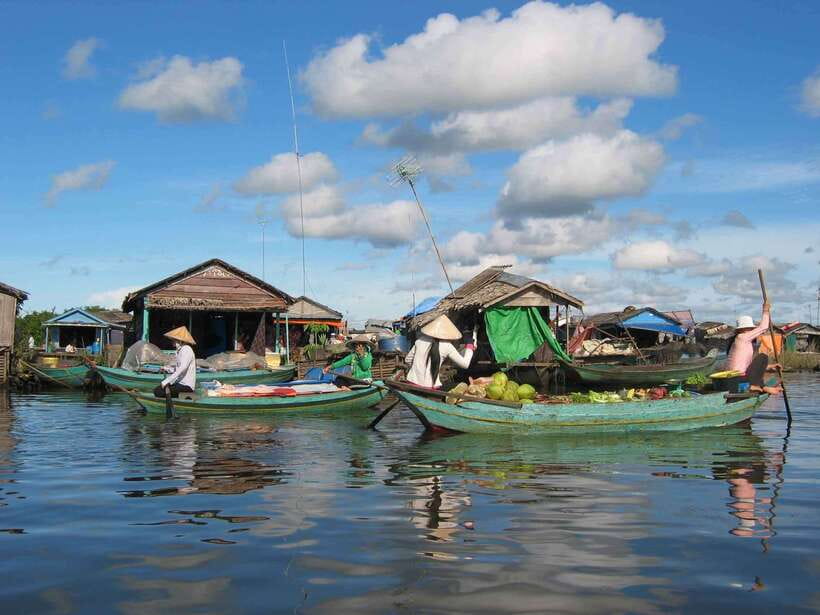
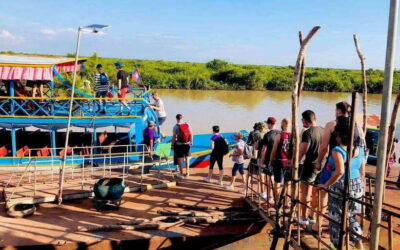
At the river entrance, a private boat is ready for the journey toward the floating villages. The boats are flat-bottomed, suited to shallow and changing water. This matters because Tonle Sap and its connecting waterways do not have one fixed shape throughout the year.
The route follows narrow channels with turns and twists before opening toward the lake. That change is one of the most memorable parts of the trip. You start among riverbanks and village structures, then reach open water that can look more like an inland sea than a lake.
Boat travel also gives you a better sense of how closely life depends on water. Roads cannot reach every home, and the waterway functions as the main route for work, school, trade, and household errands. The guide’s commentary is important here. Without explanation, you may see a line of houses and boats without understanding how the community works.
The boat ride is not described as a high-speed thrill ride. It is a sightseeing cruise, with time to look around and listen. Bring a hat and dress for the weather. The tour operates in all weather conditions, so light clothing, sun protection, and a practical attitude toward rain are useful.
Seeing a floating community at work
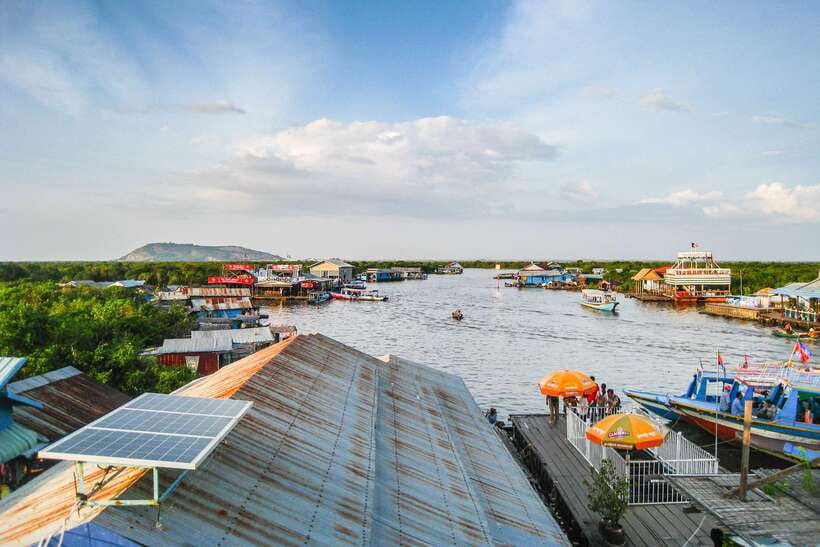
About 6,000 people live in the floating villages visited around the lake. The community includes homes and businesses, but also public services that you may not expect to find on water.
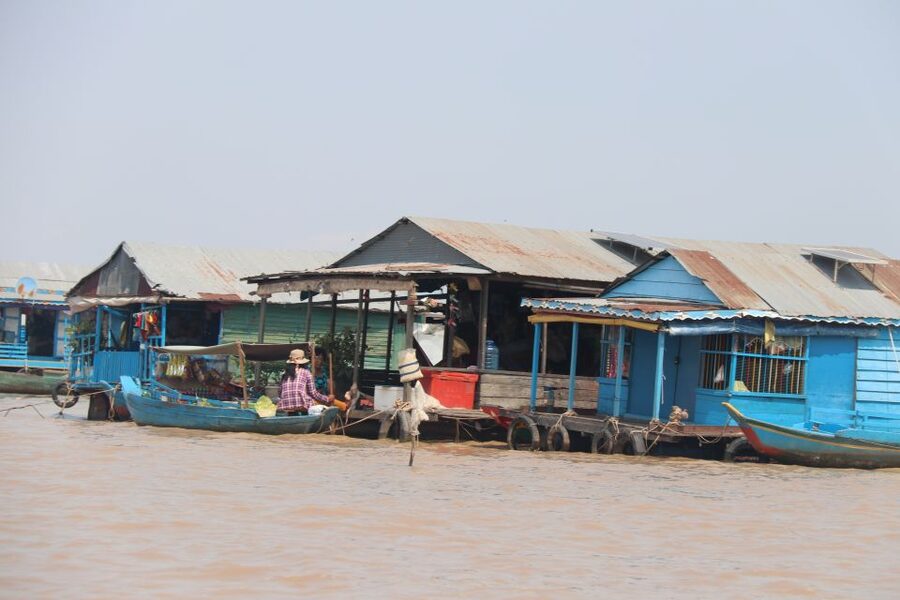
You might see floating schools, churches, markets, a police station, a jail, basketball courts, and vegetable gardens. These details help correct the idea that a floating village is simply a cluster of houses built for tourists to photograph. It is a functioning settlement shaped by the annual movement of the water.
The floating gardens are especially revealing. Growing food on water is not a novelty here. It is part of adapting to a place where the ground may be submerged or difficult to use for much of the year.
Your view of village life will depend on the route, the water level, and how much commentary your guide provides. Some visitors have found the explanations strong and the trip eye-opening. Others have felt the village was mostly seen at a distance and wanted more direct insight into daily life.
That difference is worth taking seriously. This is a boat tour through a living community, not a walking visit through a museum. You should not expect to enter private homes or inspect every facility. If you want more explanation, ask questions as you go. Guides born in the area can add details that a general guide may not know.
A few more options around Siem Reap worth reading up on
- Angkor Wat Sunrise or Sunset Tour with Guide from Siem Reap
★ 5.0 · 12,109 reviews - Siem Reap: Angkor Wat: Small-Group Sunrise or Sunset Tour
★ 5.0 · 9,444 reviews - Siem Reap: Angkor Wat 2-Day Tour with Sunrise and Sunset
★ 4.9 · 4,429 reviews - Siem Reap: Full-Day Angkor Wat Guided Tour with Sunset
★ 4.9 · 3,803 reviews
Meeting Queen Tara on the lake
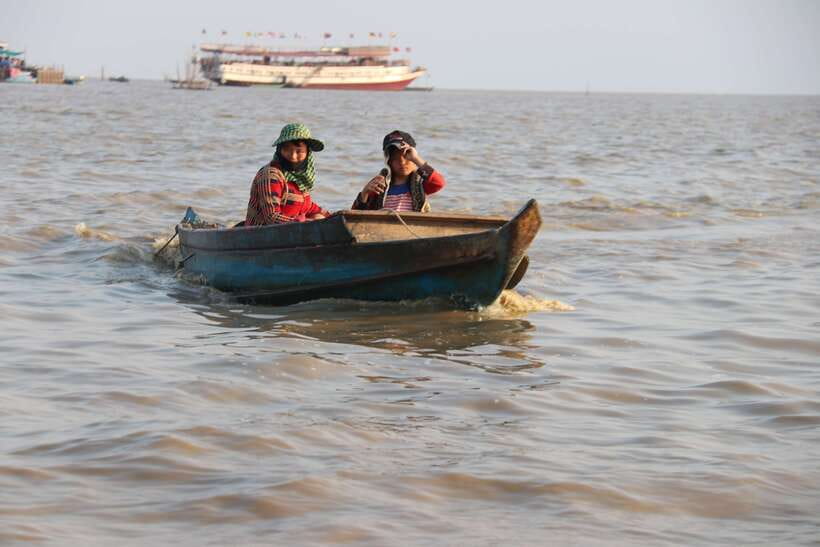
The boat stops at Queen Tara, a roughly 100-year-old former cargo boat. Here you can have drinks and fresh fruit while taking a break from the main cruise.
This stop gives the outing a pleasant rhythm. The narrow waterways can feel busy with sights and information, while the larger vessel offers time to sit and take in the setting. Fresh fruit is included in the described stop, but meals and drinks are not included in the tour price, so confirm what is provided and budget for anything additional.
One booking also included a stop at a crocodile farm. This is not presented consistently enough to treat it as a guaranteed highlight. If it matters to you, ask at booking or before departure. The stop has also divided opinion, with some finding it unappealing. I would treat it as an optional extra rather than a reason to book.
What the $65 price really covers
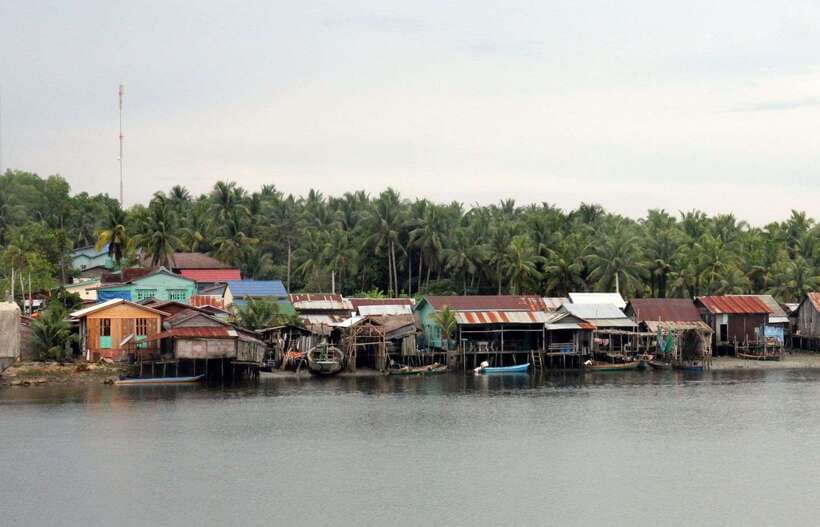
At $65 per person, this is not the cheapest way to see Tonle Sap. The value comes from having the main transport arranged from start to finish.
The price includes:
- Hotel, guesthouse, or hostel pick-up and return
- Transport to the lake
- An English-speaking local guide
- Boat and driver
- Checkpoint fees
- The scheduled village cruise
That bundle is useful if you do not want to negotiate separate transport, find the boat ramp, or work out which fees apply. The free pick-up and return also make the trip easier for families and visitors staying outside central Siem Reap.
The value is strongest when you receive a good guide. Mr. Friday, or Poun Poss, is praised for explaining not only the village but also Cambodian history and everyday life. Vanna is also singled out for making the boat journey informative and enjoyable. A guide who can explain the water cycle, fishing pressures, and local customs turns a scenic ride into a more meaningful visit.
The value is weaker if you want a long, close-up village visit or a meal included in the fare. At three hours, this is a compact introduction. You are paying for convenience, transport, interpretation, and a boat route, not a full-day cultural program.
Timing, families, and practical comfort
The tour lasts three hours, with available starting times shown during booking. Check the departure time carefully. One booking displayed an afternoon slot but began at 9 a.m., creating confusion. If you need the trip to fit around temple visits, airport plans, or a fixed meal reservation, confirm the exact pick-up time directly.
Some bookings have worked well as early morning or sunset outings. These times can make the heat easier to manage and may provide attractive light over the lake, but the exact availability can vary.
Children are welcome if accompanied by an adult. Children aged 10 and under are charged half price, and children aged 5 and under are free. Unaccompanied minors are not allowed.
The tour runs in all weather. Wear clothes suited to heat, sun, and possible rain. Boat travel can feel exposed, and you will have limited control over shade or spray. The free hotel transfer is a real comfort, especially if you are traveling with young children or carrying camera equipment.
Free cancellation is available up to 24 hours before departure for a full refund, and you can reserve now and pay later. Those terms are useful if your Siem Reap plans are still shifting.
The guide makes the difference
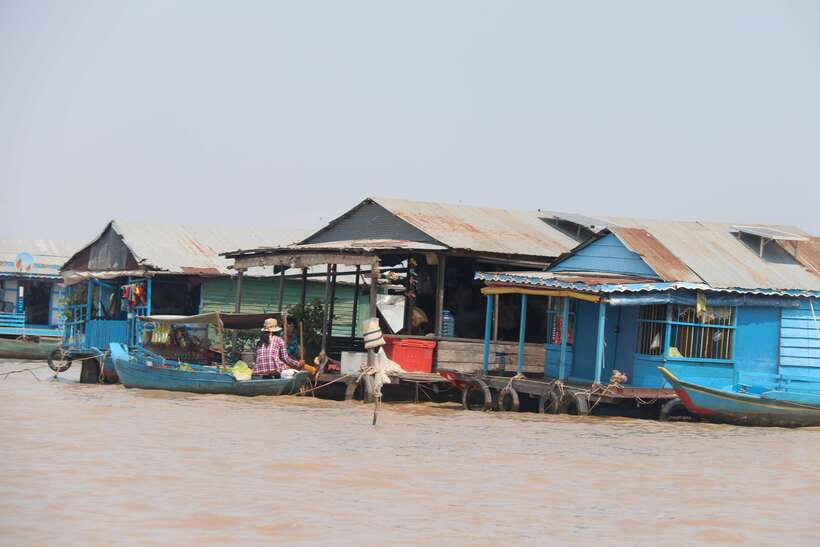
The strongest praise centers on the guides. That makes sense because the sights themselves are easy to see, but harder to understand.
Mr. Friday, or Poun Poss, is mentioned for his knowledge of the village, Cambodian history, and local life. Vanna is praised for explaining what the group was seeing and for describing the Cambodian way of life. Other bookings describe the guide as informative and punctual.
That is the kind of guiding you want here. A good explanation can tell you why a house floats, how water levels affect movement, and why fishing families face pressure. It can also help you avoid making careless assumptions about the people who live around the lake.
The experience may feel thinner with less commentary. Since one account found the village visit too much like a simple boat ride, I would ask questions rather than sit quietly through the whole route. Ask about school transport, fishing seasons, water levels, and how buildings move. Those questions can turn a distant view into a clearer picture of daily life.
Who should book this three-hour outing?
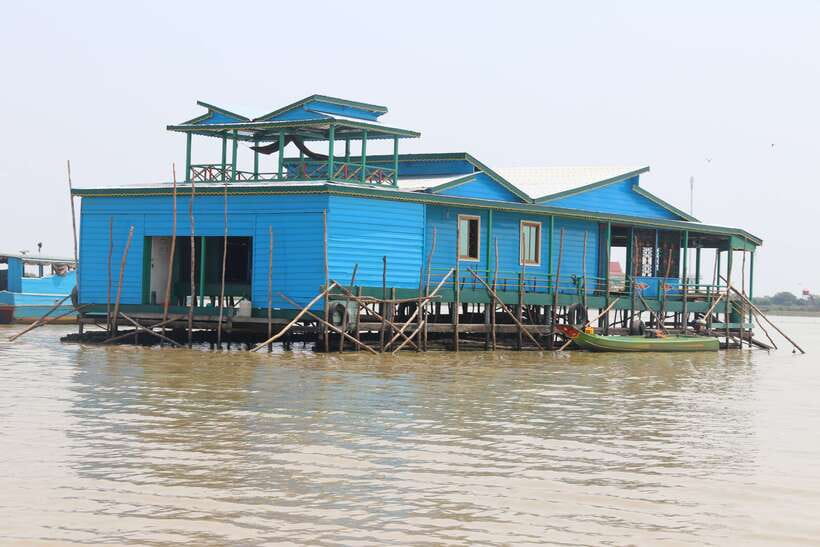
I would recommend it if you want:
- A short break from Siem Reap’s city center
- A family-friendly activity with hotel transport
- A first look at Tonle Sap and its floating communities
- A boat-based experience rather than a land tour
- A local guide who can explain Cambodian life
- An easy half-day addition to a temple-focused schedule
It suits first-time visitors who want context without spending a full day away from Siem Reap. It also works for anyone who enjoys seeing how people adapt to unusual natural conditions.
I would hesitate if you want extensive time inside a village, close personal interaction, or a specialist wildlife outing. The route is viewed from the water, and conditions can affect what you see. The crocodile stop, when included, should not be treated as a central feature.
Should you book the Siem Reap Floating Village Tour?
Book it if you value a well-organized introduction to Tonle Sap and want the convenience of transport, a local guide, and boat fees bundled together. The lotus farm, changing waterways, floating public services, and Queen Tara stop create a varied three-hour outing, while the best guides add useful context.
Before paying, confirm the exact start time and ask what stops are scheduled on your date. If your priority is a close, detailed look at village life, ask how much time is spent near the community and how much is spent simply cruising. For a first visit, though, this is a practical and worthwhile way to see a part of Cambodia that cannot be understood from Siem Reap’s streets alone.
FAQ
How long does the floating village tour last?
The tour lasts three hours.
What is included in the price?
The $65 price includes hotel, guesthouse, or hostel pick-up and return, transport, an English-speaking local guide, boat and driver services, and checkpoint fees.
Are meals and drinks included?
Meals and drinks are not included. The tour does include a stop at Queen Tara, where drinks and local fresh fruit are available.
Is hotel pick-up included?
Yes. Pick-up and return are included from hotels, guesthouses, and hostels.
What languages does the guide speak?
The tour provides a live guide in English. Cambodian is also listed as a tour language.
Are children allowed on the tour?
Yes. Children must be accompanied by an adult. Children aged 10 and under pay half price, and children aged 5 and under are free. Unaccompanied minors are not allowed.
Does the tour operate in bad weather?
Yes. The tour operates in all weather conditions, so you should dress appropriately for sun or rain.
Can I cancel the booking?
You can cancel up to 24 hours in advance for a full refund. The tour also offers a reserve-now, pay-later option.
Newest reviews from Siem Reap
- War Museum, Killing Field, and APOPO Hero RATs Tour★ 5.0 · 7 reviews
- Angkor Wat at Sunrise★ 4.0 · 7 reviews
- Siem Reap Angkor Airport Taxis (from Airport to Hotel)★ 5.0 · 44 reviews
- Short Cycling at Countryside★ 5.0 · 29 reviews
- Cambodian Cooking Class and Oxcart Ride with Local Village Tour★ 5.0 · 4 reviews
- Secret Temples of Angkor – Guided Tour in Siem Reap★ 5.0 · 6 reviews
- SIEM REAP E-BIKE HALF-DAY COUNTRYSIDE (25-30 km)★ 4.0 · 1 review
- Unveiling the Mystical Beauty of Phnom Kulen National Park★ 5.0 · 6 reviews
Floating Village Tours, compared.
Sunset tour of Kampong Phluk stilts home village on the Tonle Sap
Read our review →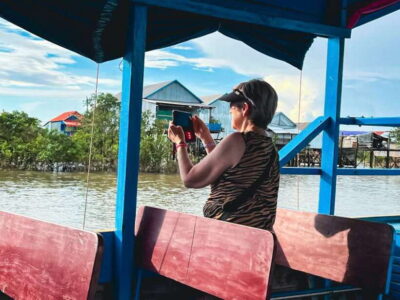
Kampong Phluk Floating Village Tour with Boat
Read our review →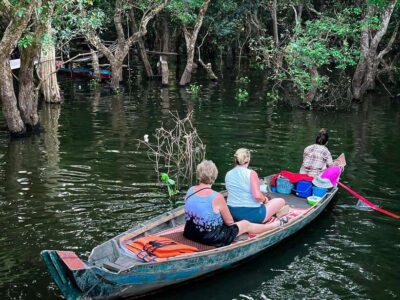
Siem Reap Floating Village Kampong Phluk Sunset with Boat
Read our review →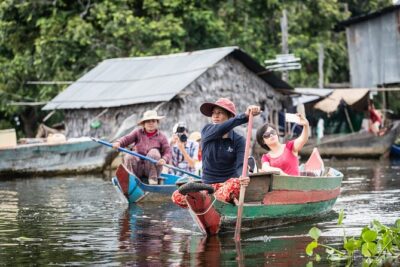
Kompong Phluk Floating Village Half-Day Tour ( Morning / Sunset )
Read our review →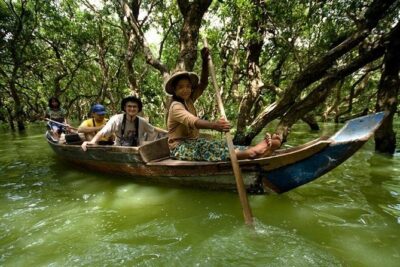
Tonle Sap Lake & Kampong Phluk Village Half-Day Tour
Read our review →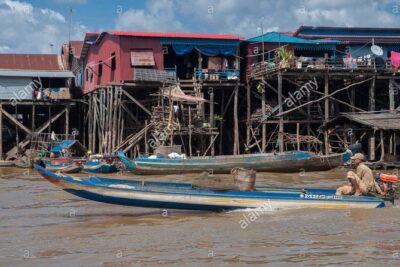
Browse the lists this tour appears in