
Reviewed · FLOATING VILLAGE TOURS
Siem Reap: Floating Village Half-Day Tour
Tonle Sap changes direction twice a year. This four-hour outing gives you a close look at Cambodia’s lake life, from lotus fields and canals to homes that move with the water. I especially like the small group of up to 11 people and the chance to eat aboard the old Queen Tara boat. The main drawback is the crocodile farm, which may feel uncomfortable if you care about animal welfare.
The guides are a major strength. Mr Friday, Mr Mony, Pon, and Supak have all been praised for clear English, cultural explanations, and friendly service. I would choose the morning departure if you can, since the heat can become hard to manage later in the day. Water levels also affect the route, so the exact scenery is not fixed.
In This Review
- Key points to know before you go
- Why Tonle Sap adds more than a boat ride
- From your Siem Reap hotel to Phnom Krom
- The lotus farm and its Buddhist meaning
- Entering the floating village by boat
- The crocodile and fish farm
- Lunch aboard the old Queen Tara
- What the guide adds to the morning
- Timing, weather, and comfort
- Is $55 good value?
- Who should book this Tonle Sap tour?
- Should you book the Queen Tara floating village tour?
- FAQ
- How long does the Siem Reap floating village tour last?
- What is included in the price?
- What languages does the guide speak?
- Is lunch suitable for vegetarians?
- Can children join the tour?
- Does the tour operate during bad weather?
- Can the route change during the year?
Key points to know before you go
- Tonle Sap flows in two directions: The river runs north during the wet season and south toward the South China Sea during the dry season.
- Lunch is served on Queen Tara: This large former cargo boat offers a meal, two drinks, hammocks, and a viewing deck.
- The group stays small: With no more than 11 participants, you get more room to ask questions and hear the guide.
- The lotus stop is brief: It adds useful local context, but you should not expect a long farm visit.
- The crocodile farm is optional in spirit: You can visit the viewing area or wait on board, and the conditions may trouble some people.
- Water levels change the route: The boat may not reach every part of the floating village in every season.
Why Tonle Sap adds more than a boat ride
Siem Reap is best known for Angkor, but the city’s setting beside Tonle Sap gives you another way to understand Cambodia. The lake feeds families, supports fishing, and shapes where people live, work, travel, and trade.
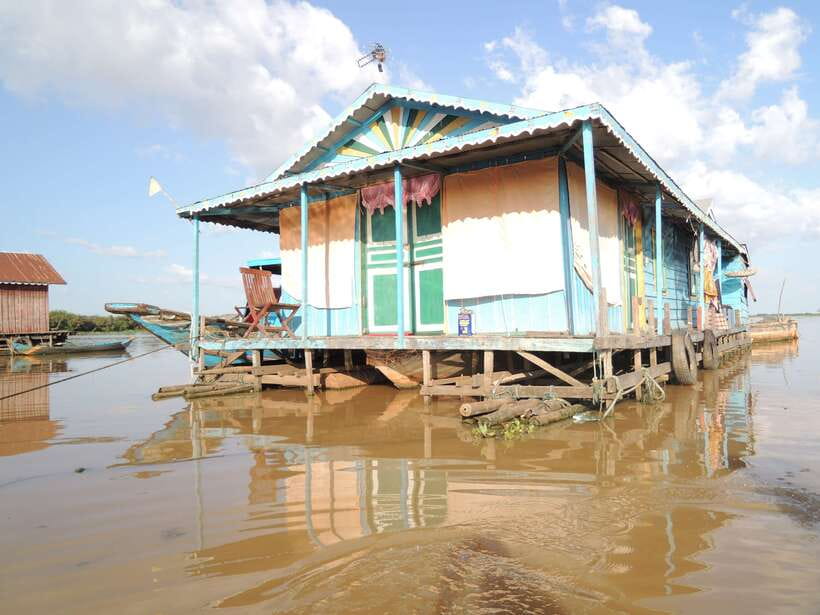
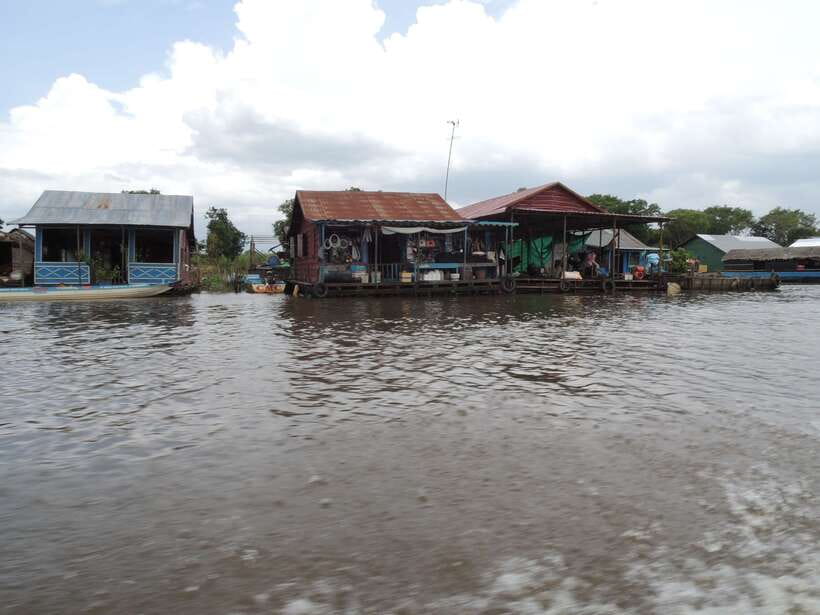
This tour moves away from temple walls and into a world built around water. Roads are limited in the floating village, so boats and rafts carry people and supplies. That simple fact explains much of what you see from the water: floating homes, working boats, fishing activity, and daily routines that follow the lake rather than a street grid.
The guide helps turn the view into a story. A good guide can explain why homes float, how local trades work, and why Tonle Sap matters to Cambodia. Guides such as Mr Friday and Mr Mony have earned especially strong praise for speaking clear English and answering questions in an approachable way.
The lake itself is the star. Tonle Sap is described as the largest freshwater lake in Southeast Asia, and its connected river system is famous for changing direction twice each year. During the wet season, water flows north into the lake. During the dry season, it reverses and flows south toward the Mekong system and the South China Sea.
You do not need to be a geography expert to enjoy this. The seasonal change helps you understand why water levels, fishing, transport, and village access vary so much throughout the year.
More floating village trips:
- From Siem Reap: Kampong Phluk Floating Village Tour by Boat
★ 4.9 · 6,979 reviews - Sunset tour of Kampong Phluk stilts home village on the Tonle Sap
★ 5.0 · 4,865 reviews - Siem Reap: Kampong Phluk Floating Village Tour with Boat
★ 4.9 · 3,843 reviews
From your Siem Reap hotel to Phnom Krom
Your day begins with pickup from your hotel or guesthouse in Siem Reap. Transport is by air-conditioned vehicle or tuk-tuk, depending on the arrangement for your group.
The journey toward the port near Phnom Krom takes you past rice paddies and lotus fields. These views change with the season, so you might see broad green fields, harvested land, or fewer lotus blooms than expected.
The route is useful because it shows you the countryside before the boat ride begins. Your English and Khmer-speaking guide points out local places and answers questions along the way. This is also a good time to ask about life on the lake, fishing, seasonal water levels, or the floating village itself.
The group size matters here. A maximum of 11 people is small enough for a guide to speak with you directly, rather than delivering a speech that disappears into a crowd.
The lotus farm and its Buddhist meaning
The lotus stop is one of the quieter parts of the outing. The guide explains the many uses of the flower and plant, along with its importance in Buddhism.
The visit is short, and that is worth knowing before you book. One person who enjoyed the stop still felt it deserved more time, perhaps even a meal at the farm. I agree that this is a missed chance if you are especially interested in plants, farming, or Buddhist symbolism.
Still, the stop earns its place. It connects the countryside you pass on the road with Cambodian culture. The lotus is not simply a pretty flower for photographs. It has practical uses and a clear place in religious life.
If you want the best chance of seeing lotus fields at their fullest, ask about the season when you book. The tour makes clear that views vary during the year, so photographs from another month may set unrealistic expectations.
Entering the floating village by boat
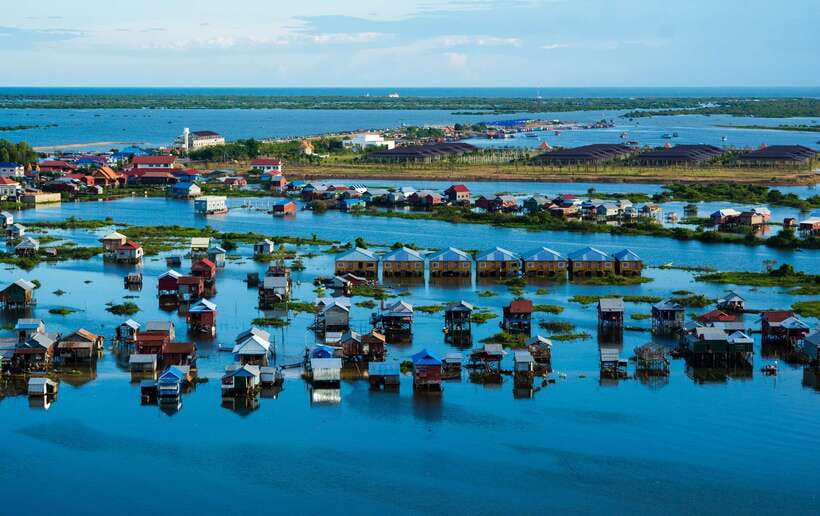
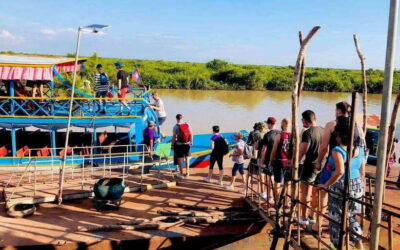
At the port, a boat takes you through the river and canals toward Tonle Sap. The route gradually changes from ordinary countryside to a place where water is the main road.
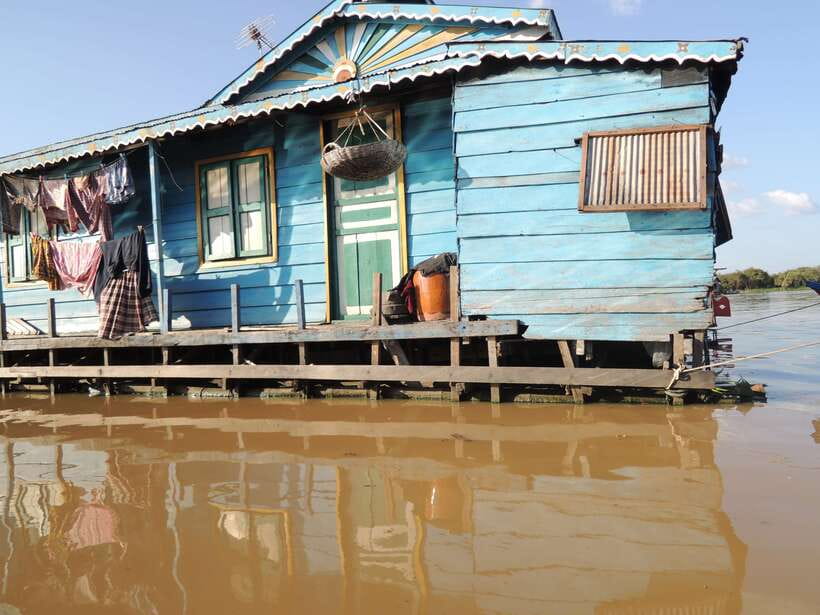
You pass through the floating village and watch people carry out daily tasks from their boats and homes. The experience is observational rather than staged. You are looking at a working community, not a decorative attraction built for sightseeing.
That distinction is important. The village may feel unfamiliar because everything is organized around water, but the people living there are not part of a performance. Listen to your guide, avoid treating homes as photo props, and remember that the village is a place of work and family life.
The boat also reaches the edge of the Great Lake. This wider stretch gives you a better sense of Tonle Sap’s scale. Depending on water levels, the route can change, and the boat may pass through a village without making a separate stop there. One booking party expected more time inside the village and found that the boat mainly passed through it.
If your main goal is to walk around a floating settlement, this is not that kind of outing. You stay on the boat and see the village from the water. If you want a guided look at lake life without spending a full day away from Siem Reap, that shorter format works well.
A few more options around Siem Reap worth reading up on
- Angkor Wat Sunrise or Sunset Tour with Guide from Siem Reap
★ 5.0 · 12,109 reviews - Siem Reap: Angkor Wat: Small-Group Sunrise or Sunset Tour
★ 5.0 · 9,444 reviews - Siem Reap: Angkor Wat 2-Day Tour with Sunrise and Sunset
★ 4.9 · 4,429 reviews - Siem Reap: Full-Day Angkor Wat Guided Tour with Sunset
★ 4.9 · 3,803 reviews
The crocodile and fish farm
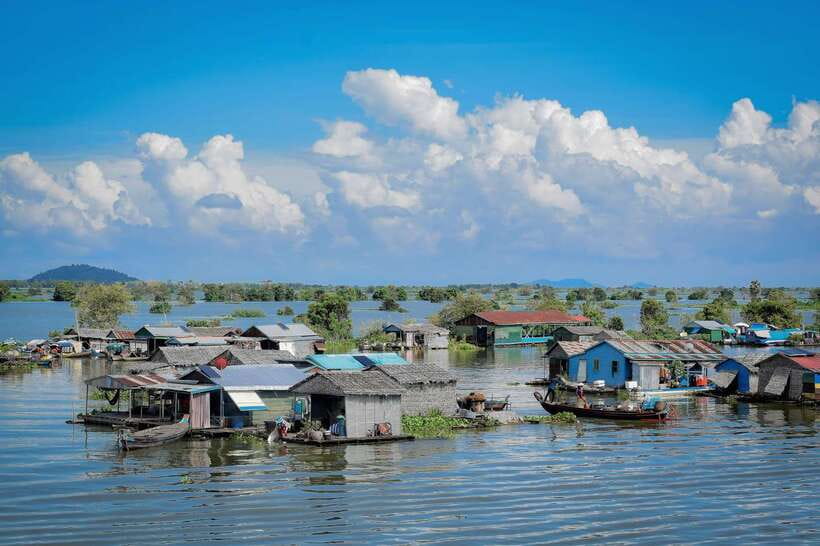
The crocodile and fish farm provides a look at local trades connected to the lake. You learn how catfish, crocodiles, and other lake-based activities fit into the local economy.
This part can be useful, but it is also the most divisive stop. One past participant objected to the crocodile enclosure, describing the animals as crowded together in poor conditions. That concern deserves serious attention.
You do not have to spend much time at the farm. There is a souvenir shop and a viewing deck on board, and you can wait there if you do not want to see the crocodiles. The guide can still explain the trade without making this the center of your visit.
I would treat this as an educational stop rather than a major attraction. The fish farming element may interest you if you want to understand how people earn a living on the lake. The crocodile display is less appealing if animal welfare is important to you.
Lunch aboard the old Queen Tara
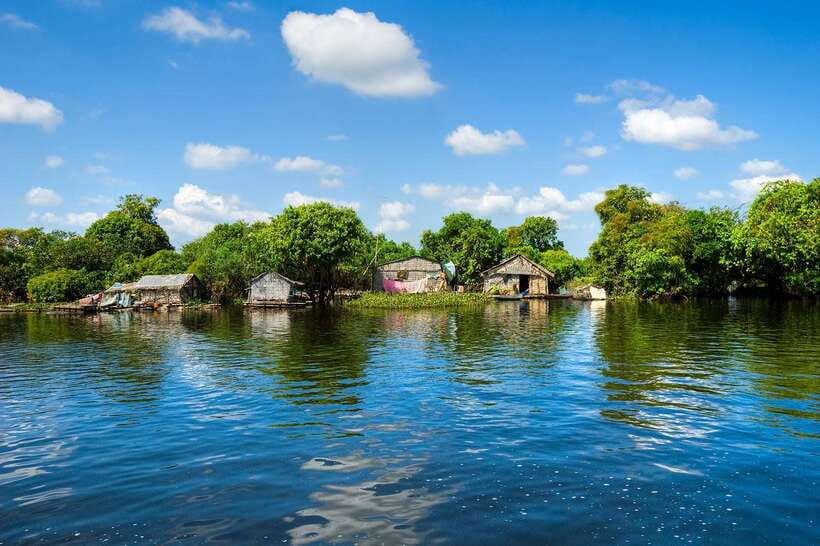
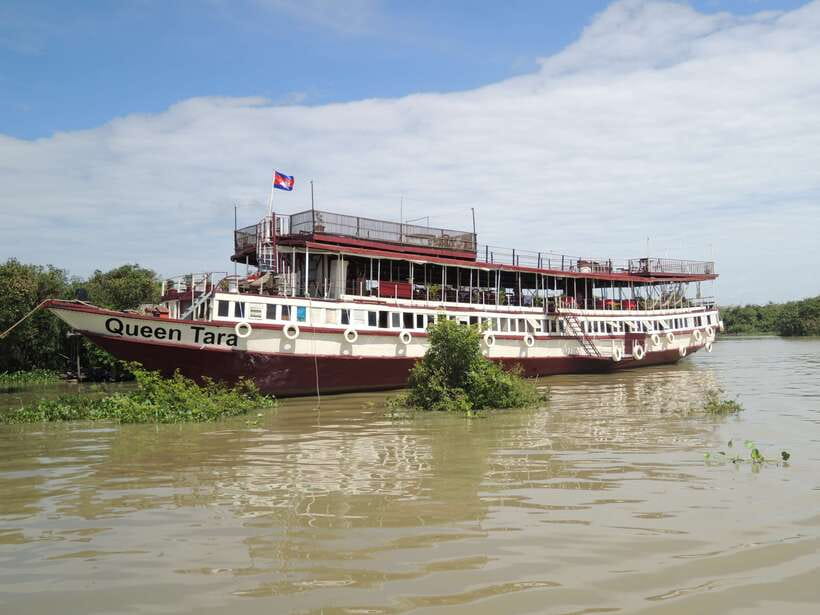
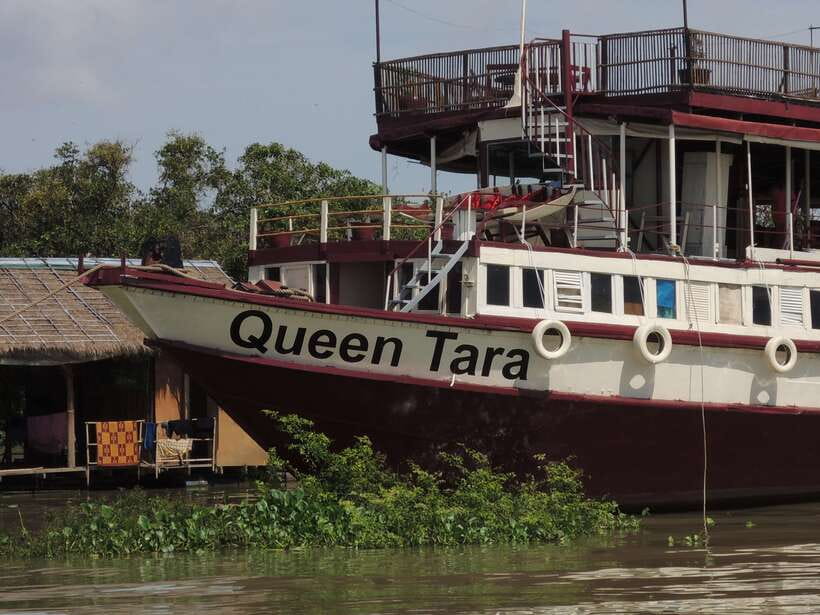
The most distinctive part of the tour is lunch aboard Queen Tara, described as the largest boat on the lake. It is also presented as a former cargo vessel that carried goods from the 1920s through Vietnam, the Mekong River, and Cambodia.
That background gives the meal a sense of place. You are not eating at a standard restaurant beside the road. You are sitting on a boat tied to the lake’s transport history, surrounded by water and the floating village.
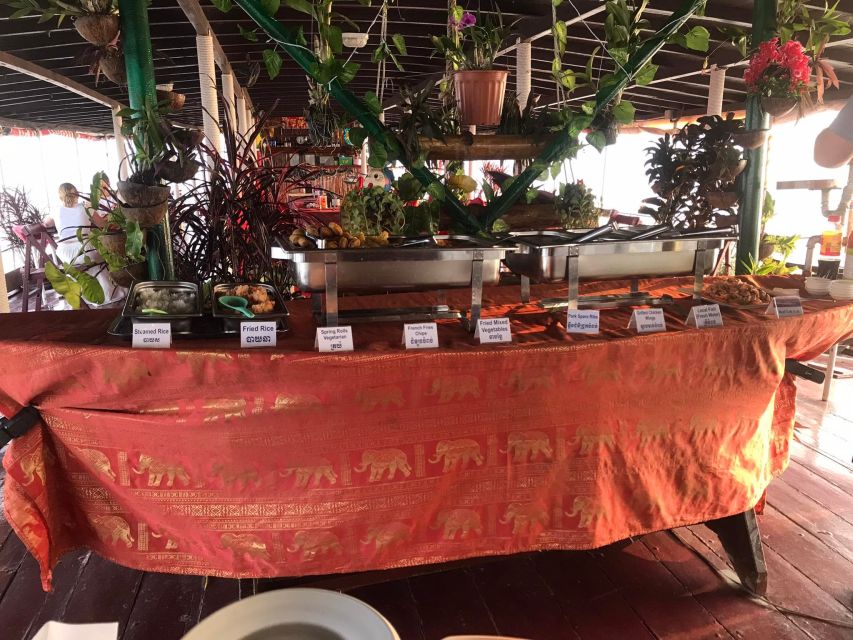
The meal includes two free drinks. Options include soft drinks, beer, spirits, cocktails, or wine. A vegetarian meal is available if you request it when booking.
Food quality sounds acceptable rather than exceptional. Some people found lunch quite good, while another called it average. I would book this for the setting and the relaxed pause, not as a food-focused excursion.
The upper deck is a pleasant place to sit after eating. Hammocks are available, and you can watch boats move through the village while enjoying a drink. That slower stretch balances the information-heavy parts of the morning.
One practical criticism concerns the eating utensils. A past participant specifically suggested that the forks and spoons on Queen Tara need replacing. This is a small issue, but it is useful to know if you expect polished restaurant service.
What the guide adds to the morning
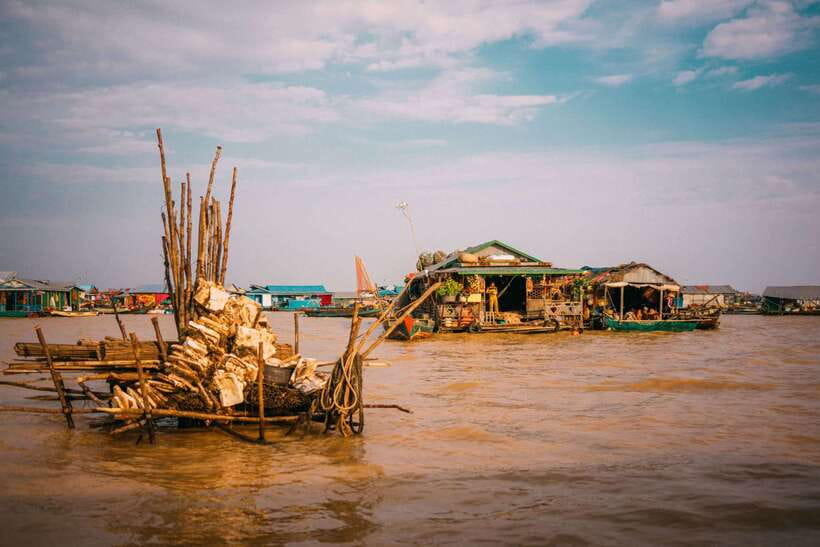
The guide can make or break this outing. The best part of the experience is not simply seeing houses on water. It is understanding why the village exists and how families adjust to a lake that changes dramatically through the year.
Mr Friday has been praised for strong English and detailed cultural stories. Mr Mony was also singled out for explaining Cambodian life clearly, while Pon was described as enthusiastic and helpful. Supak received similar praise for friendly service.
One earlier participant found the guide difficult to understand at times, though the guide repeated information and worked hard to help. That is a fair reminder that language ability can vary, even when the guide is kind and well prepared.
With a small group, you can ask for clarification. I recommend doing so rather than nodding along to information you did not catch. Questions about water levels, fishing, floating schools, transport, or housing can turn a pleasant boat ride into a much more useful cultural visit.
Timing, weather, and comfort
The tour lasts about four hours, including pickup, the road journey, the boat ride, stops, lunch, and return to Siem Reap. It fits neatly into a morning or afternoon, leaving room for other plans.
The morning departure is the better choice during hot months. One participant specifically advised going before the heat becomes difficult. The lake offers a breeze, but open decks still expose you to strong sun.
The tour runs in all weather conditions, so dress for heat, glare, and possible rain. Bring practical clothing rather than temple-tour attire. A hat, sunglasses, and sun protection should make the boat sections easier, though these items are not listed as included.
Water levels are the biggest variable. The tour depends on the lake’s condition, and the route through canals or the village may not look the same in every season. The rice and lotus views also change during the year.
Do not book this expecting a fixed postcard scene. Book it knowing that the lake is a living system. A lower water level may alter access, while a different season may change the fields and the appearance of the village.
Is $55 good value?
At $55 per person, the tour is not the cheapest way to see Tonle Sap. The price includes hotel pickup and return, transport, the guide, boat fees, checkpoint fees, the floating village route, the lotus farm, the crocodile and fish farm, lunch, and two drinks.
That bundle makes the cost easier to justify. You are paying for a half-day with transport arranged from Siem Reap, not just a boat ticket. The guide also adds value by explaining the setting in English and Khmer.
The strongest value comes if you want convenience and context. You do not need to arrange your own tuk-tuk, find the port, negotiate boat arrangements, or work out how the route changes with water levels.
The value is weaker if you only want a scenic cruise. The lotus stop is brief, lunch is competent rather than memorable, and the crocodile farm may not appeal to you. You also spend much of the time observing the floating village from the boat rather than stepping into it.
A 4.4 rating from 99 reviews suggests a solid, generally well-liked outing, rather than a flawless one. The repeated praise for guides, clear explanations, transport, and the relaxed lunch supports the price. The concerns about the crocodile enclosure, short lotus visit, and variable village access explain why expectations matter.
Who should book this Tonle Sap tour?
I would recommend it to you if you want a manageable half-day away from Angkor, especially if you are interested in Cambodian culture, fishing communities, countryside views, and the practical realities of life on water.
It also suits families with children aged five and older. Children under five can join free, and children aged 10 and under pay half price. Every child must be accompanied by an adult, and unaccompanied minors are not allowed. The crocodiles may capture children’s attention, though parents should decide if that stop fits their own standards.
The tour is also a good match for first-time visitors who want a guide to explain what they are seeing. It is less suited to anyone wanting a long, quiet nature cruise, an extended village walk, or a high-end dining experience.
Vegetarians can join, but you need to request the vegetarian option when booking. The small group and hotel transport make it a sensible choice for solo visitors, couples, or families who prefer a ready-made outing.
Cancellation is flexible up to 24 hours before departure for a full refund, and you can reserve now and pay later. Check the available starting time before committing, especially if you want the cooler morning option.
Should you book the Queen Tara floating village tour?
Book it if you want a practical introduction to Tonle Sap and prefer learning from a local guide while someone else handles the transport. The best parts are the changing lake system, the small group, the countryside approach, and lunch aboard Queen Tara.
Go in with clear expectations. You will see a working floating village from a boat, not enter a museum-like attraction or spend hours walking among homes. The lotus stop is quick, the lunch is simple, and the crocodile farm may raise ethical concerns.
For many people, the tour’s real reward is the change of viewpoint. After temple tours, Tonle Sap shows you another Cambodia, one shaped by water, fishing, seasonal movement, and boats that serve as roads. At $55, that is a fair price if cultural context matters as much to you as the scenery.
FAQ
How long does the Siem Reap floating village tour last?
The tour lasts four hours, including hotel pickup and drop-off, transport to the port, the boat route, stops, lunch, and the return journey.
What is included in the price?
The price includes hotel or guesthouse pickup and drop-off in Siem Reap, transport by air-conditioned vehicle or tuk-tuk, an English-speaking guide, checkpoint fees, the floating village and crocodile and fish farm tour, the lotus farm visit, lunch, and two drinks aboard Queen Tara.
What languages does the guide speak?
The tour operates with Cambodian and English-speaking guides.
Is lunch suitable for vegetarians?
Yes. A vegetarian option is available, but you should request it when booking.
Can children join the tour?
Children must be accompanied by an adult. Children aged 10 and under pay half price, children younger than five can join free, and unaccompanied minors are not allowed.
Does the tour operate during bad weather?
Yes. The tour operates in all weather conditions, so you should dress appropriately.
Can the route change during the year?
Yes. The tour depends on Tonle Sap’s water levels. The views of the lotus and rice fields also vary by season, and access through the floating village may differ.
Newest reviews from Siem Reap
- War Museum, Killing Field, and APOPO Hero RATs Tour★ 5.0 · 7 reviews
- Angkor Wat at Sunrise★ 4.0 · 7 reviews
- Siem Reap Angkor Airport Taxis (from Airport to Hotel)★ 5.0 · 44 reviews
- Cambodian Cooking Class and Oxcart Ride with Local Village Tour★ 5.0 · 4 reviews
- Secret Temples of Angkor – Guided Tour in Siem Reap★ 5.0 · 6 reviews
- Short Cycling at Countryside★ 5.0 · 29 reviews
- SIEM REAP E-BIKE HALF-DAY COUNTRYSIDE (25-30 km)★ 4.0 · 1 review
- Unveiling the Mystical Beauty of Phnom Kulen National Park★ 5.0 · 6 reviews
Floating Village Tours, compared.
Sunset tour of Kampong Phluk stilts home village on the Tonle Sap
Read our review →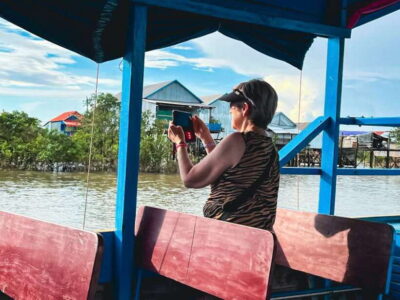
Kampong Phluk Floating Village Tour with Boat
Read our review →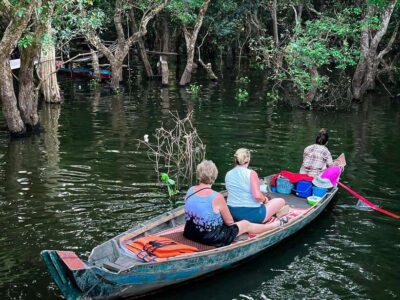
Siem Reap Floating Village Kampong Phluk Sunset with Boat
Read our review →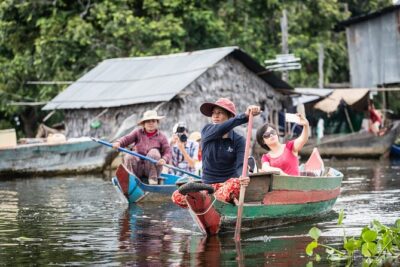
Kompong Phluk Floating Village Half-Day Tour ( Morning / Sunset )
Read our review →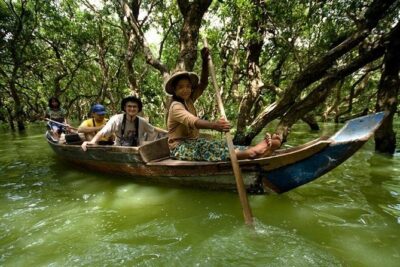
Tonle Sap Lake & Kampong Phluk Village Half-Day Tour
Read our review →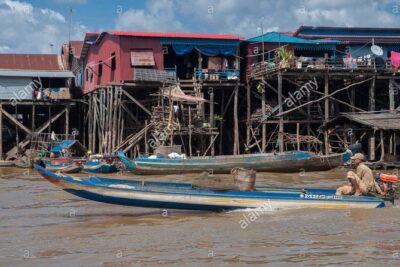
Browse the lists this tour appears in