Reviewed · GUIDED
Siem Reap: Cambodia local street foods and local guide
Eat where Siem Reap eats. This eight-hour experience gives you local Khmer food with a guide who can explain unfamiliar dishes, help you speak with vendors, and steer you beyond the usual tourist stops. I like the visit to the less-seen side of Psar Char, and I like the chance to explore Route 60 market, where food, clothes, insects, and frogs share the same lively shopping space. The main drawback is the long duration, especially if you prefer a short evening tasting walk.
This is also a good first-day activity because it helps you understand Cambodian ingredients and menus before you order on your own. Guides including Heang, Vone, and Dara have helped make the experience personal and flexible. Still, you should confirm your hotel address carefully and be ready at least 20 minutes before the published start time, since pickup depends on the driver finding you promptly.
In This Review
- The essential details at a glance
- Why Cambodian food is worth a full evening
- Starting at Psar Char in central Siem Reap
- Cambodian ingredients you may not recognize
- Route 60 and the local night market
- The guide makes the biggest difference
- Eight hours is a serious food commitment
- Transportation, pickup, and group size
- Is $90 per person good value?
- Who should book this experience?
- Practical booking advice before you go
- Should you book the Siem Reap street-food tour?
- FAQ
- How long does the Siem Reap food tour last?
- What food and drinks are included?
- Which markets does the tour visit?
- Is transportation included?
- How large is the group?
- Can I cancel or pay later?
The essential details at a glance
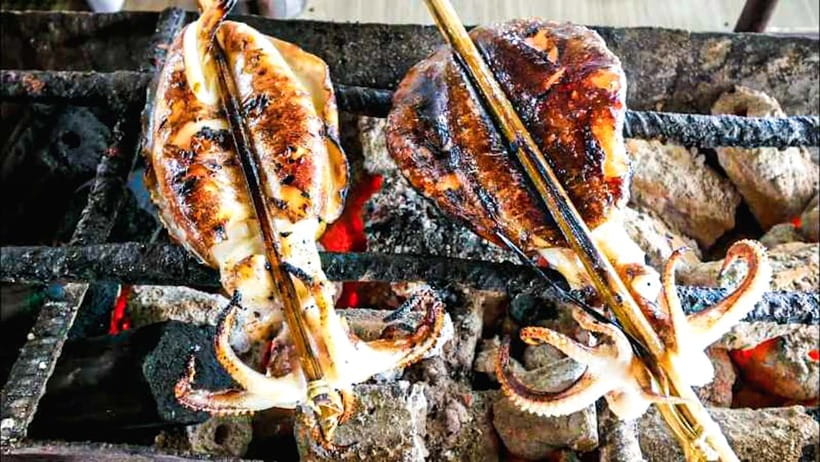
- Psar Char beyond the main tourist lanes: See a side of Siem Reap’s central market that many visitors miss, with a guide to explain what you are looking at.
- Route 60 after dark: Visit the local night market for a broader look at everyday shopping, street food, insects, frogs, and clothing stalls.
- Khmer food made easier: Your English-speaking guide can help you understand dishes and ingredients that may be difficult to identify from a Khmer-language menu.
- Food and drinks included: The $90 price covers all food, drinks, and transportation, not just the guide.
- Small group format: The group is limited to 10 people, although some departures may operate as private tours.
- Flexible booking: You can reserve now and pay later, with free cancellation up to 24 hours before departure.
Why Cambodian food is worth a full evening
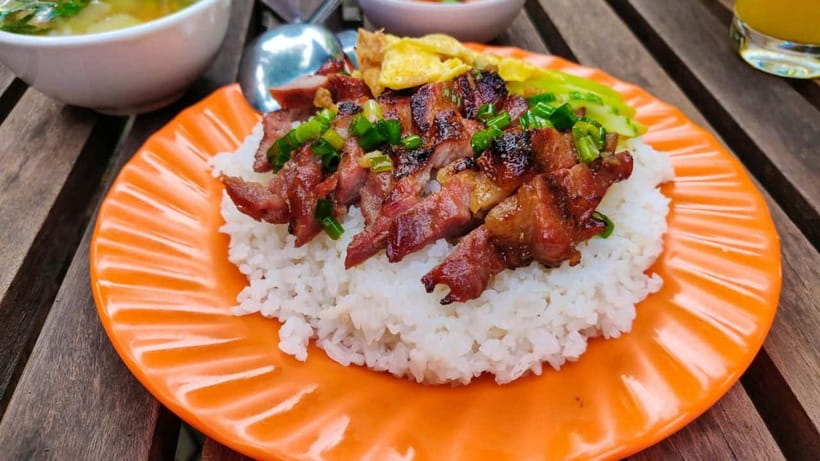
Cambodian food often gets overlooked beside better-known Thai and Vietnamese cooking. That is a shame, because Khmer cuisine has its own clear character, shaped by freshwater fish from the Tonle Sap, coconut, sugar cane, and other locally sourced ingredients.
You can expect food that is generally less fiery than some neighboring cuisines. That does not mean bland. Cambodian cooking uses layers of flavor, and the balance may be unfamiliar if your usual Southeast Asian meals come with a strong blast of chili.
The food can also be hard to order without help. Menus may use Khmer script, and a dish name alone may tell you little about its main ingredients. A local guide gives you a better chance of trying something new without making a blind choice.
I see the strongest value here in that food education. You are not simply handed a plate and sent on your way. The guide can explain what you are eating, help you talk with market vendors, and give you a reference point for later meals in Siem Reap.
A few more options around Siem Reap worth reading up on
- Angkor Wat Sunrise or Sunset Tour with Guide from Siem Reap
★ 5.0 · 12,109 reviews - Siem Reap: Angkor Wat: Small-Group Sunrise or Sunset Tour
★ 5.0 · 9,444 reviews - From Siem Reap: Kampong Phluk Floating Village Tour by Boat
★ 4.9 · 6,979 reviews
Starting at Psar Char in central Siem Reap
Psar Char is one of the key food markets in Siem Reap, but this experience focuses on a side that tourists often pass by. That distinction matters. A market can look very different once you leave the stalls aimed at visitors and pay attention to the places local shoppers use.
Your guide can help you read the market as more than a collection of food counters. You may see ingredients in their everyday setting, learn how vendors prepare or sell them, and ask questions that would be hard to raise on your own.
This is where a local guide earns the fee. The English-language support is useful, but the social help may be even more important. A guide who knows the vendors can make it easier to approach a stall, ask what something is, and understand how it is normally eaten.
Do not expect a polished cooking class. This is a market and street-food experience, so the appeal lies in seeing food in its working environment. That also means noise, crowds, changing availability, and less control over the setting. If you need restaurant-style comfort at every stop, this may not be your ideal food outing.
Cambodian ingredients you may not recognize
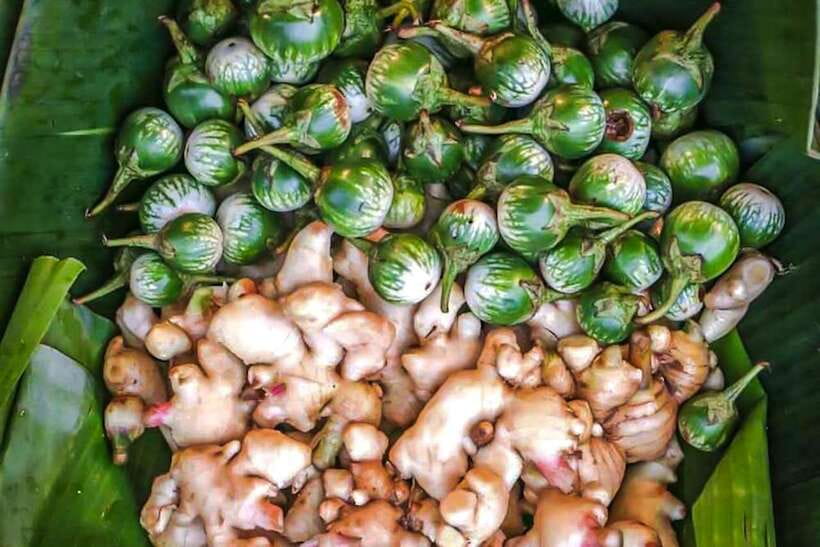
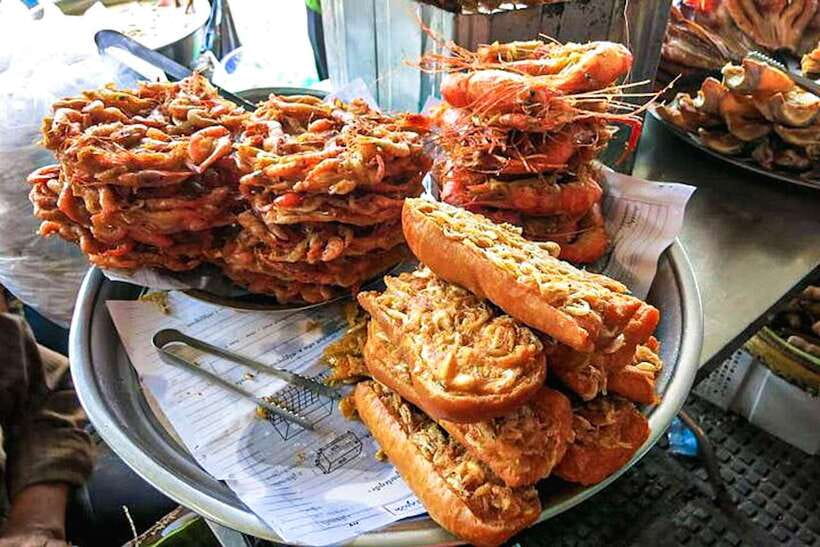
The tour is designed to push you a little beyond familiar dishes. Freshwater fish is an important part of Cambodian cooking, and the Tonle Sap gives the region a strong connection to fish-based food. Coconut and sugar cane also help shape the local flavor profile.
You may find dishes or ingredients you would not order from a menu by yourself. That is one reason the guide matters. A dish that looks mysterious in Khmer script becomes easier to approach when someone explains its ingredients and gives you a sensible way to try it.
The experience can also help you understand the difference between spicy and strongly flavored food. Cambodian cuisine is described as less fiery than some other Southeast Asian cooking, but you should still tell the guide about any food concerns before you begin.
The included drinks are another practical benefit. You do not have to keep calculating the cost of every tasting, and the guide can keep the food moving while you focus on the market. Since the exact dishes are not fixed in the information provided, you should think of the menu as a local sampling experience rather than a guaranteed list of specialties.
Route 60 and the local night market
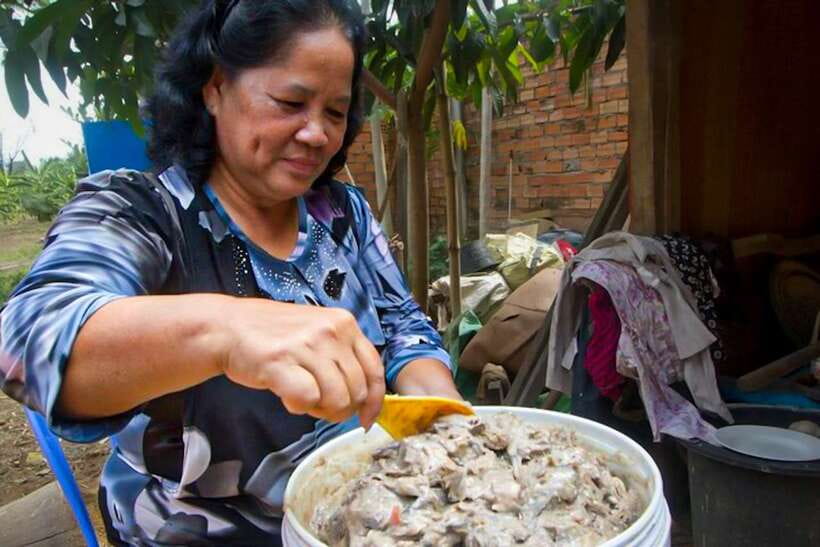
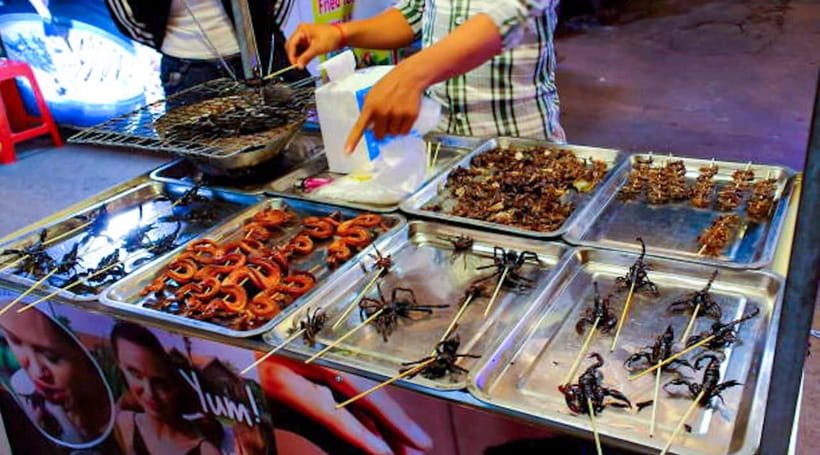
Route 60 is presented as the real Siem Reap night market, rather than a shopping area designed mainly around souvenirs. It offers a wider look at local evening commerce, with clothing alongside food and unusual items.
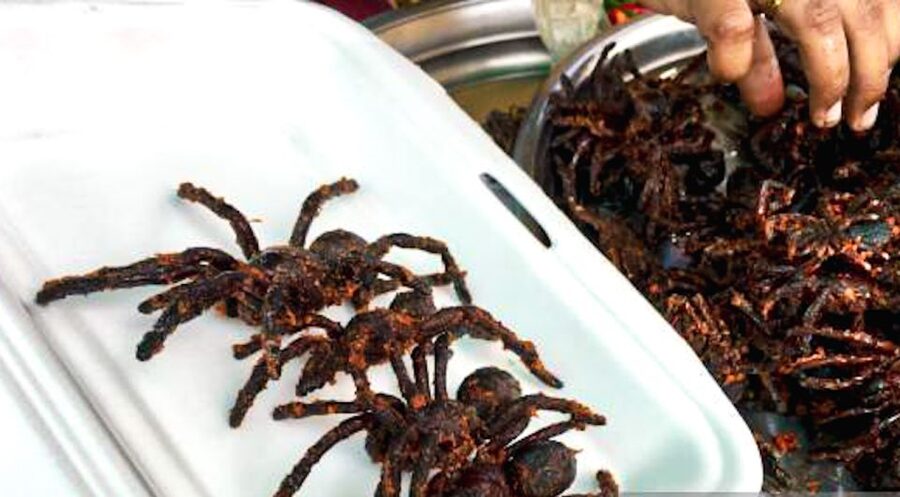
One especially memorable part is the chance to see insects and frogs at the market, and, for those willing, taste them. Dara’s tour included this kind of stop, which gives you a more direct connection to local food customs than a standard restaurant meal.
You do not have to treat every unusual item as a test of courage. The point is to see what is available, ask questions, and decide what suits you. A good guide can make the experience fun without turning it into a dare.
Route 60 may be the most distinctive stop on the tour, but it may not suit everyone. The food can be unfamiliar, the market setting is informal, and some people may not want to try insects or frogs. You can still enjoy the visit by treating the market as a place to look, learn, and taste only what feels right.
Something completely different for another day:
- Sunset tour of Kampong Phluk stilts home village on the Tonle Sap
★ 5.0 · 4,865 reviews - Siem Reap: Angkor Wat 2-Day Tour with Sunrise and Sunset
★ 4.9 · 4,429 reviews - Siem Reap: Kampong Phluk Floating Village Tour with Boat
★ 4.9 · 3,843 reviews - Siem Reap: Full-Day Angkor Wat Guided Tour with Sunset
★ 4.9 · 3,803 reviews
The guide makes the biggest difference
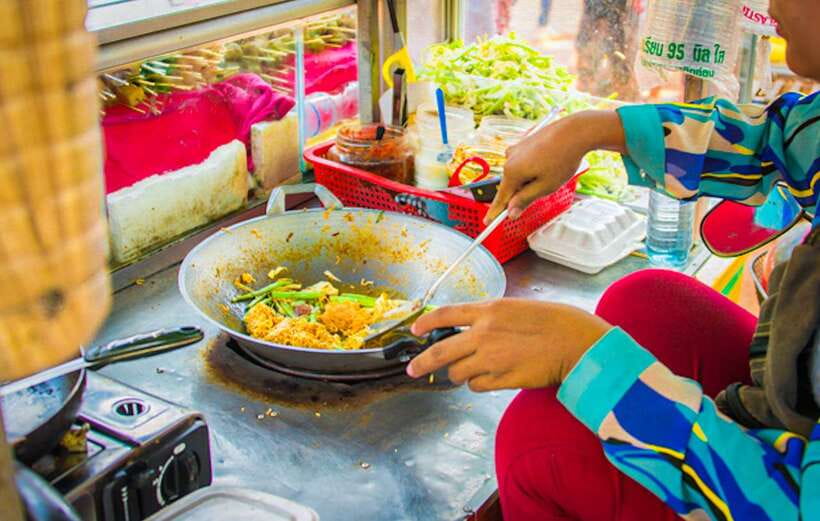
The strongest feature of this experience is not one particular market stall. It is the guide. The tour is conducted in English, and the guide is meant to be both a food specialist and a friendly conversational partner.
Heang received especially high praise for combining food with local places and traditional ceremonies during a private tour. That suggests some flexibility in how the day can unfold, though you should not assume that ceremonies or extra stops are guaranteed on every departure.
Vone was praised for finding tasty places in Siem Reap and encouraging a few less familiar menu choices. That is exactly the sort of help you want when you are interested in Cambodian food but lack the confidence to order alone.
Dara led a tuk tuk tour that showed the variety of Cambodian cooking and included a walk through Route 60. The guide’s role is practical: explain, translate, suggest, and help you chat with vendors.
Because the group limit is 10, you should get more personal attention than on a large coach excursion. Some departures may be private, but the standard information promises a small group, not a private guide. If personal pacing matters greatly to you, ask what group type is available when you book.
Eight hours is a serious food commitment
The stated duration is eight hours, which makes this much more than a quick street-food crawl. The long format allows room for transportation, market visits, tastings, conversation, and a broad look at Siem Reap’s food culture.
I would place this near the start of a Cambodia visit. The guide can give you the confidence to order later, and the market stops can help you recognize ingredients and food styles around town.
The drawback is simple: eight hours can feel long if you mainly want a few snacks and one drink. You should choose this if you enjoy a slow, social outing and want context with your food. If your schedule is packed with temple visits, a shorter food activity may leave you with more energy.
The experience also appears to combine daytime and evening elements, since it includes Psar Char and the Route 60 night market. Starting times vary, so check the available departure before booking. Do not assume that every part takes place after sunset.
Transportation, pickup, and group size
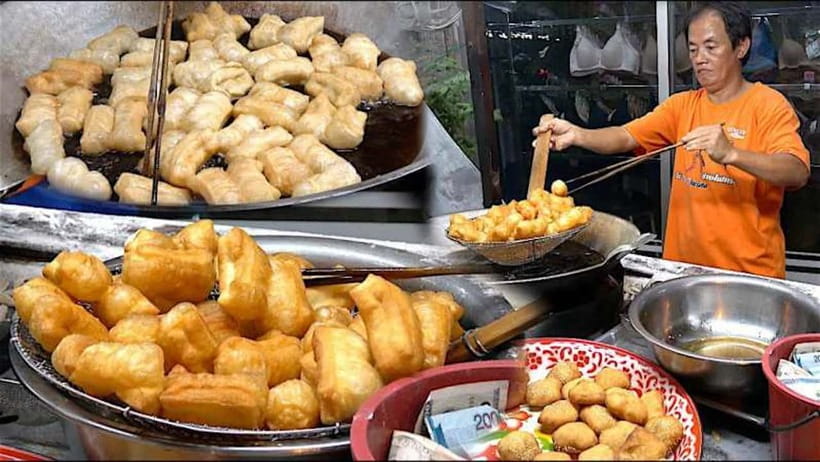
Transportation is included, and the experience may use a tuk tuk or minibus depending on the option selected. Hotel pickup and drop-off are included with the minibus option, while the tour information also says pickup is included more generally.
The pickup instruction is important. You need to provide a clear hotel address and be ready at least 20 minutes before the published start time. That extra margin is sensible in Siem Reap, where a driver may need help locating a hotel entrance or similarly named property.
I would send the hotel name, full address, and any useful landmark when booking. This is a small step, but it can prevent a late start and reduce confusion with the driver.
A tuk tuk can make the outing feel more local and open, while a minibus may be more useful if you prefer a little more shelter or are traveling with a larger small group. The exact vehicle depends on the option you choose, so check before paying.
Is $90 per person good value?
At $90 per person, this is not the cheapest way to eat in Siem Reap. Local street food itself can cost far less. You are paying for the guide, transport, all food, all drinks, market access through local contacts, and a full eight-hour experience.
That can be good value if you would otherwise spend hours guessing what to order, paying for dishes you do not enjoy, and missing the local sections of the markets. The translation and food guidance are the main services, not just extras.
The value is also stronger for a first visit. Once you understand a few ingredients and know how to approach a stall, you can explore on your own. Think of the tour as both a meal and a practical introduction to Cambodian food.
It is less attractive if you already know Siem Reap’s markets, speak with vendors easily, or only want a short tasting session. In that case, you may not use the full benefit of the long format.
Who should book this experience?
I would recommend it to curious eaters who want more than familiar restaurant dishes. It suits you if you enjoy markets, informal food settings, and conversation with a local guide.
It is also a good fit for cautious eaters. You can use the guide as a filter, asking what an ingredient is, how a dish is prepared, and whether it may suit your taste.
Couples, solo visitors, and small groups can all benefit from the format. Solo participants may especially appreciate the guide’s conversation and help at busy market stops.
I would think twice if you have strict dietary needs, because the available information does not list specific dietary accommodations or a set menu. Ask before booking rather than relying on assumptions.
The activity is not suitable for babies under one year or people over 70. That restriction may reflect the long duration, transport, heat, market conditions, or pace, but no specific reason is given.
Practical booking advice before you go
Check the starting time carefully, since availability changes by date. Give the provider an accurate hotel address and prepare to wait for pickup 20 minutes before the advertised start.
Ask which transport option you are selecting. The minibus option includes hotel pickup and drop-off, while tuk tuk transport appears in the experience itself and in the description of a past private tour.
You can reserve now and pay later, which helps if your Cambodia plans are still shifting. Cancellation is free up to 24 hours in advance for a full refund.
Bring an open mind rather than a fixed list of dishes. The exact food stops are not specified, and market offerings can vary. The most useful approach is to let the guide explain what is available that day.
Should you book the Siem Reap street-food tour?
Book it if you want a full, guided introduction to Khmer food and local markets, especially early in your Cambodia visit. The best reasons are the less-touristy side of Psar Char, the Route 60 night market, included food and drinks, and the chance to learn from guides such as Heang, Vone, or Dara.
Skip it if you want a short meal, a fixed menu, or a polished restaurant setting. At $90, the tour earns its price through time, transport, personal guidance, and access to food you might not confidently try alone. For a curious eater, that is a fair exchange. For a quick snack seeker, it is probably too much tour.
FAQ
How long does the Siem Reap food tour last?
The experience lasts 8 hours. Starting times vary, so you need to check availability for your chosen date.
What food and drinks are included?
All food and drinks are included in the $90 per person price. The exact dishes are not specified and may depend on what is available at the markets.
Which markets does the tour visit?
The tour includes a less-touristy side of Psar Char and the Route 60 night market.
Is transportation included?
Yes, transportation is included. Hotel pickup and drop-off are included if you select the minibus option. Tuk tuk transport is also described as part of some tours.
How large is the group?
The experience is limited to 10 participants. Some departures may be private, but the standard group type is a small group.
Can I cancel or pay later?
Yes. You can reserve now and pay later, and you can cancel up to 24 hours in advance for a full refund.
Newest reviews from Siem Reap
- War Museum, Killing Field, and APOPO Hero RATs Tour★ 5.0 · 7 reviews
- Angkor Wat at Sunrise★ 4.0 · 7 reviews
- Siem Reap Angkor Airport Taxis (from Airport to Hotel)★ 5.0 · 44 reviews
- Cambodian Cooking Class and Oxcart Ride with Local Village Tour★ 5.0 · 4 reviews
- Secret Temples of Angkor – Guided Tour in Siem Reap★ 5.0 · 6 reviews
- Short Cycling at Countryside★ 5.0 · 29 reviews
- SIEM REAP E-BIKE HALF-DAY COUNTRYSIDE (25-30 km)★ 4.0 · 1 review
- Unveiling the Mystical Beauty of Phnom Kulen National Park★ 5.0 · 6 reviews
Guided, compared.

Angkor Wat Sunrise or Sunset Tour with Guide from Siem Reap
Read our review →

Angkor Wat Sunrise tour with Small – Group and Guide tours
Read our review →
Angkor Wat Highlights and Sunrise Guided Tour from Siem Reap
Read our review →
Full-Day Angkor Wat Sunrise Private Tour with Guide from Siem Reap
Read our review →

Angkor Wat: Highlights and Sunrise Guided Tour
Read our review →