Reviewed · GUIDED
Shared day tour with Spanish-speaking guide at Angkor Temple.
Angkor rewards a day with a plan. This eight-hour small-group tour covers the ancient city of Angkor Thom, the carved faces of Bayon, jungle-wrapped Ta Prohm, and the vast grounds of Angkor Wat. I like that the route includes both the major landmark and the smaller temple details that give Angkor its character. I also like the choice of Spanish, Portuguese, or English guidance, with groups limited to nine people.
The main consideration is pace. You cover several important sites in one day, so this is a broad introduction rather than a slow study of every temple. The schedule also places Angkor Wat in the afternoon, which may suit you if you prefer a full temple visit without a sunrise start, but it does not offer the classic sunrise experience.
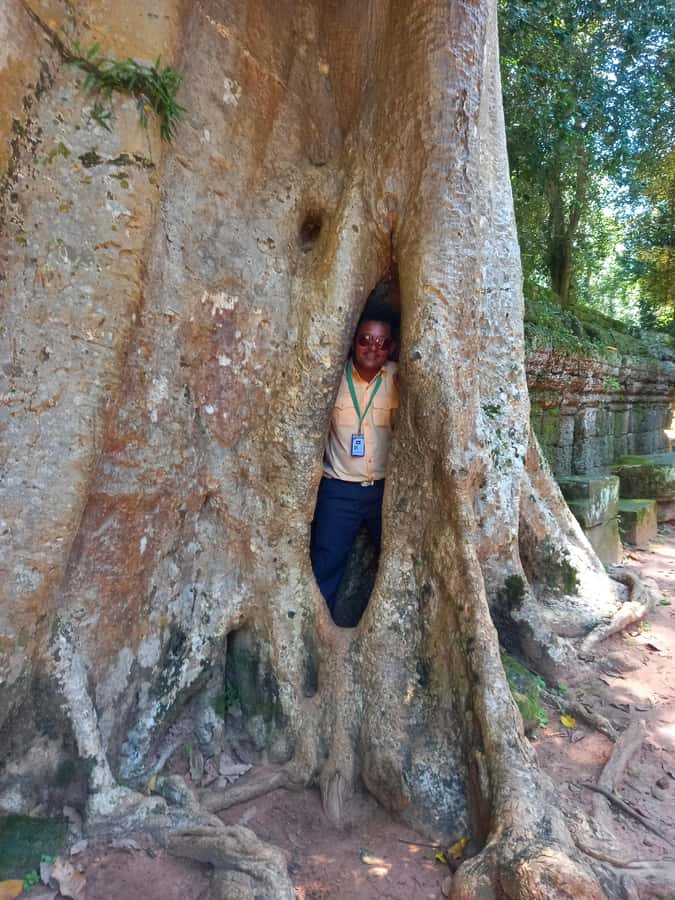
A Spanish-speaking guide named Sem received especially warm praise for explaining the temples in detail. That matters here. Without context, Angkor can become a grand parade of stones, towers, and photographs. With a guide, the faces, gates, carvings, and old city plan begin to make sense.
In This Review
- Key points at a glance
- Why this one-day Angkor route works
- Passing through Angkor Thom’s South Gate
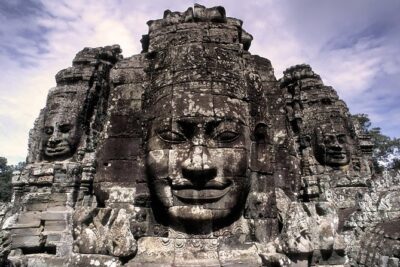
- Bayon and its stone faces
- The Terrace of the Elephants and the Terrace of the Leper Kings
- Ta Prohm, where the jungle takes the stage
- Angkor Wat deserves the afternoon
- What the guide adds to the temples
- Is $50 good value for eight hours?
- What to bring for the temple day
- Who should book this Angkor tour?
- Should you book it?
- FAQ
- How long does the Angkor temple tour last?
- Where does the tour take place?
- Does the tour include hotel pickup?
- Which temples and sites are included?
- What languages are available?
- How many people are in the group?
- How much does the tour cost?
- Can I cancel the booking?
Key points at a glance
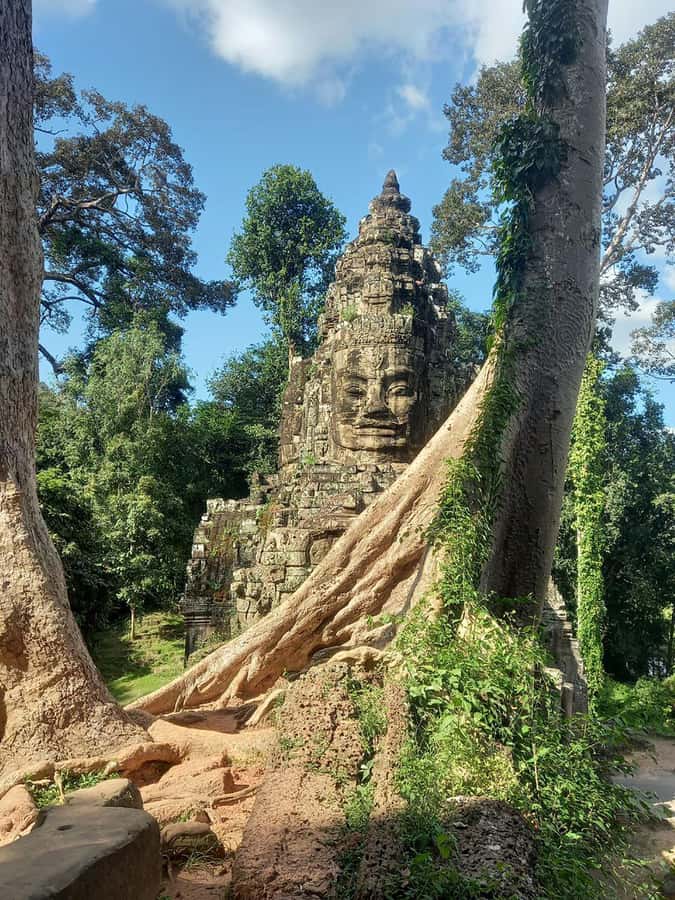
- Enter through Angkor Thom’s South Gate: Cross a causeway lined with gods, demons, and a giant naga.
- See Bayon’s enormous carved faces: The temple’s towers create one of Angkor’s most memorable scenes.
- Walk through two royal terraces: The Terrace of the Elephants and Terrace of the Leper Kings add important detail to the ancient capital.
- Visit Ta Prohm in its jungle setting: This atmospheric temple has remained relatively untouched since its discovery.
- Finish at Angkor Wat: The afternoon visit gives you time to see the complex’s scale, balance, sculpture, and central towers.
- Travel in a small group: With no more than nine participants, the guide can explain details without handling a large crowd.
Why this one-day Angkor route works
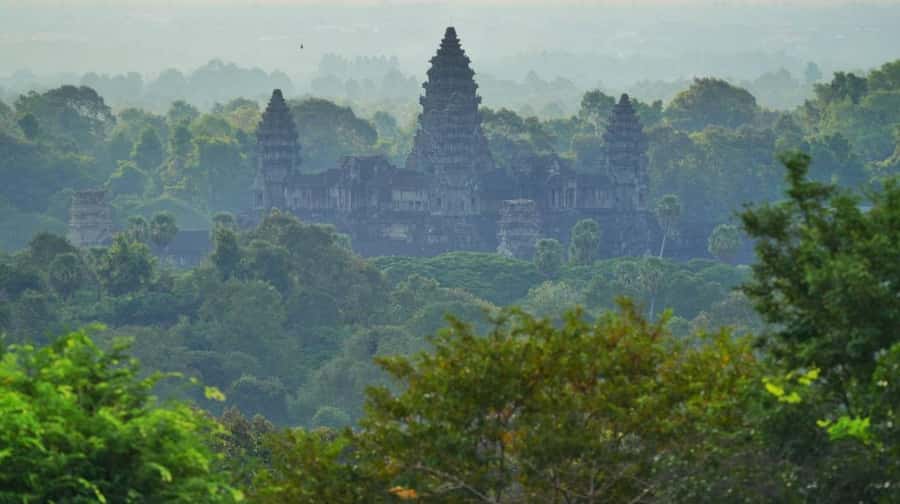
For a first look at Angkor, the route is sensibly built. You begin with Angkor Thom, then move through Bayon and the royal terraces before reaching Ta Prohm. Angkor Wat comes later, giving the day a strong final stop.
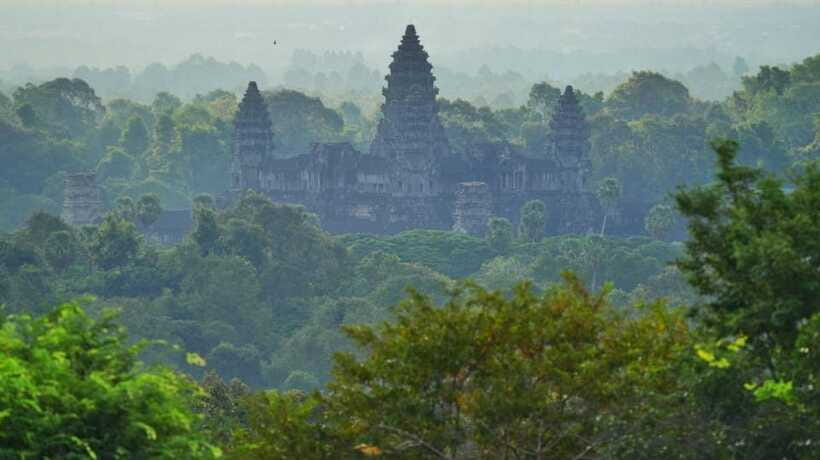
I like this order because each temple offers a different impression. Angkor Thom feels like a fortified royal city. Bayon is more intimate and mysterious, with its repeated stone faces. Ta Prohm delivers the jungle atmosphere many people picture when they think of Angkor. Angkor Wat then opens the scale back up with long galleries, grand proportions, and a huge site spread across 81 hectares.
You are not simply ticking off four names. You are seeing different sides of Khmer architecture and city planning. The route also avoids making Angkor Wat carry the whole day, which is useful because the wider Angkor complex deserves attention too.
The tour starts with pickup at your Siem Reap hotel in the morning. The exact starting time depends on availability, so check the schedule when booking. The day lasts eight hours, which is enough for a strong overview but still requires stamina and sensible planning.
A few more options around Siem Reap worth reading up on
- Angkor Wat Sunrise or Sunset Tour with Guide from Siem Reap
★ 5.0 · 12,109 reviews - Siem Reap: Angkor Wat: Small-Group Sunrise or Sunset Tour
★ 5.0 · 9,444 reviews - From Siem Reap: Kampong Phluk Floating Village Tour by Boat
★ 4.9 · 6,979 reviews
Passing through Angkor Thom’s South Gate
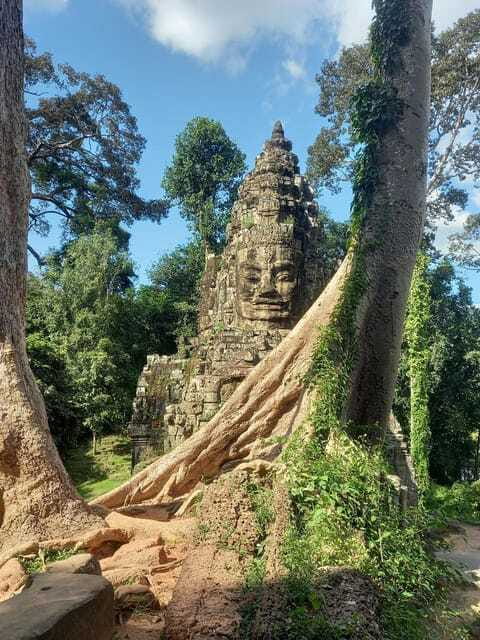
Angkor Thom was an ancient capital enclosed by fortifications and covering about 10 square kilometers. The South Gate provides one of the tour’s most striking entrances, not because it is a quiet back door, but because the approach presents a carefully staged scene.
You cross a causeway lined on both sides by statues of demons and gods. Each side holds a giant naga, the multiheaded serpent found throughout Cambodian religious art. This is a useful place to have a guide because the gate is more than an attractive entrance. Its arrangement presents a visual struggle between opposing forces, with the serpent linking the figures along the causeway.
I would take a moment here before rushing toward the temple. The gate gives you a sense of Angkor Thom as a planned royal center, not just a collection of isolated ruins. You can also begin to appreciate how the road, walls, causeway, and sculpture work together.
The area is large, and that scale can be hard to grasp from a single photograph. A guide can help connect the entrance with the city that once occupied the space beyond it. That is one reason the Spanish-language option is valuable if you understand explanations best in Spanish.
Bayon and its stone faces
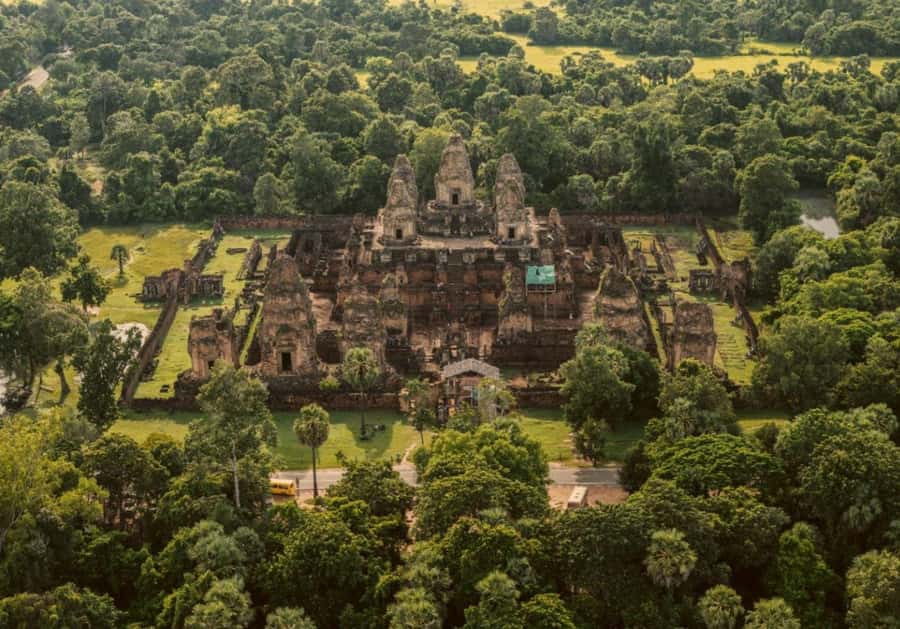
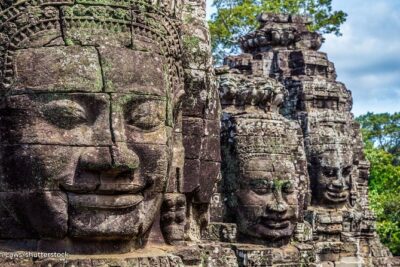
Bayon is the emotional center of the morning. Its towers carry enormous carved faces, with calm expressions that seem to watch from every direction. The effect is strange and memorable. You may feel observed as you move through the temple, even though the faces are carved in stone.
This is a stop where interpretation pays off. The repeated faces can look similar at first, but the experience changes as you move around the towers and through the passageways. I would listen closely to the guide here, especially if you want to understand why Bayon feels so different from Angkor Wat.
The temple is not presented as a clean, open monument. It is a layered space of towers, galleries, narrow routes, and changing views. That makes it exciting, but it can also make orientation difficult. A small group of up to nine people is helpful because you are less likely to lose the guide than in a large tour party.
The guide language is one of the tour’s main strengths. Spanish, Portuguese, and English are available, although some content may appear in its original language. If you need every explanation in Spanish, confirm the language arrangement at booking.
The Terrace of the Elephants and the Terrace of the Leper Kings
After Bayon, the route continues to the Terrace of the Elephants and the Terrace of the Leper Kings. These sites are not as famous worldwide as Angkor Wat or Ta Prohm, but they help explain the ceremonial and royal side of Angkor Thom.
The Terrace of the Elephants is known for its elephant carvings and its connection with the royal center. It is best understood as part of the larger city plan rather than a standalone temple. You can look beyond the carvings and imagine the terrace as a place designed for royal display and formal public life.
The Terrace of the Leper Kings adds another layer of carved stone and symbolism. Its name is memorable, but the terrace deserves more than a quick photograph. Details in the carvings reward a closer look, and a guide can point out features that are easy to pass without context.
These stops also break up the day nicely. Bayon is enclosed and tower-filled. The terraces give you a different view of Angkor Thom, with a stronger sense of open ceremonial space. They may not be the stops you came to Cambodia dreaming about, but they make the famous temples easier to understand.
Something completely different for another day:
- Sunset tour of Kampong Phluk stilts home village on the Tonle Sap
★ 5.0 · 4,865 reviews - Siem Reap: Angkor Wat 2-Day Tour with Sunrise and Sunset
★ 4.9 · 4,429 reviews - Siem Reap: Kampong Phluk Floating Village Tour with Boat
★ 4.9 · 3,843 reviews - Siem Reap: Full-Day Angkor Wat Guided Tour with Sunset
★ 4.9 · 3,803 reviews
Ta Prohm, where the jungle takes the stage
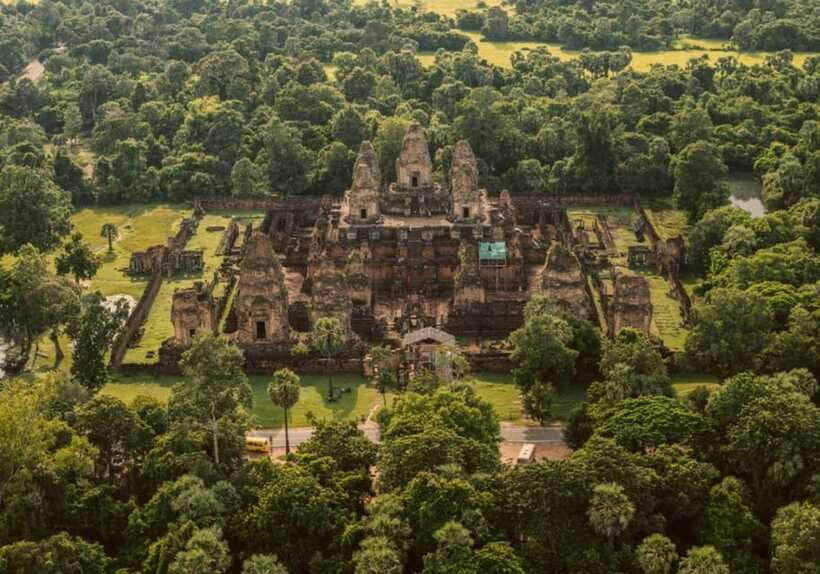
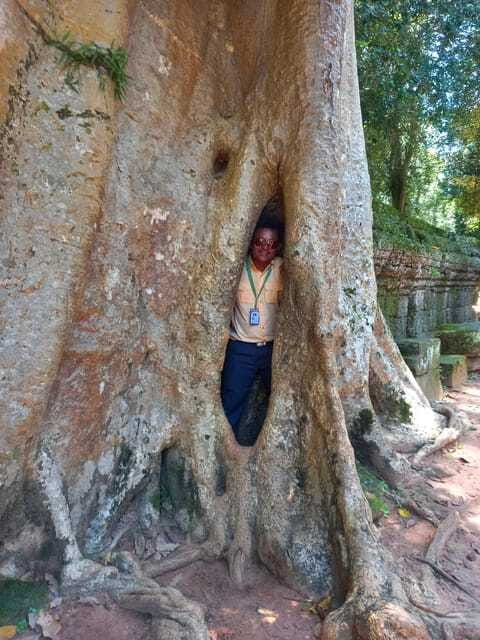
Ta Prohm is the day’s most atmospheric stop. It is a beautiful temple in the jungle that has remained relatively untouched since its discovery. Its appeal comes from the meeting of architecture and vegetation, with the temple’s stonework set against the surrounding trees.
The key word here is atmosphere. Angkor Wat impresses through order and scale. Ta Prohm feels less controlled. The temple gives you a glimpse of how the ruins might have appeared before restoration and tourism reshaped the experience.
I would not treat Ta Prohm as a quick photo stop. Look at the doorways, galleries, and damaged sections as well as the trees. The contrast between carefully carved stone and the natural setting is what makes this temple memorable.
The drawback is that this kind of setting can make the route feel crowded or slow at certain moments, though the supplied tour information does not specify crowd levels. You should also remember that the day includes several temples before Ta Prohm. If you spend too much time at every early stop, you may feel pressed later.
Angkor Wat deserves the afternoon
Angkor Wat is the grand finale and the reason many people come to Siem Reap. The complex covers 81 hectares, a size compared with the Imperial Palace in Beijing. That figure helps explain why you should not think of the visit as a quick look at one building.
The site’s power comes from control. Its composition, balance, proportions, and sculptural detail work together with remarkable precision. From broad views to carved surfaces, Angkor Wat rewards both the camera and the careful eye.
I like having Angkor Wat later in the day because the morning is spent building context. By the time you arrive, you have already seen an ancient capital, a face-covered temple, royal terraces, and a jungle ruin. Angkor Wat then feels like part of a wider world rather than an isolated wonder.
The afternoon timing also makes this tour different from sunrise-focused alternatives. If a sunrise photograph is your main goal, this is not the right format. If you prefer a standard morning pickup and a full-day route that ends with the most famous temple, the timing is practical.
Allow yourself to feel the scale of the grounds. The complex is large, and its design is meant to be read from more than one position. You may find that the broad view gives you the strongest sense of the monument, while the details reward patient attention.
What the guide adds to the temples
A guide can change the quality of this experience. The temples are visually powerful, but their meaning is not always obvious from the stones alone. A good explanation helps you notice how the gates, faces, terraces, carvings, and temple plans relate to one another.
The strongest direct feedback available for this tour praises the guide’s detailed explanations. Sem is the guide specifically named in the feedback, and the praise points to the central benefit of guided sightseeing here: better understanding of the temple stories and history.
That is especially useful at Bayon and the terraces, where the visual details can blur together without help. It is also useful at Angkor Wat, where the sheer size can distract you from the design choices that make the monument so important.
Because the group is limited to nine participants, the format should feel more personal than a large coach excursion. The available information does not promise private guiding, so you should still expect to share the guide’s attention. Even so, a small group is a good middle ground for people who want guidance without paying for a fully private tour.
The rating is 4.3 from four reviews, with two available reviews giving the experience five stars. One Spanish-speaking participant specifically described the excursion as highly recommendable and praised the help a guide provides in understanding the temples. Another Spanish-speaking participant simply reported that everything went well. The sample is small, but the praise is focused and useful rather than vague.
Is $50 good value for eight hours?
At $50 per person, this tour is priced as a practical shared experience rather than a luxury outing. Its value comes from the combination of hotel pickup, an eight-hour schedule, a live guide, and access to a small group capped at nine people.
I would consider it good value if you want the major Angkor sights in one organized day and prefer explanations in Spanish, Portuguese, or English. You are paying for structure as much as transport. Someone else handles the sequence, and the guide gives the sites a story.
The value is weaker if you want complete control over timing. A shared tour follows its planned route, so you cannot assume you will linger as long as you like at one temple. The itinerary is also ambitious. Four major areas in eight hours means you get a useful overview, not unlimited time for detailed photography or quiet exploration.
The information provided does not say whether the Angkor admission ticket, meals, or drinks are included. Do not assume those extras are covered in the $50 price. Check the booking details before paying, and plan to bring drinks as advised.
Free cancellation up to 24 hours before the tour gives you a reasonable safety net. You can also reserve now and pay later, which helps if your Siem Reap plans are still changing.
What to bring for the temple day
The practical advice is simple. Bring drinks, a jacket, internet access, a GPS or map, and a pen. The jacket may be useful during the day’s transport or at the temples, while drinks are an obvious help during an eight-hour outing.
Internet access and a map may seem unnecessary with a guide, but they can help you keep track of the route and meeting points. A pen is an unusual item on the list, yet it may be useful for notes if you want to record temple names or details from the guide.
Pets are not allowed. The tour is also listed as unsuitable for people over 331 pounds, or 150 kilograms. These are worth checking before booking rather than discovering a restriction on the day.
The supplied information does not specify transport type, meal arrangements, accessibility details, or a full clothing policy. I would confirm those points directly if any are important to you.
Who should book this Angkor tour?
This tour suits a first-time visitor who wants the essential Angkor route without arranging every detail alone. It is especially useful if you want a Spanish-speaking guide and appreciate historical explanation rather than simply being driven between photo stops.
It also suits people who like small groups. Nine participants is large enough to keep the price down and small enough for the guide to remain within reach. The two highly positive comments focus on the guide’s explanations, so I would choose this option if learning about the temples matters to you.
It may not suit you if you want sunrise at Angkor Wat, a private vehicle and guide, or two full days among the ruins. Several alternative formats offer sunrise, sunset, private touring, or a two-day route. Those choices make more sense if you want slower pacing or a specific time of day.
Should you book it?
Book this tour if you want a well-rounded first day at Angkor, prefer a shared price of $50, and value a live guide in Spanish, Portuguese, or English. The route gives you the ancient city, Bayon’s faces, two royal terraces, Ta Prohm’s jungle setting, and Angkor Wat in one eight-hour outing.
Choose another format if sunrise photography, private timing, or a slower two-day visit matters more than covering the main sites efficiently. For many first visits, though, this is a sensible introduction, and Sem’s detailed guiding shows why a little explanation can turn impressive ruins into places you actually understand.
FAQ
How long does the Angkor temple tour last?
The tour lasts eight hours.
Where does the tour take place?
The tour takes place in Siem Reap Province, Cambodia, and includes major sites in the Angkor area.
Does the tour include hotel pickup?
Yes. Pickup from your hotel in Siem Reap takes place in the morning.
Which temples and sites are included?
The route includes Angkor Thom, the South Gate of Angkor Thom, Bayon, the Terrace of the Elephants, the Terrace of the Leper Kings, Ta Prohm, and Angkor Wat.
What languages are available?
The live guide is available in Spanish, Portuguese, and English. Some content may be shown in its original language.
How many people are in the group?
The tour is a small-group experience limited to nine participants.
How much does the tour cost?
The listed price is $50 per person.
Can I cancel the booking?
Yes. You can cancel up to 24 hours in advance for a full refund. The tour also offers reserve now and pay later booking.
Newest reviews from Siem Reap
- War Museum, Killing Field, and APOPO Hero RATs Tour★ 5.0 · 7 reviews
- Angkor Wat at Sunrise★ 4.0 · 7 reviews
- Siem Reap Angkor Airport Taxis (from Airport to Hotel)★ 5.0 · 44 reviews
- Cambodian Cooking Class and Oxcart Ride with Local Village Tour★ 5.0 · 4 reviews
- Secret Temples of Angkor – Guided Tour in Siem Reap★ 5.0 · 6 reviews
- Short Cycling at Countryside★ 5.0 · 29 reviews
- SIEM REAP E-BIKE HALF-DAY COUNTRYSIDE (25-30 km)★ 4.0 · 1 review
- Unveiling the Mystical Beauty of Phnom Kulen National Park★ 5.0 · 6 reviews
Guided, compared.
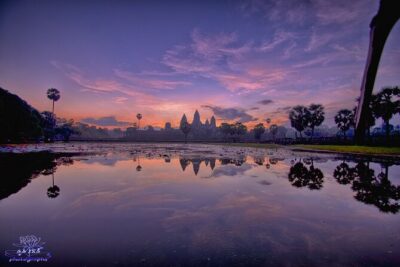
Angkor Wat Sunrise or Sunset Tour with Guide from Siem Reap
Read our review →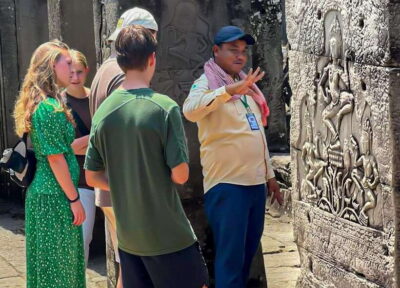
Angkor Wat Sunrise tour with Small – Group and Guide tours
Read our review →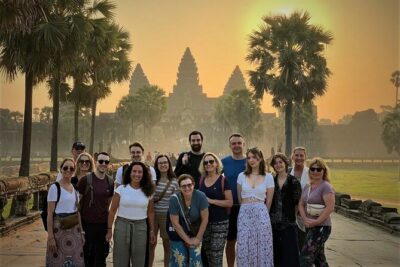
Angkor Wat Highlights and Sunrise Guided Tour from Siem Reap
Read our review →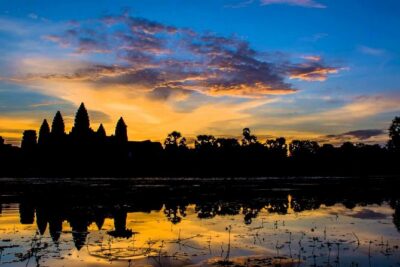
Full-Day Angkor Wat Sunrise Private Tour with Guide from Siem Reap
Read our review →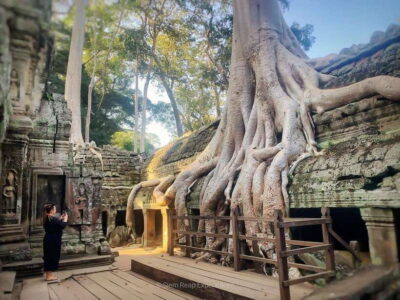
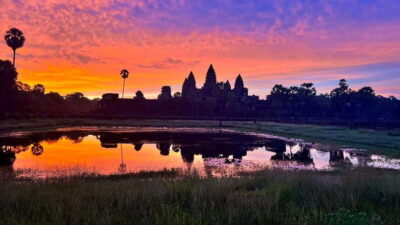
Angkor Wat: Highlights and Sunrise Guided Tour
Read our review →