
Reviewed · ANGKOR WAT SUNRISE TOURS
Private 2 Days Angkor Wat Sunrise and Discover all Major Temples
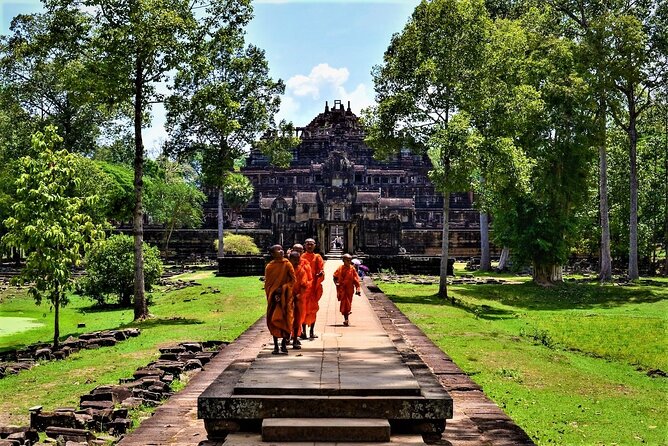
Wake before dawn, and Cambodia’s ancient capital begins to make sense. This private two-day tour gives you Angkor Wat at sunrise, the famous stone faces of Bayon, delicate carvings at Banteay Srei, and a long list of major temples without the strain of arranging transport yourself. I like the private format and the mix of famous sights with quieter stops such as Ta Nei and Banteay Kdei. I also like having an English-speaking guide, bottled water, cool towels, and an air-conditioned vehicle waiting between temples. The main drawback is the pace: the schedule is packed, and the Angkor Pass and meals cost extra.
This suits you if you want to cover a great deal in two days and prefer a guide who can explain what you are seeing. It is less suited to anyone who wants slow temple visits, long café breaks, or complete control over every stop. The advertised price is $149.46 per person, but you need to budget separately for temple admission, lunch, and tips.
In This Review
- Five details that shape the experience
- What the two-day route is really like
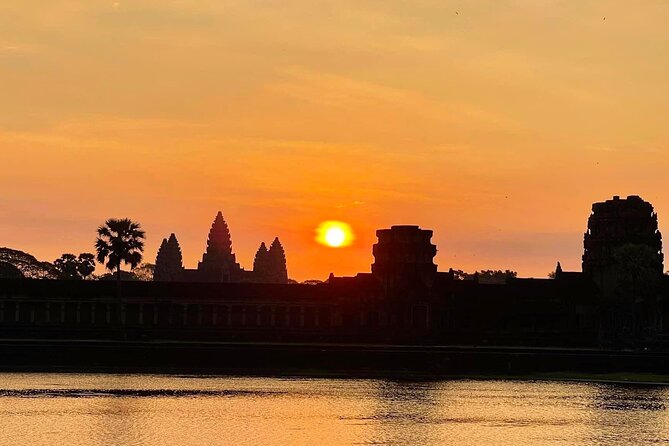
- Day one begins before sunrise at Angkor Wat
- South Gate and the royal center of Angkor Thom
- Bayon, Baphuon, and the royal terraces
- Ta Nei and Banteay Kdei bring a quieter finish
- Day two moves beyond the central temples
- Preah Khan and the water temples
- Eastern Mebon and Pre Rup close the route
- Guide quality matters more than the vehicle
- Is $149.46 per person good value?
- Who should book this two-day tour?
- Final booking advice
- FAQ
- How long does the tour last?
- What time does the first day begin?
- Is hotel pickup included?
- Is this a private tour?
- Is transportation air-conditioned?
- Are drinks provided?
- Is the Angkor Pass included in the price?
- Are meals included?
- Can I cancel for a full refund?
Five details that shape the experience
- A 4:30 a.m. start at Angkor Wat: You leave early for the best-known sunrise view in the park, so prepare for a very short night.
- A genuinely private tour: Only your own group participates, which allows some flexibility in timing and interests.
- Twenty or more temple and cultural stops: The route includes the central Angkor Thom complex, remote ruins, outer temples, and a village stop.
- Comfort between long walks: Every transfer is in a private air-conditioned vehicle, with bottled water and cool towels supplied.
- A guide-led look at Khmer history: Guides such as Sara and Leap have been praised for clear English, useful explanations, and friendly care.
- A low headline price with extra costs: The $149.46 rate does not include the Angkor Pass, meals, or gratuities.
What the two-day route is really like
Angkor is not one temple. It is an enormous archaeological area spread across roughly 390 square miles, or 1,000 square kilometers. That scale matters. A private vehicle saves time, keeps you out of the heat between stops, and makes a route with this many monuments practical.
You will spend much of the day walking over uneven stone, climbing steps, and standing in the sun. The vehicle is not just a luxury here. It gives you a place to cool down, drink water, and reset before the next monument.
The private setup also changes the feel of the day. You are not tied to a large group waiting for a late person or listening to a guide through a crowd. You can ask for more detail at a favorite temple, and the guide can adjust the rhythm to your group. The schedule is still ambitious, so private does not mean leisurely.
More ways to see Angkor Wat:
- Angkor Wat Sunrise or Sunset Tour with Guide from Siem Reap
★ 5.0 · 12,109 reviews - Siem Reap: Angkor Wat: Small-Group Sunrise or Sunset Tour
★ 5.0 · 9,444 reviews - Siem Reap: Angkor Wat 2-Day Tour with Sunrise and Sunset
★ 4.9 · 4,429 reviews
Day one begins before sunrise at Angkor Wat
Pickup is arranged from your hotel, with the departure listed at about 4:30 a.m. That early start is the price of seeing Angkor Wat before the main heat of the day. Bring only what you need, and plan your evening before the tour around sleep.
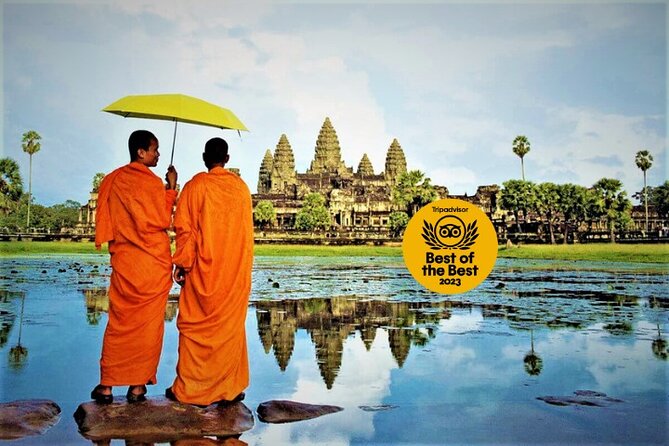
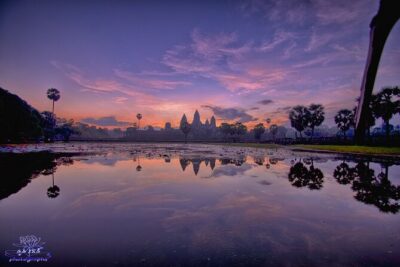
Angkor Wat is Cambodia’s national emblem and the most famous monument in the complex. Its five-tower silhouette is instantly recognizable, though the frontal view can make it appear to have only three towers. Sunrise is the obvious draw, but the visit also gives your guide a useful place to explain the temple’s design, religious purpose, and role in Khmer history.
Allow two hours here. That sounds generous, but Angkor Wat is large, and the visit involves more than taking one photograph from the reflecting pool. The drawback is that sunrise is a popular moment, so you should expect other people sharing the view. The tour description promises sunrise and sunset from strong viewpoints, but the day-by-day schedule does not identify a separate sunset stop. If sunset is important to you, confirm the exact viewpoint and timing before departure.
South Gate and the royal center of Angkor Thom
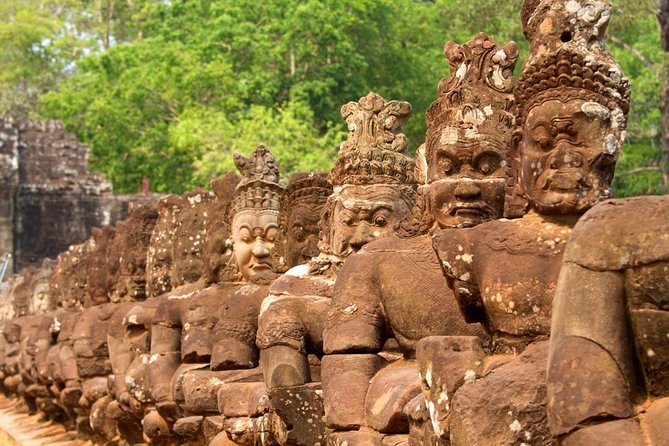
The South Gate of Angkor Thom is a fine transition from Angkor Wat to the walled royal city. A stone causeway crosses the moat, lined with rows of giant figures holding a serpent. The causeway and sculptures are among the best-preserved parts of this entrance.
You have about 40 minutes here. That is enough to study the gate, take photographs, and hear the basic story of the figures, but not enough for a slow architectural examination. Since this is an active entry point, your guide’s explanation helps you focus on the details rather than simply passing through.
Angkor Thom means Great City or Great Capital. It served as the Khmer capital after Angkor Wat was built, and its central monuments reveal a different period of Khmer power. The stop is listed for about 40 minutes, followed by more focused visits inside the city.
Bayon, Baphuon, and the royal terraces
Bayon is the emotional center of day one for many people. Built around 1200 in the middle of Angkor Thom, it is known for its many large stone faces. You get about 90 minutes here, which is useful because Bayon can feel confusing at first. Towers, galleries, narrow passages, and faces appear from different angles, and a good guide can point out what deserves your attention.
The faces are the main attraction, but the carved galleries also matter. Ask your guide to connect the carvings to daily life, warfare, and royal imagery. This is one of the stops where Sara or Leap’s clear English and command of the subject can make a real difference.
Baphuon is only about 300 metres northwest of Bayon. It was once the largest Khmer temple before Angkor Wat was built, and you have about an hour to explore it. Its scale is impressive, but the climb and exposed setting can make this visit tiring after the early start. Take your time on the approach, and do not treat it as just another quick photograph.
Phimeanakas, meaning Aerial Palace or Celestial Temple, receives only 20 minutes. It is a brief stop, but it adds context to the royal center. You will not have time for a detailed examination, so listen for the key points from your guide and save your energy for the next monuments.
The Terrace of the Elephants forms much of the western edge of Angkor Thom’s Royal Square. Its carved elephants and long platform made it part of the public and ceremonial heart of the capital. Thirty minutes is enough for a walk along the face of the terrace and a short explanation.
Immediately north is the Terrace of the Leper King. It is smaller, more enclosed, and worth studying for its carved figures. Another 30 minutes is planned here. The two terraces work well together because they show how royal spaces were arranged, rather than presenting another isolated temple.
More sunrise starts at Angkor Wat:
- Angkor Wat Sunrise tour with Small – Group and Guide tours
★ 5.0 · 3,655 reviews - Full-Day Angkor Wat Sunrise Private Tour with Guide from Siem Reap
★ 5.0 · 2,920 reviews - Angkor Wat Sunrise & 3 Main Temples with Breakfast – Small Group
★ 5.0 · 2,857 reviews - Siem Reap: Angkor Wat Sunrise and Full-Day Sightseeing Tour
★ 4.9 · 2,828 reviews
Ta Nei and Banteay Kdei bring a quieter finish
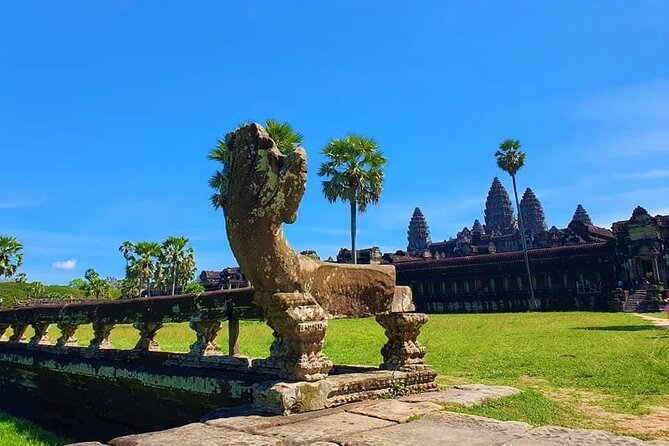
Ta Nei is a late 12th-century stone temple built during the reign of Jayavarman VII and dedicated to the Buddha. The visit lasts about 50 minutes. Its appeal is its quieter, more remote character compared with Bayon and Angkor Wat. Do not expect the same scale as the major monuments. Its value is in the atmosphere and in seeing a less polished part of the Angkor complex.
Banteay Kdei receives another 50 minutes. Its eastern entrance is close to the meeting point of the Small Circuit and Grand Circuit, with the Srah Srang reservoir across the road. The temple gives you another look at the building style associated with Jayavarman VII, and the setting near the reservoir adds a welcome change after the dense central monuments.
By this point, day one has covered a lot of ground. You will have seen the park’s most famous temple, the royal city, major state monuments, and two less-visited sites. The tradeoff is fatigue. A private guide can help by shortening a stop or changing the pace, but the advertised route remains full.
Day two moves beyond the central temples

Day two begins with Banteay Srei, roughly outside the central concentration of Angkor’s best-known monuments. Two hours are planned here, making it one of the longest visits of the trip.
Banteay Srei is famous for its fine carved details and smaller scale. It is often singled out as one of Cambodia’s most beautiful temples, especially for the precision of its decoration. The longer visit is justified because you need time to notice the carvings instead of viewing the temple from a distance.
Banteay Samre follows, with about 50 minutes. Built in the early 12th century under Suryavarman II and Yasovarman II, it is a Hindu temple east of the East Baray. Its architecture gives you a useful comparison with the later monuments from Jayavarman VII’s reign. The outer location also helps break up the central circuit.
A stop at Preah Dak Village is included for local souvenirs, objects, and arts, along with a chance to see a more natural side of the area. The description does not assign a fixed duration, so treat this as a flexible cultural pause rather than a major temple visit. If you prefer ruins to shopping, tell your guide how much time you want here.
Preah Khan and the water temples
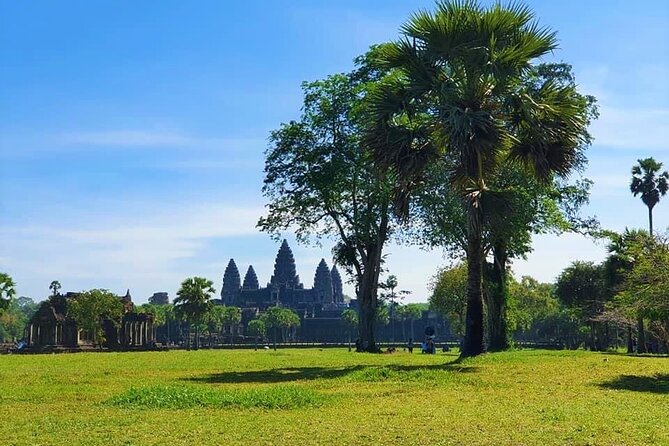
Preah Khan was dedicated in 1191 to the father of King Jayavarman VII. Its central statue was called Jayavarmeshvara, meaning Jayavarman, Lord of the world. One hour is planned, giving you enough time to see its long corridors and layered spaces without racing through.
Preah Khan is particularly useful for understanding how a major temple could serve religious, royal, and commemorative purposes at once. It is also a good place to ask questions, since the guide can connect the monument to Jayavarman VII’s building program and the wider story of the Khmer Empire.
Neak Pean is unlike the other temples on this route. It was built on an artificial island in a large reservoir, and its layout does not follow the usual mountain-temple pattern. The visit lasts about an hour. The water setting and unusual plan provide a pause from towers, galleries, and stairways.
Ta Som comes next for about 40 minutes. Built during the late 12th century by Jayavarman VII, its original purpose is not certain, though it may have been dedicated to the king’s father or one of his teachers. This is a shorter visit, but it fits well after the larger Preah Khan and the unusual Neak Pean.
Eastern Mebon and Pre Rup close the route
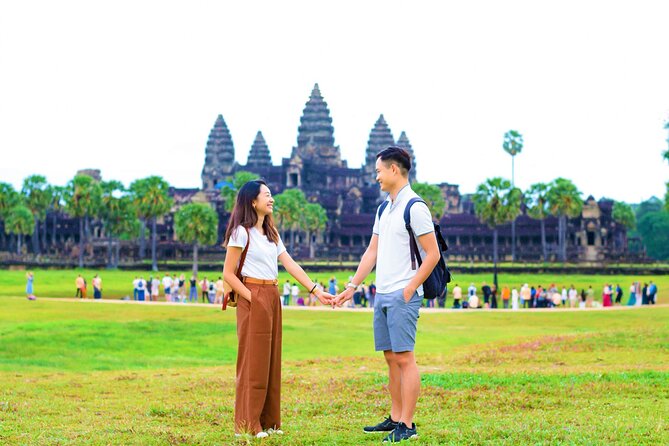
Eastern Mebon is a 10th-century mountain temple built by Rajendravarman II and dedicated to Shiva. Only 30 minutes are scheduled. That is enough for an overview and photographs, though you may wish the visit were longer if you enjoy early Angkor architecture.
Pre Rup receives an hour and makes a strong final temple stop. Founded in 961, it is the major surviving monument associated with Rajendravarman II. Its stepped form and elevated position give it a different feel from the enclosed galleries of Bayon or Preah Khan.
The route’s chronological range is one of its best features. You are not simply collecting famous names. You are moving from early Angkor monuments to the great 12th-century building programs, then to the later works of Jayavarman VII. A guide who explains those changes can turn a busy sightseeing plan into a coherent story.
Guide quality matters more than the vehicle
The tour includes an officially licensed guide with excellent English, and the guide is central to its value. Names praised in the feedback include Sara and Leap. Sara is described as well informed, friendly, and willing to shape the day around personal interests. Leap is praised for clear English and for making the history understandable.
The drivers also receive strong praise. Mr La, Ry, Pheap, Paul, and Sophal are described as careful, kind, professional, and attentive. One account specifically describes a family with two young children feeling safe throughout the two days. That is useful if you are traveling with children or simply want calm, reliable transfers after long temple walks.
The private car has air conditioning, and bottled water and cool towels are included. Lunch is not included, but local restaurants offer vegetarian and non-vegetarian dishes, generally priced at $3 to $10 per dish. You should also plan for gratuities, since tips for the guide and driver are separate.
Is $149.46 per person good value?
At $149.46 per person, the price is attractive for two full days of private transport, hotel pickup and drop-off, a licensed English-speaking guide, water, cool towels, service charges, and government VAT. The private format is the key value. You are paying for personal transport and guidance rather than joining a large coach group.
The price is not all-inclusive. The Angkor Pass is extra and covers the temples on the route. The guide assists with buying it at the Angkor Park entrance, which removes some hassle, but you still pay the admission cost separately. Meals and tips are also extra.
For a first visit to Siem Reap, this can be good value if you want the major monuments covered efficiently and do not want to negotiate transport each morning. If you already know the temples well, or you want to spend half a day at only one or two sites, a shorter private arrangement might suit you better.
Who should book this two-day tour?
I would choose this tour if you have only two days for Angkor and want both the headline monuments and a few less central stops. It is also a good fit for families, couples, and small private groups that value an air-conditioned vehicle and the ability to discuss interests with one guide.
You should be comfortable with an early start, long sightseeing days, and a schedule that includes many stops. The route is not designed for a slow, contemplative visit at every temple. It is designed to give you a broad, well-supported introduction to Angkor.
The tour has a 4.9 rating from 23 reviews and is recommended by 96 percent of bookers. The strongest pattern is consistent: guides and drivers are praised for friendliness, English, historical explanations, flexibility, and care. That is exactly where this experience earns its value.
Final booking advice
Book it if you want to see Angkor Wat at sunrise, cover the central temples, reach Banteay Srei and the outer monuments, and keep transport simple. The private format, careful drivers, and guides such as Sara or Leap make a demanding two days easier to manage.
Before paying, confirm the sunset plan, since sunset is promoted but no separate sunset stop appears in the detailed schedule. Also set aside money for the Angkor Pass, lunches, and tips. If those extras fit your budget and you welcome a full route, this is a strong practical choice for a first Angkor visit. If you prefer unhurried temple time, ask about trimming the schedule to match your pace.
FAQ
How long does the tour last?
The experience lasts approximately two days, with a full itinerary of temples and cultural stops across the Angkor archaeological area.
What time does the first day begin?
The first day begins at about 4:30 a.m. for the sunrise visit at Angkor Wat.
Is hotel pickup included?
Yes. Pickup and drop-off at your hotel are included. You need to provide the hotel name for pickup arrangements.
Is this a private tour?
Yes. Only your group participates in the activity.
Is transportation air-conditioned?
Yes. All private transfers use an air-conditioned vehicle.
Are drinks provided?
Bottled water and cool towels are included during the tour.
Is the Angkor Pass included in the price?
No. The Angkor Pass is not included. It covers the temples in the itinerary, and the guide assists with purchasing it at the entrance to Angkor Park.
Are meals included?
No. Meals are at your own expense. Lunch is available at local restaurants, with vegetarian and non-vegetarian choices priced at about $3 to $10 per dish.
Can I cancel for a full refund?
Yes, if you cancel at least 24 hours before the experience start time. Cancellations or changes made less than 24 hours in advance are not refunded.
More Sunrise Tours in Siem Reap
- Angkor Wat Highlights and Sunrise Guided Tour from Siem Reap
★ 5.0 · 3,213 reviews - Angkor 2-Day Sunset & Sunrise Small-Group Tour
★ 5.0 · 2,567 reviews - Siem Reap: Angkor Wat Sunrise or Sunset Guided Tour
★ 4.9 · 2,123 reviews - Angkor Wat: Highlights and Sunrise Guided Tour
★ 4.9 · 1,586 reviews
Newest reviews from Siem Reap
- War Museum, Killing Field, and APOPO Hero RATs Tour★ 5.0 · 7 reviews
- Angkor Wat at Sunrise★ 4.0 · 7 reviews
- Siem Reap Angkor Airport Taxis (from Airport to Hotel)★ 5.0 · 44 reviews
- Cambodian Cooking Class and Oxcart Ride with Local Village Tour★ 5.0 · 4 reviews
- Secret Temples of Angkor – Guided Tour in Siem Reap★ 5.0 · 6 reviews
- Short Cycling at Countryside★ 5.0 · 29 reviews
- Unveiling the Mystical Beauty of Phnom Kulen National Park★ 5.0 · 6 reviews
- Khmer Cooking Class in Cambodia★ 5.0 · 36 reviews
Angkor Wat Sunrise Tours, compared.
Angkor Wat Sunrise or Sunset Tour with Guide from Siem Reap
Read our review →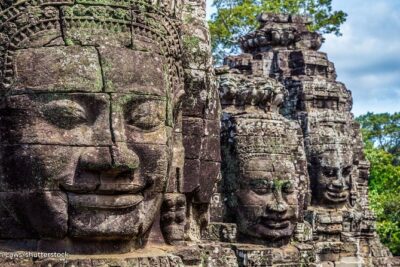
Angkor Wat Sunrise tour with Small – Group and Guide tours
Read our review →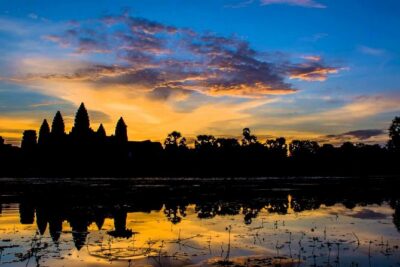
Full-Day Angkor Wat Sunrise Private Tour with Guide from Siem Reap
Read our review →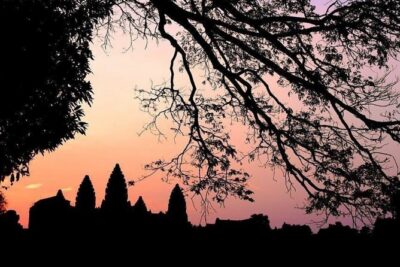
Angkor Wat Sunrise & 3 Main Temples with Breakfast – Small Group
Read our review →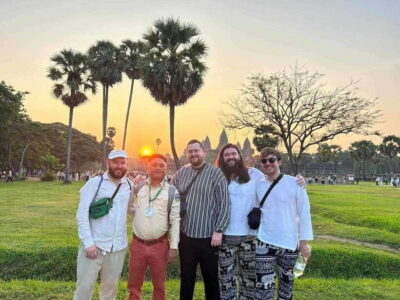
Angkor Wat Sunrise and Full-Day Sightseeing Tour
Read our review →
Siem Reap Tour: Angkor Wat Sunrise, Bayon, Ta Prohm, Banteay Srei
Read our review →
Angkor Wat Sunrise Explore The Most Iconic Temples
Read our review →Browse the lists this tour appears in