
Reviewed · BATTAMBANG TOURS
Morning Tour,Ak Phnom temple,Rice wine,Rice Paper, killing Field
Battambang rewards curiosity. This $20 tuk-tuk tour takes you beyond town to Ek Phnom temple, rice-based village workshops, a local rice-wine stop, and Wat Samrong Khong. I like the mix of ancient stonework and everyday Cambodian life, and I also like having an English-speaking guide to explain the customs, history, and difficult parts of the region’s past. The main drawback is that the description is unclear about timing and extra fees, so you should confirm the exact schedule before booking.
I also appreciate the small group size, capped at 10 people, and the relaxed tuk-tuk transport. Guides such as Pao, Pov, and Yi Yong have earned strong praise for their humor, English, enthusiasm, and care. The tour can be a very good introduction to Battambang, but some stops include admission or tasting costs that are not covered by the $20 price.
In This Review
- Key points before you book
- What this $20 Battambang tour is really about
- Riding north to Ek Phnom temple
- Seeing the giant Buddha near Ek Phnom
- Rice fields and bamboo sticky rice
- Rice paper, dried banana, and banana chips
- Tasting rice wine in the countryside
- Wat Samrong Khong and the killing field
- The guides: Pao, Pov, and Yi Yong
- Group size, inclusions, and extra costs
- Morning timing and practical advice
- Who should book this experience?
- Should you book the $20 Battambang tour?
- FAQ
- How much does the Battambang tour cost?
- How long does the experience last?
- What transport is included?
- Is hotel pickup available?
- Is breakfast included?
- Are entrance tickets and other fees included?
- What places does the tour visit?
- How many people can join the tour?
- Can I cancel for a full refund?
Key points before you book

- Ek Phnom temple: See an 11th-century Angkor-style ruin about 15 kilometers northwest of Battambang.
- Local food production: Watch villagers make bamboo sticky rice, rice paper, dried banana, and banana chips.
- Rice wine tasting: A short stop gives you a taste of a traditional Cambodian product.
- Wat Samrong Khong: Visit a former prison and killing field, an important but somber part of the day.
- Small-group tuk-tuk ride: Transport, a guide, and water are included, with no more than 10 people.
- Morning is best: The heat can become uncomfortable, especially when visiting open temple grounds and rural sites.
What this $20 Battambang tour is really about
At first glance, this looks like a temple excursion. It is more useful to think of it as a short tour of the area around Battambang, with the temple as one part of a wider picture.
You will pass rice fields and rural villages before reaching several small businesses making products from rice and bananas. These stops show how local ingredients become food, drink, and household goods. They also give you a reason to slow down and look at work that is easy to miss when you travel only between major sights.
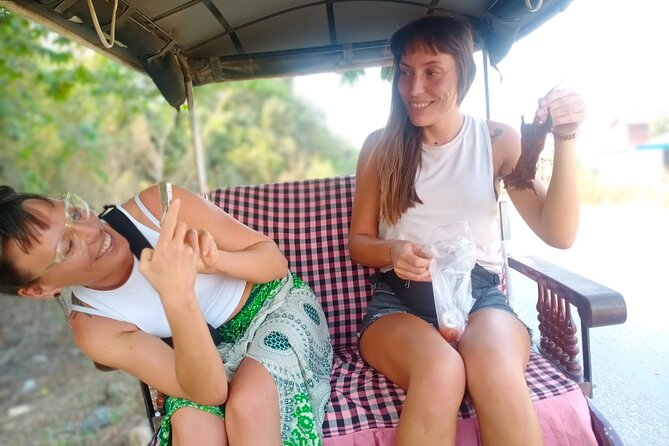
The tuk-tuk matters here. You are not sealed inside a bus, so you can see the fields, houses, roads, and village activity as you move between stops. It is a simple form of transport, but it suits this outing well. You get shade, open air, and a closer view of the countryside.
The experience is advertised at $20, which is a fair price for shared transport, a guide, water, and several stops outside Battambang. The value depends on what you want. If you only want a quick temple visit, arranging transport yourself may cost less. If you want explanations and a planned route that connects history with local production, the price makes more sense.
One point needs clarification: the supplied details describe a morning or half-day tour, while the duration also appears as approximately two days, and some descriptions refer to a full-day outing. Confirm whether your booking is the morning half-day route or a longer version. This is especially important because the stops and extra charges may differ.
A few more options around Battambang worth reading up on
- Battambang: Tuk-Tuk, Bamboo Train, Killing/Bat Caves, Sunset
★ 4.9 · 1,436 reviews - Battambang Tuk Tuk tour: Bambootrain, Killing & Bat Caves,Sunset
★ 5.0 · 799 reviews - Afternoon tour by tuk tuk to bamboo train,bat cave,killing cave,countryside.
★ 5.0 · 344 reviews
Riding north to Ek Phnom temple
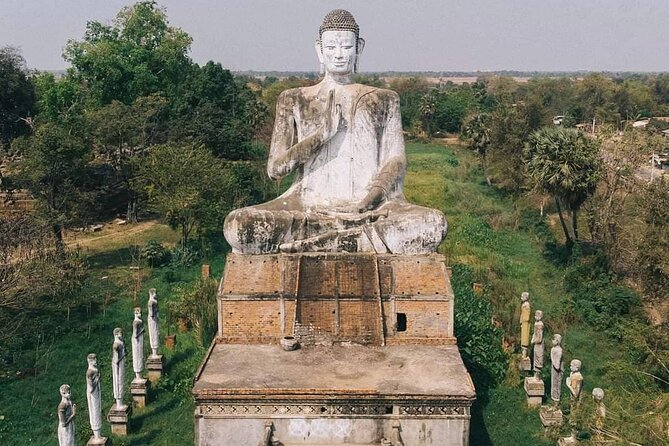
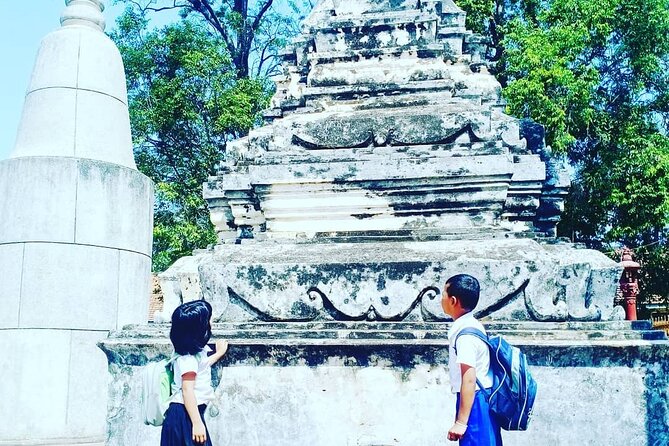
The first major sight is Ek Phnom, also written as Ak Phnom in some descriptions. It sits about 15 kilometers northwest of Battambang and dates from the 11th century. The ruins follow the Angkor-era temple style, so this is the historical center of the outing.
Do not expect Angkor Wat on this scale. Ek Phnom is a smaller ruin, and its appeal comes from the setting and the chance to study an ancient temple without spending a full day at a major archaeological complex. You can look closely at the stonework, see how the structure has aged, and hear how Buddhist and Hindu traditions connect in Cambodia.
A good guide makes a real difference here. Yi Yong is praised for explaining Buddhism, Hinduism, and the way those traditions relate in Cambodia. Pao and Pov are also repeatedly praised for explaining the country’s past in clear English and with plenty of energy.
That human explanation is important. Without it, Ek Phnom can seem like a pile of old stones surrounded by open countryside. With context, you begin to understand the religious ideas and artistic traditions behind the ruin.
The temple stop may be difficult for anyone who wants a polished, fully restored monument. Part of the attraction is precisely that it feels old and weathered. You should also expect heat, especially if your visit runs later in the day. A morning departure is the sensible choice.
Seeing the giant Buddha near Ek Phnom
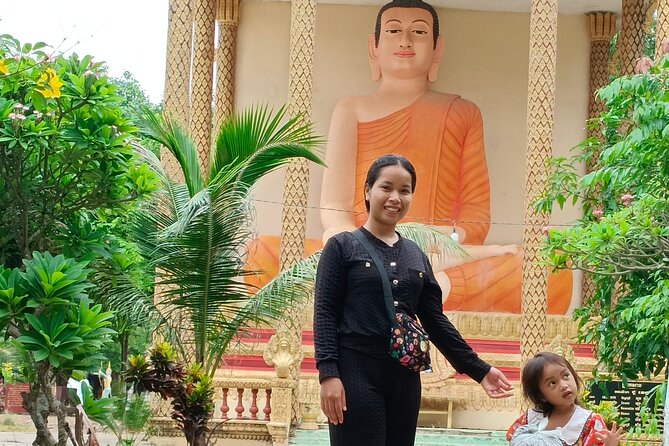
The route also includes a giant Buddha statue near the temple area. This creates a sharp contrast with the older ruin. The ancient temple points back to Cambodia’s earlier religious traditions, while the large Buddha reflects the country’s continuing Buddhist identity.
I like this pairing because it gives you two different ways to read the same area. You see the remains of an older sacred site, then a modern expression of faith that is much larger and easier to photograph from a distance.
The available information does not give exact visiting times or the precise length of this stop. Treat it as part of the Ek Phnom area rather than a separate major attraction. Your guide should explain how it connects to the surrounding religious sites.
Rice fields and bamboo sticky rice

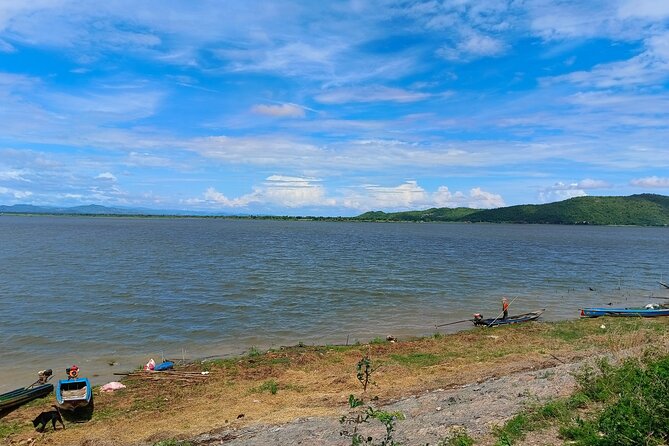
Between the historic stops, the tour moves into rural Battambang. The region is surrounded by rice fields, and rice is more than a crop here. It shapes local meals, village businesses, drinks, and daily work.
One stop focuses on bamboo sticky rice. You can learn how rice is prepared inside bamboo, a practical cooking method that also makes a memorable travel lesson. The point is not just tasting a snack. You get to see how a common local ingredient becomes something portable and distinctive.
This part of the tour is best for people who enjoy seeing how food is made. It is not a cooking class, and the schedule may not allow much time for detailed instruction. Still, it gives you more contact with local life than a standard city sightseeing route.
The rural setting also makes the tuk-tuk ride worthwhile. You pass open fields and villages instead of moving from one indoor attraction to another. Bring water, use sun protection, and expect some dust or road movement because this is an outdoor countryside trip.
Something completely different for another day:
- Local Livelihood Half Day Bike Tour in Battambang
★ 5.0 · 287 reviews - Explore Battambang full day tour by Tuk Tuk (start from 9am-6:30pm)
★ 5.0 · 240 reviews - Battambang: Bamboo Train, Bat Cave, Killing Cave by Tuk Tuk
★ 5.0 · 182 reviews - Full Day tour .City tour.Countryside.Bamboo Train.Secret Bat Cave
★ 5.0 · 178 reviews
Rice paper, dried banana, and banana chips
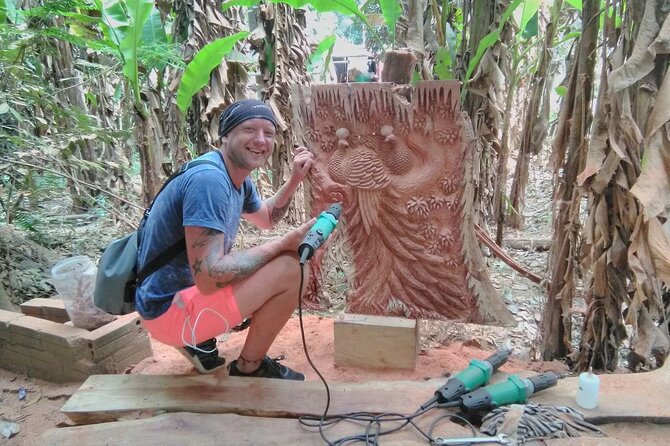
The food stops continue with rice paper and dried banana. These are modest businesses rather than large tourist attractions, which is exactly why they can be interesting. You get to see the work behind familiar Cambodian foods and learn how local produce is prepared for sale.
Rice paper is closely tied to everyday cooking, while dried banana and banana chips show another way the region uses its fruit. The tour connects these products to the farms and fields you have already passed, so the route feels more like a local food story than a random collection of stops.
Pao is particularly well regarded for making these visits enjoyable. His strength appears to be the way he combines explanation with humor. That helps during short stops, where a guide needs to keep the subject clear without turning a small workshop into a lecture.
You should keep your expectations reasonable. These are brief visits, not formal factory tours. You might see a simple production area and receive an explanation or sample, but exact activities can vary. Ask your guide what is included before buying anything.
Tasting rice wine in the countryside
Rice wine is another distinctive stop. You can try a shot and learn about a drink made from one of Cambodia’s most important crops. For many visitors, this is one of the more memorable moments because it is direct, local, and slightly outside the usual sightseeing routine.
The tasting is small, but it gives the tour personality. You are not only looking at temples. You are also learning how rice appears in Cambodian life in several forms, from sticky rice to paper and wine.
Take the tasting at your own pace. The tour price does not include every fee or purchase, and the exact cost of samples is not stated. If you do not drink alcohol, ask whether you can simply observe. The information provided does not specify alternatives, so it is best to check with the guide.
Wat Samrong Khong and the killing field
The final major historical stop is Wat Samrong Khong, associated with a killing field and a former prison. This changes the mood of the tour completely.
You should not treat this as a quick photo stop. The site represents a painful period in Cambodia’s modern history, and the visit can be emotionally heavy. A guide who explains the place with care can help you understand what happened without reducing it to a list of dates.
Several guides connected with this experience are praised for handling both entertaining and serious parts of the day. That balance matters. Pao, in particular, is described as friendly and engaging while also taking visitors to difficult sites that deserve respect.
The stop may not suit very young children or anyone who wants a purely light outing. The tour combines beautiful countryside and food production with a place of suffering. That contrast is not a flaw, but you should know about it before you book.
Give yourself time to adjust after the visit. The day is not only about pleasant rural scenes. Wat Samrong Khong adds a serious historical layer and reminds you that Cambodia’s recent past remains close to everyday life.
The guides: Pao, Pov, and Yi Yong
The strongest part of this experience is likely to be the guide. Pao receives especially warm praise for his English, humor, enthusiasm, and ability to keep a long day moving. One account describes a 10-hour version of the tour that felt quick because the guide made it enjoyable.
Pov is praised for explaining places with enthusiasm and for helping fit major Battambang sights into a limited amount of time. Yi Yong is noted for hotel pickup, careful tuk-tuk service, and clear explanations at the temple.
The exact guide assigned to you may depend on availability. If you have a preference, request that person when booking, but do not assume it can be guaranteed.
A strong guide also helps with the tour’s uneven subject matter. You need someone who can explain religious art, food production, and Cambodia’s tragic history without treating them all in the same tone. The available feedback suggests that this provider’s guides are a major reason people recommend the experience.
Group size, inclusions, and extra costs
The maximum group size is 10 people. That is small enough for questions and easier communication than a large coach tour. It also keeps the tuk-tuk format practical, though the exact vehicle arrangement is not stated.
Included in the price are:
- Shared tour transport
- Tuk-tuk service
- Guide
- Water
Breakfast is not included. Admission tickets and other fees are also excluded, and the exact amounts are not listed. This is the main money point to clarify before departure.
At $20, the tour remains good value if you want a guide and transport arranged for you. You may spend more on tickets, drinks, tastings, or purchases at local businesses. Ask for a clear estimate so the low headline price does not surprise you later.
Hotel pickup is offered, and confirmation is provided at booking. Service animals are allowed, and the activity is listed as suitable for most people. The route still involves heat, outdoor walking, and a somber historical stop, so suitability depends on your personal comfort and mobility.
Morning timing and practical advice
Choose the morning if you can. The temple and rural stops are exposed, and the heat can make a half-day feel much longer. One direct recommendation from the tour experience is to avoid the hottest part of the day.
Wear light clothing, bring sun protection, and keep water close. Water is included, but you should still prepare for time outdoors. Comfortable footwear will help at the temple and any uneven ground around the historic sites.
Keep some small spending money available. The tour does not include breakfast, admission fees, or every tasting and purchase. You do not need to buy at every stop, but knowing that extra costs may arise makes the day easier.
The itinerary is not perfectly clear about whether the experience lasts a morning, a full day, or approximately two days. The listed second day contains no real activity, so I would confirm the exact duration before paying. This is the one practical weakness in an otherwise appealing route.
Who should book this experience?
I would choose this tour if you want to see more of Battambang than the town center and prefer a guide to arrange the route. It suits you especially well if you enjoy temples, local food production, open countryside, and honest historical discussion in one outing.
It is also a good match for solo visitors and couples who want shared transport rather than a private vehicle. The small group limit should keep the experience more personal, while the tuk-tuk gives the journey a distinctly Cambodian feel.
I would think twice if you want a polished museum-style tour, a quiet luxury vehicle, or only cheerful sightseeing. The rice wine, food workshops, and temple are light and engaging, but Wat Samrong Khong is serious. The stops also involve extra charges that are not fully explained.
Should you book the $20 Battambang tour?
Yes, if you want a varied half-day introduction to Battambang’s countryside and do not mind confirming a few details first. Ek Phnom gives you an ancient site, the rice and banana stops show present-day local work, and Wat Samrong Khong adds necessary historical weight.
The best reason to book is the guide. Pao, Pov, and Yi Yong are all praised for clear English, humor, enthusiasm, and careful service. Ask who will lead your outing, confirm whether it is the morning or full-day route, and ask about ticket and tasting costs.
With those points settled, this is a strong-value way to see the area beyond Battambang’s streets. You get temples, fields, food, drink, and history for $20, with a guide who can connect the pieces.
FAQ
How much does the Battambang tour cost?
The tour price is $20.
How long does the experience last?
The information describes it as a morning or half-day tour, but the duration is also shown as approximately two days, and some descriptions refer to a full-day version. Confirm the exact length before booking.
What transport is included?
A shared tuk-tuk is included, along with a guide and water.
Is hotel pickup available?
Yes, pickup is offered.
Is breakfast included?
No. Breakfast is not included in the tour price.
Are entrance tickets and other fees included?
No. Admission tickets and other fees are not included.
What places does the tour visit?
The route includes Ek Phnom, rice wine and rice paper stops, dried banana and banana chips, rice fields, a fish market, and Wat Samrong Khong killing field. A giant Buddha statue is also included in the route described by the tour.
How many people can join the tour?
The activity has a maximum of 10 participants.
Can I cancel for a full refund?
Yes, if you cancel at least 24 hours before the experience start time. Cancellations made less than 24 hours before the start time are not refunded. Poor weather may result in a different date or a full refund.
Newest reviews from Battambang
- Private Taxi Transfer From Battambang – Kampot★ 5.0 · 1 review
- Private Taxi Transfer Battambang from/to Phnom Penh★ 5.0 · 7 reviews
- Private Taxi Transfer From Battambang – Siem Reap City★ 5.0 · 4 reviews
- Afternoon tour to Original Bamboo train. Bat cave. Killing cave★ 5.0 · 25 reviews
- Afternoon Tour BambooTrain & Bat Cave★ 5.0 · 57 reviews
- Private Boat from Battambang to Siem Reap via Tonle Sap Lake★ 4.5 · 3 reviews
- Tuk Tuk Tour (Full-Day)★ 5.0 · 7 reviews
- Private Half-Day Tuk Tuk Tour in Battambang★ 5.0 · 2 reviews
Battambang Tours, compared.
Tuk-Tuk, Bamboo Train, Killing/Bat Caves, Sunset
Read our review →
Battambang Tuk Tuk tour: Bambootrain, Killing & Bat Caves,Sunset
Read our review →Afternoon tour by tuk tuk to bamboo train,bat cave,killing cave,countryside.
Read our review →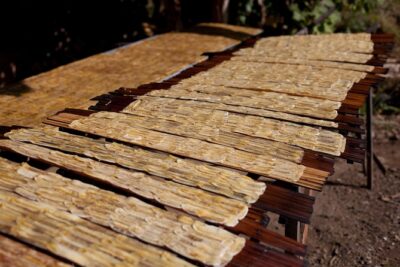
Local Livelihood Half Day Bike Tour in Battambang
Read our review →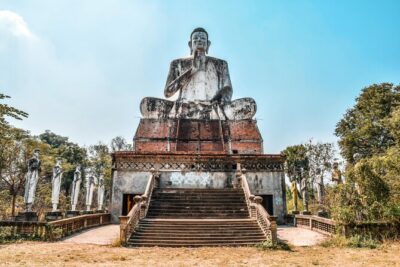
Explore Battambang full day tour by Tuk Tuk (start from 9am-6:30pm)
Read our review →

Full Day tour .City tour.Countryside.Bamboo Train.Secret Bat Cave
Read our review →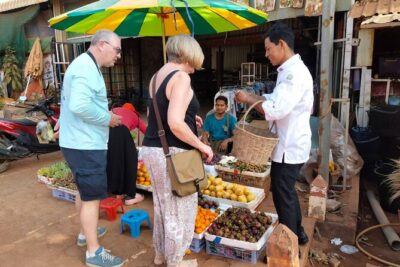
Browse the lists this tour appears in