
Reviewed · PHOTOGRAPHY SESSIONS
Full Day Tour Photography in Siem Reap
Sunrise makes Angkor Wat unforgettable. This $49 Siem Reap photography tour combines an early visit to Angkor Wat with Bayon and Ta Prohm, giving you a full day of Cambodia’s most famous temple views without arranging transport between them yourself. The focus is not only on temple history. You also receive practical help with framing, lighting, and smartphone photography from an English-speaking photographer guide.
I especially like the small maximum group of 15 and the helpful inclusions: an air-conditioned vehicle, bottled water, cold towels, and a breakfast box with brewed coffee. Guide Samnang receives particularly strong praise for showing people good photo positions and explaining how to take better pictures with a phone. The main drawback is the punishing start. The stated meeting time is 1:00 am, so this is a serious early morning, not a leisurely holiday outing.
I also like the clear focus on four major temple areas rather than trying to cram every corner of Angkor into one rushed circuit. You should still expect a long day, limited time at Bayon and Ta Prohm as listed, and extra costs if you want meals or need to rent or buy camera equipment.
In This Review
- Key points to know before booking
- Why this $49 photo tour is worth considering
- The 1:00 am start and the long wait for sunrise
- Angkor Wat from first light to morning
- The stone faces of Bayon and Angkor Thom
- Ta Prohm and the power of tree and stone
- What the photography guidance adds
- Comfort, breakfast, and what you need to bring
- Group size, timing, and the realistic pace
- Who will enjoy this Siem Reap photography tour?
- Should you book the $49 temple photography tour?
- FAQ
- How much does the Full Day Tour Photography in Siem Reap cost?
- How long does the tour last?
- What time does the tour start?
- Which temples are included?
- Is hotel pickup offered?
- Is breakfast included?
- Are cameras and photography equipment provided?
- How many people can join the tour?
Key points to know before booking
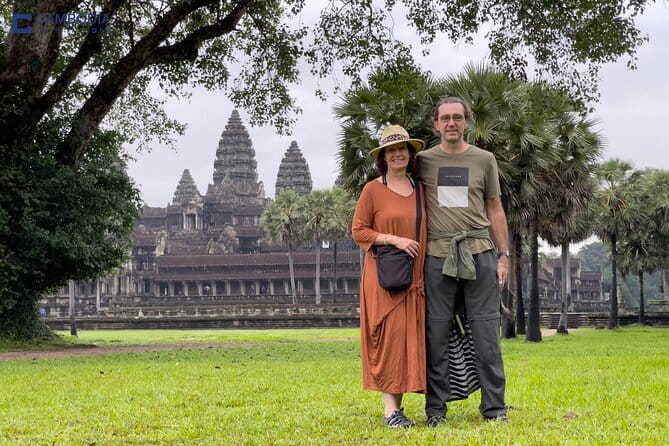
- Sunrise begins the day at Angkor Wat, with the first temple visit scheduled from about 4:30 am to 7:00 am.
- Guide Samnang teaches smartphone photography, including ways to find attractive angles and better viewpoints.
- The $49 price includes transport and several useful comforts, such as breakfast, coffee, water, and cold towels.
- Bayon and Ta Prohm bring very different photo subjects, from huge carved faces to tree roots covering ancient stone.
- The group can reach up to 15 people, a size that keeps the tour social but may limit individual coaching.
- Free cancellation is available up to 24 hours before the start time, but late changes or cancellations are not refunded.
Why this $49 photo tour is worth considering
The value here comes from combining transport, a full day of temple access, a guide, and photography instruction in one booking. At $49, you are not paying only for a ride to Angkor. You are also paying for help with the part many visitors find frustrating: making memorable photographs instead of collecting the same dark, crooked snapshots as everyone else.
That matters most if you use a smartphone. The feedback about Samnang repeatedly points to phone photography, photo technique, and good places to shoot. You do not need a professional camera to benefit from the tour. A guide who can suggest where to stand, what to include, and how to work with changing light may improve your results more than expensive equipment.
The transport is another practical advantage. An air-conditioned vehicle is welcome after the first early start and during the warmer parts of the day. You also receive bottled water and cold towels, small details that become useful when you have been walking around stone courtyards for hours.
The price does not cover meals beyond the included breakfast box and coffee. Cameras and other equipment are also not included. Bring your own phone or camera, and plan for any other food you may want during the day.
More photo sessions in Siem Reap:
- Golden Hours: Angkor wat sunrise photography tour with a pro!
★ 5.0 · 25 reviews - Unseen Angkor Tour & Photoshoot
★ 5.0 · 6 reviews - Professional Photoshoot in Angkor Archaeological Park
★ 5.0 · 3 reviews
The 1:00 am start and the long wait for sunrise
The listed start time is 1:00 am, while the Angkor Wat sunrise portion runs from about 4:30 am to 7:00 am. That means your morning begins well before the main photographic session. The exact reason for the gap is not specified, so you should confirm pickup timing and the early morning plan when booking.
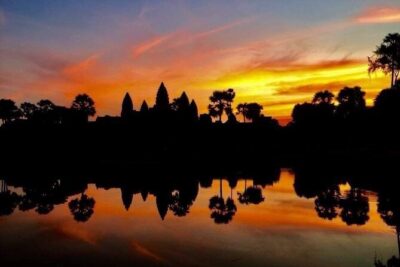
This schedule is demanding, but sunrise is the strongest reason to choose the tour. Angkor Wat’s towers and reflection pool can take on a completely different mood as the sky brightens. Early light also gives you a chance to work with silhouettes, soft color, and gradually clearer stone details instead of relying only on harsh midday sun.
Bring a fully charged phone or camera and enough storage space. The tour does not supply cameras or equipment. Since you are leaving in the middle of the night, prepare your clothes, battery, and personal items before going to bed rather than trying to organize everything at the pickup time.
The included breakfast box and brewed coffee are well judged for this schedule. You can eat after the first photo session without searching for a restaurant. It is a simple provision, not a full meal, so consider the distinction when planning your day.
Angkor Wat from first light to morning
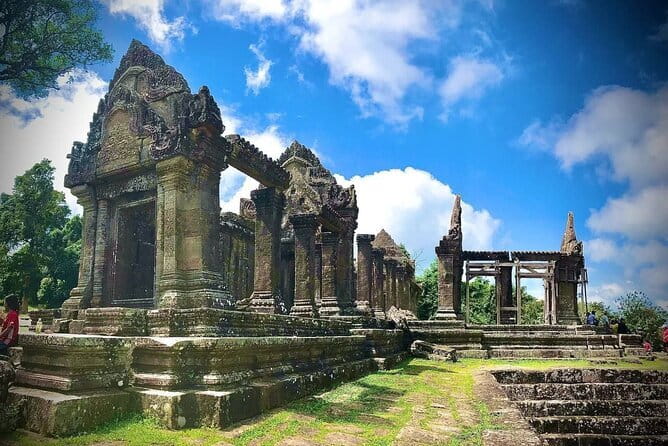
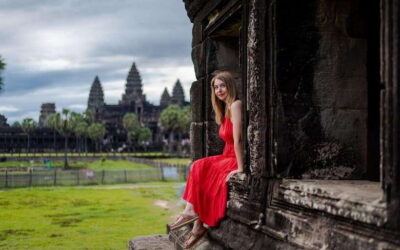
Angkor Wat is the centerpiece of the tour, and the first scheduled visit lasts around two hours. You get time to photograph its famous towers, broad courtyards, detailed carvings, and large bas-reliefs. The monument’s scale rewards patience, especially when the light is changing from blue-gray dawn to warmer morning tones.
A photography guide can make this stop more useful than a standard sightseeing visit. Instead of taking one picture and moving on, you can work on the balance between sky, reflection, architecture, and people. Samnang is praised for teaching techniques with a smartphone and directing people toward good photo locations, which is especially useful here.
You should also listen to the historical explanation. Angkor Wat is not merely a striking backdrop. Its layout, towers, carvings, and courtyards express the ambition of the Khmer kingdom that built it. Understanding what you are looking at gives your photographs more meaning than a collection of pretty shapes.
The early schedule has a tradeoff. You get atmospheric light, but you must cope with darkness, tiredness, and the possibility that the best viewpoint may be busy. The guide’s role in helping you find a good position is therefore important. Still, no guide can control the sky or guarantee an empty foreground.
After the sunrise session, the tour includes another approximately two-hour Angkor Wat segment. That extended time is a real strength. You are not forced to choose between the famous exterior view and the temple’s carved details. The second portion lets you focus on architecture and reliefs after the light has improved.
The stone faces of Bayon and Angkor Thom
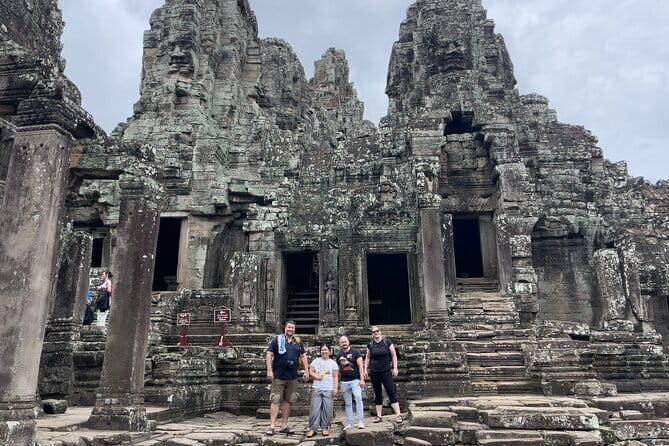
Bayon Temple offers a sharp change in subject. Its most famous feature is the collection of large stone faces carved into the temple towers. The nearby South Gate of Angkor Thom also gives you impressive figures representing gods and demons, creating another strong setting for photographs.
The stated stop time for the South Gate and Bayon is only two minutes, which is far too brief for a meaningful visit if taken literally. The published schedule may be using a short timing marker rather than showing the full time spent in the area, but you should ask the operator to clarify this before booking if Bayon is a priority.
From a photography point of view, the faces reward close attention. Look for differences in expression, the way stone surfaces catch light, and the contrast between repeated faces and the surrounding towers. A guide can help you choose a viewpoint that shows scale instead of making every face look like an isolated close-up.
The South Gate offers a more formal composition. Gods and demons line the approach, and the entrance gives you a strong sense of arrival at Angkor Thom. It is a place where a wider photograph can tell more of the story than a tight portrait.
This portion suits you if you enjoy architectural detail and symbolic subjects. It may disappoint you if you expect a long, slow photography workshop at every temple. The tour covers several major sites in one day, so the pace needs to keep moving.
A few more options around Siem Reap worth reading up on
- Angkor Wat Sunrise or Sunset Tour with Guide from Siem Reap
★ 5.0 · 12,109 reviews - Siem Reap: Angkor Wat: Small-Group Sunrise or Sunset Tour
★ 5.0 · 9,444 reviews - From Siem Reap: Kampong Phluk Floating Village Tour by Boat
★ 4.9 · 6,979 reviews - Sunset tour of Kampong Phluk stilts home village on the Tonle Sap
★ 5.0 · 4,865 reviews
Ta Prohm and the power of tree and stone
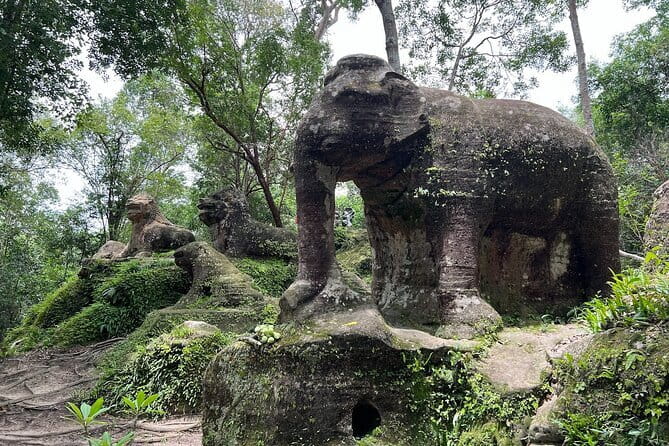
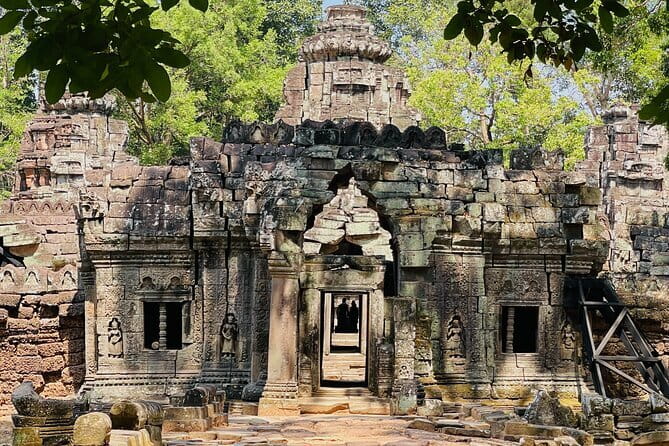
Ta Prohm supplies the day’s most theatrical contrast. Massive tree roots spread over and around the temple, making it appear as if the forest is reclaiming the stone. The attraction is not just the age of the building. It is the tension between fixed architecture and living growth.
For photographs, Ta Prohm gives you texture, layers, and natural frames. You can work with roots around doorways, shafts of light between stone surfaces, and the contrast of pale carved walls with dark tree bark. Your guide’s help can be useful here because the strongest image may depend on a careful angle rather than a famous feature.
Again, the listed stop time is only two minutes. That should be treated as a warning to confirm the actual schedule. Ta Prohm is a place where you may want time to wait, adjust your composition, and take several versions of the same scene. If the visit is genuinely that short, you will see the temple but will not have much room for a detailed photography lesson.
The reward is variety. Angkor Wat gives you symmetry and scale. Bayon gives you carved faces and repeated forms. Ta Prohm gives you roots, shadow, and irregular shapes. Those three subjects make the tour more useful for improving your eye than visiting several temples that all offer similar views.
What the photography guidance adds
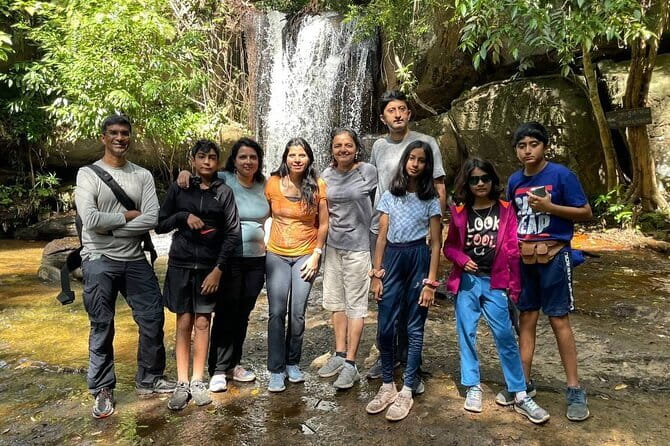
The best reason to choose this experience is the instruction. The guide is described as both a history and culture guide and a photography teacher. Samnang’s specific strength is helping people take better pictures with smartphones and pointing out strong photo positions.
That does not mean you should expect a formal classroom course. The information provided does not promise advanced camera instruction, editing lessons, or professional equipment. Think of the guidance as practical help during sightseeing: how to frame the temple, where to position yourself, and how to make better use of the phone you already carry.
You can get more from the guide by arriving with a few questions. Ask about using reflections at Angkor Wat, photographing the faces at Bayon, or showing the scale of Ta Prohm’s roots. If you want individual advice, try to ask early, before the group reaches the busiest part of a stop.
A maximum of 15 people keeps the group from becoming enormous, but it is not a private photo walk. If several people need help at the same time, your coaching may be brief. This format is best for people who want useful tips while seeing the temples, not for advanced photographers seeking a fully customized workshop.
Comfort, breakfast, and what you need to bring
The air-conditioned vehicle is a practical part of the package, especially on a seven to eight-hour day. It gives you a break between sites and avoids the need to organize separate transport. Pickup is offered, and the tour is designed for most people to participate.
Water and cold towels are included. You should still bring the camera or phone you intend to use, since equipment is not supplied. A charged power bank is a sensible personal addition, though it is not part of the package.
Breakfast comes as a box with brewed coffee. That is convenient after the sunrise session, but the tour specifically excludes other meals. You should not assume lunch or later refreshments are included. The schedule is long enough that food planning matters.
The early start also affects your comfort more than any vehicle feature. If you sleep lightly or struggle with overnight departures, think carefully before booking. The tour’s strongest photographic opportunity arrives at the same time your body normally expects to be asleep.
Group size, timing, and the realistic pace
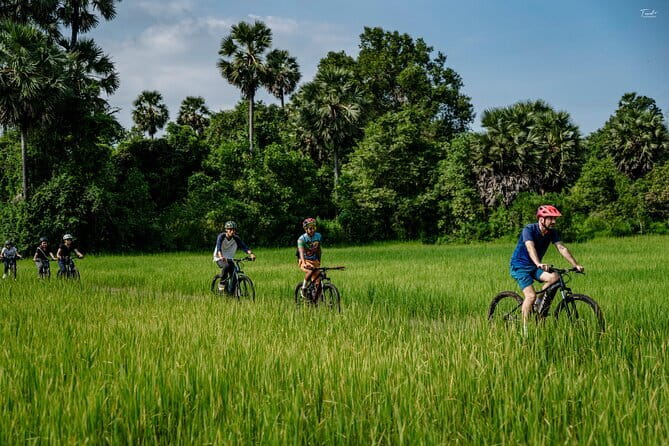
The experience lasts approximately seven to eight hours. That is enough time for a broad introduction to Angkor’s best-known temples, but not enough for every corner of each complex. The tour favors coverage and variety over a slow, specialized study of one site.
The maximum group size is 15. This is manageable for transport and general explanations, though it may feel less personal than a private guide. If you value constant one-to-one photography coaching, ask whether a smaller or private arrangement is available. That option is not stated as part of this experience, so do not assume it comes with the booking.
Most people can participate, according to the supplied information. No specific accessibility details are provided, so you should ask the operator directly if you have mobility needs or require particular arrangements at the temple sites.
The schedule is the biggest practical question. Angkor Wat receives generous time, while Bayon and Ta Prohm are shown with very short stop markers. Before paying, I would confirm the actual time at Bayon and Ta Prohm and ask how the 1:00 am start connects with the 4:30 am sunrise visit.
Who will enjoy this Siem Reap photography tour?
I would recommend this tour to you if you want to see the major Angkor highlights and improve your photographs without planning every transfer yourself. It is especially suitable for smartphone users, first-time visitors to Siem Reap, and people who value cultural explanations alongside practical camera advice.
It also suits photographers who prefer changing subjects. Angkor Wat, Bayon, and Ta Prohm ask for different approaches, so you can practice symmetry, portraits in stone, wide architectural views, texture, and natural framing in one day.
I would be more cautious if you want a relaxed schedule, a private guide, or long periods at each temple. The 1:00 am start is hard, and the short listed times for Bayon and Ta Prohm deserve clarification. You should also budget for meals beyond breakfast and bring all camera equipment yourself.
The strongest praise centers on the guide’s service, history and culture explanations, smartphone techniques, and help finding good photo spots. Those are precisely the features that give this tour an edge over a basic temple transfer.
Should you book the $49 temple photography tour?
Book it if you want an early Angkor Wat sunrise, three major temple areas, air-conditioned transport, breakfast, and hands-on smartphone photography tips for $49. The price is fair because it combines several practical services and includes admission for the listed temple visits.
Before booking, confirm the pickup details, the reason for the 1:00 am start, and the actual time planned at Bayon and Ta Prohm. If those answers suit you, this is a useful choice for creating better photographs while gaining a clear introduction to Siem Reap’s major temples.
Free cancellation is available when you cancel at least 24 hours before the experience begins. Cancellations or changes made inside that window are not refunded or accepted, so check your schedule carefully before the deadline.
FAQ
How much does the Full Day Tour Photography in Siem Reap cost?
The tour costs $49.
How long does the tour last?
The experience lasts approximately seven to eight hours.
What time does the tour start?
The stated start time is 1:00 am. The Angkor Wat sunrise portion is scheduled from about 4:30 am to 7:00 am.
Which temples are included?
The tour visits Angkor Wat, Bayon Temple, the South Gate of Angkor Thom, and Ta Prohm Temple.
Is hotel pickup offered?
Pickup is offered. The provided details do not specify individual pickup locations, so confirm the arrangement when booking.
Is breakfast included?
Yes. The tour includes a breakfast box with brewed coffee. Other meals are not included.
Are cameras and photography equipment provided?
No. Cameras and equipment are not included, so you need to bring your own phone or camera.
How many people can join the tour?
The tour can have a maximum of 15 participants.
Newest reviews from Siem Reap
- Village walking & Cooking class in Siem Reap★ 5.0 · 2 reviews
- Ultimate Sunrise to Angkor Wat, Angkor Thom and Bayon Temple★ 5.0 · 3 reviews
- Angkor Wat Sunrise Shared Tours: Bayon, Ta Prohm And Kravan★ 5.0 · 1 review
- Twilight Tastes of Siem Reap Include Dinner★ 5.0 · 13 reviews
- Two Days Tour Angkor Complex; Banteay Srei, and Kulen Hill★ 5.0 · 1 review
- Trekking Tour at Phnom Kulen National Park from Siem Reap★ 5.0 · 3 reviews
- Trip to Big Circle included Banteay Srey and Banteay Samre★ 5.0 · 1 review
- Full-Day Private Tour of Angkor Wat with Pick Up★ 5.0 · 12 reviews
Photography Sessions, compared.
Golden Hours: Angkor wat sunrise photography tour with a pro!
Read our review →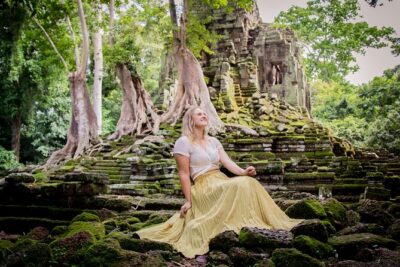
Professional Photoshoot in Angkor Archaeological Park
Read our review →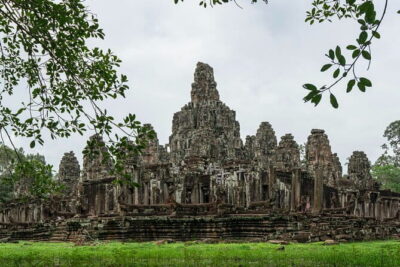
Browse the lists this tour appears in