
Reviewed · SIHANOUKVILLE TOURS
Exploring the Best of Kampot and Kep in a Full-Day Tour
Kampot and Kep reward curious visitors. This full-day tuk-tuk tour links salt fields, a former Khmer Rouge-era dam, La Plantation pepper farm, Kep’s crab market, and Bokor National Park in one well-packed outing. I especially like the variety, since you move from working farmland to seafood stalls and mountain scenery, and I like that local guides such as Roy and Micki bring years of experience and strong English skills. The main drawback is the schedule: eight to nine hours on Cambodian roads can feel long, particularly with four hours set aside for Bokor National Park.
The $55 price is fair for a private-feeling day of transport, entrance fees, hotel pickup and drop-off in central Kampot, and guiding. You should still budget for meals and personal expenses. Ask for Roy or Micki when booking if guide availability allows, since their local knowledge and friendly approach received especially warm praise.
In This Review
- Five things to know before you book
- Why this Kampot and Kep tour works
- The salt fields show Kampot at work
- Brateak Krola Lake carries a difficult past
- La Plantation explains the flavor of Kampot pepper
- Kep’s Crab Market brings the coast to your plate
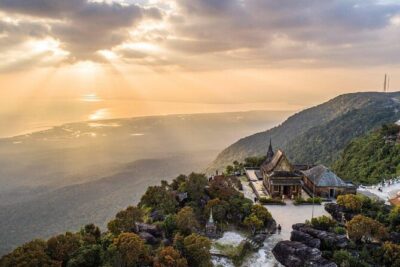
- Four hours in Bokor National Park
- What the tuk-tuk ride is really like
- Is $55 good value?
- Who should book this day out?
- Should you book the Kampot and Kep tour?
- FAQ
- Where does the tour start?
- How long does the experience last?
- What transport is used?
- Is a guide included?
- Are entrance fees included?
- Are meals included?
- How many people can join the tour?
- Can I cancel for a full refund?
Five things to know before you book
- The tour covers two provinceside destinations in one day: You see rural Kampot, coastal Kep, and the mountain roads of Bokor without arranging separate transport.
- La Plantation gets two hours: This is more than a quick photo stop, with a farm tour led in English or French and a close look at Kampot pepper production.
- Bokor National Park takes four hours: The mountain stop is the longest part of the day, so expect the schedule to lean toward nature and views.
- You ride in a tuk-tuk: The open-sided vehicle gives you a direct view of the countryside, though road conditions may be rough in places.
- Kep’s crab market is a food stop, not a meal plan: You can see the seafood trade and buy food if you wish, but meals are not included.
- The group can reach 18 people: Pickup is provided from hotels in Kampot city center, but the exact feel of the ride depends on the day’s group size.
Why this Kampot and Kep tour works
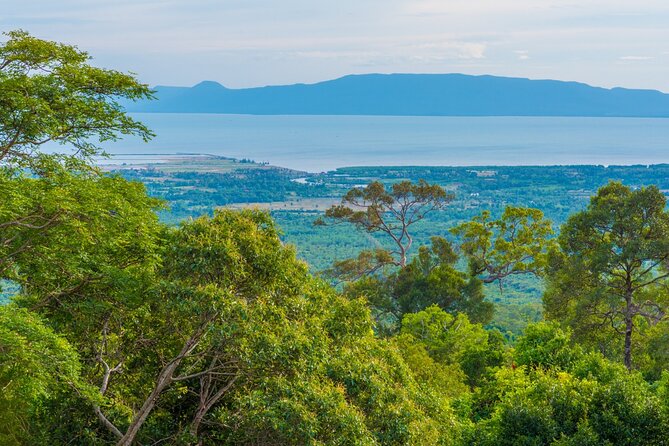
Kampot and Kep are close enough to combine, but each has a different personality. Kampot’s countryside is tied to farming, salt, pepper, and quiet roads. Kep is associated with the coast and its famous crab market. Bokor adds a mountain setting and a long stretch of greenery.
I like tours that give you a sense of how a place works, not just a string of photo stops. This one does that well. The salt fields show a local industry. La Plantation explains why Kampot pepper is so prized. The Crab Market connects the town to the sea. Bokor shifts the focus to forests, mountain air, and old resort history, though the supplied information places the emphasis on nature rather than detailed historical touring.
The route is also practical if you are staying in Kampot and do not want to hire separate transport for each stop. A full day by tuk-tuk lets you cover more ground than you could easily manage on foot or by relying on public transportation.
Still, this is not a slow, unhurried day. The tour begins at 8:00 a.m. and lasts about eight to nine hours. You will spend much of the day moving between places, and Bokor’s four-hour allocation makes it a substantial part of the program. If you prefer to linger over lunch, wander markets for hours, or spend a whole afternoon at the coast, this schedule may feel too tight.
A few more options around Sihanoukville worth reading up on
- Discovery Tour: Caving, Climbing, Via Ferrata and Abseiling in Kampot
★ 5.0 · 172 reviews - Sihanoukville Highlights Day Tour for Cruise Passengers
★ 4.5 · 171 reviews - Kampot Tour Pepper Plantation, Salt Field, Cave, Secret Lake
★ 5.0 · 128 reviews
The salt fields show Kampot at work
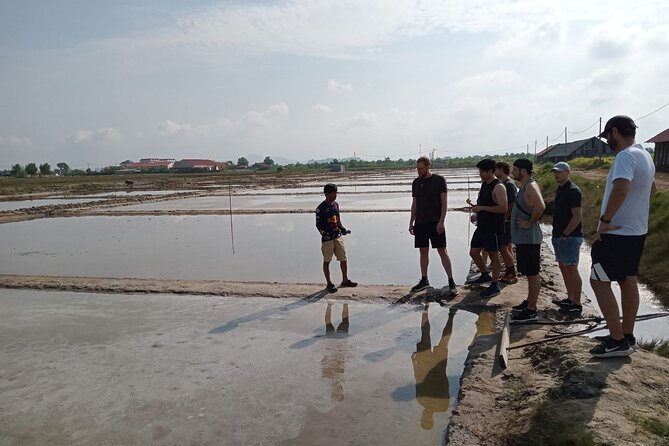
The first stop lasts about an hour and introduces you to one of the area’s traditional industries. At the salt fields, local workers harvest salt from broad salt pans. The appeal is not only visual. You get to see an ordinary working process that helps explain the character of the Kampot countryside.
This stop is a good early start because it places you outside the main town almost immediately. Rather than beginning with a polished attraction, you begin with agriculture and manual work. I find that useful context. It gives the rest of the day a stronger connection to local life.
The admission fee is included, and the stop is scheduled for one hour. That should be enough to watch the process and take photographs without turning the opening visit into a long delay. Since the tour description does not promise a hands-on activity, you should expect to observe rather than participate.
The salt fields may appeal most to you if you enjoy small-scale production, photography, and places where the local economy is visible. They may feel less exciting if you want an attraction with formal displays or a long guided explanation. Your driver-guide can help provide context, but the amount of commentary may depend on the guide and the group.
Brateak Krola Lake carries a difficult past
The next stop, Brateak Krola Lake, lasts only 15 minutes. It is commonly called Secret Lake, though it is actually a dam built during the Khmer Rouge era with slave labor. The result is a large man-made body of water with a history that deserves a careful, respectful approach.
This is a short stop, so do not expect a long historical presentation or a walk around the water. Its value comes from the contrast between the calm setting and the painful story connected to its construction. A brief visit can still give you an important reminder that Cambodia’s countryside holds memories far beyond its scenic appearance.
The schedule tells you how to treat this stop: pause, listen, take in the view, and continue. I would not choose this tour solely for Secret Lake, but I would consider it a worthwhile part of a day that tries to show different sides of the region.
Because the information provided does not specify a museum, memorial, or formal interpretation center, you should rely on the guide for explanation. This is one place where a guide with good English and local experience matters. Roy is praised for explaining local stories, and Micki is described as having around 12 years of experience.
La Plantation explains the flavor of Kampot pepper
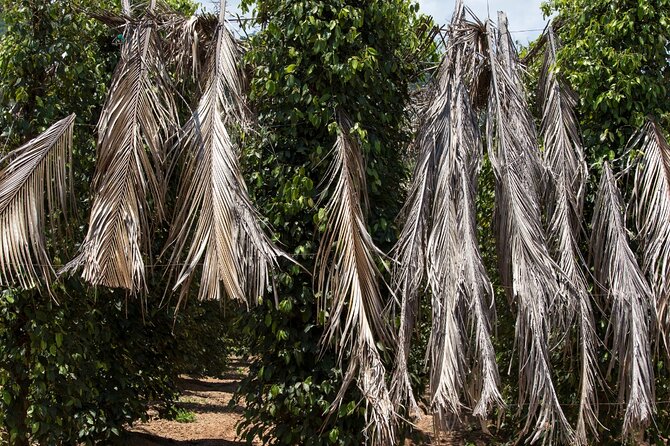
La Plantation receives two hours, making it the most substantial cultural and agricultural stop before Bokor. The farm is known for Kampot pepper, and the visit covers how the spice is grown and harvested. A separate guide at the farm speaks English or French.
I like the time given here. Pepper production can be rushed into a ten-minute tasting stop, but two hours suggests room for a proper explanation of the crop and its place in the area. You are not simply looking at rows of plants. You are learning about a product that has become closely linked with Kampot.
The farm guide is an important detail. Your tuk-tuk driver handles the wider day, but La Plantation provides its own English or French-speaking guide. That division can make the farm visit clearer and more focused.
You should expect an educational stop rather than an amusement attraction. The tour information does not specify a tasting session, shop allowance, or meal, so do not assume those extras are included. It does confirm that the entrance fee is covered.
For me, La Plantation is likely to be one of the day’s strongest stops. It connects place, farming, and food in a direct way. If you enjoy learning where ingredients come from, you will probably appreciate the longer visit. If pepper farming is not a priority, two hours may seem generous, but the farm gives the day a useful sense of purpose.
Something completely different for another day:
- La Plantation tour (discovering Kampot Pepper) + Lunch
★ 4.5 · 97 reviews - KAMPOT TRAVEL-Pepper farm. Cave.Secret lake-Crab market & Salt…
★ 5.0 · 87 reviews - Kampot Day Tour “Bokor National Park”
★ 5.0 · 82 reviews - Bokor Mountain Adventure – History, Sights and Waterfalls
★ 5.0 · 65 reviews
Kep’s Crab Market brings the coast to your plate
After the countryside and pepper farm, the tour turns toward Kep. The Crab Market is scheduled for one hour and is known for fresh seafood, especially Kep crab. You can watch local fishermen unload their catch and see how the market connects the sea with the town’s dining culture.
This is the most obvious food-related stop, but meals are not included. That is worth planning for. You may have the chance to buy seafood or eat nearby, but the supplied details do not promise a specific restaurant, meal, or spending allowance. Bring extra cash for personal purchases.
I like the market because it is more than a scenic waterfront pause. It shows a working food economy. The crab is the star, and the market gives you a chance to see the product before it reaches a plate. Reviews of the day specifically praised Kep seafood, so this is a good place to make your own decision about trying it.
One hour is enough to look around and eat if the timing works, but it is not a leisurely food tour. If you are very interested in seafood, you may wish the schedule allowed more time. If you prefer a quick taste of Kep before heading uphill, the stop should fit well.
The market can also be a welcome change after several rural stops. You move from salt and pepper to fresh seafood, which gives the tour a pleasing variety. Just remember that the cost of your meal is separate from the $55 tour price.
Four hours in Bokor National Park
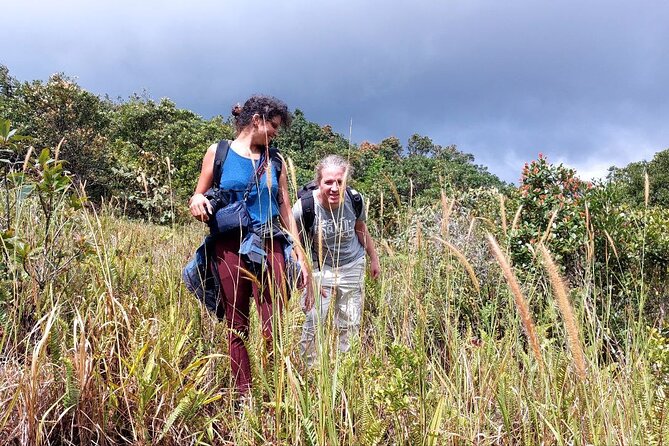
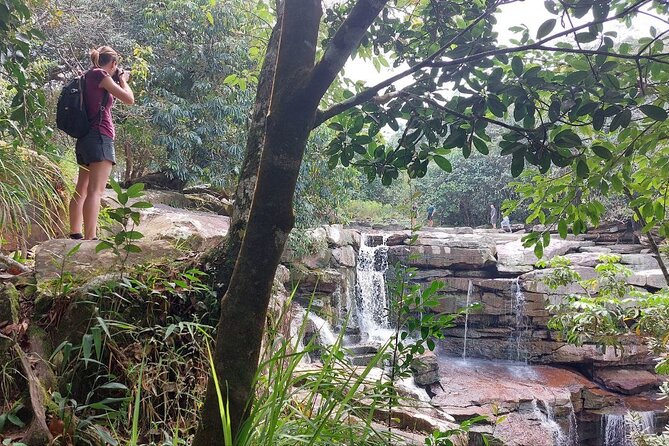
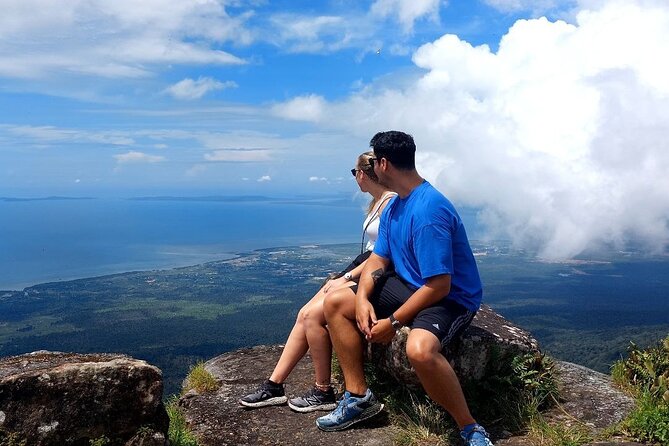
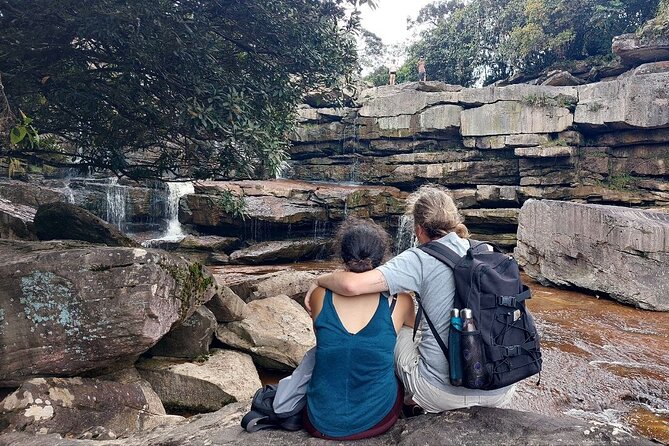
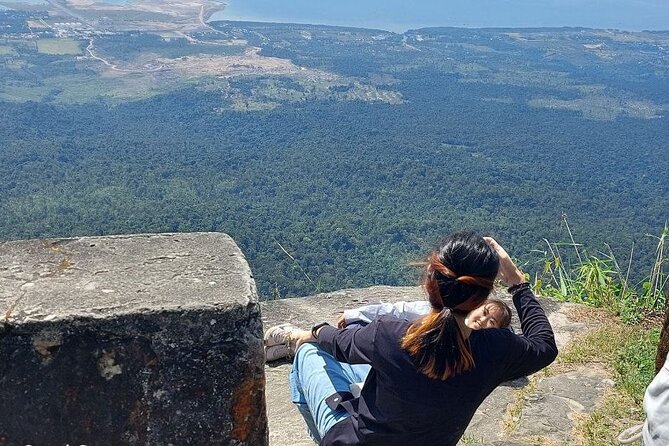
Bokor National Park is the final stop and takes about four hours. It is described as a place of rainforest, winding trails, plants, animals, and mountain views. The first review material places special praise on the views from Bokor Mountain, while another points out that the day includes some hair-raising road conditions.
That combination tells you what to expect. Bokor is not simply a final lookout reached by a smooth city drive. The road journey is part of the experience, and a tuk-tuk gives you an open view of the route. It also means you will feel bumps, changes in weather, and road conditions more directly than you would in a closed car.
The four-hour allocation gives Bokor room to be the day’s main nature stop. You may have time to enjoy more than one viewpoint or trail, but the exact activities are not specified. Do not assume a particular hike, waterfall, historic building, or wildlife sighting is guaranteed. The reliable promise is a visit to the national park, with rainforest, trails, and mountain scenery.
This part of the day will suit you if you want the largest share of your time devoted to outdoor scenery. It may be tiring if you have already spent the morning in the sun and the afternoon at the coast. Comfortable clothing, water, and sensible footwear would be practical choices, although the supplied tour details do not list a required dress code or equipment.
The guides are a major part of the Bokor experience. Roy is praised for keeping people safe and well cared for, even when the road became difficult. Micki is praised for his long experience and easy conversation. Since the tour uses a driver-guide arrangement, you should value a guide who can explain the area while also handling the road.
What the tuk-tuk ride is really like
Transport is by tuk-tuk, with hotel pickup and drop-off in Kampot city center. The vehicle keeps you close to the countryside, which is one of its best features. You can see more of the route than you would through a car window, and the ride feels connected to the setting rather than sealed away from it.
The tradeoff is comfort. This is a long day, and some roads may be rough. One review describes a modern, comfortable tuk-tuk, while also noting difficult road conditions. That is a useful distinction: a good vehicle helps, but it cannot turn every Cambodian road into a smooth highway.
The maximum group size is 18 people. That is not a tiny private tour, so the experience may vary depending on how many people are booked. A smaller group should make stops and conversation easier. A full group could mean less flexibility and more waiting.
The strongest praise is directed at the guides. Roy is repeatedly described as punctual, friendly, safe, and fluent in English, with more than ten years of local touring experience. Micki is praised for about 12 years of experience and an approachable manner. If you have a preference, ask for one of them when booking, though a specific guide cannot be guaranteed from the information provided.
Is $55 good value?
At $55 per person, the tour offers a lot of coverage for one day. The price includes the tuk-tuk, English-speaking driver-guide, the La Plantation guide in English or French, hotel pickup and drop-off in central Kampot, and entrance fees.
That matters because the route includes several places that would otherwise require separate transport arrangements. You are paying for convenience as well as admission. The day also links Kampot and Kep with Bokor, which would take more planning if arranged independently.
The price does not include meals, personal expenses, or travel insurance. Kep is the obvious place to spend money on food, but you should not treat lunch as part of the package. The tour is best value if you want broad coverage and are comfortable paying separately for what you eat and buy.
I would compare this tour with the cost of hiring a tuk-tuk and guide for the day, not with the price of a short attraction ticket. The value comes from the complete route and the local driver’s role. If you only want La Plantation and the salt fields, a full-day tour may be more than you need. If you want Kampot, Kep, and Bokor in one outing, $55 is a sensible rate.
Who should book this day out?
I would recommend it to you if you have limited time in Kampot and want a broad introduction to the surrounding area. It works especially well for people who enjoy a mix of food, farming, scenery, and local stories.
It is also a good choice if you value a guide rather than simply hiring a vehicle. Roy and Micki receive particularly strong praise for English, punctuality, safety, local knowledge, and friendly conversation. Those qualities matter on a long route with changing road conditions.
You may want a different plan if you dislike early starts, open-air transport, or full schedules. The day begins at 8:00 a.m., can last nine hours, and includes four hours at Bokor. It is not designed for a slow beach day or a long restaurant lunch.
The tour is open to most participants, and pickup is offered from hotels in Kampot city center. Confirmation is provided at booking, and free cancellation is available up to 24 hours before the start time. That gives you useful flexibility, but changes or cancellations inside 24 hours are not accepted for a refund.
Should you book the Kampot and Kep tour?
Book this tour if you want to see the widest range of the region in one day and prefer having a local guide handle the driving and route. The strongest reasons are the variety of stops, the two-hour farm visit, the seafood market, and the mountain time at Bokor.
Ask for Roy or Micki if possible, pack for a long tuk-tuk ride, and set aside money for food. I would skip it only if you want a private, slow-moving schedule or if you know that four hours in a national park will be too much. For most first-time visitors with a free day in Kampot, this is a practical and rewarding way to connect the countryside, coast, and mountains.
FAQ
Where does the tour start?
The tour starts at 8:00 a.m. Pickup is offered from your hotel in Kampot city center.
How long does the experience last?
The tour lasts approximately eight to nine hours.
What transport is used?
Transport is provided by tuk-tuk.
Is a guide included?
Yes. An English-speaking driver serves as the tour guide. La Plantation also provides a guide who speaks English or French.
Are entrance fees included?
Yes. Entrance fees are included in the tour price.
Are meals included?
No. All meals are excluded, along with personal expenses and travel insurance.
How many people can join the tour?
The activity has a maximum group size of 18 people.
Can I cancel for a full refund?
Yes. You can cancel at least 24 hours before the start time for a full refund. Cancellations or changes made less than 24 hours before the start time are not accepted for a refund.
Newest reviews from Sihanoukville
- Koh Rong Tour: A Snorkeling, Fishing, Sunset, Plankton★ 4.0 · 4 reviews
- Sihanouk Ville Airport Pickup or Transfer Private Car★ 5.0 · 2 reviews
- Koh Rong Snorkeling Tour (Private)★ 5.0 · 1 review
- Phnom Penh to Sihanoukville by Private Car or Minivan★ 4.0 · 1 review
- Koh Lanta any hotel to Krabi airport Private transfer★ 5.0 · 2 reviews
- Koh Rong Fishing & Snorkeling tour (Private)★ 3.0 · 1 review
- Koh lanta any hotel to Phuket airport Private transfer★ 5.0 · 1 review
- Cooking Class at La Plantation★ 5.0 · 16 reviews
Sihanoukville Tours, compared.
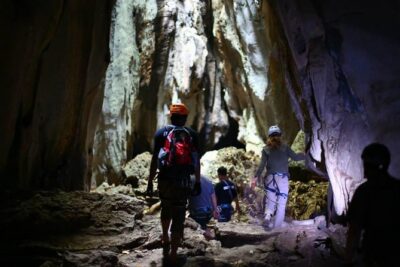
Discovery Tour: Caving, Climbing, Via Ferrata and Abseiling in Kampot
Read our review →
Sihanoukville Highlights Day Tour for Cruise Passengers
Read our review →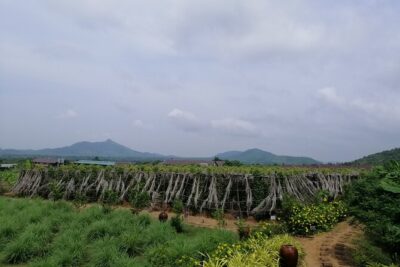
Kampot Tour Pepper Plantation, Salt Field, Cave, Secret Lake
Read our review →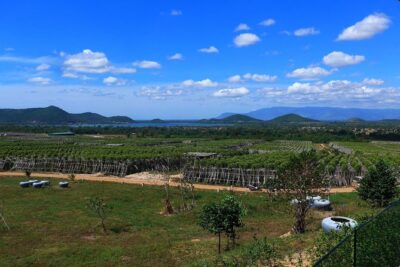
La Plantation tour (discovering Kampot Pepper) + Lunch
Read our review →
KAMPOT TRAVEL-Pepper farm. Cave.Secret lake-Crab market & Salt…
Read our review →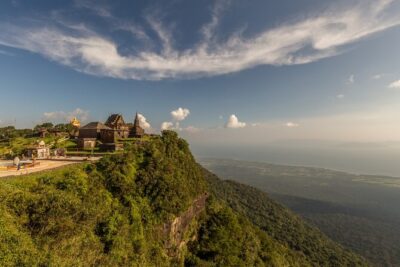
Bokor Mountain Adventure – History, Sights and Waterfalls
Read our review →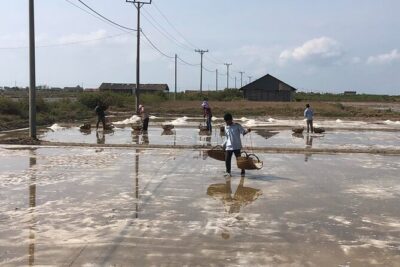
Kampot Countryside Tour – Pepper Farm, Salt Lake, Caves, and more
Read our review →Browse the lists this tour appears in