Reviewed · ANGKOR WAT TOURS
Explore Angkor Wat Sunset Watching Private Experience
Ancient stone, jungle roots, and a fading sky. This private Siem Reap tour gives you a full day among Cambodia’s best-known temples, with an English-speaking guide and air-conditioned transport handling the long distances between sites. I like the relaxed private format, and I also like that the route covers Bayon, Ta Prohm, Banteay Kdei, and Angkor Wat rather than stopping at only one famous temple.
The tour’s main drawback is the extra cost of the Angkor Wat admission ticket, which is not included in the $97.44 price. Meals are also separate, and an eight-hour temple day can feel long if you prefer a slower schedule with fewer stops.
In This Review
- Key points at a glance
- What the $97.44 private tour gives you
- Starting at the South Gate of Angkor Thom
- Ta Prohm and the power of the trees
- Banteay Kdei, a quieter change of pace
- A 45-minute lunch break near the temples
- Angkor Wat at the end of the day
- Why a private vehicle helps at Angkor
- Who will enjoy this temple day most
- Booking, cancellation, and practical planning
- Should you book Explore Angkor Wat Sunset Watching?
- FAQ
- Where does this experience take place?
- What time does the tour start?
- How long does the tour last?
- Is this a private tour?
- Which temples are included?
- Is the Angkor Wat admission ticket included?
- Are meals included?
- What is included in the tour?
- Is pickup available?
- Can I cancel for a full refund?
Key points at a glance
- Private sightseeing from 9:30 am: Your group has the vehicle and guide to itself, with no strangers added to the outing.
- Four major temple areas: The day includes Bayon, the wider Angkor Thom area, Ta Prohm, Banteay Kdei, and Angkor Wat.
- A guide named Sayon received special praise: The guide was noted for taking good care of the group and explaining temple history in an interesting way.
- Angkor Wat sunset viewing: The final three-hour stop is planned around the famous temple and its late-day light.
- Lunch is built into the day: Expect about 45 minutes for lunch, with the guide recommending a restaurant near the temples.
- Comfort basics are covered: You receive air-conditioned transport, cold water, and a cold towel.
What the $97.44 private tour gives you
At $97.44 per person, this is not the cheapest way to see Angkor. The price makes more sense if you value a private vehicle, a dedicated English-speaking guide, and a full day that links several temple areas without arranging each transfer yourself.
The private format matters at Angkor. You can move through the day with only your own group, rather than waiting for a large coach or following a fixed pace set by strangers. The supplied details do not promise a customized itinerary, so you should not assume that every stop can be changed. Still, a private tour usually gives you a more personal setting for questions and explanations.
The price does not cover the Angkor Wat ticket. It also excludes breakfast, lunch, and dinner. Those costs need to be added before you compare this experience with a larger group tour or a self-arranged visit.
You do receive an air-conditioned vehicle, English guidance, cold water, and a cold towel. Those may sound like small comforts, but they matter during a long day among exposed stone courtyards and broad temple grounds. The water and towel are especially useful once the day warms up.
More ways to see Angkor Wat:
- Angkor Wat Sunrise or Sunset Tour with Guide from Siem Reap
★ 5.0 · 12,109 reviews - Siem Reap: Angkor Wat: Small-Group Sunrise or Sunset Tour
★ 5.0 · 9,444 reviews - Siem Reap: Angkor Wat 2-Day Tour with Sunrise and Sunset
★ 4.9 · 4,429 reviews
Starting at the South Gate of Angkor Thom
The tour begins at 9:30 am and first heads to the South Gate of Angkor Thom. This entrance sets the tone for the day, leading you into the central area associated with King Jayavarman VII.
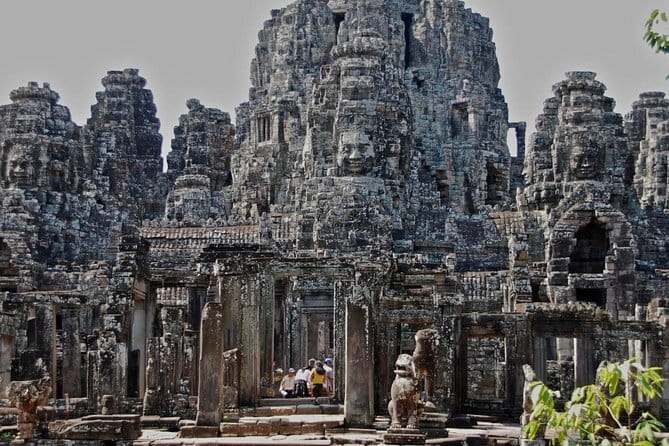
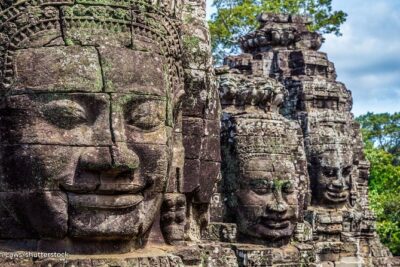
The main stop here is Bayon Temple, famous for its towers and carved faces. The information for the tour describes 54 towers and 216 faces of the bodhisattva Avalokitesvara. Those numbers give you an idea of the scale, but the real appeal comes from walking close to the towers and seeing how the faces appear from different angles.
Bayon is not a quick photo stop. Its stone passages, towers, and carvings reward a guide who can explain what you are looking at. Sayon, the named guide connected with this experience, was praised for sharing interesting facts and taking good care of the group. That kind of help can make a real difference at a site where the details are easy to miss.
The wider Angkor Thom visit also includes Baphuon, described as one of the most spectacular temples in its prime. You will then see the Terrace of the Elephants, once used for public ceremonies and as a stage for the king’s grand audience.
The Terrace of the Leper King adds another layer of mystery to the area. The ancient Royal Palace and Phimeanakas are also part of this section. These sites make the first two hours more than a single-temple visit. You get a look at ceremonial spaces, religious buildings, and the remains of royal life within the old city.
The drawback is scope. Angkor Thom contains a great deal to see, and the stop is listed as about two hours. You should expect a broad introduction rather than an exhaustive examination of every structure.
Ta Prohm and the power of the trees
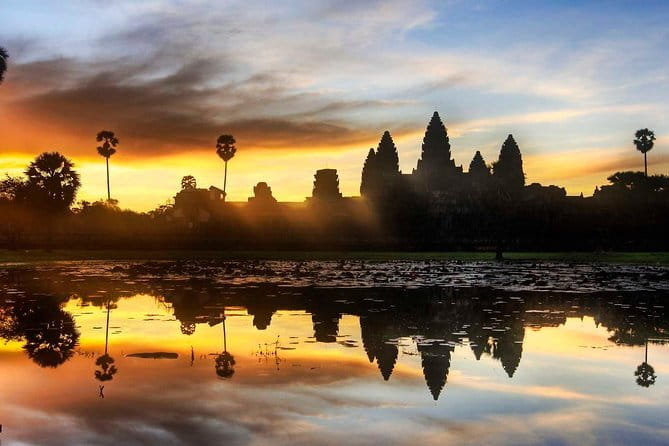
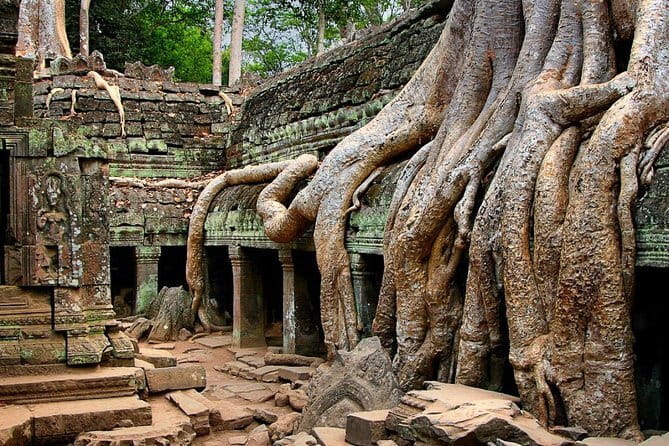
Ta Prohm is the temple most closely linked with jungle growth. Enormous fig trees press against the ruins, with roots wrapping around walls and stones. The temple has been left in much the same condition in which it was found, which gives it a raw, unsettled appearance.
I like Ta Prohm because it shows the tension between nature and architecture more clearly than the other stops. At Angkor Wat, the scale and design take control of your attention. At Ta Prohm, roots, broken galleries, and shadowed stone compete with one another.
The visit is planned for about two hours. That is enough time to see more than the best-known tree-covered views, assuming you keep a steady pace. A guide can also help you understand how the temple fits into the work of Jayavarman VII, rather than treating it as a dramatic backdrop alone.
Ta Prohm is one of the most popular temples in the Angkor complex, so the appeal comes with a practical consideration: this is unlikely to feel like a quiet private ruin. The tour itself is private, but the temple area is not reserved for your group. You should expect the setting to be a major attraction for many people.
Banteay Kdei, a quieter change of pace
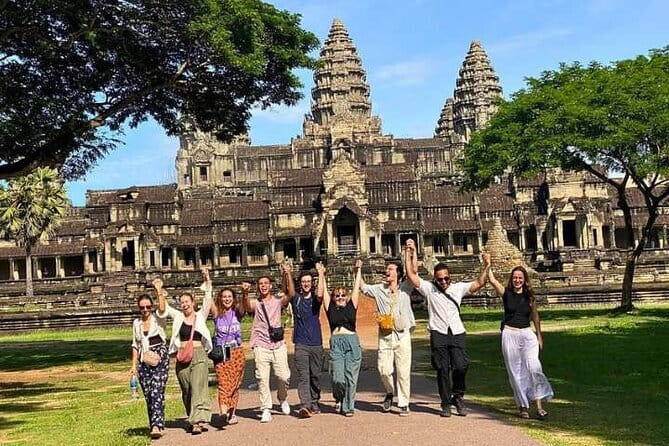
Banteay Kdei follows Ta Prohm and gives you another temple linked with Jayavarman VII. It was built from the late 12th century into the early 13th century and served as a Buddhist monastery.
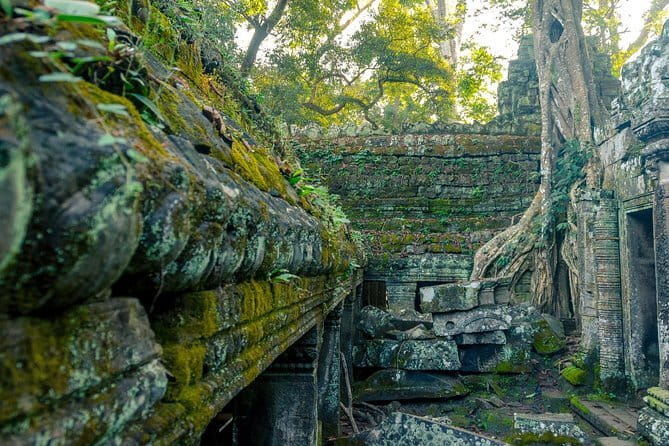
The complex is largely non-restored and shares a style with Ta Prohm. That makes it a useful comparison. At Ta Prohm, the tree roots are the obvious stars. At Banteay Kdei, the sprawling monastic layout and less-restored condition give you a better sense of a large religious complex in a more weathered state.
The stop lasts about one hour. That shorter visit helps keep the day moving, but it also means you will not have unlimited time to study every corridor or carving. I see Banteay Kdei as a valuable middle stop, especially if you want more than the standard Angkor Wat and Ta Prohm pairing.
The temple’s role as a Buddhist monastery under Jayavarman VII also adds useful context to the day. You have already seen royal and ceremonial spaces around Angkor Thom. Here, the focus shifts toward a religious and monastic setting.
A few more options around Siem Reap worth reading up on
- From Siem Reap: Kampong Phluk Floating Village Tour by Boat
★ 4.9 · 6,979 reviews - Sunset tour of Kampong Phluk stilts home village on the Tonle Sap
★ 5.0 · 4,865 reviews - Siem Reap: Kampong Phluk Floating Village Tour with Boat
★ 4.9 · 3,843 reviews - Siem Reap: Full-Day Angkor Wat Guided Tour with Sunset
★ 4.9 · 3,803 reviews
A 45-minute lunch break near the temples
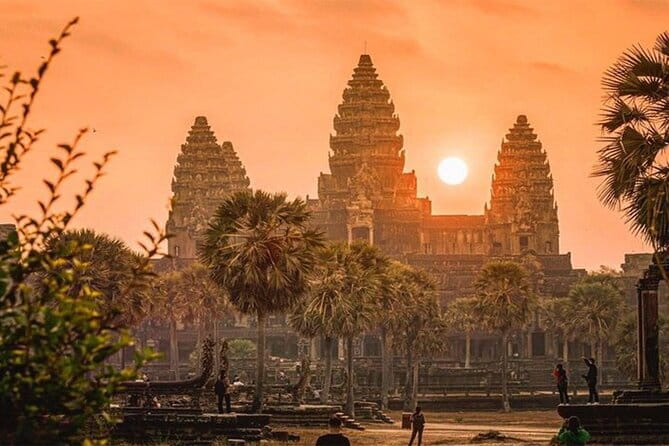
The schedule includes a small rest of about 45 minutes for lunch. Meals are not included, but the guide can recommend a restaurant in the temple area.
That arrangement keeps things simple without pretending lunch is part of the tour price. You should plan to pay separately for your meal and allow the full 45 minutes, since the day continues afterward.
The break is practical rather than leisurely. After walking through Bayon, Angkor Thom, Ta Prohm, and Banteay Kdei, you may appreciate a seat, food, and a chance to cool down. The exact restaurant and menu are not specified, so you should treat the guide’s recommendation as help with choosing a place, not as a guaranteed included meal or fixed dining experience.
Angkor Wat at the end of the day
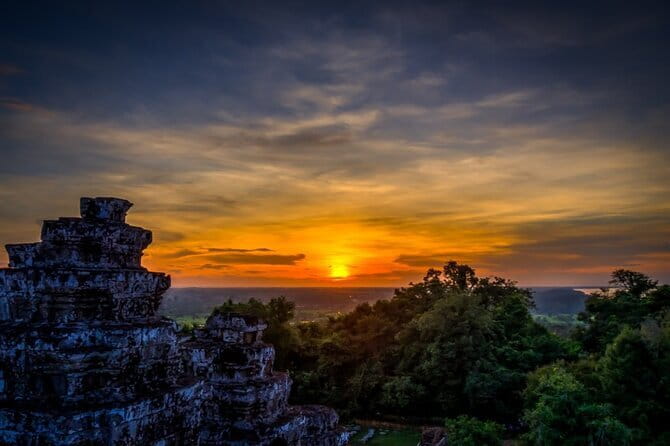
The final stop lasts about three hours and focuses on Angkor Wat, the best-known temple in the complex. It was built in the early 12th century by Khmer King Suryavarman II and dedicated to Vishnu in the Hindu religion.
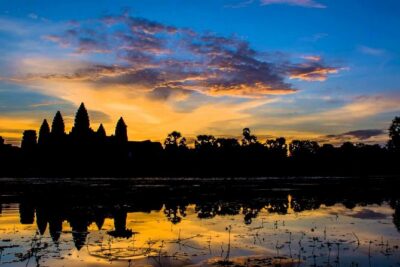
The timing is designed for sunset watching. Angkor Wat is a large site, and three hours gives you a reasonable amount of time to take in the temple before concentrating on the late-day view. You can expect the stop to be more than a short photograph outside the main entrance.
Angkor Wat’s importance comes from both its size and its place in Southeast Asian archaeology. The long galleries, towers, courtyards, and religious imagery make it a fitting final stop after seeing the later work associated with Jayavarman VII.
The sunset element is attractive, but it is also the part of the day most affected by conditions outside the tour operator’s control. The experience promises a sunset view, not a guaranteed clear sky or dramatic colors. Keep your expectations focused on being at Angkor Wat during the late-day period, rather than demanding a perfect photograph.
You should also remember that the tour begins at 9:30 am and lasts about eight hours. Depending on the day’s pace and the timing of sunset, the schedule may feel tightly organized. The three-hour Angkor Wat visit gives you breathing room, but the earlier temple stops already make this a full outing.
Why a private vehicle helps at Angkor
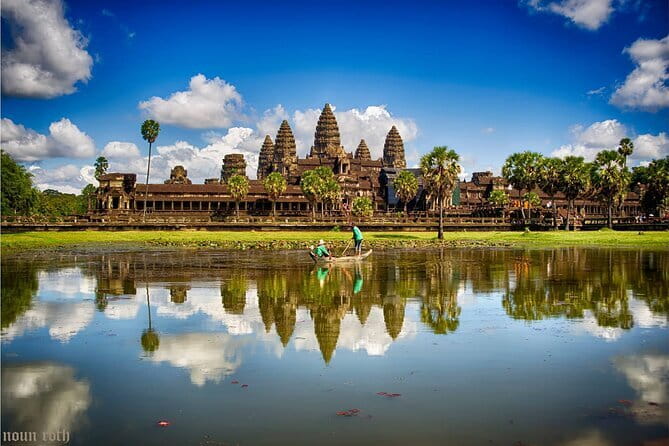
The listed transport is an air-conditioned vehicle, and the tour is private for your group. That combination is one of the strongest practical reasons to consider this experience.
The temples are spread across a large archaeological area. Moving between them in a cool vehicle saves energy that you can spend walking through Bayon, Ta Prohm, Banteay Kdei, and Angkor Wat. Cold water and a cold towel are included as well.
A private vehicle also removes the need to work out each transfer during the day. Your guide can keep the route together and help you move from one temple area to the next. The information does not specify the vehicle size, so you should confirm any special space needs before booking.
The private arrangement suits couples, families, and small groups who want to remain together. Group discounts are offered, though the exact discount amount is not provided. If several people are sharing the experience, the per-person value may improve.
Who will enjoy this temple day most
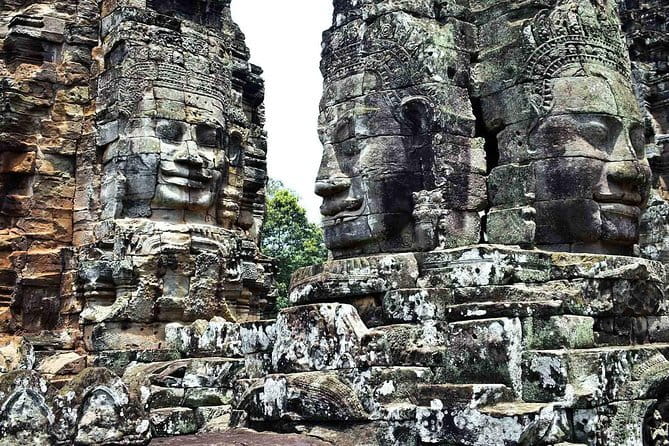
I would recommend this tour to you if you want to cover the major highlights in one organized day and prefer personal attention from a guide. It works particularly well for a first visit, since the route includes the famous faces of Bayon, the tree-covered ruins of Ta Prohm, the less-restored Banteay Kdei, and Angkor Wat itself.
It also suits you if comfort matters. Air-conditioning, water, a cold towel, and private transport make the long day easier than managing every movement independently.
The tour may be less suitable if you want a very slow photographic outing. Four major temple areas, a lunch break, and an eight-hour schedule leave limited room for lingering at every doorway. You may also prefer a different plan if you want to focus only on Angkor Wat or spend a full day at one smaller group of ruins.
Most people can participate according to the supplied tour information. No detailed accessibility specifications are provided, so you should ask the operator about mobility requirements before booking if that is important for your group.
Booking, cancellation, and practical planning
Confirmation is provided when you book, and pickup is offered. The stated start time is 9:30 am. Since the tour lasts about eight hours, plan for a substantial portion of your day rather than a short morning excursion.
The Angkor Wat ticket is not included, so arrange that cost in advance when working out your budget. Breakfast, lunch, and dinner are also excluded. The guide can recommend a lunch restaurant near the temples, but the meal itself remains your responsibility.
Free cancellation is available if you cancel at least 24 hours before the experience’s start time. A cancellation made less than 24 hours in advance is not refunded, and changes inside that period are not accepted. The cut-off follows local Siem Reap time.
Should you book Explore Angkor Wat Sunset Watching?
Book this private tour if you want the major Angkor highlights in one day, value an English-speaking guide, and like the ease of private air-conditioned transport. The route has a good rhythm: royal and ceremonial Angkor Thom first, atmospheric Ta Prohm, less-restored Banteay Kdei, then Angkor Wat and the sunset period.
The strongest reason to book is the combination of coverage and personal service. Sayon was specifically praised for careful attention and clear facts, which is exactly the kind of guidance that can turn a long walk among stones into a more meaningful visit.
Skip it if you are trying to keep costs as low as possible, since the temple ticket and meals are extra. Also think twice if eight hours and four major temple areas sound rushed. For a first look at Angkor with comfort, a private group, and a sunset finish, this is a well-balanced choice.
FAQ
Where does this experience take place?
The tour takes place in Siem Reap, Cambodia, at the Angkor temple complex.
What time does the tour start?
The stated start time is 9:30 am.
How long does the tour last?
The experience lasts approximately eight hours.
Is this a private tour?
Yes. Only your group participates in the private tour or activity.
Which temples are included?
The route includes Bayon Temple, the South Gate and central Angkor Thom area, Ta Prohm, Banteay Kdei, and Angkor Wat.
Is the Angkor Wat admission ticket included?
No. The Angkor Wat ticket is not included in the tour price.
Are meals included?
No. Breakfast, lunch, and dinner are not included. The guide will recommend a nearby restaurant for the approximately 45-minute lunch break.
What is included in the tour?
The tour includes an air-conditioned vehicle, an English-speaking guide, cold water, and a cold towel.
Is pickup available?
Yes. Pickup is offered.
Can I cancel for a full refund?
Yes, if you cancel at least 24 hours before the experience’s start time. Cancellations made less than 24 hours before the start time are not refunded.
Newest reviews from Siem Reap
- War Museum, Killing Field, and APOPO Hero RATs Tour★ 5.0 · 7 reviews
- Angkor Wat at Sunrise★ 4.0 · 7 reviews
- Siem Reap Angkor Airport Taxis (from Airport to Hotel)★ 5.0 · 44 reviews
- Short Cycling at Countryside★ 5.0 · 29 reviews
- Cambodian Cooking Class and Oxcart Ride with Local Village Tour★ 5.0 · 4 reviews
- Secret Temples of Angkor – Guided Tour in Siem Reap★ 5.0 · 6 reviews
- SIEM REAP E-BIKE HALF-DAY COUNTRYSIDE (25-30 km)★ 4.0 · 1 review
- Unveiling the Mystical Beauty of Phnom Kulen National Park★ 5.0 · 6 reviews
Angkor Wat Tours, compared.
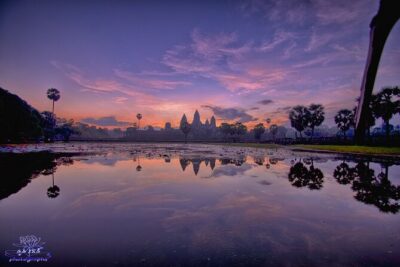
Angkor Wat Sunrise or Sunset Tour with Guide from Siem Reap
Read our review →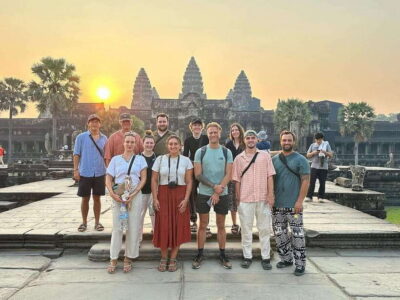
Angkor Wat: Small-Group Sunrise or Sunset Tour
Read our review →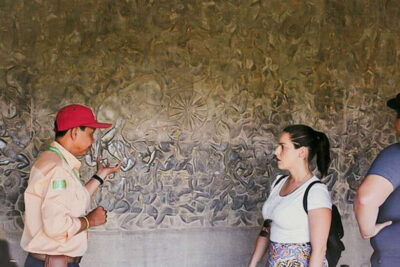
Angkor Wat 2-Day Tour with Sunrise and Sunset
Read our review →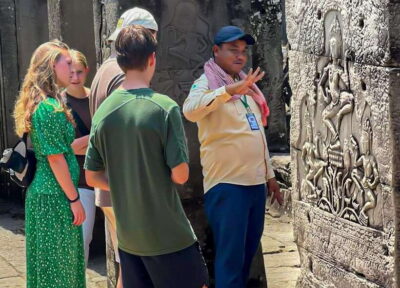
Angkor Wat Sunrise tour with Small – Group and Guide tours
Read our review →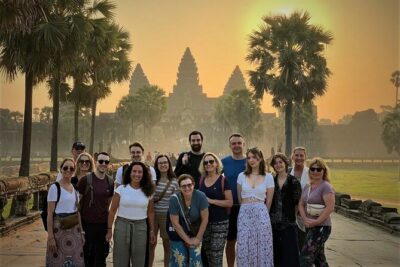
Angkor Wat Highlights and Sunrise Guided Tour from Siem Reap
Read our review →
Angkor Wat Sunset Small Group Tour with Lunch Included
Read our review →