Reviewed · TOURS
Decide Your Own Tour from Siem Reap (DELUXE)
One day, many ways to see Cambodia. This private Siem Reap tour gives you a guide, careful driver, air-conditioned vehicle or tuk-tuk, and room to shape the day around your interests. I like the freedom to focus on temples, countryside, crafts, food, or village life, and I like that hotel pickup and bottled water are included. The main catch is that the long menu of possible stops can make a single six to eight hour day feel overstuffed, especially since temple tickets and other entrance fees cost extra.
I also appreciate the chance to see more than Angkor Wat. A visit to Kampong Phluk can bring you close to a very different way of life, while the silk farm and Artisans Angkor add useful context about Cambodian crafts and rural employment. You should also be ready for a few rough edges: some parts of the day, particularly the floating village and sites connected to Cambodia’s painful past, may feel confronting rather than polished.
In This Review
- Key points to know before booking
- A flexible private day in Siem Reap
- Angkor Wat before sunrise
- Phnom Kulen and Cambodia’s royal origin story
- Kampong Phluk and life on a changing lake
- Angkor Silk Farm and Artisans Angkor
- Koh Ker and Kbal Spean require a serious time choice
- City sights, food, and local production
- Transport, timing, and comfort
- Is $120 per person good value?
- Who will get the most from this tour?
- Should you book it?
- FAQ
- How long does the tour last?
- Is hotel pickup included?
- Is this a private tour?
- Is an English-speaking guide included?
- Are temple entrance tickets included?
- Can I choose the places I visit?
- What should I wear?
Key points to know before booking
- The itinerary is a menu, not a realistic promise to visit everything: Angkor Wat, Phnom Kulen, Kampong Phluk, Koh Ker, Kbal Spean, crafts, food, museums, and city sights are all possible interests, but the full list cannot fit comfortably into one day.
- You get a private tour: Only your group participates, so you can discuss the plan with the guide rather than follow a fixed group schedule.
- The price is $120 per person: Hotel pickup, a private vehicle, an English-speaking guide, and bottled water are included, but temple entrance tickets are not.
- Kampong Phluk may be emotionally confronting: The village sits on stilts and depends heavily on fishing, giving you a close look at life shaped by changing water levels.
- Phnom Kulen adds a major historical and natural side trip: The mountain includes a reclining Buddha, the River of 1000 Lingas, and two-tier waterfalls.
- Comfortable shoes matter: Several stops involve walking or climbing, and flat shoes are specifically recommended.
A flexible private day in Siem Reap
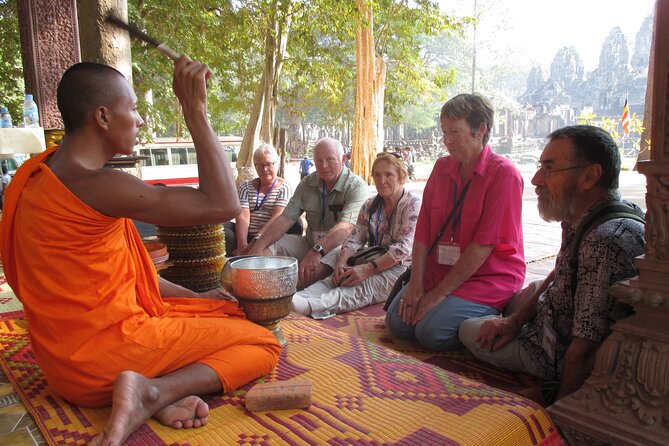
The best way to understand this experience is as a private planning service, not a standard sightseeing circuit. You tell the guide what you want to see, and the guide and driver work out the route with you.
That flexibility matters in Siem Reap. You may want a classic Angkor day, a countryside outing, a craft-focused visit, or a mix of city sights and village life. A private arrangement lets you adjust the balance instead of spending half the day at places that do not interest you.
The advertised duration is about six to eight hours. That is enough for a sensible selection of nearby sights, but not for the whole menu. The listed stop times alone add up to roughly six and a half hours, before driving between sites, parking, walking, meals, and ticket arrangements. Koh Ker, Kbal Spean, and Phnom Kulen also require substantial travel outside the city area.
I would choose two or three main priorities before pickup. If Angkor Wat is your main goal, make the temples the center of the day. If you want mountain scenery and waterfalls, give Phnom Kulen most of the available time. If community life and crafts matter more, combine Kampong Phluk with the silk farm or Artisans Angkor.
A few more options around Siem Reap worth reading up on
- Angkor Wat Sunrise or Sunset Tour with Guide from Siem Reap
★ 5.0 · 12,109 reviews - Siem Reap: Angkor Wat: Small-Group Sunrise or Sunset Tour
★ 5.0 · 9,444 reviews - From Siem Reap: Kampong Phluk Floating Village Tour by Boat
★ 4.9 · 6,979 reviews
Angkor Wat before sunrise
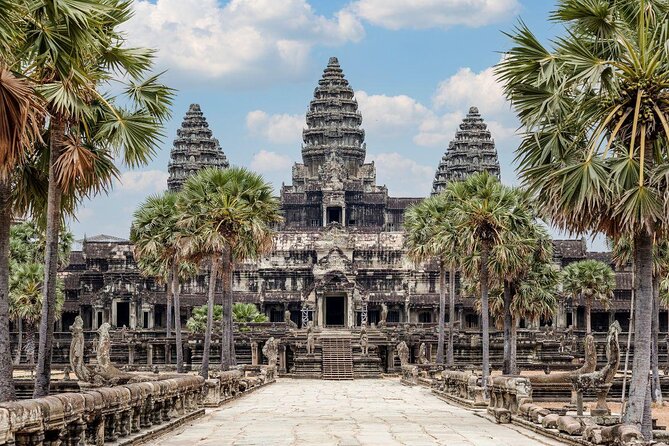
Angkor Wat is the headline stop, and for good reason. Built in the early 12th century, it is the largest religious monument in the world and the best-preserved temple in the Angkor complex.
The proposed approach begins in darkness from the quieter eastern side. You then walk along a jungle path toward the northern ancient library pool to wait for sunrise. That plan offers a less direct approach than simply joining the busiest front entrance crowd, though early starts require both patience and a willingness to walk in low light.
After sunrise, the guide explains the temple’s history, myths, and carved scenes. You can spend time in the central chambers and study the long stone bas-reliefs. These carvings are not a quick photo stop. I would allow time to look closely at the figures and stories, then pause to understand how the temple functioned as both a religious center and a major work of art.
The admission ticket is not included. You should confirm which Angkor ticket you need before setting out, since this tour price does not cover temple entry. Flat, comfortable shoes are a wise choice, and bottled water is supplied.
If Angkor Wat is your first visit, I would not pair it with every other major stop listed here. The temple alone can fill much of your attention, particularly if you want explanations rather than a rapid walk around the outside.
Phnom Kulen and Cambodia’s royal origin story
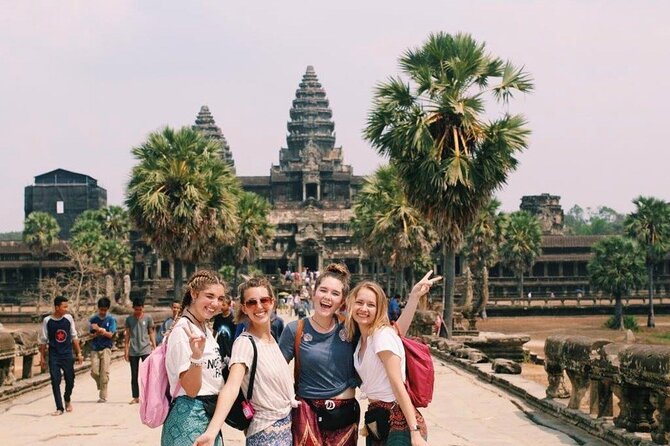
Phnom Kulen offers a very different day from the main Angkor temples. The mountain has great symbolic importance in Cambodia because King Jayavarman II proclaimed independence from Java there in 802 AD, an event linked with the beginning of the ancient Khmer Empire.
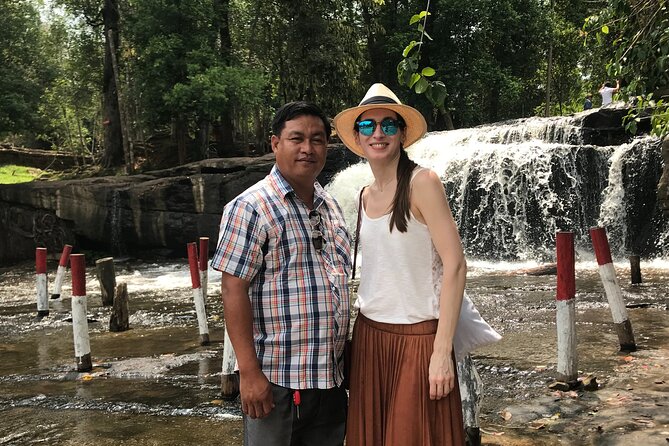
The drive to the summit is described as taking about half an hour. At the top, you can visit the 16th-century Buddhist temple of Phra Ang Tho. A short climb up stone steps leads to a 17-metre reclining Buddha, with views across the countryside.
The River of 1000 Lingas is another key stop. Hundreds of lingas are carved into the sandstone riverbed, and the water was regarded as holy. The route then continues toward two-tier waterfalls, giving this outing a mix of religious sites, history, water, and mountain scenery.
The tradeoff is time. Phnom Kulen is not a quick add-on to a full Angkor circuit. Entrance fees are extra, and the walking, steps, and outdoor setting make good footwear important. If you choose this option, I would treat the mountain as the day’s main event rather than trying to squeeze it between several distant temples.
Kampong Phluk and life on a changing lake
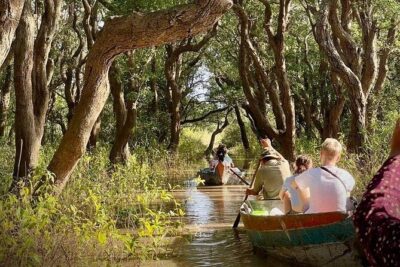
Kampong Phluk means Harbor of the Tusks in Khmer. The community depends largely on fishing, especially shrimp fishing during Cambodia’s wet season from May through October.
Many buildings stand on stilts between six and nine metres high. That construction reflects the major change in water level between the wet and dry seasons. The village is not simply a scenic boat stop. It shows how homes, work, and transport adapt to the annual rhythm of the lake.
I think this is one of the most meaningful choices on the tour, but it is not always easy viewing. You can find yourself close to communities living with limited resources, and the experience may feel confronting. A responsible guide matters here. The tour’s strongest praise centers on a guide who handled this encounter carefully and helped make it feel like a privilege rather than a spectacle.
Approach the village with respect. Listen to the explanation, avoid treating homes and daily work as a stage, and accept that the visit may challenge your idea of a sightseeing day. Admission is not included, and the one-hour listing does not include all travel time.
Something completely different for another day:
- Sunset tour of Kampong Phluk stilts home village on the Tonle Sap
★ 5.0 · 4,865 reviews - Siem Reap: Angkor Wat 2-Day Tour with Sunrise and Sunset
★ 4.9 · 4,429 reviews - Siem Reap: Kampong Phluk Floating Village Tour with Boat
★ 4.9 · 3,843 reviews - Siem Reap: Full-Day Angkor Wat Guided Tour with Sunset
★ 4.9 · 3,803 reviews
Angkor Silk Farm and Artisans Angkor
The Angkor Silk Farm belongs to Artisans Angkor, a social business that supports young people in rural Cambodia while helping revive traditional silk production.
The free guided visit covers the whole process. You can see mulberry orchards, silkworm breeding, spinning, dyeing, and weaving. That sequence helps you understand the work behind a finished silk item. Instead of seeing a scarf or textile only as a souvenir, you see the plants, insects, tools, and careful handwork connected to it.
The farm is an easy way to add a craft stop without paying another admission fee. The visit lasts about 30 minutes, so it can fit well beside a city or temple plan. Still, you should not expect a long workshop or a hands-on class from the information provided. It is primarily a guided look at production.
Artisans Angkor is in central Siem Reap, about a two-minute walk from the Old Market. You can visit the showroom and craft room, where traditional stone and wood carving, statue painting, lacquering, and silver plating are made or displayed.
I like the pairing of these two stops because they connect rural employment, cultural preservation, and skilled production. They also give you an alternative to spending every hour among monuments. Both are especially useful if you want to buy crafts with a clearer idea of how they were produced.
Koh Ker and Kbal Spean require a serious time choice
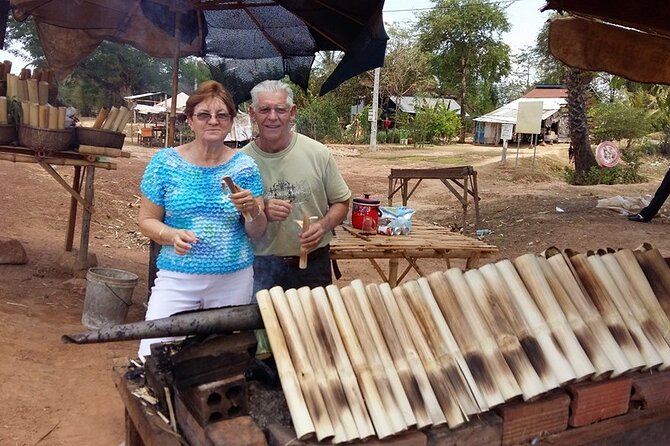
Koh Ker was the 10th-century capital of the Angkorian Empire. It was later abandoned in the forest during years of civil war, and more than 100 temple ruins may remain in the wider area.
The appeal here is distance from the standard Siem Reap circuit. You get a look at a former royal center that is less familiar than Angkor Wat, with scattered temple ruins rather than one famous central monument. The drawback is obvious: a one-hour stop does not represent the full journey from Siem Reap, and the drive can take a large share of a six to eight hour tour.
Kbal Spean is another special-purpose outing. This holy site was valued during the Angkorian period because its waters flowed over carved gods and lingas before continuing toward the royal city and its temples.
The site’s meaning depends on the connection between water, religion, and kingship. It is not simply another ruin to photograph. As with Phnom Kulen, I would choose Kbal Spean only if its river carvings are a high priority. Pairing it with Angkor Wat, Koh Ker, and a floating village would likely leave too little time for any one place.
Both sites require extra admission costs. Confirm the route, driving time, and entrance arrangements with the guide before committing to them.
City sights, food, and local production
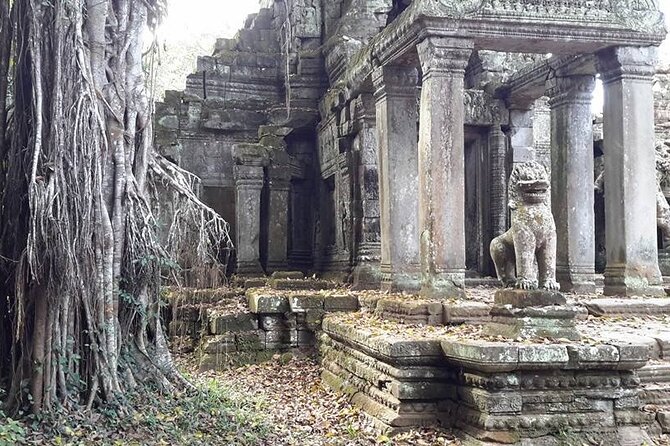
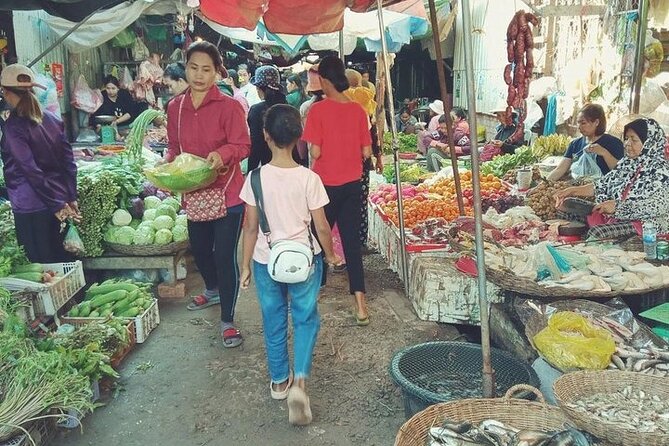
The flexible format can also be used for a shorter Siem Reap day. Possible city stops include the Royal Garden, a Buddhist pagoda, markets, museums, and the Old Market area.
The city menu also includes the Landmine Museum, Killing Fields, Art and War sites, street food, monk blessing, ceramic workshops, wooden and stone artisans, palm sugar production, basket weaving, family handicrafts, and cloth weaving. A countryside lunch hosted by a local family is another possible choice.
These options are useful because they show Cambodia beyond its monumental past. A market or street food visit can make the day feel more connected to ordinary life. A monk blessing or pagoda visit requires respectful behavior and suitable clothing, so ask the guide what is appropriate before entering.
The Landmine Museum, Killing Fields, and war-related sites can be difficult. They are valuable for understanding Cambodia, but I would not schedule them casually between cheerful shopping stops. Give these places enough time and emotional space.
A local family lunch could be a strong choice if you want food and conversation in a rural setting. The details of the meal, location, and menu are not specified, so ask what is planned before you agree. The same applies to street food if you have dietary restrictions.
Transport, timing, and comfort
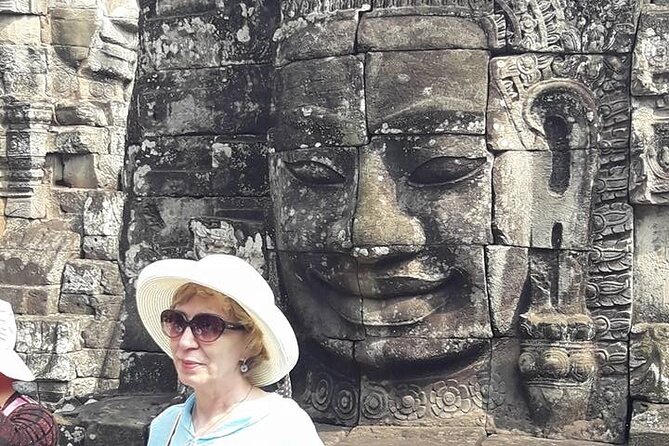
The tour includes hotel pickup and drop-off, an English-speaking guide, a private air-conditioned vehicle, and bottled water. A tuk-tuk may also be available, depending on the plan you arrange.
A private vehicle is useful for a mixed itinerary, especially when you combine city streets with remote mountain or temple areas. An air-conditioned vehicle also gives you a cooler place to rest between stops. A tuk-tuk can make short city trips feel more open and local, but the information does not specify which vehicle you will receive, so clarify that when booking.
You will be met in your hotel lobby by the guide and driver. The private format means only your group participates, which is a real advantage when you need to adjust walking speed, meal timing, or the number of temple stops.
The tour is suitable for most people, but that does not mean every route is equally easy. Angkor involves walking, Phnom Kulen includes a stone staircase, and outdoor sites may require uneven footing. Wear flat shoes that remain comfortable for several hours.
Is $120 per person good value?
At $120 per person, this is not the cheapest way to move around Siem Reap. It can be good value if you use the private guide and vehicle well.
Your fee includes door-to-door transport, an English-speaking guide, a driver, bottled water, and the ability to shape the day. That is more useful than paying for a fixed route that includes stops you do not want. The value improves for a small group, since the cost buys privacy and planning rather than just a seat in shared transport.
The price does not include temple entrance tickets. It also does not cover the admission costs for other listed sites. Since the possible route includes Angkor Wat, Phnom Kulen, Koh Ker, and Kbal Spean, your final cost can rise depending on your choices.
I would ask for a written plan with the expected entrance fees before the day begins. Also ask how many major stops fit into the selected time. The phrase decide your own tour sounds wonderfully open, but a clear plan will prevent disappointment when distant sites compete for the same hours.
Who will get the most from this tour?
I think this suits you best if you have specific interests and do not want a rigid group schedule. It works well for families, couples, and small private groups who want to set their own pace.
It is also a good match if you have already seen the main Angkor temples and want countryside, crafts, a floating village, or Phnom Kulen. First-time visitors can use it too, but I would put Angkor Wat, Bayon, and Ta Prohm first rather than chasing every far-flung option.
You may prefer another arrangement if you want a fixed, tightly timed sightseeing program with all entrance fees bundled into one price. This tour asks you to make choices, and the quality of the day depends partly on how clearly those choices are discussed.
The available feedback is limited, but the praise is consistent in two useful areas: responsible handling of the floating village visit and friendly, careful driving around Siem Reap. Those are important strengths when roads, heat, and sensitive community visits form part of the plan.
Should you book it?
Book this tour if you value privacy, flexible routing, and the chance to see Cambodia through more than temples. I would especially consider it for a second Siem Reap visit, or for a first visit when your group has clear priorities such as Phnom Kulen, crafts, or Kampong Phluk.
I would not book it expecting to cover Angkor Wat, Phnom Kulen, Koh Ker, Kbal Spean, a floating village, and several city stops in one relaxed day. Pick a sensible cluster, confirm the vehicle and entrance costs, and use the guide’s local planning help. Done that way, $120 per person can buy a useful and personal day rather than a hurried checklist.
Cancellation is free if you cancel at least 24 hours before the start time. Changes or cancellations made inside that window are not accepted for a refund.
FAQ
How long does the tour last?
The tour lasts approximately six to eight hours.
Is hotel pickup included?
Yes. You will be met by the guide and driver in your hotel lobby, and hotel drop-off is also included.
Is this a private tour?
Yes. Only your group participates.
Is an English-speaking guide included?
Yes. An English-speaking tour guide is included in the price.
Are temple entrance tickets included?
No. Temple entrance tickets are not included, and entrance costs for other selected sites may also be extra.
Can I choose the places I visit?
Yes. You can discuss your interests with the guide and tailor the tour. Options include temples, mountains, countryside, floating villages, city sights, museums, crafts, food, and local production.
What should I wear?
Wear flat shoes that are comfortable for walking. This is particularly useful for temple visits, mountain sites, and stops involving stairs or outdoor paths.
Newest reviews from Siem Reap
- Village walking & Cooking class in Siem Reap★ 5.0 · 2 reviews
- Angkor Wat Sunrise Shared Tours: Bayon, Ta Prohm And Kravan★ 5.0 · 1 review
- Ultimate Sunrise to Angkor Wat, Angkor Thom and Bayon Temple★ 5.0 · 3 reviews
- Twilight Tastes of Siem Reap Include Dinner★ 5.0 · 13 reviews
- Two Days Tour Angkor Complex; Banteay Srei, and Kulen Hill★ 5.0 · 1 review
- Trekking Tour at Phnom Kulen National Park from Siem Reap★ 5.0 · 3 reviews
- Trip to Big Circle included Banteay Srey and Banteay Samre★ 5.0 · 1 review
- Full-Day Private Tour of Angkor Wat with Pick Up★ 5.0 · 12 reviews
Tours, compared.
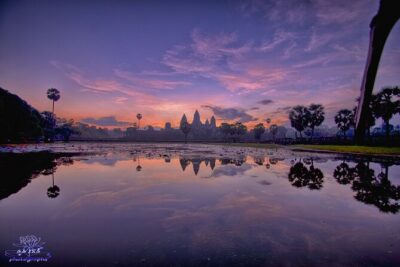
Angkor Wat Sunrise or Sunset Tour with Guide from Siem Reap
Read our review →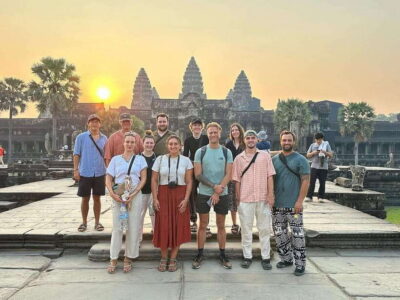
Angkor Wat: Small-Group Sunrise or Sunset Tour
Read our review →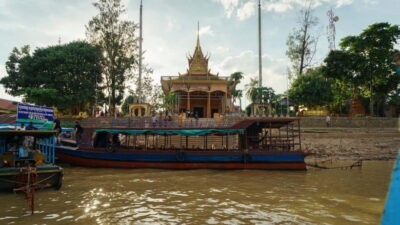
Sunset tour of Kampong Phluk stilts home village on the Tonle Sap
Read our review →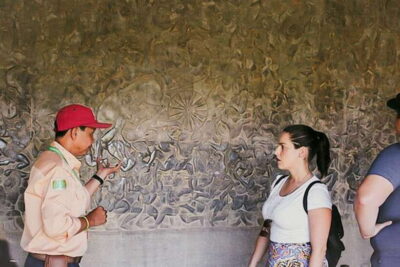
Angkor Wat 2-Day Tour with Sunrise and Sunset
Read our review →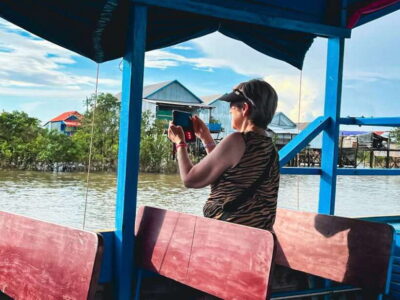
Kampong Phluk Floating Village Tour with Boat
Read our review →