
Reviewed · FLOATING VILLAGE TOURS
Beng Melea, Rolous Group & Kompong Phluk Floating Village
Jungle ruins meet lake life. This nine-hour private outing links three very different sides of Cambodia: the broken, tree-filled temple of Beng Melea, the early Khmer monuments at Rolous, and the fishing communities of Kompong Phluk on Tonle Sap. I especially like the contrast between ancient stone and present-day village life, and I like that guide Praim has proved patient, helpful, and good at adjusting explanations for families.
The main consideration is the long day and the extra cost of entrance tickets and meals. The tour price is $125 per group of up to four, which can be good value for a private vehicle, guide, hotel pickup, and boat trip, but the final bill will be higher once admissions are added.
In This Review
- Key points at a glance
- Why this nine-hour route works
- Beng Melea and the appeal of a broken temple
- Rolous, where Khmer temple building begins
- Lunch and the shift from stone to water
- Kompong Phluk and life on Tonle Sap
- A guide who shapes the experience
- Price, inclusions, and the real value
- Who should book this day out?
- Should you book Beng Melea, Rolous, and Kompong Phluk?
- FAQ
- How long does the tour last?
- What time is hotel pickup?
- Is this a private tour?
- What is included in the $125 price?
- Are temple entrance fees and meals included?
- How long is the Kompong Phluk boat cruise?
- What should I wear and bring?
- Can I cancel the booking?
Key points at a glance
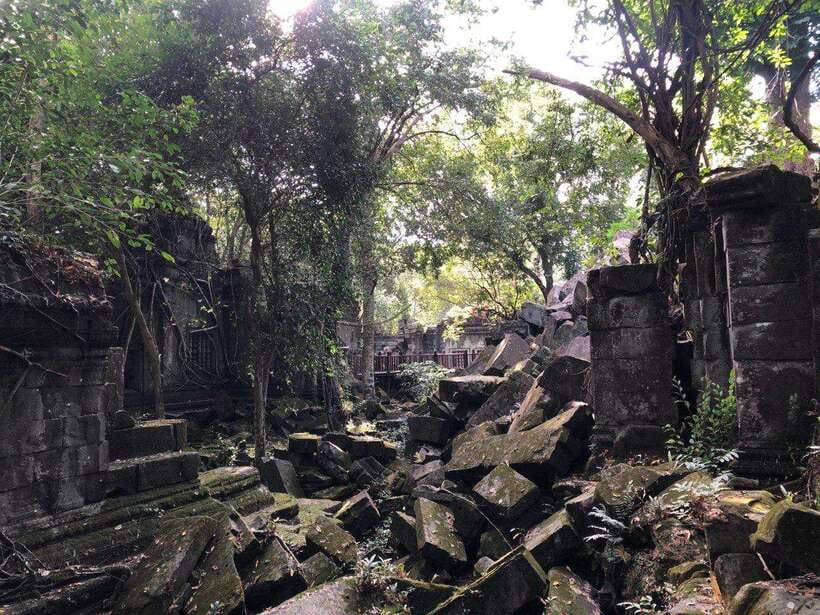
- Beng Melea feels genuinely wild: Broken galleries, fallen stones, and trees growing through the temple create a far less polished setting than central Angkor.
- Rolous takes you back to the early Khmer era: Bakong, Preah Ko, and Lo Lei date mainly from the late ninth century and help explain how Khmer temple design developed.
- Kompong Phluk adds living culture: The boat route passes stilted homes, fishing boats, a floating hospital, a fishery, and an island Buddhist temple.
- The private format matters: Your group of up to four has its own English-speaking guide and air-conditioned vehicle.
- The schedule is full but well balanced: Temple walks fill the morning, while the afternoon shifts to a roughly one-and-a-half-hour cruise and sunset on Tonle Sap.
- Praim earns special praise: He confirms arrangements, arrives on time, explains temple history clearly, and takes useful photos for his group.
Why this nine-hour route works
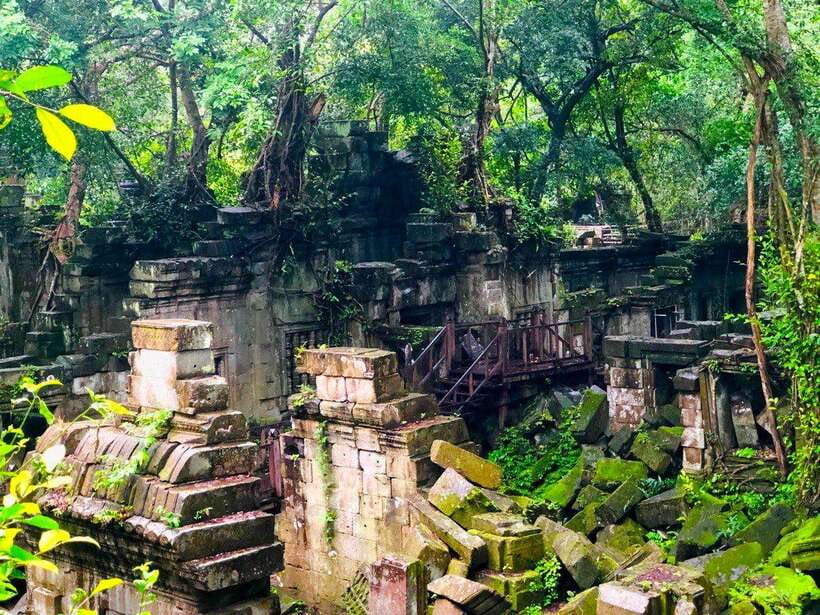
Many Siem Reap outings focus only on the famous Angkor temples. This one takes a wider view. You see an unrestored temple swallowed by trees, early Khmer monuments that predate Angkor’s grandest period, and a modern Cambodian community shaped by the rise and fall of Tonle Sap’s water.
That variety is the tour’s greatest strength. Beng Melea gives you atmosphere and photography. Rolous supplies historical context. Kompong Phluk shows how people live and work around a lake that changes dramatically with the seasons.
The day begins with hotel pickup in Krong Siem Reap at about 8:30 a.m. You are asked to wait in the hotel lobby five minutes before pickup. From there, the air-conditioned vehicle heads through rural Cambodian villages toward Beng Melea, about 65 kilometers from the city.
The tour is private, so the pace can feel more personal than a large coach excursion. The maximum group size is four people, making the $125 group rate especially worth considering for a family or small group. Split four ways, the base price is $31.25 per person, before entry fees, food, and personal spending.
More floating village trips:
- From Siem Reap: Kampong Phluk Floating Village Tour by Boat
★ 4.9 · 6,979 reviews - Sunset tour of Kampong Phluk stilts home village on the Tonle Sap
★ 5.0 · 4,865 reviews - Siem Reap: Kampong Phluk Floating Village Tour with Boat
★ 4.9 · 3,843 reviews
Beng Melea and the appeal of a broken temple
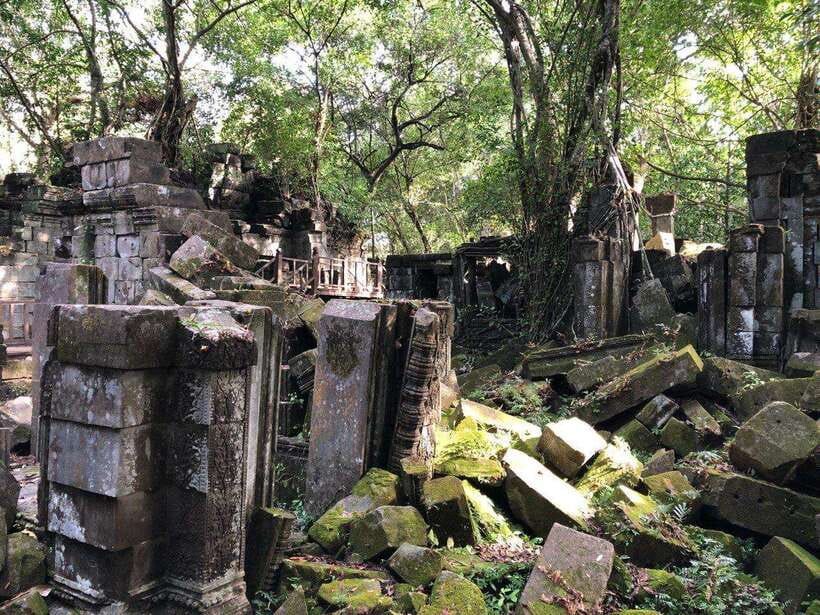
Beng Melea is the morning’s visual centerpiece. The name is connected with a lotus pond, and the temple sits away from the busiest core of Siem Reap. Built during the reign of Suryavarman II in the middle of the 12th century, it was dedicated to Hinduism.
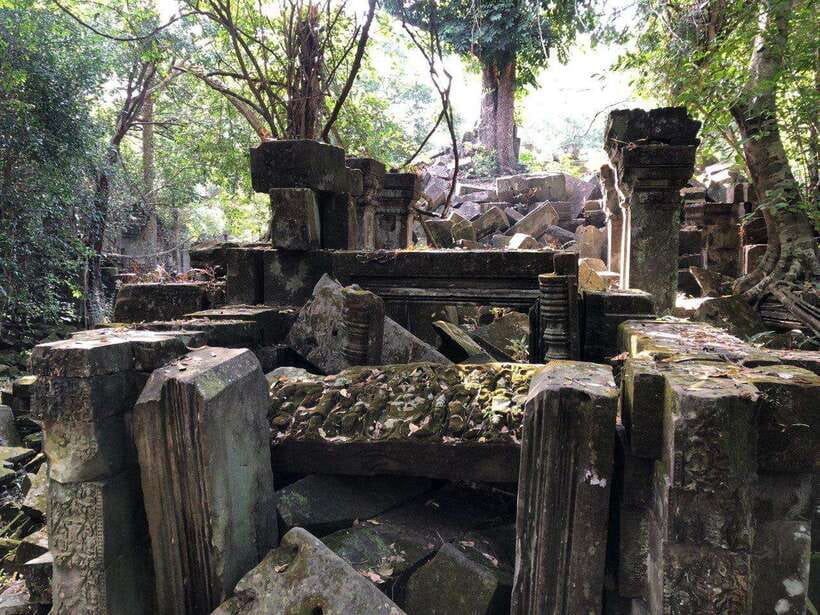
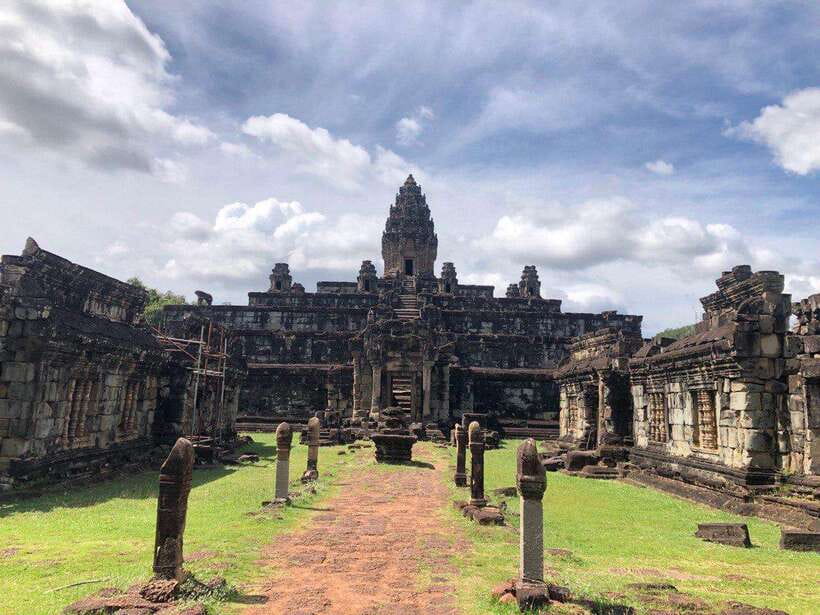
What makes Beng Melea special is not a perfect reconstruction. It is the opposite. Towers have collapsed, galleries are broken, and trees grow through sections of the complex. Roots, stones, shadows, and narrow passages create the feeling of an old place left to the forest.
That setting gives you a different experience from restored temples with clear walkways and carefully framed views. Here, the damage is part of what you came to see. You can picture how difficult it is to read a temple when walls, doorways, and towers no longer sit neatly in place.
Your guide is important here. Without explanation, Beng Melea can become a maze of attractive ruins. With a good guide, the fallen blocks and remaining carvings begin to make more sense. Praim was praised for pointing out significant details, answering questions, and taking photos without rushing the group.
The temple also works well for families, with one important condition: children need to be comfortable walking through an uneven ruin. Praim adjusted his explanations for two children, ages nine and six, helping them stay involved rather than treating the visit as a long history lesson.
Wear sturdy, comfortable shoes. Long pants and a long-sleeved shirt are advised, along with insect repellent, sunscreen, and a sun hat. The combination of trees, open areas, rough stone, and outdoor walking makes practical clothing more useful than stylish clothing.
Rolous, where Khmer temple building begins
After Beng Melea, the route turns toward the Rolous archaeological area, about 13 kilometers east of Siem Reap. The group includes Bakong, Preah Ko, and Lo Lei, some of the earliest permanent Khmer structures described on this tour.
These temples date from the late ninth century and mark the beginning of the classical period of Khmer civilization. That date matters. The monuments are not simply smaller versions of Angkor Wat. They help you see an earlier stage of Khmer religious architecture and royal building.
Bakong is the major stop in the group. Preah Ko and Lo Lei add different pieces to the picture. Your guide can connect the three sites and explain why the Rolous area is important, rather than leaving you with a string of names to remember.
I like the placement of Rolous after Beng Melea because the two temple visits feel different. Beng Melea is about wilderness, collapse, and mood. Rolous is better for understanding the development of Khmer civilization and the early use of permanent temple structures.
The drawback is that a full day with several temple stops can become tiring. You will be walking, standing, listening, and taking in repeated stone architecture before the boat ride begins. The private format helps, since a small group can ask questions and keep moving at a comfortable pace, but this is still not a relaxed morning of sitting in cafés.
Lunch and the shift from stone to water
Meals are not included, so you need to budget for food during the day. The supplied details do not specify a restaurant or a fixed lunch stop, so ask for the meal plan when booking or confirm arrangements with your guide.
That small practical point matters because the tour runs for about nine hours. You will likely want food and drinks between the temple visits and the afternoon boat excursion. Drinking water and a wet, cold towel are included, which is useful in Cambodia’s heat, but those items do not replace a meal.
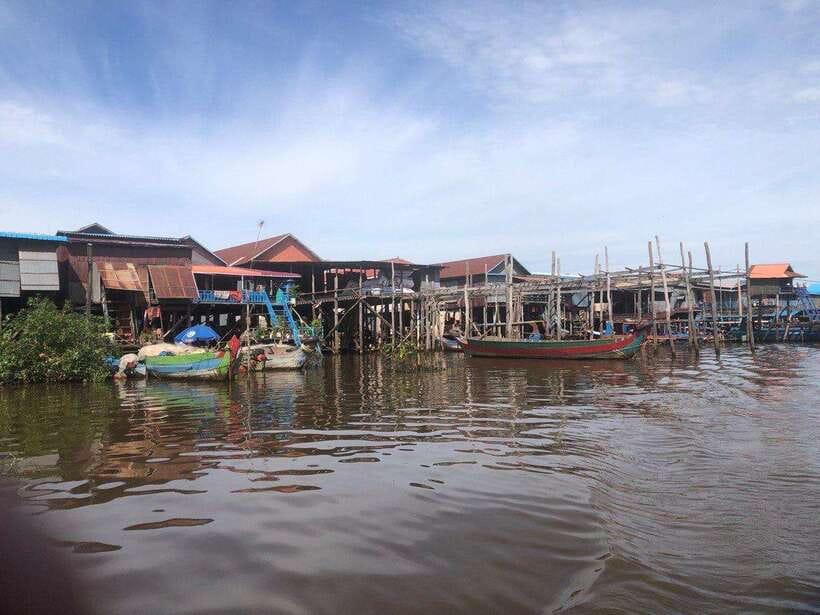
The afternoon changes the tone of the day. Instead of courtyards and carved stone, you head toward Tonle Sap, the largest freshwater lake in Southeast Asia. Kompong Phluk is about 30 kilometers southeast of Siem Reap, and the boat trip takes you through a fishing community connected closely to the lake.
A few more options around Siem Reap worth reading up on
- Angkor Wat Sunrise or Sunset Tour with Guide from Siem Reap
★ 5.0 · 12,109 reviews - Siem Reap: Angkor Wat: Small-Group Sunrise or Sunset Tour
★ 5.0 · 9,444 reviews - Siem Reap: Angkor Wat 2-Day Tour with Sunrise and Sunset
★ 4.9 · 4,429 reviews - Siem Reap: Full-Day Angkor Wat Guided Tour with Sunset
★ 4.9 · 3,803 reviews
Kompong Phluk and life on Tonle Sap
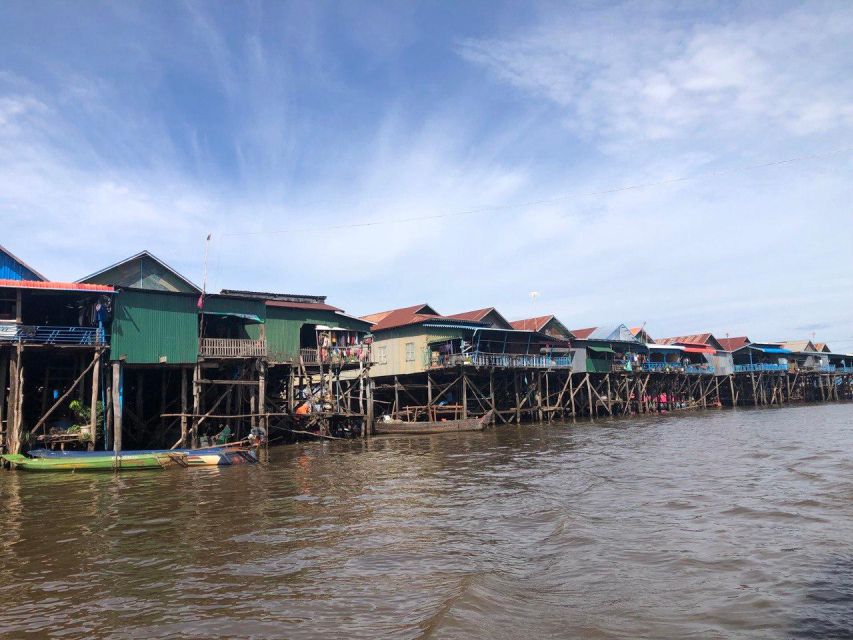
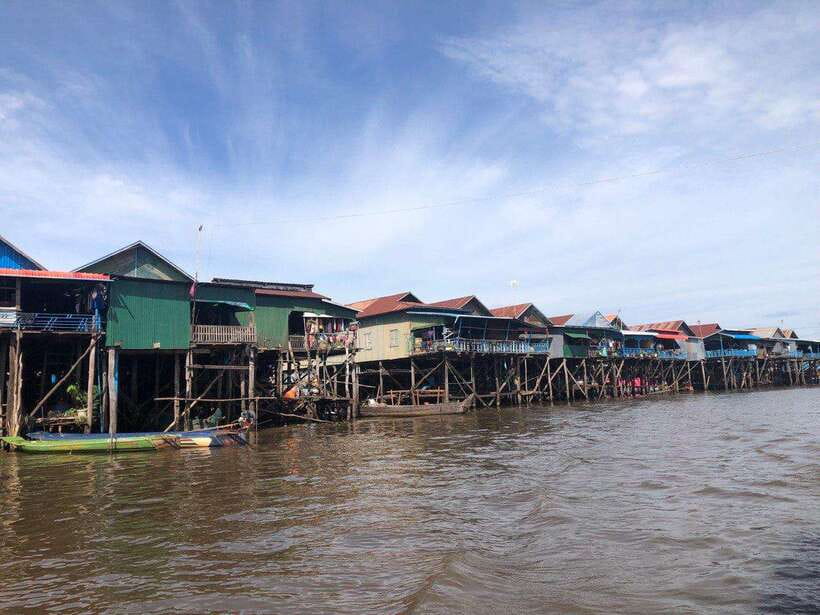
Kompong Phluk is a traditional Khmer floating village. The boat ride is the cultural heart of the excursion because it shows more than scenery. You pass tall stilted houses, fishing boats, a floating hospital, a fishery, and signs of everyday life shaped by the water.
The village is not presented as a museum. It is a working community. The water affects transport, housing, fishing, and the way people organize daily tasks. Seeing these details by private boat gives the guide room to explain what you are looking at instead of reducing the visit to a quick photo stop.
The route also includes flooded mangrove forest and an island Buddhist temple. These details make the cruise more varied than a simple ride across open water. You move between village structures, fishing activity, vegetation, and religious life.
The cruise lasts about an hour and a half. That is long enough to make the lake a major part of the day rather than a short add-on, but it also means conditions can affect your comfort. Bring sun protection, and use the hat, sunscreen, and long-sleeved clothing recommended for the outing.
The lake view at sunset is the final reward. Tonle Sap can feel broad and open after a day among enclosed temple walls. The changing light gives the return trip a calmer finish, although sunset timing and visibility can depend on the day.
One point to clarify is the seasonal character of Tonle Sap. The supplied tour details describe floating village life, tall houses, flooded forest, and boat travel, but they do not specify the water level or the exact village conditions on your date. Ask your guide what the route will look like during your visit.
A guide who shapes the experience
Praim is the guide name connected with the strongest praise. He confirms arrangements the night before, arrives on time, answers questions, and shares historical information in clear language.
That preparation is more valuable than it sounds. A long private day works best when the pickup is dependable and the transitions are smooth. It also helps when the guide can shift between temple history, family-friendly explanations, and practical help with photographs.
Praim’s photography is another useful touch. He took photos at Beng Melea and the other stops, which means you can spend more time looking around instead of constantly setting up a group picture. You should still bring your own camera or phone, but a guide who knows where to place a group can save time.
The English-language guiding is the only language specifically listed. If someone in your group needs another language, confirm that before paying.
Price, inclusions, and the real value
The base price is $125 for a private group of up to four. It includes hotel pickup and drop-off, an English-speaking guide, air-conditioned transportation, drinking water, and a wet, cold towel.
The boat trip is part of the planned outing, but entrance fees are not included. Meals, personal expenses, and anything outside the listed inclusions are also extra. This is the most important value point to understand before booking.
For a couple, $125 is a higher per-person cost than joining a group tour. In return, you get a private group, direct hotel service, a dedicated guide, and more control over questions and pacing. For four people, the price becomes much more attractive.
The tour also lists skip-the-line access through a separate entrance. That can save time at included sites, although it does not remove the need to pay the required admission fees.
Free cancellation is available up to 24 hours in advance for a full refund, and you can reserve now and pay later. Those terms make the booking less rigid if your Siem Reap plans are still shifting.
Who should book this day out?
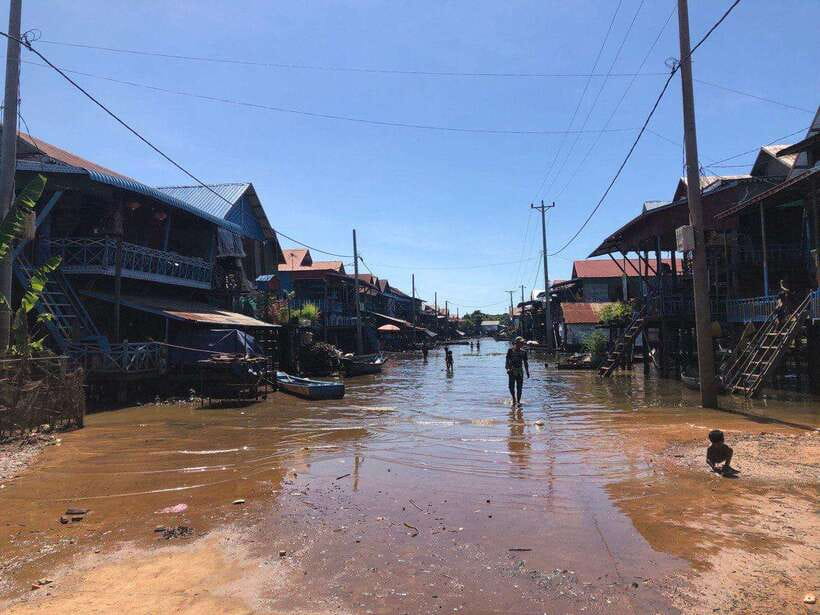
I would choose this tour if you want more than the standard temple circuit. It suits you if Beng Melea’s rough, forest-covered setting appeals to you, if you want early Khmer history at Rolous, and if you are curious about present-day life around Tonle Sap.
Families can benefit from the private setup, especially with a guide such as Praim who can adjust explanations for children. Couples and small groups will also appreciate having one vehicle, one guide, and a boat outing built into the same day.
You should think twice if you dislike long road transfers, outdoor heat, uneven temple surfaces, or a packed schedule. The route covers several sites and ends with a substantial boat trip, so it asks for energy.
It is not suitable for wheelchair users or people with epilepsy. Comfortable shoes are essential, and the recommended packing list is practical rather than optional: sun hat, sunscreen, insect repellent, long pants, a long-sleeved shirt, and comfortable clothes.
Should you book Beng Melea, Rolous, and Kompong Phluk?
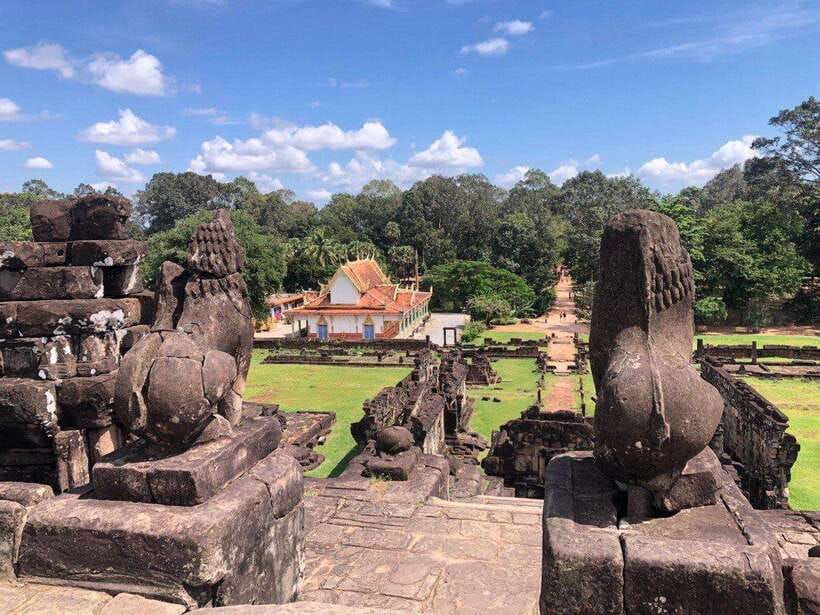
Book it if you want a private day with strong variety. Beng Melea supplies the memorable ruins, Rolous gives you an earlier chapter of Khmer history, and Kompong Phluk brings the focus back to Cambodian life today.
The best value comes when four people share the $125 group price. Before confirming, ask about the day’s meal arrangement and current entrance fees, since neither is included. If you accept the long schedule and prepare for heat, walking, and sun, this is a well-balanced way to see temples, countryside, and Tonle Sap in one outing.
FAQ
How long does the tour last?
The tour lasts about nine hours, beginning with pickup in Siem Reap and ending with drop-off at your hotel.
What time is hotel pickup?
Pickup is scheduled for about 8:30 a.m. You should wait in the hotel lobby five minutes before the scheduled time.
Is this a private tour?
Yes. It is offered as a private group experience for up to four people.
What is included in the $125 price?
The price includes hotel pickup and drop-off, an English-speaking guide, transportation in an air-conditioned vehicle, drinking water, and a wet, cold towel.
Are temple entrance fees and meals included?
No. Entrance fees, meals, personal expenses, and anything not listed in the inclusions are extra.
How long is the Kompong Phluk boat cruise?
The cruise takes about one and a half hours and includes views of the floating village, fishing activity, stilted houses, flooded forest, and an island Buddhist temple.
What should I wear and bring?
Wear comfortable clothes, comfortable shoes, long pants, and a long-sleeved shirt. Bring a sun hat, sunscreen, and insect repellent.
Can I cancel the booking?
Yes. You can cancel up to 24 hours in advance for a full refund. You can also reserve now and pay later.
Newest reviews from Siem Reap
- War Museum, Killing Field, and APOPO Hero RATs Tour★ 5.0 · 7 reviews
- Angkor Wat at Sunrise★ 4.0 · 7 reviews
- Siem Reap Angkor Airport Taxis (from Airport to Hotel)★ 5.0 · 44 reviews
- Cambodian Cooking Class and Oxcart Ride with Local Village Tour★ 5.0 · 4 reviews
- Secret Temples of Angkor – Guided Tour in Siem Reap★ 5.0 · 6 reviews
- Short Cycling at Countryside★ 5.0 · 29 reviews
- SIEM REAP E-BIKE HALF-DAY COUNTRYSIDE (25-30 km)★ 4.0 · 1 review
- Unveiling the Mystical Beauty of Phnom Kulen National Park★ 5.0 · 6 reviews
Floating Village Tours, compared.
Sunset tour of Kampong Phluk stilts home village on the Tonle Sap
Read our review →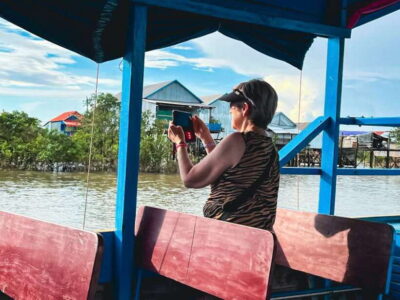
Kampong Phluk Floating Village Tour with Boat
Read our review →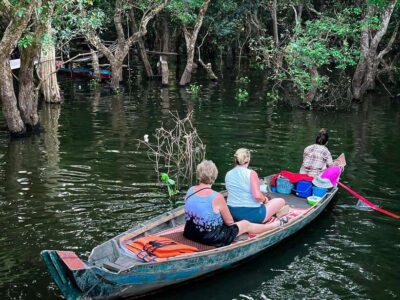
Siem Reap Floating Village Kampong Phluk Sunset with Boat
Read our review →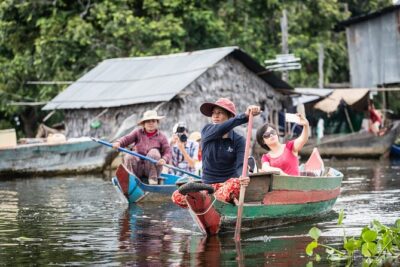
Kompong Phluk Floating Village Half-Day Tour ( Morning / Sunset )
Read our review →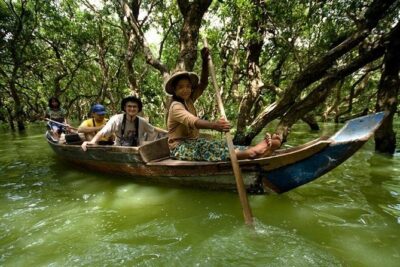
Tonle Sap Lake & Kampong Phluk Village Half-Day Tour
Read our review →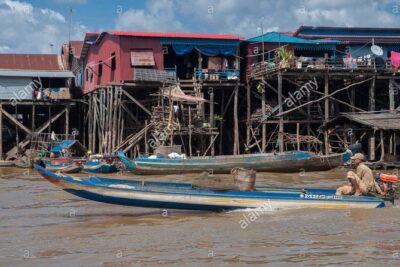
Browse the lists this tour appears in