
Reviewed · ANGKOR WAT TOURS
Angkor Wat: Sunrise 2.5 Days with Tonle Sap Lake Tour
Ancient stones, living villages, and very early mornings. This 2.5-day Angkor Wat and Tonle Sap tour gives you a broad look at Siem Reap, from the finely carved Banteay Srei temple to the floating-world atmosphere of Kampong Phluk. I especially like the small-group or private pacing, and I like that the schedule includes both Angkor’s famous monuments and a real community outside the temple zone.
You also get a guide, air-conditioned transport, hotel pickup, cold water, and cool towels, which matter in Cambodia’s heat. The main drawback is the extra cost of the Angkor temple pass: the tour is advertised at $69 per person, but the required two or three-day ticket costs another $62, and meals are not included. The early starts and long walking days also demand some energy.
In This Review
- Key points before you book
- What $69 really covers
- Day one: Pre Rup to Bakheng sunset
- Day two: sunrise, Angkor Wat, and Ta Prohm
- Day three: Kampong Phluk and Tonle Sap
- Guides, drivers, and the human side of the tour
- Pace, transport, and comfort
- Who should book this experience?
- FAQ
- Is the Angkor temple pass included?
- Does the tour include hotel pickup?
- What languages are available?
- Is the tour private or shared?
- What happens to the Tonle Sap visit during the dry season?
- What should I wear and bring?
- Should you book it?
Key points before you book
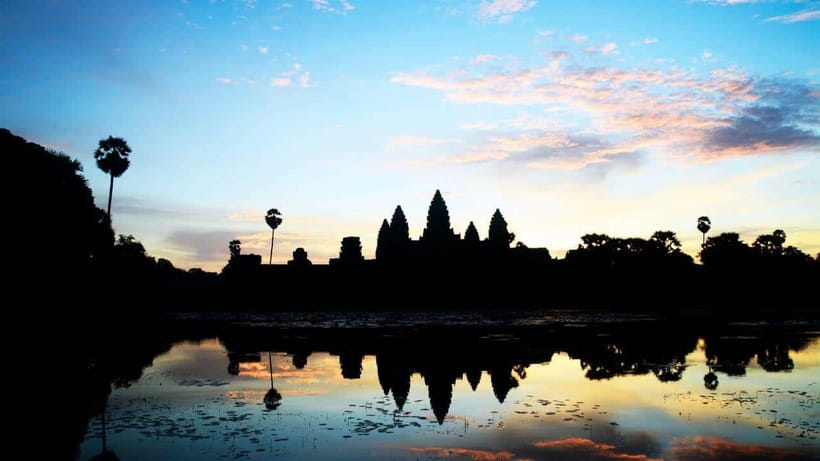
- Sunrise at Angkor Wat starts before dawn: You reach the temple early and watch the sky brighten beside one of the ancient library pools.
- Banteay Srei is the artistic highlight: This smaller temple is known for unusually fine sandstone carvings and detailed relief work.
- The tour covers more than the usual temple loop: Pre Rup, Neak Pean, Preah Khan, Ta Prohm, Ta Nei, Angkor Thom, Bayon, and Bakheng are included in the overall program.
- Tonle Sap adds a different side of Cambodia: The boat ride to Kampong Phluk takes you through fishing villages and a flooded forest setting.
- Guide quality is a major part of the value: Guides such as Sopheap Rath, Sokpee, Chhay, Rom, Ruom, and Sam have been praised for clear explanations and strong photography skills.
- Dry-season conditions can change the final day: From March through July, the Tonle Sap option may be replaced by Cambodia Phare Circus, Seat C, because of low water levels.
What $69 really covers
At first glance, $69 per person looks like a very low price for two and a half days of sightseeing. That price covers hotel pickup and drop-off in Siem Reap City, an English-speaking guide, an air-conditioned vehicle, bottled water, cool towels, and the guided visits. It also includes the sunrise at Angkor Wat and sunset at Bakheng Temple.
The catch is important. You must add $62 for the two or three-day Angkor temple pass. Meals are also your responsibility. Once you add the ticket, your basic cost is about $131 per person before food, so compare the full price rather than the headline number.
Even so, the package can be good value if you want transport and interpretation arranged for you. Angkor is spread over a large area, and the outer temples take time to reach. A guide also helps explain what you are looking at instead of leaving you to identify a row of weathered stones on your own.
The tour is described as small group, with private tours available. That distinction matters. A private departure lets you set the pace, linger over a carving, or shorten a stop if the heat catches up with you. If your booking is placed in a small group, ask how much flexibility you will have before you pay.
More ways to see Angkor Wat:
- Angkor Wat Sunrise or Sunset Tour with Guide from Siem Reap
★ 5.0 · 12,109 reviews - Siem Reap: Angkor Wat: Small-Group Sunrise or Sunset Tour
★ 5.0 · 9,444 reviews - Siem Reap: Angkor Wat 2-Day Tour with Sunrise and Sunset
★ 4.9 · 4,429 reviews
Day one: Pre Rup to Bakheng sunset
The first morning begins at Pre Rup, a Hindu temple built as the state temple of King Rajendravarman and dedicated in 961 or early 962. It is a temple mountain made from brick, laterite, and sandstone, and it gives you an early look at the bold, upward design used in Khmer temple building.
Pre Rup is also a useful first stop because it is less delicate and intimate than Banteay Srei. You can look at the overall form, the levels, and the materials before turning your attention to smaller carved details later in the day.
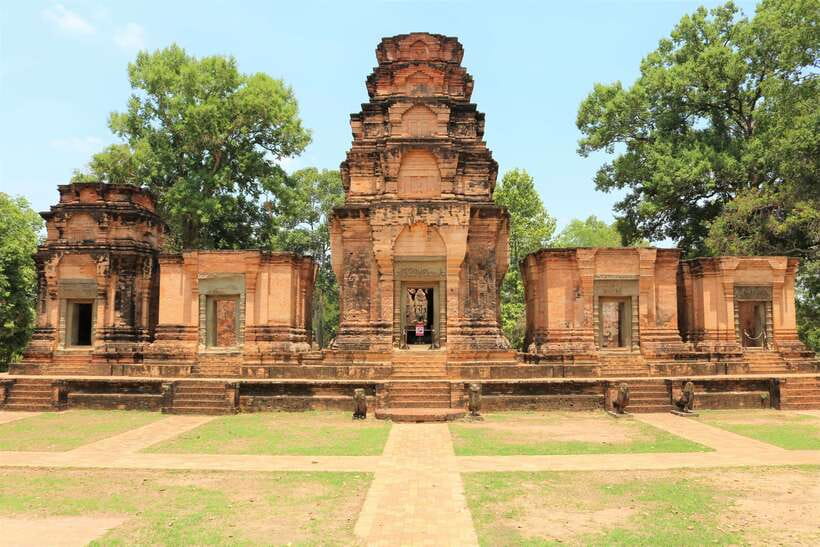
Banteay Srei is the artistic star of this route. The temple is smaller than Angkor Wat, but its sandstone reliefs are celebrated for their precision. Fine figures and patterns cover the structure, so I would slow down here and look closely rather than treating it as a quick photo stop.
The scale creates one of the tour’s best contrasts. Angkor Wat overwhelms you with size, while Banteay Srei rewards careful observation. If you enjoy sculpture and decorative carving, this may be the stop you remember most clearly.
Next comes Neak Pean, an artificial island with a Buddhist temple set on a circular island in the Jayatataka Baray. The setting gives this visit a different feel from the large temple mountains. You approach a monument shaped by water and symmetry, rather than by height alone.
The route continues to Preah Khan, a ruined complex with tree roots, broken walls, and crumbling stone corridors. It is one of the more atmospheric stops because the remains feel less controlled and polished. You get a sense of how forest and stone have occupied the same space for centuries.
The day ends with sunset at Bakheng Temple on Bakheng Mountain. Sunset is a popular time here, so expect this to be a shared experience rather than a quiet private corner. The climb and the wait are worth considering, especially after a full day on foot.
Bring water, wear shoes with a firm sole, and do not count on the sunset stop as a restful end to the day. The cool towels and air-conditioned vehicle help between temples, but Cambodia’s heat does not take the day off.
Day two: sunrise, Angkor Wat, and Ta Prohm
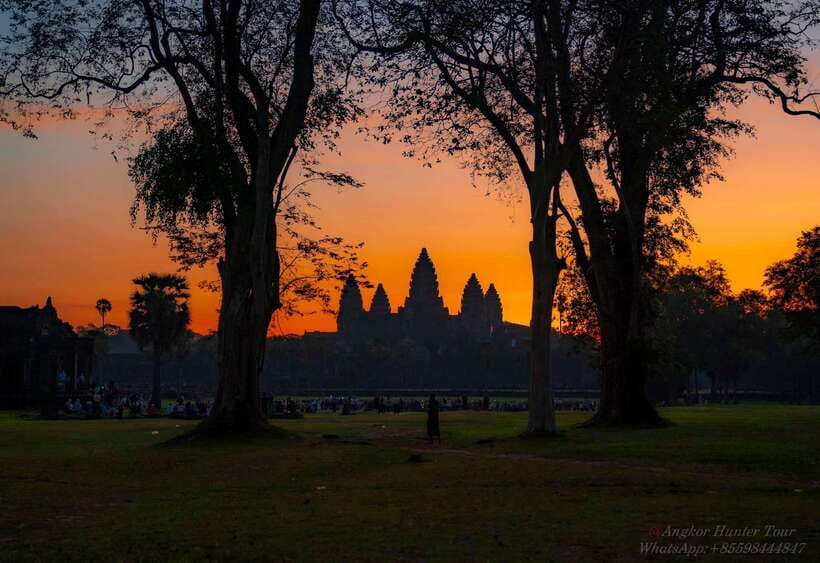
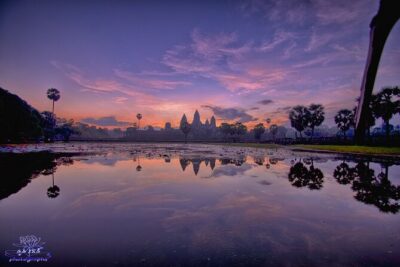
The second day begins before dawn. You are driven to Angkor Wat and wait near one of the ancient library pools as the light changes behind the temple. The sunrise is atmospheric, but it is not a secret or solitary event. This is one of the most popular moments in Siem Reap, so patience is part of the deal.
The best reason to take the sunrise option is not simply the photograph. Arriving early lets you see the temple before the full heat of the day, and the first light gives the towers and reflecting water a softer appearance. Clouds can affect the spectacle, so treat the sunrise as a beautiful possibility rather than a guaranteed perfect image.
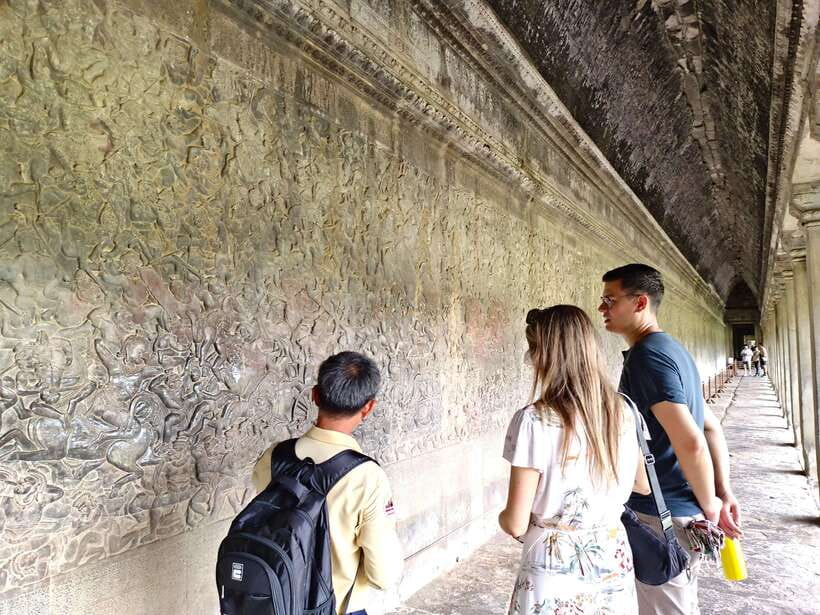
After the outdoor viewing, you explore Angkor Wat’s interior for about two hours. That is enough time to examine the corridors, central chambers, and upper terraces without reducing the visit to a quick walk through the front gate.
Your guide is particularly useful here. Angkor Wat has layers of decoration, religious meaning, and architectural planning that can blur together when you are tired. A clear explanation helps you notice why one gallery matters, how the central structure is arranged, and how the monument fits into the wider Angkor complex.
Breakfast is at your own expense at a local restaurant near the temple area. This arrangement keeps the tour flexible, but you should carry some cash and expect to pay separately. After breakfast, the route continues to Ta Prohm.
Ta Prohm is often called the Tomb Raider temple, and its appeal comes from the uneasy meeting of trees and masonry. Roots press against walls, doorways frame broken stone, and the whole site feels less formal than Angkor Wat. It is a strong stop for photographs, but the popular film connection also means it can be busy.
The final temple listed for this day is Ta Nei, a late 12th-century stone temple dedicated to the Buddha. Ta Nei is described as a long but rewarding visit. Its quieter, more ruined character gives you a useful counterpoint to Ta Prohm’s fame.
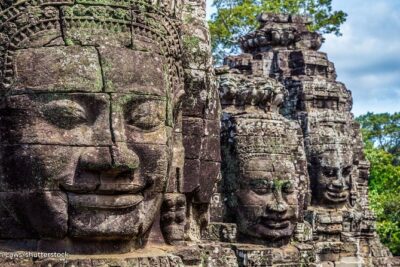
Angkor Thom City and Bayon are also included in the overall temple program. Bayon is recognized for its large carved faces, and Angkor Thom gives the day more scale beyond the individual temple interiors. Because the supplied schedule does not assign a precise time for these stops, confirm the exact order with the operator before departure.
The second day is the hardest physically. You are walking over uneven stone, climbing temple steps, and starting before daylight. Comfortable shoes are not a minor suggestion here. Cover your shoulders and knees, and do not wear shorts, since respectful clothing is required at the temple sites.
Day three: Kampong Phluk and Tonle Sap
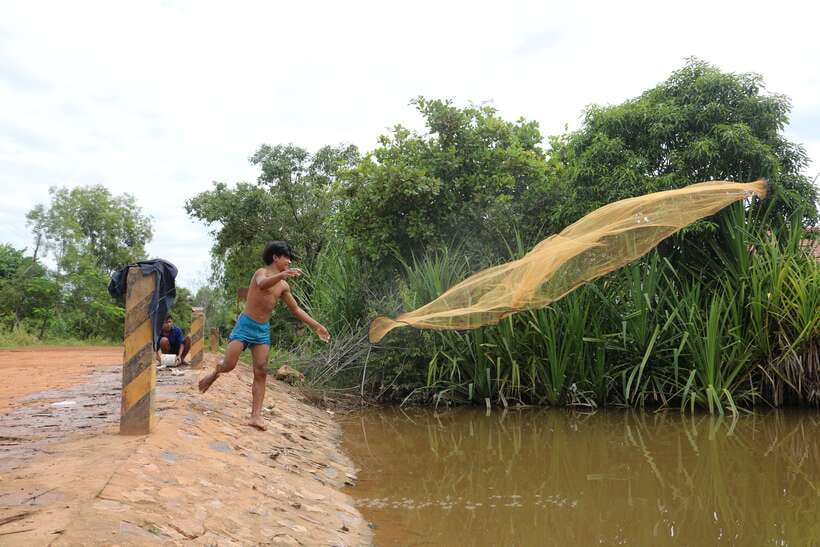
The final morning starts around 8:00 AM with pickup at your accommodation. You leave the temple zone and travel through the countryside toward Tonle Sap Lake, one of Cambodia’s defining natural features.
The lake changes greatly through the year. During the wet half, it expands to about 12,000 square kilometers. During the dry half, it shrinks to roughly 2,500 square kilometers and drains into the Tonle Sap River. That seasonal change explains why life around the lake is built around water levels rather than a fixed shoreline.
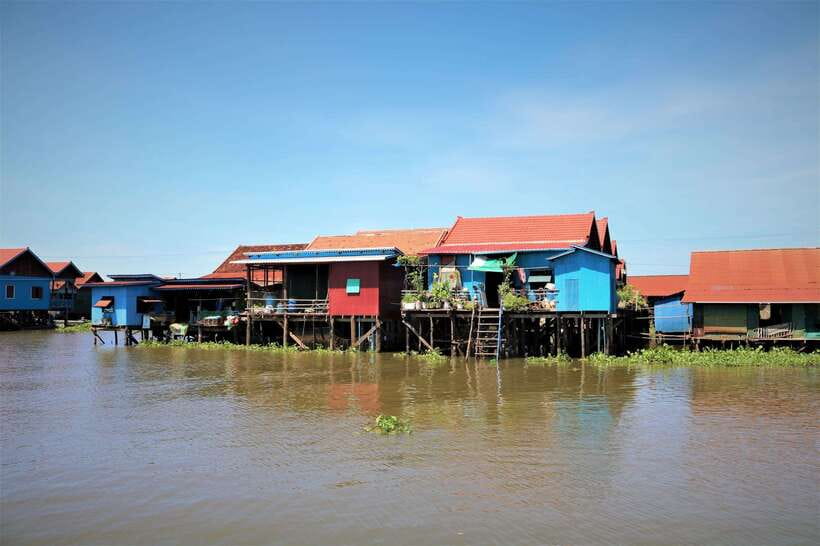
A boat trip takes you to Kampong Phluk, a group of three small fishing villages in a flooded forest setting. This is not another carved monument. It is a chance to see homes, boats, and local life shaped by the lake’s changing conditions.
I like this final day because it prevents the whole experience from becoming a parade of ruins. After two demanding temple days, the lake offers a different subject: how people adapt to water, fishing, and seasonal movement. You meet local residents in the setting where they work and live.
The Tonle Sap visit is also the part most affected by weather and season. From March through July, low water levels may make the usual route impractical. During that period, the alternative is Cambodia Phare Circus, Seat C. If the lake is your main reason for booking, confirm the planned destination before you go.
Lunch is not included, and you have time for a short rest. This makes day three less intense than the temple days, but you should still bring water, insect repellent, and sun protection. The flooded forest setting can mean more insects, especially when you are waiting or moving slowly by boat.
More time out on the Tonle Sap:
- Sunset tour of Kampong Phluk stilts home village on the Tonle Sap
★ 5.0 · 4,865 reviews - Siem Reap: Kulen Mountain, Beng Mealea and Tonle Sap Tour
★ 5.0 · 1,483 reviews - Tonle Sap Lake & Kampong Phluk Village Half-Day Tour
★ 5.0 · 1,045 reviews - Kulen Mountain with Beng Mealea and Tonle Sap Small Group Tour
★ 5.0 · 780 reviews
Guides, drivers, and the human side of the tour
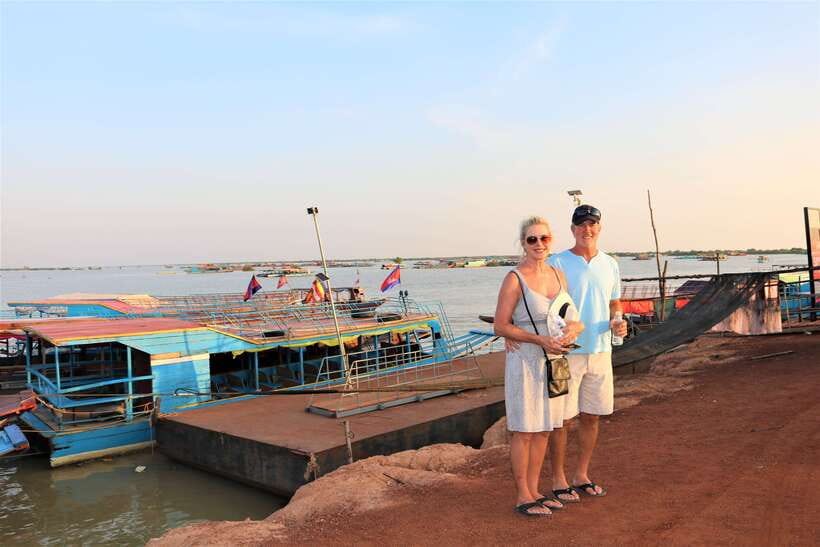
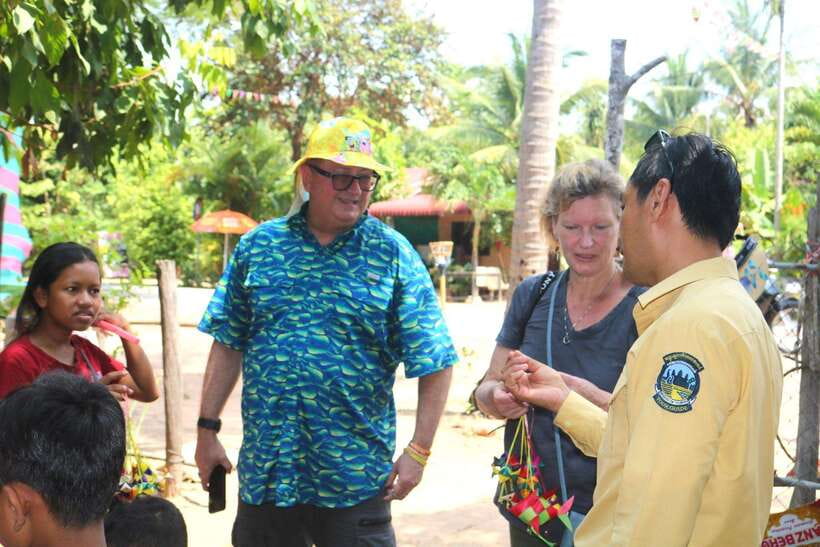
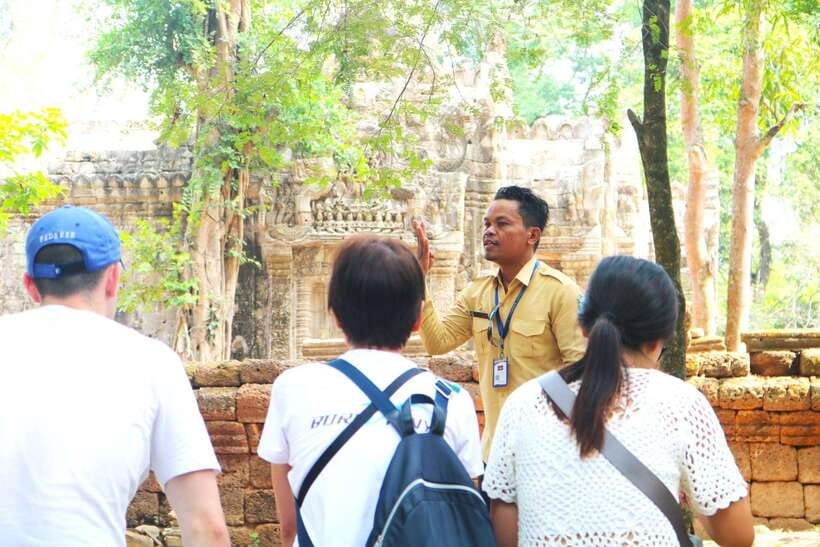
The strongest praise attached to this experience concerns the guides and drivers. Sopheap Rath was praised for making Cambodian history interesting and for knowing strong photography locations. Sokpee was described as giving enough information to explain the temples without overloading the day with facts.
Chhay received particular credit for answering questions about both the temples and modern Cambodian life. His very good English helped make the tour feel more like a conversation than a memorized speech. A private format also allowed him to offer different options and adjust the schedule.
Drivers matter more than you might expect. Ro was praised for careful driving, a friendly manner, cold water, and attention to safety. Vichhet was noted for offering towels, helping with vehicle access, and even holding an umbrella during rain. Those small acts are welcome after several hours in heat or wet weather.
Guide names can change by departure, so you should not assume you will receive one particular person. Still, the repeated pattern is encouraging: strong temple explanations, useful photo stops, and polite transport service are central to the experience.
The guide’s photography ability is a practical bonus. Angkor has many attractive angles, but the best viewpoint is not always obvious. If photos matter to you, tell your guide early and ask for help with timing and locations.
Pace, transport, and comfort
The air-conditioned vehicle is one of the package’s most useful features. You move between distant temple areas without losing all your energy on the road, and the vehicle gives you a place to cool down between walks. Bottled water and cool towels are included.
The schedule is full. Two days of temples can feel like a lot, particularly if you want to study inscriptions, take photographs, or simply sit quietly. The program suits you if you want to see as much as possible in a short Siem Reap stay.
It is less suitable if you prefer slow mornings, long lunches, and one major monument per day. The sunrise requires an especially early start, while Bakheng sunset adds a late finish to day one. The tour does offer private pacing, but you still need to cover a substantial number of sites.
The activity is not wheelchair accessible. Uneven temple ground, steps, and the boat portion make this a poor fit for anyone who needs step-free access. Comfortable walking shoes and insect repellent belong in your day bag.
Who should book this experience?
I would choose this tour if you have about three days in Siem Reap and want an organized introduction to both Angkor and Tonle Sap. It works well for first-time visitors who want historical context, reliable transport, and a guide who can connect individual temples into a larger story.
It is also a good choice for photographers, especially if your guide is able to help with viewpoints and timing. The sunrise, Banteay Srei carvings, Ta Prohm roots, and Bakheng sunset offer very different subjects.
Families and older visitors should think carefully about the early starts and walking demands. The private option may help you pause more often, but it does not remove uneven surfaces or temple steps. People who dislike crowds may also find sunrise and sunset busy.
You can cancel up to 24 hours before departure for a full refund, and reserve now while paying later. Those terms are useful if your Siem Reap plans are still changing, but check the start times and the exact Tonle Sap plan before finalizing.
FAQ
Is the Angkor temple pass included?
No. The two or three-day temple pass costs $62 per person and is paid separately. Meals are also not included.
Does the tour include hotel pickup?
Yes. Pickup and drop-off are included for accommodations in Siem Reap City.
What languages are available?
The tour is conducted in English with a live English-speaking guide.
Is the tour private or shared?
A small-group option is available, and private touring can be arranged so you can move at your own pace. Confirm the format of your specific booking.
What happens to the Tonle Sap visit during the dry season?
From March through July, low water levels may lead to a substitute visit to Cambodia Phare Circus, Seat C, instead of Tonle Sap Lake.
What should I wear and bring?
Wear clothing covering your shoulders and knees, and choose comfortable walking shoes. Bring insect repellent. Shorts are not allowed at the temple sites.
Should you book it?
Book this experience if you want a strong first look at Siem Reap without arranging separate transport, guides, and temple routes yourself. The combination of sunrise Angkor Wat, Banteay Srei, Ta Prohm, Preah Khan, Bakheng sunset, and Kampong Phluk gives you both famous monuments and everyday lake life.
Before booking, budget for the extra $62 temple ticket and meals, confirm whether your departure is private or small group, and ask about the Tonle Sap replacement during the dry season. If you accept the early mornings and long walks, this is a well-priced, well-supported way to make three days in Siem Reap count.
More Sunrise Tours in Siem Reap
- Angkor Wat Sunrise tour with Small – Group and Guide tours
★ 5.0 · 3,655 reviews - Angkor Wat Highlights and Sunrise Guided Tour from Siem Reap
★ 5.0 · 3,213 reviews - Full-Day Angkor Wat Sunrise Private Tour with Guide from Siem Reap
★ 5.0 · 2,920 reviews - Angkor Wat Sunrise & 3 Main Temples with Breakfast – Small Group
★ 5.0 · 2,857 reviews
Newest reviews from Siem Reap
- War Museum, Killing Field, and APOPO Hero RATs Tour★ 5.0 · 7 reviews
- Angkor Wat at Sunrise★ 4.0 · 7 reviews
- Siem Reap Angkor Airport Taxis (from Airport to Hotel)★ 5.0 · 44 reviews
- Cambodian Cooking Class and Oxcart Ride with Local Village Tour★ 5.0 · 4 reviews
- Secret Temples of Angkor – Guided Tour in Siem Reap★ 5.0 · 6 reviews
- Short Cycling at Countryside★ 5.0 · 29 reviews
- SIEM REAP E-BIKE HALF-DAY COUNTRYSIDE (25-30 km)★ 4.0 · 1 review
- Unveiling the Mystical Beauty of Phnom Kulen National Park★ 5.0 · 6 reviews
Angkor Wat Tours, compared.
Angkor Wat Sunrise or Sunset Tour with Guide from Siem Reap
Read our review →
Angkor Wat: Small-Group Sunrise or Sunset Tour
Read our review →
Angkor Wat 2-Day Tour with Sunrise and Sunset
Read our review →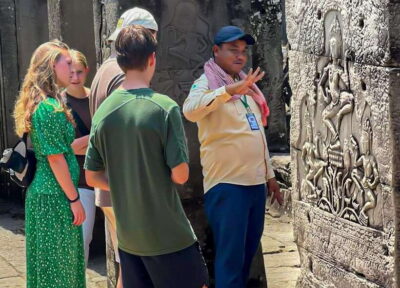
Angkor Wat Sunrise tour with Small – Group and Guide tours
Read our review →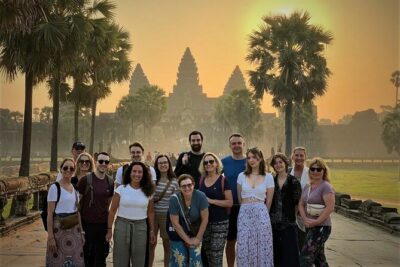
Angkor Wat Highlights and Sunrise Guided Tour from Siem Reap
Read our review →
Angkor Wat Sunset Small Group Tour with Lunch Included
Read our review →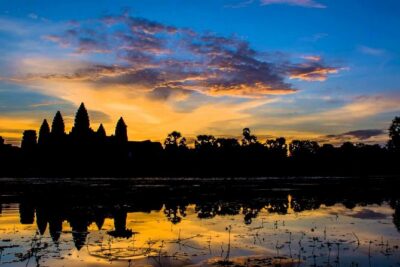
Full-Day Angkor Wat Sunrise Private Tour with Guide from Siem Reap
Read our review →Browse the lists this tour appears in