Reviewed · ANGKOR WAT TOURS
Angkor Wat Full-Day Private Tour with Sunset
Stone, roots, towers, and one long day. This private tour gives you a well-planned route through Angkor Archaeological Park, from the smiling faces of Bayon Temple to the jungle-covered stones of Ta Prohm and the grand towers of Angkor Wat. I especially like the private vehicle and English-speaking guide, which make a huge temple complex easier to understand and navigate.
I also like the mix of major monuments and smaller details, including the Terrace of the Elephants and Terrace of the Leper King. A guide can point out carvings and explain how each place fitted into the Khmer Empire. The main drawback is the pace: nine hours of walking, steps, heat, and temple corridors can leave you tired before sunset. Lunch is also not included, and one meal stop was considered overpriced despite serving good food.
- Bayon comes first, giving you a strong introduction to Jayavarman VII and Angkor Thom.
- Ta Prohm brings the jungle atmosphere, with tree roots and stone walls creating the park’s most dramatic photographs.
- Angkor Wat gets a full afternoon visit, rather than being squeezed into a quick photo stop.
- Pre Rup provides the sunset finish, though sunset crowds and timing can affect the view.
- Private transport and hotel pickup make the day simple, especially for two people.
- The $107 group price covers up to two people, but each person still needs a separate $37 temple pass.
In This Review
- A Practical Route Through Angkor’s Great Temples
- Bayon Temple and Angkor Thom’s Royal Center
- Ta Prohm, Where Stone Meets Tree Roots
- The Midday Lunch Break in Angkor Park
- Angkor Wat Deserves the Afternoon
- Sunset at Pre Rup
- What the $107 Price Really Covers
- Clothing, Timing, and Energy
- Who Should Book This Angkor Tour?
- Should You Book It?
- FAQ
- How long does the Angkor Wat private tour last?
- What time does the tour begin?
- Is hotel pickup included?
- Is this a private tour?
- Is an English-speaking guide included?
- Which temples are visited?
- Is the Angkor temple pass included?
- Is lunch included?
- What should I wear?
- Can I cancel the tour for a refund?
A Practical Route Through Angkor’s Great Temples
The day begins with pickup from your hotel lobby at about 8:30 AM. From there, private transportation takes you to Angkor Archaeological Park, where your guide leads you through the day’s main sites.
The route is sensible. You begin at Angkor Thom, continue to Ta Prohm, stop for lunch, and then spend the afternoon at Angkor Wat before ending at Pre Rup. This order gives you several different views of Angkor rather than repeating the same kind of temple all day.
You should think of this as an active sightseeing day, not a gentle drive between monuments. You will walk across temple grounds, climb steps, and spend much of the day outdoors. The cold towel and refreshment drink are small inclusions, but they matter in Cambodia’s heat.
Because the group is private, you can ask questions as they come up. You may also find it easier to adjust the amount of time at each site than on a large coach tour. One guide named Rino was praised for mixing facts, stories, and personal connections to the temples. Another guide was described as attentive and good at knowing when to offer advice about what to see and avoid.
Bayon Temple and Angkor Thom’s Royal Center
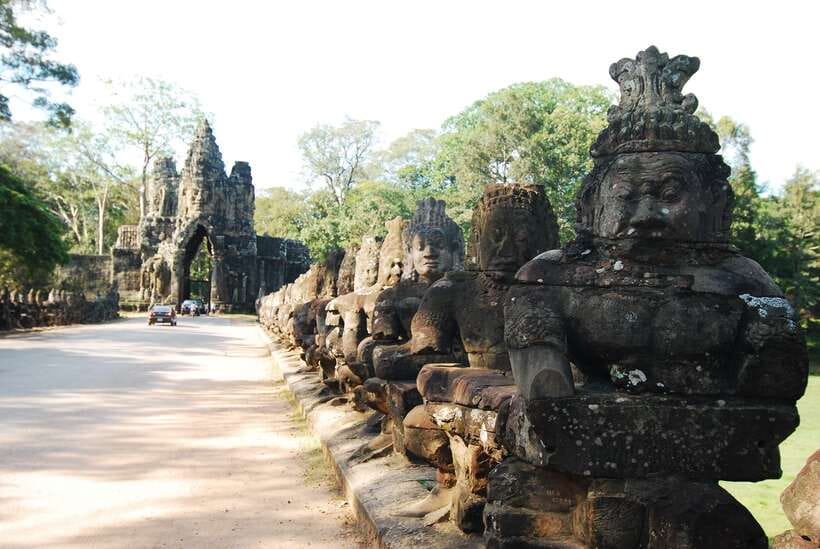
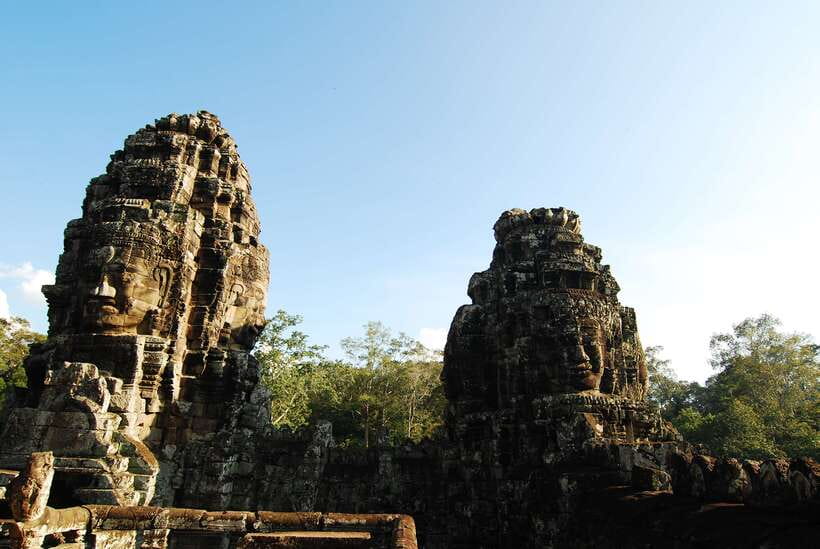
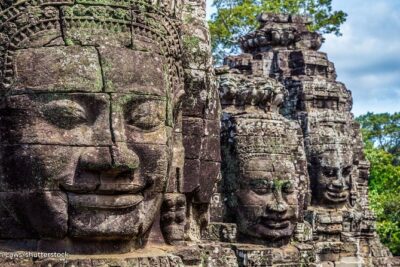
Angkor Thom was the final capital of the Angkorian Empire and was built under King Jayavarman VII. Its best-known monument is Bayon, a temple famous for its huge carved faces with calm, smiling expressions.
Bayon can feel confusing at first. Towers rise close together, galleries turn unexpectedly, and the faces appear from different angles as you walk. This is where a guide earns the fee. Instead of seeing only a maze of gray stone, you can learn how the temple was designed and why its carved faces are such a lasting symbol of Angkor.
I like beginning here because Bayon is visually strong but not as vast as Angkor Wat. It gives you an early success on a busy day. You can focus on the faces, bas-reliefs, passageways, and changing viewpoints before tackling the much larger monuments.
The Terrace of the Elephants follows. This long platform served as a reviewing stand for public ceremonies and supported the king’s grand audience hall. Much of the original structure is open and linear, so it may seem less dramatic than Bayon at first glance. Its value comes from understanding how royal power was displayed in public.
The Terrace of the Leper King adds another puzzle. Its walls contain deeply carved seated deities, with layers of sculpture that reward a close look. Do not rush past this stop simply because it lacks the towering silhouette of a major temple. Ask your guide to explain the carvings and the mysteries linked to the terrace.
More ways to see Angkor Wat:
- Angkor Wat Sunrise or Sunset Tour with Guide from Siem Reap
★ 5.0 · 12,109 reviews - Siem Reap: Angkor Wat: Small-Group Sunrise or Sunset Tour
★ 5.0 · 9,444 reviews - Siem Reap: Angkor Wat 2-Day Tour with Sunrise and Sunset
★ 4.9 · 4,429 reviews
Ta Prohm, Where Stone Meets Tree Roots
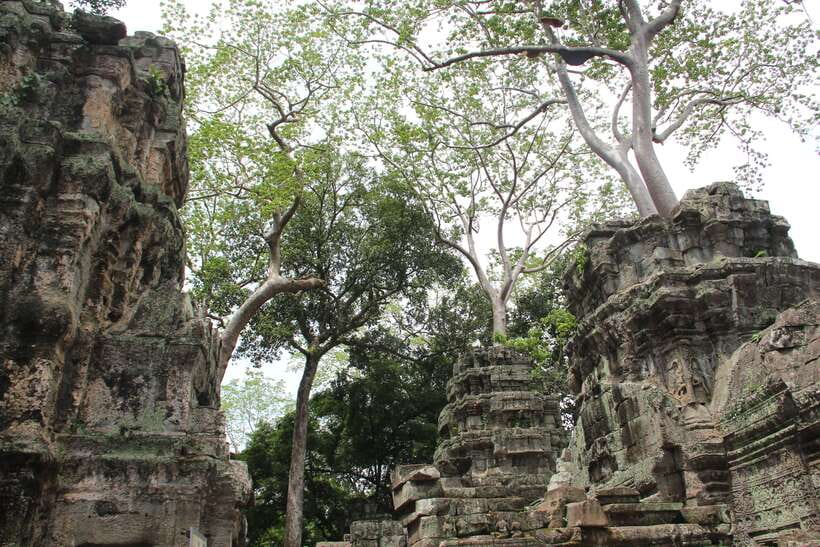
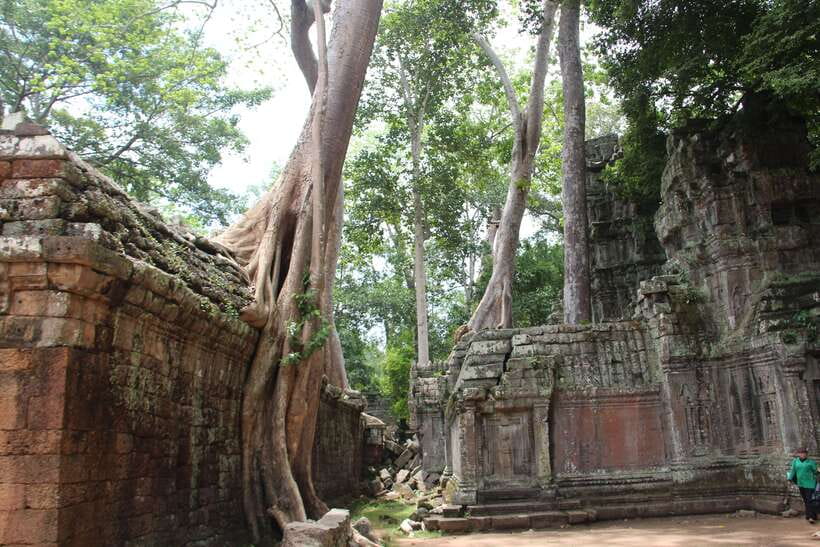
Ta Prohm is the day’s most atmospheric stop. Its stone corridors and towers have been partly overtaken by jungle growth, creating the memorable sight of roots pressing across old walls.
The temple is widely known for its connection with Angelina Jolie’s Tomb Raider. That film link draws plenty of attention, but Ta Prohm is more than a movie location. The combination of collapsed galleries, carved stone, roots, and narrow passageways gives it a mood that differs from both Bayon and Angkor Wat.
This is a good place to slow down and look at the relationship between the temple and the plants around it. The roots are not simply decoration. They show how the site changed after the Angkorian period, when the jungle spread through parts of the abandoned complex.
Ta Prohm can also be one of the more crowded stops. The most recognizable root-covered sections are popular for photos, so your guide’s route and timing matter. You may need to wait for a clear view, and the footing can be uneven around old stonework.
I would wear shoes that you can walk in comfortably and bring water, even though a refreshment drink is provided. The tour includes a cold towel, which is welcome after the first round of walking, but it is not a substitute for your own water and sun protection.
The Midday Lunch Break in Angkor Park
At about 12:30 PM, the tour pauses for roughly one hour. This break gives you time to eat, rest, and ask your guide about the morning sites before the afternoon begins.
Lunch is not included in the price. That keeps the tour cost lower, but you should budget for the meal and personal expenses. The food was described as good, though the restaurant was also considered more expensive than ideal and not especially local in character.
That is useful to know before you arrive. If you care strongly about eating local food at local prices, ask your guide about the lunch options. Since this is a private tour, you can raise the issue directly rather than simply accepting a fixed group stop.
One hour is enough for a meal and a short rest, but it is not a long recovery period. If the morning’s walking has already taken a toll, use the break wisely. Sit down, drink plenty, and keep some energy for Angkor Wat and Pre Rup.
Angkor Wat Deserves the Afternoon
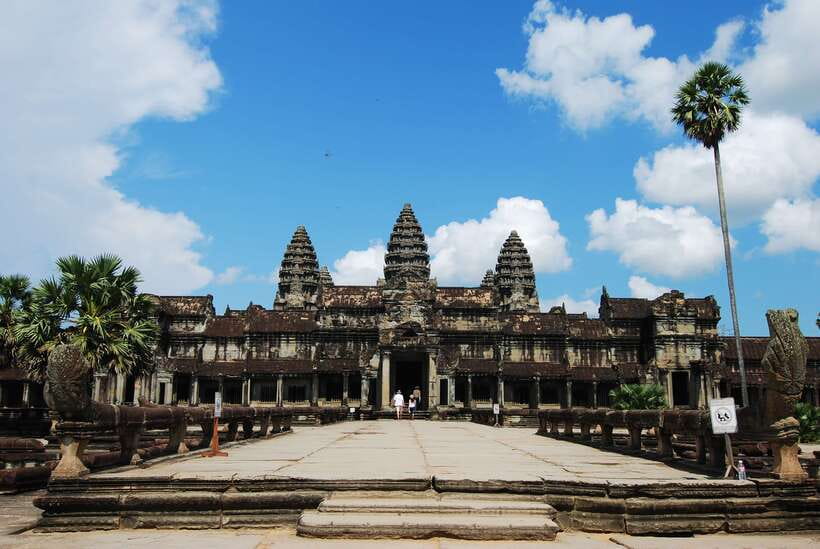
At about 1:30 PM, you continue to Angkor Wat, the best-known monument in the park and a UNESCO World Heritage Site.
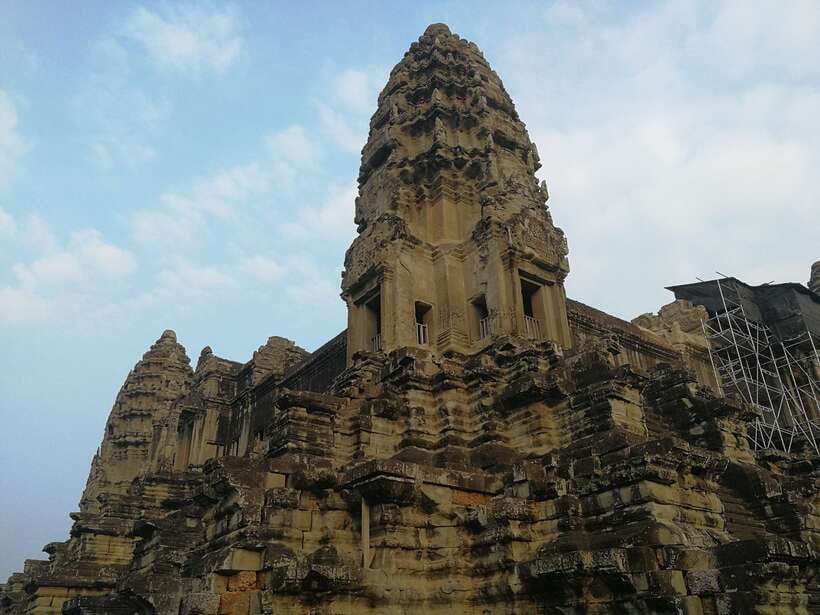
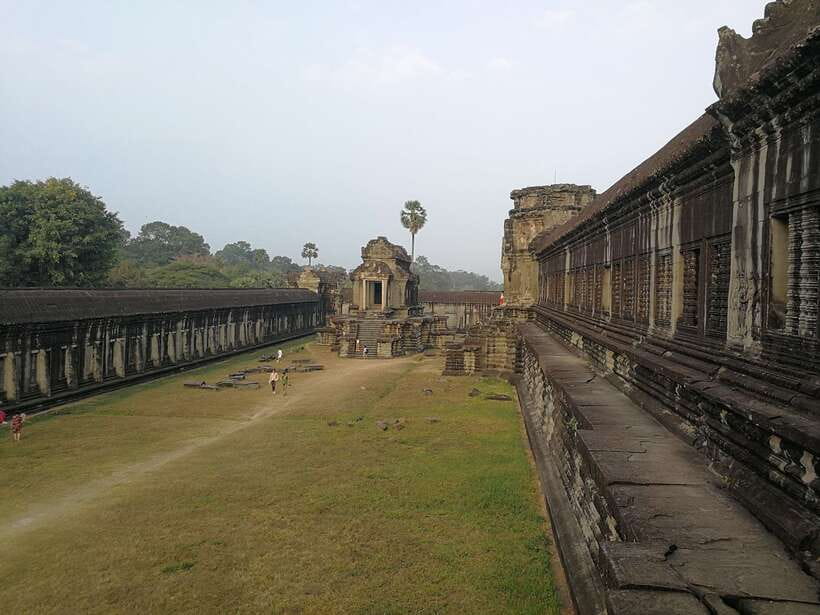
Angkor Wat was built during the first half of the 12th century under King Suryavarman II. Its design is carefully balanced, with long galleries, towers, courtyards, and extensive carvings. The scale can be difficult to grasp from a single viewpoint. As you move through the complex, each section gives you a different sense of its size.
The afternoon visit is valuable because the tour does not treat Angkor Wat as a rushed final photo stop. You have time to look at the composition of the temple, notice the carvings, and ask questions about its construction and religious purpose.
I would not expect to see every detail in one visit. Angkor Wat is too large for that, especially after a full morning at Bayon, the terraces, and Ta Prohm. Instead, use the guide to identify the areas that matter most and pay attention to the overall design.
The temple’s great towers and long galleries are visually powerful, but the smaller details reward patience. Look at the wall carvings, the repeated patterns, and the way the structure frames the sky. The scale is impressive, yet the careful design is what gives the monument its force.
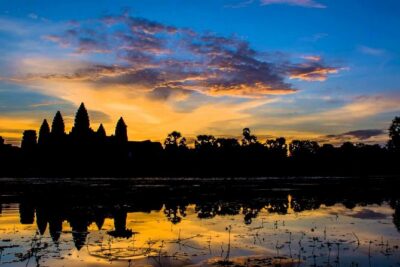
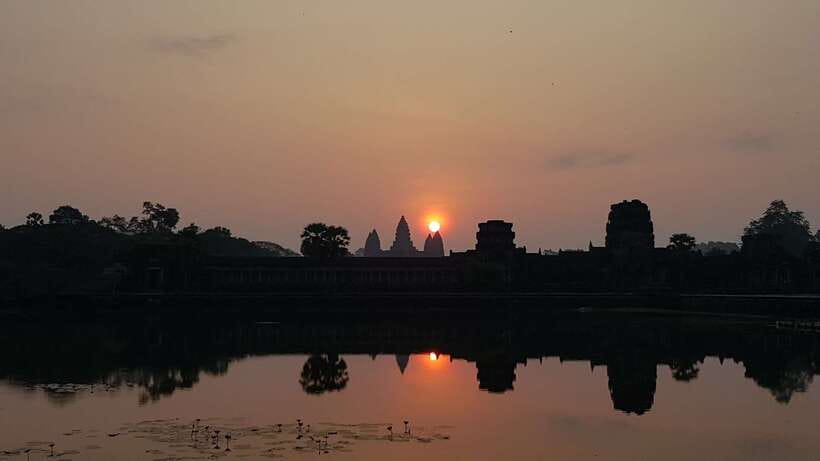
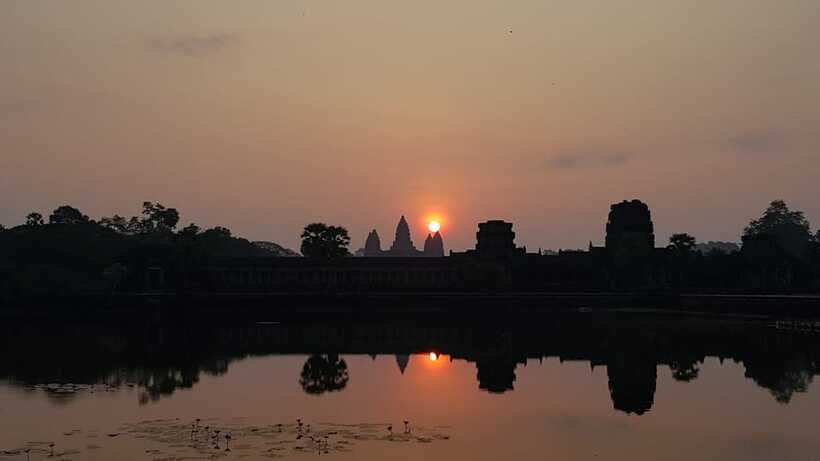
The tour description notes that Angkor Wat is especially breathtaking at dawn. This itinerary visits it in the afternoon instead, saving sunrise for another day. That is an important tradeoff. You avoid an extremely early start, but you do not get the classic sunrise view during this tour.
A few more options around Siem Reap worth reading up on
- From Siem Reap: Kampong Phluk Floating Village Tour by Boat
★ 4.9 · 6,979 reviews - Sunset tour of Kampong Phluk stilts home village on the Tonle Sap
★ 5.0 · 4,865 reviews - Siem Reap: Kampong Phluk Floating Village Tour with Boat
★ 4.9 · 3,843 reviews - Siem Reap: Full-Day Angkor Wat Guided Tour with Sunset
★ 4.9 · 3,803 reviews
Sunset at Pre Rup
The final temple is Pre Rup, a Hindu temple built as the state temple of Khmer king Rajendravarman. Its brick towers and raised form make it a popular place for watching the sun go down.
Pre Rup is a fitting ending because it gives the day a quieter final chapter after Angkor Wat’s scale. You can climb to the upper level, look across the surrounding countryside, and watch the light change over the temple area.
Sunset stops are never fully predictable. Clouds, crowds, and the exact timing of the day can affect the view. Pre Rup is popular, so do not expect to have the upper platform to yourself.
Still, the location provides a strong final experience. After a day of carved faces, jungle roots, royal terraces, and enormous galleries, the warm light at Pre Rup offers a chance to pause. The tour ends at about 6:00 PM, with your guide transferring you back to your hotel.
What the $107 Price Really Covers
The advertised price is $107 per private group of up to two people. For two people, that works out to $53.50 each before the temple pass, lunch, and personal spending.
The Angkor temple pass is not included. A one-day pass costs $37 per person, so two people should add $74 to the tour price. That brings the known total for two to $181 before lunch, or $90.50 per person before food and other costs.
That is not a bargain-basement day, but the value is easier to see when you consider what is included: private transportation, hotel pickup and drop-off, an English-speaking guide, a full planned route, and a nine-hour schedule. You are paying for structure and personal attention, not just a ride to the entrance.
The private format is most useful for two people who want to ask questions, move at a comfortable pace, and avoid joining a large group. If you want to spend much longer at one temple, tell your guide early. The full route is ambitious, and every extra stop affects the time available later.
The price is less attractive if you already know Angkor well, prefer exploring alone, or want to choose every meal and stop yourself. For a first visit, though, the guide can help prevent the park from becoming a blur of similar-looking ruins.
Clothing, Timing, and Energy
You need long pants that cover the knees and a shirt that covers the shoulders. This is required when visiting the temples, so dress for the rules from the beginning rather than trying to improvise later.
Comfort matters. The schedule begins at 8:30 AM and finishes around 6:00 PM, with a one-hour lunch break. You should expect a full day of walking and climbing, with limited shade at some points.
The tour includes private transportation, which gives you a place to cool down between temples. It also removes the need to arrange separate rides across the park. The cold towel and refreshment drink are useful touches, particularly after walking through Ta Prohm or climbing temple steps.
The tour is conducted in English and is offered as a private group. Free cancellation is available up to 24 hours in advance for a full refund, and you can reserve now and pay later. Those terms are helpful if your Siem Reap plans are still shifting.
Who Should Book This Angkor Tour?
I would recommend this experience to a first-time visitor who wants to see the park’s essential monuments in one day without managing transport and route planning alone.
It suits couples and friends especially well because the $107 price covers up to two people. It is also a good match for anyone who wants historical explanation rather than simply taking photographs. The strongest praise goes to the guides who combined clear facts, stories, practical temple advice, and help with photographs.
You should think twice if you dislike long sightseeing days or want a slow, quiet visit. The itinerary includes several major stops, and fatigue is a real possibility. One group finished earlier than planned, around 3:45 PM, because the walking and climbing had become tiring.
Should You Book It?
Book this private Angkor Wat tour if you want an efficient first look at Bayon, Ta Prohm, Angkor Wat, and Pre Rup, with hotel transport and a guide who can make sense of the carvings and royal sites.
The key compromises are clear: lunch costs extra, the temple pass costs extra, the day is physically demanding, and Angkor Wat is visited in the afternoon rather than at sunrise. For two people who value convenience and personal attention, the price is fair. Ask about the lunch stop, wear temple-appropriate clothing, and save enough energy for Pre Rup. That preparation will help you get the most from a very full day.
FAQ
How long does the Angkor Wat private tour last?
The activity lasts nine hours. The planned schedule runs from about 8:30 AM pickup to approximately 6:00 PM return to your hotel.
What time does the tour begin?
Pickup is scheduled for about 8:30 AM from your hotel lobby. Starting times should be confirmed when checking availability.
Is hotel pickup included?
Yes. Pickup from your hotel lobby and transfer back to your hotel are included.
Is this a private tour?
Yes. The tour is operated as a private group experience for up to two people at the listed $107 group price.
Is an English-speaking guide included?
Yes. The tour includes a live English-speaking guide.
Which temples are visited?
The route includes Bayon Temple, the Terrace of the Elephants, the Terrace of the Leper King, Ta Prohm, Angkor Wat, and Pre Rup.
Is the Angkor temple pass included?
No. The one-day Angkor temple pass costs $37 per person and must be paid separately.
Is lunch included?
No. Lunch and other personal expenses are not included. The itinerary allows about one hour for lunch at approximately 12:30 PM.
What should I wear?
You need long pants that cover the knees and a shirt that covers the shoulders when visiting the temples.
Can I cancel the tour for a refund?
Yes. You can cancel up to 24 hours in advance for a full refund. The tour also offers a reserve-now, pay-later option.
Newest reviews from Siem Reap
- War Museum, Killing Field, and APOPO Hero RATs Tour★ 5.0 · 7 reviews
- Angkor Wat at Sunrise★ 4.0 · 7 reviews
- Siem Reap Angkor Airport Taxis (from Airport to Hotel)★ 5.0 · 44 reviews
- Cambodian Cooking Class and Oxcart Ride with Local Village Tour★ 5.0 · 4 reviews
- Secret Temples of Angkor – Guided Tour in Siem Reap★ 5.0 · 6 reviews
- Short Cycling at Countryside★ 5.0 · 29 reviews
- SIEM REAP E-BIKE HALF-DAY COUNTRYSIDE (25-30 km)★ 4.0 · 1 review
- Unveiling the Mystical Beauty of Phnom Kulen National Park★ 5.0 · 6 reviews
Angkor Wat Tours, compared.
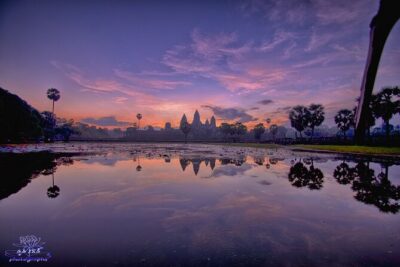
Angkor Wat Sunrise or Sunset Tour with Guide from Siem Reap
Read our review →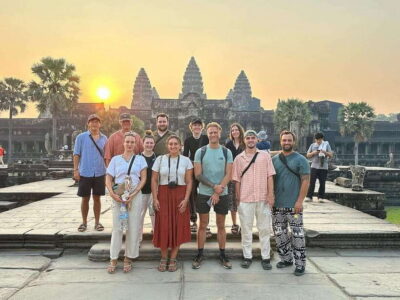
Angkor Wat: Small-Group Sunrise or Sunset Tour
Read our review →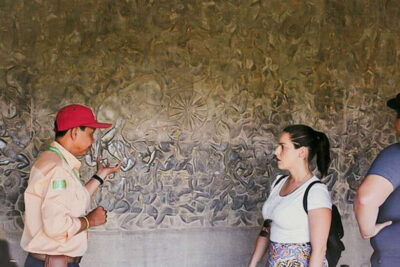
Angkor Wat 2-Day Tour with Sunrise and Sunset
Read our review →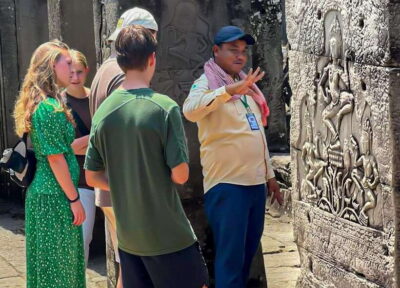
Angkor Wat Sunrise tour with Small – Group and Guide tours
Read our review →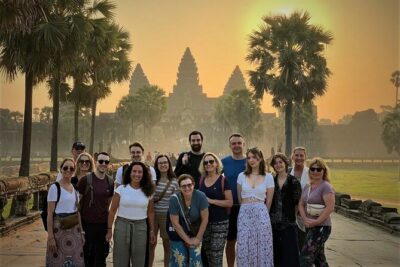
Angkor Wat Highlights and Sunrise Guided Tour from Siem Reap
Read our review →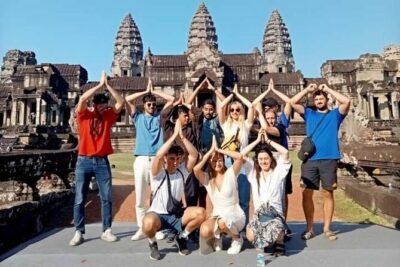
Angkor Wat Sunset Small Group Tour with Lunch Included
Read our review →