
Reviewed · ANGKOR WAT TOURS
Angkor Wat five Days Tour including Sambor Prei Kuk
Ancient stones, living villages, and a long road south. This five-day private tour gives you a broad look at Cambodia, from the great temples of Angkor to the pre-Angkorian ruins of Sambor Prei Kuk. I especially like the private vehicle and guide, which keep a packed itinerary manageable, and the mix of temples, waterfall, fishing village, and palm sugar making. The main drawback is the pace: Day 5 covers 176 kilometers from Siem Reap, and several temple days involve steps, heat, and plenty of walking.
The $899 price covers a group of up to four, not each person, which makes the value much better for a small party. Still, you must budget separately for temple passes, boat rides, meals, and several site tickets. If you want a slow Angkor visit with long breaks, this is too full. If you want to see a great deal without arranging five separate day trips, it makes good sense.
In This Review
- Key points at a glance
- What the five-day plan really offers
- Day 1: Angkor Thom, Ta Prohm, and Angkor Wat
- Day 2: Beng Mealea, Koh Ker, and Tonle Sap
- Day 3: The outer circuit and Banteay Srey
- Day 4: Phnom Kulen’s waterfall and sacred riverbed
- Day 5: Sambor Prei Kuk and the Chenla Kingdom
- What the $899 group price really means
- Who should book this private Cambodia tour?
- FAQ
- Is the $899 price for each person?
- What transport is provided?
- Is an English-speaking guide included?
- Are the temple and national park entrance fees included?
- Is the Kompong Phhluk boat ride included?
- What should I bring, and are there accessibility limits?
- Should you book it?
Key points at a glance
- Three major temple zones in five days: Angkor, Koh Ker, Beng Mealea, Phnom Kulen, and Sambor Prei Kuk give you a wide view of Cambodian sacred architecture.
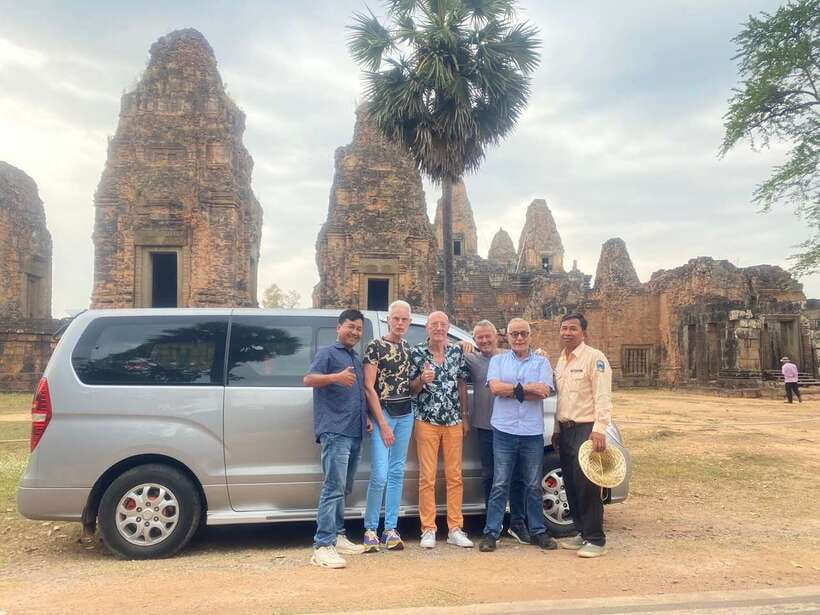
- A private group of up to four: You travel by SUV or minivan with an English-speaking guide and driver, rather than joining a large coach.
- Beng Mealea feels wonderfully untamed: The fallen stones and overgrown setting give this early 11th-century Hindu temple its famous Indiana Jones mood.
- Tonle Sap adds daily life: A boat through Kompong Phhluk’s mangroves brings you past stilt houses and a fishing community.
- Phnom Kulen combines nature and faith: Expect a waterfall, carved riverbed with 1,000 Shiva lingas, and a large reclining Buddha.
- Sambor Prei Kuk requires stamina: The three-hour-25-minute journey from Siem Reap is long, but the seventh-century Chenla sanctuaries make it worthwhile for serious history fans.
What the five-day plan really offers
This is not only an Angkor Wat tour. It is a survey of several Cambodian eras and settings. You see the grand capital temples built under the Khmer Empire, older sanctuaries from the Chenla Kingdom, remote royal remains at Koh Ker, and present-day life on Tonle Sap Lake.
The private format matters here. You can travel with up to four people, collect everyone from the hotel, and move by SUV or minivan. The guide speaks English, and the driver handles the long transfers while you watch the countryside pass by. Cold drinking water and gasoline are included, which removes two small but useful worries in Cambodia’s heat.
The schedule begins at 8:00 each morning, except for the 7:00 departure on Day 5. You need to be ready in your hotel lobby. The driver looks for the name supplied at booking, so keep your phone charged and be on time.
One important cost detail comes first. The three-day Angkor temple pass is not included, and you also pay separately for Koh Ker, Phnom Kulen, Sambor Prei Kuk, and the Kompong Phhluk boat ride. Meals and personal spending are extra as well. Ask your group to calculate those fees before booking, then compare the total with the cost of arranging separate private trips.
More ways to see Angkor Wat:
- Angkor Wat Sunrise or Sunset Tour with Guide from Siem Reap
★ 5.0 · 12,109 reviews - Siem Reap: Angkor Wat: Small-Group Sunrise or Sunset Tour
★ 5.0 · 9,444 reviews - Siem Reap: Angkor Wat 2-Day Tour with Sunrise and Sunset
★ 4.9 · 4,429 reviews
Day 1: Angkor Thom, Ta Prohm, and Angkor Wat
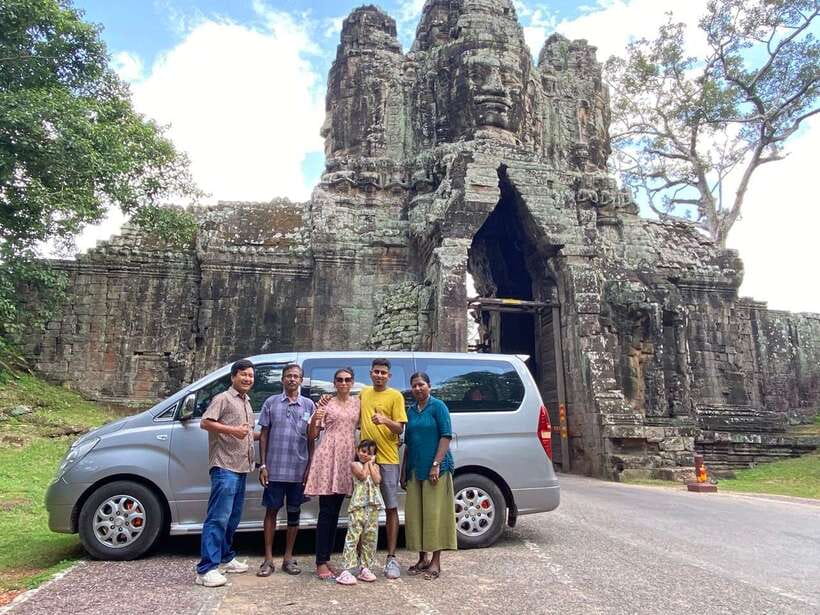
The opening day moves through some of the best-known temples near Siem Reap. After buying the three-day temple pass, you enter Angkor Thom through the South Gate. This was the great city associated with the Khmer capital after it moved to Angkor in the ninth century.
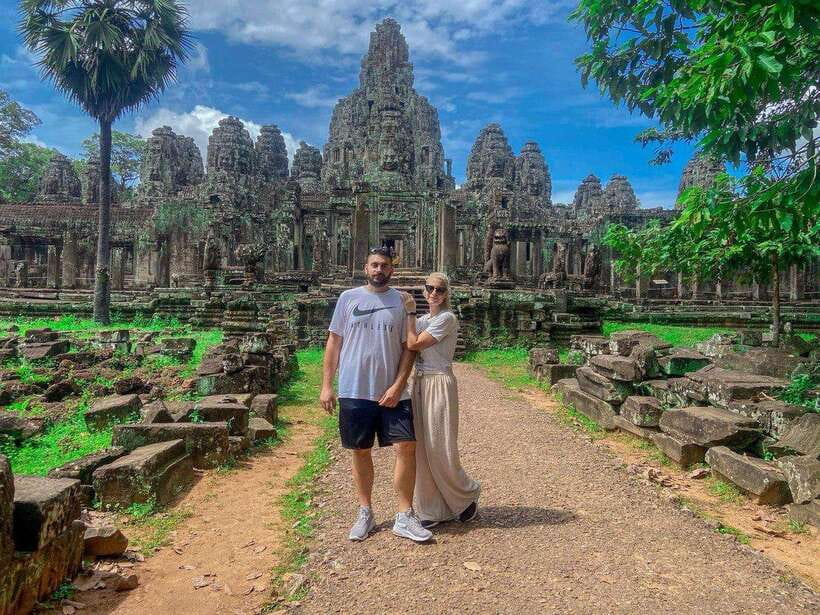
Inside Angkor Thom, the Bayon is the key stop. Built in the late 12th century as a Buddhist monument, it is known for its large carved faces and dense stone corridors. I like beginning with Bayon because it quickly shows you that Angkor is more than one famous temple. The city was planned at a huge scale, while the Bayon feels close, enclosed, and full of carved detail.
Takeo follows. This late 10th to early 11th-century Hindu temple was dedicated to Shiva. Its steep upper levels give you a strong sense of how much climbing the tour involves. You will climb steps at several sites, and there is no elevator, so comfortable shoes and honest self-assessment matter.
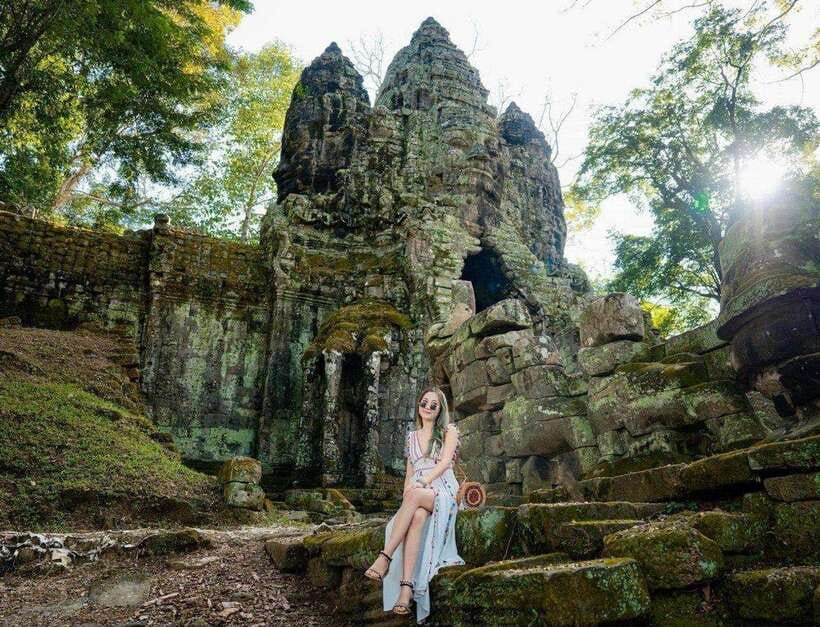
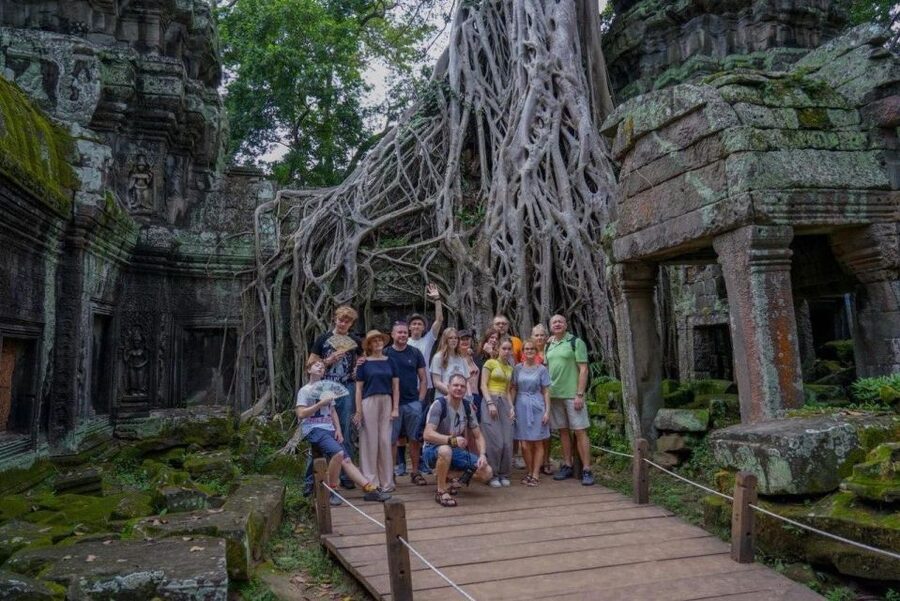
After lunch at a local restaurant, the route continues to Ta Prohm. Built in the mid-12th to early 13th century as a Buddhist temple, Ta Prohm is famous for trees growing around and over the stonework. The setting gives it a dramatic quality, but expect crowds and uneven ground at a major Angkor stop.
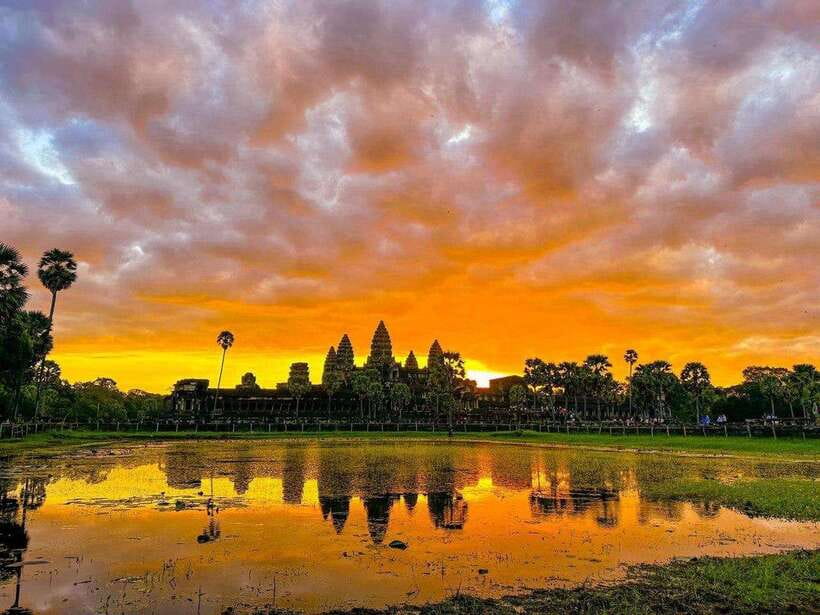
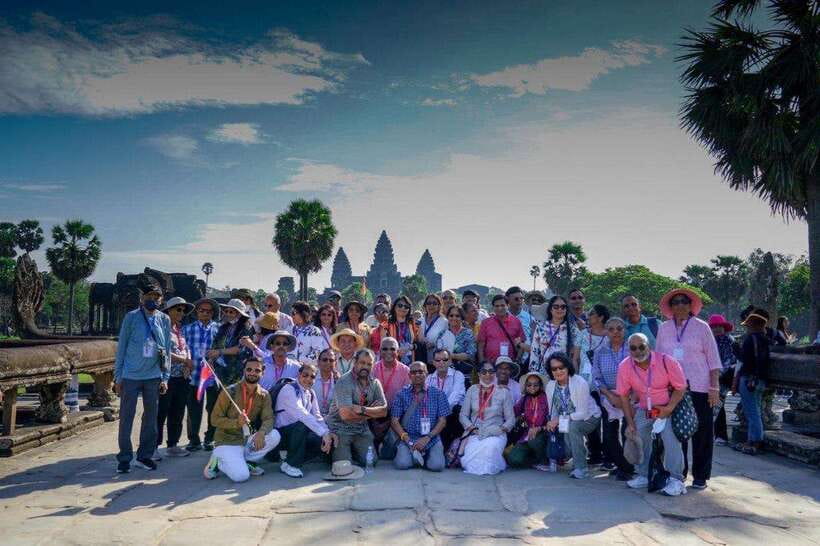
The day ends at Angkor Wat in the late afternoon. The temple dates from the early 11th century and was dedicated to Vishnu. That timing lets you approach the monument after the strongest midday heat has eased, although the exact light and weather will vary.
You should not expect a leisurely, empty visit. Day 1 contains four major temple stops plus lunch, and each site requires walking. It is an efficient introduction, but you may feel ready for a quiet dinner afterward.
Day 2: Beng Mealea, Koh Ker, and Tonle Sap
Day 2 is the most varied day of the trip. It starts with Beng Mealea, an early 11th-century Hindu temple that is often described as a titanic ruin. The comparison makes sense: broken galleries, fallen blocks, and vegetation create a rougher setting than the carefully managed core temples of Angkor.
I like Beng Mealea because it changes the mood of the tour. Instead of polished viewing paths and familiar temple angles, you get a stronger feeling of architectural collapse and exploration. It is the closest thing on this itinerary to an Indiana Jones-style ruin, though you still need to follow the available route and watch your footing.
Next comes Koh Ker, also called Linga Pura. From 928 to 944 AD, it served as a royal city and capital of the Khmer Empire. Its Brahmanic monuments show that Khmer royal power did not remain fixed in one place. The site adds useful context to Angkor, since you are seeing another former center of power rather than only the later capital.
Lunch is at a local restaurant before the journey back toward the Roluos Group. Lolei, Preah Ko, and Bakong belong to the first major capital of the Angkorian-era Khmer Empire. These earlier temples help you see how Khmer religious architecture developed before the giant monuments that dominate popular images of Cambodia.
The final stop is Kompong Phhluk on Boeung Tonle Sap, the largest lake in Southeast Asia. A boat ride takes you through mangroves and past stilt houses. Here, the interest is not just scenery. You get a look at a lake-based way of life, including fishing techniques, household patterns, and the practical relationship between people and seasonal water.
The boat ticket is extra, and water levels can affect the appearance of the village and mangrove route. This is also another long day with several transfers. Still, the contrast between remote temples and a working lake community makes Day 2 especially useful.
Day 3: The outer circuit and Banteay Srey
Day 3 concentrates on temples to the northeast of Angkor. The first stop is Preah Khan, a late 12th-century Buddhist temple. Its corridors and courtyards reward patient looking, but the size of the site can make a quick visit feel rushed.
Neak Pean follows. Also built in the late 12th century as a Buddhist monument, it was designed around water and a central island sanctuary. The approach helps explain why water was so important in Khmer religious and royal planning.
Ta Som is next, another late 12th-century Buddhist temple. Its smaller scale gives you a break from the grander complexes, while the stone and vegetation create some of the most appealing photographs of the day.
After that, you visit East Mebon, a late 10th-century Hindu temple dedicated to Shiva. It was built during an earlier period of Khmer architecture, and the change in style helps you compare Hindu and Buddhist sites without treating Angkor as one single period.
Lunch comes before Banteay Srey, one of the most carefully detailed temples on the route. This late 10th-century Hindu temple was dedicated to Shiva and is especially known for its fine carvings. The smaller scale and detailed stonework reward a slower look, so try not to spend all your energy at the earlier stops.
Banteay Samre then brings you to a mid-12th-century Hindu temple dedicated to Vishnu. It has a more enclosed, fortress-like feel than some of the other temples. The final stop is Pre Rup, a late 10th-century Hindu temple dedicated to Shiva, with steep upper levels and a strong sense of height.
This is another full day. You will cover many temples, but you will not have unlimited time at each one. If your priority is detailed photography or long study of inscriptions, say so early and ask the guide where a little extra time can be found.
A few more options around Siem Reap worth reading up on
- From Siem Reap: Kampong Phluk Floating Village Tour by Boat
★ 4.9 · 6,979 reviews - Sunset tour of Kampong Phluk stilts home village on the Tonle Sap
★ 5.0 · 4,865 reviews - Siem Reap: Kampong Phluk Floating Village Tour with Boat
★ 4.9 · 3,843 reviews - Siem Reap: Full-Day Angkor Wat Guided Tour with Sunset
★ 4.9 · 3,803 reviews
Day 4: Phnom Kulen’s waterfall and sacred riverbed
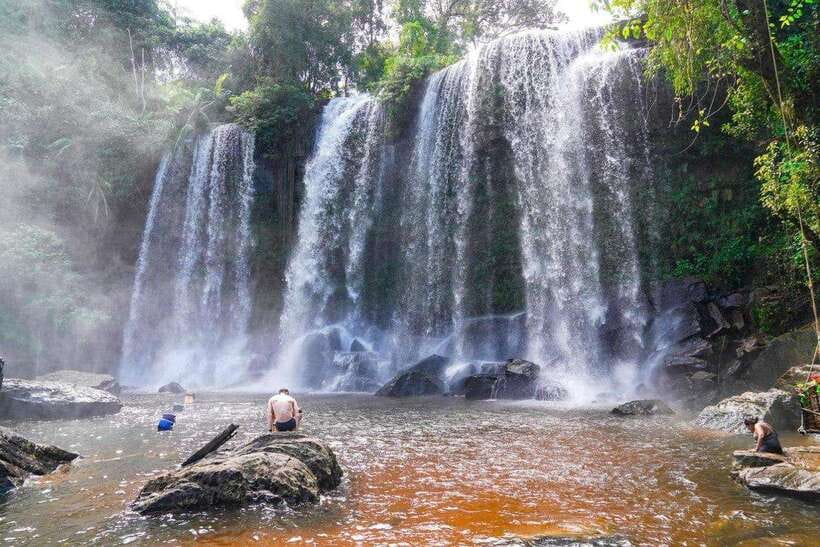
The fourth day leaves the main temple circuit for Phnom Kulen National Park. The mountain area is connected with ninth-century Hindu worship and offers a more natural setting than the stone complexes around Angkor.
The waterfall is the main visual reward. It gives you a chance to cool down and photograph a different side of Cambodia, though you should still bring sunscreen, insect repellent, and suitable shoes. The itinerary also includes a riverbed carved with 1,000 Shiva lingas, a remarkable example of religious symbolism placed directly into the watercourse.
A large carved Buddha adds a Buddhist element to the day. That combination of Hindu carvings, Buddhist sculpture, water, and forested mountain scenery makes Phnom Kulen more than a simple nature stop.
Lunch is at a local restaurant. On the way back, the guide may stop for photographs in a traditional Khmer village and at places producing palm sugar and palm cake. These short stops can be valuable because they connect the monumental temples with ordinary food production and village life.
The Phnom Kulen entrance fee is not included. Also, the day still involves walking and some steps. The tour information says it is wheelchair accessible, but it also says the experience is not suitable for people with mobility impairments and that several sites have no elevator. I would treat vehicle access as the accessible part, not assume every temple, waterfall, or mountain path will be easy.
Day 5: Sambor Prei Kuk and the Chenla Kingdom
The final day begins at 7:00 am for the drive to Sambor Prei Kuk in Kompong Thom Province. The site is 176 kilometers from Siem Reap and takes about three hours and 25 minutes to reach. That is a serious road day, so bring water, charge your phone, and decide in advance if early Cambodian history is important enough to justify the distance.
Sambor Prei Kuk dates to the pre-Angkorian Chenla Kingdom, from the sixth to ninth centuries. King Isanavarman I established it as a royal sanctuary and capital known as Isanapura. For anyone interested in how Angkor developed, this stop is the historical foundation of the rest of the tour.
A local English-speaking guide meets you at the complex. The site is divided into three main groups, named Central, North, and South. The arrangement gives the visit a clear structure and prevents the ruins from feeling like one large, confusing spread of towers.
Group N includes Prasat Sambor, considered the main temple. It dates from the seventh century. Group S contains Prasat Yeah Puon, a collection of 22 sanctuaries from the seventh century, dated to about 600 to 635 AD and dedicated to Shiva.
After lunch, Group C brings you to Prasat Boram, the Central Sanctuary. Lion sculptures here inspired the popular name Prasat Tao, or Lions’ Temple. These details make the site especially rewarding for visitors who want more than the standard Angkor photographs.
The return to Siem Reap follows the visit. Because the journey is long in both practical and physical terms, I would not choose this day if your main goal is relaxation. I would choose it if you want to understand the centuries before Angkor Wat and are happy to give a full day to older, quieter ruins.
What the $899 group price really means
At $899 for up to four people, the base cost is strong for a private five-day arrangement. Split four ways, that is about $225 per person before entrance fees, food, and the boat. Even for two people, you are paying for a private guide, driver, vehicle, fuel, hotel pickup, and hotel drop-off across five days.
The value comes from the distance covered. Beng Mealea, Koh Ker, Phnom Kulen, and Sambor Prei Kuk are not all simple add-ons to an Angkor visit. Having one team handle the transport and day planning saves you from finding separate vehicles and guides.
The exclusions deserve equal attention. You pay for:
- The three-day Angkor temple pass
- Koh Ker admission
- Phnom Kulen National Park admission
- Sambor Prei Kuk admission
- The Kompong Phhluk boat ride
- Meals and personal expenses
For a group of four, this can still be a sensible way to spread costs. For one person, the group price is much less attractive. I would confirm the current fees for each site before booking, since the advertised $899 is not the complete trip total.
Free cancellation up to 24 hours before departure and the reserve-now, pay-later option also give you useful flexibility. Availability and starting times should still be checked for your dates.
Who should book this private Cambodia tour?
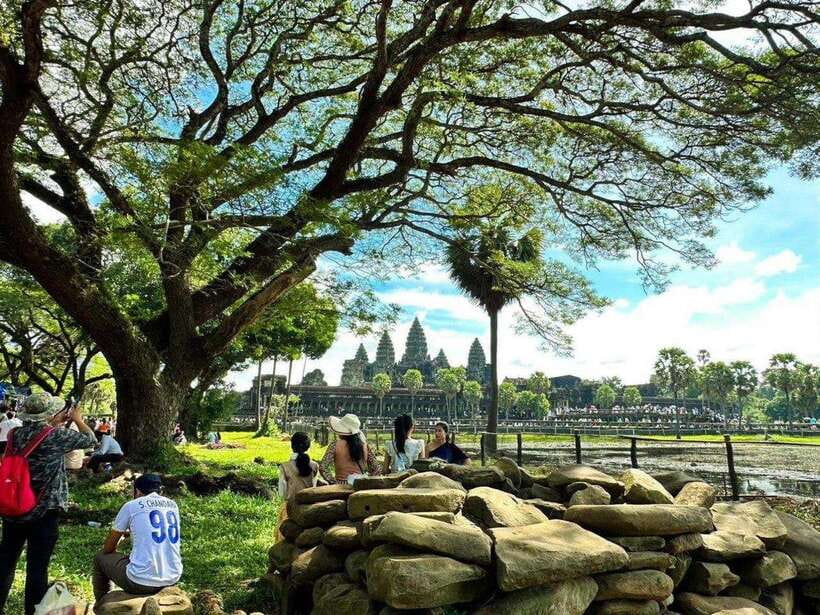
I would recommend it to you if you want variety, private transport, and a serious amount of temple time. It suits couples, families with older children, or a small group of friends who can share the $899 cost.
It is also a good choice for anyone who wants to see beyond Angkor Wat. The Chenla ruins at Sambor Prei Kuk, the short-lived capital at Koh Ker, the lake community at Kompong Phhluk, and the sacred mountain at Phnom Kulen give the trip much more range.
I would hesitate if you have back problems, limited mobility, or dislike uneven steps. The schedule is demanding, and there is no elevator at the temples. I would also choose a shorter plan if you prefer long meals, unhurried photography, or several free afternoons.
Pack comfortable shoes, sunscreen, insect repellent, a long-sleeved shirt, a camera, and a charged smartphone. Cambodia has a rainy season from May through October and a dry season from November through April. A raincoat is sensible, and umbrellas are provided, but weather can still change the feel of a temple day.
FAQ
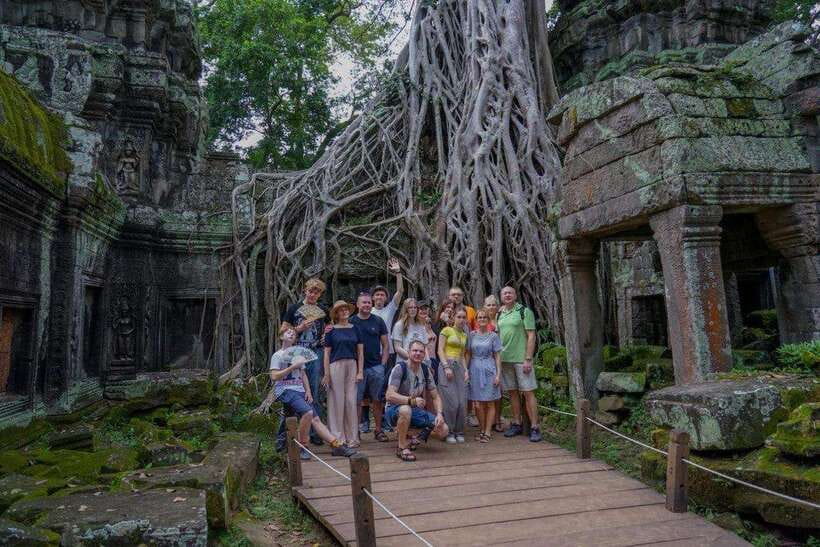
Is the $899 price for each person?
No. The price is for a private group of up to four people. Temple tickets, boat tickets, site admissions, meals, and personal expenses are not included.
What transport is provided?
Hotel pickup and drop-off, a driver, gasoline, and an SUV or minivan are included. Cold pure drinking water is also provided.
Is an English-speaking guide included?
Yes. A fully licensed English-speaking guide is included. On Day 5, a local English-speaking guide meets the group at Sambor Prei Kuk.
Are the temple and national park entrance fees included?
No. You pay separately for the three-day temple pass, Koh Ker, Phnom Kulen National Park, and Sambor Prei Kuk.
Is the Kompong Phhluk boat ride included?
No. The boat ride ticket is an additional cost. The tour includes the visit to the floating village and the boat route through the mangroves after you purchase the ticket.
What should I bring, and are there accessibility limits?
Bring comfortable shoes, insect repellent, a camera, a long-sleeved shirt, a charged smartphone, and sunscreen. Smoking is not allowed in the vehicle, and drones and shorts are not allowed. The tour information says it is wheelchair accessible, but it is not suitable for people with mobility impairments or back problems because some sites require climbing steps and have no elevator.
Should you book it?
Book this tour if you want a private, fast-moving introduction to Cambodia’s temple eras, village life, mountain scenery, and lake culture. The strongest value comes when three or four people share the cost and appreciate the wide range of stops.
Skip it if you want a gentle Angkor holiday or cannot manage long drives and repeated climbing. The Sambor Prei Kuk day is especially demanding, but for the right history-minded visitor, it adds the older Cambodian story that many temple tours leave out.
Newest reviews from Siem Reap
- War Museum, Killing Field, and APOPO Hero RATs Tour★ 5.0 · 7 reviews
- Angkor Wat at Sunrise★ 4.0 · 7 reviews
- Siem Reap Angkor Airport Taxis (from Airport to Hotel)★ 5.0 · 44 reviews
- Cambodian Cooking Class and Oxcart Ride with Local Village Tour★ 5.0 · 4 reviews
- Secret Temples of Angkor – Guided Tour in Siem Reap★ 5.0 · 6 reviews
- Short Cycling at Countryside★ 5.0 · 29 reviews
- SIEM REAP E-BIKE HALF-DAY COUNTRYSIDE (25-30 km)★ 4.0 · 1 review
- Unveiling the Mystical Beauty of Phnom Kulen National Park★ 5.0 · 6 reviews
Angkor Wat Tours, compared.
Angkor Wat Sunrise or Sunset Tour with Guide from Siem Reap
Read our review →
Angkor Wat: Small-Group Sunrise or Sunset Tour
Read our review →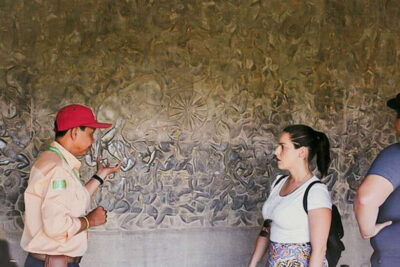
Angkor Wat 2-Day Tour with Sunrise and Sunset
Read our review →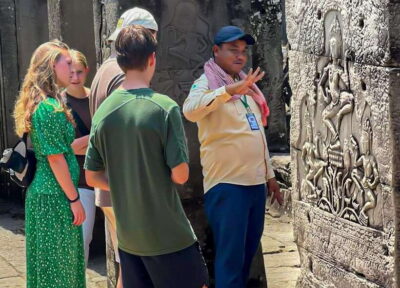
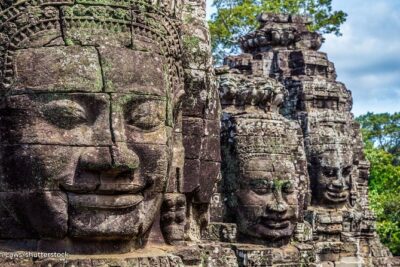
Angkor Wat Sunrise tour with Small – Group and Guide tours
Read our review →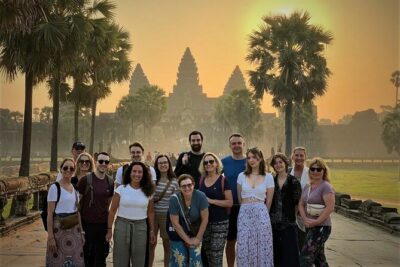
Angkor Wat Highlights and Sunrise Guided Tour from Siem Reap
Read our review →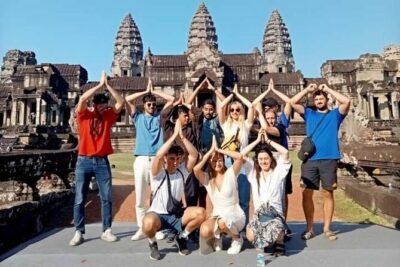
Angkor Wat Sunset Small Group Tour with Lunch Included
Read our review →
Full-Day Angkor Wat Sunrise Private Tour with Guide from Siem Reap
Read our review →Browse the lists this tour appears in