
Reviewed · ANGKOR WAT TOURS
Angkor Wat 2 Days and a Half Temples & Tonle Sap-Small Group Tour
Ancient stones, sunrise, and floating villages make this a well-packed introduction to Siem Reap. Over about three days, you visit Angkor Wat, Ta Prohm, Bayon, Banteay Srei, Preah Khan, and several quieter ruins, then head out to Kampong Phluk on Tonle Sap Lake.
I especially like the mix of major sights and smaller temples, plus the chance to see Angkor Wat at both sunset and sunrise. The air-conditioned vehicle, hotel pickup, bottled water, cool towel, and English-speaking guide also make the long temple days easier. The main drawback is cost: the tour is $79, but the required temple pass costs another $62 per person, and meals are not included.
The group is capped at 15 people, which is small enough to feel manageable without paying for a private guide. The guide Sak receives especially strong praise for his English and temple knowledge, while driver Mao is noted for making the transport smooth. That personal service may matter as much as the route itself when you are out before dawn and moving between widely scattered ruins.
In This Review
- Key points to know before booking
- What the three-day plan really includes
- Day one: Pre Rup and the outer temples
- Pre Rup, a strong opening at one hour
- Banteay Srei, the carving specialist
- Neak Pean, a one-hour island temple
- Preah Khan, atmospheric ruins in the afternoon
- Day two: Sunrise at Angkor Wat and the great faces of Bayon
- Angkor Wat before dawn
- Breakfast near Srah Srang
- Ta Prohm, roots and ruined stone
- Angkor Thom’s eastern gate
- Bayon and its enormous faces
- Day three: Kampong Phluk and Tonle Sap Lake
- Four hours at Kampong Phluk
- What the price includes, and what it does not
- Who will get the most from this tour
- Should you book the Angkor Wat and Tonle Sap tour?
- FAQ
- How long is the Angkor Wat and Tonle Sap tour?
- How much does the tour cost?
- Is the temple pass included?
- Are meals included?
- Is hotel pickup available?
- What is included at Tonle Sap?
- How large is the group?
Key points to know before booking
- Banteay Srei gets a full two hours: This is the finest stop for close-up carvings, but it sits outside the central Angkor cluster and adds driving time.
- Angkor Wat begins before sunrise: You enter in darkness with a torch and approach through the less-visited eastern side before the sky brightens.
- The route covers both famous and quieter temples: Pre Rup, Neak Pean, and Preah Khan help balance the crowds and scale of the headline sites.
- Tonle Sap is a separate cultural experience: The four-hour Kampong Phluk outing shifts your attention from stone temples to fishing villages and lake life.
- The $79 price is not the final cost: Add the $62 temple pass, then budget separately for meals.
- Phare Circus is included in the dry season: The admission includes a Seat C ticket, adding a night of Cambodian performance to the temple program.
What the three-day plan really includes
This is best understood as two long temple days followed by a half-day on Tonle Sap Lake. The schedule is active, but it avoids giving you three straight days of ruins. That change of pace matters in Siem Reap, where even the most impressive temple can begin to blur after several hours in the heat.
You travel in an air-conditioned vehicle with hotel pickup and drop-off. That is a useful feature here because the temples are spread across a wide area, and the route includes both the central Angkor sites and Banteay Srei, which is farther out.
The listed start time is 8:00 a.m., but day two includes a pre-dawn departure for the Angkor Wat sunrise. I would confirm the exact pickup time with Journey Cambodia before bed, since the sunrise morning clearly begins much earlier than the standard start time.
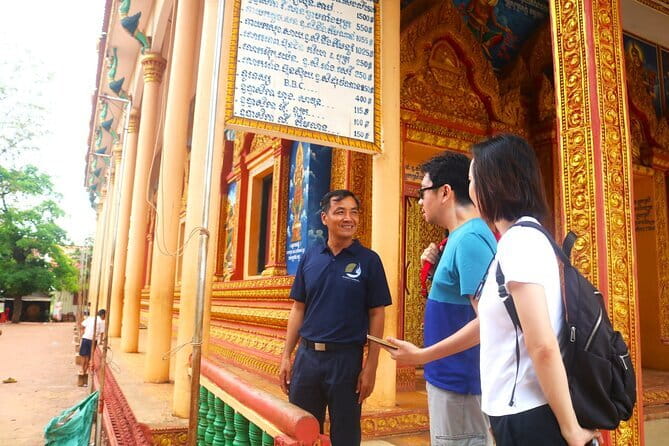
The group limit is 15 people. That is not the same as a private tour, but it should allow the guide to answer questions without the slow shuffle of a large coach group. If you value personal explanations, ask whether Sak is assigned to your departure. His strong English and clear command of Cambodian temples and culture are among the tour’s biggest advantages.
More ways to see Angkor Wat:
- Angkor Wat Sunrise or Sunset Tour with Guide from Siem Reap
★ 5.0 · 12,109 reviews - Siem Reap: Angkor Wat: Small-Group Sunrise or Sunset Tour
★ 5.0 · 9,444 reviews - Siem Reap: Angkor Wat 2-Day Tour with Sunrise and Sunset
★ 4.9 · 4,429 reviews
Day one: Pre Rup and the outer temples
Pre Rup, a strong opening at one hour
Pre Rup is a Hindu temple built as a state temple and shaped as a mountain temple. Its brick, laterite, and sandstone construction gives it a different character from the large sandstone monuments that follow.
The one-hour visit is enough to get a feel for the structure without using your best energy at the start. You can look closely at the layered design and understand the mountain-temple idea before moving on to more elaborate carvings.
I like beginning here because Pre Rup helps you read Angkor. The site is not simply a pile of stones, and the guide can explain how its height, terraces, and central shrine fit the religious design. The drawback is that it may feel less immediately dramatic than Angkor Wat or Bayon, especially if this is your first Cambodian temple.
Banteay Srei, the carving specialist
Two hours at Banteay Srei is one of the best choices in the schedule. This smaller sandstone temple is known for exceptionally detailed and well-preserved reliefs. The carvings are the reason to come, not the size of the complex.
Take your time here. Look at the doorways, lintels, and figures rather than rushing from one view to the next. The smaller scale makes the decoration easier to study, and the fine work rewards close attention.
Banteay Srei is also the stop that makes the day feel less like a standard central Angkor circuit. You leave the main temple zone and spend more time on the road, so this visit comes with a tradeoff. If you want only the famous temples, the extra drive may test your patience. If carved detail matters to you, it is worth the time.
The two-hour allocation is generous compared with several other stops. I would use it to ask the guide about the scenes shown in the reliefs and how Banteay Srei differs from the larger state temples. Sak’s reported strength in temple history and Cambodian culture should be especially useful here.
More time out on the Tonle Sap:
- Sunset tour of Kampong Phluk stilts home village on the Tonle Sap
★ 5.0 · 4,865 reviews - Siem Reap: Kulen Mountain, Beng Mealea and Tonle Sap Tour
★ 5.0 · 1,483 reviews - Tonle Sap Lake & Kampong Phluk Village Half-Day Tour
★ 5.0 · 1,045 reviews - Kulen Mountain with Beng Mealea and Tonle Sap Small Group Tour
★ 5.0 · 780 reviews
Neak Pean, a one-hour island temple
Neak Pean is an artificial island with a Buddhist temple on a circular island. The setting gives you a break from the steep terraces and massive gateways of the earlier temples.
This stop is more about form and setting than grandeur. You see how water was worked into the temple design, then compare the compact island arrangement with the mountain form of Pre Rup.
Allowances can change in real life if roads, walking conditions, or the group’s pace affect the day, so do not expect every stop to feel exactly one hour. Still, Neak Pean gives the first day welcome variety.
Preah Khan, atmospheric ruins in the afternoon
Preah Khan closes the temple portion of day one. It is a ruined complex where crumbling stone and tree roots create an atmospheric, slightly untidy look.
I like this choice late in the day. Preah Khan does not need the same grand first impression as Angkor Wat, and its worn corridors and vegetation are easier to appreciate after you have learned the basic forms of Angkor architecture.
The one-hour visit may feel short if you want to inspect every passage. This is a large ruin, and the trees and fallen stones invite slow wandering. Keep your expectations practical: the appeal is mood, texture, and age rather than one perfectly framed monument.
The first day also includes a beautiful sunset experience. The supplied schedule names sunset among the included features, though it does not specify which temple or exact viewing point. Ask the guide where the sunset stop will be so you know what to expect.
Day two: Sunrise at Angkor Wat and the great faces of Bayon
Angkor Wat before dawn
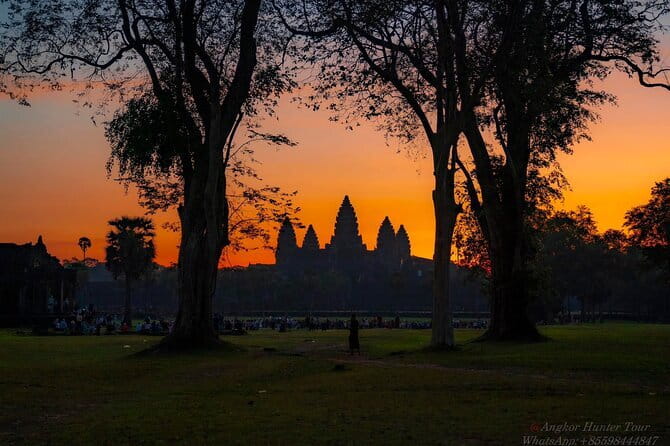
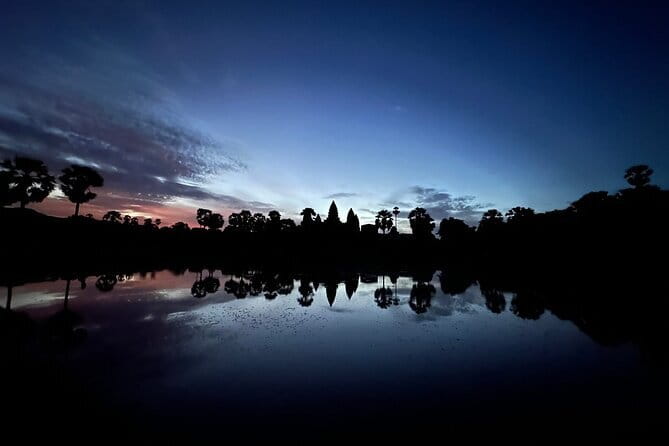
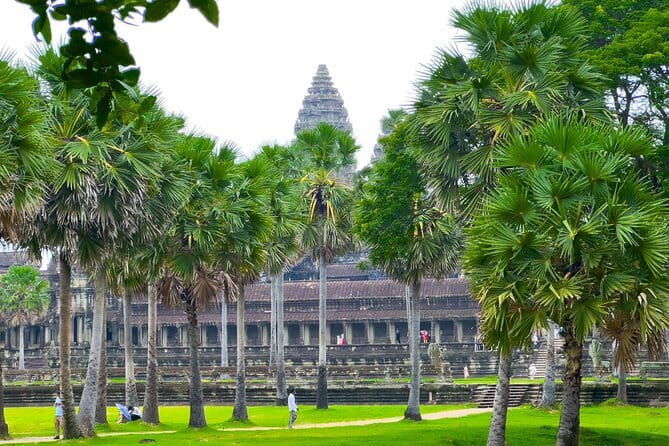
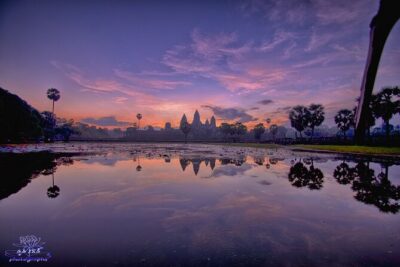
Day two begins with a pre-dawn departure. You enter Angkor Wat while it is still dark, using a torch, and approach through the eastern side, which is described as less visited than the usual route.
That early entry is a real benefit. You see the temple change as daylight arrives instead of simply walking up after breakfast with the day already in full swing. Sunrise is weather dependent, of course, but the pre-dawn access still gives the visit a special rhythm.
Three hours are assigned to Angkor Wat. That is sensible because the temple is vast, and a quick photo stop would miss much of what makes it important. You have time to take in the exterior, move through the galleries, and listen to the guide’s explanation.
There is also a practical cost to this highlight. You need to wake very early, and the temple pass is not included. The pass costs $62 per person and must be paid directly at the site. Build that fee into your real budget before deciding that the $79 tour price is a bargain.
Breakfast near Srah Srang
After Angkor Wat, the group stops at Srah Srang for breakfast at a Khmer local restaurant and a short rest. Meals are not included, so you pay for your own breakfast.
This is a useful pause rather than a minor filler stop. You have already been awake for hours, and a chance to sit down before more temples can keep the second half of the morning enjoyable. Ask about meal choices and prices when you arrive, since the tour does not set out a meal allowance.
The stop is scheduled for one hour. That should give you time to eat and recover, but do not assume it is a long leisurely meal. The morning still includes Ta Prohm, Angkor Thom, and Bayon.
Ta Prohm, roots and ruined stone
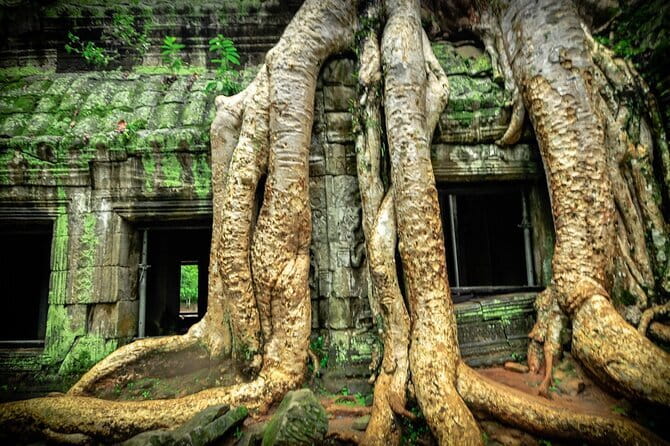
Ta Prohm is the jungle-enveloped temple on the route, and it is one of the most atmospheric places in Angkor. Trees and roots push into the ruins, giving the site a raw, weathered appearance.
One hour is enough to see the main character of the temple, but not enough for a slow examination of every corner. Stay close to the guide and keep track of the group, since atmospheric ruins can tempt you down side paths.
Ta Prohm is often the temple people picture when they think of Angkor’s meeting between nature and architecture. The appeal is immediate, but it can also be the busiest-feeling stop on a popular route. The early Angkor Wat visit helps you make good use of the morning before the circuit reaches its later stops.
Angkor Thom’s eastern gate
The eastern gate of Angkor Thom receives only 20 minutes. That sounds brief, but the purpose is clear: this is a focused look at the gate before the longer visit to Bayon.
Use the time for the entrance details and for the guide’s explanation of how the gate fits into Angkor Thom. Do not expect an extended walk through the whole city. This is a quick architectural stop, not a full tour of every corner.
Bayon and its enormous faces
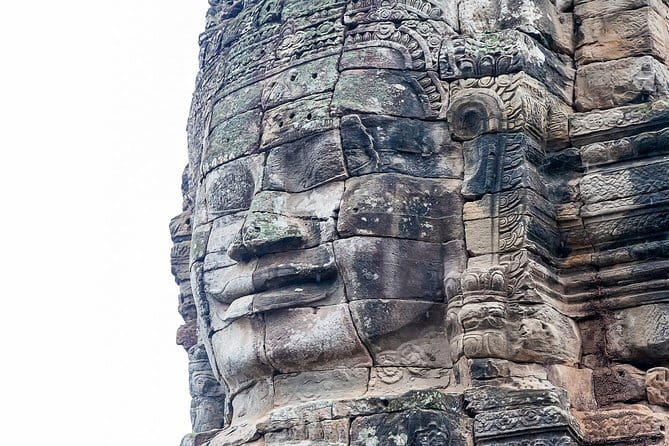
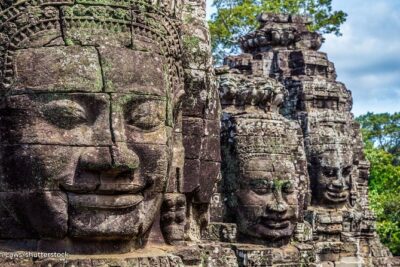
Bayon gets one hour, and that is a fair amount of time for its central towers and famous carved faces. More than 200 enormous faces cover the towers, creating a very different mood from the long galleries of Angkor Wat.
The design can be confusing at first. Towers overlap, faces appear from different angles, and the central area feels more enclosed than Angkor Wat. A good guide makes a real difference here by pointing out what you are looking at and helping you find the best order for seeing it.
This is another place where Sak’s reported strengths would matter. Bayon rewards explanation, and the faces raise questions about their meaning, purpose, and relation to the ruler who built the temple. One hour will not cover everything, but it gives you enough time to appreciate the main design.
Day three: Kampong Phluk and Tonle Sap Lake
Four hours at Kampong Phluk
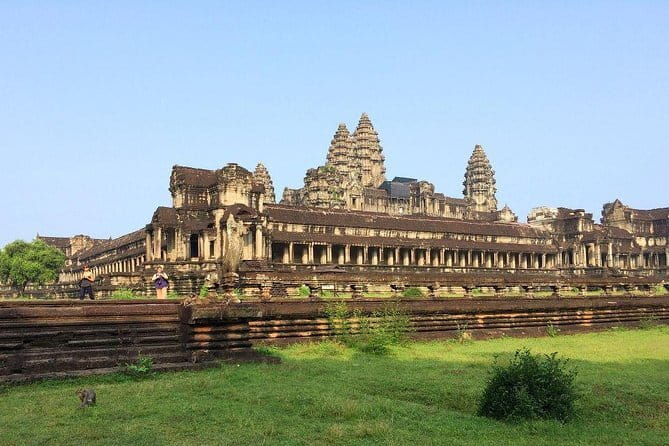
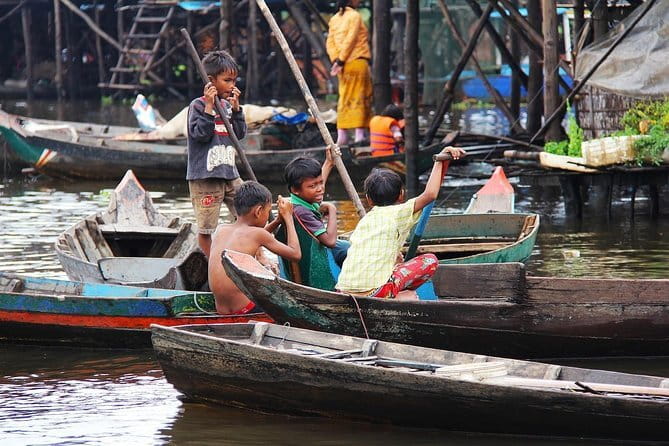
The final morning leaves the temple zone and heads through the countryside toward Tonle Sap Lake, the world’s second-largest freshwater lake according to the supplied tour description. You then take a boat to Kampong Phluk, a group of three small fishing villages.
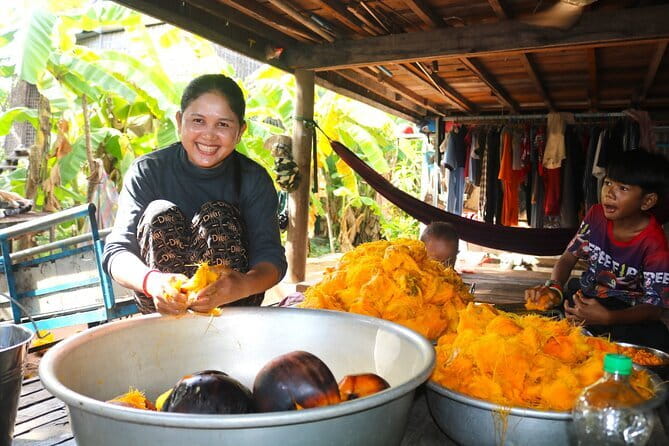
This is the cultural counterpoint to the first two days. Instead of royal temples and religious monuments, you see a community connected to fishing and changing water conditions. The boat ride gives the morning a calmer pace, though the four-hour duration still makes it a substantial outing.
The tour includes the Tonle Sap entrance fee and boat cruise, so there is no separate charge for those listed elements. That inclusion helps the value of the third day, especially after you have already paid the temple pass.
Kampong Phluk is not a substitute for the Angkor temples, and it should not be sold as one. It offers a look at local life and the lake environment, but the experience can vary with seasonal water levels and conditions. The supplied details do not promise a specific water height or a particular village activity, so keep your expectations open.
I like having this morning at the end. After two days of carved stone, the boat ride gives your eyes and feet a rest while adding a different view of Cambodia. If your main goal is archaeology, you may prefer another temple instead. If you want local life as part of the trip, Kampong Phluk makes the program feel more rounded.
What the price includes, and what it does not
At $79 per person, the tour covers a lot of ground. You get air-conditioned transport, hotel pickup and drop-off, an English-speaking guide, bottled water, a cool towel, the Tonle Sap entrance fee, and the boat cruise.
The included sunrise and sunset experiences also add value. Transport between scattered sites can be awkward to arrange on your own, and the early start makes a dependable vehicle particularly useful.
The real base cost is at least $141 per person once you add the required $62 temple pass. Meals are extra, and the listing does not state that the temple pass is valid for every stop or how many days it covers, so confirm the pass details if you are comparing this with other tours.
The dry-season Phare Cambodian Circus ticket is included in Seat C. That is a pleasant extra, but the information does not give a separate show time or explain how the performance fits into your evening. Confirm the seating and schedule before relying on it as part of your plans.
Group discounts are offered, though no discount amount is provided. The maximum group size is 15, and mobile tickets are available. Confirmation arrives at booking, and free cancellation is available until 24 hours before the experience starts. Changes or cancellations inside that window are not accepted for a refund.
Who will get the most from this tour
I would choose this tour if you want the major Angkor temples but also want someone to explain what you are seeing. The route is broad enough for a first visit, with Banteay Srei, Preah Khan, Neak Pean, and Pre Rup adding variety beyond the familiar postcard sites.
It suits people who prefer a planned schedule. The driver handles the long transfers, and the guide keeps the group moving through a demanding route. The air-conditioning, water, and cool towel are small comforts that become important during full temple days.
It also works well if you have roughly three days in Siem Reap and do not want to spend time arranging separate transport for the lake. Families and mixed-interest groups may appreciate the change from temples to a boat ride, though the pre-dawn start and amount of walking may not suit everyone.
You may want another option if you prefer slow visits, long meals, or a private pace. A 15-person maximum is reasonable, but you still follow a shared timetable. The temple pass and meals also mean the advertised price is not the whole budget.
Should you book the Angkor Wat and Tonle Sap tour?
Book it if you want a strong first look at Siem Reap in a compact plan. The best features are the pre-dawn Angkor Wat visit, the detailed carvings at Banteay Srei, the memorable mood of Ta Prohm and Preah Khan, and the change of pace at Kampong Phluk.
Before paying, make sure you are comfortable with the full cost of at least $141 plus meals, the early morning on day two, and a group schedule. If you can handle those tradeoffs, the combination of capable guiding, dependable transport, sunset, sunrise, major ruins, smaller temples, and Tonle Sap gives you good coverage for the time.
Ask for Sak if possible, confirm the sunrise pickup time, and check the Phare Circus schedule in the dry season. Those three details will help you get the most from the experience.
FAQ
How long is the Angkor Wat and Tonle Sap tour?
The experience lasts approximately three days and is described as a 2.5-day adventure. It includes two days of temple visits and a final morning at Kampong Phluk on Tonle Sap Lake.
How much does the tour cost?
The tour price is $79 per person. The required temple pass costs an additional $62 per person and must be paid directly at the site.
Is the temple pass included?
No. The Angkor temple pass is not included in the tour price. You pay $62 per person directly to the site.
Are meals included?
No. Meals are not included. Breakfast is available at your own choice during the stop near Srah Srang.
Is hotel pickup available?
Yes. Hotel pickup and drop-off are included. The listed start time is 8:00 a.m., but day two includes a pre-dawn departure for the Angkor Wat sunrise.
What is included at Tonle Sap?
The Tonle Sap entrance fee and boat cruise to Kampong Phluk are included.
How large is the group?
The group can include a maximum of 15 people. The tour also provides an air-conditioned vehicle and an English-speaking guide.
Newest reviews from Siem Reap
- War Museum, Killing Field, and APOPO Hero RATs Tour★ 5.0 · 7 reviews
- Angkor Wat at Sunrise★ 4.0 · 7 reviews
- Siem Reap Angkor Airport Taxis (from Airport to Hotel)★ 5.0 · 44 reviews
- Secret Temples of Angkor – Guided Tour in Siem Reap★ 5.0 · 6 reviews
- Short Cycling at Countryside★ 5.0 · 29 reviews
- Cambodian Cooking Class and Oxcart Ride with Local Village Tour★ 5.0 · 4 reviews
- SIEM REAP E-BIKE HALF-DAY COUNTRYSIDE (25-30 km)★ 4.0 · 1 review
- Unveiling the Mystical Beauty of Phnom Kulen National Park★ 5.0 · 6 reviews
Angkor Wat Tours, compared.
Angkor Wat Sunrise or Sunset Tour with Guide from Siem Reap
Read our review →
Angkor Wat: Small-Group Sunrise or Sunset Tour
Read our review →
Angkor Wat 2-Day Tour with Sunrise and Sunset
Read our review →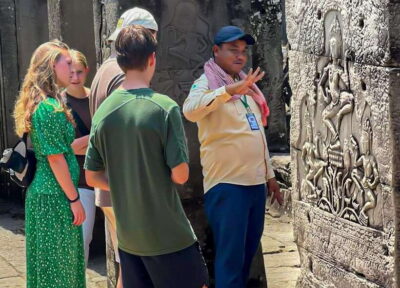
Angkor Wat Sunrise tour with Small – Group and Guide tours
Read our review →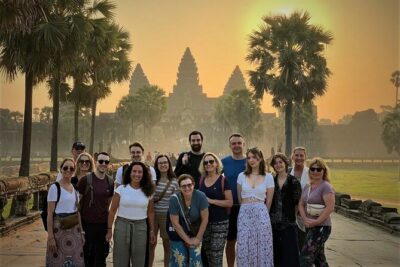
Angkor Wat Highlights and Sunrise Guided Tour from Siem Reap
Read our review →
Angkor Wat Sunset Small Group Tour with Lunch Included
Read our review →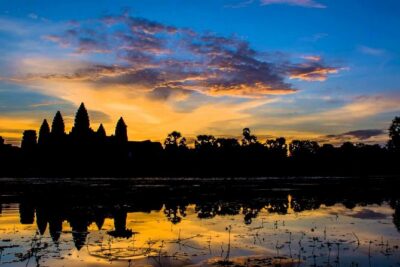
Full-Day Angkor Wat Sunrise Private Tour with Guide from Siem Reap
Read our review →Browse the lists this tour appears in