
Reviewed · FARMS
Angkor Silk Farm & Lotus Silk Farm: Siem Reap Discovery Tour
Craftsmanship begins with a tiny thread. This four-hour outing links the old and new sides of Cambodian textile making, from silkworms raised on mulberry leaves to lotus fibers pulled by hand from fresh stems. I like the clear contrast between the two farms, and I like that your spending can support local women and traditional skills. The main drawback is the road between the farms, which some people find long and hot, especially in a shared tuk-tuk.
You meet at Biolab Café in downtown Siem Reap, then travel by private car or shared transport into the countryside. The guides explain each process in English or French, and the 4.8 rating from 68 reviews reflects the tour’s strong organization, kind staff, and useful demonstrations. Just remember that boutique purchases, meals, and extra craft activities cost more.
In This Review
- Key points to know before booking
- Why this four-hour tour is worth your morning
- Starting at Biolab Café in central Siem Reap
- Angkor Silk Farm: from mulberry leaves to woven cloth
- The countryside transfer: scenic, useful, and sometimes tiring
- Lotus Silk Farm by Samatoa: the tour’s most unusual lesson
- Lotus tea, garden time, and a better look at the products
- Guides, drivers, and the human side of the visit
- Comfort, timing, and who should book
- Should you book the Angkor and Lotus Silk Farm tour?
- FAQ
- Where does the tour start and finish?
- What time does the tour depart?
- How long does the experience last?
- Which languages are available?
- Is lunch included?
- Can I buy silk and lotus products?
Key points to know before booking
- Two very different textile traditions: See silkworm cultivation and traditional weaving at Angkor Silk Farm, then watch lotus stems become fine fibers at Samatoa’s Lotus Silk Farm.
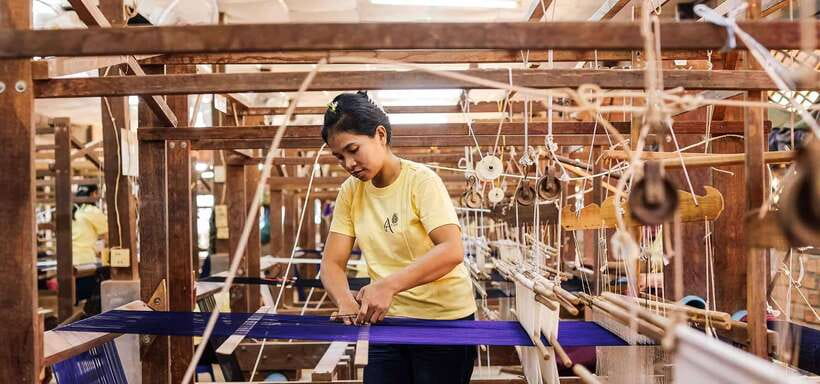
- Real production demonstrations: You see the silkworm life cycle, cocoon handling, thread making, lotus fiber extraction, and weaving on wooden looms.
- A useful countryside outing: The drive provides a break from central Siem Reap and gives you glimpses of rural life, though the transfer between farms can feel slow.
- A small refreshment with a clear purpose: Lotus tea and biscuits are served in the garden at the lotus farm. Lunch is not part of the advertised $25 package.
- Ethical shopping with context: You can browse handmade silk and lotus-fiber goods after learning how much labor goes into them.
- Easy half-day timing: Morning departures are at 8:30 AM and 10:00 AM, with a return to Biolab Café after about four hours.
Why this four-hour tour is worth your morning
At $25 per person, the tour offers more than transport to two gift shops. You receive guided visits, live demonstrations, a bilingual guide, air-conditioned car transport between sites, and a small refreshment at the lotus farm. The real value is the explanation: once you see the slow handwork involved, the prices of finished textiles make much more sense.
I especially like the comparison. At Angkor Silk Farm, the process follows a familiar agricultural cycle: mulberry plants feed silkworms, silkworms produce cocoons, and artisans turn those cocoons into thread. At Lotus Silk Farm, the raw material comes from lotus stems, and the fiber extraction feels like a newer answer to an old question: how can Cambodia keep making beautiful cloth while using a plant that grows naturally in the region?
The tour also supports two social enterprises connected with local communities and women’s employment. You are not simply looking at finished fabric. You are seeing work being done by hand and learning how purchases help keep those skills and jobs in place.
Still, set your expectations correctly. This is an educational visit, not a full craft class. Hands-on weaving is not included, and the package does not include private demonstrations, costume photographs, or a meal. The focus is on watching, listening, and asking questions.
A few more options around Siem Reap worth reading up on
- Angkor Wat Sunrise or Sunset Tour with Guide from Siem Reap
★ 5.0 · 12,109 reviews - Siem Reap: Angkor Wat: Small-Group Sunrise or Sunset Tour
★ 5.0 · 9,444 reviews - From Siem Reap: Kampong Phluk Floating Village Tour by Boat
★ 4.9 · 6,979 reviews
Starting at Biolab Café in central Siem Reap
Your meeting point is Biolab Café, a garden café in downtown Siem Reap. It has air conditioning, seating, restrooms, drinks, and free WiFi, so arriving early is not a hardship. Look for the lotus-colored flag marked PICKUP – Lotus Silk Farm and a grey van outside.
Morning departures are scheduled for 8:30 AM and 10:00 AM. Arrive about 10 minutes early. Hotel pickup and drop-off are not included, so you need to arrange your own way to and from the café.
The transport may be a private car or shared vehicle, depending on the booking. The tour can be shared with other people, and some accounts describe tuk-tuk transport on certain departures. That makes the exact ride worth confirming when you book, especially if you dislike open-air travel in hot weather.
The route itself is part of the appeal. Once you leave central Siem Reap, the city thins out and the trip becomes quieter. You pass through Cambodian countryside on the way between the farms. It is not a sightseeing drive with scheduled stops, so do not expect a string of attractions along the road. Think of it as useful travel time between two working textile sites.
Angkor Silk Farm: from mulberry leaves to woven cloth
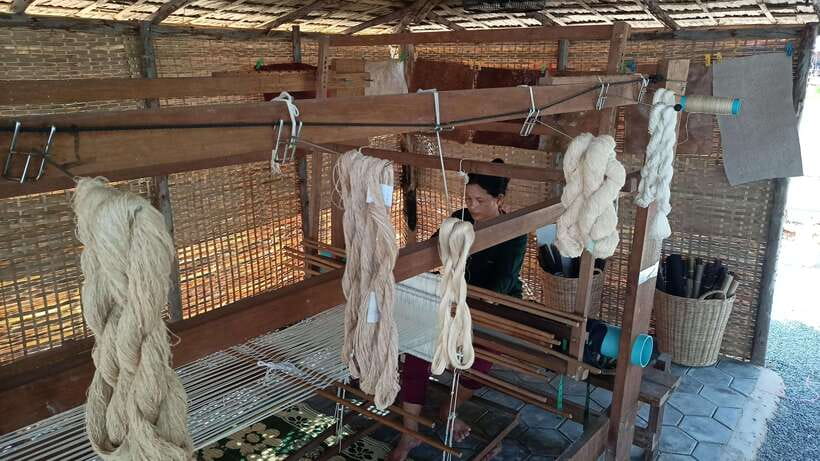
The first farm gives you the traditional side of the story. The guided portion lasts about 45 minutes, followed by around 15 minutes to browse the boutique.
The tour explains the full silk process, beginning with mulberry cultivation. You learn how the plants connect to the silkworm life cycle, then see the stages from living worms to cocoons and thread. This is a good stop for families because the process is visual and easy to follow. It also gives you a better sense of how much care goes into a material that often looks effortless in a shop window.
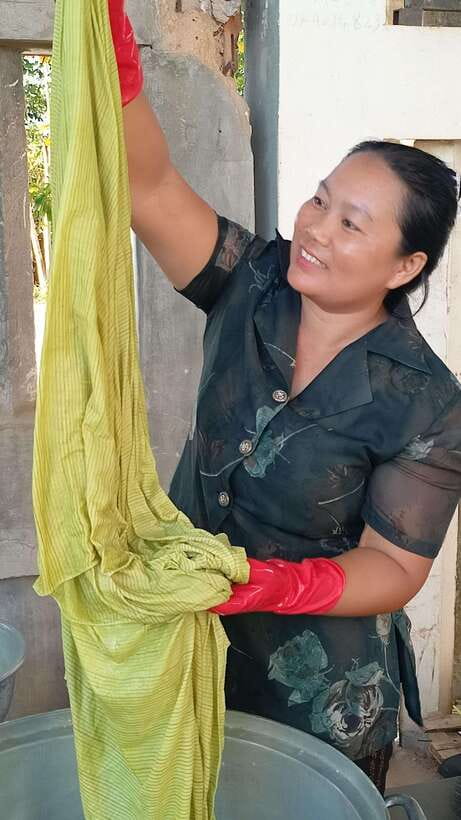
The cocoon-to-thread stage is the part many people find most striking. Skilled workers handle delicate material with patience, turning it into strands that can later be dyed and woven. The guide’s job here matters. A quick look at worms and looms would be pleasant but forgettable. The explanations help you understand the chain of work linking farming, fiber production, and cloth.
You also see traditional wooden looms and weaving techniques. These are not factory machines designed to produce identical fabric at high speed. They are tools for controlled, careful work, with patterns passed through generations of Khmer craftsmanship.
The 45-minute visit is long enough to cover the process without turning into a lecture. If silk is your main interest, this may be your favorite stop. Denise from the United Kingdom specifically preferred the silk farm because the explanation was so informative, and several other visitors praised the silk farm for showing the worms at different stages and demonstrating handmade production.
The boutique follows the tour. It is a useful place to shop because you have just seen the labor behind the products. Silk scarves, woven goods, and other handmade items are not included in the $25 price, so bring cash if you hope to buy. US dollars are accepted.
The countryside transfer: scenic, useful, and sometimes tiring
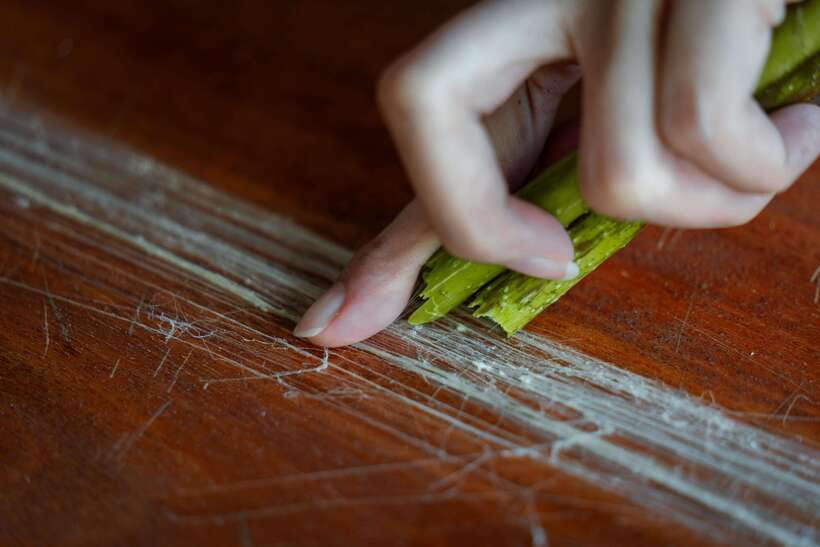
The ride to the second farm lets you change subjects from animal fiber to plant fiber. It also creates the tour’s weakest stretch.
The countryside views can be pleasant, and a careful driver makes the trip comfortable. Drivers have been praised for being punctual, patient, friendly, and able to handle difficult traffic. On some departures, the order of the farms may change to fit the schedule.
But the transfer is not a sightseeing excursion. Anne from the United Kingdom found the trip between the farms too long and too hot, with little to see after the first 10 minutes. Adrian also found the tuk-tuk ride lengthy, although careful driving made it manageable.
That is practical information, not a reason to reject the tour. If you want a quick urban activity, choose something closer to the center. If you are happy to trade time on the road for a look at two specialist farms, the transfer is a fair part of the package. Wear light clothing, carry sun protection, and bring water for the road. The included refreshment comes later at the lotus farm, and extra food and drinks are not provided.
Something completely different for another day:
- Sunset tour of Kampong Phluk stilts home village on the Tonle Sap
★ 5.0 · 4,865 reviews - Siem Reap: Angkor Wat 2-Day Tour with Sunrise and Sunset
★ 4.9 · 4,429 reviews - Siem Reap: Kampong Phluk Floating Village Tour with Boat
★ 4.9 · 3,843 reviews - Siem Reap: Full-Day Angkor Wat Guided Tour with Sunset
★ 4.9 · 3,803 reviews
Lotus Silk Farm by Samatoa: the tour’s most unusual lesson
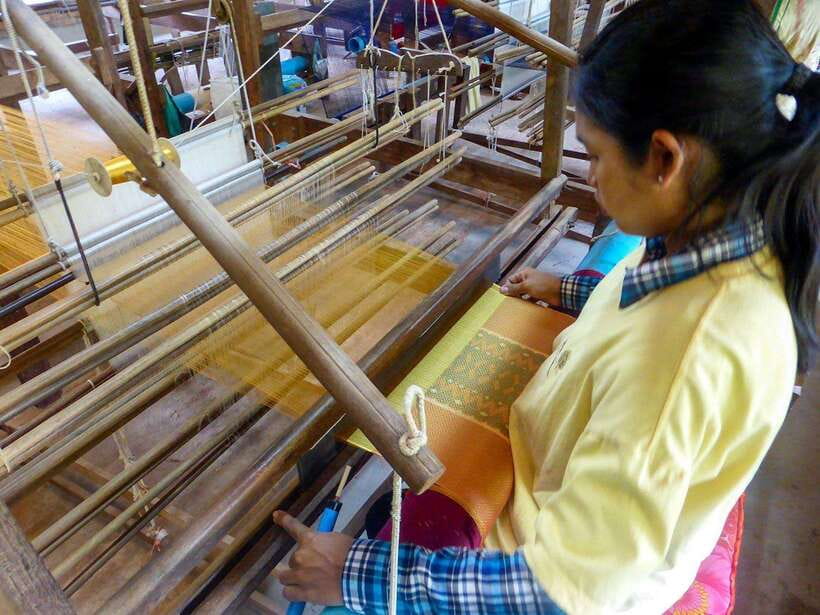
The lotus farm runs a guided visit of about 30 minutes, followed by 15 minutes for tea and biscuits and another 15 minutes for shopping. The shorter formal tour does not mean the subject is less interesting. For many people, lotus fiber is the surprise of the day.
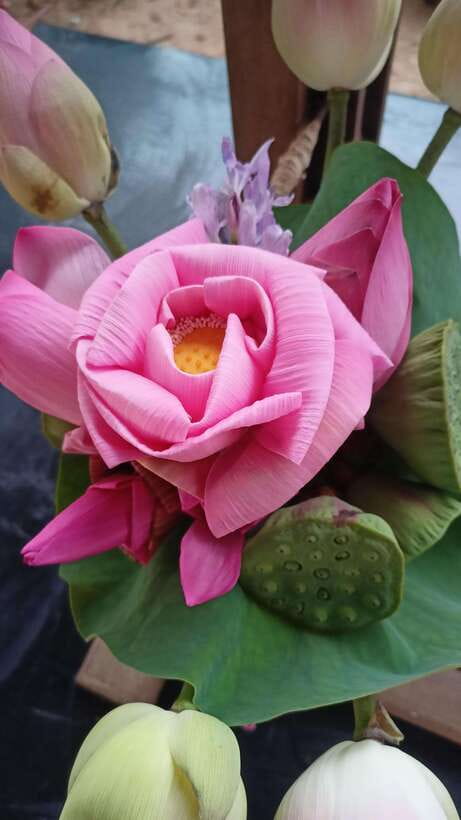
A guide shows how artisans pull fibers from lotus stems and combine the fine strands into usable thread. The work is slow and entirely hands-on. The plant looks fragile, and the resulting fiber is delicate, which makes the process easy to appreciate once you see it happening in front of you.
This is where the tour’s environmental and social message becomes clearest. Samatoa presents lotus fiber as a sustainable textile and as a source of work for local women. You get to see sustainability as a daily production task, not just a label attached to a finished product.
Hope from the United States found this stop especially informative because it showed how the farm employs local women to make products by hand from lotus stems. Caroline from Thailand also liked seeing the work in progress and the skill of the makers. Those details help explain why lotus textiles cost more than mass-produced cloth.
Some people have paid extra for small craft activities, such as making a lotus-seed bracelet, trying to form silk strands, or creating a sheet of paper. These activities are not included in the stated tour price, so ask about the cost before joining. The standard visit gives you demonstrations and explanations, not a guaranteed workshop.
An optional boat ride around the lotus-growing area has also been praised by some people, but it is an additional activity rather than part of the core package. Do not build your schedule around it unless it is confirmed for your departure.
Lotus tea, garden time, and a better look at the products
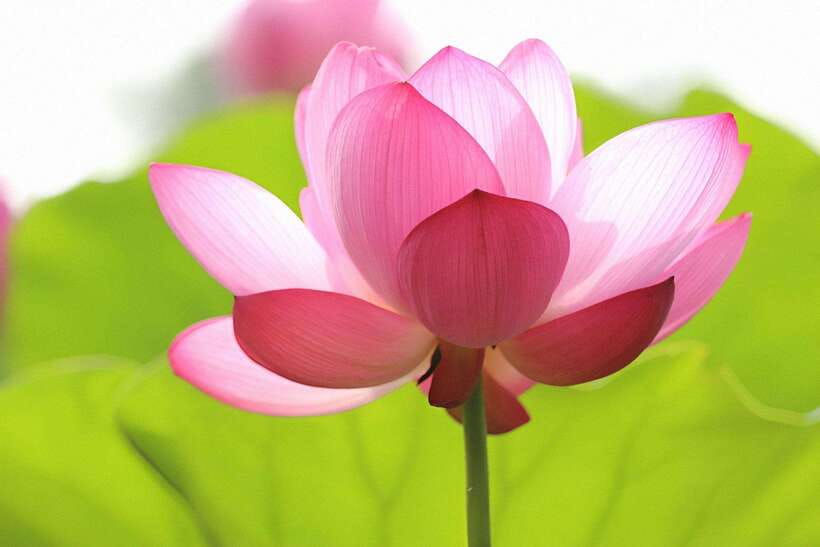
After the demonstration, you receive complimentary lotus tea and biscuits in the farm’s garden. It is a modest refreshment, but it suits the stop. The garden offers a calm pause after the drive and gives you time to discuss what you have seen.
The tour does not include lunch. A few past visitors arranged or purchased a meal at the lotus farm, including a lotus-based lunch, but that is separate from the $25 package. If you need a substantial meal before returning to Siem Reap, make your own plan and confirm what is available on your date.
The boutique is more meaningful after the demonstration. You can examine handmade products from both farms and compare the different textures and production methods. I would not treat the shopping time as a sales trap. You are free to browse, and the tour makes a clear case for why ethical, hand-produced textiles cost more.
Bring cash in US dollars for purchases. Personal expenses, souvenirs, extra refreshments, and any optional activity are not covered.
Guides, drivers, and the human side of the visit
The local guides are central to the experience. The tour is offered in English and French, and the strongest feedback focuses on clear explanations, patience, warmth, and a genuine interest in the work.
One guide named Vanny has been praised as an amazing, patient, and friendly driver. Other accounts describe excellent guides at both farms, along with staff who were kind and welcoming. Che from Cambodia also appreciated a guide’s knowledge of local culture and spirituality during a different outing connected with the lotus farm, though that Buddhist blessing and market visit are not part of this textile tour. Do not expect those extra stops here.
The guide at each farm may be a different person because the sites explain their own production. That arrangement works well: the silk specialists speak about silk, and the lotus specialists explain their own methods. It also means the quality of your questions matters. Ask how long a process takes, who makes the products, and what distinguishes handmade cloth from factory-made fabric.
Photography is allowed at both farms, so bring a camera. You will find plenty of useful subjects: silkworms at different life stages, cocoons, traditional looms, hands pulling lotus fibers, and works in progress.
Comfort, timing, and who should book
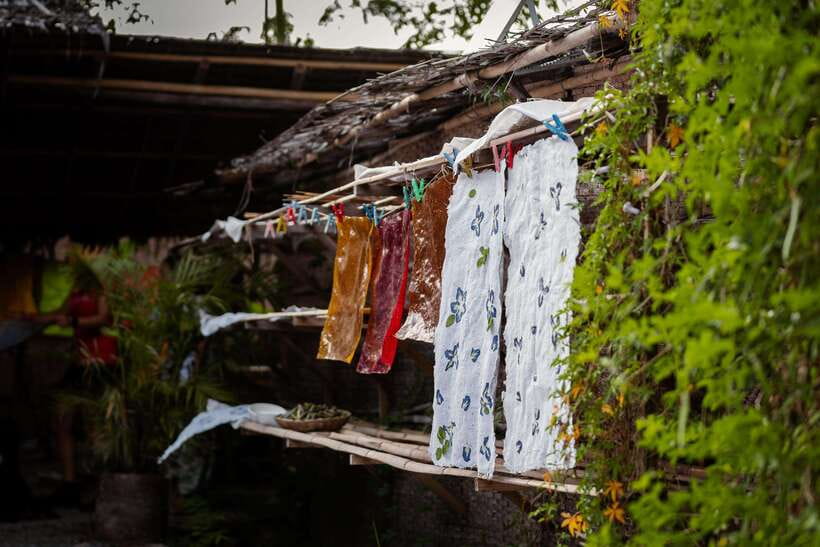
The outing lasts four hours, including transport. It is suitable for all ages and fitness levels, and both farms have restrooms. You should still wear comfortable walking shoes, light clothing, a hat, and sunscreen.
This tour suits you if you enjoy seeing how things are made. It is especially good for families, textile fans, photographers, engineers, craft shoppers, and people who want an activity beyond temples. Roxanne from the United States described the production details as a highlight for her engineer father, while another parent and child enjoyed the optional craft activities together.
It is less suitable if you want a tightly packed sightseeing schedule or dislike time in a vehicle. The farms are not simply backdrops for photographs. You spend much of the visit listening to explanations and watching careful manual work.
The tour operates in all weather conditions. Since the route includes outdoor areas and a countryside transfer, sun protection remains useful even on a cloudy morning. Children must be accompanied by an adult.
You can cancel up to 24 hours before departure for a full refund, and the reserve-now, pay-later option gives you some flexibility. Last-minute bookings are accepted when space remains, but the morning departures can fill, so advance booking is sensible if your Siem Reap schedule is tight.
Should you book the Angkor and Lotus Silk Farm tour?
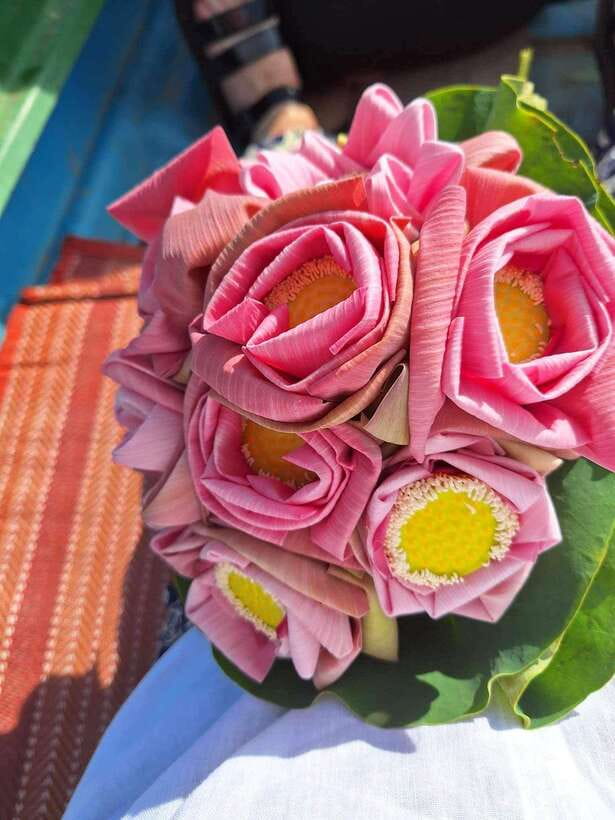
Book it if you want a clear, well-organized look at Cambodian textile making and you are willing to spend part of the morning on the road. The silk farm offers the fuller traditional production story, while the lotus farm provides the unusual plant-fiber lesson and a direct look at modern sustainable work.
At $25, the combination of transport, two guided visits, demonstrations, bilingual support, and lotus tea is good value. Just budget separately for lunch, boutique purchases, and optional craft activities.
I would choose this tour over a single farm visit because the comparison gives the outing its purpose. You see how Khmer textile skills continue to adapt, from silkworm cocoons on wooden looms to lotus fibers made by hand. If that sounds more appealing than another standard city excursion, meet the grey van at Biolab Café and bring room in your bag for something handmade.
FAQ
Where does the tour start and finish?
The tour starts and finishes at Biolab Café in downtown Siem Reap. Hotel pickup and drop-off are not included.
What time does the tour depart?
Morning departures are scheduled for 8:30 AM and 10:00 AM. Arrive at least 10 minutes before your chosen departure.
How long does the experience last?
The total duration is about four hours, including transportation between Siem Reap, Angkor Silk Farm, and Lotus Silk Farm.
Which languages are available?
The tour is conducted in English or French with a live guide.
Is lunch included?
No. The package includes complimentary lotus tea and biscuits at Lotus Silk Farm, but lunch, other drinks, and meals are not included.
Can I buy silk and lotus products?
Yes. You can browse the boutiques at both farms. Purchases, souvenirs, and personal expenses are separate from the $25 tour price.
Newest reviews from Siem Reap
- War Museum, Killing Field, and APOPO Hero RATs Tour★ 5.0 · 7 reviews
- Angkor Wat at Sunrise★ 4.0 · 7 reviews
- Siem Reap Angkor Airport Taxis (from Airport to Hotel)★ 5.0 · 44 reviews
- Secret Temples of Angkor – Guided Tour in Siem Reap★ 5.0 · 6 reviews
- Short Cycling at Countryside★ 5.0 · 29 reviews
- Cambodian Cooking Class and Oxcart Ride with Local Village Tour★ 5.0 · 4 reviews
- SIEM REAP E-BIKE HALF-DAY COUNTRYSIDE (25-30 km)★ 4.0 · 1 review
- Unveiling the Mystical Beauty of Phnom Kulen National Park★ 5.0 · 6 reviews
Farms, compared.
Pepper Farm Tours, Salt, Lake & Phnom Chhngok Temple
Read our review →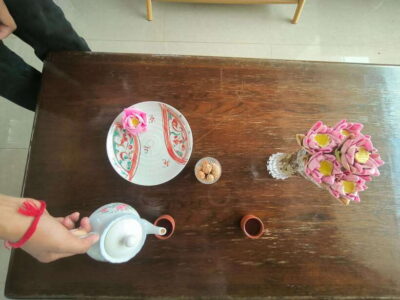
Siem Reap Lotus Silk Farm Discovery tour & Lake experience
Read our review →
Full-day Countryside Tour with Pepper Farm and Kep
Read our review →
Tuk Tuk Trip to Pepper Farm, Kep, Crab Market & More
Read our review →
Kampot Countryside include Pepper farm, Salt field & Lake
Read our review →
KAMPOT TRAVEL-Pepper farm. Cave.Secret lake-Crab market & Salt…
Read our review →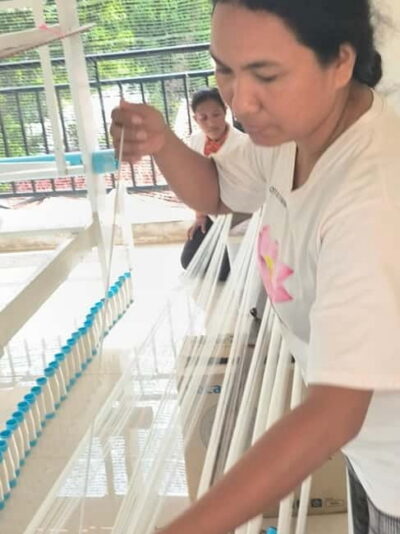
Browse the lists this tour appears in