
Reviewed · ANGKOR WAT SUNRISE TOURS
2 Days Angkor Wat Sunrise and Sunset Private Tour
Some temple days begin before the sun. This private two-day tour gives you a well-planned look at Angkor’s major temples, from the massive galleries of Angkor Wat to the small carved details of Banteay Srei. I like the private transport and guide, which let you move at your own pace, and I like the smart mix of famous temples and quieter stops such as Ta Nei.
The main drawback is cost. The advertised price is $134 per person, but the required three-day Angkor Pass adds $62, bringing the basic total to $196 before meals and tips. You should also confirm the exact sunrise and sunset timing, since the program includes both but the listed stop order does not clearly show when each viewing takes place.
In This Review
- Key points at a glance
- Why this two-day route works well
- Day One: Angkor Wat, Bayon, and the forest at Ta Prohm
- Angkor Wat: start with Cambodia’s great monument
- Angkor Thom South Gate: a brief but important approach
- Bayon: stone faces in the heart of Angkor Thom
- Ta Prohm: famous for trees and atmosphere
- Ta Nei: a quieter stone temple
- Terrace of the Elephants: a quick look at royal display
- Day Two: Banteay Srei and the temples beyond the main circuit
- Banteay Srei: the finest small-scale carving
- Preah Khan: long corridors and layered history
- Neak Pean: a temple reached across water
- Ta Som: small, focused, and easy to appreciate
- Eastern Mebon: an earlier temple on a former island
- Phnom Bakheng: finish with sunset
- The $196 base cost and what it really includes
- Practical details that can make or break the visit
- Who should book this Angkor tour?
- Should you book the 2 Days Angkor Wat Sunrise and Sunset Private Tour?
- FAQ
- Is the Angkor entrance fee included?
- Can I buy the temple pass on the day of the tour?
- Does the tour include hotel pickup and drop-off?
- Are meals and drinks included?
- What should I wear to the temples?
- Is this a group tour?
Key points at a glance
- Sunrise and sunset in one two-day plan: You see Angkor Wat in the early light and Phnom Bakheng for an evening sunset.
- Private touring: Only your group takes part, with hotel pickup and drop-off in an air-conditioned vehicle.
- A strong temple mix: The route covers Angkor Wat, Bayon, Ta Prohm, Banteay Srei, Preah Khan, Ta Som, and several less famous monuments.
- Guide Tann earns special praise: One detailed review specifically credits Tann with excellent preparation and service.
- Budget beyond the tour price: Add the $62 three-day Angkor Pass, food, drinks, and recommended tips.
- Dress rules matter: Your shoulders and knees must be covered, and a scarf alone is not accepted as a substitute.
Why this two-day route works well
Angkor is not one temple. It is a huge archaeological area filled with monuments from several centuries of Khmer rule. A rushed one-day visit can leave you with a blur of stone faces, towers, corridors, and names. This tour spreads the main sights over two days and adds both sunrise and sunset, giving the experience a better rhythm.
I especially like the balance between the big-name sites and smaller temples. Angkor Wat and Ta Prohm draw the crowds for good reason, but Ta Nei, Ta Som, and Eastern Mebon help you see that Angkor was more than two postcard stops.
The private format also matters. You are not tied to a large group’s pace or waiting for strangers at every gate. You can ask your guide to explain a carving, spend longer at a favorite section, or move along when the heat begins to wear you down. The tour is listed as suitable for most people, but both days involve walking around temple grounds in Cambodia’s heat, with an early start for sunrise.
Transportation is by air-conditioned vehicle, with free pickup and drop-off at city hotels. Bottled water is included. Meals, drinks, and breakfast are not included, so plan around the early departure.
More ways to see Angkor Wat:
- Angkor Wat Sunrise or Sunset Tour with Guide from Siem Reap
★ 5.0 · 12,109 reviews - Siem Reap: Angkor Wat: Small-Group Sunrise or Sunset Tour
★ 5.0 · 9,444 reviews - Siem Reap: Angkor Wat 2-Day Tour with Sunrise and Sunset
★ 4.9 · 4,429 reviews
Day One: Angkor Wat, Bayon, and the forest at Ta Prohm
Angkor Wat: start with Cambodia’s great monument
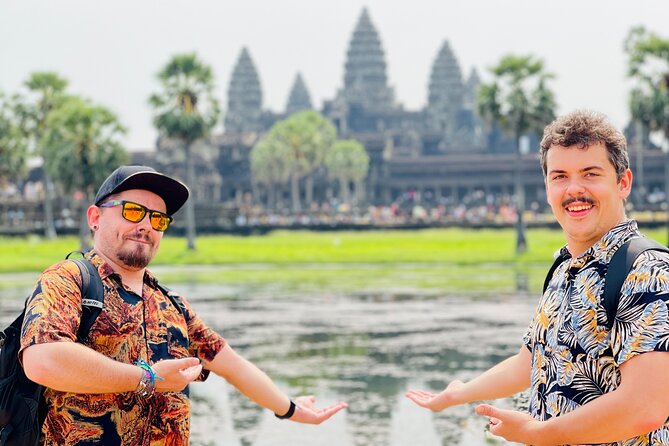
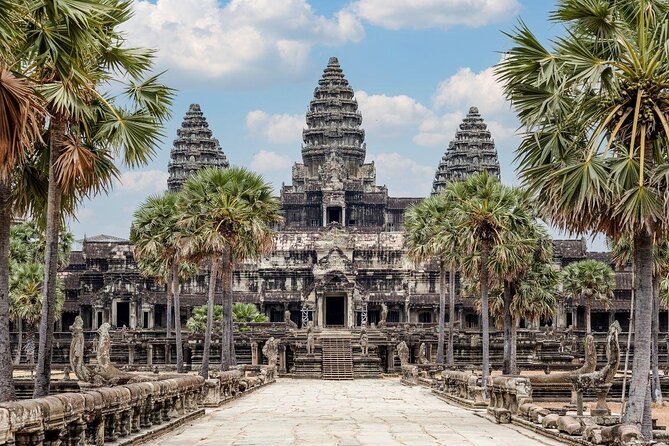
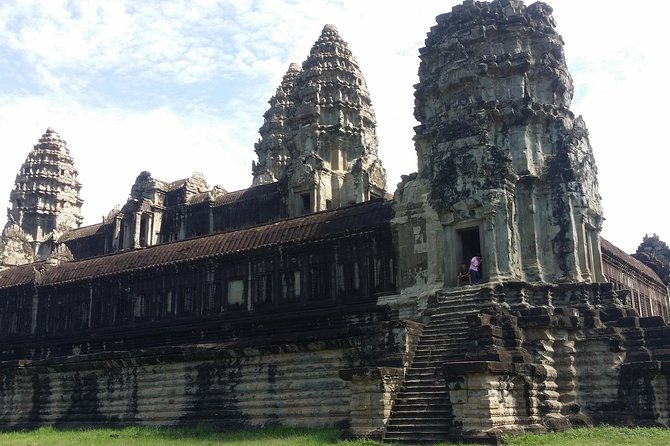
You begin with about two hours at Angkor Wat, the largest religious monument in the world. Built as a Hindu temple dedicated to Vishnu, it later became associated with Buddhism, reflecting the changing religious life of the Khmer Empire.
The scale takes time to understand. Angkor Wat has broad causeways, galleries covered with carvings, courtyards, towers, and long views across the temple complex. Two hours gives you enough time for a serious first look, though it is not enough to inspect every relief or corner.
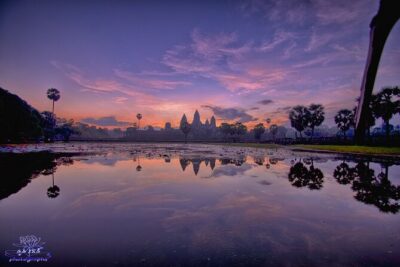
The sunrise is the major draw. Early light can give the towers a soft outline and turn the reflection pools into a calm foreground. This is also the busiest and most anticipated part of many Angkor visits, so you should expect other people sharing the view. The tour’s breakfast advice is practical: if your hotel includes breakfast, ask for a breakfast pack and eat it after sunrise at Angkor Wat.
The entrance ticket is not included. The operator advises that you can buy the temple pass on the day of the tour just before sunrise, and Visa cards are accepted. The required pass is a three-day Angkor Pass costing $62 per person, even though this experience lasts two days. That pass is still useful if you plan to return independently on a third day.
Angkor Thom South Gate: a brief but important approach
The South Gate of Angkor Thom receives about 15 minutes. That may sound short, but the gate gives you an introduction to the city built by King Jayavarman VII in the late 12th century.
The approach is lined with large figures holding a naga serpent, creating one of the most recognizable entrances in the Angkor area. Your guide can help connect the gate to the larger city plan, rather than treating it as a quick photo stop.
Do not expect a long walk here. The value is in seeing how Angkor Thom was entered and protected before moving into the city’s central temple.
More sunrise starts at Angkor Wat:
- Angkor Wat Sunrise tour with Small – Group and Guide tours
★ 5.0 · 3,655 reviews - Full-Day Angkor Wat Sunrise Private Tour with Guide from Siem Reap
★ 5.0 · 2,920 reviews - Angkor Wat Sunrise & 3 Main Temples with Breakfast – Small Group
★ 5.0 · 2,857 reviews - Siem Reap: Angkor Wat Sunrise and Full-Day Sightseeing Tour
★ 4.9 · 2,828 reviews
Bayon: stone faces in the heart of Angkor Thom
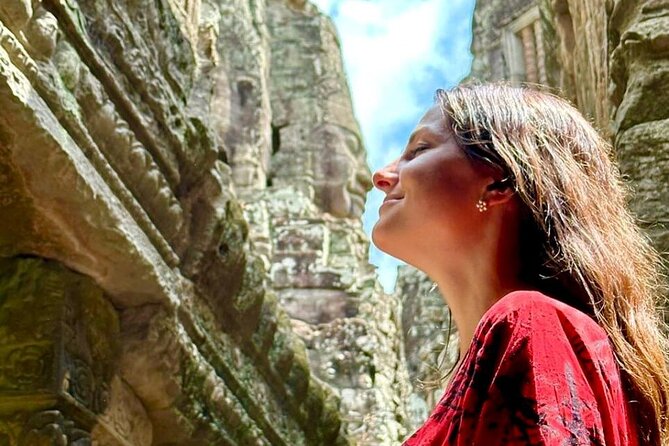
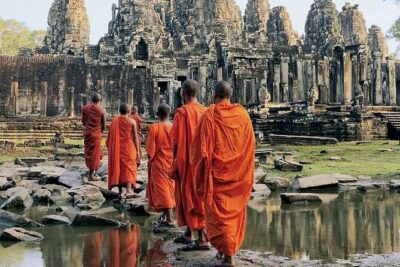
The tour allows about an hour at Bayon. Built under Jayavarman VII as a Mahayana Buddhist state temple, Bayon is known for its huge carved faces looking out from the towers.
I find Bayon more rewarding when you take time to move through its tight passages and changing views. A face may appear between two walls, then vanish as you turn a corner. The temple is less open and symmetrical than Angkor Wat, so a guide is useful for explaining what you are seeing and for helping you make sense of the crowded central structure.
The one-hour stop is enough for the main areas. You will not have time for every detail, especially if you stop often for photographs, but the temple should feel more focused than rushed.
Ta Prohm: famous for trees and atmosphere
Ta Prohm receives another hour. Its original name was Rajavihara, and it was built in the late 12th and early 13th centuries in the Bayon style.
This is the temple many people picture when they think of Angkor: stone corridors and walls pressed against large tree roots. The trees are not decorative additions. They are part of the site’s present appearance, created by centuries of growth and conservation work.
Ta Prohm is visually dramatic, but it is also one of the more popular stops. Your private guide can help you focus on the architecture instead of treating the temple as a single famous photo location. Look for carved figures, doorways, enclosed courtyards, and the way the roots have changed your sense of scale.
One hour gives you a solid visit. If you love atmospheric ruins, you may wish it were longer.
Ta Nei: a quieter stone temple
Ta Nei gets about 40 minutes, and that is a welcome change after the better-known sites. This late 12th-century temple was built under Jayavarman VII and dedicated to the Buddha.
Its smaller scale makes it easier to take in the basic layout and stonework. You might find the setting less polished and less crowded than the major temples, though the tour information does not promise a completely empty visit. I like its place in the schedule because it gives your eyes a rest from Angkor Wat’s huge galleries and Bayon’s packed towers.
Terrace of the Elephants: a quick look at royal display
The final listed stop on Day One is the Terrace of the Elephants, with about 15 minutes. Located within Angkor Thom, it served as a grand viewing platform in the great city.
This is a short stop, best used to see the long carved facade and understand the ceremonial scale of Angkor Thom. Since admission is free for this stop, there is no added ticket issue here, but the main Angkor Pass still covers the wider temple area.
Day Two: Banteay Srei and the temples beyond the main circuit
Banteay Srei: the finest small-scale carving
Day Two begins with about two hours at Banteay Srei, a 10th-century Hindu temple dedicated to Shiva.
Banteay Srei is much smaller than Angkor Wat, but its carved sandstone details are the reason it deserves the longer drive and generous visit. The decoration is fine, compact, and easy to appreciate at close range. This is one place where slowing down matters more than covering a huge area.
You may find the contrast with Day One refreshing. Instead of grand avenues and towering temple mountains, Banteay Srei gives you carefully worked surfaces and a more intimate sense of design. Your guide can also help place it in the earlier period of Khmer temple building.
Preah Khan: long corridors and layered history
The next stop is Preah Khan for about an hour. Built in the 12th century by Jayavarman VII to honor his father, it lies northeast of Angkor Thom near the Jayatataka reservoir.
Preah Khan is an excellent walking temple because its corridors and enclosures reveal themselves in stages. You move from broad areas into more enclosed sections, with doorways framing other doorways. The structure can feel complex, so this is another stop where a guide adds real value.
An hour is enough to see the main route, but the temple rewards curiosity. If you enjoy architecture and want more than a quick photograph, ask your guide which details are most important before setting off.
Neak Pean: a temple reached across water
Neak Pean receives about 30 minutes. It sits on a circular island in the Jayatataka Baray, an artificial reservoir associated with Preah Khan.
The approach across the water is part of the experience. The temple itself is small compared with the monuments around it, but its island setting gives it a different character. This is not a stop for grand interiors. It is a place to understand how water, religious symbolism, and temple design worked together.
Thirty minutes should be enough for the walk and a look at the central structure. You should not expect the same scale as Angkor Wat or Preah Khan.
Ta Som: small, focused, and easy to appreciate
Ta Som gets about 35 minutes. Built at the end of the 12th century for Jayavarman VII, it is dedicated to the Buddha.
Like Ta Nei, Ta Som offers a smaller temple experience after several major monuments. Its compact layout makes the visit manageable, and you can pay attention to doorways, carvings, and the way vegetation interacts with the stone.
The stop is short but sensibly timed. It adds variety without making Day Two feel overloaded with huge complexes.
Eastern Mebon: an earlier temple on a former island
The tour gives Eastern Mebon about 40 minutes. Built in the 10th century under King Rajendravarman, it once stood on an artificial island in the center of the now-dry East Baray.
That former island setting helps explain why the temple’s position feels different from the surrounding monuments. The site also gives you another look at an earlier stage of Khmer construction, before the later work associated with Jayavarman VII.
Forty minutes lets you see the main structure without turning the stop into a long architectural study. I would use this visit to compare its age and design with the later temples from Day One and the rest of Day Two.
Phnom Bakheng: finish with sunset
The final stop is Phnom Bakheng, a temple mountain dedicated to Shiva and built near the end of the 9th century under King Yasovarman. The tour allows about an hour here and presents it as the sunset stop.
The appeal is the elevated view and the temple’s pyramid-like form. After two days of courtyards and enclosed galleries, ending above the surrounding area gives you a different way to understand Angkor’s scale.
Sunset access can be the most time-sensitive part of the day. The tour information does not specify the exact arrival time or how access is managed, so confirm the schedule before booking if sunset is your main reason for choosing this program. Also remember that Phnom Bakheng is a temple site, not simply a viewpoint. Respectful clothing and proper conduct still apply.
The $196 base cost and what it really includes
The tour price is $134 per person. That includes an English-speaking professional guide, air-conditioned transportation, sightseeing listed in the program, city hotel pickup and drop-off, and bottled water.
The three-day Angkor Pass costs an additional $62 per person. Your practical starting total is therefore $196, before breakfast, lunch, other drinks, and tips for the guide and driver. Travel insurance is also not included.
For a private two-day tour, that can be fair value if you want transport, a dedicated guide, and a planned route without arranging each temple yourself. The value is less convincing if you already have transport and are comfortable organizing your own guide or temple visits.
The group discount option may improve the per-person price for a larger private party, though the exact discount is not provided. Since the tour is booked an average of 53 days ahead, planning early is sensible if your dates are fixed.
Practical details that can make or break the visit
Wear clothing that covers your shoulders and knees. A real dress scarf is not accepted as a substitute, so pack proper temple-appropriate clothing rather than relying on a shawl at the last minute.
Ask your hotel for a breakfast pack if breakfast is included in your room. This is especially useful after the sunrise visit, since breakfast is not part of the tour.
The temples accept Visa cards for the entrance pass, and the pass can be purchased on the day just before sunrise. Still, allow enough time for the ticket process, because a delay before the first temple would weaken the whole morning.
Drones are not allowed at the temples unless you obtain permission from APSARA. Do not assume a small camera drone is acceptable.
Free cancellation is available if you cancel at least 24 hours before the local start time. Changes or cancellations inside that window are not accepted for a refund.
Who should book this Angkor tour?
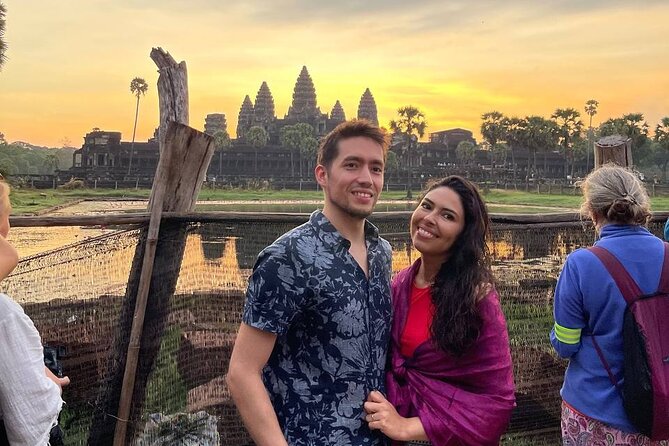
I would choose this tour if you want the major Angkor temples covered efficiently but do not want to spend your trip negotiating tuk-tuks, routes, and opening times. It suits first-time visitors, couples, families, and small groups who value a private vehicle and an English-speaking guide.
It is also a good match if sunrise and sunset are priorities. The program combines both with a broad temple route, rather than using one day only for the central Angkor circuit.
I would hesitate if you dislike early mornings, have limited walking stamina, or prefer a very slow visit to just two or three monuments. The itinerary is full, and the combination of heat, walking, and long temple days can catch up with you.
Should you book the 2 Days Angkor Wat Sunrise and Sunset Private Tour?
Yes, if you want a strong first look at Angkor with private transport, a guide, and a useful mix of famous and lesser-known temples. The program covers a lot without ignoring Banteay Srei, Ta Nei, Ta Som, or Eastern Mebon.
Before paying, budget for the extra $62 Angkor Pass, meals, drinks, and tips. I would also ask the operator to confirm the exact sunrise and sunset schedule, particularly the plan for Phnom Bakheng. If those details suit your dates, this is a practical and well-rounded way to spend two days in Siem Reap.
FAQ
Is the Angkor entrance fee included?
No. The three-day Angkor Pass costs $62 per person and must be purchased separately.
Can I buy the temple pass on the day of the tour?
Yes. The pass is available to purchase on the day, just before sunrise, and Visa cards are accepted.
Does the tour include hotel pickup and drop-off?
Yes. Free pickup and drop-off are provided at city hotels.
Are meals and drinks included?
No. Breakfast, lunch, and drinks are not included. Bottled water is included, and you can ask your hotel for a breakfast pack if breakfast is part of your room booking.
What should I wear to the temples?
You must wear respectful clothing that covers your shoulders and knees. A dress scarf alone is not accepted.
Is this a group tour?
No. This is a private activity, so only your group participates.
More Sunrise Tours in Siem Reap
- Angkor Wat Highlights and Sunrise Guided Tour from Siem Reap
★ 5.0 · 3,213 reviews - Angkor 2-Day Sunset & Sunrise Small-Group Tour
★ 5.0 · 2,567 reviews - Siem Reap: Angkor Wat Sunrise or Sunset Guided Tour
★ 4.9 · 2,123 reviews - Angkor Wat: Highlights and Sunrise Guided Tour
★ 4.9 · 1,586 reviews
Newest reviews from Siem Reap
- War Museum, Killing Field, and APOPO Hero RATs Tour★ 5.0 · 7 reviews
- Angkor Wat at Sunrise★ 4.0 · 7 reviews
- Siem Reap Angkor Airport Taxis (from Airport to Hotel)★ 5.0 · 44 reviews
- Cambodian Cooking Class and Oxcart Ride with Local Village Tour★ 5.0 · 4 reviews
- Secret Temples of Angkor – Guided Tour in Siem Reap★ 5.0 · 6 reviews
- Short Cycling at Countryside★ 5.0 · 29 reviews
- Unveiling the Mystical Beauty of Phnom Kulen National Park★ 5.0 · 6 reviews
- Khmer Cooking Class in Cambodia★ 5.0 · 36 reviews
Angkor Wat Sunrise Tours, compared.
Angkor Wat Sunrise or Sunset Tour with Guide from Siem Reap
Read our review →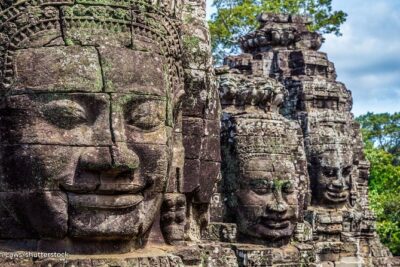
Angkor Wat Sunrise tour with Small – Group and Guide tours
Read our review →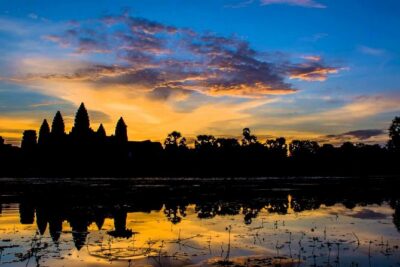
Full-Day Angkor Wat Sunrise Private Tour with Guide from Siem Reap
Read our review →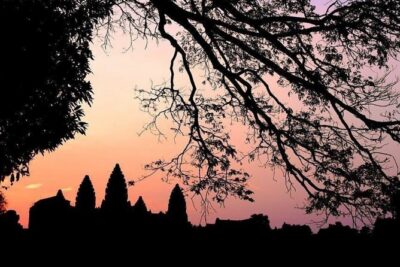
Angkor Wat Sunrise & 3 Main Temples with Breakfast – Small Group
Read our review →
Angkor Wat Sunrise and Full-Day Sightseeing Tour
Read our review →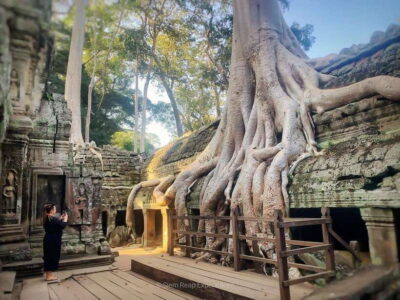
Siem Reap Tour: Angkor Wat Sunrise, Bayon, Ta Prohm, Banteay Srei
Read our review →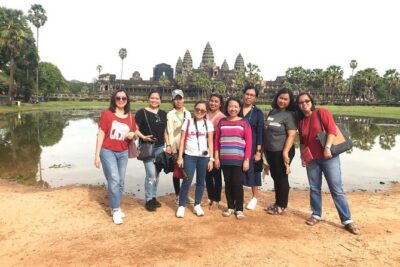
Angkor Wat Sunrise Explore The Most Iconic Temples
Read our review →Browse the lists this tour appears in