
Reviewed · PHNOM PENH TOURS
19-Day Cambodia Best Discovery
Cambodia rewards a slow journey. This 19-day private trip links Phnom Penh, Koh Rong, Kampot, remote Khmer temples, Tonle Sap, Siem Reap, and Battambang in one sweeping route. I especially like the mix of major sights and quiet places, plus the chance to meet local communities through food, farming, crafts, and fishing. The main concern is the pace: several days involve long drives, early starts, or both.
I also like that the route reaches places many short Cambodia visits skip, including Banteay Chhmar, Koh Ker, Sambor Prei Kuk, and the salt fields near Kampot. One past customer singled out guide Hok for his strong local knowledge and his willingness to adjust the trip, even adding two days when plans changed. You should still expect a busy schedule, with limited unplanned time in some towns.
In This Review
- Key things to know before booking
- Phnom Penh begins with palaces and painful history
- Koh Rong gives the schedule a needed pause
- Kampot and Kep put food and farming on the table
- Sambor Prei Kuk brings Cambodia before Angkor
- Preah Vihear and Koh Ker reward early risers
- Phnom Kulen and Beng Mealea show nature taking back the ruins
- Siem Reap delivers the famous temples, at full speed
- Banteay Chhmar and Battambang add depth after Angkor
- What $4,222 covers, and what it does not
- Is this 19-day Cambodia trip right for you?
- FAQ
- How long is the Cambodia Best Discovery tour?
- Is this a private tour?
- What transportation is provided?
- Is an English-speaking guide included?
- Are hotel accommodations included?
- Are meals included?
- Which major temples are included?
- What is the cancellation policy?
Key things to know before booking
- A full 19-day route: You see Cambodia from capital city to tropical island, rural province, ancient temple zone, and western town.
- Early temple starts: Angkor Wat pickup is scheduled for 4:40 AM, while Preah Vihear begins at 6:00 AM for sunrise.
- Private touring: Only your own group takes part, with an English-speaking guide and air-conditioned vehicle.
- Strong local focus: Crab at Kep Market, pepper at La Plantation, pottery in Kampong Chhnang, and fishing life at Kompong Khleang add substance beyond monuments.
- Many remote temples: Sambor Prei Kuk, Preah Vihear, Koh Ker, Beng Mealea, and Banteay Chhmar give the trip its real sense of discovery.
- A high all-in price: At $4,222 per person, the value depends on how much you appreciate private transport, hotels, guiding, and nearly three weeks of coverage.
Phnom Penh begins with palaces and painful history
Your arrival day is gentle. A pickup at Phnom Penh International Airport takes you to your hotel, followed by a welcome dinner with the guide. The evening also introduces the city through its night market, riverside area, food stalls, and local shops.
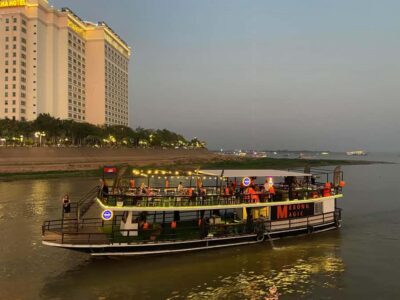
Phnom Penh sits where the Mekong, Tonle Sap, and Bassac meet. That meeting of rivers helps explain the city’s long importance, and a sunset cruise on the water later in the stay gives you a useful sense of its setting.
The second day is one of the most important and emotionally difficult. You visit the Royal Palace, Silver Pagoda, National Museum, Tuol Sleng Genocide Museum, and Choeung Ek, also called the Killing Fields.
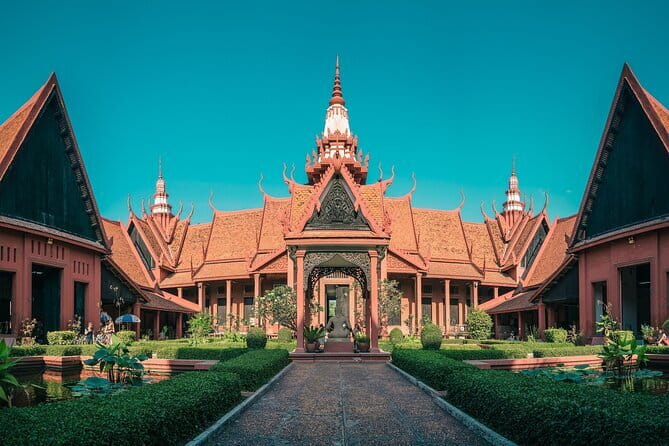
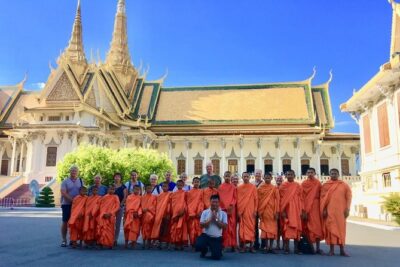
The Royal Palace and Silver Pagoda provide the visual opening: Khmer rooflines, ceremonial halls, royal objects, and traditional design. The National Museum then adds context through Cambodian sculpture and archaeological pieces. Plan for these visits to feel quite different from one another. The palace is formal and active, the museum is focused and quiet, and the genocide sites are deeply sobering.
Tuol Sleng was a former school turned prison during the Khmer Rouge period. Choeung Ek was an execution and burial site. Together, they show the machinery of the Cambodian genocide and the human cost behind the country’s modern story. I value their inclusion, but you should not treat this as a light sightseeing day. The subject matter can be upsetting, and the schedule gives you little time to process it before moving on.
The third Phnom Penh day brings a gentler rhythm. Wat Phnom connects to the city’s origin legend, while Wat Unalom remains an important religious site. Colonial buildings, the Independence Monument, and the King Sihanouk memorial area help fill in the capital’s modern identity.
A river sunset cruise and another visit to the night market close the city portion. The market is useful for casual food, handmade goods, and people-watching, though it is also a busy public space rather than a carefully staged cultural show.
A few more options around Phnom Penh worth reading up on
- The Killing Field and Toul Sleng Genocide Museum (S21) Tour
★ 5.0 · 1,977 reviews - Phnom Penh: Sunset Cruise with Unlimited Beers & BBQ Buffet
★ 4.5 · 727 reviews - Aroma Therapy Massage, Relaxation therapeutic aromatherapy oil massages.
★ 5.0 · 645 reviews
Koh Rong gives the schedule a needed pause
Day four shifts from city streets to the coast. You leave Phnom Penh at 8:00 AM, travel by road to Sihanoukville Seaport, then take a direct boat to Koh Rong. The stated road portion is about three hours, but the full transfer will depend on the boat connection and local conditions.
Koh Rong is the trip’s beach break. The island offers white sand, clear water, forest paths, small villages, snorkeling, kayaking, fishing trips, and possible boat excursions to nearby islands such as Koh Rong Samloem and Koh Ta Kiev. Long Beach is the major beach mentioned, while Sok San Beach is described as quieter and Koh Touch as the livelier village area.
Two nights here provide a welcome contrast to the temple-heavy sections. You can spend time by the water, walk through the forest, watch sunset, or arrange activities such as snorkeling and kayaking. The schedule leaves room to relax, although the exact amount of free time will depend on transfers and the hotel location.
The tradeoff is simple: Koh Rong adds a beautiful coastal chapter, but reaching it takes time. If you prefer a tightly packed cultural trip, these island days may feel slow. I think they are useful because Cambodia’s heat and long roads are easier to handle when the schedule includes genuine rest.
Kampot and Kep put food and farming on the table
On day six, the route leaves Koh Rong and heads toward the southern coast. The schedule refers to Kep and Kampot, so confirm the exact hotel and transfer plan before departure. Kampot is known for its river, Bokor Mountain, waterfalls, colonial buildings, durian, and pepper.
Kep supplies the best meal of the southern section. At Kep Crab Market, you can eat fresh blue crab with Kampot pepper, along with other seafood dishes. This is not just a restaurant stop. The market shows how fishing, local trade, and cooking connect in a coastal community.
The next day reaches Phnom Chngok Mountain, where an old Hindu brick temple sits inside a cave. The ride through farmland is part of the experience. You see rice fields, village life, and the rural economy that supports much of Cambodia.
The salt fields near Kampot offer another useful stop. Seawater is placed in shallow ponds and left to evaporate, leaving salt behind. The process is simple to understand but labor-intensive, and the flat fields can be especially striking in early or late light.
La Plantation adds an agricultural lesson with Kampot pepper. You can see the plants, learn about black, white, and red pepper, and taste the differences. I like this stop because it turns a famous ingredient into a place and a livelihood, rather than leaving it as a souvenir label.
Day eight includes a boat ride to Koh Tonsay, or Rabbit Island, near Kep. The island is less developed, with basic bungalows, beach eateries, palms, and a quiet shore. Later, another crab-market meal and a possible sunset cruise through a mangrove community round out the coast.
Sambor Prei Kuk brings Cambodia before Angkor
Day nine is a long overland move to Kampong Thom. You stop for refreshments and lunch, and the countryside provides the main entertainment: farms, fishing areas, rice fields, and flood-prone lowlands.
The Skun Spider Sanctuary adds a distinctly Cambodian food experience. Fried tarantulas, crickets, and silkworms are sold as local snacks. You do not have to eat them, but the stop gives you a direct look at a food custom that differs sharply from the usual restaurant menu.
Phnom Santuk follows with hilltop pagodas, Buddhist carvings, and broad views. It is a good physical break after the road journey, though the climb and heat may be tiring.
The next morning belongs to Sambor Prei Kuk, a major pre-Angkorian site with more than 100 temples dating from the Chenla period. Brick towers, carvings, and forest paths show how Khmer architecture developed before the great monuments near Siem Reap.
This is one of the strongest reasons to choose the full route. Angkor Wat gets the fame, but Sambor Prei Kuk explains what came before it. The site is spread out, so comfortable shoes, water, and protection from the sun matter.
Something completely different for another day:
- Killing field and Toul Sleng genocide museum Tour
★ 5.0 · 610 reviews - Phnom Penh Full Day Private Tour Included All Admission Tickets
★ 5.0 · 585 reviews - Phnom Penh: Sunset Cruise with Unlimited Beer &Fruit platter
★ 4.7 · 515 reviews - Phnom Penh Silk Island Bike Tour/ E-Bike or Tuk Tuk
★ 5.0 · 495 reviews
Preah Vihear and Koh Ker reward early risers
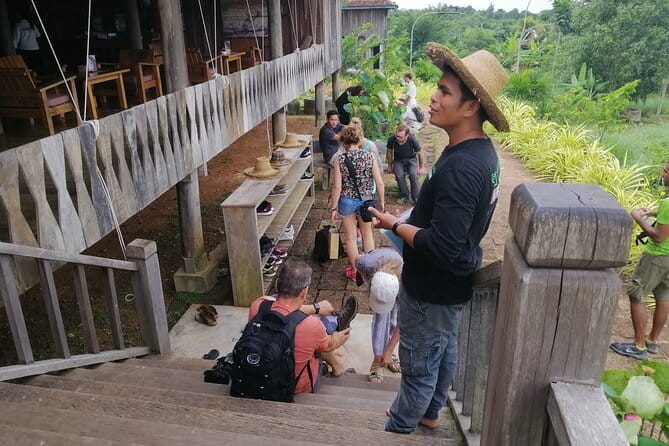
After Sambor Prei Kuk, you continue to Srah Em and the Preah Vihear area. A sunset visit to Preah Vihear Temple places the monument on a cliff in the Dângrêk Mountains, with wide views across the plains.
The next morning starts at 6:00 AM for sunrise. The early hour is not a minor detail. Preah Vihear is exposed, the route involves uphill movement, and the cooler air makes the visit more pleasant. Arriving before the crowds also gives the sanctuary a quieter mood.
The temple is dedicated to Shiva and is arranged along a long processional route. Its cliff-top position is as important as its carvings. You also look toward the Cambodian and Thai border area, which adds modern political context to an ancient religious site.
Koh Ker follows, with Prasat Thom and its seven-tiered pyramid among the main sights. The complex once served as a Khmer capital and includes more than 180 temples. It feels different from Angkor because the monuments are less familiar and the route is more remote.
This is another day when the schedule asks a lot from you. Sunrise, temple walking, road travel, and a second major site can leave you worn out. The reward is access to two of Cambodia’s most memorable northern monuments in one stretch.
Phnom Kulen and Beng Mealea show nature taking back the ruins
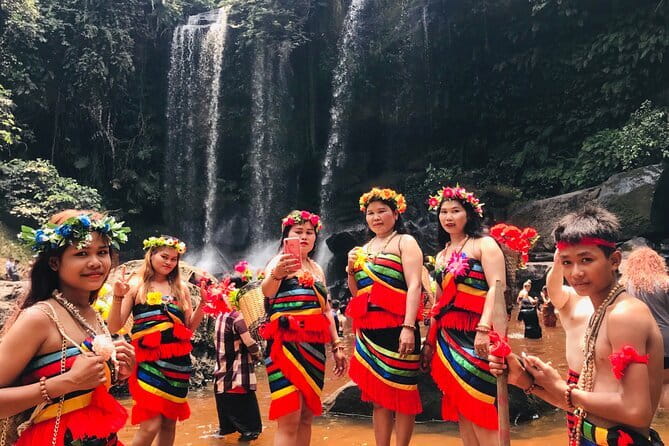
The stay at Thisak Resort near Svay Leu offers a countryside pause in a forest setting. It is described as a luxury tent resort covering 35 hectares and supporting local communities. This is a good place to slow down after several demanding temple days.
Phnom Kulen National Park combines religious sites and outdoor scenery. You visit waterfalls, a reclining Buddha, and the riverbed carvings known as the Thousand Lingas. Indigenous communities also live on the mountain, adding a human side to the visit.
The waterfalls offer the most refreshing part of the day, while Preah Ang Thom and the reclining Buddha bring you back to Cambodia’s living religious tradition. The schedule includes time to return for lunch and rest, which is sensible in this hot region.
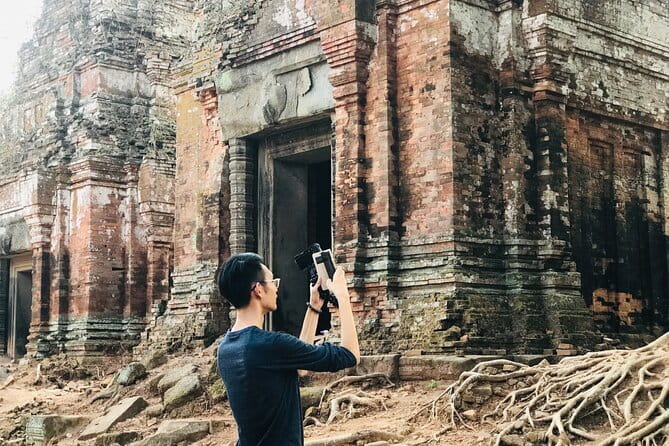
Beng Mealea, visited the following day, is one of the route’s atmospheric highlights. Trees and roots press into a large temple complex, and its broken galleries and courtyards show what happens when architecture is left to weather and vegetation.
Kompong Khleang on Tonle Sap then shifts the focus from stone to water. The fishing community changes with the seasons. During the wet period, water reaches the houses and roads can flood. In the dry period, tall stilts become more visible.
You take a boat onto the Great Lake and see how fishing and aquaculture support local families. The visit is most valuable when you treat the village as a working community, not a photo backdrop.
Siem Reap delivers the famous temples, at full speed
The Roluos Group introduces the early Angkor period before the main temple circuit. Lolei, Preah Ko, and Bakong date from the late ninth century and show the shift from brick construction toward the grander forms used later.
Siem Reap is your base for the major temple days. The Night Market, Pub Street, restaurants, shops, and spas give you easy evening options, though the central nightlife area can feel much busier than the rural stops.
Day fourteen starts at 4:40 AM for Angkor Wat sunrise. The reflection pool is the classic viewpoint, but remember that many people have the same idea. After sunrise, you return for breakfast and refreshment before continuing.
Angkor Wat itself deserves time. Its moat, galleries, five towers, carved scenes, and scale make it more than a quick photo stop. The early start helps with heat, but it also creates a long day.
Angkor Thom and Bayon follow. Bayon’s towers carry the famous serene faces of Lokesvara, while the city walls and gates show the scale of Jayavarman VII’s capital. The Terrace of the Elephants adds ceremonial context.
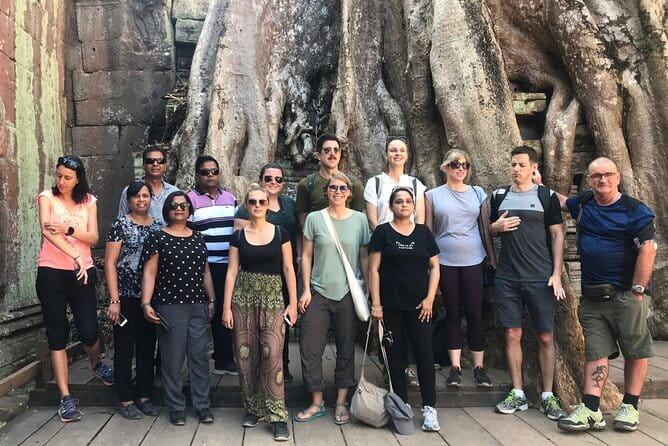
Ta Prohm is the most theatrical stop, with roots growing through ruined stone. Its connection with the film Tomb Raider helped make it famous, but the temple is worth seeing for its design and preservation issues even without that connection.
Day fifteen spreads the temple visits across a broader circuit. Banteay Srei is smaller than Angkor Wat but packed with fine carvings in pink sandstone. Pre Rup offers a brick temple and high views, while Ta Som retains a tree-covered eastern gate.
Neak Pean sits among water and reflects old ideas about healing and balance. Preah Khan, once a major religious and educational center, combines corridors, shrines, and trees. Phnom Bakheng is known for sunset, but access and timing can affect the experience, so ask the guide about the day’s practical plan.
Banteay Samre closes the circuit with a quieter Angkor-style temple. This is a full day, and you may prefer to skip one stop if heat or temple fatigue sets in. A private tour gives your group more ability to make that choice.
Banteay Chhmar and Battambang add depth after Angkor
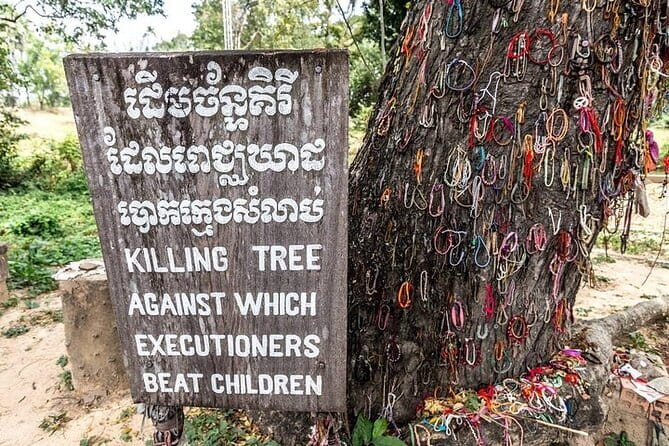
Banteay Chhmar lies about 160 kilometers west of Angkor Wat. Its ruined galleries, huge moat, and trees growing over stone create a strong sense of distance from the main tourist center.
The temple was built by Jayavarman VII and is much less familiar than Angkor Wat. It takes a long road journey to reach, so it is best for people who would rather see one remote major site than spend another day in Siem Reap.
Battambang brings a slower town atmosphere, colonial buildings, traditional wooden houses, markets, and rice-growing country. The old town is pleasant for walking, with restored French-era buildings now used for cafes, shops, and accommodation.
The bamboo train is the most unusual activity here. A simple bamboo platform runs on old railway tracks through rice fields and countryside. It is operated by local families and gives you a short, playful ride with a direct connection to the local economy.
A rice-wine visit and banana-paper workshop add useful detail. You can see how fermented rice becomes a strong local drink and how banana-plant fibers become notebooks, cards, and other paper goods. A rice-paper factory shows another labor-intensive process, from soaking and grinding rice to drying thin sheets in the sun.
At Phnom Sampeau, you visit hilltop sites and the Killing Caves area before watching thousands of bats emerge at sunset. It is a memorable combination of painful wartime history, countryside views, and a natural event.
What $4,222 covers, and what it does not
At $4,222 per person, this is not a bargain backpacker trip. It includes accommodation, an English-speaking guide, air-conditioned vehicle, entrance fees, 18 breakfasts, and three dinners.
The price makes more sense if you value private transport across a complicated route. Road transfers connect Phnom Penh, the coast, central Cambodia, the northern temples, Siem Reap, Battambang, and the capital again. Arranging that chain yourself would require multiple hotels, vehicles, boat connections, temple tickets, and local guides.
You still pay separately for personal expenses, meals not listed, and tips for the guide and driver. Clarify the exact hotels, boat arrangements, and meal schedule before paying, especially because some days contain long transfers and the southern section refers to both Kampot and Kep.
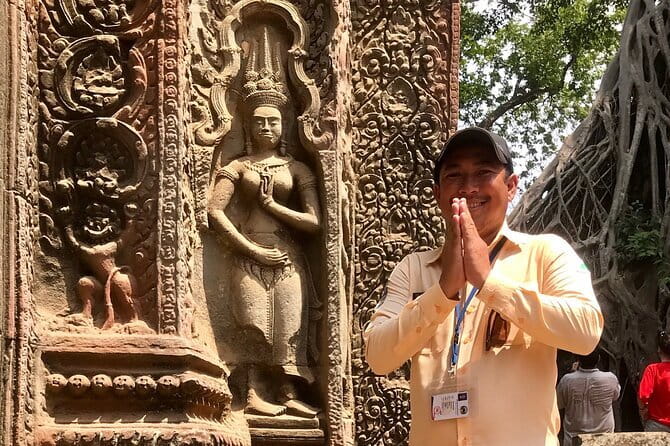
The private format is a real advantage. You are not tied to strangers’ walking speeds or photo stops, and the guide may be able to adjust the plan. Hok’s flexibility, including adding two days for one couple, is encouraging, though you should confirm what changes are possible for your own booking.
Is this 19-day Cambodia trip right for you?
Book it if you want a broad Cambodian journey rather than a short Angkor holiday. The route suits you if you enjoy ancient temples, long road trips, local food, rural communities, beaches, and difficult historical subjects.
Think twice if you dislike early mornings, heat, repeated temple visits, or long transfers. The schedule is ambitious, and the 4:40 AM Angkor start plus the 6:00 AM Preah Vihear start demand stamina.
I like this trip because it gives Cambodia room to be more than Angkor Wat. You see the capital, coast, farms, craft villages, fishing communities, pre-Angkorian ruins, living religious sites, and modern towns. For a private 19-day experience with nearly all major costs organized, $4,222 can be fair value, provided you are comfortable with the pace and confirm the practical details first.
Cancellation is allowed for a full refund up to three full days before the local start time. After that point, changes and refunds are not accepted.
FAQ
How long is the Cambodia Best Discovery tour?
The tour lasts approximately 19 days, beginning with airport pickup in Phnom Penh and ending with transfer to Phnom Penh International Airport.
Is this a private tour?
Yes. Only your own group participates in the activity.
What transportation is provided?
An air-conditioned vehicle is provided for the road portions, along with airport transfers and the direct boat from Sihanoukville Seaport to Koh Rong.
Is an English-speaking guide included?
Yes. An English tour guide is included. The guide named in the available customer account is Hok, who was praised for strong knowledge and flexibility.
Are hotel accommodations included?
Yes. Accommodations are included in the tour price.
Are meals included?
The package includes 18 breakfasts and three dinners. Personal expenses and meals not specifically listed are not included.
Which major temples are included?
The route includes Sambor Prei Kuk, Preah Vihear, Koh Ker, Phnom Kulen sites, Beng Mealea, the Roluos Group, Angkor Wat, Angkor Thom, Bayon, Ta Prohm, Banteay Srei, Preah Khan, Banteay Chhmar, and others.
What is the cancellation policy?
You can receive a full refund if you cancel at least three full days before the experience begins. Cancellations or changes made less than three full days before the start time are not accepted.
Newest reviews from Phnom Penh
- 10 Day Ethical Animals Tour Where the Wild Things Roam★ 5.0 · 1 review
- Watch Live Khmer Traditional boxing in Phnom Penh★ 5.0 · 46 reviews
- Watch Khmer Kickboxing with Free Beers by Ringside Seats★ 5.0 · 11 reviews
- The killing field and Toul Sleng Genocide museum (S21) Tour★ 4.5 · 19 reviews
- Private Transfer from Phnom Penh to Siem Reap by VIP Alphard 2005★ 5.0 · 2 reviews
- Warm Stone Massage★ 5.0 · 23 reviews
- S-21 Prison and Killing Fields★ 5.0 · 8 reviews
- Private Taxi Between Phnom Penh – Siem Reap Stop Sightseeing★ 5.0 · 23 reviews
Phnom Penh Tours, compared.
Phnom Penh Full Day Private Tour Included All Admission Tickets
Read our review →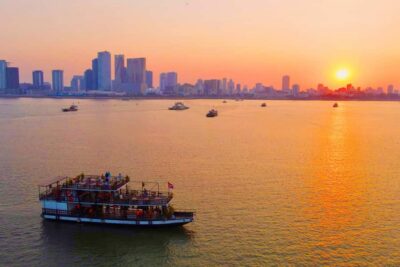
Sunset Cruise with Unlimited Beer &Fruit platter
Read our review →
Phnom Penh Silk Island Bike Tour/ E-Bike or Tuk Tuk
Read our review →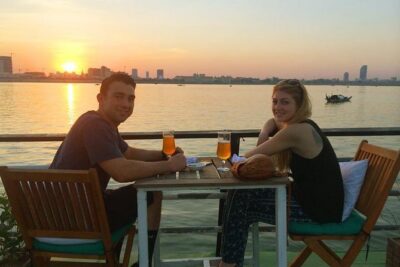
Sunset Cruise with unlimited beer & soft drinks -English speaking guide on board
Read our review →
Ultimate Phnom Penh Food Tour by Tuk Tuk: 20 Tastings and Drinks
Read our review →
Sunset & Evening Dinner Cruise With One Way Free Pick Up
Read our review →
Browse the lists this tour appears in