
Reviewed · ANGKOR WAT TOURS
Sunset or sunrise bicycle tour around Angkor Wat and nearby temples
Angkor is better on two wheels. I like the quiet movement between temples and the chance to see Angkor Wat at sunrise or Phnom Bakheng at sunset. The included bicycle, guide, water, and hotel transfers make the $45 price fair, though the long day and dark cycling on the sunrise route require decent fitness and extra care.
The small-group format, capped at 15 people, keeps the ride more personal than a large bus tour. Guides such as Sam Vone have earned praise for lively explanations, patience, and excellent photographs. My main caution is simple: bring a flashlight or confirm that your bicycle has a working light, especially for the early departure.
In This Review
- Key points before you book
- Why cycling Angkor makes sense
- Sunrise or sunset: choosing the right version
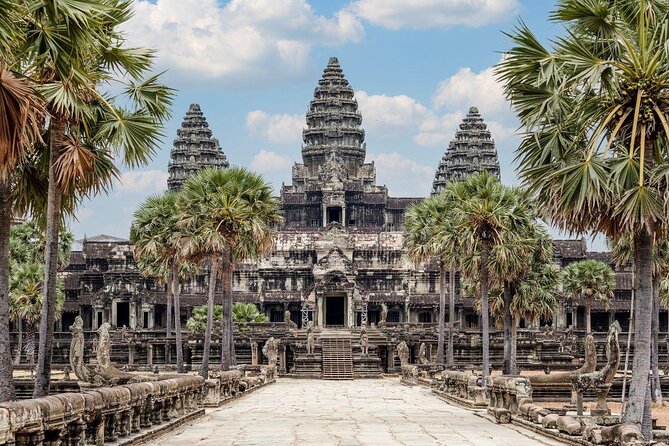
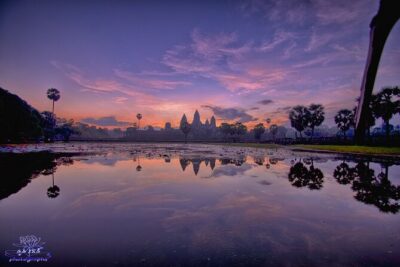
- Angkor Wat at first light
- Angkor Thom and the faces of Bayon
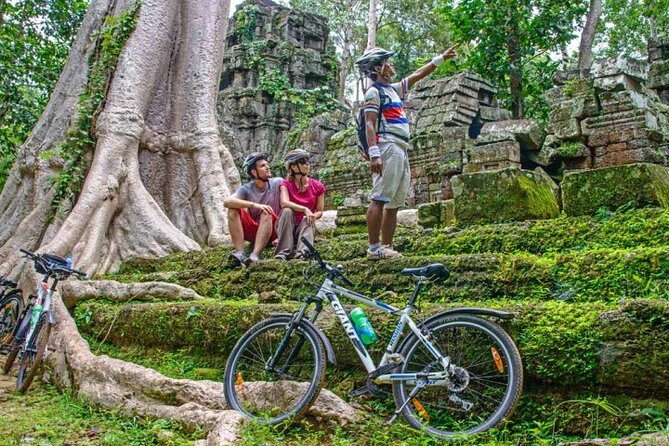
- Ta Prohm and the famous tree roots
- Banteay Kdei and Ta Keo
- What the ride feels like physically
- Guide quality can shape the whole day
- Price, transfers, and group size
- Who should choose this Angkor tour?
- My booking verdict
- FAQ
- How long does the bicycle tour last?
- Is hotel pickup included?
- Where is the meeting point?
- What temples does the tour visit?
- Can I choose between sunrise and sunset?
- Is the Angkor Pass included?
- Is lunch included?
- What does the $45 price include?
- How many people are in the group?
- What fitness level is required?
- Are bicycle lights provided?
- What happens if the weather is bad?
- Can I cancel for a refund?
Key points before you book
- Sunrise or sunset choice: Pick a pre-dawn Angkor Wat visit or a later ride ending at Phnom Bakheng.
- Five major temple stops: The route covers Angkor Wat, Angkor Thom, Ta Prohm, Banteay Kdei, and Ta Keo, with Phnom Bakheng added on sunset tours.
- A full-body sightseeing day: Expect hours of cycling, walking, and stair climbing, not a gentle pedal through the park.
- Small group, maximum 15: You get a guide and shared experience without the feel of a big coach excursion.
- Good value at $45: Bikes, bottled water, guide service, and two-way hotel transfers are included, but the Angkor Pass and lunch are extra.
- Bring light for dark roads: Sunrise riders should carry a flashlight unless the operator confirms that bike lights are provided.
Why cycling Angkor makes sense
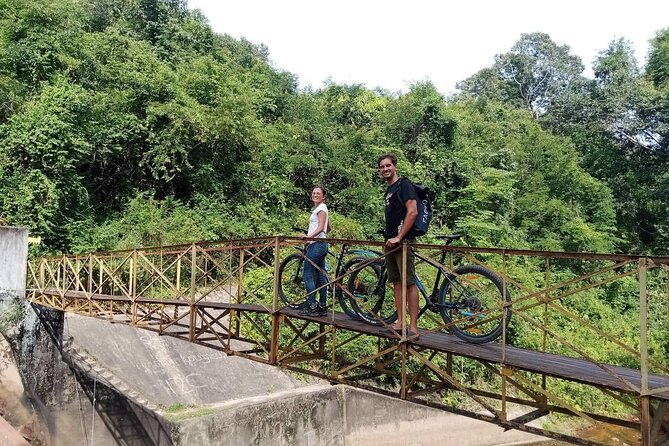
The temples of Angkor cover a wide area. On a vehicle tour, you can move quickly from gate to gate, but much of the time is spent getting in and out of a van. A bicycle gives you a slower, more open way to connect the sites.
I like that the ride is practical, not just a fitness gimmick. You can cover the main temples without adding another vehicle to the road, and you get short stretches of fresh air between grand stone monuments. The pace also gives your guide room to point out details that are easy to miss from a car.
This is not a tiny back-road adventure with only obscure ruins. You still see Angkor Wat, Bayon in Angkor Thom, Ta Prohm, and several other major temples. The benefit is how you move between them. You feel the distance and scale of the old Angkor capital instead of treating each temple as a separate photo stop.
The ride is offered as a small-group experience, with no more than 15 people. That number is large enough to keep the price reasonable, but small enough for a guide to answer questions and help with the pace. Sam Vone is especially well regarded for his cheerful manner, clear commentary, patience, and eye for good photo spots.
More ways to see Angkor Wat:
- Angkor Wat Sunrise or Sunset Tour with Guide from Siem Reap
★ 5.0 · 12,109 reviews - Siem Reap: Angkor Wat: Small-Group Sunrise or Sunset Tour
★ 5.0 · 9,444 reviews - Siem Reap: Angkor Wat 2-Day Tour with Sunrise and Sunset
★ 4.9 · 4,429 reviews
Sunrise or sunset: choosing the right version
The sunrise tour starts before dawn. Pickup can be around 4:30 a.m., followed by a ride through the dark toward Angkor Wat. That early start is the price of admission for a good sunrise position, and you should expect the first stretch to feel more like a serious outing than a casual holiday activity.
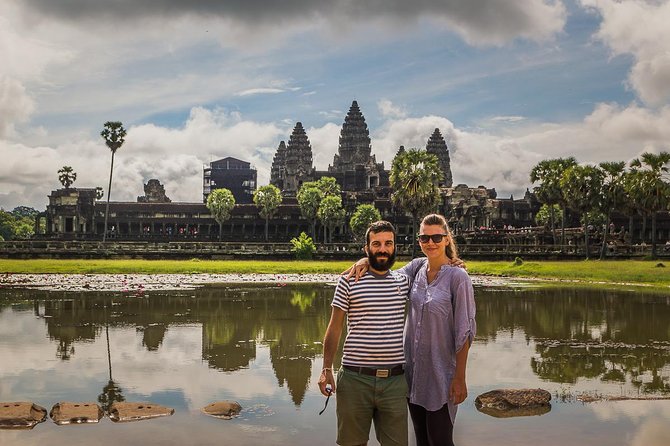
At Angkor Wat, the sky brightens behind the famous towers. Sunrise is often crowded, so the guide’s role matters. A good guide can help you find a useful viewing place and explain what you are looking at instead of leaving you to stare at the water and towers without context.
After sunrise, the day continues through the temple circuit. One account describes a roughly 10-hour day filled with biking, walking, and climbing, even though the tour is generally described as lasting seven to eight hours. Plan around the longer possibility. You may be tired by the final temple.
The sunset version begins later and avoids the pre-dawn alarm. It follows the temple route and finishes at Phnom Bakheng, a hilltop temple with views toward Angkor Wat. The sunset finish is a strong choice if you care more about a relaxed start than seeing the first light of day.
There is a catch at Phnom Bakheng. You must climb the hill to reach the temple, and the final hour comes after a full day of riding and sightseeing. The payoff is a broad view over the surrounding area with Angkor Wat in the distance, but the climb may feel demanding when your legs are already tired.
My practical choice would be the sunrise tour if Angkor Wat is your main goal and you can handle the early hour. I would choose sunset if you want a more forgiving morning and like ending the day with a hilltop view.
Angkor Wat at first light
Angkor Wat is the emotional centerpiece of the ride. It was built as a vast religious complex and remains the site most people picture when they think of Cambodia. Seeing it before the heat of the day adds another layer to the visit.
The tour allows about an hour here. That is enough to watch the changing sky, hear an introduction from the guide, and take in the towers and galleries. It is not enough for every corner of the complex, so keep your expectations sensible.
The sunrise setting is beautiful, but it is not private. Angkor Wat is one of the world’s most famous monuments, and many people arrive for the same view. Your guide can help with positioning, but no tour can guarantee an empty foreground.
The Angkor Pass is not included. You must pay for the temple admission separately, so include that cost in your budget before booking. The same admission note applies to the other stops.
Angkor Thom and the faces of Bayon
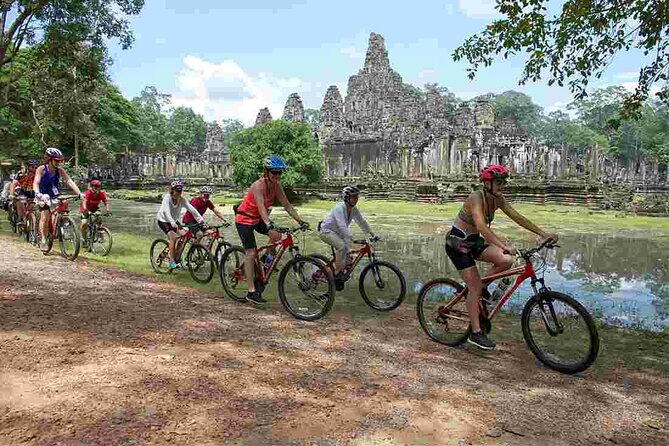
From Angkor Wat, the route continues to Angkor Thom, the later capital of the Angkor Empire. Entering through the South Gate is part of the experience. The roadway is lined with gods and demons engaged in the famous tug-of-war, a stone version of the cosmic churning story.
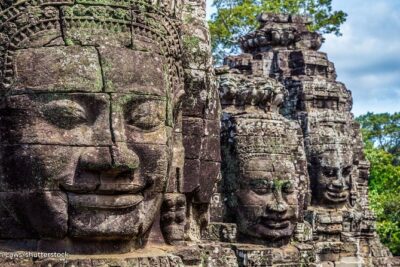
At the center of Angkor Thom is Bayon. Its towers carry the large, calm faces that make the temple instantly recognizable. The faces are the feature most people remember, but the surrounding carvings and crowded upper levels reward a slower look.
You get about an hour here. That is a useful amount of time for an overview, photographs, and a guide’s explanation, but the site can feel tight and confusing. Stay aware of the group and listen for the meeting point before wandering too far among the galleries.
This is one place where a guide adds real value. Without some context, Bayon can become a hunt for the best face photo. With an explanation of Angkor Thom’s role and the temple’s design, the stonework makes more sense.
More Sunrise Tours in Siem Reap:
- Angkor Wat Sunrise tour with Small – Group and Guide tours
★ 5.0 · 3,655 reviews - Angkor Wat Highlights and Sunrise Guided Tour from Siem Reap
★ 5.0 · 3,213 reviews - Full-Day Angkor Wat Sunrise Private Tour with Guide from Siem Reap
★ 5.0 · 2,920 reviews - Angkor Wat Sunrise & 3 Main Temples with Breakfast – Small Group
★ 5.0 · 2,857 reviews
Ta Prohm and the famous tree roots
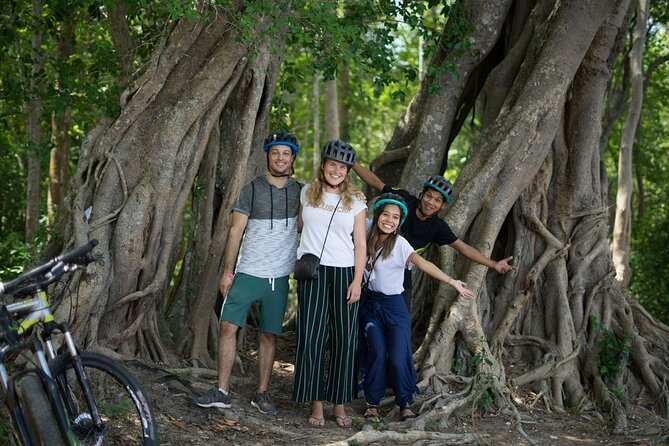
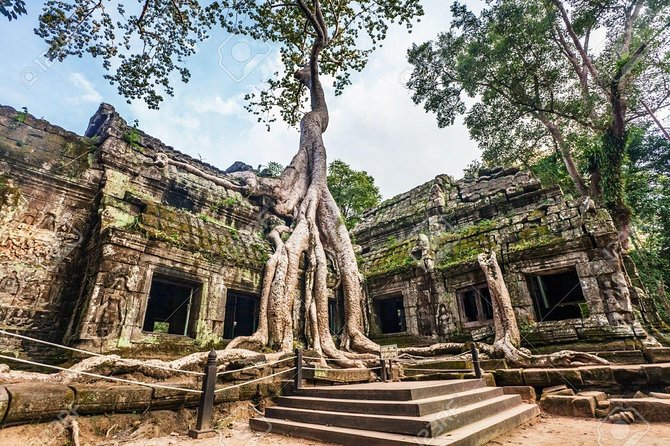
Ta Prohm is the most atmospheric stop on the route. Trees have pushed into the walls, and roots wind through the stone in ways that make the ruin look partly claimed by the jungle.
The temple became widely known as the Tomb Raider temple after appearing in the 2001 film starring Angelina Jolie. That film connection brings more attention, but Ta Prohm is not just a movie backdrop. The broken corridors, trees, and enclosed courtyards create a different mood from the open scale of Angkor Wat.
You have about an hour here. Use it to look beyond the most photographed root-covered doorway. The best parts of Ta Prohm are often the smaller transitions between courtyards, where stone and tree seem to have reached an uneasy truce.
The drawback is that this can be one of the busiest stops. The narrow paths and popular photo points can slow the group. A guide who knows where to stand and when to move is useful, and Sam Vone has been praised for finding good photo positions.
Banteay Kdei and Ta Keo
Banteay Kdei is sometimes called the citadel of monk’s cells. It has a quieter, more overgrown feel, with tall trees and silk cotton roots weaving through the ruined walls.
This stop helps break up the usual Angkor highlight reel. You still get carved stone and temple corridors, but the site feels less focused on one iconic image. I like it as a chance to slow down after Ta Prohm and pay attention to the way the forest is interacting with the ruins.
The tour allows about an hour at Banteay Kdei. Since the route is already long, you may not want to inspect every passage. Let the guide show you the parts that best explain the temple, then save energy for Ta Keo.
Ta Keo has a very different character. It was never finished, so its square, layered-pyramid shape looks more severe and stripped down than many of the decorated temples nearby.
The terraces give Ta Keo its drama, but they also add physical work. Climbing is part of the visit, and the stone levels can be demanding after hours on a bicycle. If you dislike heights, steep steps, or uneven surfaces, this stop deserves extra thought.
What the ride feels like physically
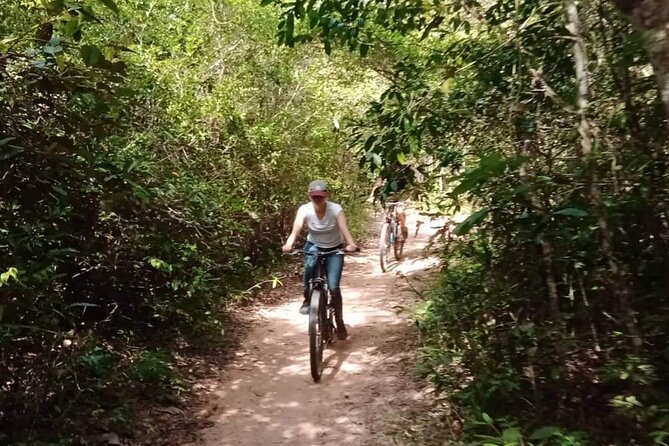
The tour is aimed at people with a moderate level of fitness. That wording matters. You are not simply pedaling a short loop, stopping for photographs, and returning to town.
A typical day includes cycling, walking through temple grounds, and climbing at sites such as Ta Keo or Phnom Bakheng. The heat can make the same distance feel harder, although the sunrise option gives you cooler conditions at the start.
The included bottled water is helpful, but I would still treat hydration as your responsibility. Wear practical clothing, use sun protection, and choose shoes that work for both cycling and stone steps. You need comfort more than style here.
If you rarely ride a bicycle, the tour may feel strenuous. If you enjoy active sightseeing, the physical effort is part of the reward. You earn a better sense of the distances and get a break from sitting in a vehicle.
The early route deserves a safety note. One rider found the roads and paths too dark without bicycle lights. Bring a small flashlight, or ask before setting out if the bikes have lights. This is an easy precaution and especially important when riding before sunrise.
Guide quality can shape the whole day
The temples are remarkable even without commentary, but the guide determines how much you take away. The strongest reports about Sam Vone focus on his enthusiasm, patience, historical explanations, Khmer cultural information, and photography skills.
A guide who takes photographs can also solve a small but real problem. Solo visitors often have to choose between appearing in the picture and taking it. If your guide is willing to help, you can come home with more than temple selfies.
Guide quality may vary, so I would ask questions during the booking process if the guide’s language ability matters to you. One dissatisfied account described weak English, little enthusiasm, and an expensive lunch stop with poor food. That is a reminder to clarify what is included and to keep your own lunch expectations in check.
Lunch is not included. The tour information does not promise a particular restaurant or meal, so budget separately and do not assume a meal is part of the package. You may want to carry a small snack if you know a long active day leaves you hungry.
Price, transfers, and group size
At $45 per person, the tour offers solid value if you want an active guided day. You are paying for the bicycle, guide, bottled water, pickup and drop-off, and a route covering several major temple sites.
The Angkor Pass is extra, and lunch is extra. Those costs can change the final total, but the package still avoids the need to arrange a bicycle, map the temple loop, hire a guide, and sort out transport to the starting point.
Hotel pickup and drop-off reduce morning stress. The listed start point is Siem Reap Pub Hostel behind the Angkor Night Market, and the activity ends back there, with transfers offered from Siem Reap hotels. Confirm your pickup details so you know if you need to reach the base yourself.
The group limit is 15 people. That is not a private tour, but it is small enough to feel manageable. If you want total control over stops, speed, and photo time, a private ride would suit you better, though this tour keeps the cost lower.
The tour is often booked about 12 days ahead. That is useful planning information, especially if you want a specific sunrise or sunset date. Confirmation is provided at booking, and free cancellation is available up to 24 hours before the start time.
Bad weather can cancel the ride. In that case, you are offered another date or a full refund. The same applies if the minimum number of people is not reached.
Who should choose this Angkor tour?
I would recommend it to active visitors who want the major temples with a guide and prefer bicycles to sitting in a car. It is also a good fit if reducing vehicle use matters to you, or if you want a more memorable way to move through the temple zone.
The sunrise version suits early risers, photographers, and anyone who considers Angkor Wat the top priority. The sunset version suits people who want a later start and like the idea of ending at a hilltop temple.
I would hesitate to recommend it to anyone with limited mobility, poor cycling stamina, or little tolerance for heat. The moderate fitness requirement is genuine. You will walk, climb, and ride for much of the day.
Families and mixed-ability groups should think carefully about the pace. The maximum group size is useful for keeping things organized, but the itinerary still has a fixed rhythm. If one person is much slower than the rest, the day may be less enjoyable.
My booking verdict
I like this tour because it joins the essential Angkor temples with a simple, low-impact way to get around. The best parts are the sunrise or sunset framing, the small group, and the chance to have a guide such as Sam Vone add context and help with photographs.
Book it if you want an active, full-day temple experience and can manage cycling, walking, climbing, and an early start if you choose sunrise. Pick sunset for a gentler morning, and bring a flashlight for any dark riding. At $45, it is a worthwhile package once you remember to add the Angkor Pass and lunch.
Skip it if you want a relaxed vehicle tour, a private schedule, or guaranteed quiet at every temple. For the right rider, though, Angkor feels more connected and more real from a bicycle seat.
FAQ
How long does the bicycle tour last?
The tour is listed as lasting approximately seven to eight hours. A sunrise outing may run longer, so plan for a full day.
Is hotel pickup included?
Yes. Pickup and drop-off from Siem Reap hotels are included, and the activity ends back at the meeting point.
Where is the meeting point?
The listed meeting point is Siem Reap Pub Hostel, behind Angkor Night Market in Krong Siem Reap.
What temples does the tour visit?
The route includes Angkor Wat, Angkor Thom with Bayon, Ta Prohm, Banteay Kdei, and Ta Keo. Sunset tours also visit Phnom Bakheng.
Can I choose between sunrise and sunset?
Yes. You can choose a pre-dawn tour focused on sunrise at Angkor Wat or a later tour ending with sunset at Phnom Bakheng.
Is the Angkor Pass included?
No. The temple pass is not included and must be paid for separately.
Is lunch included?
No. Lunch is not included in the tour price.
What does the $45 price include?
The price includes a guide, bicycle, bottled water, and pickup and drop-off service.
How many people are in the group?
The tour has a maximum of 15 people.
What fitness level is required?
You should have a moderate level of physical fitness. The day includes bicycling, walking, and climbing.
Are bicycle lights provided?
The supplied information does not confirm that bicycle lights are provided. For a sunrise tour, bring a flashlight or confirm the lighting arrangement before departure.
What happens if the weather is bad?
If poor weather causes cancellation, you are offered a different date or a full refund.
Can I cancel for a refund?
You can cancel at least 24 hours before the start time for a full refund. Cancellations or changes made less than 24 hours before the start time are not accepted for a refund.
Newest reviews from Siem Reap
- War Museum, Killing Field, and APOPO Hero RATs Tour★ 5.0 · 7 reviews
- Angkor Wat at Sunrise★ 4.0 · 7 reviews
- Siem Reap Angkor Airport Taxis (from Airport to Hotel)★ 5.0 · 44 reviews
- Cambodian Cooking Class and Oxcart Ride with Local Village Tour★ 5.0 · 4 reviews
- Secret Temples of Angkor – Guided Tour in Siem Reap★ 5.0 · 6 reviews
- Short Cycling at Countryside★ 5.0 · 29 reviews
- Unveiling the Mystical Beauty of Phnom Kulen National Park★ 5.0 · 6 reviews
- Khmer Cooking Class in Cambodia★ 5.0 · 36 reviews
Angkor Wat Tours, compared.
Angkor Wat Sunrise or Sunset Tour with Guide from Siem Reap
Read our review →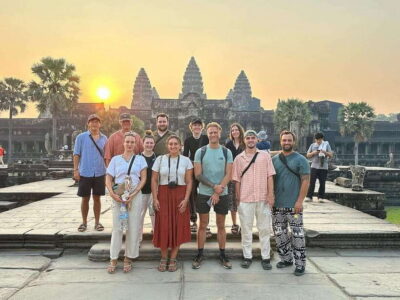
Angkor Wat: Small-Group Sunrise or Sunset Tour
Read our review →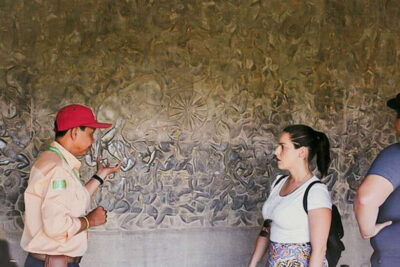
Angkor Wat 2-Day Tour with Sunrise and Sunset
Read our review →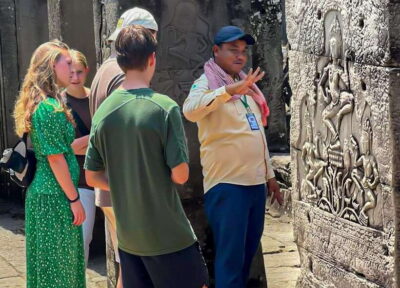
Angkor Wat Sunrise tour with Small – Group and Guide tours
Read our review →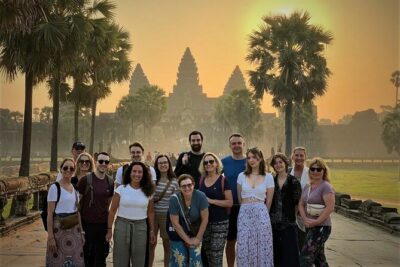
Angkor Wat Highlights and Sunrise Guided Tour from Siem Reap
Read our review →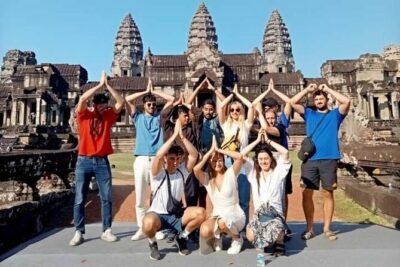
Angkor Wat Sunset Small Group Tour with Lunch Included
Read our review →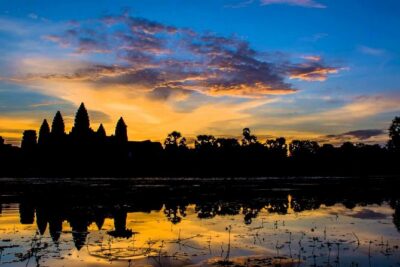
Full-Day Angkor Wat Sunrise Private Tour with Guide from Siem Reap
Read our review →Browse the lists this tour appears in