
Reviewed · TUK-TUK TOURS
Silk Island & countryside of Phnom Penh by Tuk Tuk
The city fades faster than you expect. This half-day trip from Phnom Penh takes you across the Mekong by ferry and into small villages, farm plots, silk workshops, temples, and riverside restaurants. I like the ferry crossings and the chance to see ordinary island life without arranging several separate rides. I also like that the tour includes fruit, a Khmer meal, hotel pickup, and an English-speaking guide.
The main consideration is that this is a rural outing, not a polished sightseeing circuit. The silk workshop is a small family business rather than a large production center, and the restaurant may be simple, with insects possible near the river, especially in the evening. If you want a tidy, tightly timed tour with formal attractions, this may feel rough around the edges. If you want a genuine break from Phnom Penh, those rough edges are part of the appeal.
The experience costs $45 per person, lasts about three to five hours, and carries no more than 12 people. Morning and early evening departures are offered, with the later option giving you a chance to finish beside the river as daylight fades. Guides such as Mon, Thong Chea, Tida, Narith, and Pi have been praised for explaining Cambodian food, farming, religion, and family life in clear, friendly ways.
In This Review
- What Makes This Silk Island Tour Worth Your Time
- Leaving Phnom Penh by Tuk Tuk
- The First Ferry and Phsar Areyksat
- Farms, Fruit, and Sedge Mat Weaving
- A Small Silk Workshop on Silk Island
- Bean Curd, Ginger Fields, and Everyday Food
- Temples, Nuns, and a Slower Pace
- Khmer Food Beside the Mekong
- What the $45 Price Covers
- Who Will Enjoy This Best
- Practical Tips for a Better Ride
- Should You Book the Silk Island Tour?
- FAQ
- How long does the Silk Island tour take?
- Is hotel pickup included?
- Is lunch or dinner included?
- Does the tour include ferry fees?
- How many people can join?
- Can children join the tour?
- What is the cancellation policy?
What Makes This Silk Island Tour Worth Your Time
- A ferry ride at the meeting point of three rivers: Cross near the confluence of the Mekong, Tonle Sap, and Bassac, with your tuk tuk continuing onto the island roads.
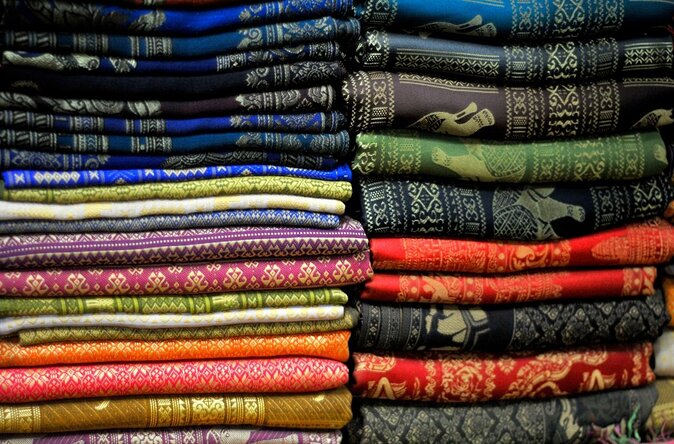
- Family-scale silk production: See how silk moves from silkworms and thread to woven scarves and cloth, with the chance to try weaving in some visits.
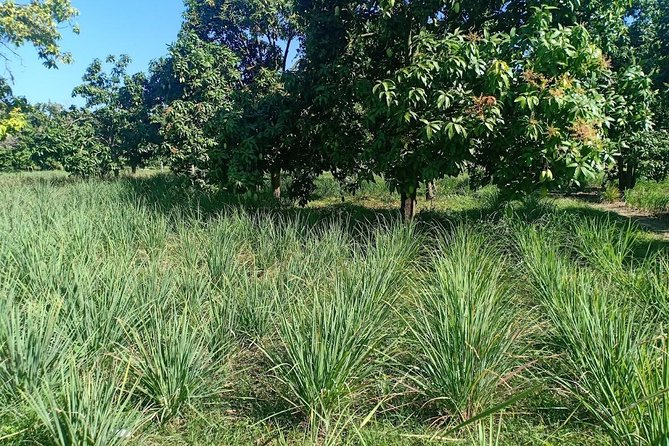
- A working countryside, not a staged park: Pass mango, banana, corn, ginger, lemongrass, rice, taro, and water-lily plots while families work the land.
- Local food with a riverside setting: Fruit, steamed cake, bean curd samples, and a Khmer lunch or dinner are included.
- Several small ferry crossings: Getting a Romork, the Cambodian tuk tuk style used here, on and off local ferries is part of the fun.
- A quiet alternative to city sightseeing: The island feels close to Phnom Penh in distance but far removed in pace.
Leaving Phnom Penh by Tuk Tuk
Pickup is available at your hotel in Phnom Penh. Depending on the size of your group, the transfer may use a tuk tuk or a minivan, but the countryside portion is designed around a Romork with an experienced driver.
That distinction matters. A tuk tuk gives you open views, fresh air, and a close look at the roads and homes you pass. It also means heat, dust, traffic noise, and less protection from rain. The trip is more enjoyable if you accept the vehicle as part of the outing rather than treating it as just transport.
The small group limit of 12 people helps keep the tour personal, though the exact feel depends on the group and the vehicle arrangement. Some departures are private or nearly private, while others may place you with several other people. Pickup and return to your hotel are included, which is useful after an afternoon in the heat.
The tour can run from three to five hours. That is a useful range to keep in mind. Ferry queues, village stops, food service, and the guide’s pace can all affect the total time. I would avoid scheduling a tight evening appointment immediately afterward.
More Tuk-Tuk Tours in Phnom Penh
- Phnom Penh Silk Island Bike Tour/ E-Bike or Tuk Tuk
★ 5.0 · 495 reviews - Ultimate Phnom Penh Food Tour by Tuk Tuk: 20 Tastings and Drinks
★ 5.0 · 409 reviews - Phnom Penh’s Culinary Underground: Local Food Tour by Tuk-tuk
★ 5.0 · 234 reviews
The First Ferry and Phsar Areyksat
The tour begins with a ferry crossing toward Phsar Areyksat. This is not simply a transfer. You get a quick sense of how the Mekong works as a daily transport route, carrying people, vehicles, and local traffic between Phnom Penh and the islands.
The crossing takes you near the meeting point of the Mekong, Tonle Sap, and Bassac rivers. The open air and moving water offer a welcome change from the city. You may also find the loading process entertaining, especially when the tuk tuk is driven onto and off the ferry with practiced care.
Once ashore, the tour turns toward village roads and a local wet market. This is a good place to watch the practical side of Cambodian life: food being sold, produce changing hands, and residents going about their normal routines. It is not a grand market attraction, so keep your expectations focused on observation rather than sightseeing displays.
A walk through the villages follows. The guide can explain what you are seeing, including homes, small businesses, crops, and the rhythm of island life. This is one of the strongest parts of the trip because the setting gives context to the food and crafts encountered later.
Farms, Fruit, and Sedge Mat Weaving
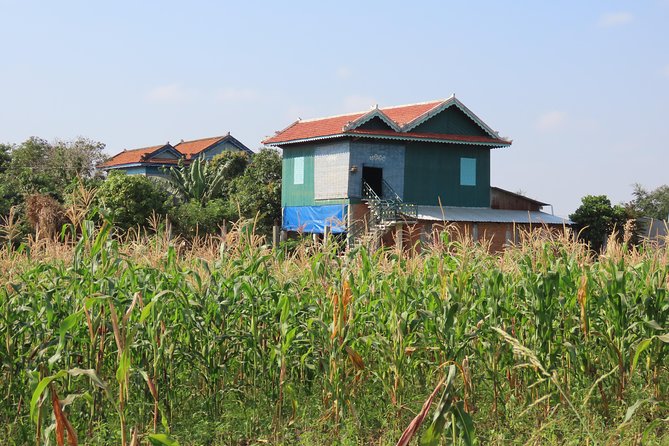
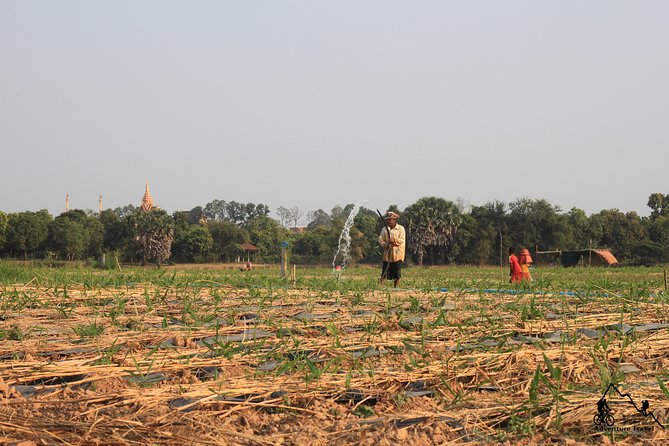
The roads lead through agricultural areas where you may pass mango, banana, corn, lemongrass, ginger, rice, taro, and water-lily fields. The tour information describes stops at farms and plantations, though one account notes that some fields were viewed from the tuk tuk rather than explored on foot.
That is worth knowing before you book. The countryside is the setting for the tour, but the day is not a hands-on farming course. Depending on timing and local conditions, you may walk around a village or farm area, smell fresh ginger leaves, see how crops are rotated, or simply pass fields from the road.
Tropical fruit is included, and several visits have featured mangoes and other local snacks. One family also offered steamed cake. These small food moments help make the trip feel less like a list of stops and more like a visit organized around local households.
You also stop to see sedge mat weaving, a traditional craft practiced in villages along the Mekong. The work is detailed and repetitive, and it gives you another way to understand the value of household production. The sedge mats are not as famous as Cambodian silk, but they show how useful objects are made by hand for local life.
A Small Silk Workshop on Silk Island
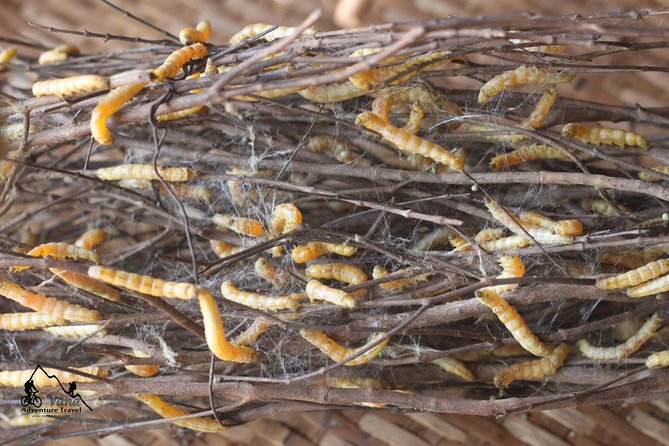
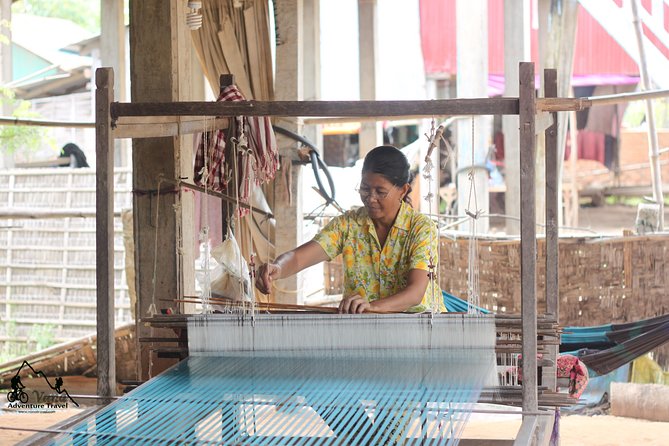
The silk visit is the central cultural stop. You will see a family-run workshop rather than a large commercial silk farm. The wording can cause confusion, since the site may be described as a silk farm, but the useful expectation is a small home-based operation where you can see weaving and learn about the process.
The work begins with silkworm production and the handling of silk thread before the material is woven into scarves, sarongs, and other cloth. Depending on the visit, the family may show you thread preparation, spinning, and the loom. Some people have also had the chance to try weaving.
I find this stop valuable because it reveals how much patience goes into an item that can look simple in a market stall. The process is labor-heavy and precise, which changes how you see a finished scarf or runner. You may also have fruit or a small snack while talking with the family.
Shopping is not presented as a required part of the visit, and the experience is intended to be low pressure. Handmade scarves and table runners are available, so you may be tempted to buy something. If you do, ask about the item and the production process, but do not assume every piece on display was made on site. This is a small family business, not a fully documented museum workshop.
Something completely different for another day:
- The Killing Field and Toul Sleng Genocide Museum (S21) Tour
★ 5.0 · 1,977 reviews - Phnom Penh: Sunset Cruise with Unlimited Beers & BBQ Buffet
★ 4.5 · 727 reviews - Aroma Therapy Massage, Relaxation therapeutic aromatherapy oil massages.
★ 5.0 · 645 reviews - Killing field and Toul Sleng genocide museum Tour
★ 5.0 · 610 reviews
Bean Curd, Ginger Fields, and Everyday Food
Another useful stop is a local bean curd business. Bean curd is a common ingredient in Cambodian cooking, including soups and stir-fried noodles, and the visit shows how a basic food product is made at family scale.
The process is more interesting when you connect it to the meal later in the day. You are not just looking at an isolated factory. You are seeing how ingredients used in Cambodian kitchens are produced, handled, and sold.
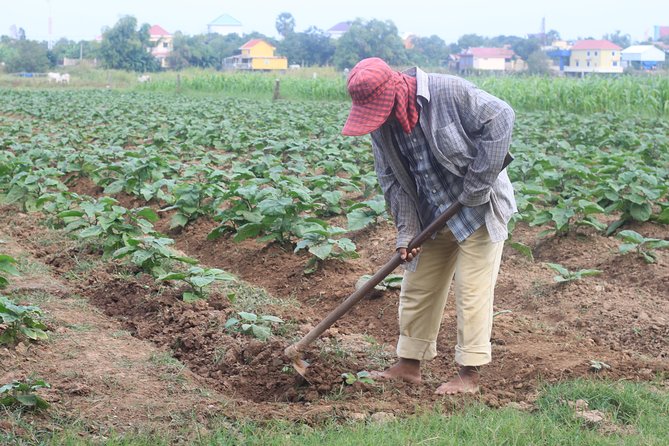
The tour may include a sample. This is a modest stop, but it adds variety after the silk workshop. The day moves from crops to food production, then to the table. Along the way, you may pass ginger and vegetable farms and learn how families use and rotate their plots through the year.
Do not expect a large educational center with signs and displays. The value comes from having a guide explain the work and translate your questions. Guide quality matters here. Thong Chea, Mon, Tida, Narith, and Pi have all been praised at different times for sharing information about local food and rural customs. The specific guide for your departure may vary.
Temples, Nuns, and a Slower Pace
The route includes a Buddha monastery, with some visits stopping at a particularly colorful temple connected with nuns. This is a welcome pause after the roads and workshops.
The guide can explain basic aspects of Cambodian religion and the role of Buddhist places in community life. You should dress respectfully and follow local instructions around the monastery. The stated dress code is formal, which is unusually strict wording for a countryside tuk tuk trip, so I would choose clothing that covers shoulders and knees and avoid beachwear.
The temple stop is not a major monument visit. Its appeal lies in the painted buildings, quiet grounds, and the chance to see a place used for worship rather than presented only for sightseeing. It also breaks up the ride and gives you time to walk.
Some guests have described the tour as flexible, with the guide adjusting the departure time or the content of the route. That can be useful, but flexibility also means the exact sequence may change. Ferry schedules, weather, local activity, and the time available can affect which stops receive the most attention.
Khmer Food Beside the Mekong
The included lunch or dinner is served at a local Khmer restaurant, sometimes on or beside the river. The early evening departure is especially appealing if you like the idea of eating as the light fades and the city feels far away.
The meal is not intended to be fine dining. It is a simple local restaurant with a peaceful setting, and the food has been praised as tasty and generous. Vegetarian food is available if you request it when booking. Alcohol costs extra, but you can purchase it at the restaurant.
There is one important caution. A riverside setting can bring ants, wasps, and other insects, particularly when lights are on after sunset. One serious complaint described dirty dishes, insects in the food, and poor handling of the table. The operator acknowledged that insects can appear near the river and farmland, and processed a full refund in that case.
That complaint is very different from the majority of the feedback, which describes the meal as pleasant, authentic, and a fitting end to the day. Still, I would not book this tour expecting a spotless urban restaurant. You are paying for a local meal in a rural setting, and that involves some uncertainty.
What the $45 Price Covers
At $45 per person, the cost is fair if you use the included elements. Hotel pickup and drop-off, the guide, the tuk tuk, ferry fees, a contribution to the villagers, tropical fruit, and lunch or dinner are all covered.
The value is strongest for visitors who want interpretation. You could arrange a tuk tuk independently, but a regular driver may not explain silk production, farming, temples, bean curd, or village customs. You would also need to manage the ferries and decide which island roads and businesses to visit.
The price is less attractive if you mainly want a short ride and a quick look at Silk Island. The tour includes several moving parts, and much of the benefit comes from the guide’s explanations and the personal access to small family businesses.
The high rating of 4.8 from 68 ratings and a 96 percent recommendation rate suggest a strong overall record, but the single very negative account is worth taking seriously. This is an authentic, locally run outing, and service standards may not match those of a polished city tour.
Who Will Enjoy This Best
I would recommend the trip to you if you want:
- A break from Phnom Penh’s traffic and noise
- A look at Cambodian village life without committing to a full-day excursion
- Small craft and food visits rather than major monuments
- Open-air transport and ferry rides
- A guide who can explain local farming, religion, and food
- A flexible afternoon or early evening schedule
Families can take part, and a child rate applies when a child shares with two paying adults. Most people can participate, but the tour includes walking, ferry boarding, uneven rural roads, and a tuk tuk ride. Anyone needing a highly controlled or fully accessible route should ask the operator for current details before booking.
You may prefer another activity if you dislike heat, dust, simple restaurants, or unstructured village visits. The tour is also not ideal if your main goal is a large, formal silk museum or a guaranteed sunset photograph.
Practical Tips for a Better Ride
Wear light clothing that still meets the stated formal dress code for the temple. Cover your shoulders and knees, and bring footwear suitable for short walks through villages and around religious sites.
Ask for a vegetarian meal when you book. The meal is included, but alcohol is not. Since the trip includes farms and riverside stops, carry any personal snacks or medication you may need.
Morning departures may suit you if you want cooler conditions and more daylight for the villages. Early evening departures are appealing for the riverside meal, but insects are more likely to be noticeable after dark.
The operator supplies drinking water, and the tuk tuk is described as clean and well maintained by several people who took the tour. Even so, I would bring sun protection and prepare for an open-air ride.
Free cancellation is available up to 24 hours before the start time. Inside that window, the payment is not refundable and changes are not accepted.
Should You Book the Silk Island Tour?
Book it if you want to see a working, rural side of Cambodia close to Phnom Penh. The ferry crossings, small farms, silk weaving, bean curd production, temple visit, and local meal create a varied half-day with much more character than a simple island drive.
Go in with realistic expectations. You may eat at a basic riverside restaurant, pass some farms without stopping, and visit a modest family workshop rather than a formal attraction. For me, that is the point, provided you are comfortable with local conditions.
At $45, the tour offers good value for an English-speaking guide, transport, ferries, food, and access to places you would be unlikely to find on your own. I would choose it for a first visit to Phnom Penh when you want a calm change of pace and a closer look at everyday Cambodian life.
FAQ
How long does the Silk Island tour take?
The tour lasts approximately three to five hours. The total time may vary with ferry crossings, village visits, food service, and the day’s route.
Is hotel pickup included?
Yes. Hotel pickup and drop-off in Phnom Penh are included. Transport may be by tuk tuk or minivan for the hotel transfer, depending on group size.
Is lunch or dinner included?
Yes. The tour includes a local Khmer lunch or dinner. Vegetarian food is available if you advise the operator when booking.
Does the tour include ferry fees?
Yes. Ferry crossing fees and a contribution to the villager are included in the tour price.
How many people can join?
The activity has a maximum group size of 12 people.
Can children join the tour?
Most people can participate, and a child rate applies when the child shares with two paying adults.
What is the cancellation policy?
You can cancel up to 24 hours before the start time for a full refund. Cancellations or changes made less than 24 hours before the start time are not accepted and are not refundable.
Newest reviews from Phnom Penh
- 10 Day Ethical Animals Tour Where the Wild Things Roam★ 5.0 · 1 review
- Watch Live Khmer Traditional boxing in Phnom Penh★ 5.0 · 46 reviews
- Watch Khmer Kickboxing with Free Beers by Ringside Seats★ 5.0 · 11 reviews
- The killing field and Toul Sleng Genocide museum (S21) Tour★ 4.5 · 19 reviews
- Private Transfer from Phnom Penh to Siem Reap by VIP Alphard 2005★ 5.0 · 2 reviews
- Warm Stone Massage★ 5.0 · 23 reviews
- S-21 Prison and Killing Fields★ 5.0 · 8 reviews
- Private Taxi Between Phnom Penh – Siem Reap Stop Sightseeing★ 5.0 · 23 reviews
Tuk-Tuk Tours, compared.

Tuk-Tuk, Bamboo Train, Killing/Bat Caves, Sunset
Read our review →
Siem Reap Countryside Bike Tour / E-Bike or Tuk Tuk
Read our review →
Battambang Tuk Tuk tour: Bambootrain, Killing & Bat Caves,Sunset
Read our review →
Phnom Penh Silk Island Bike Tour/ E-Bike or Tuk Tuk
Read our review →
Angkor Wat Private Tuk-Tuk Tour (sunrise Option) & more
Read our review →
Ultimate Phnom Penh Food Tour by Tuk Tuk: 20 Tastings and Drinks
Read our review →Browse the lists this tour appears in