
Reviewed · CAMBODIA
Phnom Penh to Siem Reap Through Cambodia’s Heartland
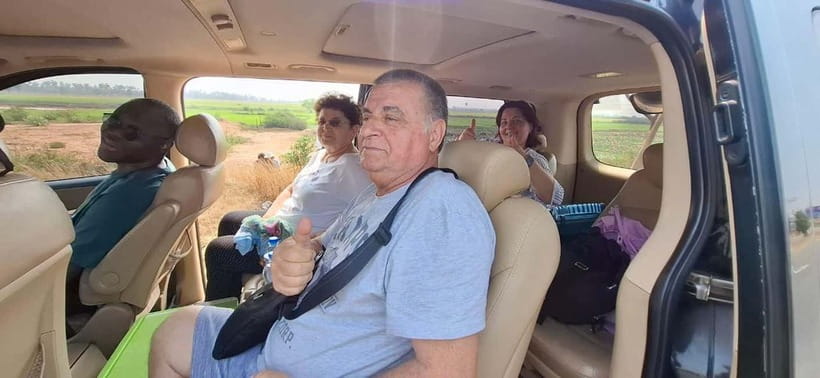
The road to Siem Reap can be the destination. This private 9-hour transfer trades a plain ride for rural Cambodia, ancient temples, a sacred hill, and a famous stop for fried spiders. I like the freedom of a private air-conditioned car, and I like that the route reaches Sambor Prei Kuk, a major ancient site that many visitors skip.
The main consideration is time. You will spend most of the day on the road, and Phnom Santuk requires climbing up to 809 steps if you take the stair route. Kampong Kdei Bridge is also visited only if there is enough time, so the final stop should be treated as a useful bonus rather than a promise.
In This Review
- Key points to know before booking
- Why this transfer is worth turning into a full day
- Leaving Phnom Penh for the countryside
- Skuon and the famous fried spider stop
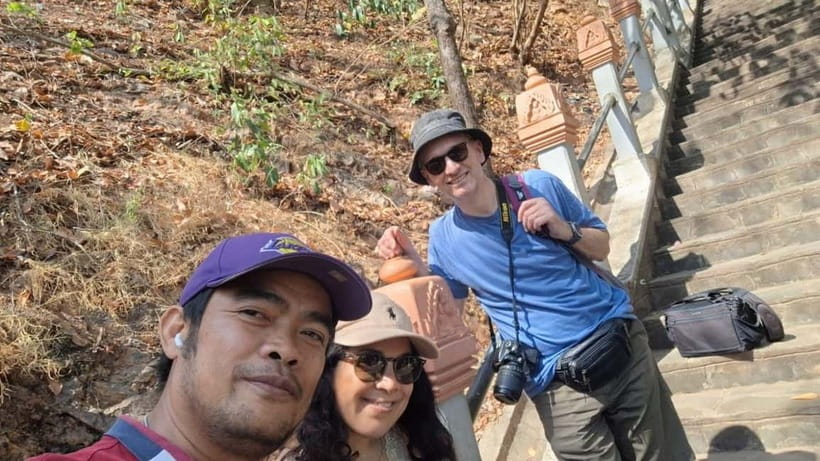
- Phnom Santuk and the 809-step choice
- Sambor Prei Kuk and Cambodia before Angkor
- Kampong Kdei Bridge and the final stretch
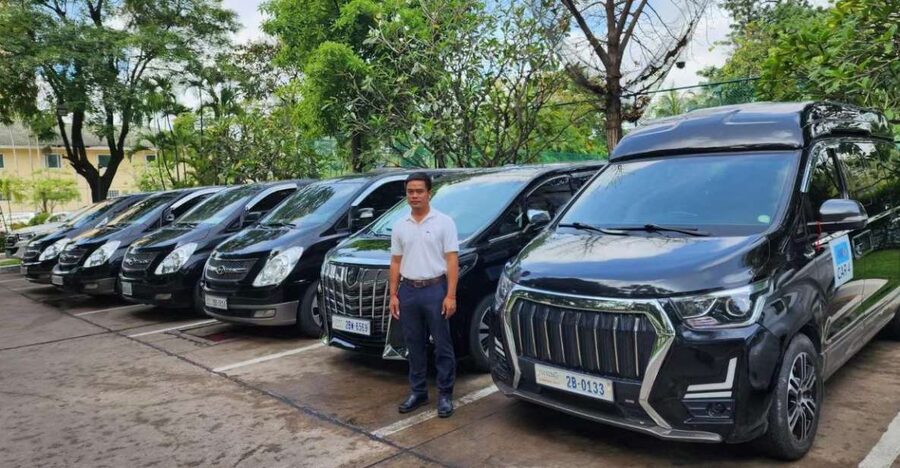
- What the private car adds to the experience
- Price, inclusions, and the real value
- Who should book this journey?
- Final verdict: a smart alternative to a plain transfer
- FAQ
- How long does the Phnom Penh to Siem Reap experience last?
- Is hotel pickup and drop-off included?
- Is the vehicle private and air-conditioned?
- Who drives and guides the journey?
- Is the Sambor Prei Kuk entry fee included?
- Do I have to eat fried spiders or insects at Skuon?
- What clothing should I wear for the temples?
Key points to know before booking
- Skuon’s spider market offers an optional taste of fried tarantulas, crickets, fruit, and other local snacks.
- Phnom Santuk combines Buddhist carvings, golden statues, monks, and broad views from a hilltop pagoda complex.
- Sambor Prei Kuk brings you to quiet seventh-century temples from the Chenla Kingdom, with a local guide included.
- A private car changes the pace, giving you room for photos, flexible stops, and a more relaxed ride than a fixed group bus.
- The $69 price is strong value for private transport, an English-speaking driver, hotel pickup, water, and several cultural stops, although the Sambor Prei Kuk entry fee is extra.
- This trip suits active visitors, but it is not suitable for people with mobility impairments.
Why this transfer is worth turning into a full day
Most people treat the journey from Phnom Penh to Siem Reap as a transport problem. You get into a car, watch the hours pass, and arrive ready for Angkor. This experience gives you a better use of that travel day.
The route follows National Road 6, moving from Phnom Penh’s city streets into Cambodia’s central countryside. You will see rice paddies, stilted wooden houses, and palm trees. These details are not arranged for a sightseeing show. They are simply part of daily life, and seeing them from a private car gives you a useful first look at Cambodia outside its major sights.
I especially like the private format for this route. You are not tied to a large group waiting for every person to finish a snack, climb a stairway, or take a photograph. The driver can allow time at scenic spots and adjust the pace within the limits of the nine-hour day.
The driver also acts as your English-speaking guide. Two drivers named in the service feedback, Tom and Ya, received particular praise for friendly service, careful driving, helpful suggestions, and clear explanations. Your driver may be different, but those comments point to the role you should expect: more than a chauffeur, though not always a full professional guide at every site.
Other trips people book around Cambodia:
- Angkor Wat Sunrise or Sunset Tour with Guide from Siem Reap
★ 5.0 · 12,109 reviews - Siem Reap: Angkor Wat: Small-Group Sunrise or Sunset Tour
★ 5.0 · 9,444 reviews - From Siem Reap: Kampong Phluk Floating Village Tour by Boat
★ 4.9 · 6,979 reviews
Leaving Phnom Penh for the countryside
Pickup takes place at your Phnom Penh hotel or another agreed landmark. The driver is scheduled to meet you in the lobby 15 minutes before departure, so keep your phone available and be ready early.
The first stretch gives you time to settle into the car. Air conditioning matters here, especially on a long Cambodian road journey, and bottled water is supplied throughout the day. You can watch the city thin out while the roadside changes to open fields, wooden homes raised above the ground, and lines of sugar palms.
The countryside portion is valuable because it gives context to the famous places you will see later. Instead of moving directly between two city hotels, you see how much of Cambodia remains rural and agricultural. I would sit on the side with the clearest view, keep your camera ready, and avoid filling the first hour with sleep unless you truly need it.
The journey lasts about nine hours in total, including stops. That makes an early departure important. The exact starting time depends on availability, but you should plan for a full day rather than a late morning outing.
Skuon and the famous fried spider stop
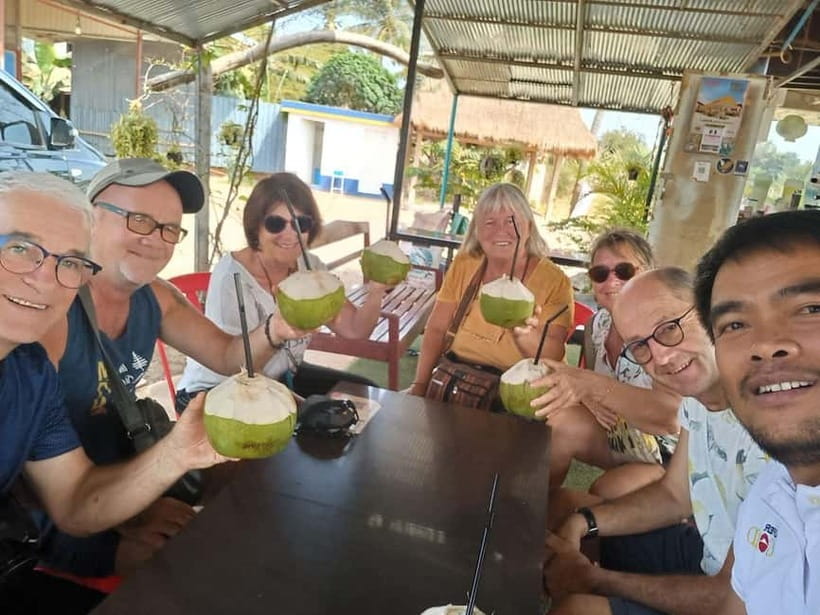
After roughly 1.5 hours, you reach Skuon, known locally and internationally for its insect market. The market’s nickname, Spider Village, comes from the fried tarantulas sold there.
You do not have to eat anything unusual. The snack stop includes fruit tasting, and the spiders, crickets, and other insects are optional. If you want to try a tarantula, this is your chance to do it in a place known for the food rather than as a staged dare.
The appeal is not only the snack. Skuon gives you a quick look at a working local market, with vendors preparing and selling food that may be unfamiliar to you but is part of the area’s culinary identity. It is a good place for photographs, though you should ask before photographing people or close-up food preparation.
I like the way this stop breaks up the drive early. You can stretch your legs, taste something small, and get a memorable story without spending half the morning there. On the other hand, anyone uncomfortable with insects may find the market more interesting from a distance. You will not miss the cultural point by choosing fruit instead.
The supplied information does not include a full meal. Lunch can be arranged on request, but you should bring cash and tell the operator ahead of time if you want a proper lunch stop. Do not assume the market snacks replace lunch.
Phnom Santuk and the 809-step choice
The next major stop is Phnom Santuk in Kampong Thom province. This is a sacred hill with a pagoda complex, Buddhist carvings, golden statues, and resident monks.
You have a choice in how you reach the summit. The stair route involves 809 steps, while an easier path is available. The stairs can make the visit feel like a genuine physical outing rather than a quick roadside photo, but you should choose the easier option if your knees, balance, or stamina are a concern.
At the top, the reward is a 360-degree view over Cambodia’s central plains. The hill gives you a different kind of sightseeing from the temple ruins ahead. Here, the focus is active worship, Buddhist imagery, and a wide view of the countryside.
Wear clothing that covers your shoulders and knees. A T-shirt with sleeves, long trousers, a long skirt, or a sarong and scarf will work. Since Phnom Santuk is a sacred place, respectful dress is not just a rule for entry. It helps you approach the pagoda complex in the right spirit.
You may interact with resident monks, but the visit should remain polite and quiet. Ask before taking close photographs, and follow any instructions at the pagoda. Comfortable clothing is essential, and sandals or shoes that are easy to remove can be useful at religious sites.
The drawback is straightforward: the stop is not suitable for anyone with mobility impairments, and even the easier route may not feel easy to every person. Ask about the route before booking if walking is a concern.
Something completely different for another day:
- Sunset tour of Kampong Phluk stilts home village on the Tonle Sap
★ 5.0 · 4,865 reviews - Siem Reap: Angkor Wat 2-Day Tour with Sunrise and Sunset
★ 4.9 · 4,429 reviews - Siem Reap: Kampong Phluk Floating Village Tour with Boat
★ 4.9 · 3,843 reviews - Siem Reap: Full-Day Angkor Wat Guided Tour with Sunset
★ 4.9 · 3,803 reviews
Sambor Prei Kuk and Cambodia before Angkor
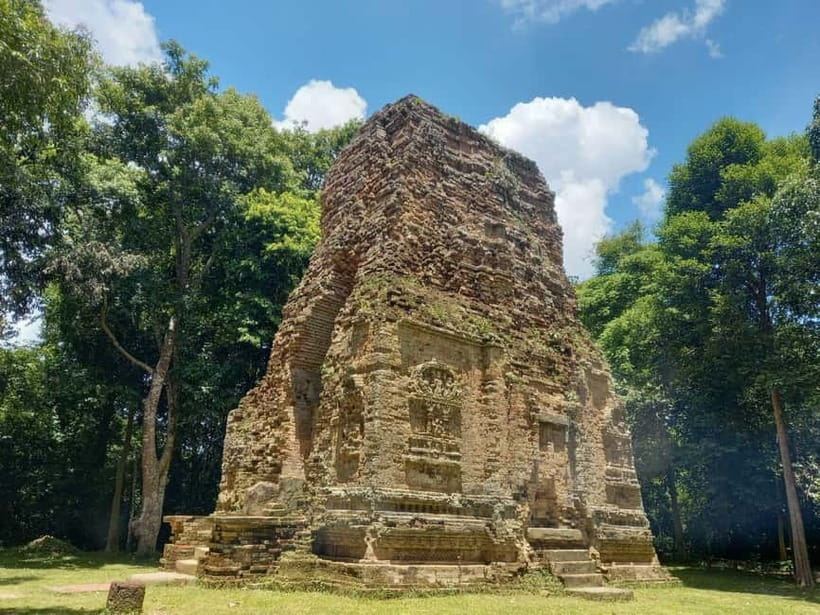
For many people, Sambor Prei Kuk is the strongest reason to choose this transfer. This UNESCO-listed complex served as the capital of the pre-Angkorian Chenla Kingdom in the seventh century. It offers an earlier chapter of Cambodian history before the grand temples of Angkor.
The setting is quieter than the major Angkor sites. You walk through forest clearings to see laterite and brick temples, original carvings, and structures partly embraced by tree roots. That meeting of stone, brick, and vegetation gives the place a raw, unpolished character. It feels less like a formal monument park and more like an old sacred center still being reclaimed by the forest.
A local guide is included at Sambor Prei Kuk. This matters because the ruins are not simply a series of structures to photograph. The guide can help you understand the site’s role in the Chenla Kingdom and point out carvings or architectural details that are easy to miss.
The entry fee is not included and costs around $10 per person. Bring cash for this charge, as well as for snacks, drinks, and personal purchases.
I would allow yourself time to walk slowly here. The attraction is not one single dramatic building. It is the collection of smaller temples, the quiet paths, and the sense of seeing an important site without the same level of foot traffic found at Angkor Wat.
You should also keep expectations in check. The temples are ancient and atmospheric, not polished or fully restored. Paths and surfaces may be uneven, and the combination of walking and heat can be tiring after the earlier stops.
Kampong Kdei Bridge and the final stretch
The last cultural stop is Kampong Kdei Bridge, an 85-meter laterite bridge built in the 12th century under King Jayavarman VII. It once formed part of the road system connecting the Angkor Empire.
The bridge is an impressive example of old engineering. Its value comes from its function as much as its age. You are looking at infrastructure that supported movement across the empire, not simply a decorative monument built for ceremony.
This stop is scheduled only if there is enough time. Road conditions, the length of earlier visits, and your arrival schedule can affect it. If Kampong Kdei is important to you, say so at the beginning of the day and keep the earlier stops moving at a reasonable pace.
It is a good place to stretch your legs before the final ride into Siem Reap. The bridge does not require the same kind of climb as Phnom Santuk, but you should still wear comfortable clothes and shoes for the day.
By late afternoon or evening, you arrive at your Siem Reap hotel. The timing depends on the road and how long you spend at each stop. You should arrive with a better understanding of rural Cambodia and its older kingdoms, rather than simply arriving at your hotel after a long drive.
What the private car adds to the experience
The private air-conditioned vehicle is not a luxury extra on this route. It is central to the value.
You can leave Phnom Penh from your hotel, keep your luggage with you, stop for photographs, and avoid transferring between several forms of transport. The driver can also suggest scenic places along the road and adjust the timing when possible.
The private group format works especially well for couples, families with older children, and solo visitors who want to see more without joining a large bus. It also gives you privacy during the long stretches between stops.
There are limits. The driver serves as your guide for the journey, but the formal local guide is specified for Sambor Prei Kuk. If you want detailed guiding at every temple and religious site, confirm what level of explanation you will receive before booking.
The vehicle is for transport and sightseeing. Smoking is not allowed, and alcohol, drugs, weapons, sharp objects, explosives, and fire are prohibited. Unaccompanied minors cannot join.
Price, inclusions, and the real value
At $69 per person, the price is attractive if you value private transport and plan to visit several sights along the way. You receive hotel pickup in Phnom Penh, hotel drop-off in Siem Reap, a private air-conditioned car, an English-speaking driver, bottled water, the Skuon snack stop, Sambor Prei Kuk with a local guide, and flexible photo opportunities.
The important extra cost is Sambor Prei Kuk’s entry fee, around $10 per person. Meals beyond the market snacks are also separate, though a lunch stop can be arranged upon request. Add some cash for food and personal expenses.
The value is strongest for two or more people sharing the private vehicle. Solo visitors still gain convenience and a full sightseeing day, but the per-person cost may feel less attractive than a simple bus transfer.
You are also paying for time. A direct ride may get you to Siem Reap faster, but it will not include Phnom Santuk, Sambor Prei Kuk, Skuon, or the possibility of Kampong Kdei. If your priority is reaching Siem Reap as quickly and cheaply as possible, choose basic transport instead.
Who should book this journey?
I would recommend it to anyone who dislikes wasting a transfer day. It is particularly suitable for:
- Couples who want a private day with flexible stops
- Families who prefer a car to a large group vehicle
- Solo visitors interested in local food, Buddhist sites, and early Cambodian history
- First-time visitors who want to see rural Cambodia before Angkor
- Active people comfortable with walking and uneven surfaces
I would think twice if you have limited mobility, dislike long drives, or want a relaxed temple day with no early start. Phnom Santuk can be physically demanding, and the nine-hour schedule leaves little room for long meals or unplanned delays.
The cancellation policy is helpful: you can cancel up to 24 hours in advance for a full refund, and you can reserve now and pay later. That makes it easier to fit the trip around changing Cambodia plans.
Final verdict: a smart alternative to a plain transfer
Book this experience if you want your move from Phnom Penh to Siem Reap to feel like part of Cambodia’s story. The strongest elements are the private car, the friendly driver service associated with Tom and Ya, the unusual Skuon market, and Sambor Prei Kuk’s quiet pre-Angkorian temples.
Do not book it solely for Kampong Kdei Bridge, since that stop depends on time. Also remember that the route is long, Phnom Santuk involves substantial walking, and the temple entry fee is extra.
For $69 per person, this is a useful way to combine transport with real sightseeing. You arrive in Siem Reap ready for Angkor, but with a broader view of the country than you would get from a direct ride.
FAQ
How long does the Phnom Penh to Siem Reap experience last?
The experience lasts about 9 hours. The day includes the drive, cultural stops, temple visits, snack tasting, and photo opportunities.
Is hotel pickup and drop-off included?
Yes. Pickup is included from your hotel or another agreed landmark in Phnom Penh, and drop-off is provided at your hotel in Siem Reap.
Is the vehicle private and air-conditioned?
Yes. The experience uses a private air-conditioned vehicle for your group.
Who drives and guides the journey?
An English-speaking driver handles the transport and serves as your guide during the journey. A local tour guide is included at Sambor Prei Kuk.
Is the Sambor Prei Kuk entry fee included?
No. The entry fee is separate and costs around $10 per person.
Do I have to eat fried spiders or insects at Skuon?
No. The insect snacks are optional. The stop also includes fruit tasting, so you can visit the market without eating tarantulas, crickets, or other insects.
What clothing should I wear for the temples?
Wear respectful clothing that covers your shoulders and knees. T-shirts or long-sleeved shirts, long trousers or skirts, sarongs, and scarves are suitable.
Newest reviews from Cambodia
- Morning Village & Countryside Bike Experience – Siem Reap★ 5.0 · 5 reviews
- ( Free eSim) Half Day Siem Reap City Morning or Afternoon Tour★ 5.0 · 1 review
- Siem Reap Guided Day Trip to Local Village and Cooking Class★ 5.0 · 7 reviews
- Half Day Kampong Phluk with Sunset, Boat and Guide from Siem Reap★ 5.0 · 1 review
- Lady Tuk Tuk Angkor By SONA-English Speaking Driver★ 5.0 · 1 review
- Siem Reap Evening Street foods Tours by Tuk Tuk★ 5.0 · 37 reviews
- Jungle Trekking Tour at Phnom Kulen National Park from Siem Reap★ 5.0 · 19 reviews
- Authentic Siem Reap: Tuk Tuk Countryside and Sunset Tour★ 5.0 · 1 review