
Reviewed · WILDLIFE AND NATURE TOURS
Handicraft tour/rice paper,/rice wine/bat cave Sun Set
Come for the bats, stay for the villages. This Battambang day tour connects small countryside communities, food-making workshops, Khmer Rouge sites, the bamboo train, and Phnom Sampov in one long tuk tuk ride. I like the direct contact with local work, especially the rice paper and rice wine stops, and I like how guides such as Vannak, Sam, Bao, and Sambath Liv adjust the day to suit your pace. The main catch is cost: the advertised $8 price is low, but entrance fees and tasting charges can add roughly a third to your bill.
This is not a polished coach excursion. It is a flexible, sometimes rough-edged day with plenty of road time, short demonstrations, and serious history alongside ordinary village life. I would choose it if you want to see how Battambang works beyond its town center, but I would confirm the final price and exactly which stops are included before setting off.
In This Review
- Key points to know before you book
- A long morning through Battambang’s working countryside
- Wat Samrong Khong and the difficult history of Battambang
- From bamboo sticky rice to Cambodian cheese
- Rice paper, dried bananas, and rice wine
- Ek Phnom, roadside food, and the crocodile stop
- Lunch around noon, with two different moods
- The bamboo train: simple, scenic, and separately priced
- Phnom Sampov, the killing cave, and the climb
- Millions of bats at about 6:30 PM
- What the $8 tour really costs
- Guides and the value of flexibility
- Who should book this Battambang day?
- FAQ
- What time does the tour start?
- How long does the tour last?
- Is lunch included?
- Is the bamboo train ticket included?
- What extra charges should I expect?
- Is the tour conducted in English?
- Can I choose between hiking and taking a motorbike at Phnom Sampov?
- Is the tour suitable for wheelchair users?
- Can I cancel the booking?
- Should you book it?
Key points to know before you book
- The $8 price is only the starting point: Bamboo train, caves, tastings, donations, and other small fees are extra.
- The day can run from 9:00 AM until about 7:00 PM: You can also arrange a shorter four-hour version, depending on availability.
- Rice paper and rice wine are the strongest craft stops: You see how everyday Cambodian food and drink are made, not just displayed.
- Phnom Sampov combines difficult history with a dramatic sunset: The killing cave visit is heavy, while the bat flight at dusk is a remarkable natural show.
- A tuk tuk makes the countryside visible: Paddy fields, villages, food stalls, and roadside workshops pass slowly enough to notice.
- Expect stairs and uneven ground: The tour is not suitable for wheelchair users or people with mobility or heart problems.
A long morning through Battambang’s working countryside
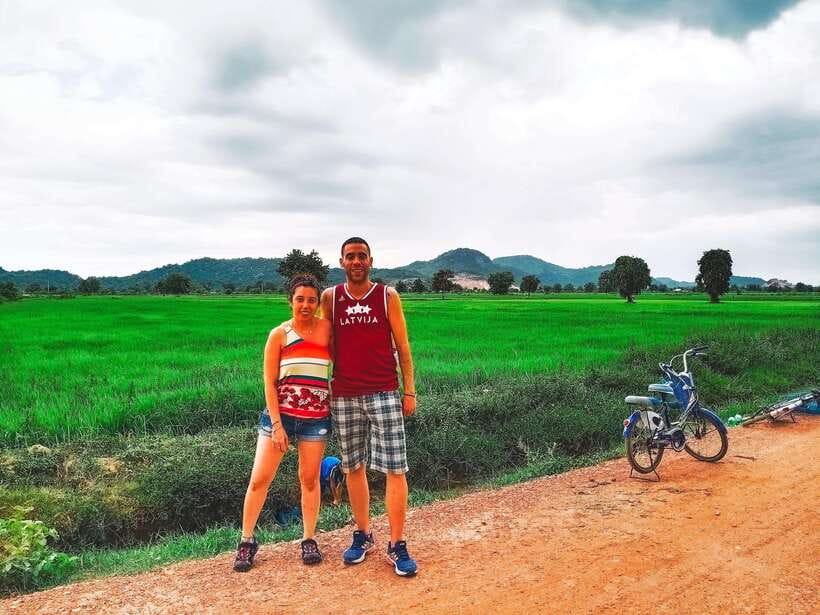
Pickup is available around Battambang, usually with a 9:00 AM start, and the ride begins in a simple but useful way: your guide gives a short briefing before taking you beyond the town streets. The tuk tuk is the right vehicle here. You get open views of paddy fields and small villages, and the breeze helps during the hotter parts of the day.
I like this opening because it gives context before the workshop visits. You see rice fields, roadside activity, and local homes first, then learn how rice becomes paper, wine, or sticky rice later in the day. Your guide may also explain rice seeds and how rice is grown during a stop in the fields.
The route can include a fresh market, where you get a quick look at daily food shopping. It is not presented as a formal market tour, so do not expect a long guided visit. Still, it helps connect the later food demonstrations with the ingredients people buy and use.
The ride is part of the experience, but it also makes this a full day. You may spend long stretches in the tuk tuk between stops. If you prefer a slower, more focused outing, ask about taking only the four-hour option rather than trying to fit every attraction into one day.
More Wildlife Tours in Battambang
- Afternoon tour by tuk tuk to bamboo train,bat cave,killing cave,countryside.
★ 5.0 · 344 reviews - Battambang: Bamboo Train, Bat Cave, Killing Cave by Tuk Tuk
★ 5.0 · 182 reviews - Full Day tour .City tour.Countryside.Bamboo Train.Secret Bat Cave
★ 5.0 · 178 reviews
Wat Samrong Khong and the difficult history of Battambang
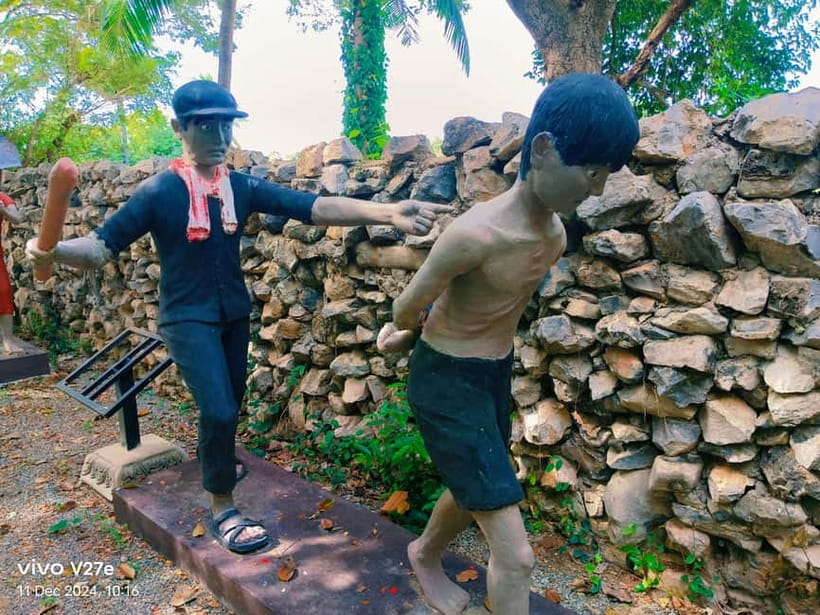
Wat Samrong Khong, also called a killing field, introduces the Khmer Rouge period and the rule of Pol Pot. This is one of the most serious parts of the route, and it deserves more than a rushed photo stop.
Your guide explains the site and the wider history of the Khmer Rouge. The quality of this section depends heavily on the guide and on how clearly the story is presented. Guides including Bao, Sambath Liv, Sam, and Vannak have been praised for answering questions and explaining Cambodian culture and history in detail, but one account found the commentary too long and unfocused.
That is useful advice. If your guide moves into broad discussions of wars and conflicts beyond Cambodia, you may want to politely bring the conversation back to the site. The best version of this stop is clear, local, and respectful. It should help you understand what happened here without turning the visit into an information dump.
A small donation is requested at Wat Samrong Khong. Bring cash, as you will need it for several other stops as well.
From bamboo sticky rice to Cambodian cheese

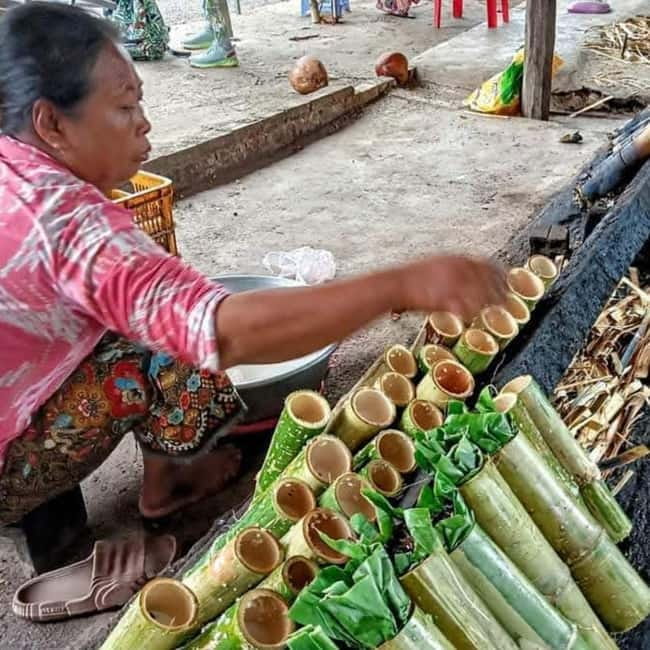
The tour then shifts from history to food production. Along the road, you may stop to see local people preparing bamboo sticky rice. You can also taste it for about $1 for the group.
This is a good example of why the tour feels different from a standard sightseeing loop. You are not simply shown a finished product. You see food being prepared in a traditional local setting, with the work itself forming part of the visit.
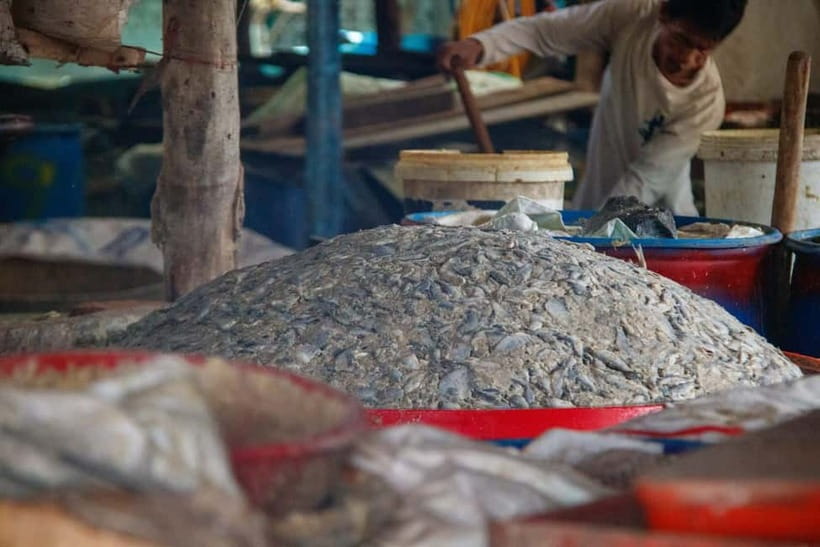
Other demonstrations may include Cambodian cheese, dried fish, and Smork fish. The description groups several of these visits together, so the exact order can change. That flexibility can help if a workshop is busy or if you need more time at a particular stop.
The food stops are practical rather than theatrical. Some people will love that directness. Others may find the day a little scattered because the route includes many short visits. I would ask your guide at the start which workshops are operating that day and which ones involve a tasting fee.
Rice paper, dried bananas, and rice wine
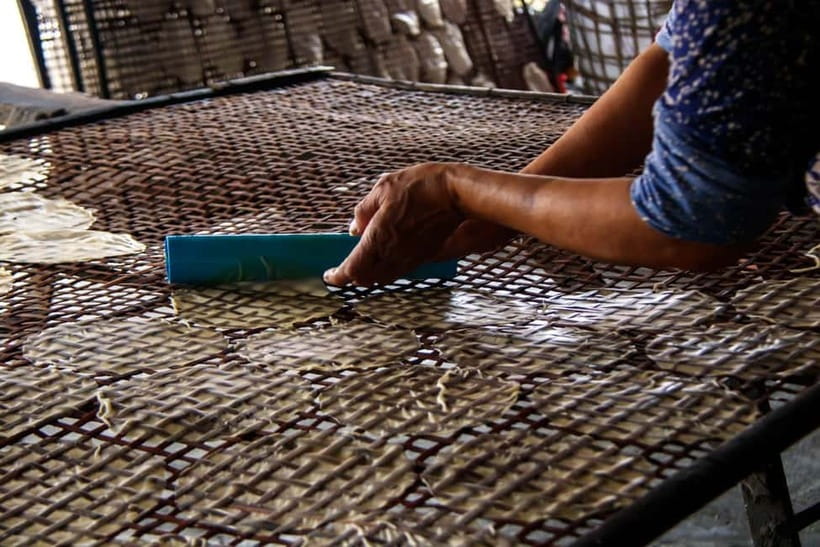
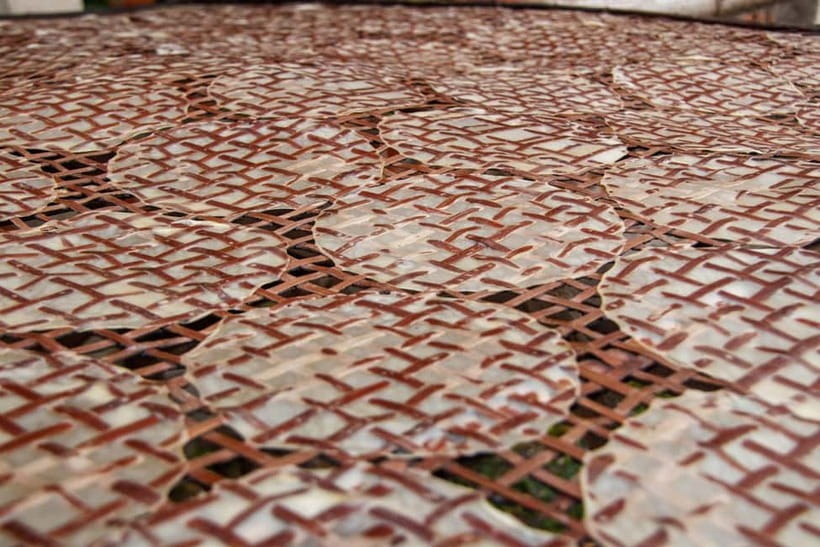
The rice paper factory is one of the clearest highlights. You see how thin rice sheets used for spring rolls are made, and you can buy a taste for about $1 per person. This stop gives you a better sense of the care behind a familiar ingredient.
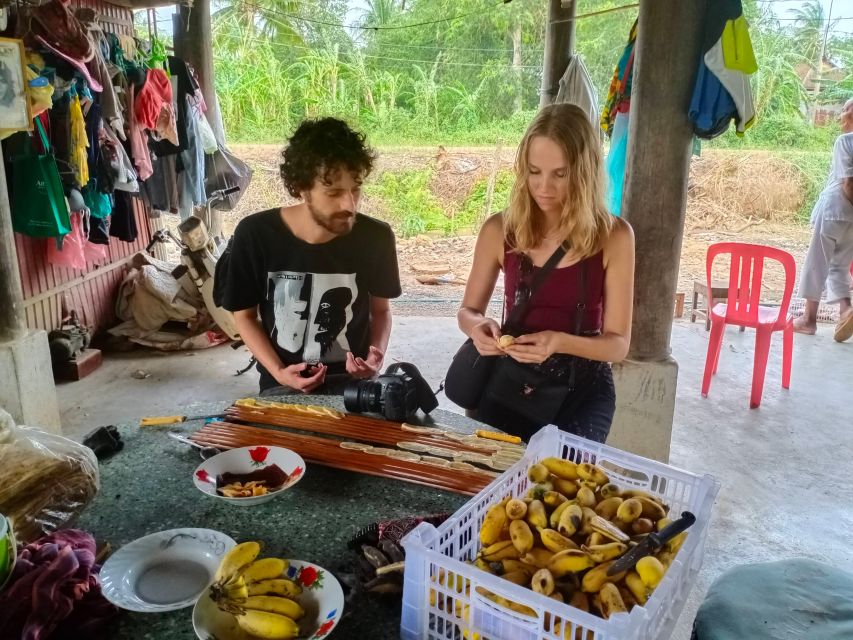
The tour may also include dried bananas and other banana products. The listed tasting charge is about $1 for everyone, while the exact selection can vary. These modest fees are easy to overlook, but they matter because several of them accumulate over a long day.
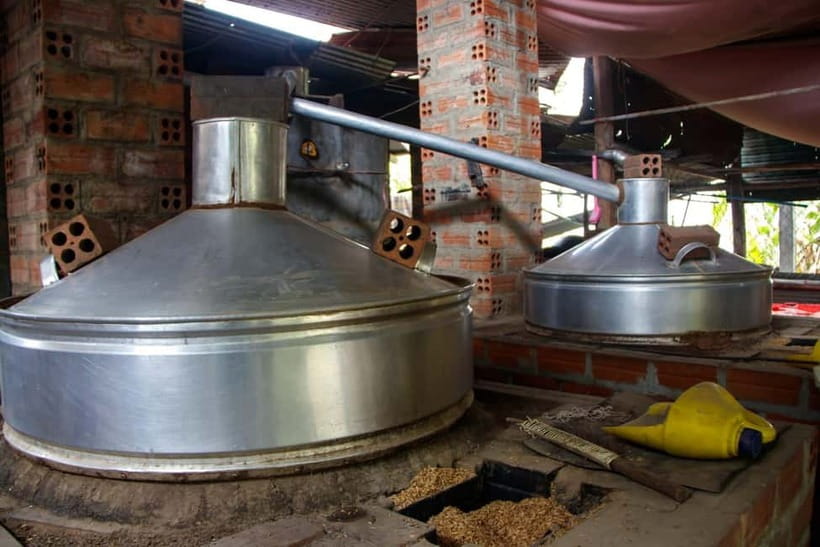
At the rice wine factory, you can see the production process and taste the local drink. The entrance fee is $1 per person. This is a simple stop, but it adds an adult, rural side to the food portion of the tour.
I like this section because the products are tied to everyday Cambodian life. You are not being taken to a generic souvenir shop. You see food made for local use, and the low-cost tastings let you sample without committing to a large purchase.
Something completely different for another day:
- Battambang: Tuk-Tuk, Bamboo Train, Killing/Bat Caves, Sunset
★ 4.9 · 1,436 reviews - Battambang Tuk Tuk tour: Bambootrain, Killing & Bat Caves,Sunset
★ 5.0 · 799 reviews - Local Livelihood Half Day Bike Tour in Battambang
★ 5.0 · 287 reviews - Explore Battambang full day tour by Tuk Tuk (start from 9am-6:30pm)
★ 5.0 · 240 reviews
Ek Phnom, roadside food, and the crocodile stop
The route can continue toward Ek Phnom temple through the countryside. The visit is described as a brief stop, so I would not book this tour mainly for an extended temple study. Its value is the way it fits into the broader ride, giving you another glimpse of Battambang Province outside the urban center.
The road may also pass stalls selling unusual foods and insects, including snakes, grasshoppers, crickets, barbecued mice, and bats. These are not presented as required tastings. They are part of the roadside scene, and you can simply observe if you are not interested in trying them.
Another stop features around 800 crocodiles, with time for snapshots. The number makes this a memorable oddity, though it is clearly more of a quick attraction than a major cultural visit. If you enjoy unusual local stops, you will probably have fun here. If you prefer temples and history, you may find it less important.
The guide may also point out village life, rice fields, and farming methods along the road. This is where the slow tuk tuk becomes an advantage. You have time to ask what you are seeing instead of watching it disappear behind a bus window.
Lunch around noon, with two different moods
Lunch is generally arranged around 12:00 to 1:00 PM, and you can choose to eat in the countryside or in Battambang. Lunch is not included, so bring cash and expect to pay directly for your meal.
The countryside option fits the tone of the day. It gives you a break after the morning’s stops and keeps you close to the fields. The city option may suit you better if you want more choice or a more familiar setting.
The schedule describes lunch as a chance to relax before continuing to the bamboo train. That pause matters. This is a busy day, and trying to rush through lunch would make the second half feel harder, especially before the climb at Phnom Sampov.
The bamboo train: simple, scenic, and separately priced
The bamboo train is one of Battambang’s best-known experiences, and it gives the tour a fun change of pace. You ride through the countryside on a basic bamboo platform, with villages and fields around you.
The ticket or entrance fee is listed separately at $5 per person. Confirm the current charge with your guide, since the description does not spell out every detail of the ticket arrangement.
I would not judge the whole excursion by the bamboo train alone. The ride is one part of a much broader day, and some visitors may prefer to spend more time walking, exploring villages, or stopping for photos. One person who could not take the train was given a countryside tour instead, so ask about an alternative if the train is unavailable or does not suit you.
The train is best for people who enjoy uncomplicated attractions with a strong local character. It is not a luxury ride, and the charm comes from its simplicity.
Phnom Sampov, the killing cave, and the climb
The afternoon finishes at Phnom Sampov mountain. You can either hike or take a motorbike up the mountain, depending on what suits you. The route includes the killing cave, a large cannon, a gun, a monastery, stupas, monkeys, and views from the top.
This section demands more physical effort than the workshops. Bring climbing shoes or other suitable gear, and wear clothes that make walking comfortable. The tour is specifically not suitable for wheelchair users, people with mobility impairments, or people with heart problems. It also lists age restrictions for people over 70 and over 95, so check the current conditions carefully if those limits apply to you.
The killing cave is another serious historical site connected with the Khmer Rouge. The visit can be upsetting, and the climb and heat may add to the strain. A good guide should give the facts with care and allow you space to take in the place.
The mountain also has a lighter, more natural side. Monkeys and stupas add visual interest, while the view over the countryside is described as one of the best around Battambang. You get a broad look back toward the fields and villages you passed earlier, which gives the entire day a stronger sense of place.
The cave ticket is listed at $1 per person. A motorbike ride, if used, should be clarified with your guide before you agree to it, since the supplied details do not give a separate price.
Millions of bats at about 6:30 PM
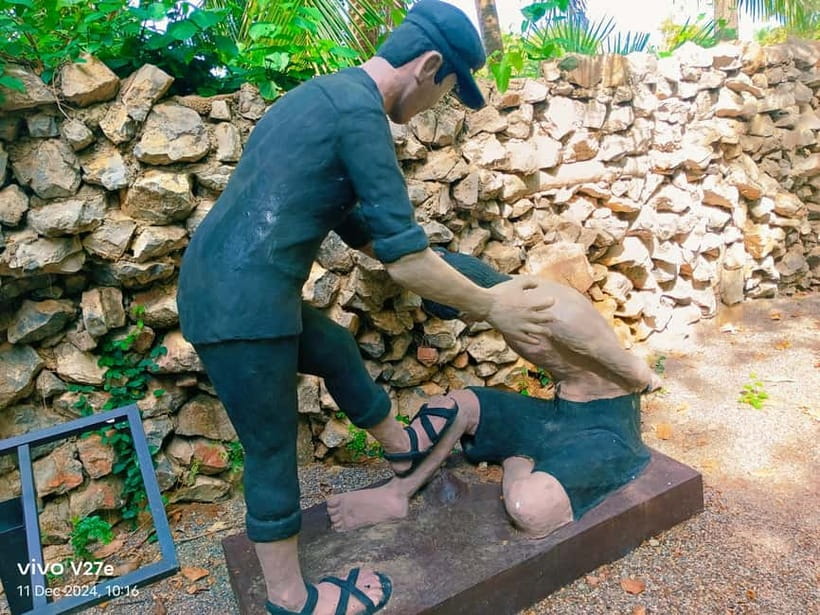
The final event is the bat cave at sunset. You usually wait around five to ten minutes for millions of bats to emerge, with the main flight timed around 6:30 PM.
This is the tour’s most dramatic natural moment. The sight of a seemingly endless stream of bats leaving the cave gives the long day a clear finish. One guide, Vannak, took a visitor to a quieter viewing place with no other tourist nearby, though you should treat that as guide-dependent rather than guaranteed.
Your guide can explain the mountain, the cave, and the Pol Pot period while you wait. Be aware that viewing conditions and the amount of commentary may vary. At least one person found it hard to hear the explanation because the guide remained below while other groups gathered nearby, so stay close enough to your guide to follow the talk.
After sunset, the tuk tuk returns you to your hotel, with arrival around 7:00 PM. That makes this closer to a ten-hour outing than a half-day trip when you include every major stop.
What the $8 tour really costs
At $8 per person, the base price is remarkably low for hotel pickup, drop-off, a tuk tuk, a live English-speaking guide, cold bottled water, and local fruit tastings. That price is attractive if you want transport and a guide without paying for a private high-end excursion.
The extra charges are the important part:
- Bamboo train: listed at $5 per person
- Wat Samrong Khong: donation
- Bamboo sticky rice tasting: about $1 total
- Rice paper spring roll tasting: about $1 per person
- Dried banana tasting: about $1 total
- Rice wine entrance: $1 per person
- Killing cave and bat cave: $1 per person
- Lunch: not included
If you add the bamboo train, lunch, and several tastings, the final amount can be far above $8. One person felt the extra charges pushed the total cost up by about a third and reduced the value. I think the tour remains good value if you want a private-feeling, flexible day, but the headline price should not be your only budget figure.
Bring enough Cambodian riel or US dollars for the small fees, lunch, donations, and any optional activity. Ask for a quick cost check before the first paid stop.
Guides and the value of flexibility
The experience is provided by Battambang First Choi Tours, and the guide assigned to you may vary. Names connected with the tour include Vannak, Sam, Bao, Sambath Liv, and Mr. Pay.
The strongest guide experiences share the same traits: good English, patience, clear answers, and a willingness to adjust the route. One guide made extra stops for fruit tasting and explained the farming around the tuk tuk ride. Another adapted the day for a child and allowed more time at different stops. A guide also returned to help with transport to the bus station the next day, though that should be treated as personal kindness, not a promised service.
Flexibility is a real advantage here. The route is not fixed in every detail, and your guide may change the order or offer a countryside alternative if you skip the bamboo train. The drawback is that the day can feel less organized if explanations run too long or if the guide does not stay beside you at the caves.
At the start, tell your guide what matters most: craft workshops, history, food, temples, photography, or the sunset. That simple conversation can make the long route feel far more personal.
Who should book this Battambang day?
I would book this tour if you want a broad introduction to Battambang Province and enjoy seeing ordinary work up close. It suits curious adults, photographers, and people who prefer a tuk tuk and flexible stops to a fixed group schedule.
It is also a good choice if you have only one full day in Battambang and want to combine the bamboo train with Phnom Sampov. The route covers a lot, though that is both its strength and its weakness.
I would skip it if you want a quiet, carefully paced cultural tour with long visits at each site. I would also avoid it if you dislike roadside food scenes, long tuk tuk rides, climbing, or difficult historical subjects.
The tour offers free cancellation up to 24 hours in advance and allows you to reserve now and pay later. Pickup is available in the Battambang area, and you should be ready at least 15 minutes before the agreed start time. Smoking in the vehicle and making excessive noise are not allowed.
FAQ
What time does the tour start?
Tours generally start at 9:00 AM, though the available starting time can vary. Pickup is available from hotels in the Battambang area.
How long does the tour last?
The activity can last from four to ten hours, depending on the option and the stops selected. A full route with the bat cave usually returns you to your hotel around 7:00 PM.
Is lunch included?
No. Lunch is not included, and you can choose to eat in the countryside or in Battambang around noon.
Is the bamboo train ticket included?
No. The bamboo train ticket or entrance fee is listed separately at $5 per person.
What extra charges should I expect?
Extra costs can include a donation at Wat Samrong Khong, bamboo sticky rice tasting, rice paper tasting, dried banana tasting, rice wine entrance, the killing cave and bat cave ticket, the bamboo train, and lunch.
Is the tour conducted in English?
Yes. The tour includes an English-speaking live guide. An optional English audio guide is also listed.
Can I choose between hiking and taking a motorbike at Phnom Sampov?
Yes. At Phnom Sampov, you can either hike or take a motorbike up the mountain to visit the killing cave and other sights.
Is the tour suitable for wheelchair users?
No. It is not suitable for wheelchair users or people with mobility impairments. It is also not recommended for people with heart problems and lists age restrictions for people over 70 and over 95.
Can I cancel the booking?
You can cancel up to 24 hours in advance for a full refund. The tour also offers a reserve-now, pay-later option.
Should you book it?
Book this tour if you want maximum variety for a low starting price and are prepared for extra fees. The rice paper workshop, village roads, bamboo train, Phnom Sampov, and sunset bats create a memorable day, especially with a flexible guide such as Vannak, Sam, Bao, or Sambath Liv.
Before booking, ask two questions: what is the final expected cost with your chosen tastings and train ride, and which guide will lead the day? If the answers are clear, this is a strong choice for an active visitor who wants Battambang’s countryside, food traditions, and difficult history in one outing.
Newest reviews from Battambang
- Private Taxi Transfer From Battambang – Kampot★ 5.0 · 1 review
- Private Taxi Transfer Battambang from/to Phnom Penh★ 5.0 · 7 reviews
- Private Taxi Transfer From Battambang – Siem Reap City★ 5.0 · 4 reviews
- Afternoon tour to Original Bamboo train. Bat cave. Killing cave★ 5.0 · 25 reviews
- Afternoon Tour BambooTrain & Bat Cave★ 5.0 · 57 reviews
- Private Boat from Battambang to Siem Reap via Tonle Sap Lake★ 4.5 · 3 reviews
- Private Half-Day Tuk Tuk Tour in Battambang★ 5.0 · 2 reviews
- Tuk Tuk Tour (Full-Day)★ 5.0 · 7 reviews
Wildlife and Nature Tours, compared.

Afternoon tour by tuk tuk to bamboo train,bat cave,killing cave,countryside.
Read our review →

Full Day tour .City tour.Countryside.Bamboo Train.Secret Bat Cave
Read our review →Full Day Pass Angkor Wildlife and Aquarium – Siem Reap
Read our review →
Afternoon Tour: Bamboo Train, Killing Cave &Bat Cave
Read our review →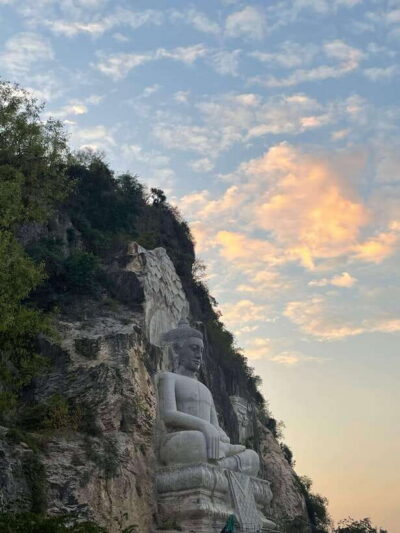
Browse the lists this tour appears in