
Reviewed · TUK-TUK TOURS
A Day TukTuk Handicrafts Bambootrain Killing&BatCaves,Sunset
Battambang rewards a full day. This $24 tuk-tuk trip connects local food-making, old temples, countryside roads, the original bamboo train, and Phnom Sampov’s famous bat flight. I like the way the morning gets you close to village work, not just polished monuments, and I like how the guide adds Cambodian history to nearly every stop. The main drawback is the length: at 11 to 12 hours, this is a hot, packed day rather than a gentle outing.
I also like the value. Water, snacks, fruit salad, tastings, transport, guide services, donations, and admissions are covered, although lunch and the $5 bamboo train ride are extra. Guides such as Samol, also known as Small but Spicy, are praised for clear English, personal stories, photos, and thoughtful help. The final bat spectacle can be late or hard to see in darkness, so keep your expectations realistic.
In This Review
- The best parts of the Battambang day
- Why this full-day tour works in Battambang
- Battambang’s statue, market, and old city center
- Rice noodles, bamboo sticky rice, and village skills
- Rice wine at 10 AM, with a Cambodian twist
- Wat Samrong Knong and the weight of recent history
- Ek Phnom: Buddha statues beside an 11th-century ruin
- The bamboo train through rural Battambang
- Rat barbecue, Phnom Sampov, and the Killing Cave
- Sunset and the bat flight
- What the $24 price really covers
- The guide can make or break a long day
- Is this tour right for you?
- FAQ
- How long does the Battambang tuk-tuk tour last?
- How much does the tour cost?
- Is food included?
- Is the bamboo train ticket included?
- Where can the tour pick me up?
- What should I bring and wear?
The best parts of the Battambang day
- Rice traditions you can taste: Watch rice noodles, bamboo sticky rice, rice paper, and rice wine being made, then sample several of them.
- History with local context: Visit Wat Samrong Knong and Phnom Sampov, where the guide explains both ancient Cambodia and the Khmer Rouge period.
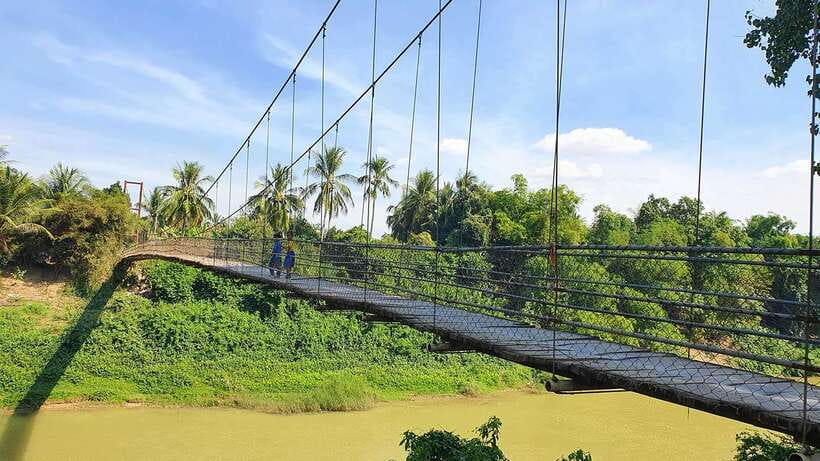
- The original bamboo train: Ride through villages, fruit plantations, rice fields, and rural settlements, with a short walk across a suspension bridge.
- A proper countryside outing: The tuk-tuk takes you beyond central Battambang to small producers, temples, farms, and open paddy fields.
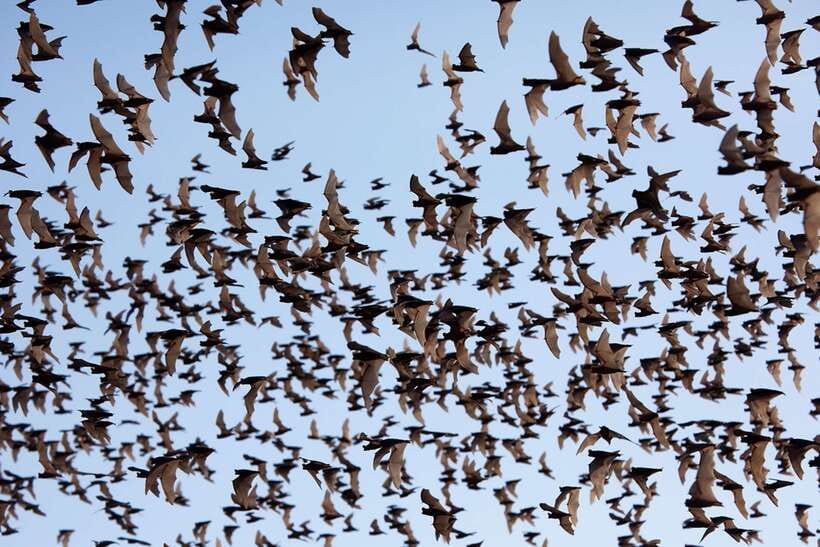
- A memorable final scene: From Phnom Sampov, watch millions of wrinkle-lipped bats stream from the cave at dusk.
- Good value at $24: Most admission fees and tastings are included, but you should budget for lunch and the optional train ticket.
Why this full-day tour works in Battambang
Battambang is easy to underestimate. The city itself has old buildings, markets, temples, and a famous statue, but much of its appeal lies outside the center. This tour makes sense because it joins the two sides of the province: the town’s history and the countryside’s working traditions.
Pickup is around 7:20 AM from your hotel or a restaurant within 5 kilometers of Battambang town. You ride in a tuk-tuk, with a live English-speaking guide and bottled water supplied through the day. The schedule is long, but it is broken into many short stops, so you are usually looking at something rather than sitting in the vehicle for hours.
I would choose this over a short city tour if you have only one day in Battambang. It gives you food, religion, recent history, rural life, transport, wildlife, and sunset views in one outing. The trade-off is obvious: you get breadth, not much free time.
The group may change during the day. Some people join only for the afternoon portion, while the morning can sometimes be private if bookings are light. That means your experience may feel personal early on and more social later.
More Tuk-Tuk Tours in Battambang
- Battambang: Tuk-Tuk, Bamboo Train, Killing/Bat Caves, Sunset
★ 4.9 · 1,436 reviews - Battambang Tuk Tuk tour: Bambootrain, Killing & Bat Caves,Sunset
★ 5.0 · 799 reviews - Afternoon tour by tuk tuk to bamboo train,bat cave,killing cave,countryside.
★ 5.0 · 344 reviews
Battambang’s statue, market, and old city center
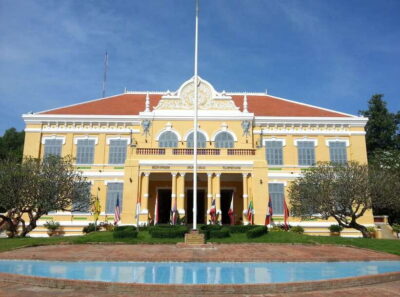
The morning begins with an introduction to Battambang’s public face. You see historical buildings, the central market, the provincial hall, and the statue of Ta Dambong Kranhoung, the city’s symbol.
This opening is useful because the guide gives you basic context before the countryside stops begin. You hear about Cambodian history, religion, farming, culture, and folk tales rather than receiving a string of disconnected photo stops. Guides including Samol and Somal are especially praised for answering questions and explaining how the city connects with the wider country.
Do not expect a long walking tour of every old building. This is more of a moving introduction, with the tuk-tuk carrying you between sights. It works well in the cooler morning, when you can look around without spending too long in the heat.
Rice noodles, bamboo sticky rice, and village skills
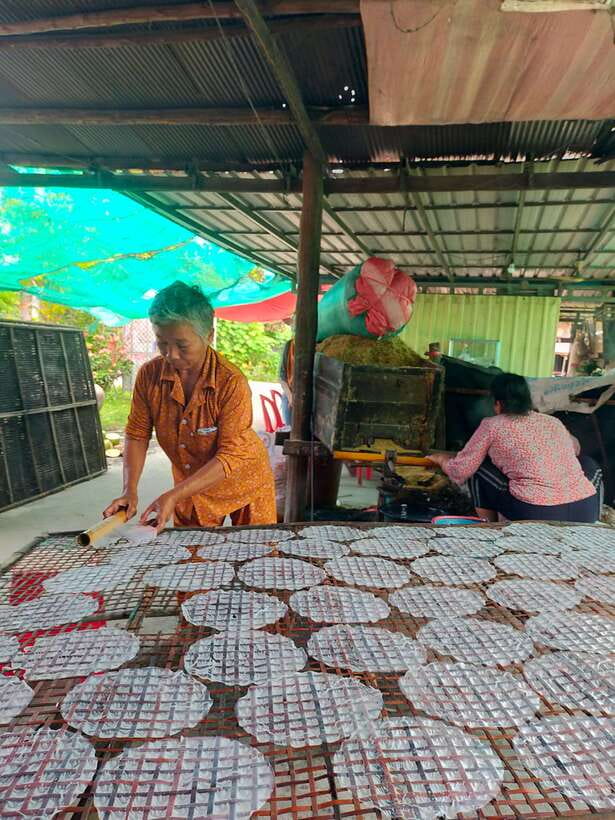
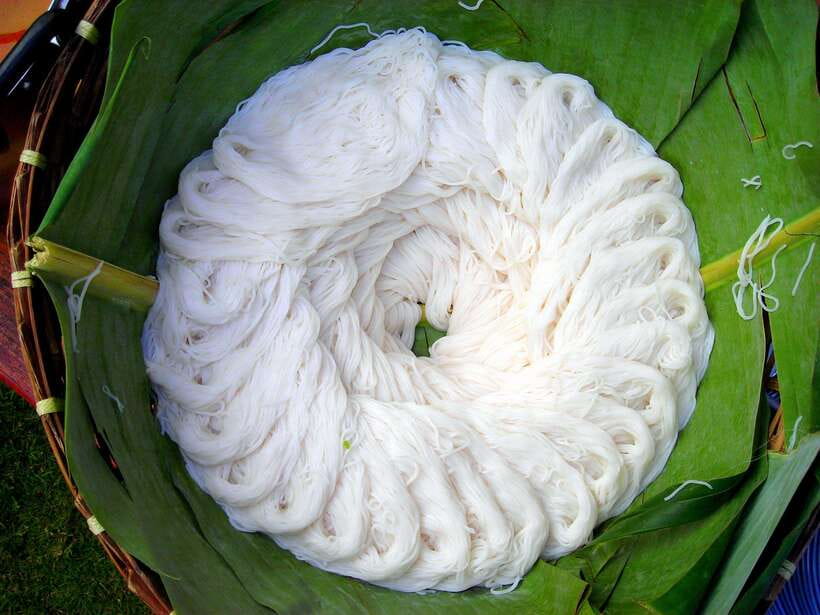
The food-making stops are the heart of the morning. At a Khmer rice noodle producer, you watch locals prepare a food eaten for breakfast, lunch, and dinner. You also get to taste the noodles, which turns a simple demonstration into something more useful.
Next comes bamboo sticky rice, a sweet snack or dessert cooked inside bamboo. It is one of the more distinctive tastings on the route, and several visitors found it a highlight. You see how a familiar local treat is prepared instead of merely finding it on a restaurant menu.
The rice paper stop adds another practical layer. Villagers make thin rice paper sheets used for spring rolls, with a single worker able to produce at least 1,500 in a day. You may also try fresh or fried spring rolls during the food stops.
These visits are not factory tours in the industrial sense. They are small-scale working places tied to family income and local routine. You can see traditional equipment and ask how the food is made. That contact gives you a better feel for daily life than a standard restaurant meal.
The tastings are generous for a $24 tour. Rice noodles, bamboo sticky rice, spring rolls, fruit, snacks, and rice wine may all appear during the day. If you eat vegetarian food, tell the guide early. A vegetarian participant was accommodated during both tastings and lunch.
Rice wine at 10 AM, with a Cambodian twist
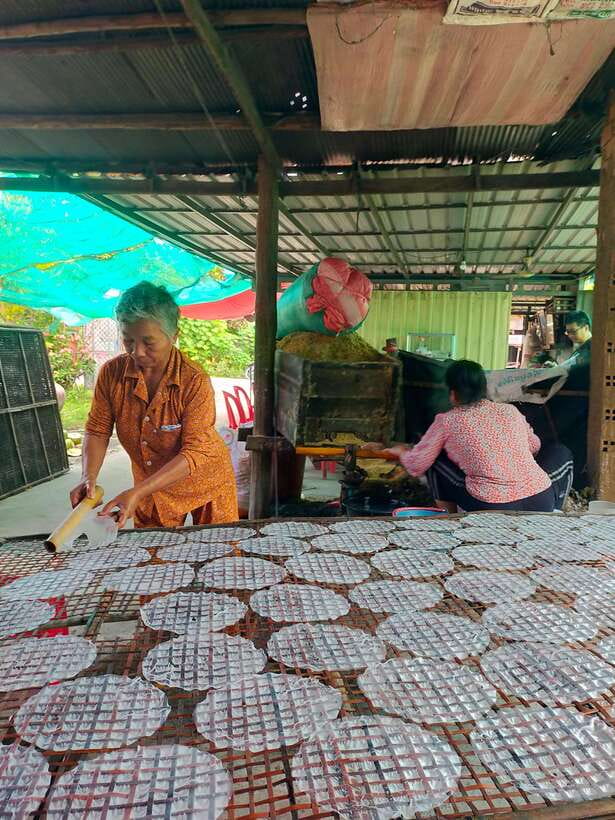
The rice wine stop is likely to be one of the morning’s more memorable moments. The production site has been operating since the 1980s, and you learn how rice wine is fermented and used.
You may sample plain rice wine and hear about other uses, including medicinal purposes and soaking fruit, plants, cobras, and tarantulas. The cobra and tarantula jars are not for everyone, but they show how practical and unusual local remedies can be.
The timing makes the tasting funny as well as potent. One person described rice wine as strong stuff at 10 AM, and that is fair warning. Take the sample slowly, drink water, and do not treat it like a full bar stop.
The important point is that this is not just a tasting. The guide explains why rice products matter so much in Cambodia, from everyday noodles to sweet snacks and alcohol. The morning begins to feel like one connected story rather than four unrelated food demonstrations.
Something completely different for another day:
- Local Livelihood Half Day Bike Tour in Battambang
★ 5.0 · 287 reviews - Explore Battambang full day tour by Tuk Tuk (start from 9am-6:30pm)
★ 5.0 · 240 reviews - Battambang: Bamboo Train, Bat Cave, Killing Cave by Tuk Tuk
★ 5.0 · 182 reviews - Full Day tour .City tour.Countryside.Bamboo Train.Secret Bat Cave
★ 5.0 · 178 reviews
Wat Samrong Knong and the weight of recent history
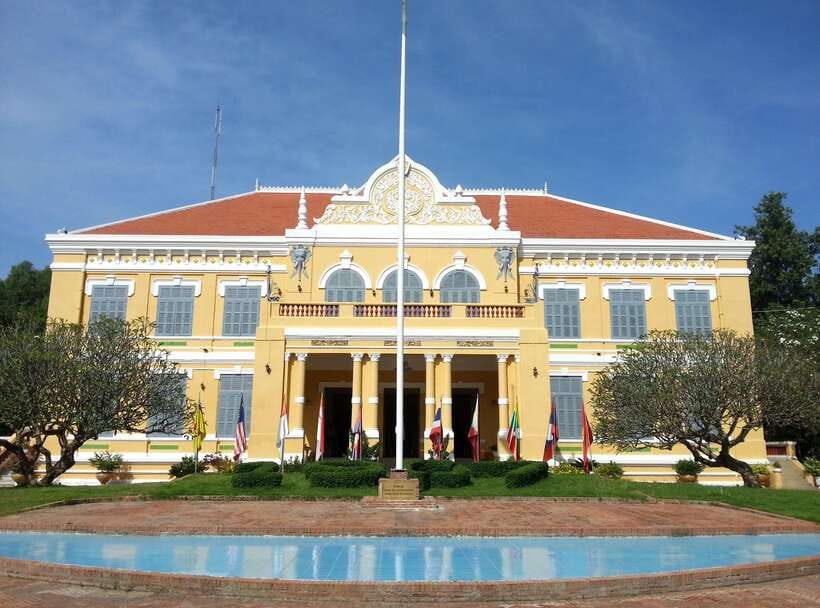
Wat Samrong Knong combines old religious architecture with a painful modern past. The Buddhist temple dates to 1707, while its brick stupa was built in 1887. You also see the torture house and killing field associated with the Khmer Rouge period.
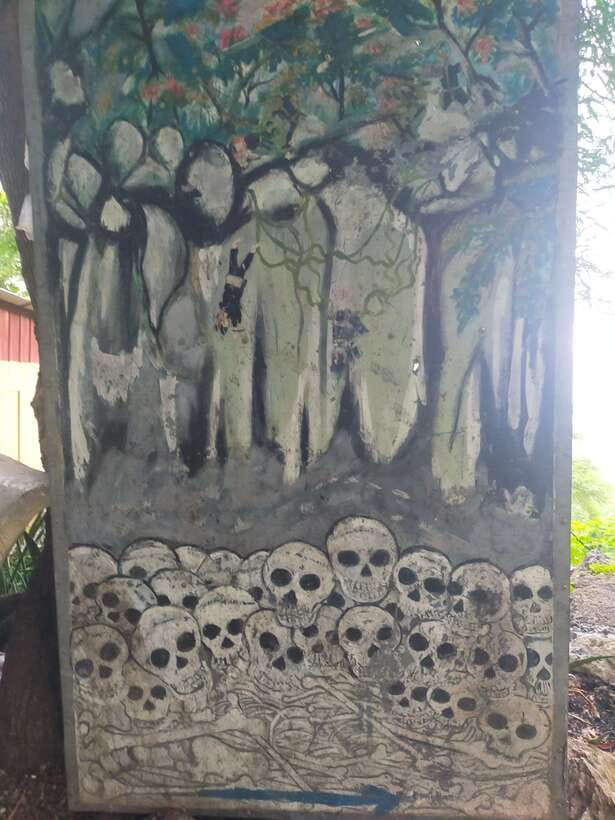
The pagoda was used to house Khmer Rouge soldiers and as a detention site for victims. Around 10,008 people are said to have been killed here. The numbers and place are difficult, but this stop matters because it puts Cambodia’s recent past into a real setting.
A good guide changes how you experience this visit. Samol has shared personal memories of growing up during the Khmer Rouge era, and his first-hand account gives the history a human scale. This is not light sightseeing, and the mood should not be. Still, the guide keeps the explanation clear and respectful.
I would not rush through this stop for photographs. Listen, ask questions, and allow a little quiet time. The visit can feel emotionally heavy, particularly when followed by the Killing Cave later in the day.
Ek Phnom: Buddha statues beside an 11th-century ruin
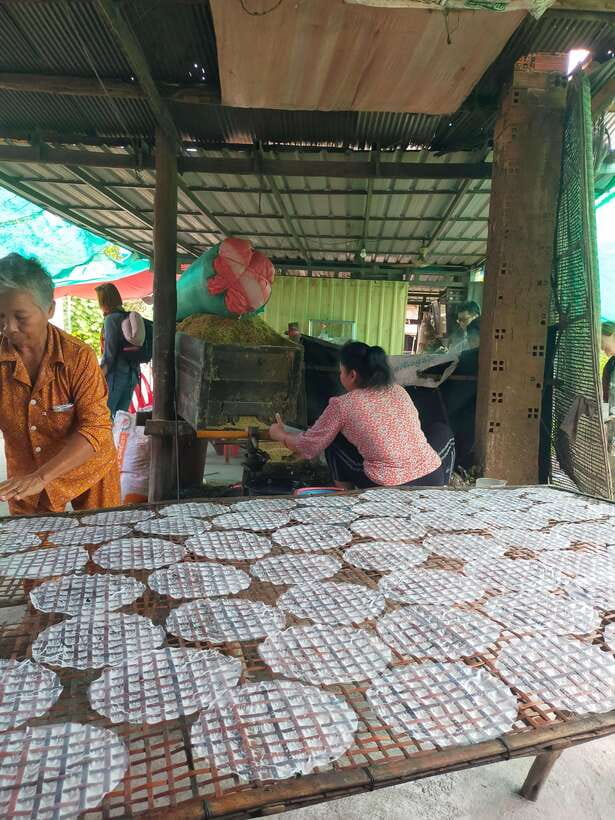
At Ek Phnom, a 25-meter-high modern Buddha is surrounded by standing Buddha figures. Nearby, you visit a Buddhist temple built in 1991, with painted scenes of Buddha’s life inside.
The older attraction is the ruined Angkorian Hindu temple from the 11th century, built under King Suryavarman I. Seeing the modern Buddhist complex beside an earlier Hindu monument helps explain the layers of Cambodian religious history.
This stop gives you more visual variety after the serious memorial at Wat Samrong Knong. You move from brick ruins to bright religious art and a huge Buddha figure. Wear suitable clothing and remember that sleeveless shirts are not allowed on the tour.
The site also requires walking, some of it outdoors in strong heat. Comfortable shoes, sunscreen, and rain gear are sensible. Rain can change the feel of the whole day, especially during tuk-tuk travel and the later mountain visits.
The bamboo train through rural Battambang
After returning toward the city, the tour continues to Ou Srauo Laou and the original bamboo train. You pass villages, fruit plantations, rice fields, local homes, and farmers working near the line. There is also a suspension bridge to walk across and time to stop and speak with local people.
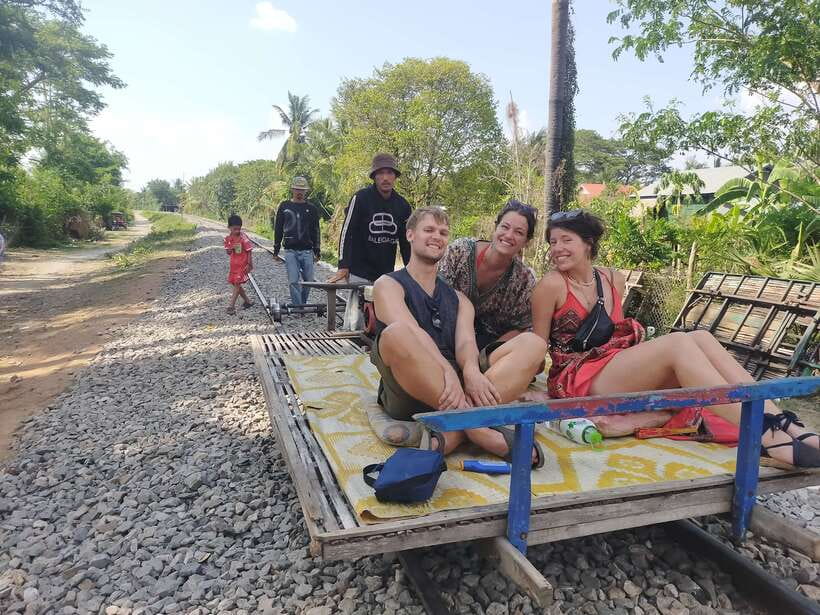
The train itself is a simple bamboo platform powered along the track. It is not a luxury ride, which is exactly why it feels so different from a normal sightseeing vehicle. The open views and low seating make the countryside the attraction.
The ride costs $5 per person and is not included in the main price. Bring cash for it. A free massage is also offered as part of the stop, though the exact setup may vary.
The train section is often the most playful part of the day. You get a novelty ride, rural views, and a break from listening to heavy history. It is also a place where the pace can feel less controlled, so do not expect a polished theme-park experience.
Late lunch follows at a local village restaurant. Lunch is not included, so keep money aside. The food is described as very good, but the tour does not specify a set menu. If you have dietary needs, tell the guide before ordering.
Rat barbecue, Phnom Sampov, and the Killing Cave
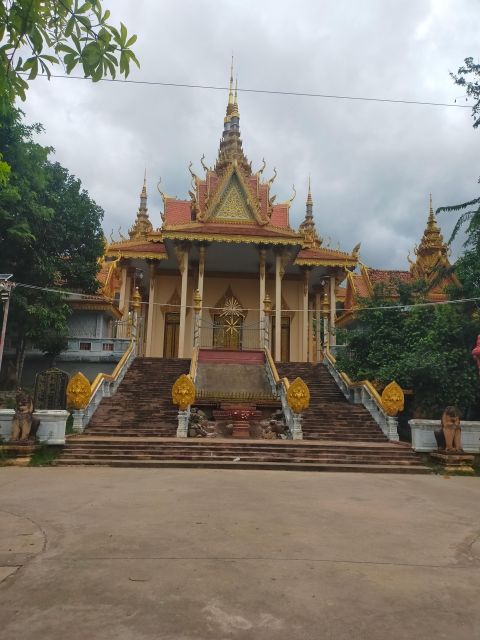
Before Phnom Sampov, you can sample KFR, or rat barbecue. The tasting is optional, so there is no need to force yourself into it. The useful way to approach it is as a local food experience, not a dare. The taste has been compared to barbecue chicken, especially when seasoned and grilled.
After that, you reach Phnom Sampov by taxi, pickup truck, or on foot. The exact transport can depend on the day and your preference. The mountain section includes the Killing Cave, temples, viewpoints, monkeys, and stories about the Khmer Rouge years from 1975 to 1979.
The Killing Cave is another serious memorial site, with more than 10,000 victims associated with the mountain. The contrast with the monkeys and viewpoints can feel abrupt, but that is part of Phnom Sampov’s complicated character. It is a place of beauty, religion, wildlife, and atrocity all at once.
You need reasonable fitness here. The tour is not suitable for people with mobility impairments, pregnant women, or people over 70, according to the stated restrictions. Even for fit visitors, the climb and heat can be tiring after a full day on the road.
Take water with you, use the supplied bottles, and wear shoes with a firm sole. The viewpoints reward the effort with broad views over the countryside, especially as the light softens near sunset.
Sunset and the bat flight
The final event is the flight of millions of wrinkle-lipped bats from the cave. You wait near the mountain as evening arrives, then watch the bats stream out for more than 50 minutes.
This is a natural spectacle rather than a timed stage show. The bats may emerge late, and darkness can make them difficult to see. One person found the finale disappointing because the bats came out too late to see clearly, while others considered them the crowning moment of the day.
That difference is worth understanding before you book. You can control your position and patience, but not the bats, sunset, clouds, or light. Bring a camera if you want, though the sight is more impressive as a moving ribbon across the sky than as a photograph.
The tour ends with a return to your hotel or Pomme Bar in town. Drop-off arrangements can be especially helpful if you want to continue your evening there.
What the $24 price really covers
At $24 per person, this is strong value if you want a full introduction to Battambang. The price includes:
- Hotel or restaurant pickup and drop-off within 5 kilometers of town
- Tuk-tuk transport
- An English-speaking live guide
- Bottled water and wet wipes
- Snacks, fruit salad, and local tastings
- Rat barbecue tasting if you choose it
- Motorbike or pickup-truck transport where used
- Donations
- Admission to Ek Phnom, Phnom Sampov, the Killing Cave, and the Bat Cave
You still pay for lunch and the $5 bamboo train ride. Personal purchases are also extra. So the realistic cost is higher than $24, but the included admissions and food samples keep the base price attractive.
Free cancellation up to 24 hours before the start and reserve-now, pay-later booking add useful flexibility. The pickup area is limited, so check that your accommodation is within the 5-kilometer zone.
The guide can make or break a long day
The strongest part of this experience is the guiding. Samol is repeatedly praised for his excellent English, humor, clear explanations, photos, and personal care. Other guide names include Sam, Somal, Davis, and David, so the exact person may vary.
You can expect the guide to explain food production, Cambodian religion, Battambang’s past, Khmer Rouge history, local legends, and rural life. The best accounts describe a guide who keeps the day lively without turning the serious sites into entertainment.
That matters over 11 or 12 hours. A silent driver and a checklist of stops would make this itinerary exhausting. A guide who answers questions, finds good photo spots, supplies water, and adjusts small details can make it feel like a day with a helpful local friend.
Several people were collected alone in the morning and later joined a larger afternoon group. That arrangement can suit solo visitors, since you get personal attention without spending the whole day by yourself.
Is this tour right for you?
Book it if you want to see a lot in one day and care about how food, faith, farming, and history fit together. It is especially good for first-time visitors to Battambang, solo visitors, couples, and anyone who has limited time in the province.
You should also enjoy tuk-tuk travel, outdoor walking, local food samples, and an itinerary with little empty space. The day is hot, long, and sometimes emotionally difficult. It is not the right choice if you want a slow temple morning, a private luxury vehicle, or a relaxed lunch with plenty of time.
I would book the full day rather than only a half-day if your schedule allows. The morning food visits give the afternoon sights more meaning, and the bamboo train, Killing Cave, sunset, and bats provide a strong finish. Just bring cash for lunch and the train, wear proper clothing and shoes, and treat the bat flight as a lucky natural bonus rather than a guaranteed perfect photograph.
FAQ
How long does the Battambang tuk-tuk tour last?
The tour lasts approximately 11 to 12 hours. Pickup begins around 7:20 AM, with the final return after the bat-cave visit.
How much does the tour cost?
The listed price is $24 per person. Lunch and the bamboo train ride, which costs $5 per person, are not included.
Is food included?
Food tastings are included, including rice noodles, bamboo sticky rice, rice paper products, rice wine, snacks, fruit salad, and optional rat barbecue tasting. Lunch is not included.
Is the bamboo train ticket included?
No. The bamboo train ride costs $5 per person and is paid separately.
Where can the tour pick me up?
Pickup and drop-off are available at hotels or restaurants within 5 kilometers of Battambang town. You should be ready 10 minutes before pickup.
What should I bring and wear?
Bring comfortable shoes, a camera, rain gear, cash, and sunscreen. Sleeveless shirts are not allowed.
Newest reviews from Battambang
- Private Taxi Transfer From Battambang – Kampot★ 5.0 · 1 review
- Private Taxi Transfer Battambang from/to Phnom Penh★ 5.0 · 7 reviews
- Private Taxi Transfer From Battambang – Siem Reap City★ 5.0 · 4 reviews
- Afternoon tour to Original Bamboo train. Bat cave. Killing cave★ 5.0 · 25 reviews
- Afternoon Tour BambooTrain & Bat Cave★ 5.0 · 57 reviews
- Private Boat from Battambang to Siem Reap via Tonle Sap Lake★ 4.5 · 3 reviews
- Tuk Tuk Tour (Full-Day)★ 5.0 · 7 reviews
- Private Half-Day Tuk Tuk Tour in Battambang★ 5.0 · 2 reviews
Tuk-Tuk Tours, compared.
Tuk-Tuk, Bamboo Train, Killing/Bat Caves, Sunset
Read our review →
Siem Reap Countryside Bike Tour / E-Bike or Tuk Tuk
Read our review →
Battambang Tuk Tuk tour: Bambootrain, Killing & Bat Caves,Sunset
Read our review →
Phnom Penh Silk Island Bike Tour/ E-Bike or Tuk Tuk
Read our review →
Angkor Wat Private Tuk-Tuk Tour (sunrise Option) & more
Read our review →
Ultimate Phnom Penh Food Tour by Tuk Tuk: 20 Tastings and Drinks
Read our review →Browse the lists this tour appears in