Reviewed · TOURS
10 Days Cambodian Panoramic Overland Group Tour
Cambodia in ten days, from temples to beaches. This small-group overland tour links Angkor Wat, Battambang, Phnom Penh, and Koh Rong without making you arrange each transfer yourself. I like the strong mix of Khmer temples, rural Cambodia, difficult modern history, and island rest. I also like the maximum group size of 10, which should make daily transport more manageable than a large coach tour.
The main drawback is the pace. Days 2 through 6 are full, and the long road transfers leave little room for spontaneous stops. The beach portion offers two free days, but the tour cost of $1,559 per person does not include international flights or a Cambodian visa, so you need to budget beyond the advertised price.
In This Review
- Five useful things to know before booking
- What this Cambodia tour does well
- Day 1: Start gently in Siem Reap
- Day 2: A packed but rewarding Angkor circuit
- Day 3: Tonle Sap, floating life, and the road to Battambang
- Day 4: Bamboo rails, hilltop ruins, and bats at dusk
- Day 5: Pottery, Oudong, and the road to Phnom Penh
- Day 6: Phnom Penh’s hardest lessons and finest buildings
- Days 7 to 10: From Phnom Penh to Koh Rong
- Is $1,559 a fair price?
- Who should book this route?
- Final call: a strong overview with a fast pace
- FAQ
- How long is the Cambodia tour?
- What is the maximum group size?
- What accommodation is included?
- Are meals included?
- Are temple admission tickets included?
- How long is the journey from Battambang to Phnom Penh?
- How do you reach Koh Rong?
- Are international flights and the Cambodian visa included?
Five useful things to know before booking
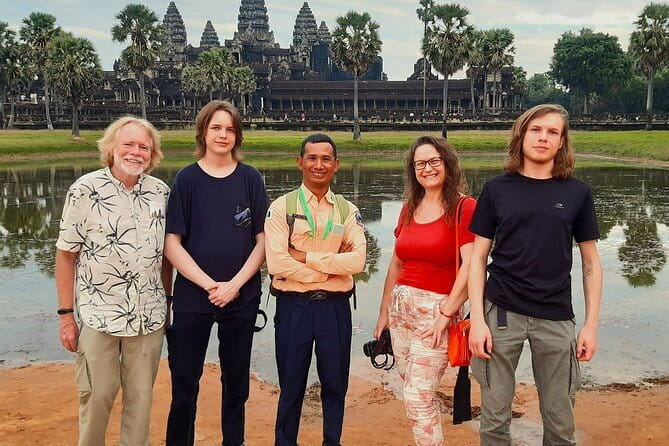
- Angkor gets a full day: Angkor Wat, Angkor Thom, Bayon, Ta Prohm, and Banteay Kdei are covered with admission included.
- The group is capped at 10: That is a useful size for quicker departures and less time waiting for people.
- Battambang adds rural Cambodia: The bamboo train, hilltop Wat Banan, killing caves, and sunset bat flight give this stop a different feel from Siem Reap.
- Phnom Penh covers both beauty and tragedy: The Killing Fields and Tuol Sleng come before the National Museum, Royal Palace, Silver Pagoda, and Wat Phnom.
- Koh Rong is mostly free time: Days 8 and 9 are yours, with no scheduled activities listed.
- Plan for long transfers: Expect about five hours from Battambang to Phnom Penh, then four to five hours from Phnom Penh to Sihanoukville, followed by a one-hour boat to Koh Rong.
What this Cambodia tour does well
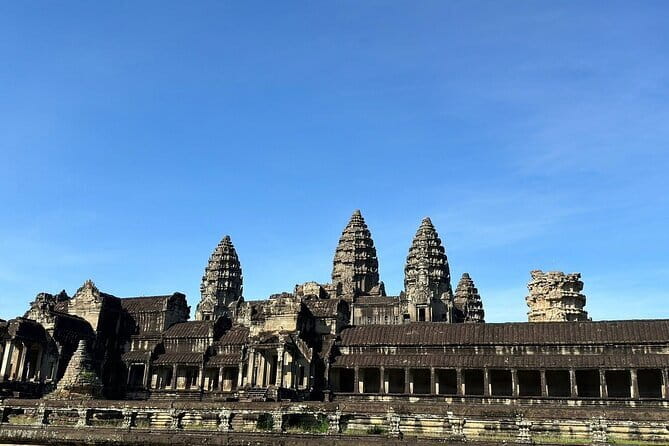
This is a smart route if you want Cambodia’s major contrasts in one trip. You begin with the stone temples of the Khmer Empire, move through small-town and village life, confront the country’s recent past in Phnom Penh, and finish beside the sea.
I especially like the way the route avoids making Siem Reap the whole story. Angkor Wat is the headline, but Battambang gives you countryside and older transport traditions, while Phnom Penh brings the country’s royal, artistic, and political history into view.
The tour uses 3-star hotels on a twin-sharing basis. That keeps the price below a luxury itinerary, but it also means you should not expect high-end rooms or resort service throughout. Dinner is included, and breakfast is listed as optional, so check exactly what your booking covers before you pay.
The available praise for the tour operator focuses on organization. Helen and Ivy are described as patient, efficient, and quick when arranging complicated transport, hotels, private cars, taxis, ferries, and flights across a larger Indochina trip. That is useful context here because this route also involves road transfers, a ferry, hotels, and airport coordination.
A few more options around Siem Reap worth reading up on
- Angkor Wat Sunrise or Sunset Tour with Guide from Siem Reap
★ 5.0 · 12,109 reviews - Siem Reap: Angkor Wat: Small-Group Sunrise or Sunset Tour
★ 5.0 · 9,444 reviews - From Siem Reap: Kampong Phluk Floating Village Tour by Boat
★ 4.9 · 6,979 reviews
Day 1: Start gently in Siem Reap
The first day is centered on Siem Reap, Cambodia’s second-largest city and the base for the Angkor temples. The schedule gives little detail about formal sightseeing, so treat this as an arrival and orientation day rather than a major touring day.
That is a good thing. After an international flight, you will want time to settle into the hotel and prepare for the early temple work ahead. Siem Reap is also the practical place to get cash, adjust to the heat, and confirm the next morning’s pickup.
The tour’s stated start time is 8:00 am. Since the following day contains several temple stops and an evening show, ask for the exact pickup arrangements when you receive confirmation.
Day 2: A packed but rewarding Angkor circuit
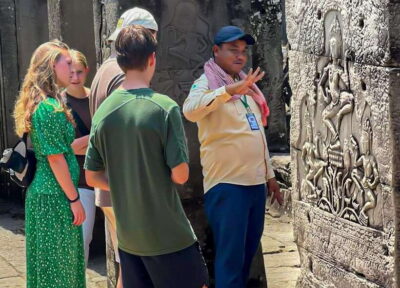
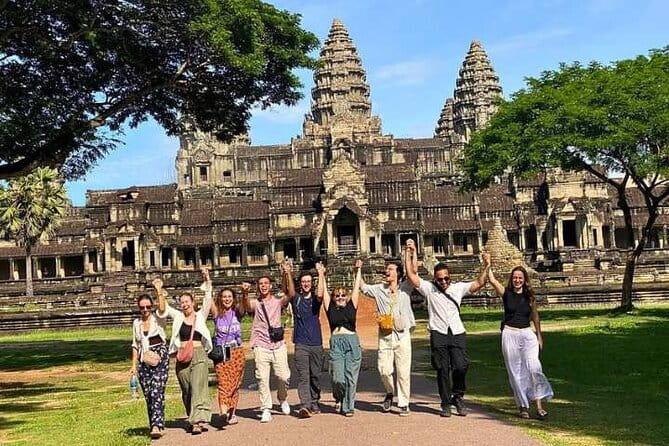
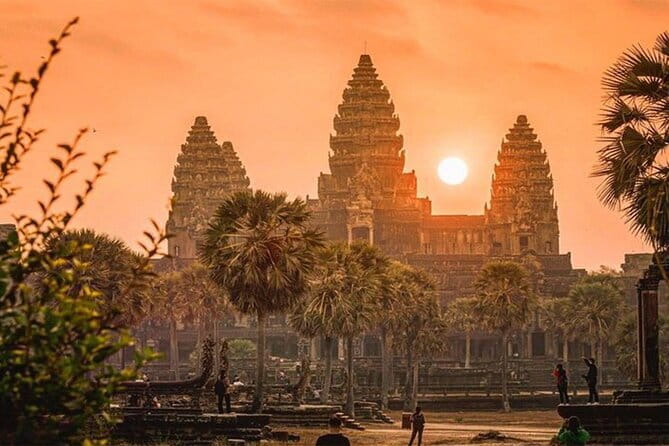
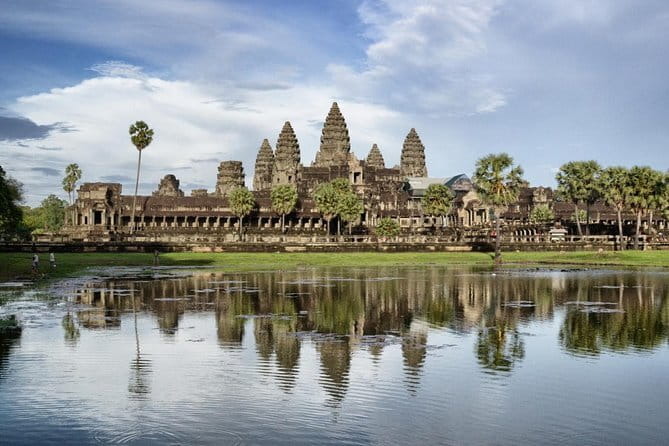
Day 2 is the tour’s big archaeological day. Angkor Wat receives about three hours, which gives you time to see its broad courtyards, towers, galleries, and carved stonework without reducing the visit to a quick photograph.
Angkor Wat was built during the Khmer Empire and is recognized by UNESCO. It is also described as the world’s largest monument, so three hours is helpful but not exhaustive. If you care about details, listen closely to the guide and keep your expectations realistic. This is an introduction, not a specialist study visit.
You then enter Angkor Thom, the fortified city that includes Bayon and several other important structures. The two-hour visit brings you near Baphuon, Phimeanakas, the Terrace of the Leper King, and the Terrace of the Elephants. These names can blur together after a full morning, but the variety of structures helps you understand that Angkor was a large capital, not a single isolated temple.
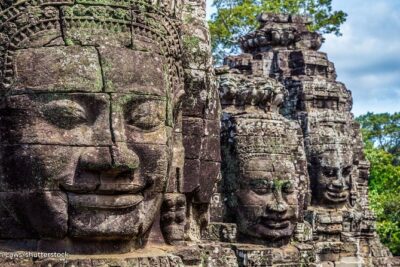
Bayon is the visual star here, with its famous stone faces. The temple was built in the late 12th or early 13th century under Jayavarman VII and served as Angkor Thom’s state temple. A separate 30-minute Bayon stop appears later in the schedule, so confirm how the timing is arranged. The program may combine the first Angkor Thom visit with a later focused stop.
Ta Prohm gets its own 30 minutes. Its Buddhist purpose and tree-covered ruins give it a very different mood from the open scale of Angkor Wat. The temple is linked with the film Tomb Raider, but the roots and galleries are more interesting than the movie connection.
Banteay Kdei, also given 30 minutes, is a quieter part of the complex. This is one of the better short stops for noticing the feel of a temple away from the biggest crowds, though the schedule leaves little time for lingering.
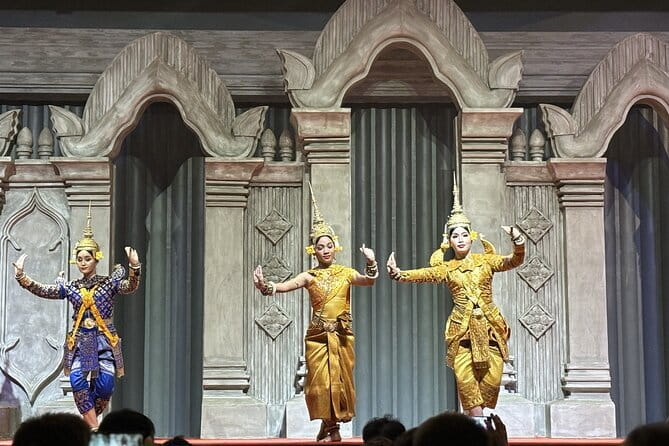
The evening ends with an Apsara dance show and buffet dinner. Apsara is a traditional Khmer dance form, and the performers wear formal costumes with controlled hand and finger movements. This is an easy introduction to Cambodian performance, though the dinner-show format is more polished and arranged than a small local performance.
Wear shoes with a firm sole and clothing that covers shoulders and knees for temple visits. The itinerary does not state a dress code, but modest clothing is the sensible choice at active religious sites.
Day 3: Tonle Sap, floating life, and the road to Battambang
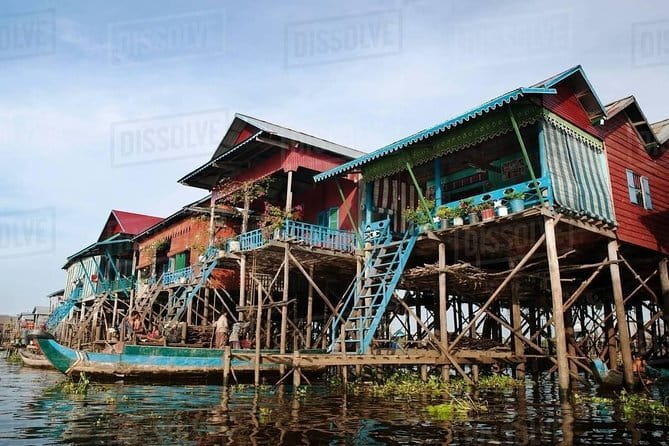
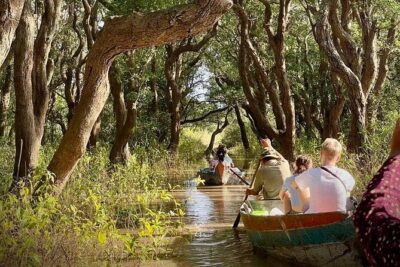
The morning takes you to Tonle Sap Lake, Southeast Asia’s largest freshwater lake. A two-hour boat trip is included, with views of the lake and mangrove areas. The water level and appearance can vary by season, so do not expect the same scenery year-round.
Kampong Phluk receives another hour. The village is described as the largest village on the lake, and the visit focuses on daily life for people who live on the water. This is one of the itinerary’s most distinctive stops because it shows a form of settlement very different from the stone cities and modern capital.
The schedule then moves to Battambang, with about three hours assigned to the city. Battambang is known for colonial buildings, traditional villages, countryside, and older temples. It is a calmer counterpoint to Siem Reap, though the combination of a lake boat, village visit, and transfer makes this a long day.
You should expect the day to feel more like transport with sightseeing than a relaxed town visit. If you prefer a slower pace, Battambang deserves more time than the schedule appears to give it.
Something completely different for another day:
- Sunset tour of Kampong Phluk stilts home village on the Tonle Sap
★ 5.0 · 4,865 reviews - Siem Reap: Angkor Wat 2-Day Tour with Sunrise and Sunset
★ 4.9 · 4,429 reviews - Siem Reap: Kampong Phluk Floating Village Tour with Boat
★ 4.9 · 3,843 reviews - Siem Reap: Full-Day Angkor Wat Guided Tour with Sunset
★ 4.9 · 3,803 reviews
Day 4: Bamboo rails, hilltop ruins, and bats at dusk
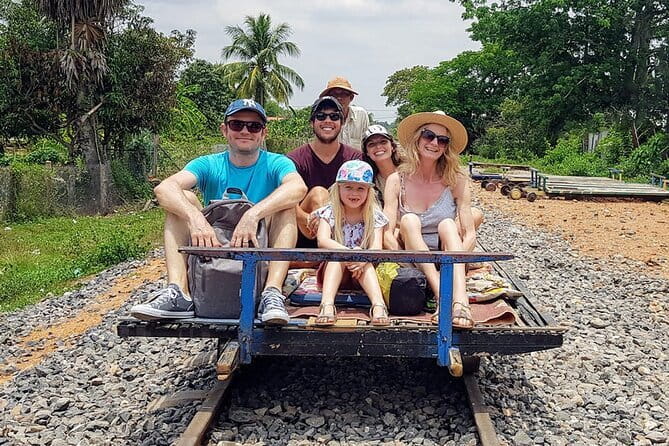
The bamboo train is Battambang’s signature outing. The ride uses a bamboo platform laid over two sets of wheels on a single track. It once carried goods and people between villages, and today it runs through the countryside to a small village where you can walk before returning.
The ride lasts about two hours and admission is included. It is simple, exposed, and much less polished than a standard tourist train, which is part of its appeal. The trip is best understood as a local transport tradition turned sightseeing ride, not as a major engineering attraction.
After lunch, you face 365 steps to Wat Banan. The temple sits on a hill near the Sanker River and dates to the Angkor period. The climb is the real consideration here. It may be manageable for many people, but heat, uneven steps, and the full schedule can make it tiring.
The Killing Caves of Phnom Sampeau are a short but serious stop. The site connects a beautiful mountain setting with violence from the Khmer Rouge period. Give it your attention and keep the mood respectful. This is not simply another scenic viewpoint.
Near sunset, you wait beside the bat caves for millions of bats to emerge. The schedule allows about an hour, and the timing is important. Since the bat flight depends on the evening, the stop should be one of the most memorable visual moments of the trip, but conditions can change.
Afterward, the plan says you are escorted back to explore local nightlife before returning to your hotel. That gives you a little independence, though the day is already full. Do not expect a late evening to feel effortless after the hill climb and sunset wait.
Day 5: Pottery, Oudong, and the road to Phnom Penh
The drive from Battambang to Phnom Penh takes about five hours. That is a substantial road day, but the two planned stops break it up.
Kampong Chhnang is known for traditional pottery. You can watch artisans work and see the stages of pottery making, along with the process of making traditional rice wine. The stop lasts only 30 minutes, so it is a brief look rather than a hands-on workshop.
Oudong was once Cambodia’s royal capital. From the road, you see rural villages, pagodas, and the temple mountain with its stupas. The visit then continues up Oudong Mountain for views across the surrounding plains, with the guide explaining the area’s history, buildings, and religious customs.
The climb adds another physical element after the previous day’s stairs. Still, Oudong is valuable because it shifts the focus from Angkor’s monumental temples to a former capital with a different setting and purpose.
You arrive in Phnom Penh after another hour or so from Oudong. This day is best for people who accept that road travel is part of the Cambodian experience. It is less suited to anyone who wants every day to be filled with long, unhurried visits.
Day 6: Phnom Penh’s hardest lessons and finest buildings
Phnom Penh’s sightseeing day begins at Choeung Ek, commonly called the Killing Fields. The guided visit explains the atrocities of the Khmer Rouge regime and includes accounts from survivors. Allow yourself emotional space here. The one-hour visit is direct and sobering.
Tuol Sleng Genocide Museum follows. This former prison was used to detain, torture, and execute prisoners. Its displays help connect the events at Choeung Ek with the machinery of imprisonment and interrogation in the city.
The afternoon turns to Cambodian art and royal life. The National Museum contains Khmer sculptures, ceramics, and textiles, and the guide explains the importance of the collection. This is a useful bridge from Cambodia’s ancient past to its more recent story.
The Royal Palace was built by King Norodom between 1866 and 1870. The complex contains four main compounds and remains the official home of the Cambodian royal family. Two hours allows a reasonably full visit, though palace access can vary by area.
The Silver Pagoda sits within the palace grounds. Its silver floor tiles and a golden Buddha decorated with more than 9,000 diamonds make it one of the city’s most visually striking stops. Wat Phnom finishes the day with a hilltop Buddhist temple surrounded by gardens.
This sequence works well because it does not present Phnom Penh as only a place of tragedy. You see the wounds of the 20th century, then Cambodian art, monarchy, and living religion. The drawback is intensity. Six stops in one day can leave you mentally tired, especially after the morning museums.
Days 7 to 10: From Phnom Penh to Koh Rong
Day 7 begins around 9:00 am with a four-to-five-hour journey to Sihanoukville. From there, you board a boat for roughly one hour to Koh Rong. The resort team is scheduled to meet you at the island and escort you to your accommodation.
This is another long transfer, but the change of setting is welcome after the city tour. You move from roads and museums to a resort island, with the boat forming a clear break between the mainland and the beach stay.
Days 8 and 9 are entirely your own arrangement. No excursions, meals, or activities are specified for these days, so the value depends on how much you want unstructured beach time. If you like swimming, resting, and setting your own rhythm, this is a useful pause. If you prefer active sightseeing, you may find two free days too long.
On Day 10, you have breakfast and free time in the morning before taking a one-hour boat back to Sihanoukville. You are then taken directly to Sihanoukville Airport. Be careful with your onward flight timing because the boat and road transfers create several points where delays could affect your departure.
Is $1,559 a fair price?
At $1,559 per person, the tour offers a lot of movement and sightseeing for ten days. The price includes 3-star twin-share accommodation, an air-conditioned vehicle, dinner, and listed admission tickets at major sites such as Angkor Wat, the Angkor temples, Tonle Sap, the bamboo train, Phnom Penh’s historical sites, and the Apsara show.
The cost does not include international flights or a Cambodian visa. Breakfast is described as optional, so confirm whether it is included in your selected arrangement. You should also check which meals beyond the stated dinner are your responsibility.
The strongest value comes from the logistics. You do not have to arrange the Siem Reap to Battambang movement, the Battambang to Phnom Penh road journey, the transfer to Sihanoukville, or the boat connections to Koh Rong on your own. A group capped at 10 is another plus.
The weakest value appears if you want luxury hotels, slow meals, or lots of free time in Battambang and Phnom Penh. This is a route-focused tour. You are paying for coverage and coordination rather than an intimate, leisurely stay in each place.
Who should book this route?
I would recommend it to a first-time visitor who wants Cambodia’s main sights without planning every bus, car, hotel, and ferry. It suits people who enjoy a full schedule, can handle several long drives, and appreciate having two beach days at the end.
It is also a good fit for couples or friends comfortable with twin-sharing 3-star hotels. Solo participants should confirm the room arrangement and any single supplement before booking.
I would be cautious if you have limited mobility. The itinerary includes 365 stairs at Wat Banan, a climb at Oudong, temple walking, and several long transfer days. The tour says most people can participate, but it does not provide detailed accessibility information.
The cancellation terms are worth noting before you commit. A full refund is available when you cancel at least six full days before the start time. A 50% refund applies two to six days before departure, while cancellations less than two full days before the start are not refunded. The experience also requires a minimum number of participants.
Final call: a strong overview with a fast pace
Book this tour if you want a well-connected Cambodian route with major temples, rural stops, Phnom Penh’s most important sights, and a proper island finish. The small group and organized transfers add real value, especially on a trip with roads, boats, and several hotels.
Skip it if you want slow travel. You would need more time for Battambang, quieter temple visits, and Phnom Penh’s museums, while the two free days on Koh Rong may not compensate for the busy middle of the trip.
For most first-time visitors with ten days, this is a practical and varied introduction. Just arrive ready for early starts, long drives, emotional history, simple accommodation, and a schedule that keeps moving.
FAQ
How long is the Cambodia tour?
The tour lasts approximately 10 days, beginning in Siem Reap and ending with transport from Koh Rong to Sihanoukville Airport.
What is the maximum group size?
The group has a maximum of 10 participants.
What accommodation is included?
The tour includes 3-star hotels on a twin-sharing room basis.
Are meals included?
Dinner is included, and breakfast is listed as optional. Confirm the exact meal arrangement when booking.
Are temple admission tickets included?
Admission is included for the listed Angkor temples, including Angkor Wat, Angkor Thom, Ta Prohm, Banteay Kdei, and Bayon. Other listed attractions also show included admission where stated.
How long is the journey from Battambang to Phnom Penh?
The journey takes around five hours, with stops at Kampong Chhnang and Oudong before continuing to Phnom Penh.
How do you reach Koh Rong?
You travel from Phnom Penh to Sihanoukville by road, a journey of about four to five hours, then take a boat for approximately one hour to Koh Rong.
Are international flights and the Cambodian visa included?
No. International flights and the Cambodian visa are not included in the tour price.
Newest reviews from Siem Reap
- Morning Village & Countryside Bike Experience – Siem Reap★ 5.0 · 5 reviews
- ( Free eSim) Half Day Siem Reap City Morning or Afternoon Tour★ 5.0 · 1 review
- Siem Reap Guided Day Trip to Local Village and Cooking Class★ 5.0 · 7 reviews
- Half Day Kampong Phluk with Sunset, Boat and Guide from Siem Reap★ 5.0 · 1 review
- Jungle Trekking Tour at Phnom Kulen National Park from Siem Reap★ 5.0 · 19 reviews
- Lady Tuk Tuk Angkor By SONA-English Speaking Driver★ 5.0 · 1 review
- Siem Reap Evening Street foods Tours by Tuk Tuk★ 5.0 · 37 reviews
- Authentic Siem Reap: Tuk Tuk Countryside and Sunset Tour★ 5.0 · 1 review
Tours, compared.
Angkor Wat Sunrise or Sunset Tour with Guide from Siem Reap
Read our review →
Angkor Wat: Small-Group Sunrise or Sunset Tour
Read our review →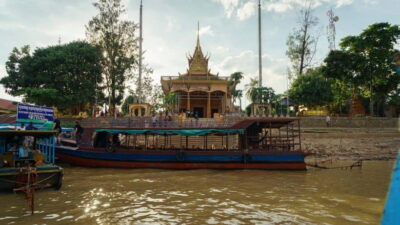
Sunset tour of Kampong Phluk stilts home village on the Tonle Sap
Read our review →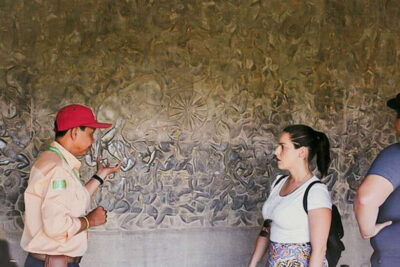
Angkor Wat 2-Day Tour with Sunrise and Sunset
Read our review →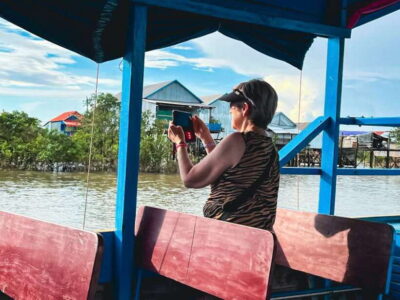
Kampong Phluk Floating Village Tour with Boat
Read our review →